 EN


Frequently asked questions
The European range includes a 150 hp petrol version, a 245 hp HEV hybrid and a 292 hp PHEV plug-in hybrid.
The 48V system is a mild hybrid that assists the petrol engine but does not offer the same electric-driving capability as the full HEV. The 245 hp HEV can drive on electric power and does not need external charging.
The PHEV is worth considering when you can charge regularly and want to use electric power on everyday trips. A 40 km daily route with overnight charging is one example, although the petrol engine may still start depending on operating conditions.
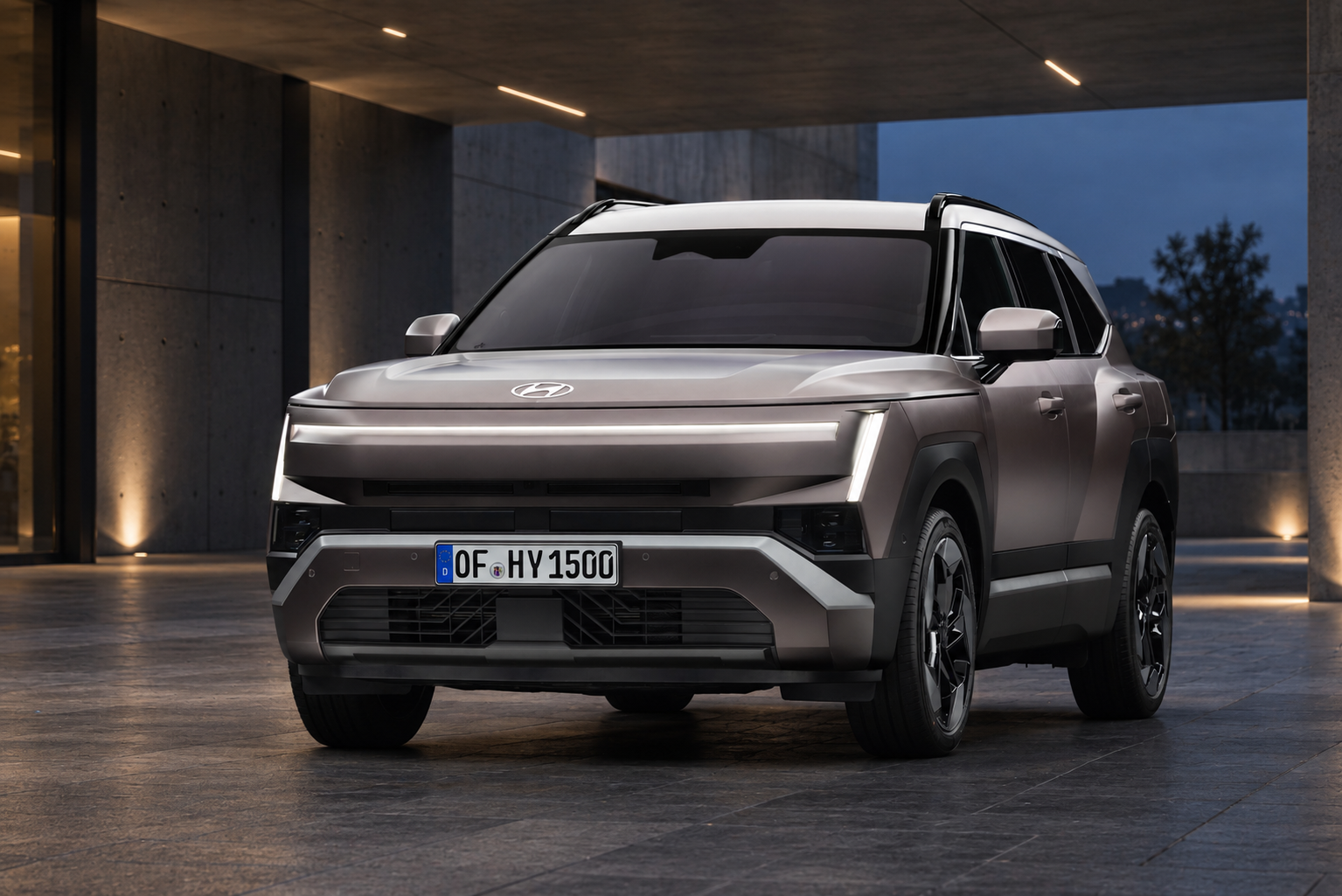
The new Hyundai Tucson for Europe is offered with three powertrain options: a 150 hp petrol engine, a 245 hp HEV hybrid and a 292 hp plug-in hybrid PHEV. The main difference for owners is whether the car can drive on electric power and how its battery is charged. That affects everyday use just as much as engine output.
On 1 October 2026, Hyundai unveiled the new-generation Tucson in New York—the date cited by the company in its world premiere announcement. The European debut took place in Paris on 12 October 2026, where the N Line version was also shown. The comparison below covers the European range specifically: specifications for other markets may differ.
Three Tucson versions in one table
All three versions use a 1.6 T-GDI turbocharged petrol engine. In the HEV and PHEV, it is assisted by an electric traction motor. Hyundai provides the following figures in its European Tucson technical description.
Parameter | 1.6 T-GDI petrol | HEV hybrid | PHEV plug-in hybrid |
|---|---|---|---|
System output | 150 hp | 245 hp | 292 hp |
Torque | 250 N·m | 380 N·m | 380 N·m |
Transmission | 6-speed manual; 7-speed DCT for the 48V version | 6-speed automatic | 6-speed automatic |
Hybrid-system battery | Depends on whether the 48V system is fitted | 1.49 kWh | 17.1 kWh |
External charging | No | No | Yes; 7.2 kW AC onboard charger |
0–100 km/h | 9.9 s—for the DCT with the 48V system | 8.3 s—for front-wheel drive | 7.9 s—for all-wheel drive |
The acceleration figures apply to the specified transmission and drivetrain combinations. Hyundai notes that the performance and energy-consumption figures are still subject to final homologation—the confirmation required under the relevant procedure. The available versions vary by country.
Petrol version: manual transmission or DCT with a 48V system
The entry-level powertrain produces 150 hp. The European range includes a six-speed manual transmission, as well as a seven-speed DCT paired with a 48V mild-hybrid system. A DCT uses two clutches; the HEV and PHEV have a different transmission, namely a six-speed automatic.
Why “48V” and “Hybrid” mean different things
The mild-hybrid system assists the petrol engine but does not provide the same electric-driving capability as a full HEV. The 150 hp version with a 48V system and the 245 hp Tucson Hybrid are different powertrains. When comparing listings, check the output, hybrid type and transmission: the word “hybrid” alone is not enough.
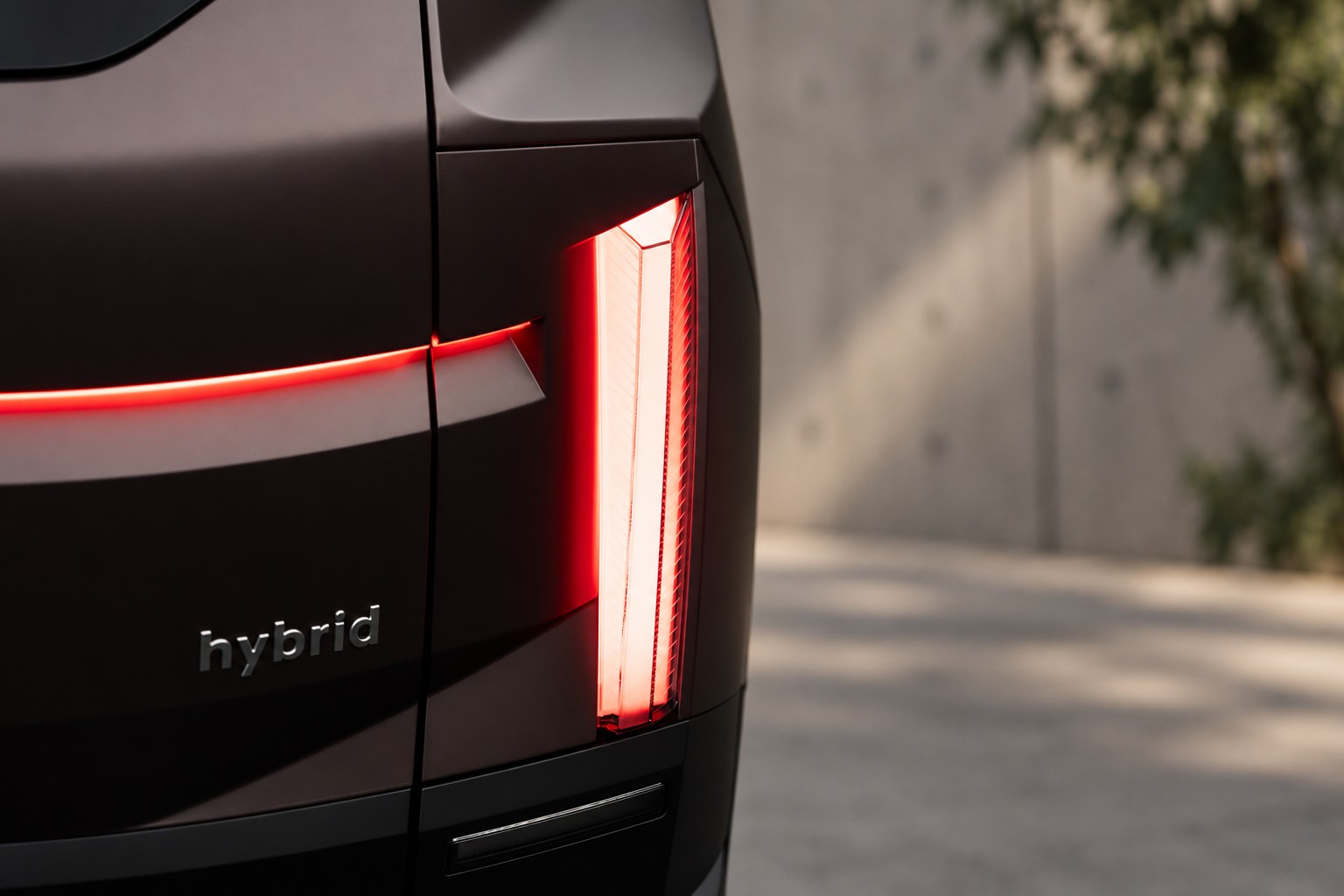
HEV: electric driving without a charging cable
A full hybrid combines a petrol engine, an electric motor and a small battery. Depending on the conditions, the car can use electric power or both motors together. During deceleration, the system recovers some energy and returns it to the battery. The HEV does not need to be plugged in.
For the driver, this means familiar refuelling with the possibility of covering some sections without the petrol engine running. You should not plan every daily route as if you were driving an electric car: the small battery is intended to support the hybrid system.
PHEV: more electric range, but regular charging is needed
The plug-in hybrid has a substantially larger battery. For the new Tucson PHEV, Hyundai quotes an electric range of up to 81 km on 17-inch wheels. The 81 km figure is a preliminary estimate before homologation is completed, not a guaranteed result for every journey. The actual distance depends on operating conditions.
AC charging is handled by a 7.2 kW onboard charger. That is the charger's power rating, not the car's energy consumption. A more powerful AC station will not, by itself, make the car accept energy faster than the onboard charger allows.
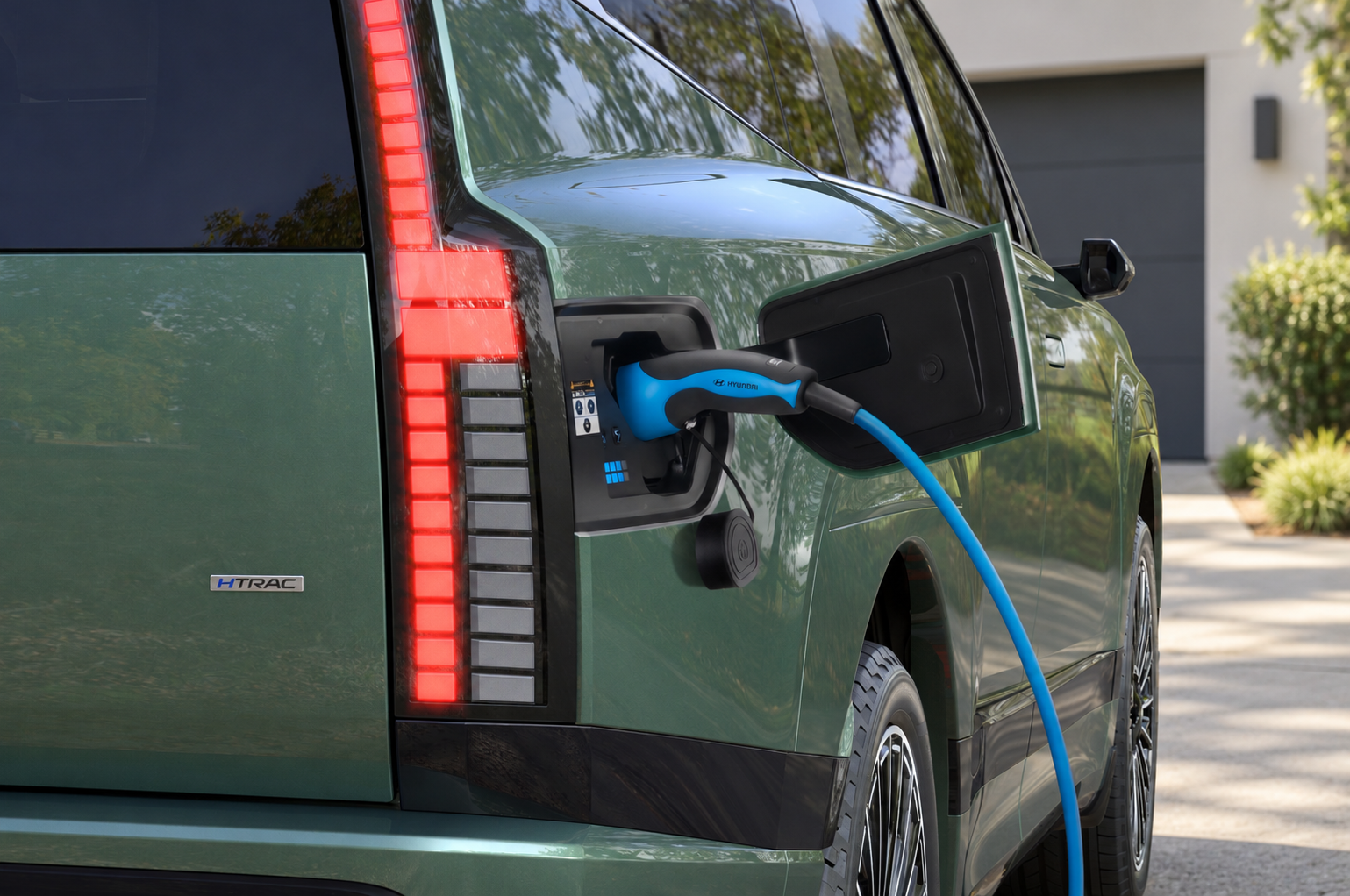
When the available electric charge runs low, the PHEV can continue driving using its petrol engine. In its explanation of how plug-in hybrids work, Hyundai clarifies that without external charging, such a car operates like a conventional hybrid, but the benefit of extended electric driving remains unused.
Test the PHEV against your own route
Suppose you drive 40 km a day and can charge overnight. This scenario makes the PHEV worth considering for regular electric driving. However, it is impossible to assume in advance that the engine will never start: that depends on the conditions and how the system operates.
If charging is available only at a station that requires a special detour, include the time spent on those visits in your comparison. Then compare the cost of petrol, electricity and the price difference between the relevant equipment levels. Without this information, it is impossible to promise that a PHEV will pay for itself.
What has changed for passengers
The European Tucson has grown to 4560 mm in length, 1900 mm in width and 1670 mm in height. Its wheelbase is 2720 mm. When choosing an imported car, check the regional specification: these dimensions apply to the European version.
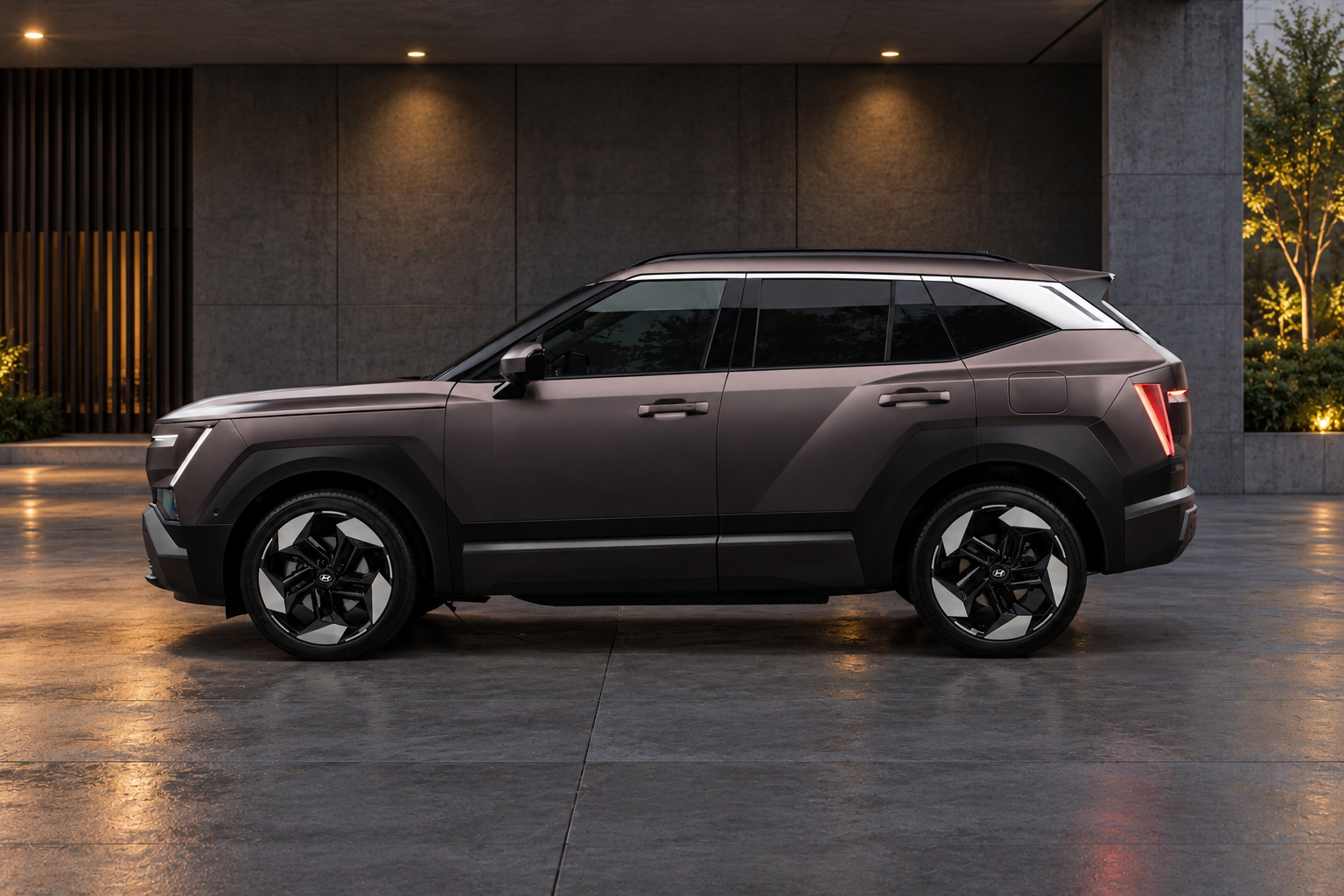
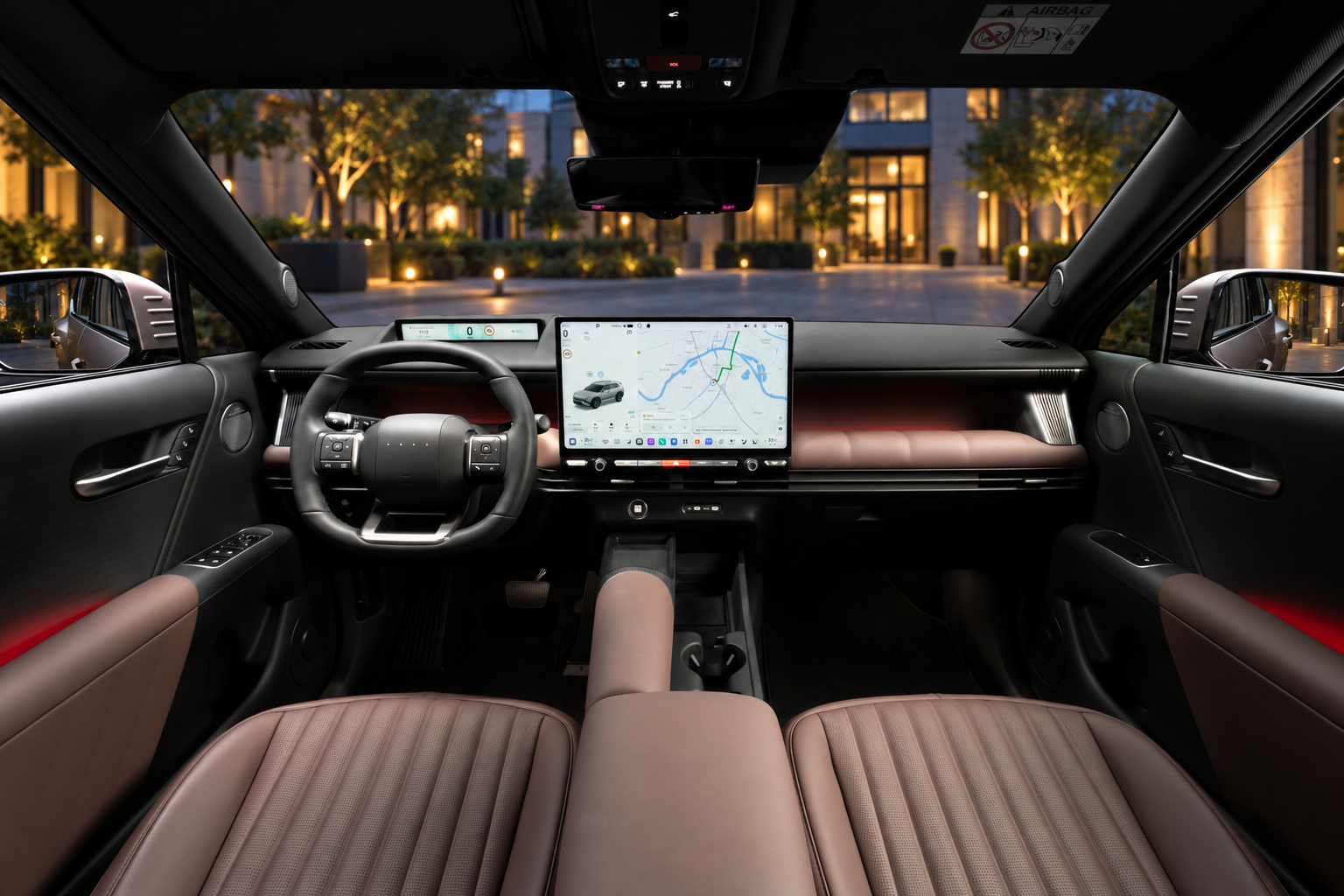
The cabin includes a 9.9-inch instrument display and a 12.9- or 17-inch central screen. Physical controls for frequently used functions have been retained. The Pleos Connect infotainment system runs on Android Automotive OS; the availability of individual services and equipment depends on the market and trim level.
The rear doors open to 83 degrees instead of the previous 73. This is something to consider when installing a child seat or helping passengers get in. The rear seat of the European version has fore-and-aft adjustment and folds in a 40:20:40 split.
Which version should you consider before buying?
Petrol—if its output suits you and you want a manual or DCT option. For a car with a DCT, check separately whether the 48V system is fitted.
HEV—if you want a full hybrid powertrain and do not plan to charge externally.
PHEV—if you can charge regularly and want to use electric power on your everyday route.
Hyundai has scheduled the new Tucson's international launch, including Europe, for 2027. As of 26 October 2026, the manufacturer's materials reviewed here do not list European prices for the new generation. The final choice between the petrol, HEV and PHEV versions should therefore wait until the local price list is published: compare vehicles with similar equipment and known operating conditions.