EN
ENDEALER

18.725 US$DEALER
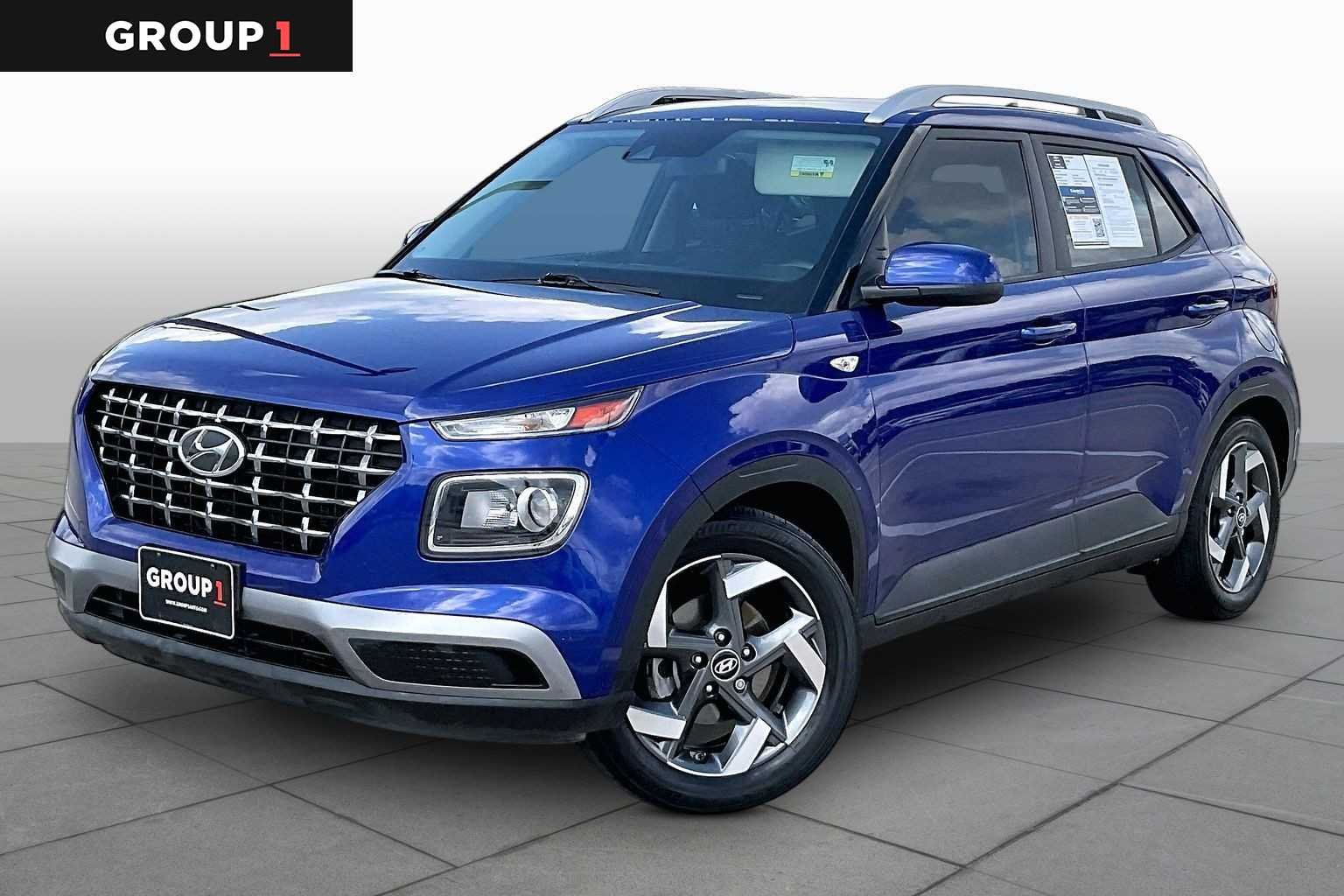
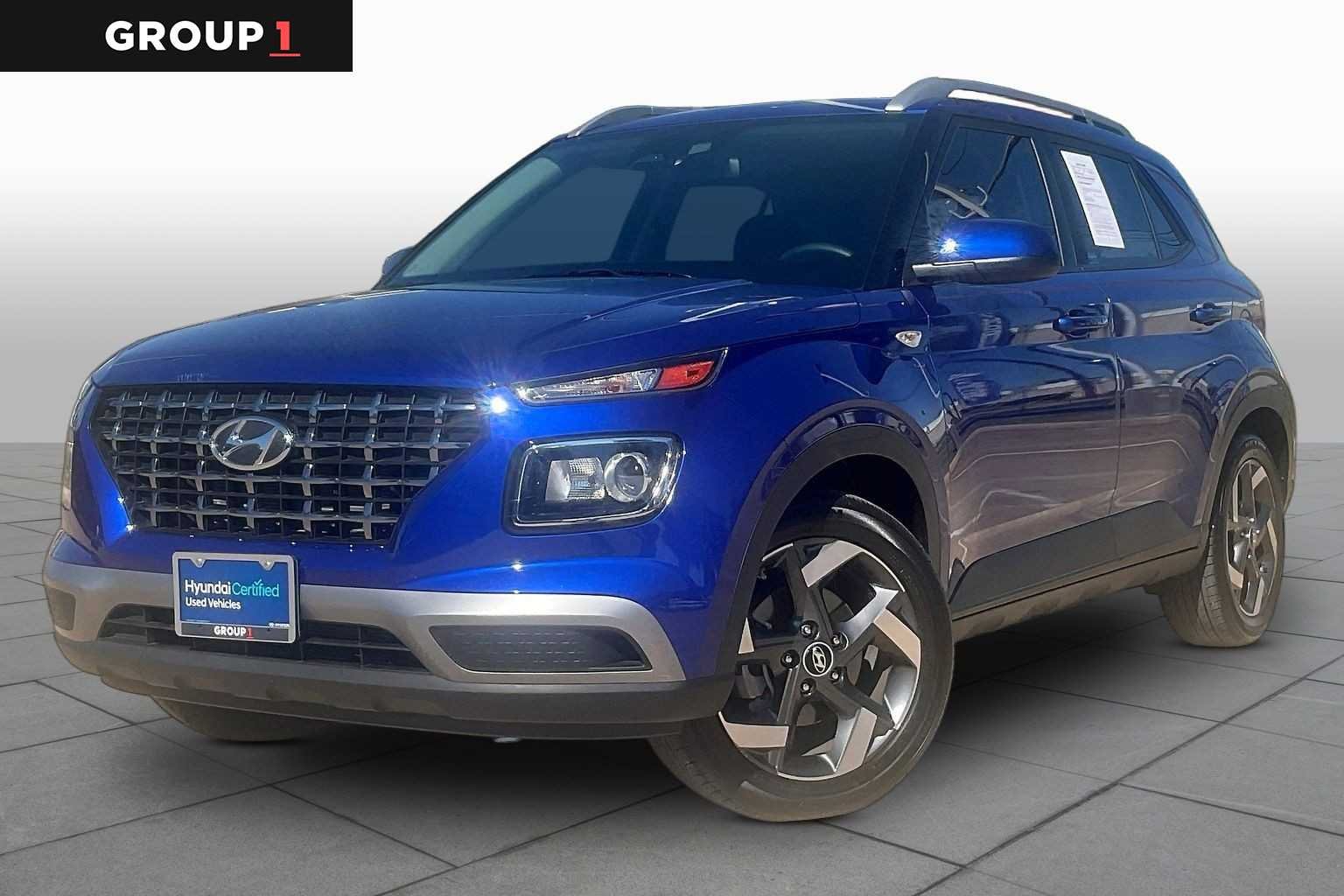
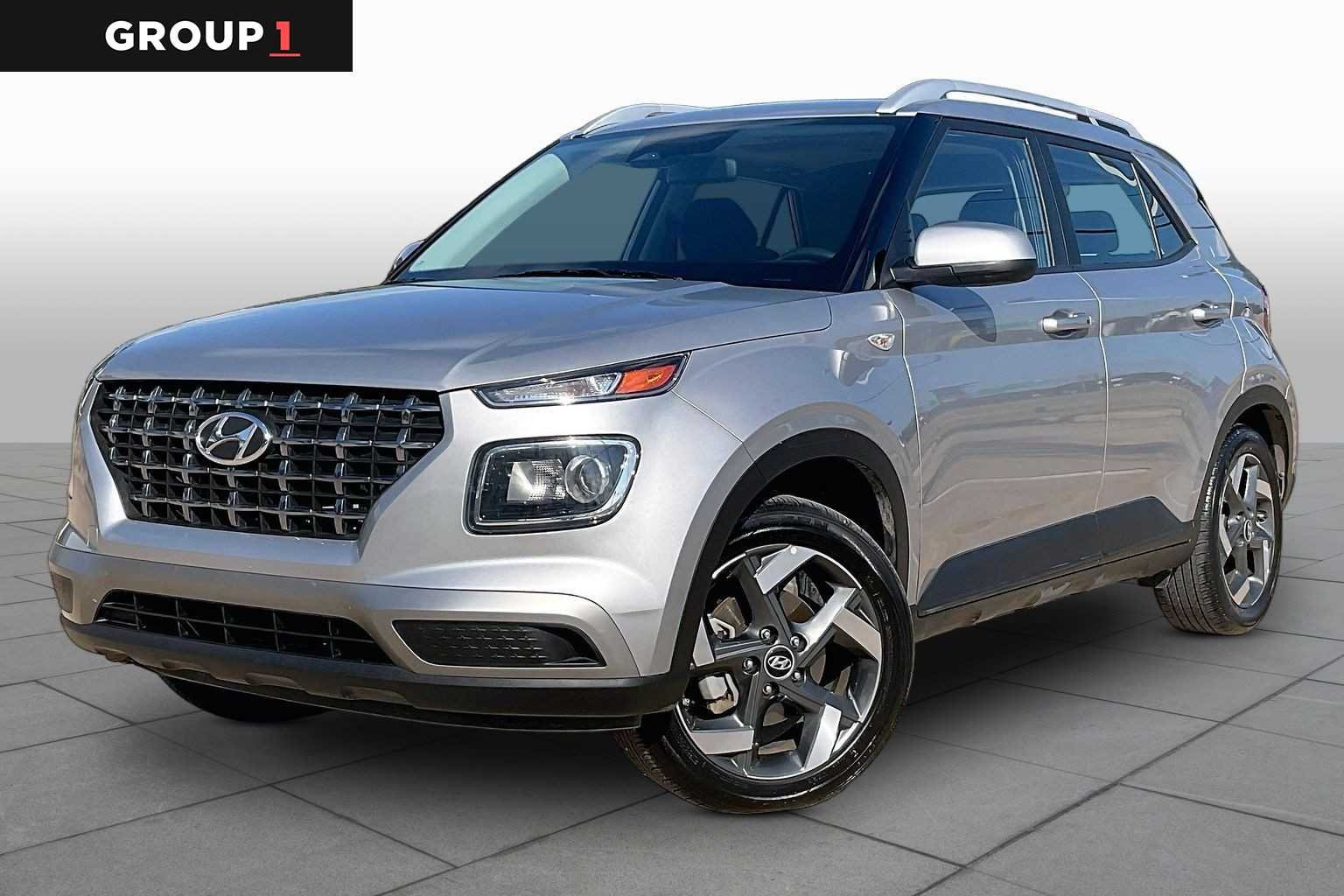
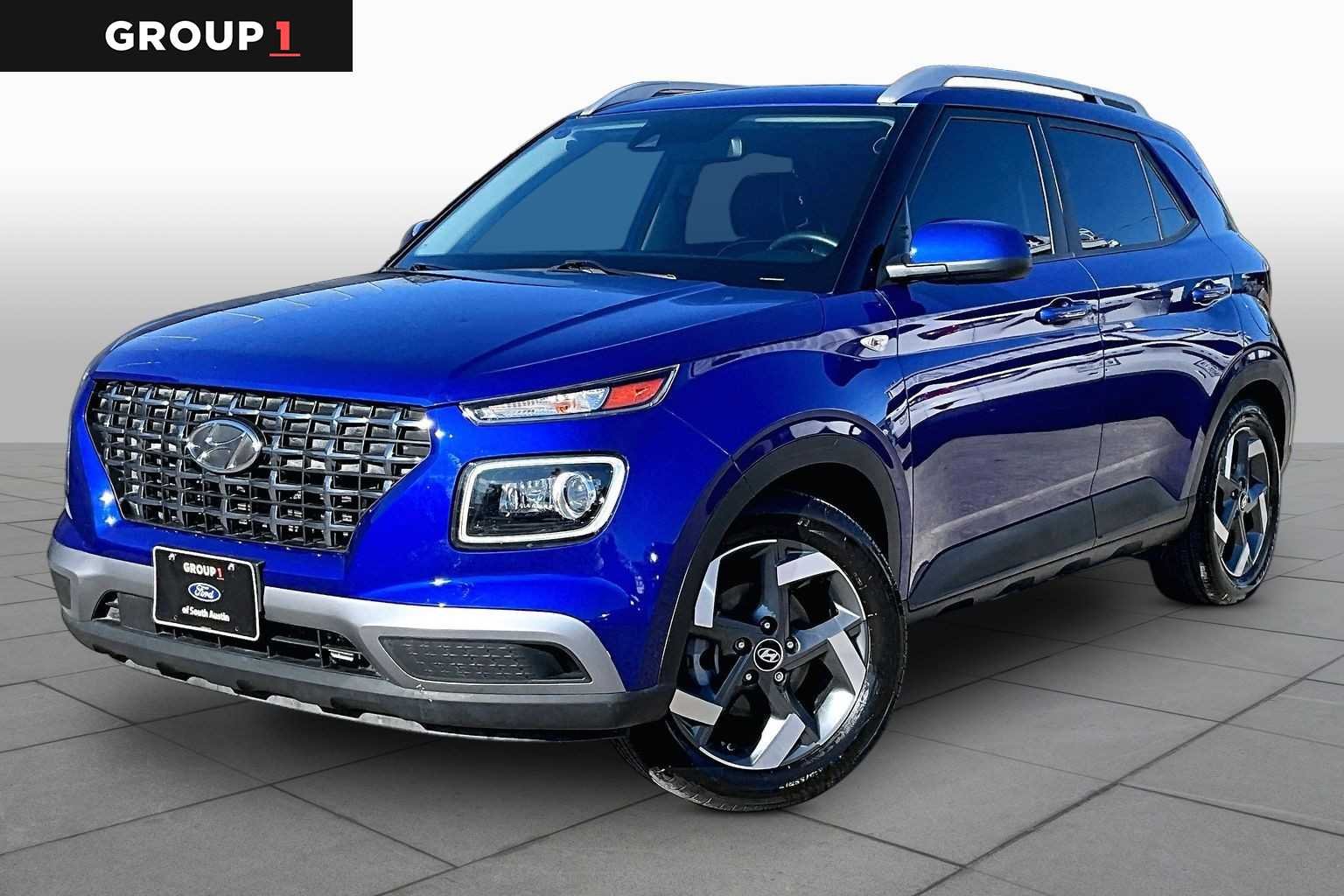
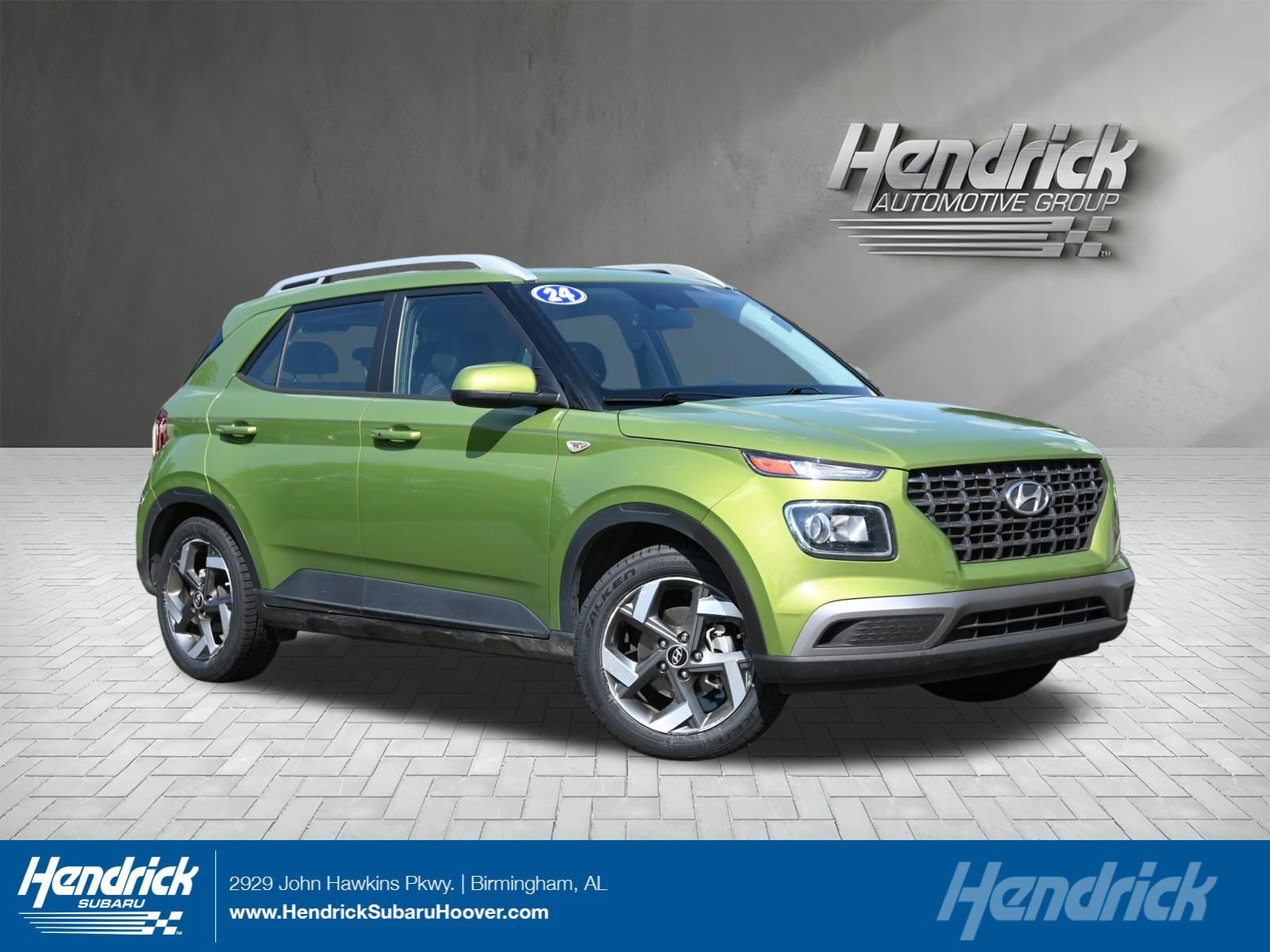
gasoline, automatic, 38K km, SUV, Front Wheels Drive, 1,600 cm3, 121 hp, green, Used condition, USA, In stock

Group1Auto.com
 Southwest, United States
 Southwest, United StatesSouthwest, United StatesSouthwest, United StatesChevrolet, United StatesLot, United StatesLot, United StatesTrade, United StatesAustin, United StatesMain Settlement, United States
 Oakhurst, United StatesOakhurst, United States
 Cary, United StatesMacedonia, United StatesMacedonia, United StatesWeldon, United StatesAdams Crossroads, United StatesAdams Crossroads, United StatesAdams Crossroads, United StatesShady Acres Trailer Park, United StatesHoover, United StatesParis, United StatesFord, United States
 Greenville, United StatesGreenville, United StatesGreenville, United States
The Hyundai Venue is a compact SUV designed for urban living, offering a practical mix of versatility, efficiency, and style. If you’re considering a purchase in your city, understanding the key factors—model year, mileage, body type, and price segment—helps you choose the right version and negotiate confidently. This guide focuses on the Hyundai Venue, its generations, common configurations, and what buyers in various locales typically look for when evaluating options.
The Venue comes in several trims and configurations, usually featuring a compact SUV body, comfortable seating for five, and a choice of gasoline engines. Buyers often compare models by year, mileage, and price range to estimate remaining value and reliability. For many cities, the decision between lower-mileage units and newer generations hinges on daily usability, fuel efficiency, and available safety tech. Common questions include:
The Venue’s generation history usually includes a modern, subcompact SUV design with a roomy interior for its size. Typical engines are small-displacement petrol units paired with manual or automatic transmissions. In city driving, the turbocharged options (where offered) can provide useful highway performance without a heavy tax on fuel consumption. Body types mostly stay as the standard compact SUV, but some markets offer unique trim packages or special editions that can affect price and resale.
When you’re evaluating Hyundai Venue options locally, focus on these criteria:
If you’re thinking about selling a Hyundai Venue, highlight recent maintenance, clean interior condition, and a complete set of keys. Providing reliable service records and a clear title can help you secure a favorable price. Market demand for compact SUVs remains steady in many cities, especially for well-maintained units with reasonable mileage and a solid service history.
In summary, the Hyundai Venue offers a practical balance of size, efficiency, and features for urban buyers. By focusing on year, mileage, price segment, and local market conditions, you can find a Venue that fits your needs and budget while keeping future resale value in mind.
 Add as preferred sourceSee more from zvelta in Google Search Add as preferred source