 EN


Frequently asked questions
JLR has announced the launch of a new electric Defender in 2027. The exact sales start date for individual countries has not yet been announced.
Automotive publications use the name Defender Sport, and Defender 80 has also been mentioned as a possible option. JLR has not yet disclosed the vehicle's production name.
The EMA platform will eventually support BEV and HEV powertrains. However, the official statements reviewed contain no separate HEV launch schedule, specifications or list of markets.
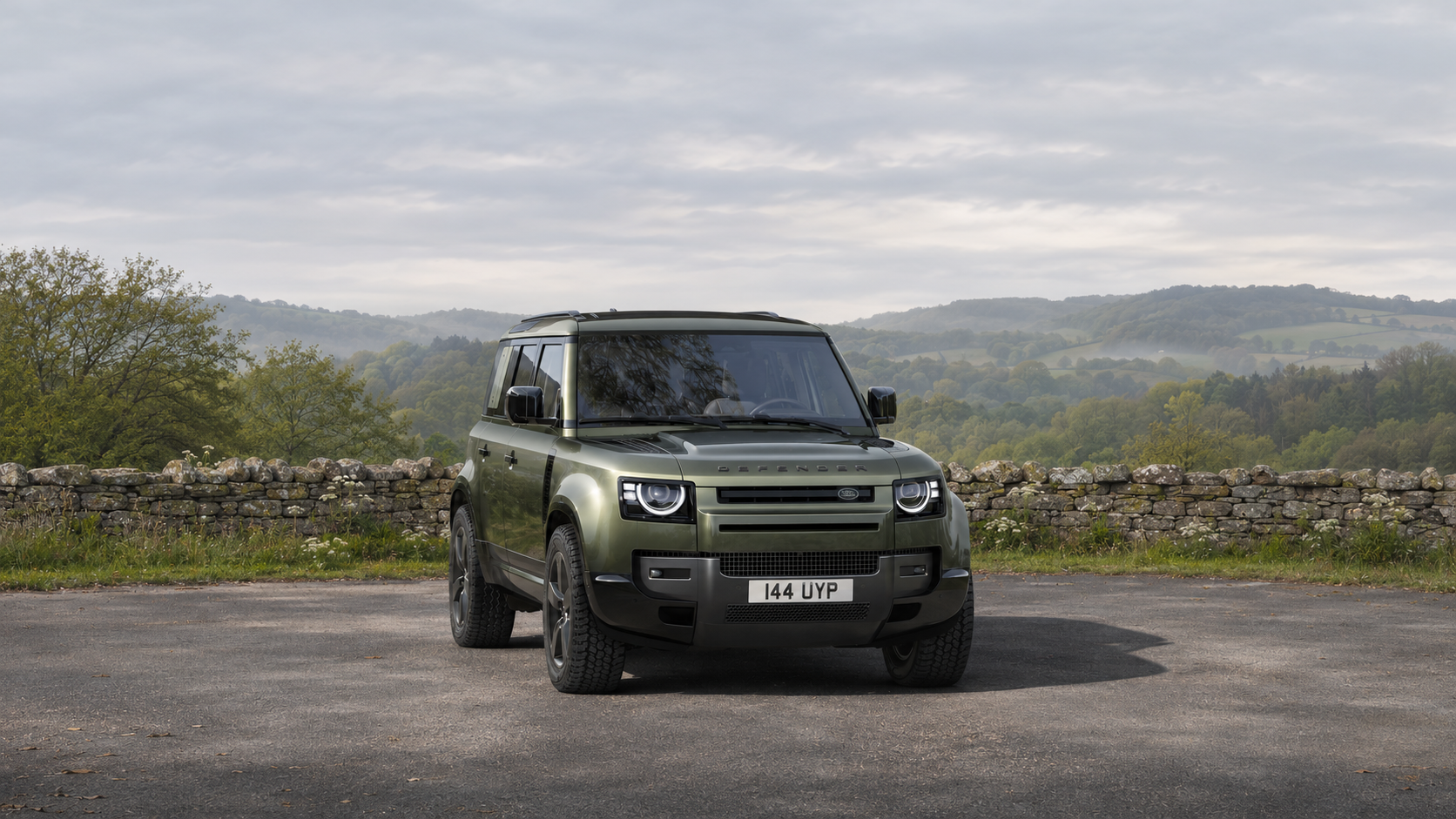
The Defender family will gain another model: JLR plans to launch a new electric vehicle in 2027 and build it at the Halewood plant in the UK. The vehicle is already being referred to in the press as the Defender Sport, although the manufacturer has not yet announced its commercial name. Behind the familiar family name is a separate project based on the EMA platform.
The plans are set out in JLR's official announcement dated November 13, 2026. The company mentions the new electric Defender alongside the Range Rover GT: both vehicles are expected to be built at Halewood on the same architecture. 2027 is the stated launch year, but no exact sales start date has been given for individual countries.
What is already known about the new Defender
Parameter | What JLR announced |
|---|---|
Powertrain at launch | Fully electric |
Platform | EMA — Electrified Modular Architecture |
Production location | Halewood, UK |
Planned launch year | 2027 |
Production name | Not disclosed in the November announcement |
Where the Defender Sport name came from
Autocar and Autoblog describe the new vehicle as a smaller member of the Defender family. The Sport name helps indicate its position relative to the familiar off-road models, but it remains a name used in automotive media reports. Defender 80 has also been mentioned as a possible name. JLR used none of these names in its November announcement.
It would be inaccurate to describe the vehicle simply as a Defender 90 with an electric motor. In its June strategy update, JLR presented the future EMA-based Defender as a separate model program. At the time, the company listed the existing Defender 90, 110 and 130 separately; production of those models was continuing in Nitra, Slovakia. The new model will expand the family, but its announcement does not set a date for ending production of the current vehicles.
What the EMA platform means for electric and hybrid versions
In its June 17, 2026 strategy update, JLR named the new Defender as the second EMA-based model and said the architecture would eventually support both battery-electric propulsion, or BEV, and a full hybrid, or HEV. The project is therefore not limited to a single powertrain option throughout its entire life cycle.
The November announcement specifically identifies an electric Defender for 2027. The possibility of a hybrid version does not mean that both versions will go on sale at the same time. The official statements reviewed contain no separate HEV launch schedule, specifications or list of markets.
The distinction matters to buyers: a BEV is an electric vehicle with a traction battery charged from an external power source. An HEV combines an internal-combustion engine with an electric system and does not require connection to a power outlet. The planned HEV should not automatically be called a plug-in hybrid, or PHEV: these are different types of powertrain.
Why production will be based at Halewood
Preparation of the plant began well before the launch timing for the new Defender was announced. In September 2024, JLR presented a £500 million Halewood conversion program. At the time, the company said that £250 million had already been invested and that further investment was planned in the following years. This amount relates to transforming the facility, not to developing a single Defender.
The changes affected the assembly process itself. The final line was extended from four to six kilometres to accommodate battery installation, while workstations were expanded for the proportions of future EMA vehicles. The plant was being prepared for parallel production of internal-combustion vehicles, hybrids and electric vehicles during the transition period.
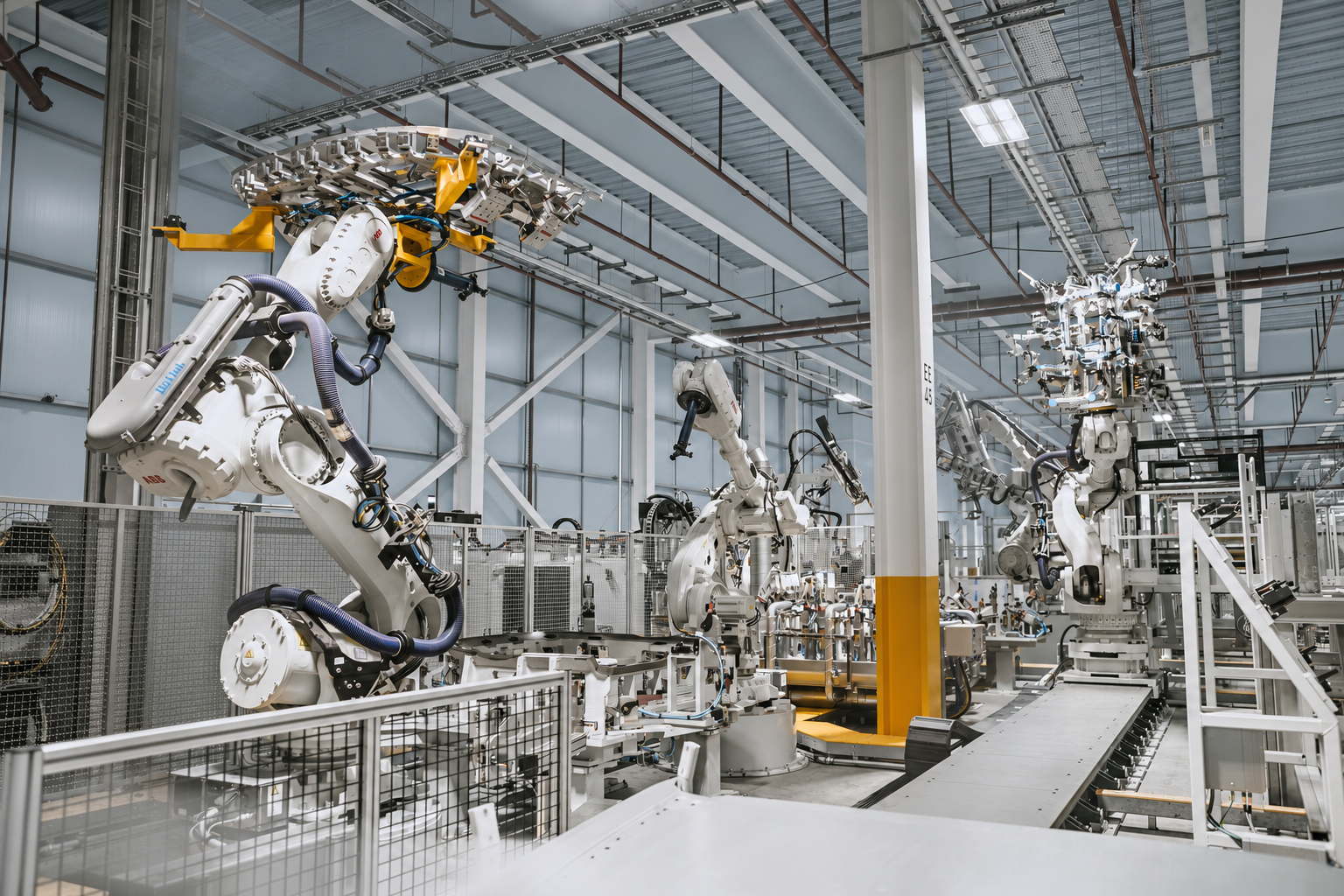
For the new Defender, the choice of Halewood links the model to the wider EMA production program. However, a shared plant and platform with the Range Rover GT do not by themselves confirm an identical battery, power output, range or suspension tuning.
How the electric platform could affect off-road performance
According to Autocar, Defender and Discovery program director Mark Cameron links the development to the need to preserve the Defender's character despite the constraints of an electric layout. In particular, placing the battery under the floor and the vehicle's dimensions could reduce suspension travel and wheel articulation compared with the current off-roader.
Another challenge is combining the recognisable angular silhouette with energy efficiency. Vertical body surfaces and off-road requirements make it harder to optimise driving range. This explains the project's engineering challenges, but it is not yet possible to assess how far the production vehicle will travel in winter or how it will perform on difficult terrain.
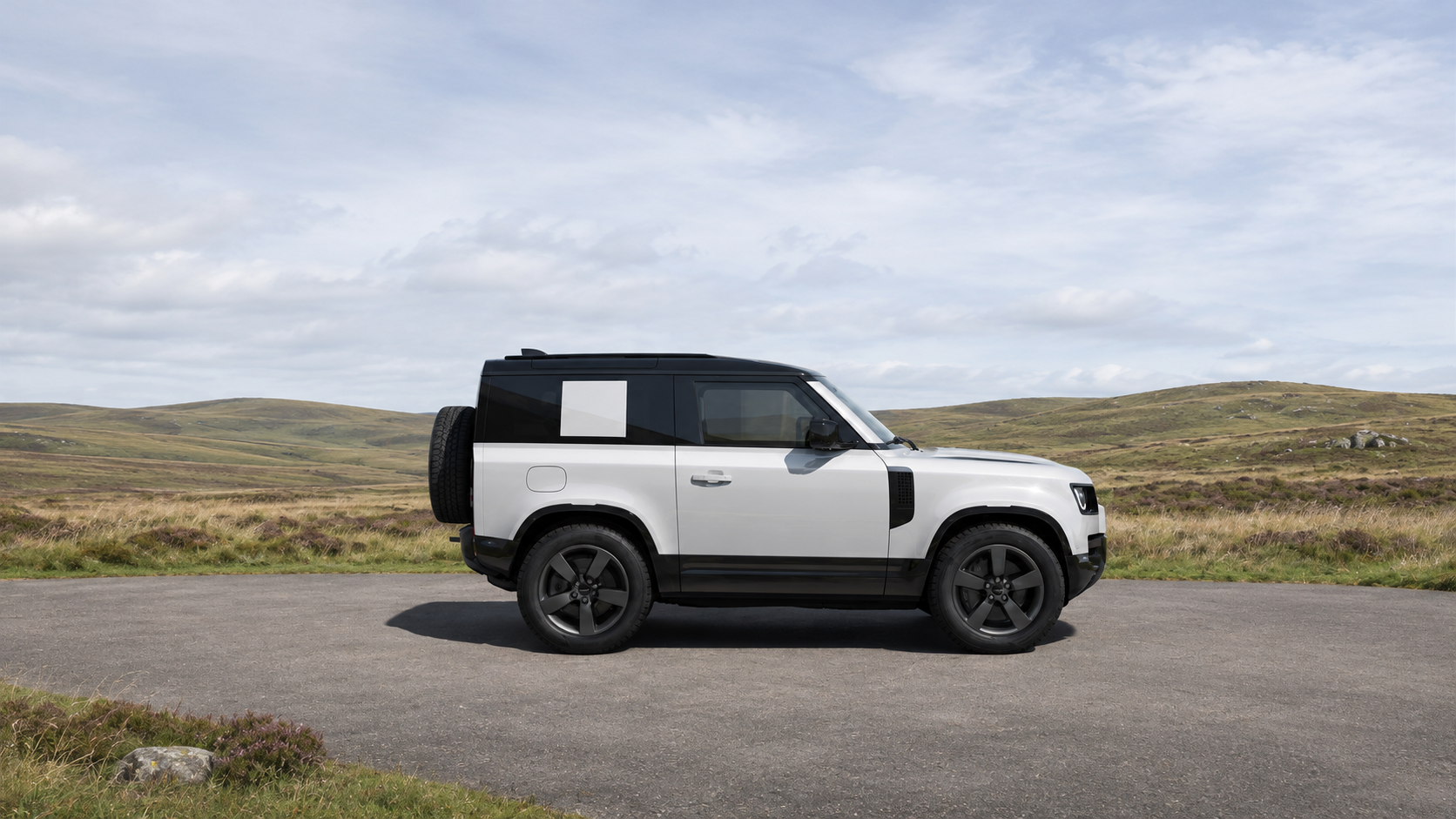
Statements about preserving the vehicle's off-road character currently describe the developers' objective. The November JLR announcement does not give ground clearance, wading depth, approach angle or departure angle. It is too early to judge the new vehicle's capabilities from the Defender name or the appearance of earlier prototypes.
What information is still missing when choosing the vehicle
Comparisons with other electric vehicles will require usable battery capacity, range under a specified test cycle and fast-charging time. For family use, buyers will need cabin dimensions, boot capacity and maximum towing weight. Assessing the purchase cost will require prices, equipment levels and warranty terms for the specific market.
JLR's November announcement contains none of these details. Without them, it is not possible to reasonably describe the new Defender as a more affordable purchase or assign it specifications from other models. Anyone planning to buy the vehicle when it launches will need to rely on the future specifications and sales terms for their country.