 EN
ENDEALER
13.995 US$DEALER
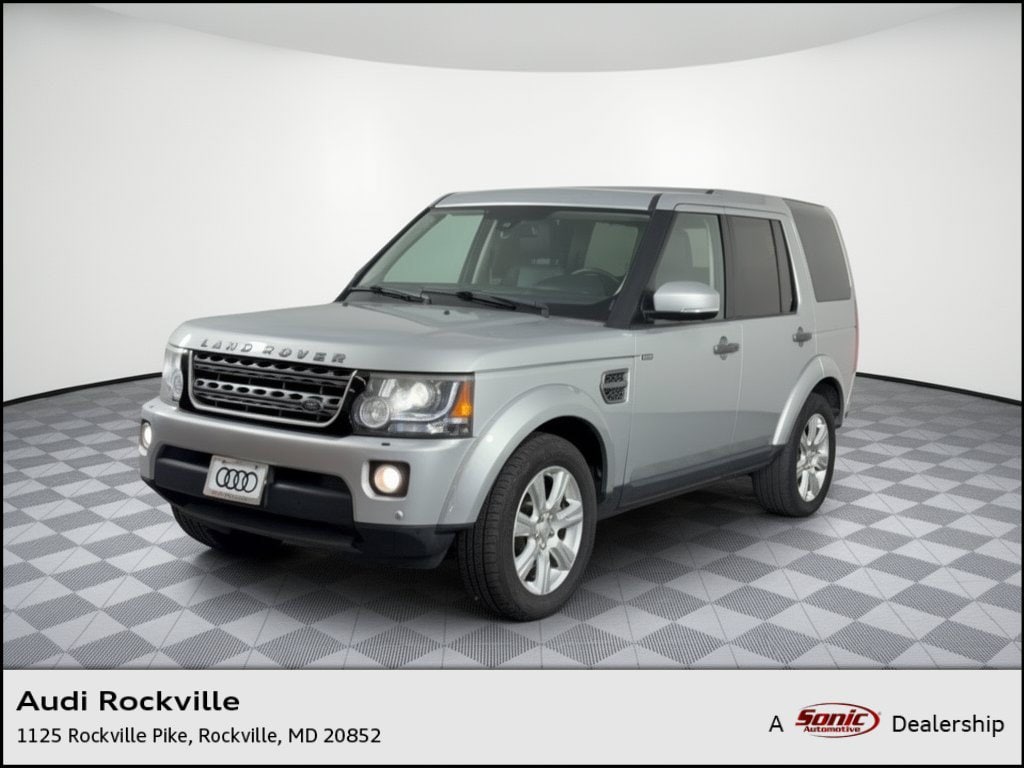
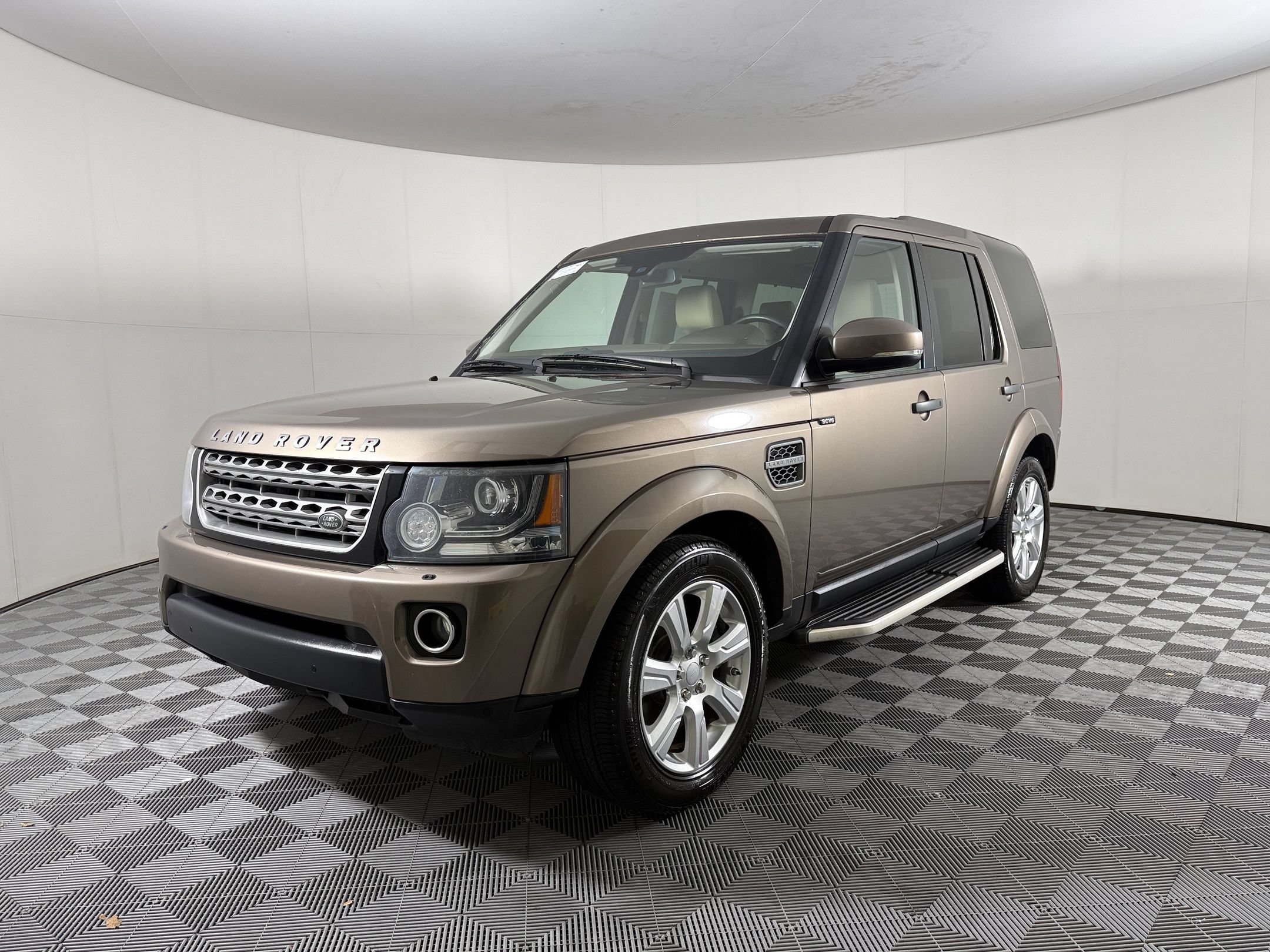
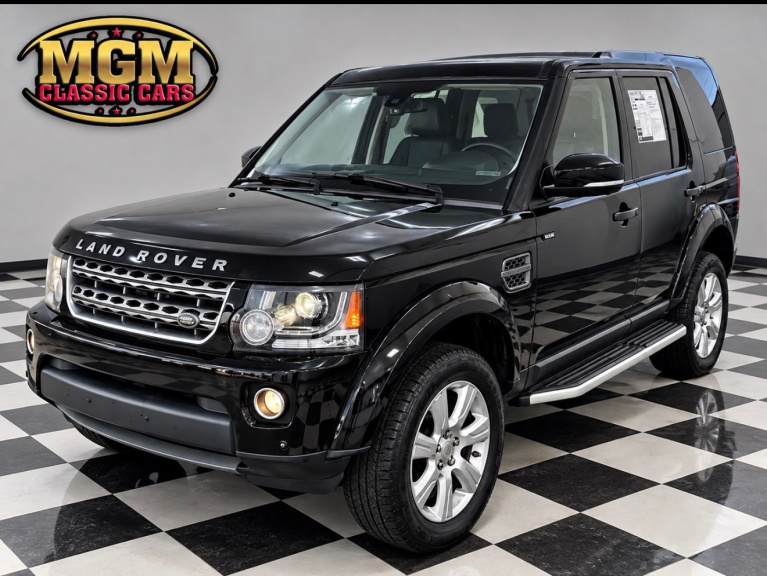
gasoline, automatic, 122K km, SUV, All Wheels Drive, 3,000 cm3, 340 hp, black, Used condition, USA, In stock

Group1Auto.com
 Southwest, United States
 Southwest, United StatesRockville, United StatesUnion City, United States
 Irondale, United StatesRover, United States
 United States
The Land Rover LR4 has long been a go-to choice for drivers seeking a capable SUV with a blend of luxury and off-road prowess. If you’re considering buying or selling a Land Rover LR4, understanding the model’s generations, fuel options, body styles, and typical price ranges can save you time and help you make a smarter decision. Below you’ll find practical guidance on selection, comparison, and negotiation tailored to common markets.
The LR4, also known as the Discovery 4 in some markets, offers solid on-road comfort with authentic off-road capability. Key factors buyers ask about include the year of manufacture, mileage, and drivetrain configuration. For sellers, highlighting a well-documented service history, recent maintenance, and incoming repairs can boost perceived value. Typical buyer concerns include fuel economy, reliability of the air suspension, and the availability of spare parts for older generations.
The LR4 generation spans upgrades in suspension, electronics, and comfort features. When comparing, consider:
Whether you’re in a bustling urban center or a regional market, local factors influence price and availability. Here are practical steps to close a deal efficiently:
If you’re ready to dive into LR4 listings, focus on transparent ownership history, clear maintenance records, and a careful comparison of trims and generations. Whether you’re buying or selling, a well-prepared car with verified history tends to attract better offers and quicker responses.
 Add as preferred sourceSee more from zvelta in Google Search Add as preferred source