EN
ENDEALER
35.156 US$DEALER
36.047 US$
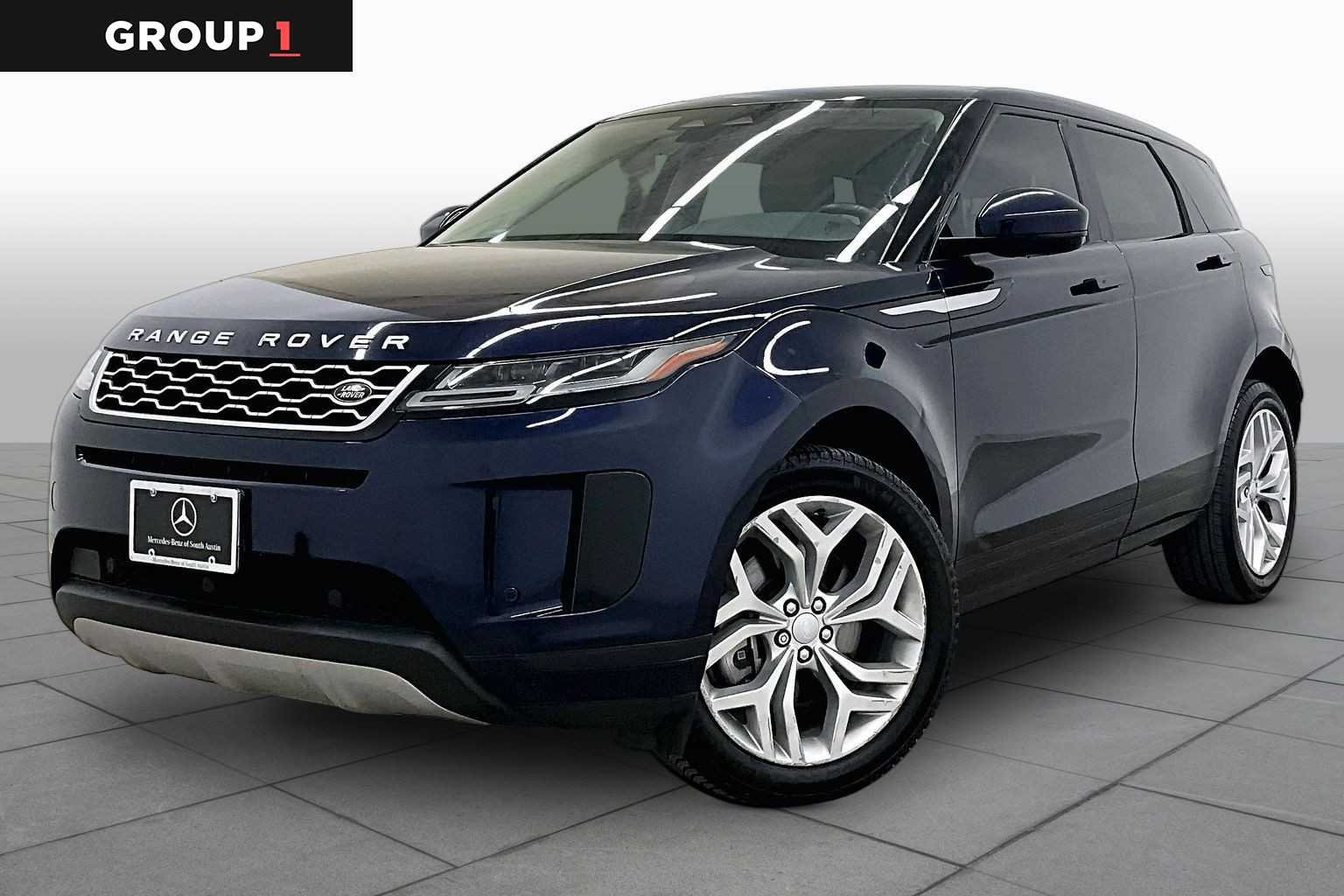
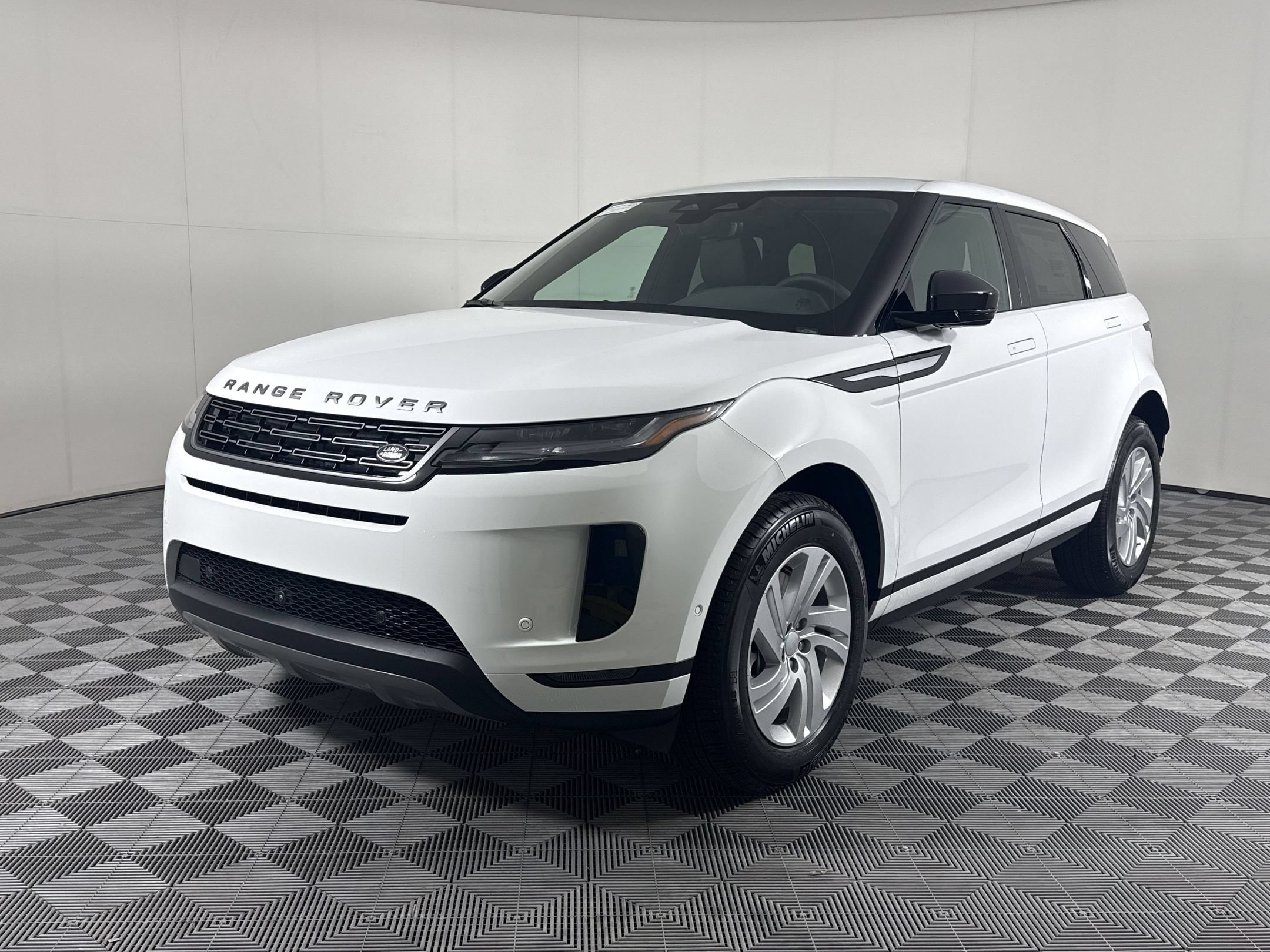
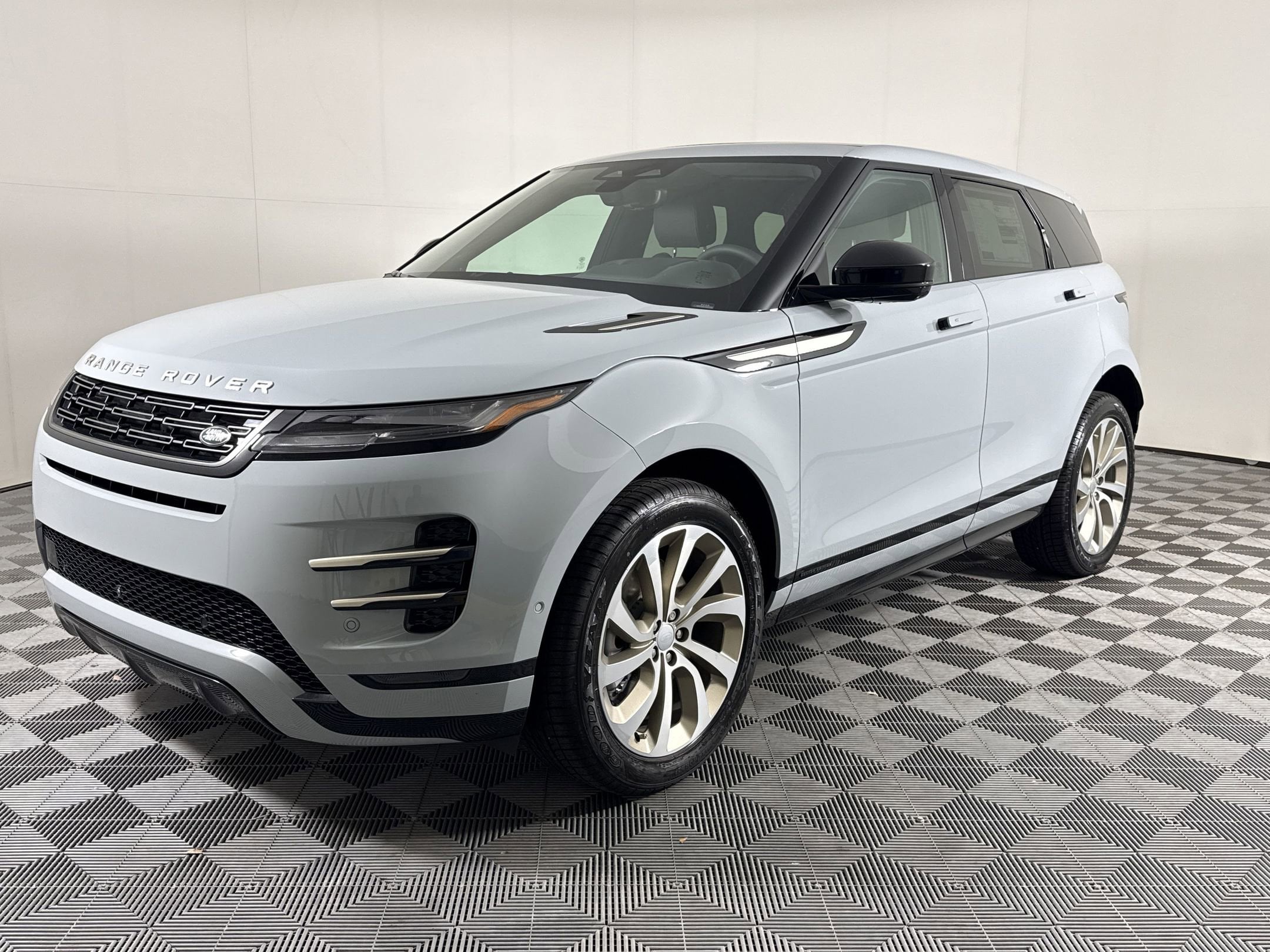
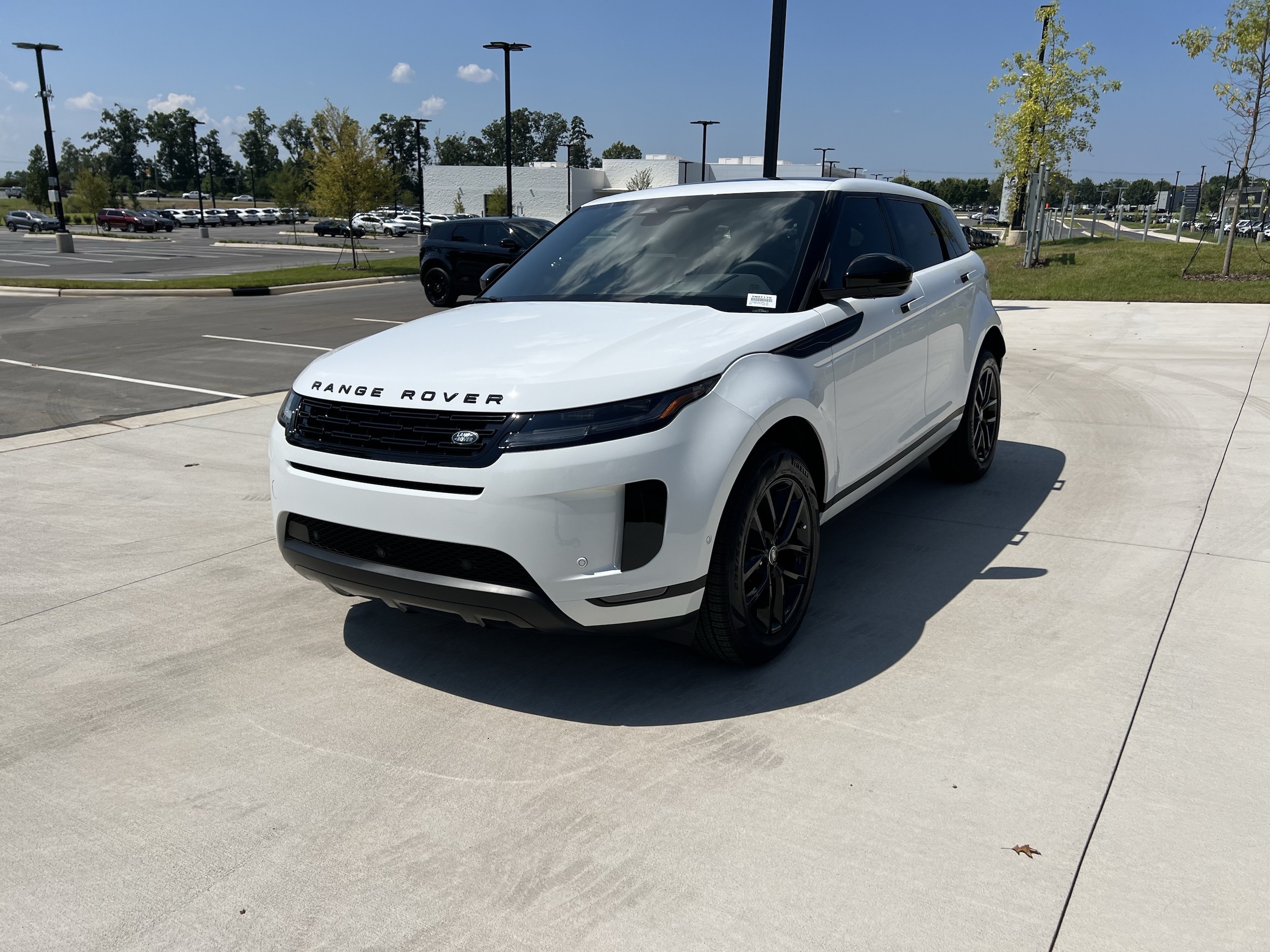
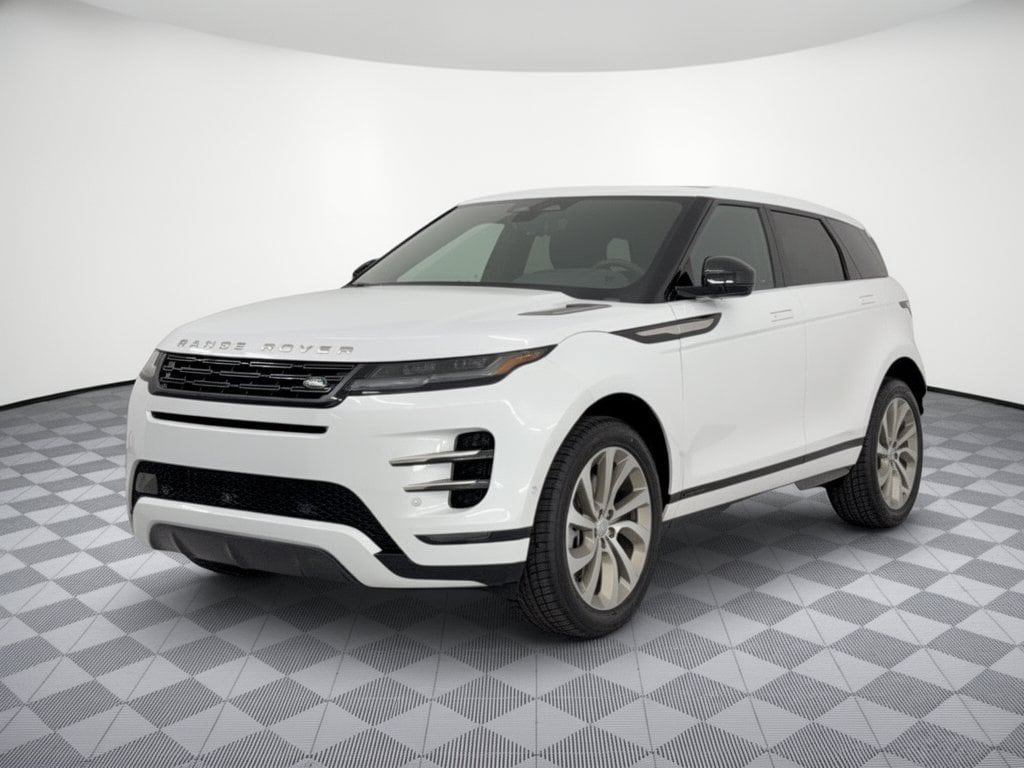
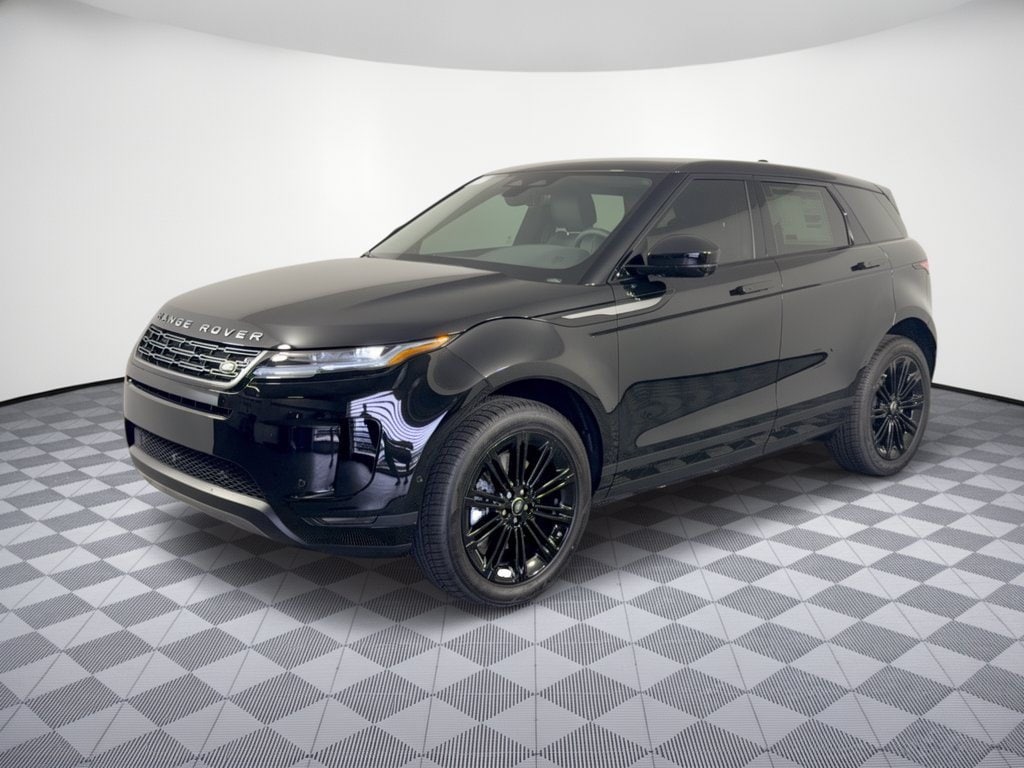
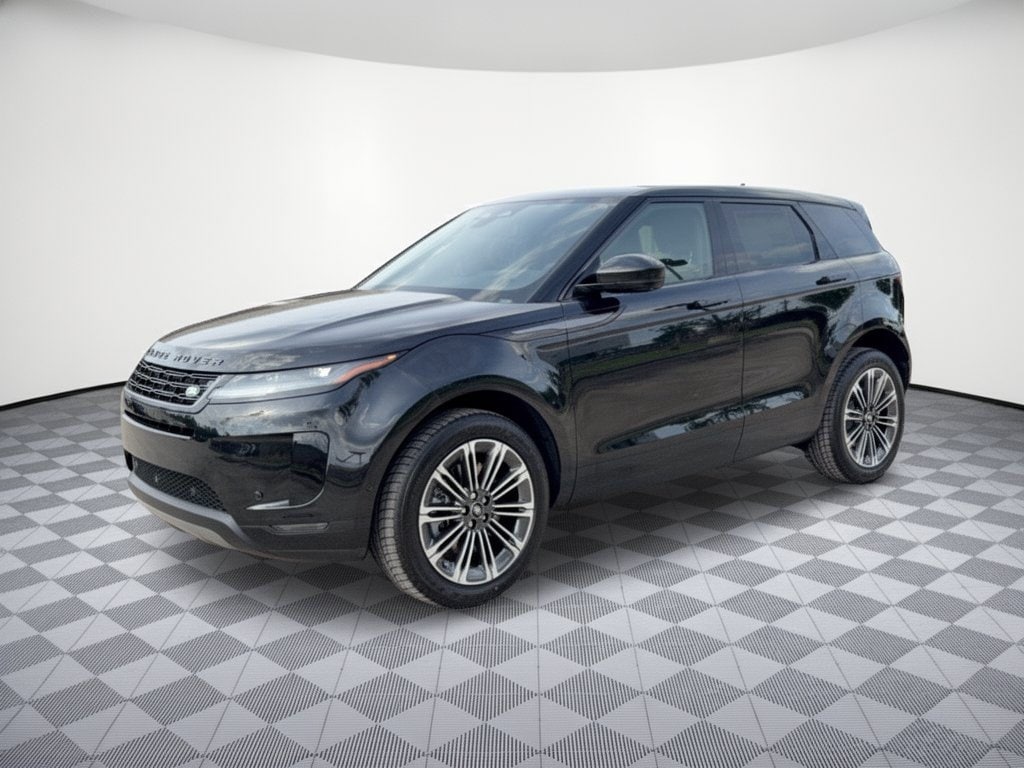
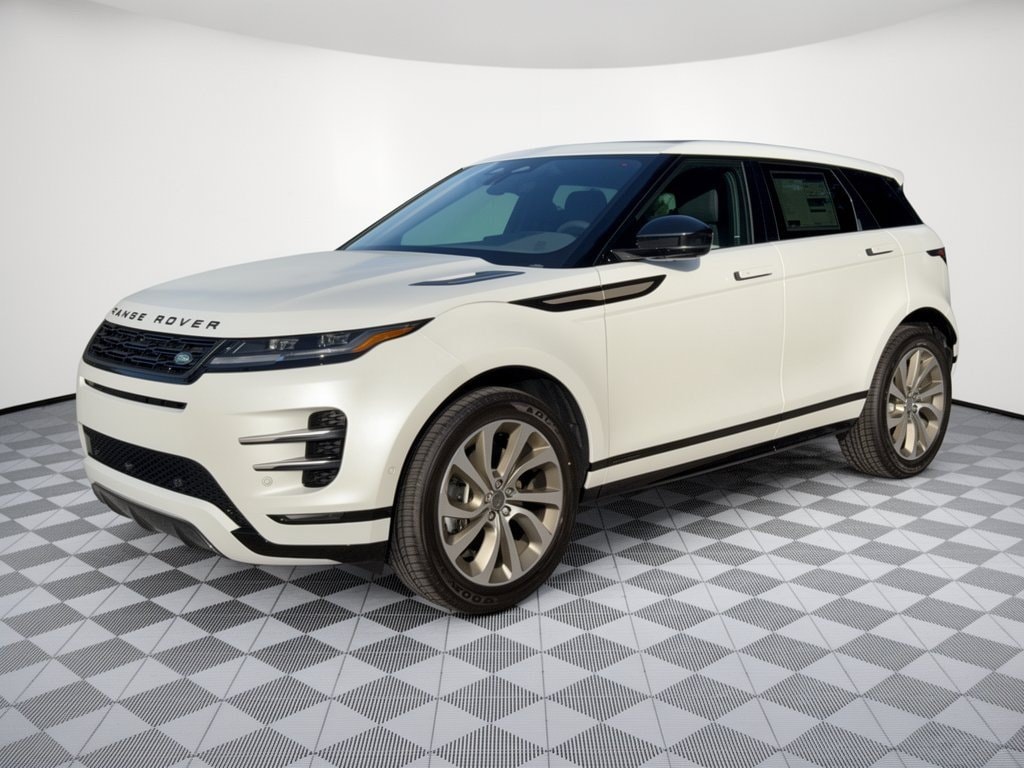
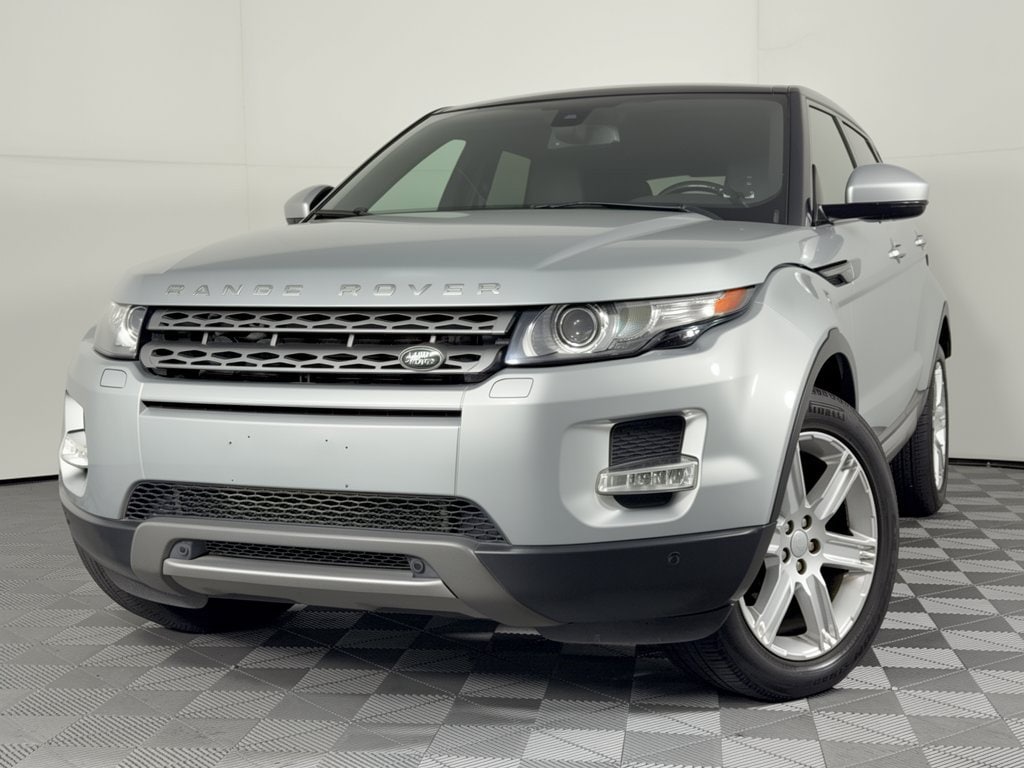
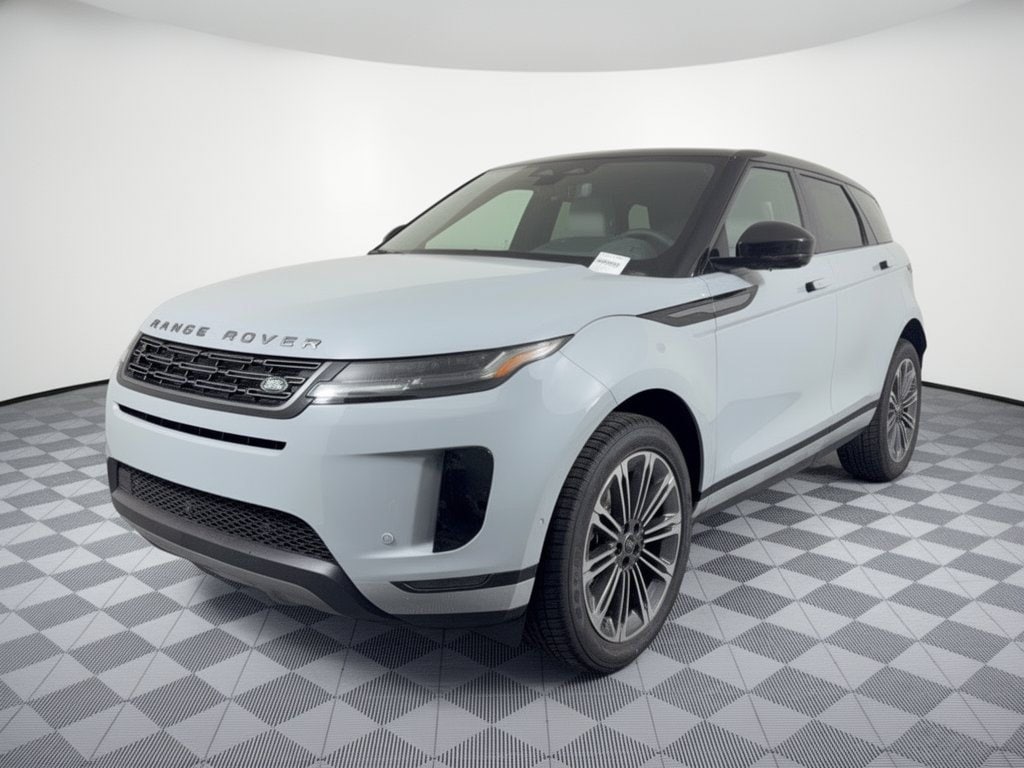
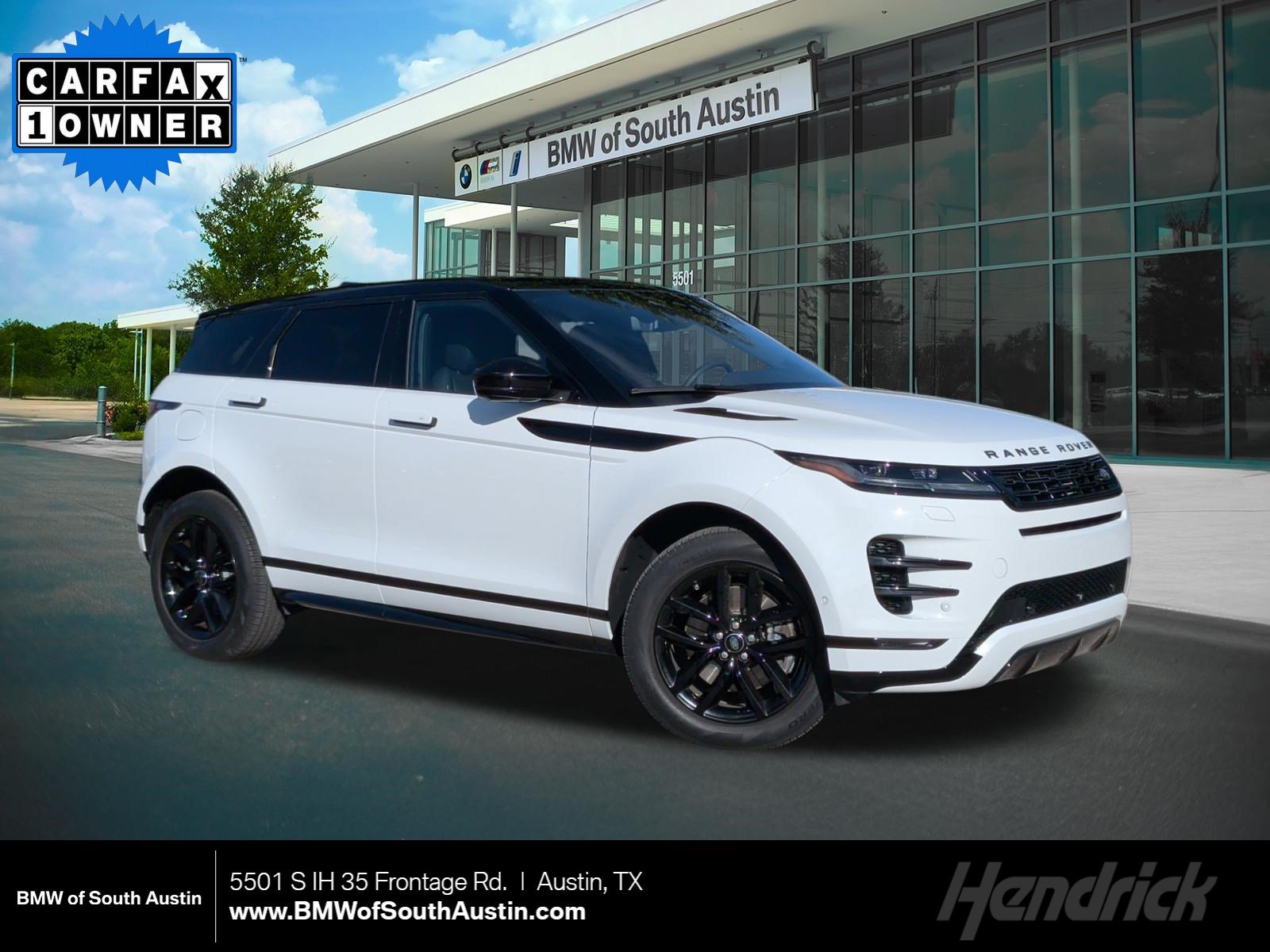
gasoline, automatic, 26K km, SUV, All Wheels Drive, 2,000 cm3, 246 hp, white, Dynamic SE, Used condition, United Kingdom, In stock

HendrickCars.com
 Austin, United States
 Austin, United States
 Main Settlement, United StatesAtlanta, United StatesUnion City, United StatesUnion City, United StatesUnion City, United StatesHuntersville, United StatesHuntersville, United States
 Irondale, United StatesIrondale, United States
 Irondale, United StatesIrondale, United StatesIrondale, United StatesIrondale, United StatesIrondale, United States
 Buckhead, United States
 Buckhead, United States
 Buckhead, United States
 Buckhead, United States
 Houston, United StatesHouston, United StatesHouston, United StatesHouston, United StatesHouston, United StatesHouston, United States
When you are looking to buy a Range Rover Evoque, it helps to have a clear plan for choosing the right year, mileage, and configuration. This compact luxury SUV from Land Rover blends urban style with off-road capability, and it comes in several generations and body styles. In many markets you will find Evoque models in both 5-door and 3-door configurations, with options ranging from efficient petrol engines to refined diesel units and hybrid variants. In this guide we cover how to evaluate a Range Rover Evoque for sale, what to expect in price segments, and how to compare offers from dealers and private sellers.
The Evoque has several generations, each with its own strengths. When comparing models, consider:
Knowing the country and city where you plan to buy helps, because Evoque prices vary by market. In many places you will see listings with mileage ranges from a few thousand kilometers to well over 100,000 km, reflecting use and maintenance history. Pay attention to service records and whether the car has had frequent oil changes, tire changes, and proper inspections.
Price segments for used Range Rover Evoque depend on year, mileages, and condition. A late-model Evoque with moderate mileage may sit in a mid-to-high range, while older units with higher mileage often appear in the budget category. Some buyers look for special editions or premium trims, which can push prices higher even in older generations. It's important to compare the total cost of ownership, including insurance, maintenance, and potential replacement parts, alongside the upfront price.
When evaluating price:
To make a solid decision, create a simple comparison checklist:
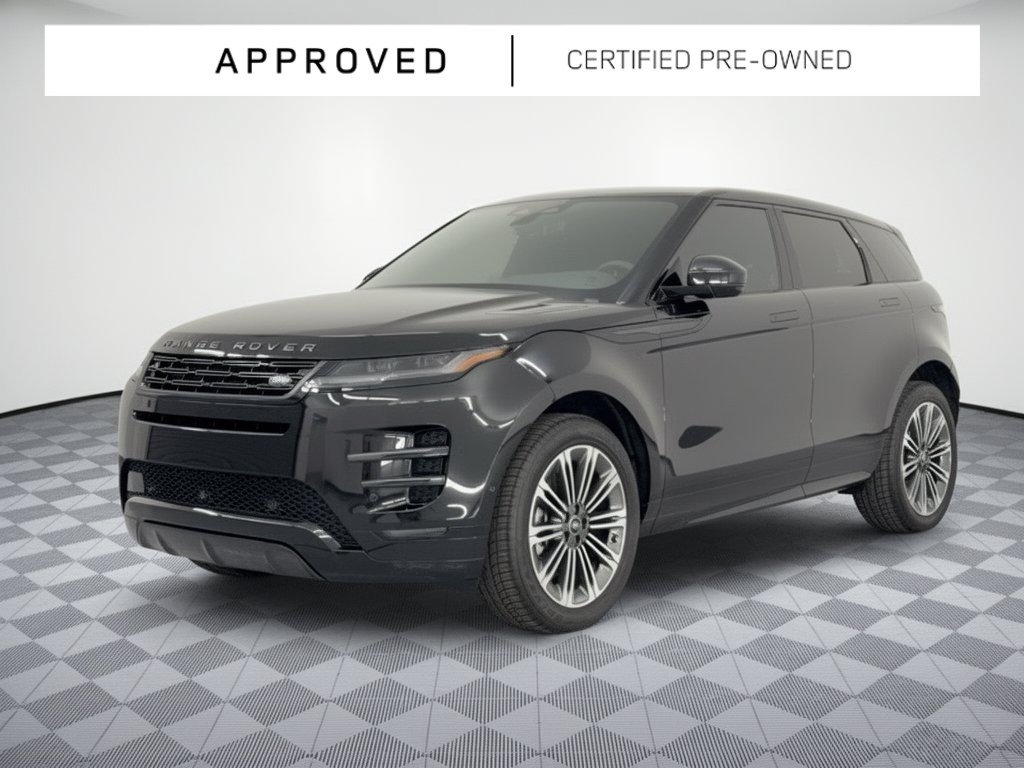
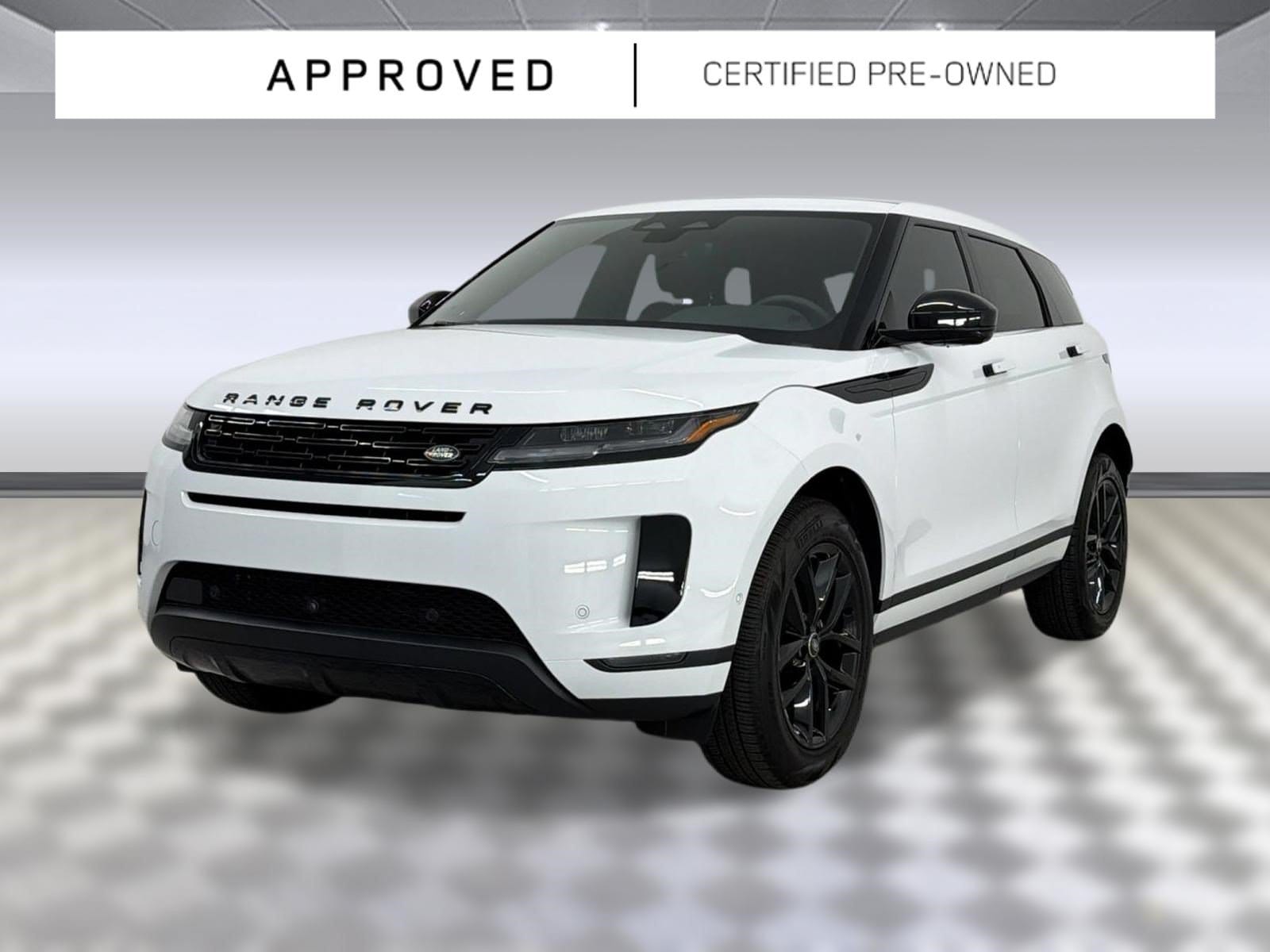
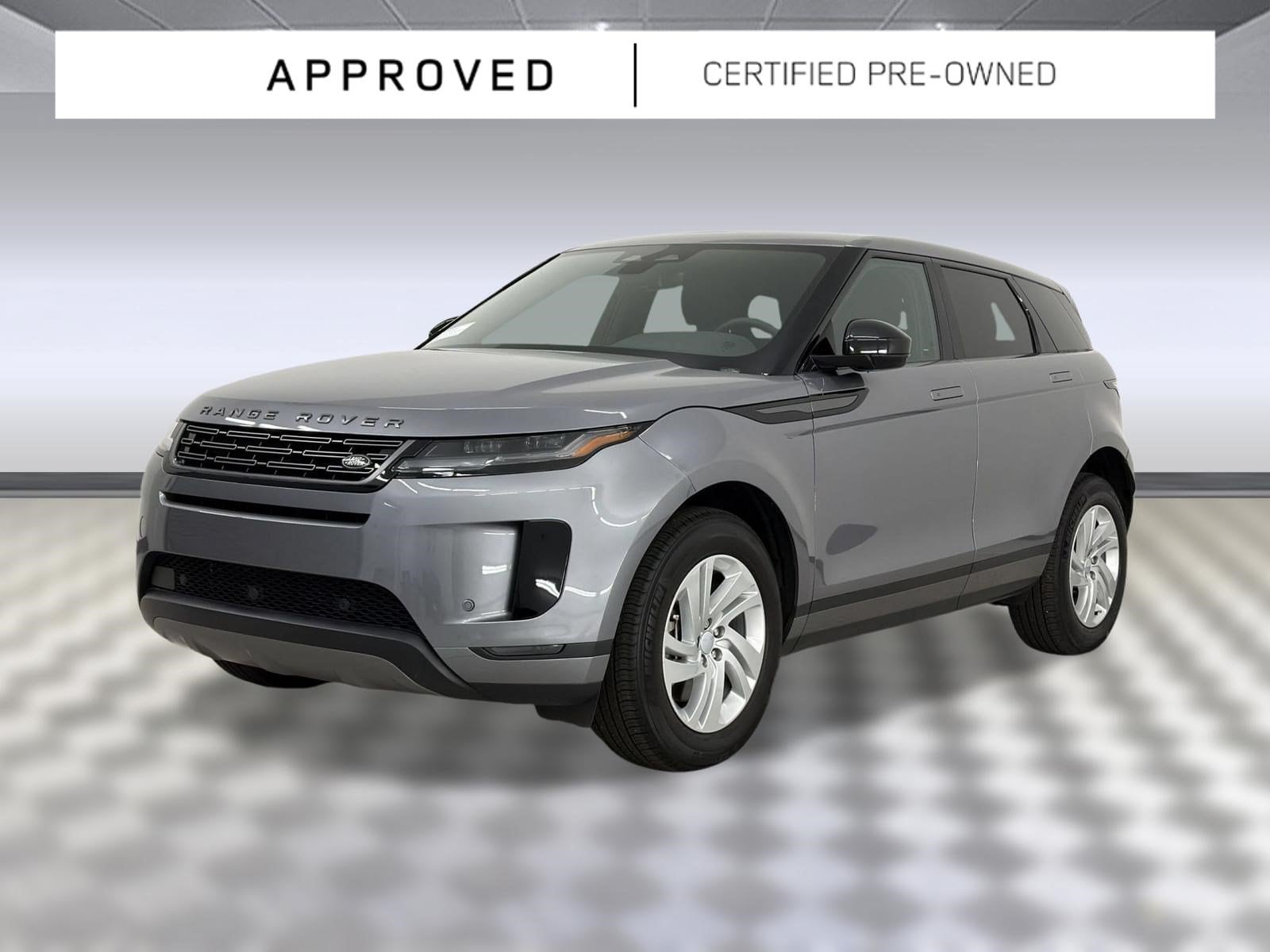
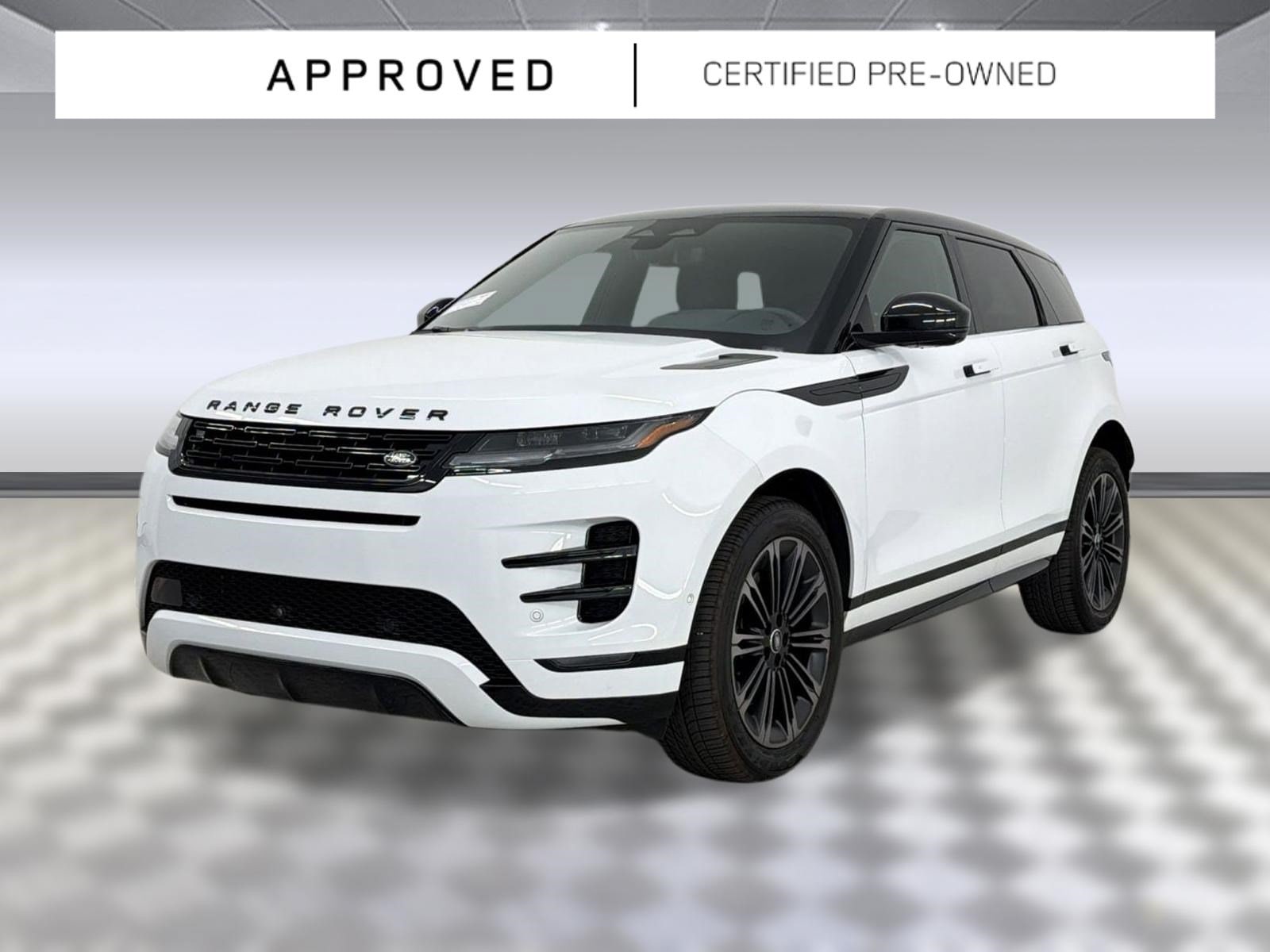
Ask about available after-sales support, especially if you plan long-term ownership. Some markets offer certified pre-owned programs that add warranty coverage, which can be a smart hedge against maintenance costs.
If you decide to sell, prepare the car to fetch a better price. Clean the interior, fix minor dings, and gather maintenance records to show careful ownership. High-demand details like a well-documented service history, a clean Carfax-like report, and recent tire replacements can improve buyer confidence. Advertise in multiple channels and provide clear photos, including the engine bay and undercarriage.
In summary, buying or selling a Range Rover Evoque involves balancing year, mileage, engine choice, and trim with price expectations in your local market. By comparing generations, testing drive experiences, and verifying maintenance history, you can find a well-kept Evoque that fits your lifestyle and budget.
 Add as preferred sourceSee more from zvelta in Google Search Add as preferred source