 EN


Frequently asked questions
It uses a motor speed of up to 30,000 rpm, which reduces the torque required from the motor and allows a smaller rotor and lower material use. The gearbox then increases the torque delivered to the wheels.
No. The 3500 N·m figure refers to torque at the wheels. The approximately 18:1 gearbox ratio has already increased the torque, so it should not be compared directly with motor shaft torque.
ZF plans to begin series production by 2030. The company has not yet named the first vehicle models, customers or prices.
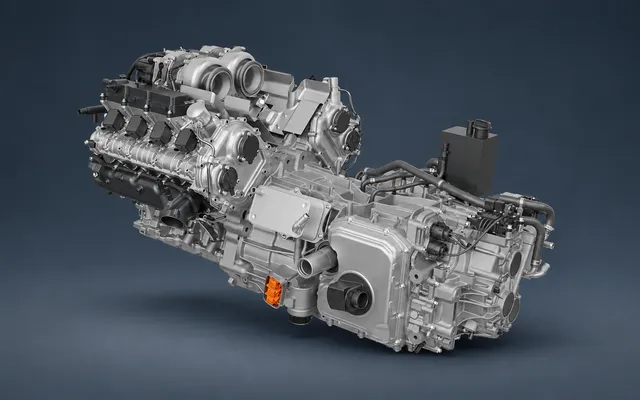
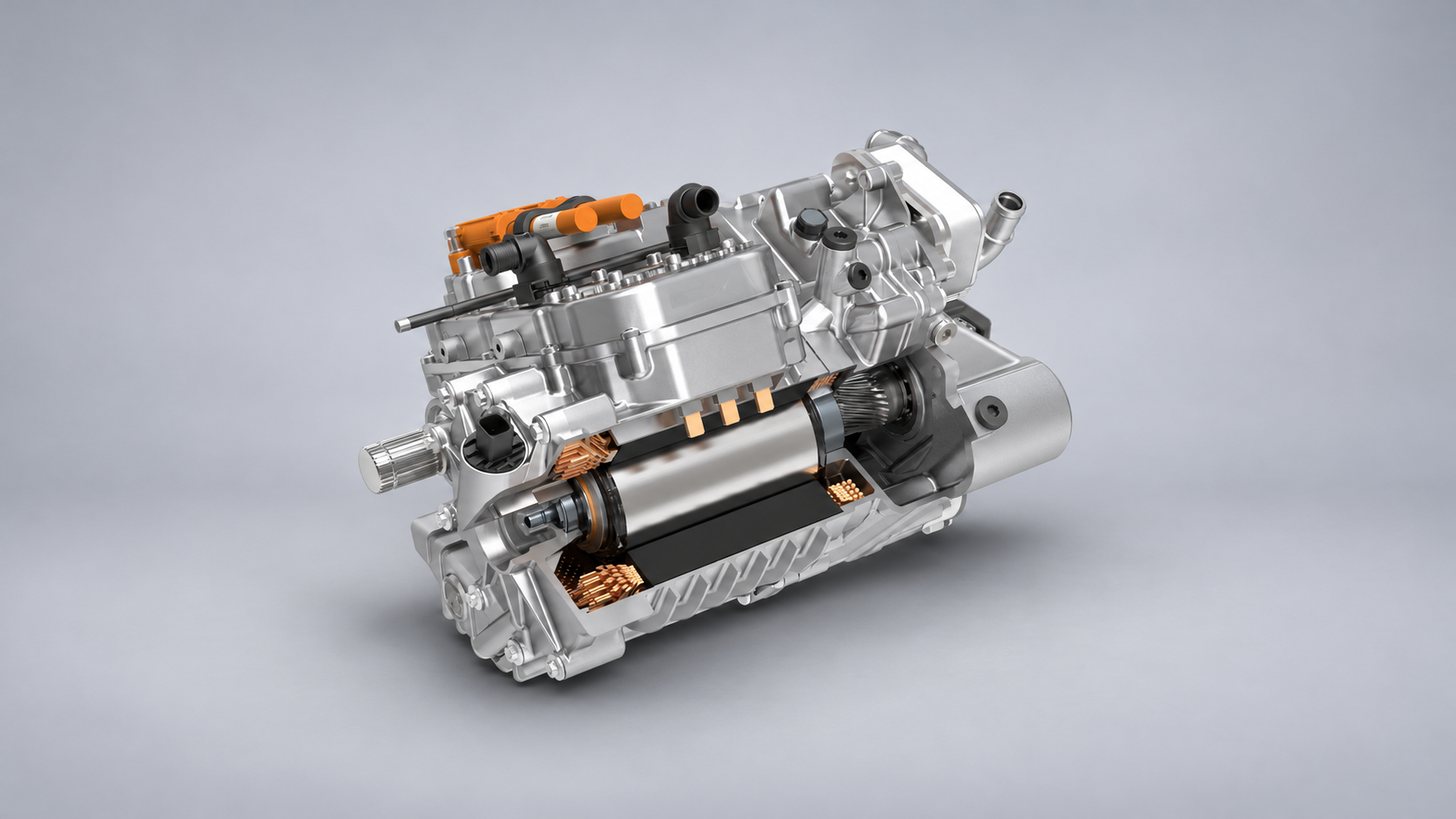
ZF has unveiled the High Revolution Drive, an electric drive in which high rotational speed helps reduce the unit’s size and weight. According to the company, it is almost 25% lighter and more compact than a comparable SELECT drive while delivering the same power. The system is intended for mass-market passenger electric vehicles.
In a press release dated November 5, 2026, ZF describes a “three-in-one” system: the electric motor, inverter and gearbox are combined into a single unit. The configuration shown delivers 200 kW of peak power.
What ZF claims for the High Revolution Drive
Parameter | ZF data |
|---|---|
Maximum electric motor speed | Up to 30,000 rpm |
Peak power of the version shown | 200 kW |
Peak torque at the wheels | 3500 N·m |
Gearbox ratio | Approximately 18:1 |
Weight and volume | Almost 25% less than a comparable SELECT unit with an 18,000 rpm motor |
Required magnet mass | 50% less than the reference drive |
Claimed drive efficiency | Up to 93% in the WLTP cycle, according to ZF’s product page |
Supported electrical architectures | 400 and 800 V |
Why raise the speed to 30,000 rpm?
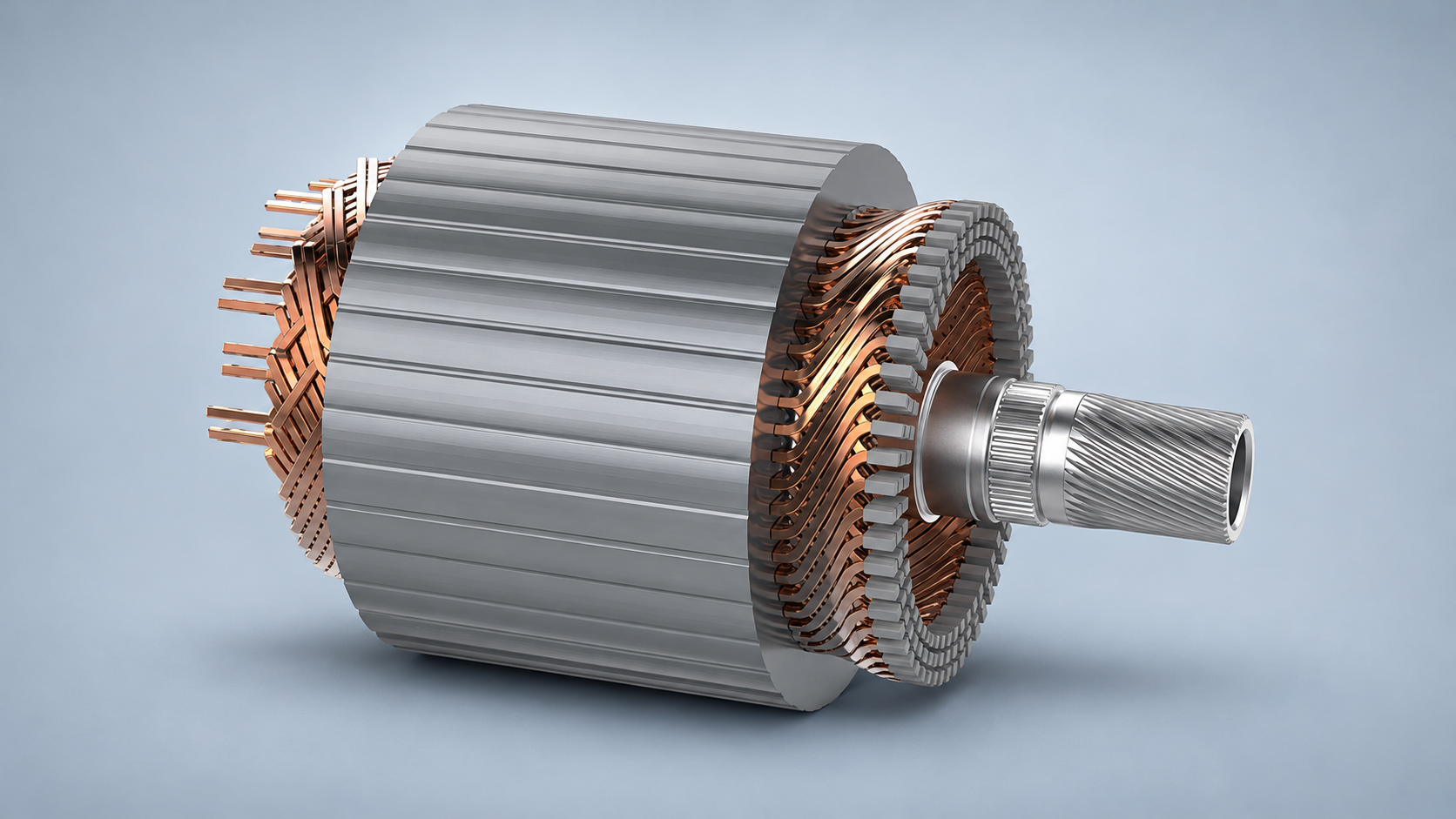
At the same power output, higher rotational speed reduces the torque required from the electric motor itself. This makes it possible to reduce the size of the rotor and use less material. The gearbox then lowers the rotational speed and increases the torque delivered to the wheels.
The High Revolution Drive uses two gear stages operating in sequence, with a combined ratio of approximately 18:1. This describes the gearbox layout; ZF does not state that the system has two selectable gears.
3500 N·m is the torque at the wheels. It would be incorrect to compare this directly with the torque at the crankshaft of a petrol engine or at the shaft of another electric motor, because the gear ratio has already increased the figure.
What lower weight and material use mean
The nearly one-quarter weight reduction applies to the complete drive unit compared with the selected SELECT equivalent. It does not mean that the electric vehicle itself will be 25% lighter: the battery, body and other systems are not included in this comparison.
On the official High Revolution Drive page, ZF also states that system cost is reduced by 13% compared with an equivalent electric drive. The company links the saving to lower requirements for magnets, copper and iron. This is an estimate for the unit itself; the manufacturer has not disclosed the retail price of future vehicles.
The up-to-93% WLTP efficiency figure applies to the drive, not to the efficiency of the vehicle as a whole. A lighter unit could help extend driving range, but ZF does not provide a kilometre estimate for a specific model.
Why the SELECT platform matters
The High Revolution Drive was developed as a version of the modular SELECT electric drive family. This approach allows components to be tailored to an automaker’s requirements while using a common technical foundation for different versions.
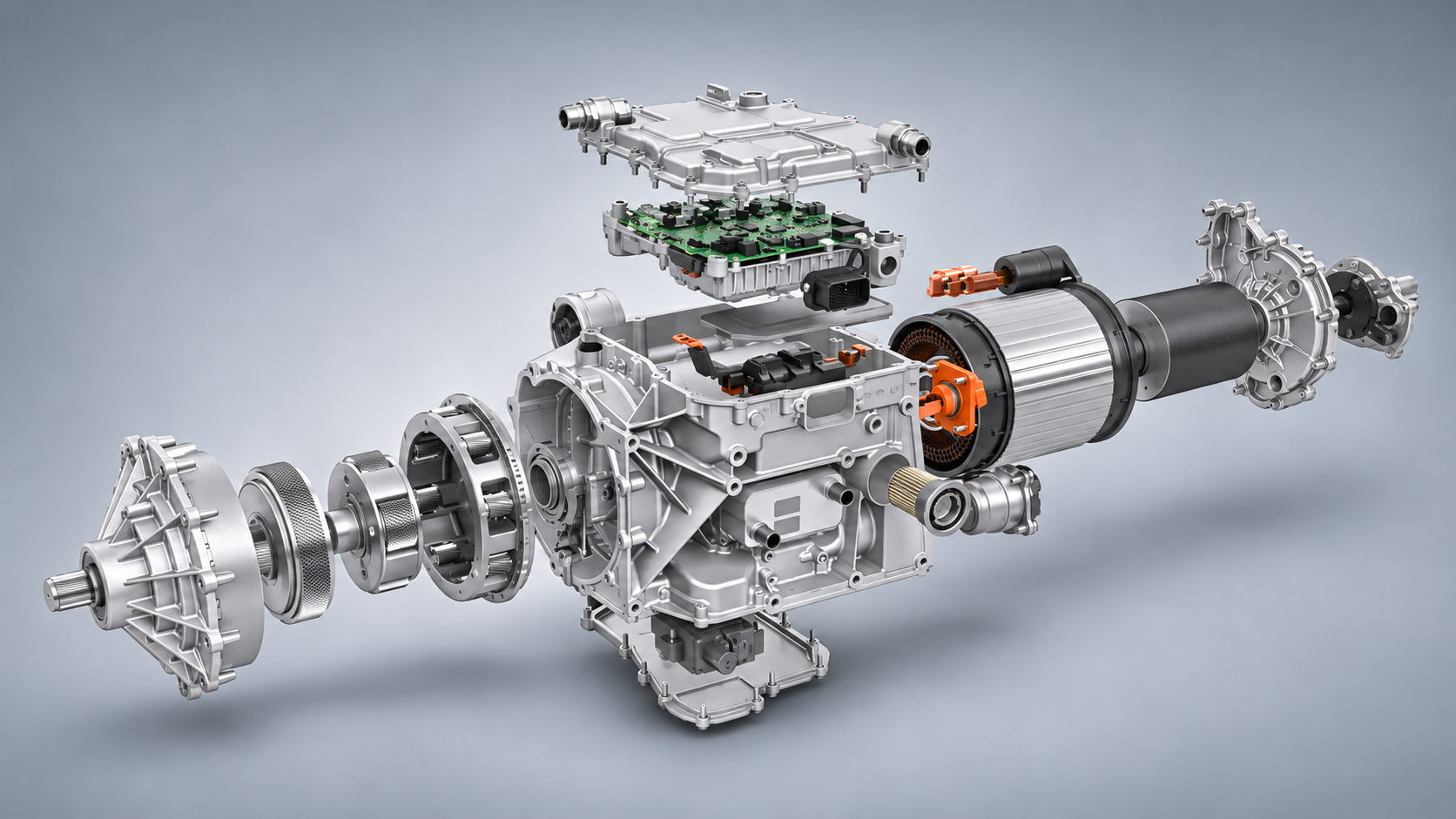
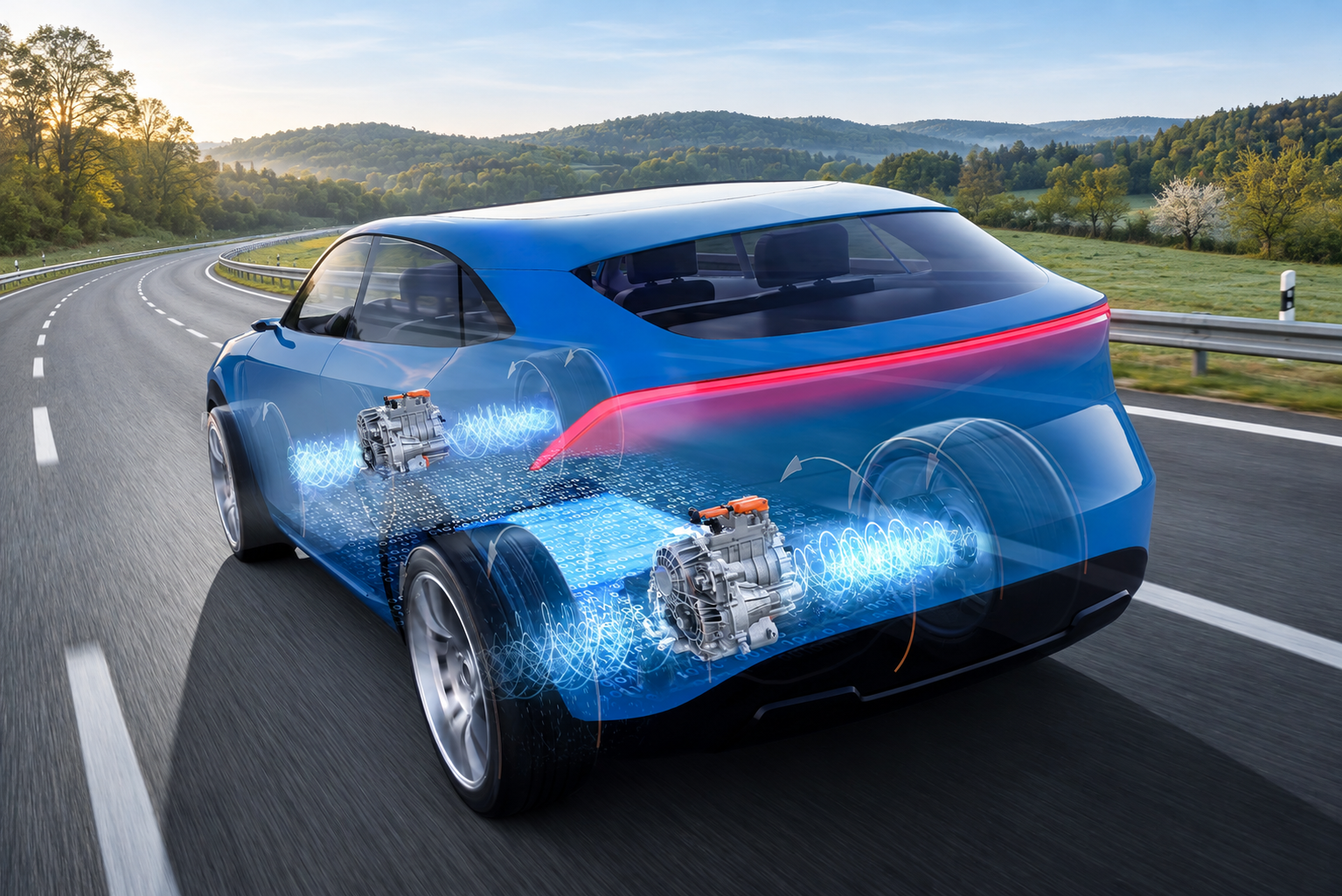
The system’s layout clarifies the division of tasks: the electric motor produces rotation, the inverter controls its electrical power supply, and the gearbox matches speed and torque to the requirements of the wheels. The dimensions of each component affect the packaging of the complete unit, so assessing the motor alone is not enough.
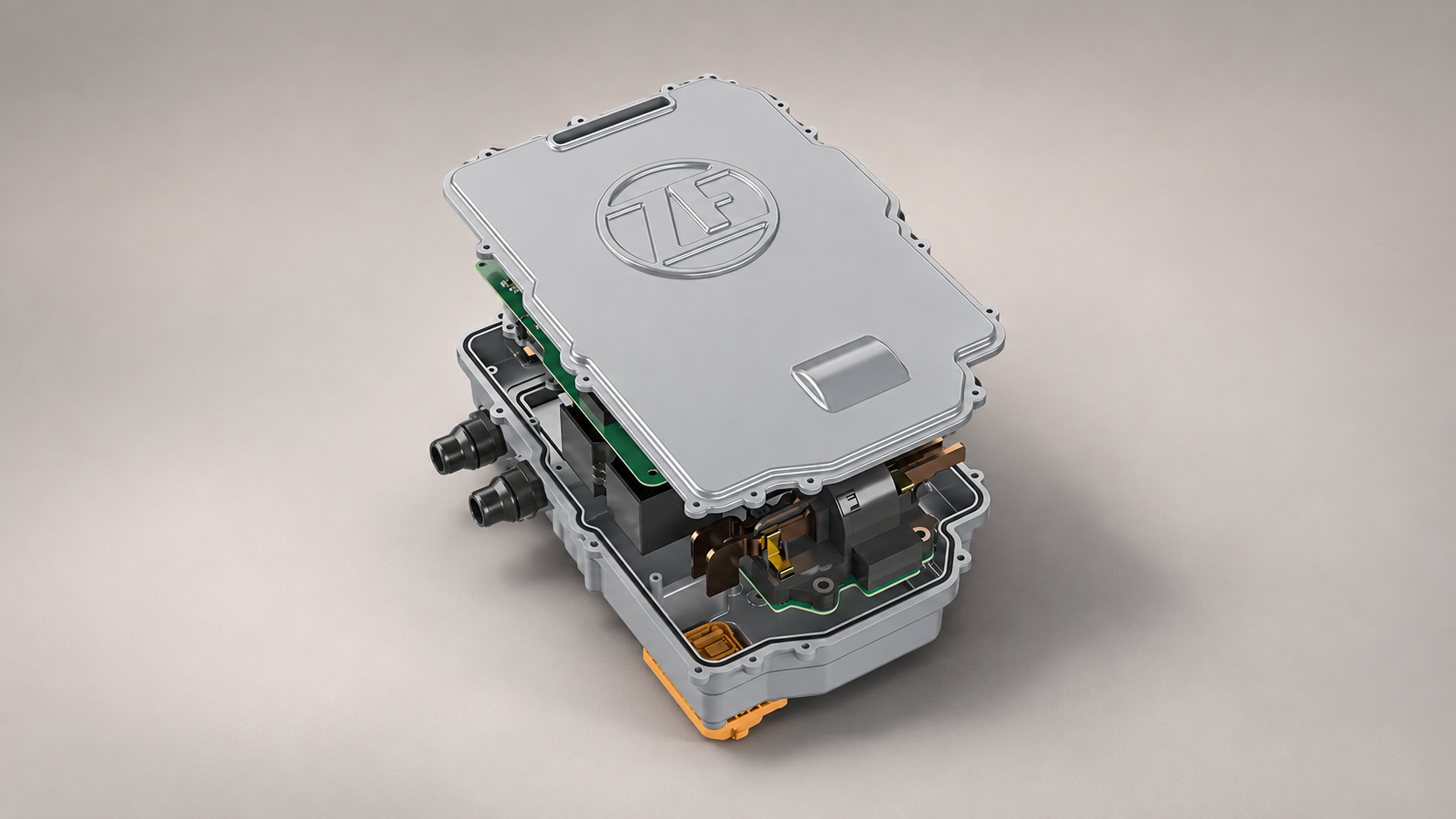
High rotational speeds make noise and vibration control more difficult. ZF says the electric motor, gears, bearings and tooth geometry were tuned together during development.
When will this drive reach vehicles?
ZF plans to begin series production by 2030 and says it is in talks with automakers. The announcement does not identify the first models, customers or vehicle prices for cars equipped with the High Revolution Drive.
For buyers, the practical result will become clear once specifications for a particular vehicle are available, including its weight, energy consumption, driving range and price. For now, ZF is showing how the drive can be made more compact and use less material while maintaining its power.