 EN


Frequently asked questions
New vehicles are covered if they are designed to carry up to nine people, including the driver, and use a reciprocating internal combustion engine and at least one electric motor to propel the vehicle. Customs classification under the relevant TARIC codes determines whether a specific car falls within the quota. Used hybrids are not included in the quota, although certain categories are monitored.
The quota for vehicles of Chinese origin is 191,780 cars for the 200-day period from 1 December 2026 through 18 June 2027.
Confirm the vehicle’s country of origin and TARIC code, who will act as importer and when customs clearance is planned. Ask whether a required export quota certificate is ready for a covered vehicle of Chinese origin, and check what the contract says about your deposit and delivery date if clearance is delayed.
From 1 December 2026, the European Union will limit imports of some new passenger-car hybrids. China’s quota for the 200-day period is 191 780 vehicles. Japan, Türkiye, the United Kingdom and five other countries also have individual quotas. Selling a car that has already cleared customs and been released for free circulation in the EU does not use up a quota. For a car ordered from abroad that still needs to clear customs, the restrictions could affect delivery times.
Which hybrids are covered by the quotas?
The EU Regulation 2026/2614, published on 24 November, covers new vehicles designed to carry up to nine people, including the driver. The key criterion is that a reciprocating internal combustion engine and at least one electric motor are used to propel the vehicle. Whether the car can be plugged in and its drive configuration do not, by themselves, determine whether it is covered. Customs classification is based on the TARIC code, the product code used in the EU customs system.
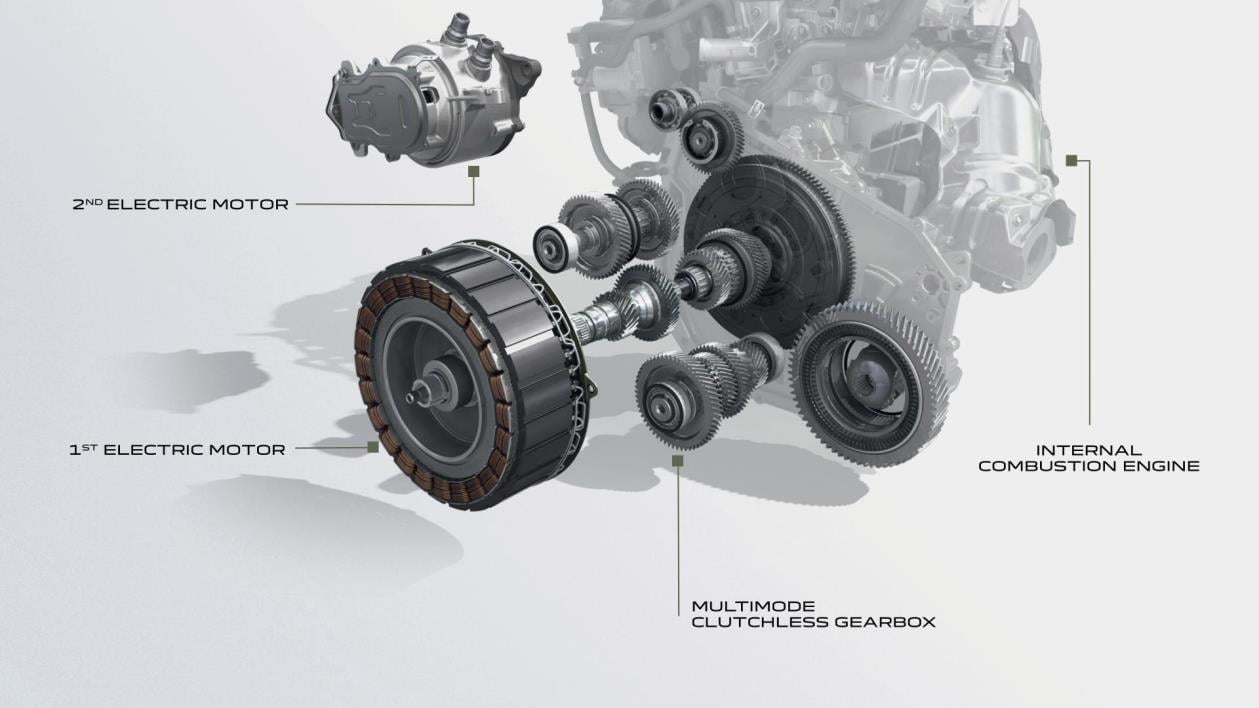
Full hybrids (HEVs) and plug-in hybrids (PHEVs) are covered if the vehicle meets the definition and falls under one of the codes listed in Article 1 of the regulation.
For mild hybrids (MHEVs), the key question is whether the electric system helps propel the car. Systems in which the starter or generator is used only for functions unrelated to vehicle movement are subject to customs monitoring, not the quota. A “48 V” label is not enough to determine the classification.
Battery-electric vehicles and cars in which the internal combustion engine serves only as a generator do not meet the definition in Article 1. For a hybrid labelled EREV, check the powertrain design and customs classification rather than relying on the name in the sales listing.
Used hybrids are not included in this quota. The categories of used vehicles listed in Annex III are subject to import monitoring: customs tracks the imports, but this regulation does not set a numerical limit for them.
How many cars can be imported?
The limits in Annex II apply across the EU as a whole, not separately to each member state. The table shows the initial allowances for three periods. Any unused balance carries over to the next period while the temporary measure remains in force.
Quotas for imports of new hybrids (number of vehicles)
Country of origin | 1 Dec. 2026 – 28 Feb. 2027 | 1 Mar. – 31 May 2027 | 1–18 June 2027 | Total for 200 days |
|---|---|---|---|---|
China | 86 301 | 88 219 | 17 260 | 191 780 |
Japan | 76 900 | 78 609 | 15 380 | 170 889 |
Türkiye | 56 844 | 58 107 | 11 369 | 126 320 |
United Kingdom | 47 431 | 48 485 | 9 486 | 105 402 |
South Korea | 30 566 | 31 245 | 6 113 | 67 924 |
Mexico | 15 640 | 15 987 | 3 128 | 34 755 |
Morocco | 10 779 | 11 019 | 2 156 | 23 954 |
Serbia | 8 709 | 8 902 | 1 742 | 19 353 |
United States | 8 317 | 8 502 | 1 663 | 18 482 |
Other countries covered by the measure | 370 | 378 | 74 | 822 |
There are origin-based exemptions. For example, the quotas do not apply to vehicles from Norway, Iceland, Liechtenstein, Ukraine, Kenya or South Africa. Article 1 and Annex I provide the full list. The country of shipment does not create an exemption: a car of Chinese origin does not become Japanese simply because it was shipped from a Japanese port.
Why the car’s brand does not determine its quota
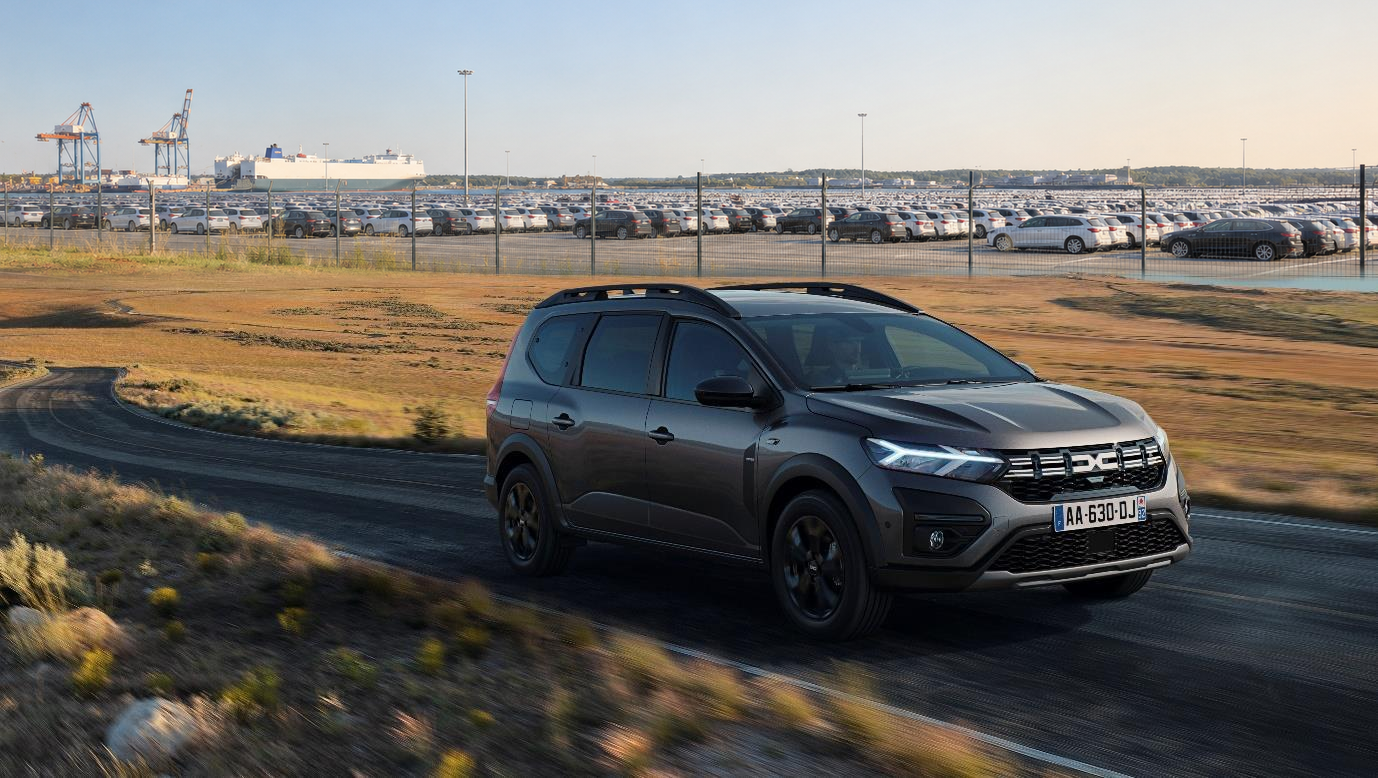
Customs considers the customs origin of the individual vehicle, not the country where its brand is registered. For example, Renault Group produced the Dacia Jogger Hybrid 140 in Tangier. If a new vehicle of this version is imported into the EU and its customs origin is Morocco, it falls under Morocco’s quota, even though Dacia is a Romanian brand. Likewise, a hybrid from a Chinese brand that has EU origin and is manufactured and sold within the EU does not use China’s quota.

What happens if a quota is exhausted?
A quota limits the number of vehicles; it does not change the tariff rate. Within the quota, the rate normally applicable to that vehicle applies, taking any preferences into account. Once the limit for the current period has been reached, a covered vehicle cannot be cleared above the limit simply by paying an additional duty. There is a separate requirement for vehicles of Chinese origin: the importer must present an export quota certificate issued by the China Chamber of Commerce for Import and Export of Machinery and Electronic Products (CCCME).
Quota balances can be checked in the European Commission’s QUOTA customs database using the number listed in Annex II. For example, the number for China is 090254, for Japan 090255 and for Morocco 090260. A balance shown in the database does not mean that a place has already been reserved for a particular car. If requests exceed the available balance, the regulation provides for proportional allocation.
What to ask the seller before paying a deposit
A listing that says “in stock in the EU” may mean the car is physically at a warehouse but has not yet cleared customs. What matters more to the buyer is whether that specific vehicle has been released for free circulation in the EU. If the seller says customs clearance is complete, ask for confirmation linked to the VIN. If clearance is still pending, ask these four questions:
What country of origin and TARIC code will be declared for this version?
Who is the importer, and when is customs clearance scheduled—not just the car’s arrival?
If the car is of Chinese origin and covered by the quota, has the export certificate been prepared?
Under the contract, what happens to the deposit and delivery timeframe if the car cannot be cleared during the planned period?
Why the EU introduced the restrictions and when they will end
According to the European Commission’s investigation materials, imports of hybrids in this category from outside the EU rose from 958 thousand vehicles in 2023 to 1.42 million over the 12 months from July 2025 to June 2026—an increase of around 49%. Imports from China grew from 107 thousand vehicles in 2024 to 302 thousand in 2025. In its announcement of 24 November, the European Commission said the temporary measure was prompted by rising imports and the risk of serious harm to EU manufacturers.
The published quotas run through 18 June 2027, inclusive. No decision on definitive measures has been made yet. The regulation does not indicate whether a particular model will become more expensive. For a car ordered from abroad, its clearance status, planned customs date and the contract terms in case of a delay matter more.