 EN


Frequently asked questions
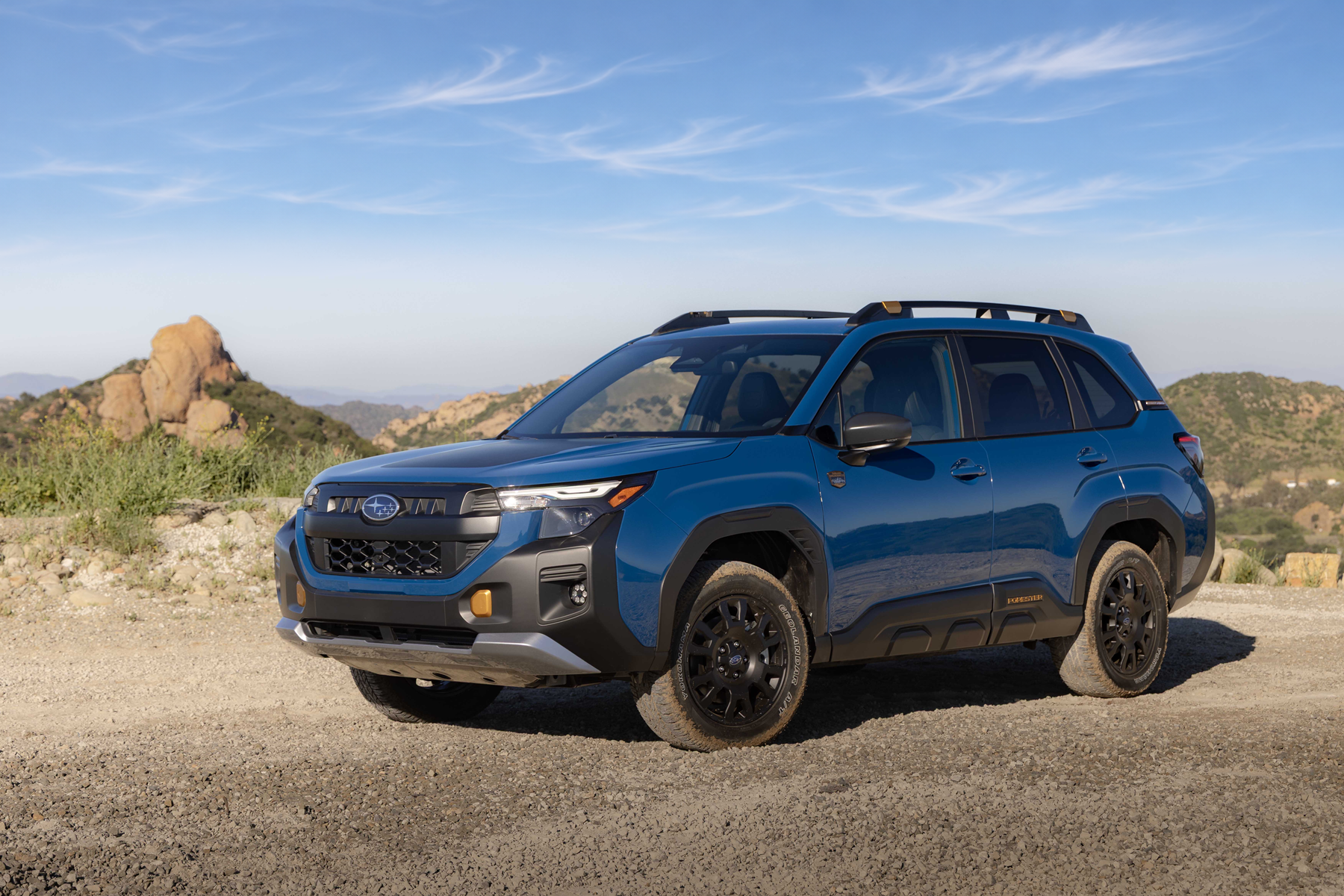
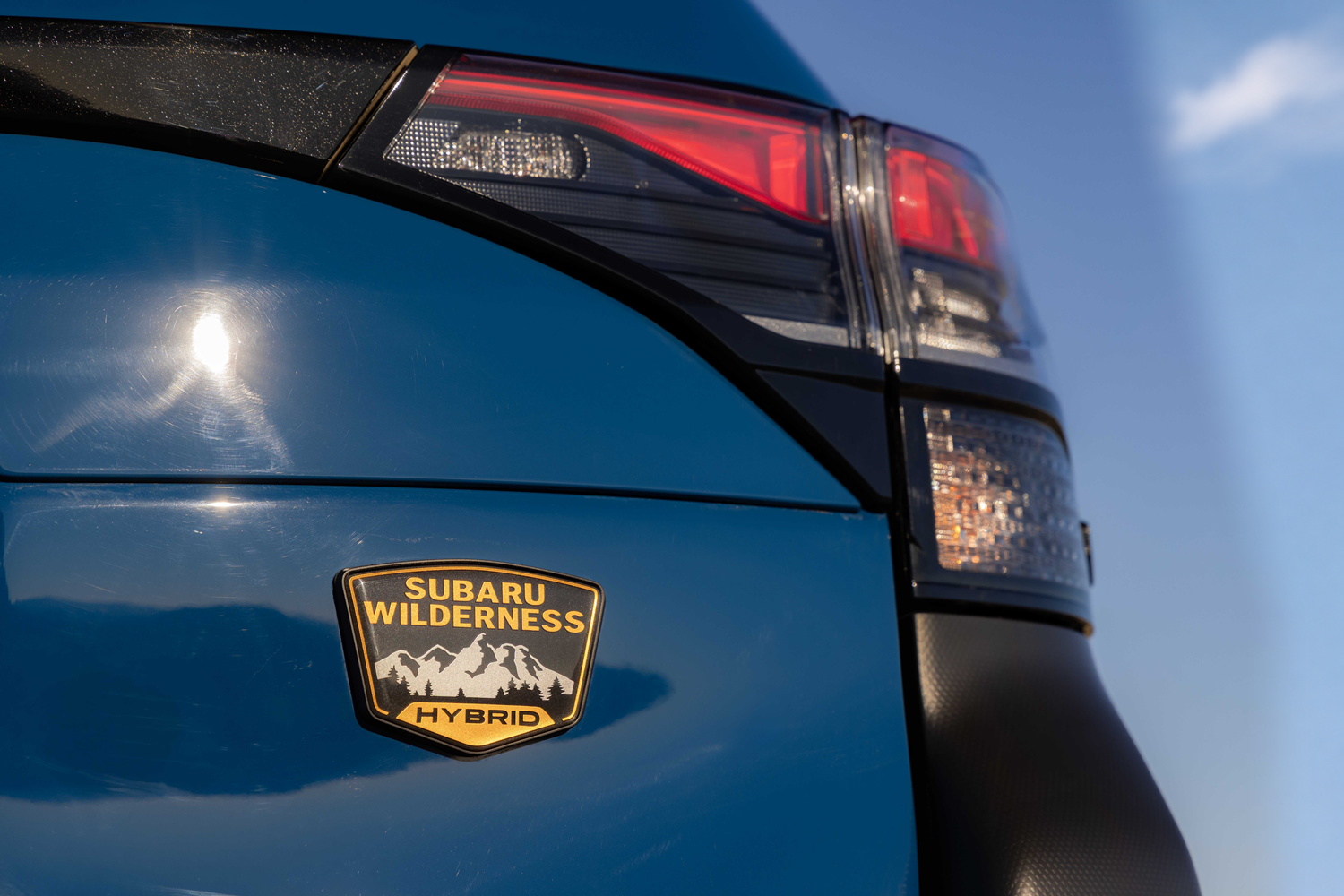
The Wilderness Hybrid starts at $40 495, which is $1,000 more than the gasoline Wilderness at $39 495. Both prices exclude the destination charge.
The hybrid has its largest advantage in city driving, where its EPA estimate is 7.1 l/100 km versus 9.8 l/100 km for the gasoline Wilderness. On the highway, the difference is about 0.3 l/100 km.
The gasoline Wilderness has the clearer towing advantage. Subaru lists a maximum trailer weight of up to 3 500 pounds (about 1 590 kg), while published estimates for the hybrid vary and should be checked in the manual for the specific vehicle.
The 2027 Subaru Forester Wilderness Hybrid costs $1,000 more than the gasoline-powered Wilderness in the US. For that premium, buyers get fuel economy of about 7.1 instead of 9.8 l/100 km in the city, according to EPA estimates. On the highway, the difference narrows to about 0.3 l/100 km. Both versions offer about 236 mm of ground clearance, while the gasoline model has the advantage if you tow a trailer.
Forester Wilderness and Wilderness Hybrid by the numbers
According to the Subaru of America price list, the gasoline Wilderness starts at $39 495, while the hybrid starts at $40 495. These are suggested US prices excluding the destination charge. Fuel economy figures come from the EPA listings for Wilderness and Wilderness Hybrid and were converted from US miles per gallon to liters per 100 km.
US versions, 2027 model year
Parameter | Wilderness | Wilderness Hybrid |
|---|---|---|
Suggested price | $39 495 | $40 495 |
Powertrain | 2.5-liter gasoline boxer engine | 2.5-liter boxer engine and electric motors |
Power according to Subaru USA | 180 hp | 194 hp combined |
City fuel economy, l/100 km | 9.8 | 7.1 |
Highway fuel economy, l/100 km | 8.4 | 8.1 |
Combined fuel economy, l/100 km | 9.0 | 7.6 |
Ground clearance | About 236 mm | About 236 mm |
Where the hybrid saves the most fuel
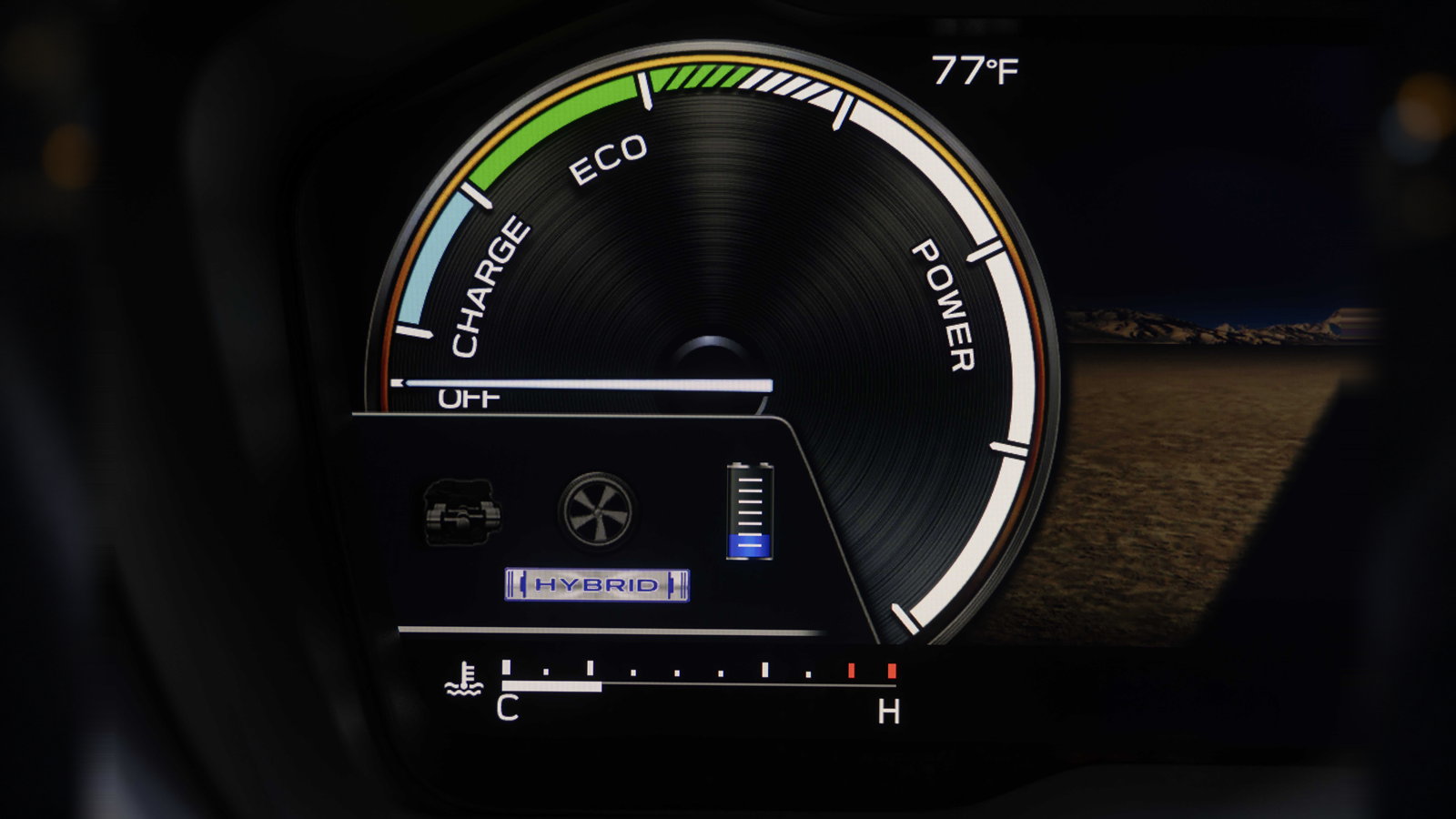
City driving involves more deceleration and acceleration. During deceleration, the hybrid recovers some energy into the battery, while the traction motor assists the gasoline engine when accelerating. The battery charges while driving, so the vehicle does not need to be plugged in. At 15 000 km, the difference in the EPA combined estimates corresponds to about 220 l of gasoline. Actual savings depend on the route and driving conditions.
What both versions offer on gravel
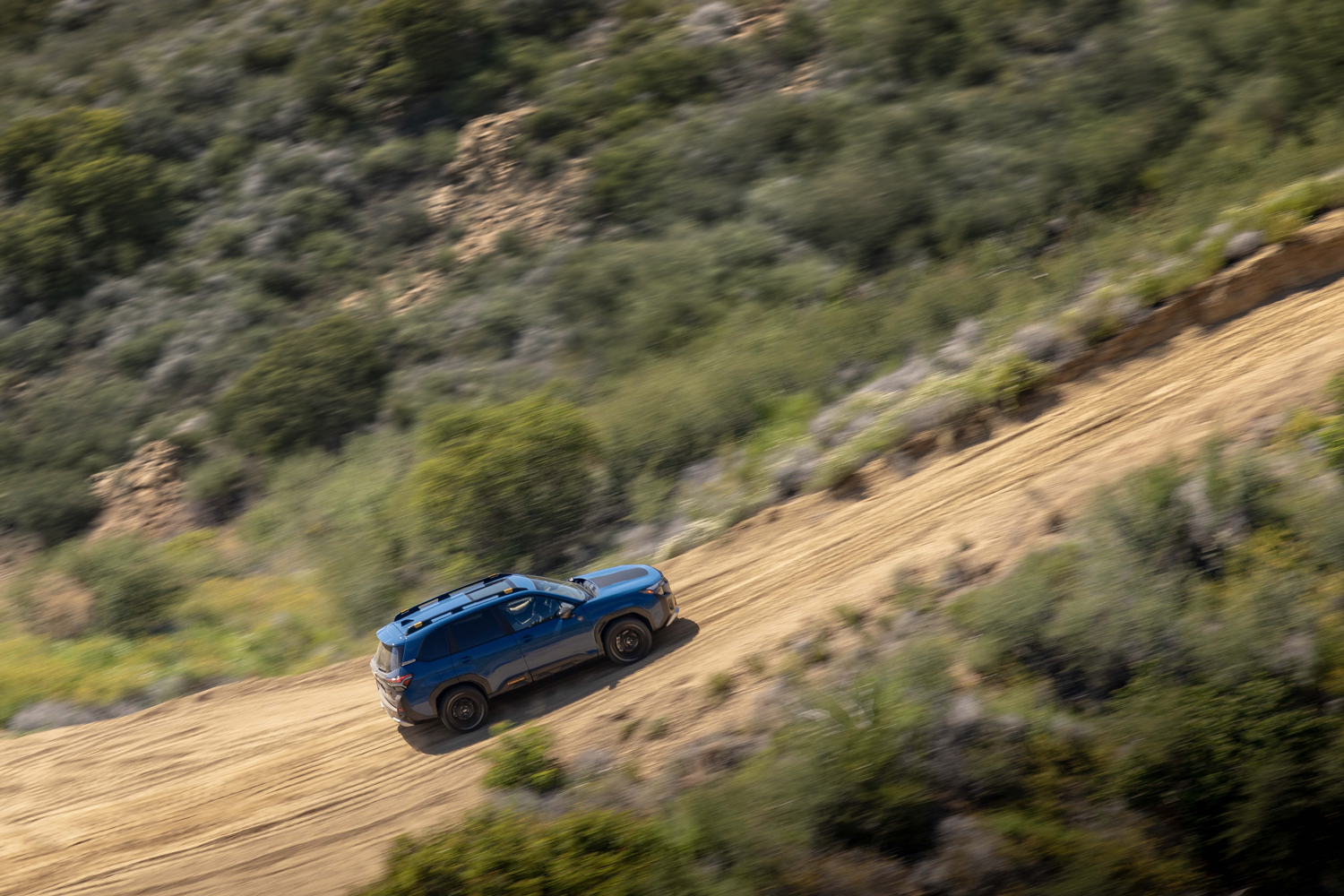
Both versions have all-wheel drive, Yokohama Geolandar tires for asphalt and gravel, and reinforced underbody protection. The hybrid retains a mechanical connection between the front and rear axles, along with the X-MODE system for slippery surfaces. In the first test drives published on November 18, Car and Driver and MotorTrend noted that the electric motor's torque helps the vehicle get moving on a steep climb.
If you need a trailer or a spare wheel
For the gasoline Wilderness, Subaru lists a maximum trailer weight of up to 3 500 pounds (about 1 590 kg) and includes a full-size spare wheel as standard equipment. According to the first test drives, the hybrid does not have a full-size spare. Published reviews give conflicting estimates for the hybrid's maximum trailer weight. If you are buying the vehicle for towing, check the limit in the owner's manual for the specific vehicle.
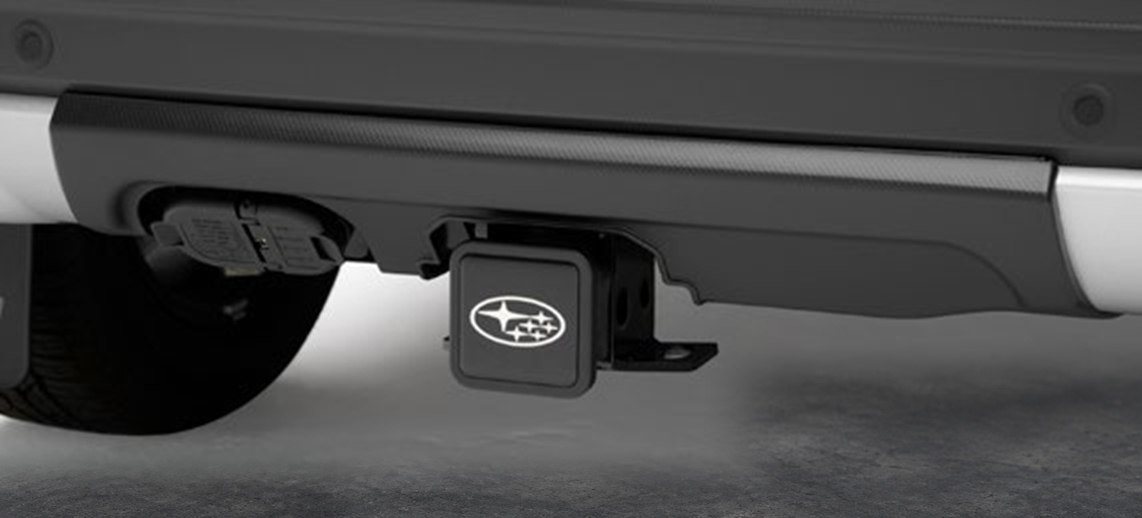
For daily city driving and trips onto gravel roads, the hybrid's premium delivers a noticeable fuel-economy benefit without changing the ground clearance. If most of your driving is on the highway, the EPA difference is about 0.3 l/100 km. For regular towing, the gasoline version has a strong argument in its favor: Subaru's confirmed trailer-weight limit.