 EN
ENDEALER
8.953 US$DEALER
9.604 US$
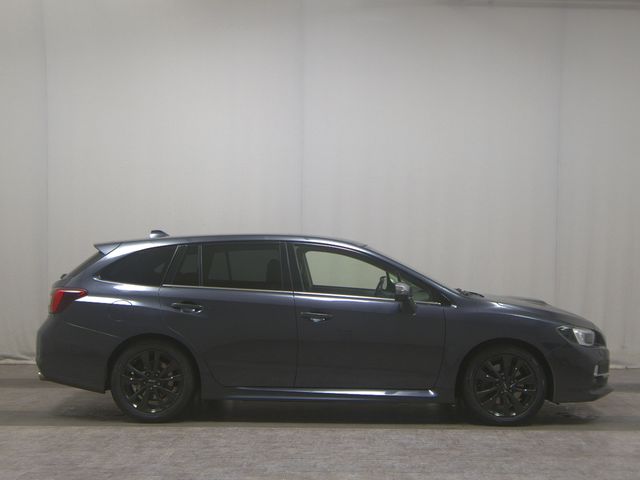
2015, gasoline, automatic, 189K km, wagon, 170 hp, grey, Levorg 1.6, Used condition, In stock

AutoHus.de
 Germany, Lower Saxony
 Germany, Lower Saxony
The Subaru Levorg stands out as a practical wagon that blends utility with driving dynamics. For buyers and sellers, understanding the different generations, engines, and configurations helps you make a smarter decision in markets where this model remains popular. Below we explore what to consider when evaluating a Levorg, from year and mileage to price segments and fuel types, tailored to typical inquiries from shoppers and traders.
The Levorg has evolved through a few notable generations, each offering distinct features. Early models focus on hatchback practicality and compact dimensions, while later generations may bring more advanced safety tech, refined interiors, and improved efficiency. If you are comparing options, identify the year range, the generation badge, and the available trims to align with your needs for cargo space, daily commuting, or longer trips.
Key details buyers often check:
When shopping for a Levorg, practical questions guide your choice: which engine offers the best balance of performance and fuel economy? Is a turbo variant worth the extra maintenance costs for your daily routines? Do you need maximum cargo space or tighter city maneuverability?
Helpful steps for a smooth decision:
In many markets, Levorg prices cluster by generation, mileage, and overall condition. A well-maintained, lower-mileage model in a mid-range trim often commands higher value, while older generations with higher mileage may be found at strong deals. When selling, prepare service records, note recent maintenance, and highlight practical features such as cargo space, AWD capability, and safety equipment.
If you are researching prices, compare listings with similar year, mileage, and configuration, and consider total ownership costs, including insurance, parts availability, and potential repair needs. By understanding these factors, you can position your Levorg effectively, whether you are buying for daily use or selling to upgrade.
 Add as preferred sourceSee more from zvelta in Google Search Add as preferred source