 EN
EN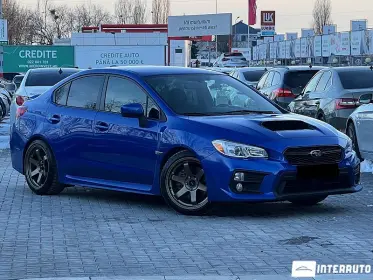
21.288 US$
22.385 US$
2017, gasoline, manual, 88K km, sedan, All Wheels Drive, 2,000 cm3, 268 hp, blue, impreza wrx, Used condition, Japan

InterAuto.md
 Moldova, Chișinău Municipality
 Moldova, Chișinău Municipality
When you’re in the market for a Subaru Impreza WRX, you’re aiming for a blend of rally-inspired performance and everyday practicality. This model, known for its turbocharged engines, all-wheel drive and nimble handling, attracts buyers who want a confident compact sports car and sellers who value a well-kept performance hatchback. Below is a practical guide to choosing, comparing, and acquiring or listing a Subaru Impreza WRX in various scenarios, with attention to generation, fuel, body type, year, mileage and price ranges.
Choosing the right Impreza WRX starts with understanding your preferred generation and configuration. Common questions include: which engine provides the best balance of power and reliability, and how does mileage affect value? For many shoppers, the turbocharged four-cylinder engine and the all-wheel-drive drivetrain are deciding factors. Prospective buyers often weigh daily usability against performance capabilities, while sellers want to set a fair price based on model year, mileage and overall condition.
When evaluating listings or preparing a sale, it helps to benchmark against a few standard factors: year, mileage, service history, number of owners, and any performance upgrades. Potential buyers often search with phrases such as “Subaru Impreza WRX price guide,” “WRX fuel economy,” or “Impreza WRX reliability.” Sellers might ask: “What is my WRX worth with 120,000 km?” or “How to price a WRX with aftermarket parts?”
For buyers, a structured approach reduces risk. Start by listing your must-haves in terms of power output, drivetrain tuning, interior features, and cargo needs. Then compare generations and trim levels to find the best match for your driving style. For sellers, prepare a clear, honest listing with photos of the engine bay, wheels, and tires; include recent maintenance receipts and a readable defect report.
If you’re visiting a marketplace to evaluate options, search phrases like “Subaru Impreza WRX for sale near me,” “Impreza WRX price by year,” or “WRX hatchback vs sedan comparison.” Align your choice with the fuel type that suits your driving needs, whether it’s a versatile daily driver or a weekend rally-inspired ride. Whether buying or selling, a well-documented history and a clear inspection can help you secure a confident transaction and a fair deal on this iconic Subaru model.
 Add as preferred sourceSee more from zvelta in Google Search Add as preferred source