EN
ENDEALER
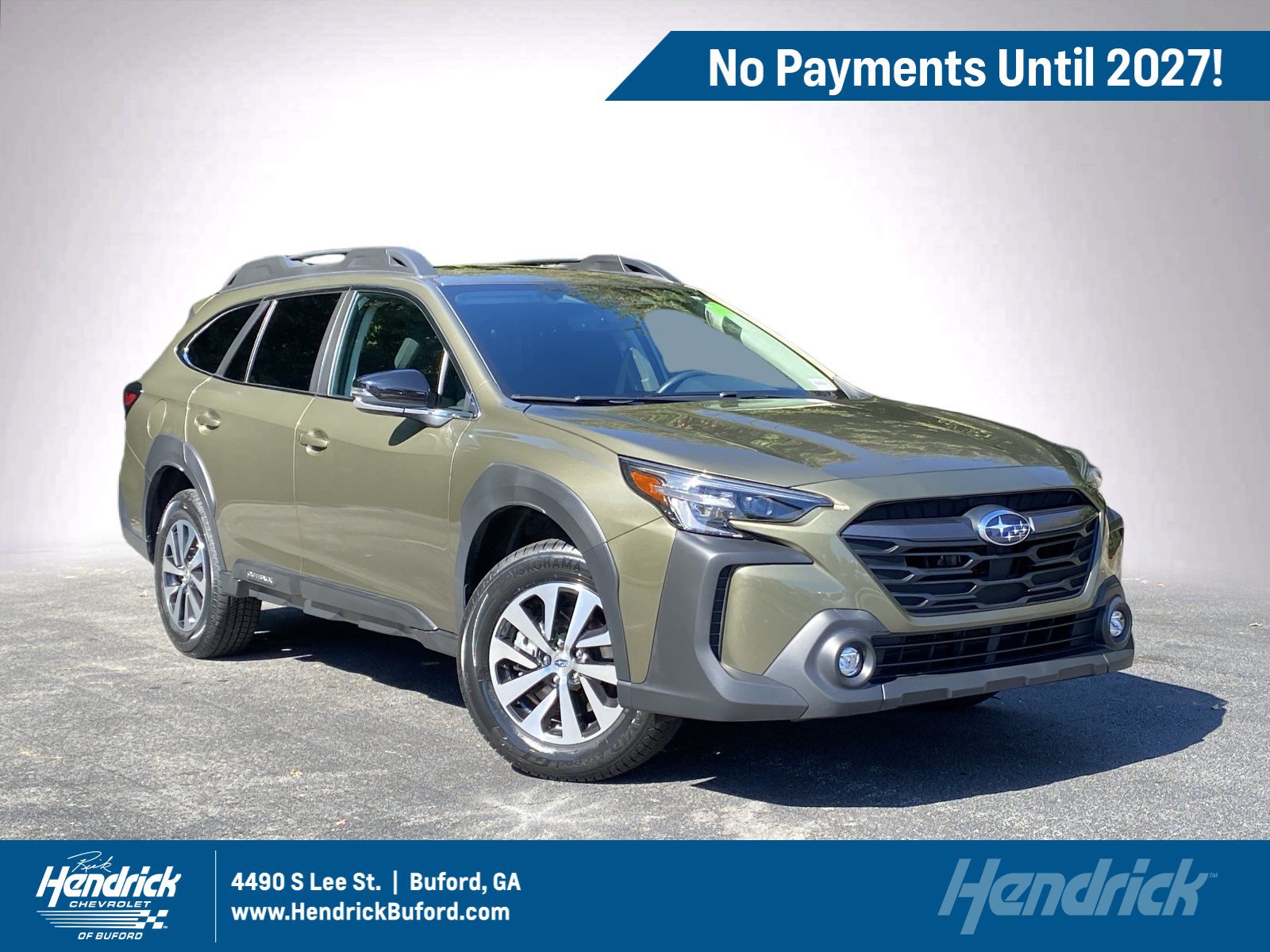
28.286 US$DEALER
28.735 US$
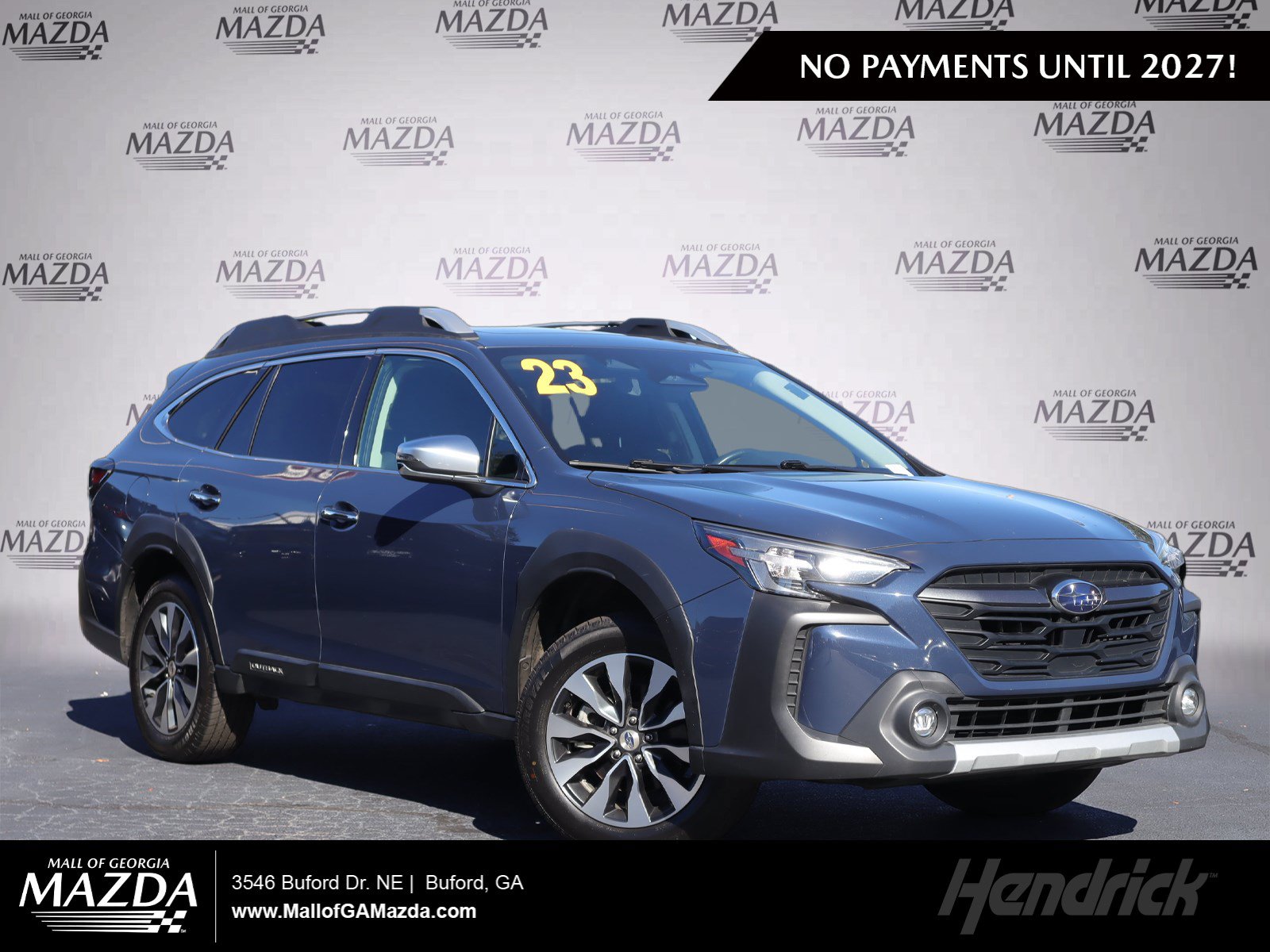
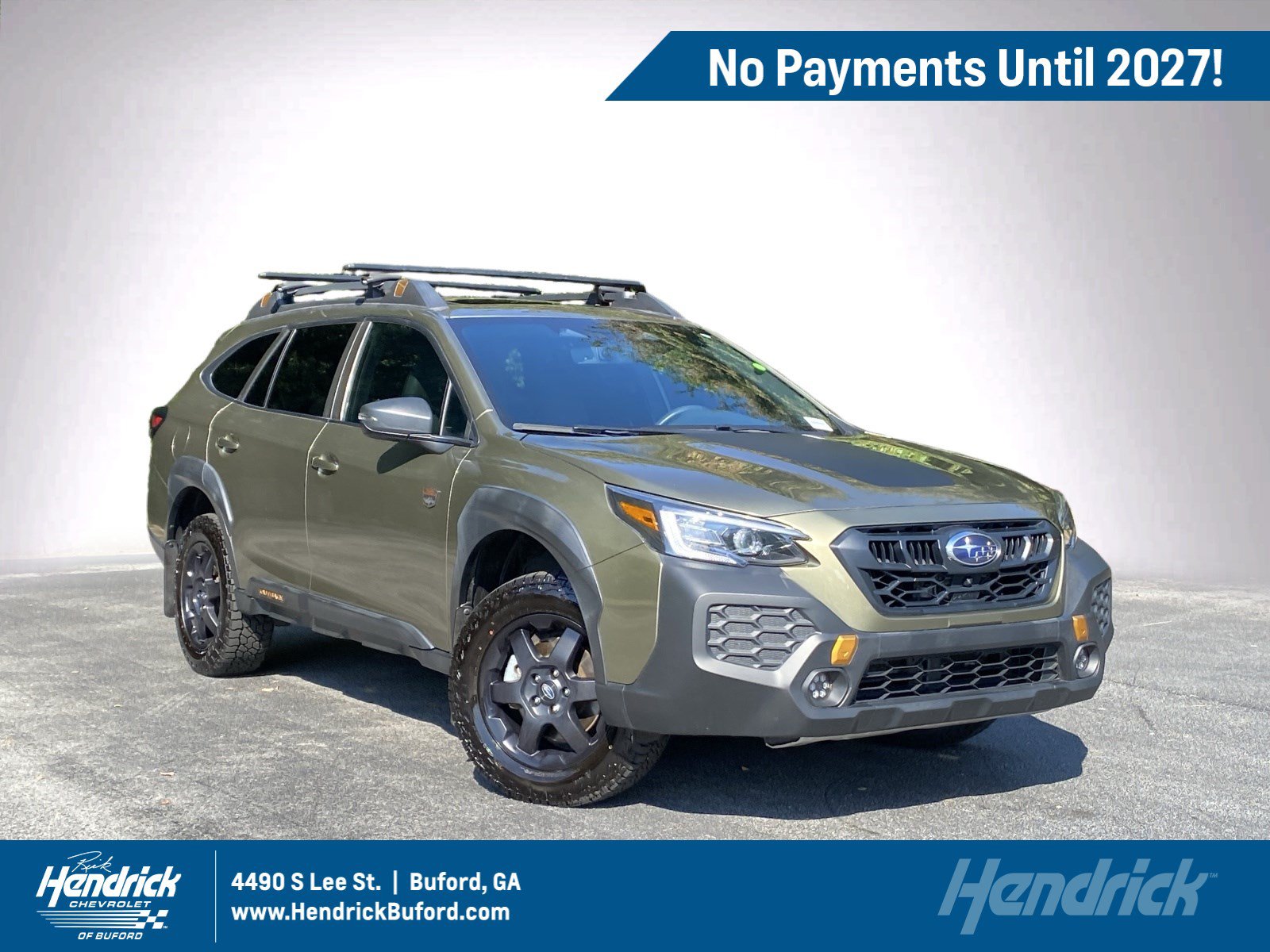
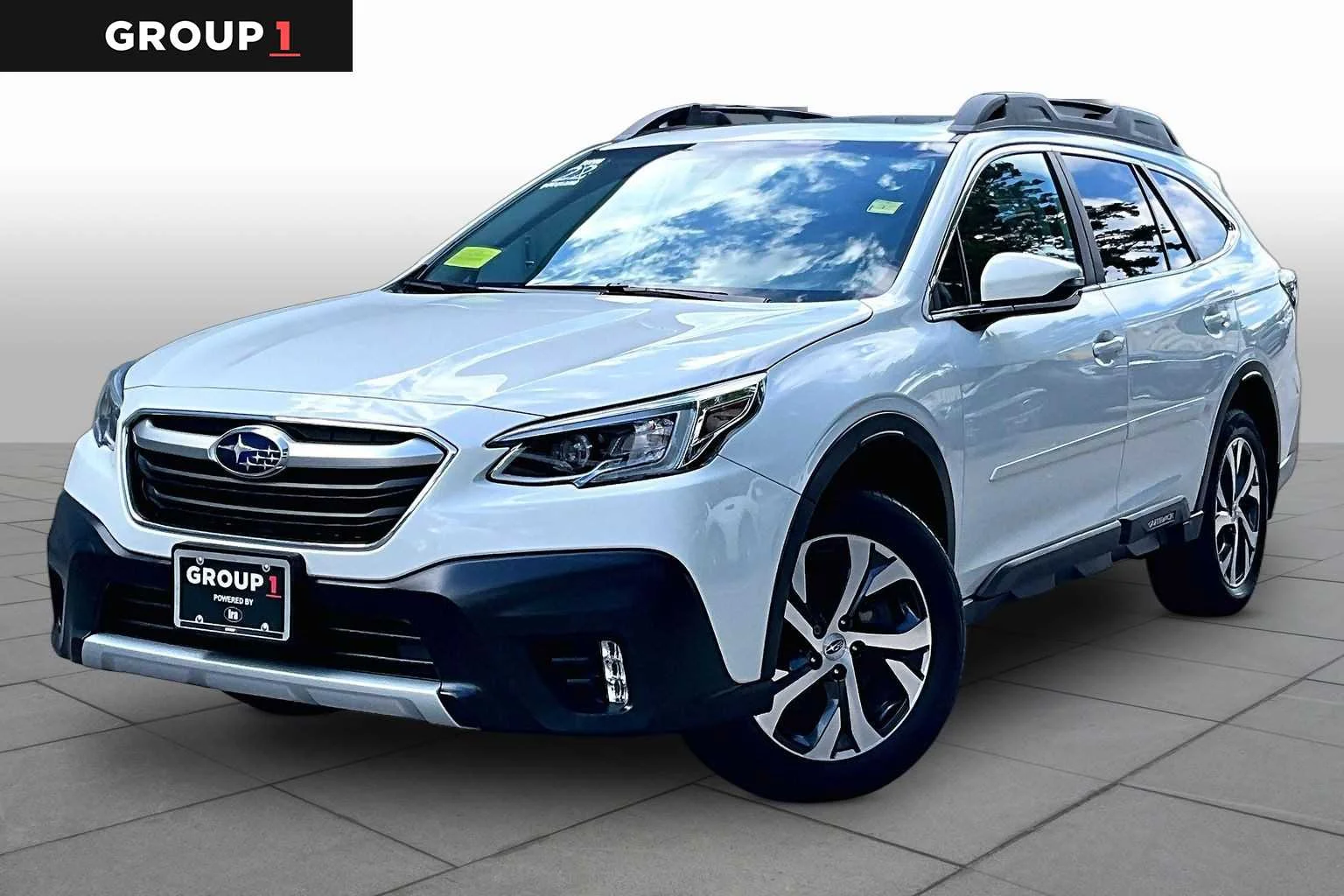
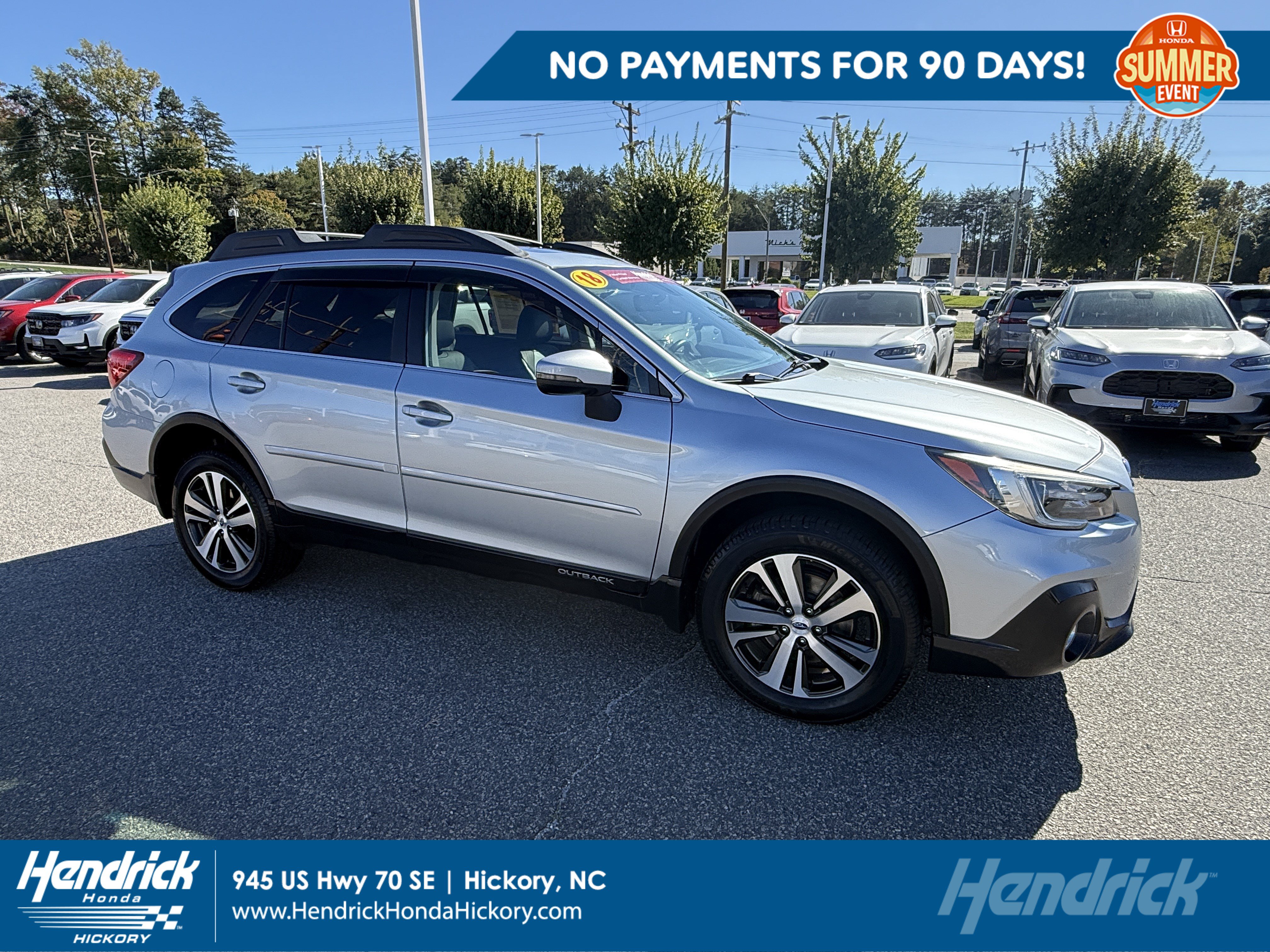
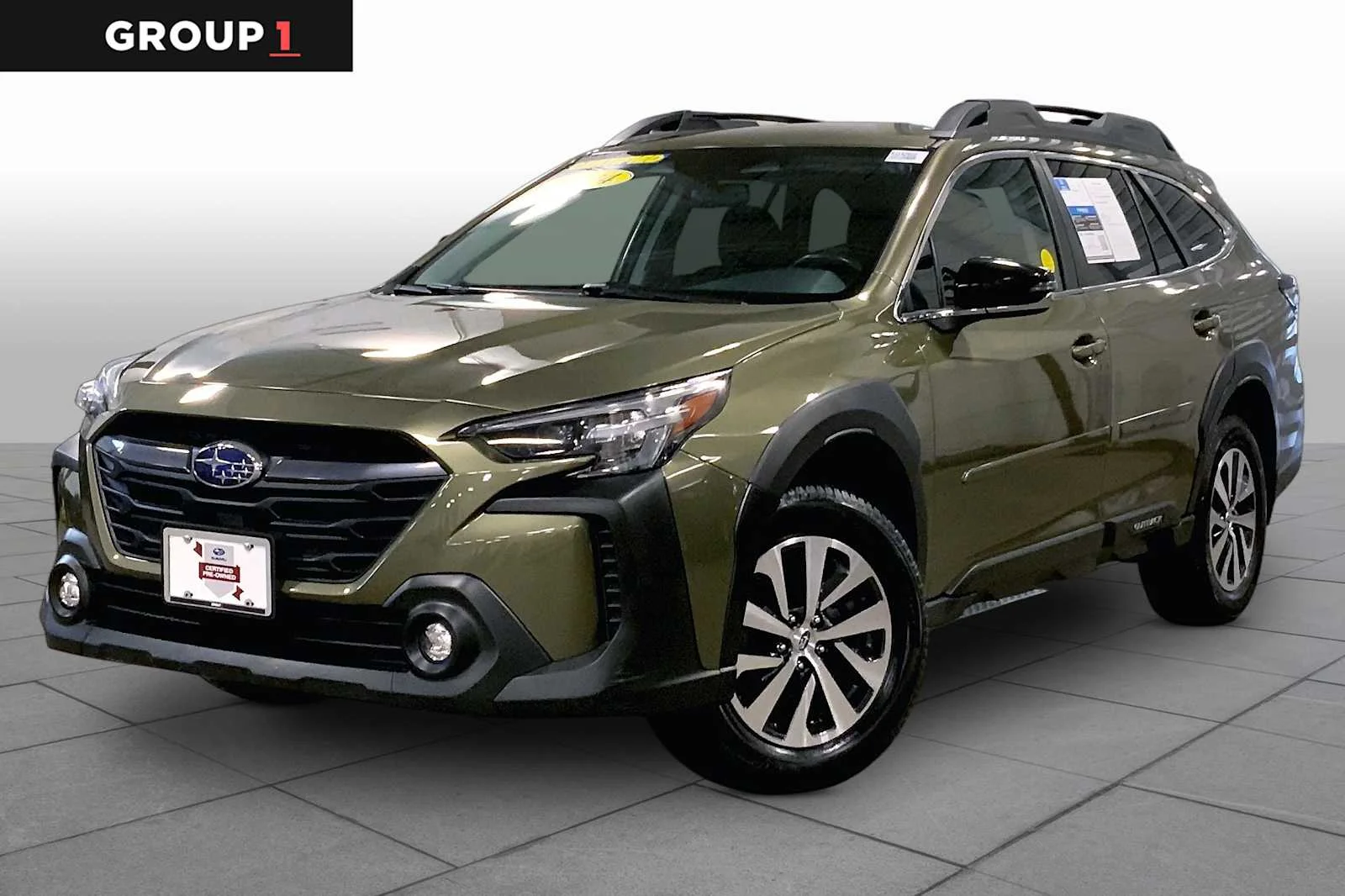
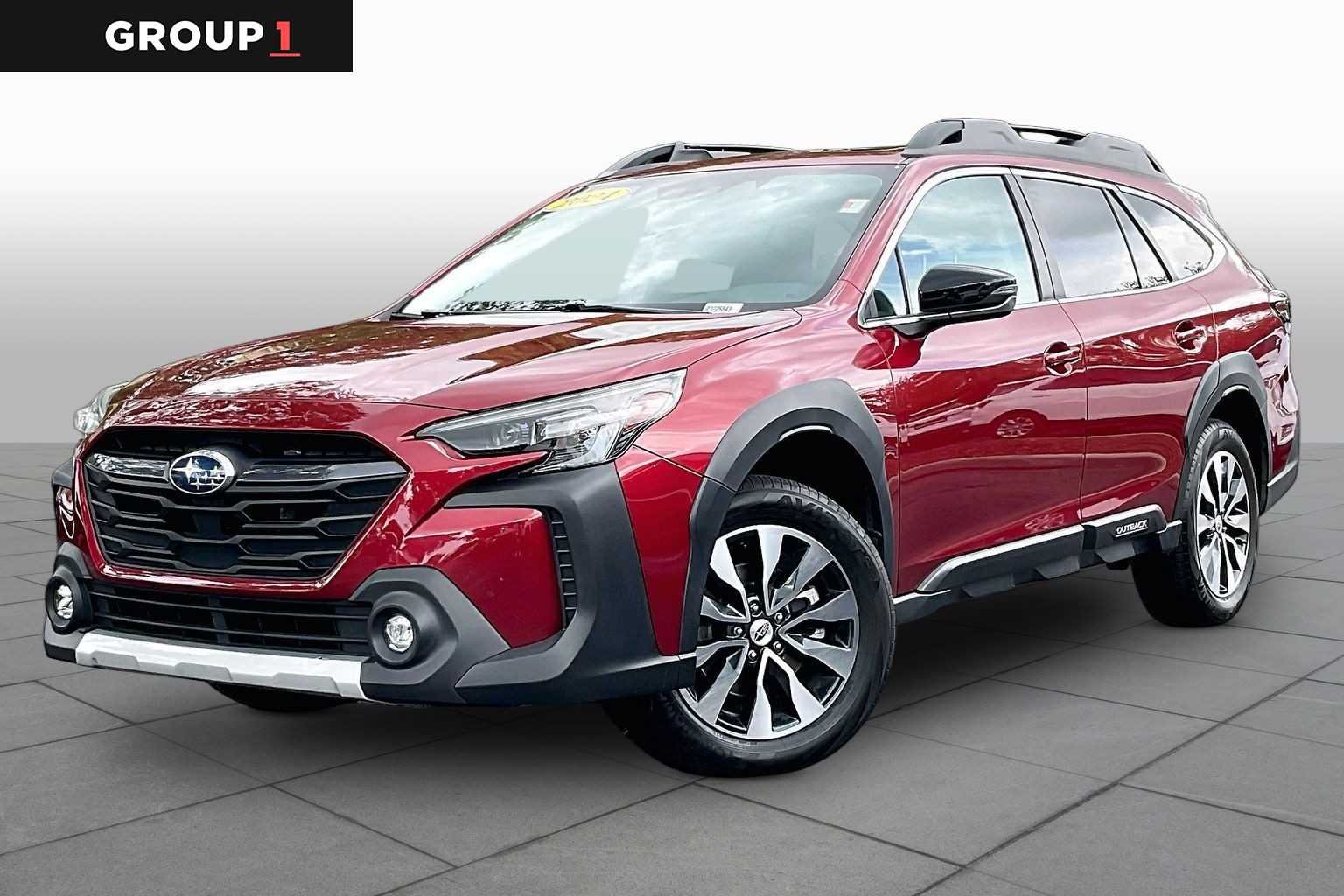
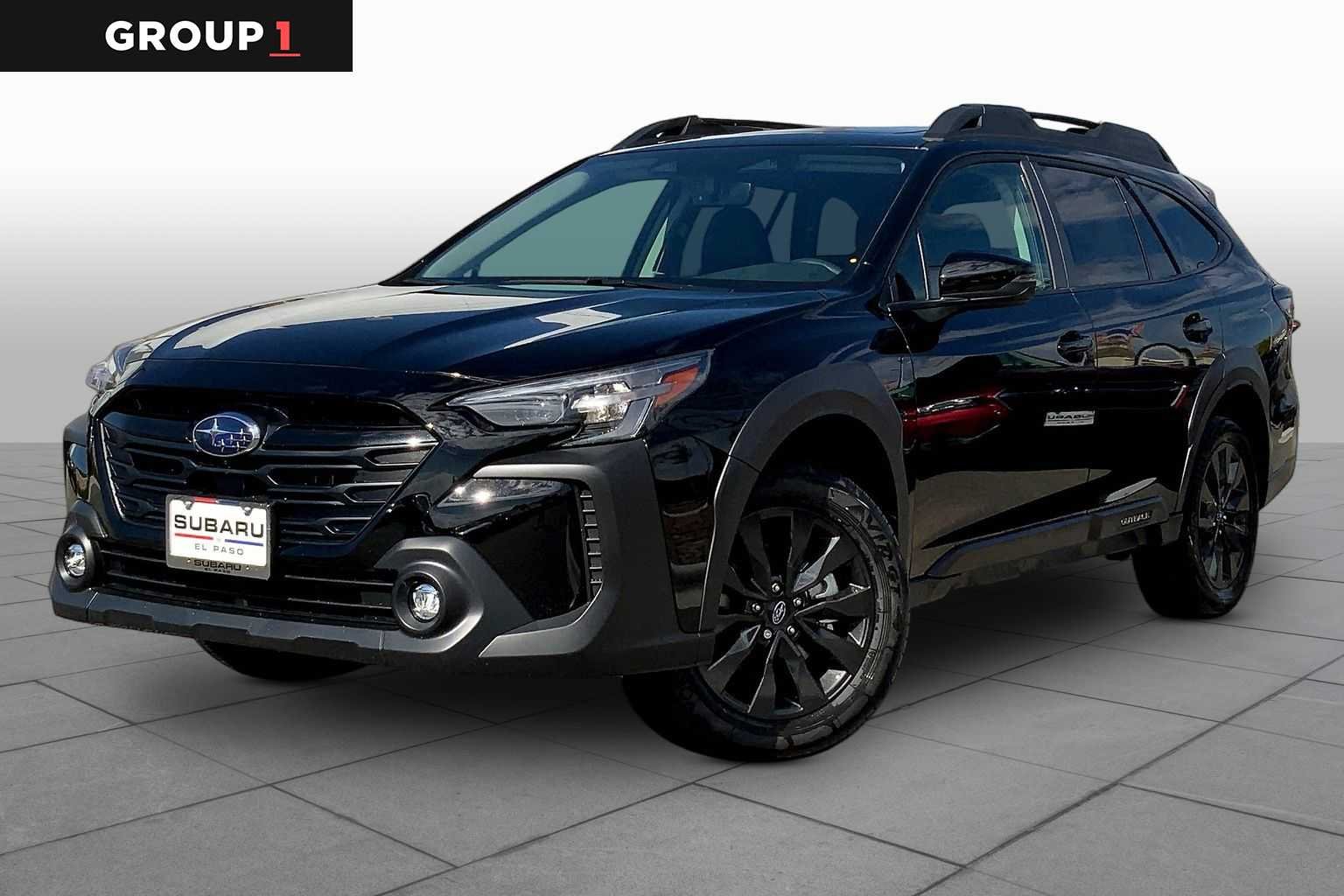
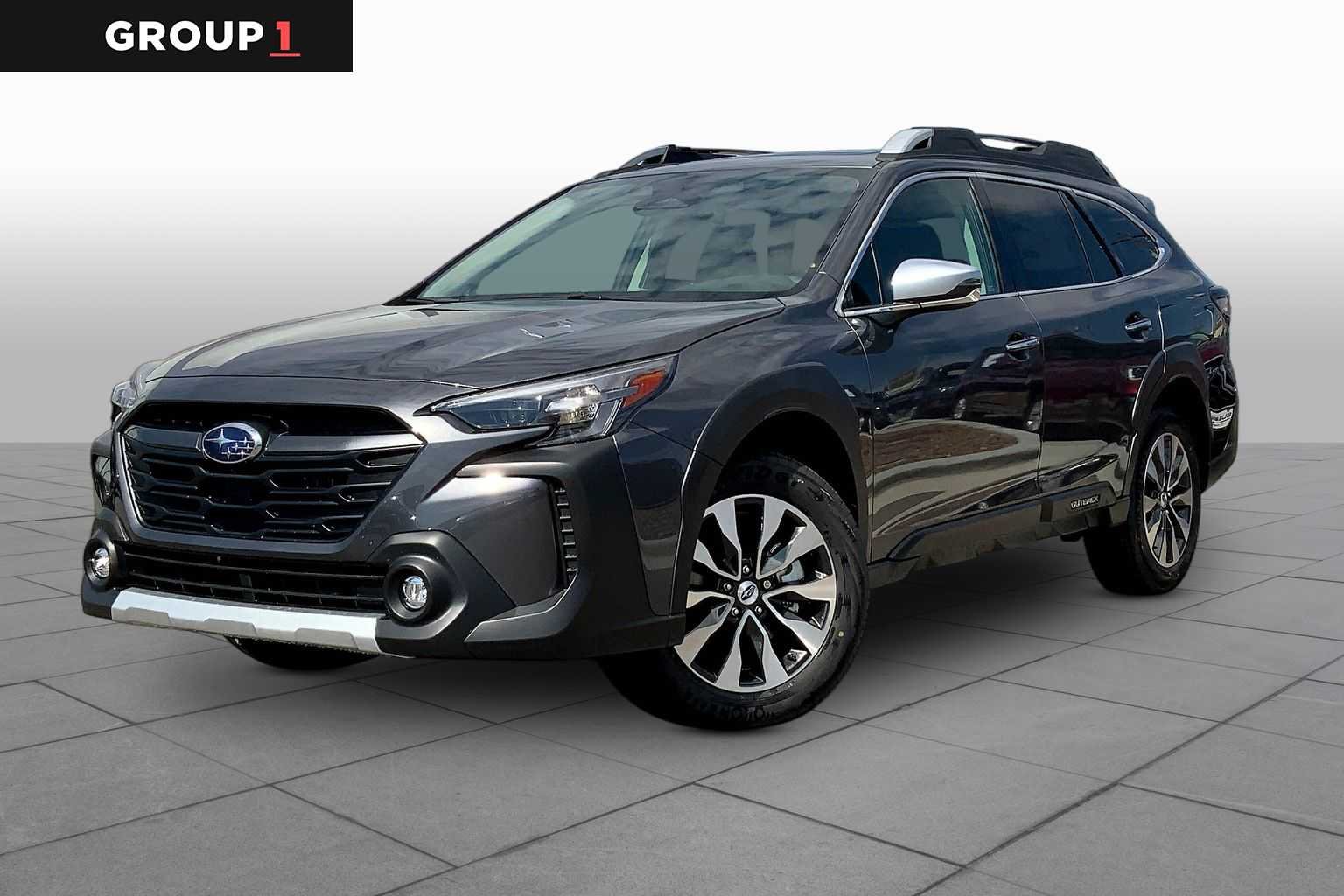
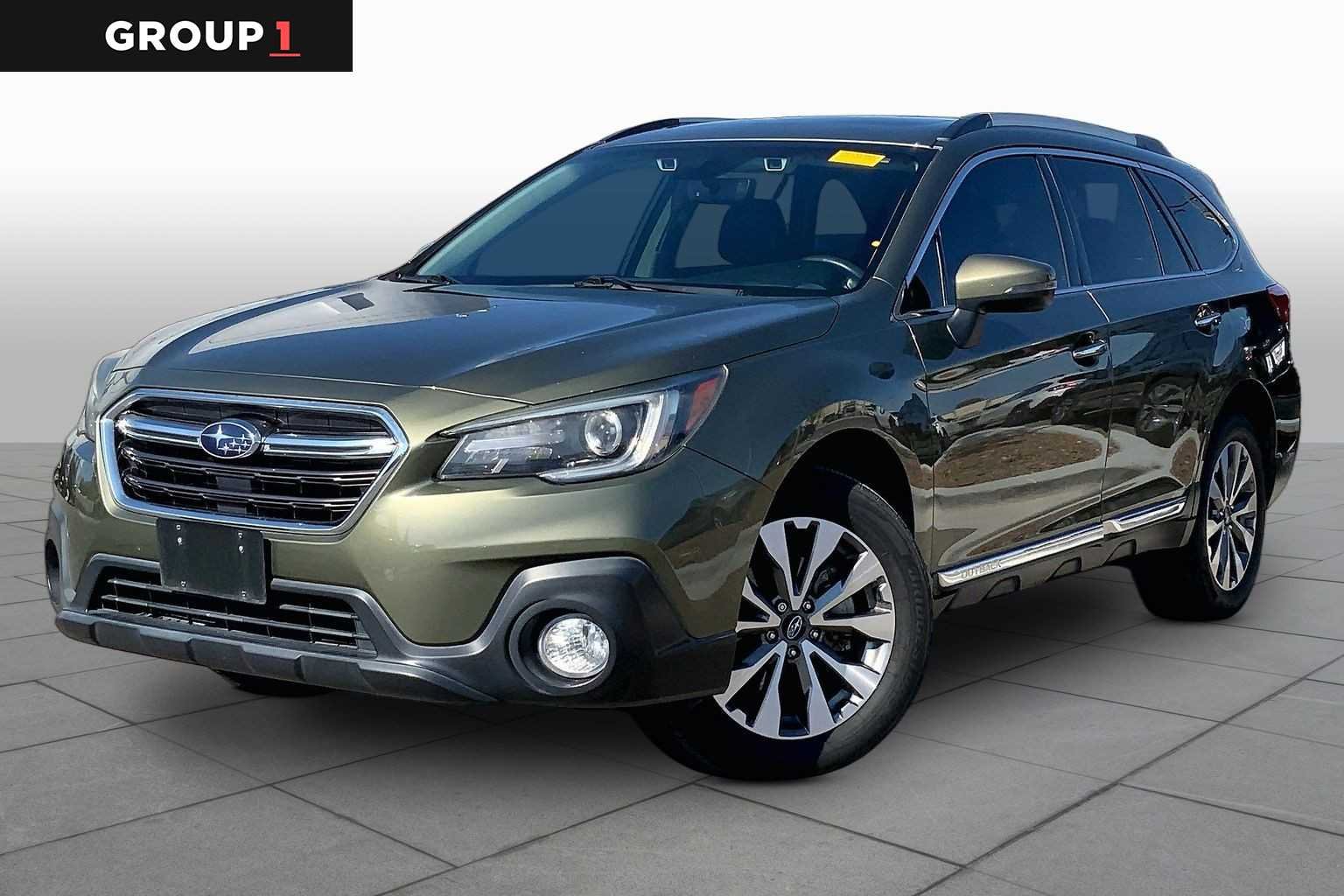
gasoline, automatic, 82K km, SUV, All Wheels Drive, 2,500 cm3, 182 hp, green, Used condition, USA, In stock

HendrickCars.com
 Buford, United States
 Buford, United StatesBuford, United StatesBuford, United States
 South Shore, United StatesHickory, United StatesBrentwood, United StatesBoston, United StatesSouthwest, United States
 Chevrolet, United StatesLot, United StatesLot, United StatesLot, United StatesLot, United StatesLot, United StatesCorporation of Ranson, United StatesMain Settlement, United StatesMain Settlement, United StatesMain Settlement, United StatesMain Settlement, United StatesMain Settlement, United StatesCity of Buffalo, United StatesCity of Buffalo, United StatesEl Paso, United StatesEl Paso, United StatesEl Paso, United States
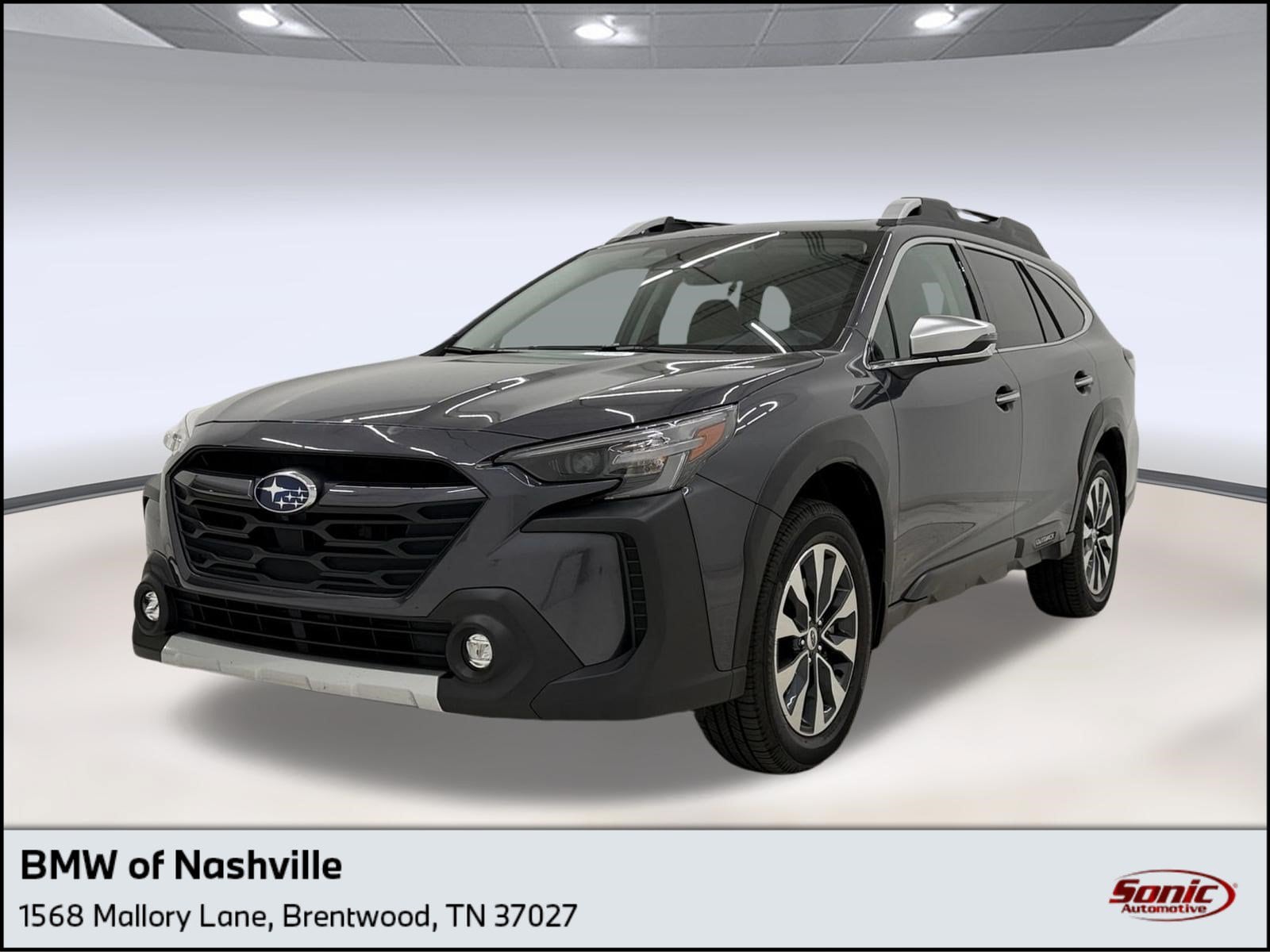
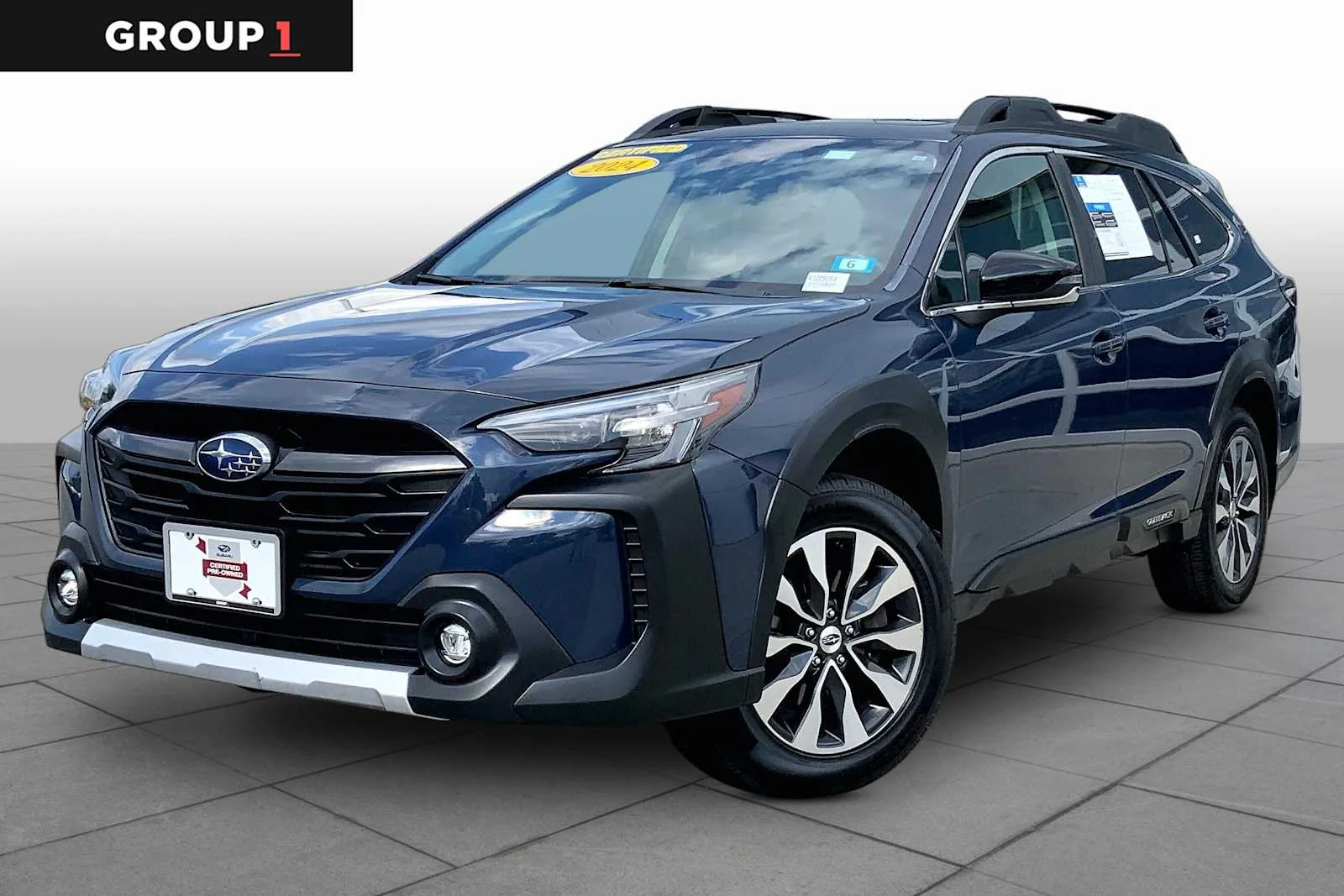
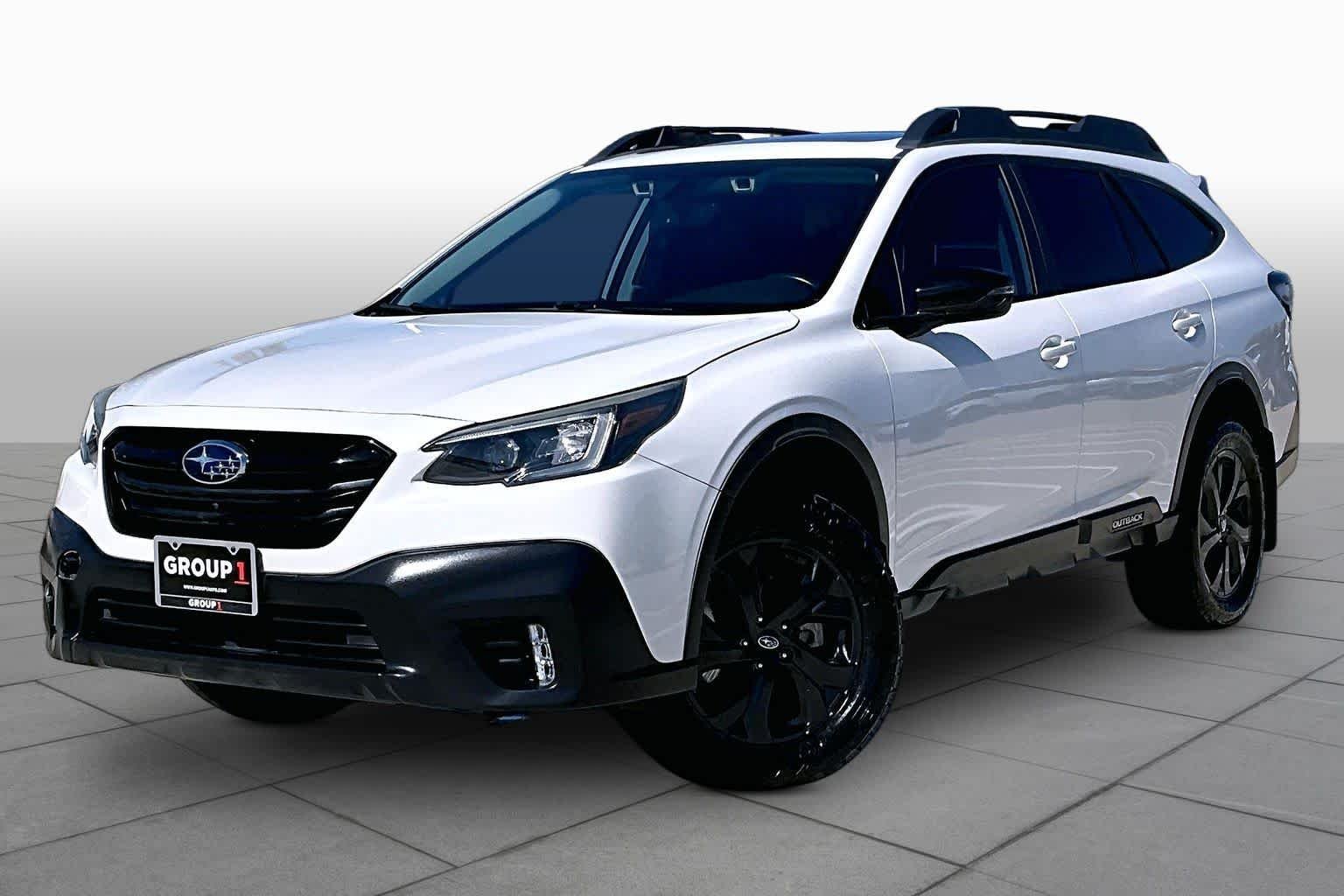
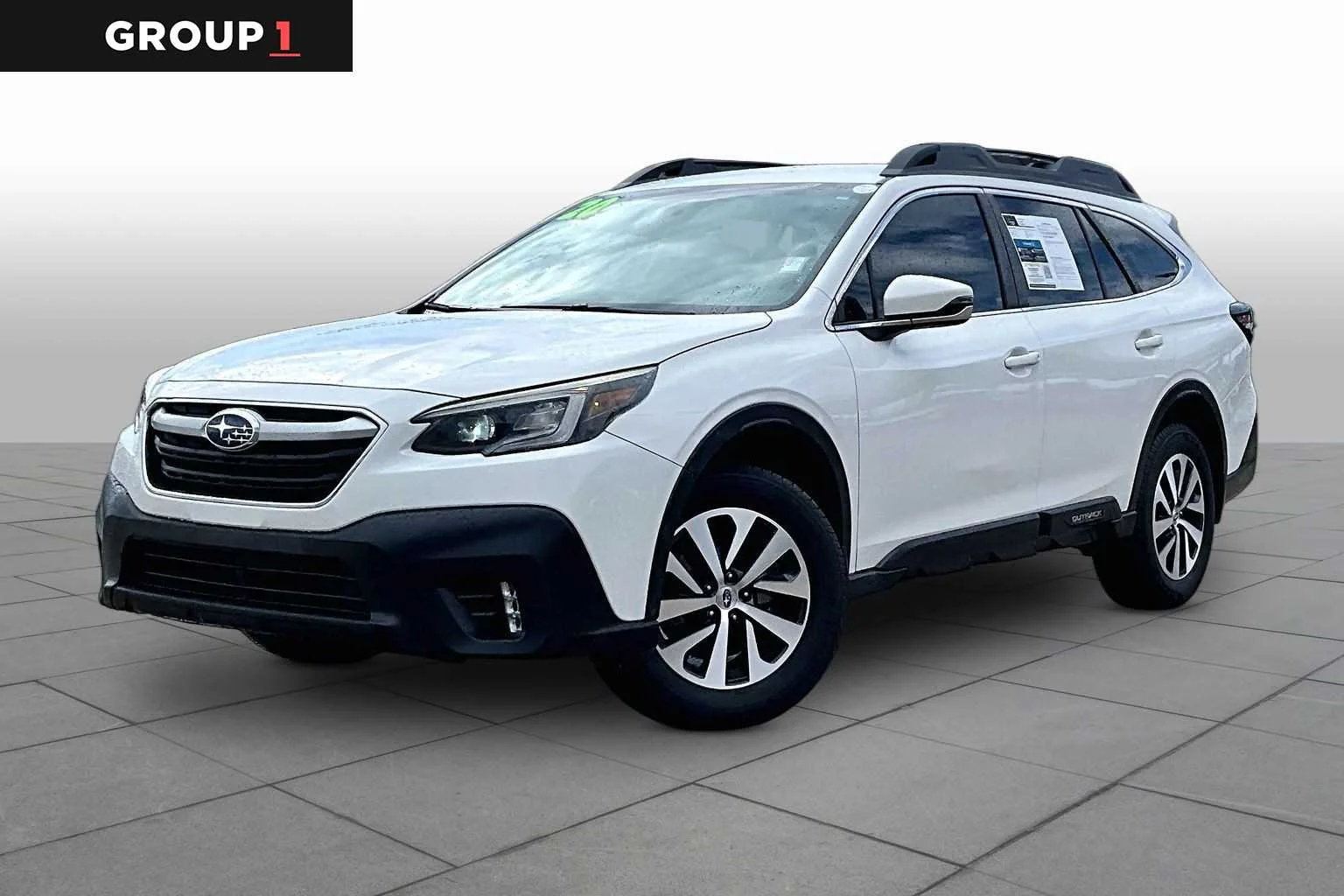
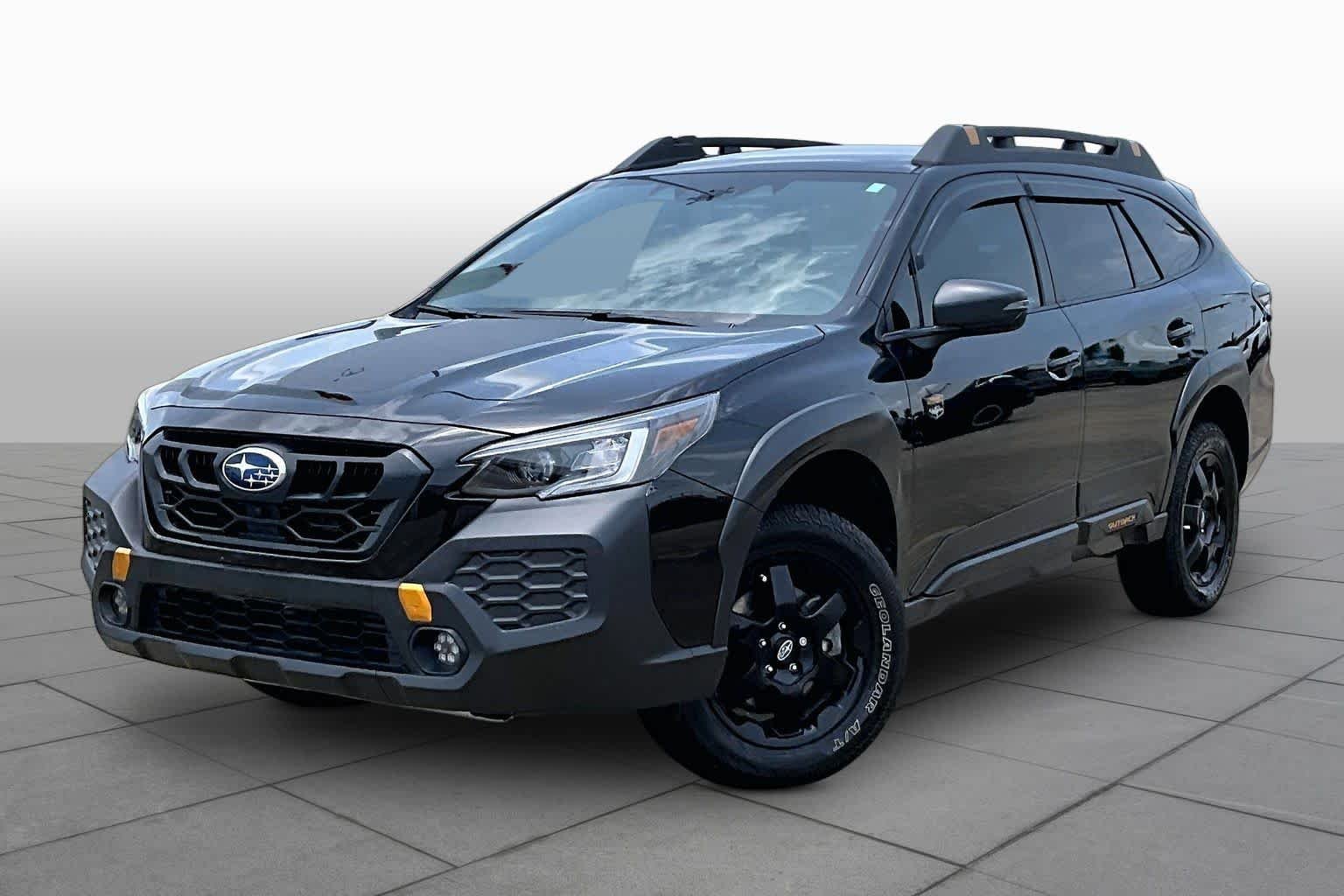
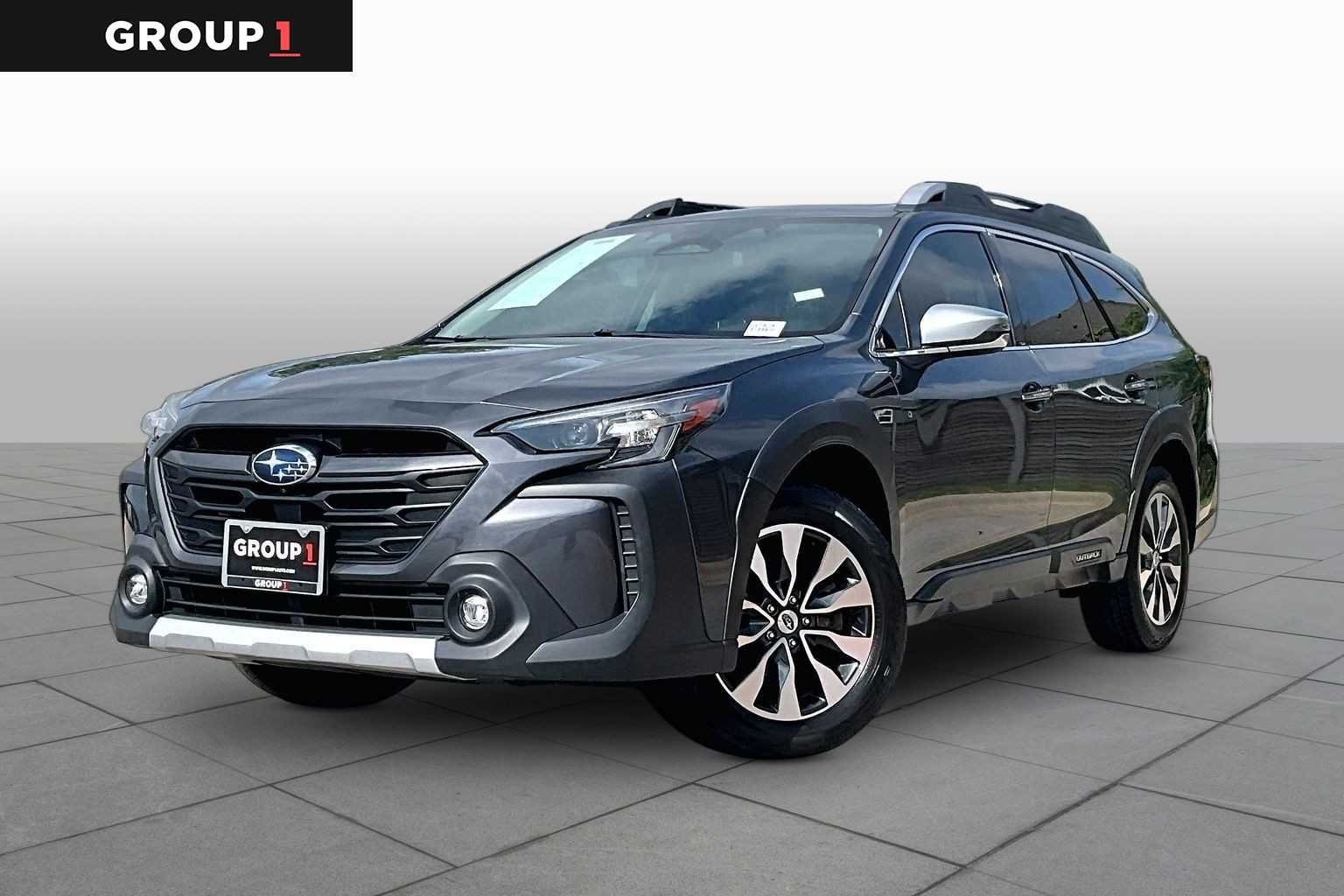
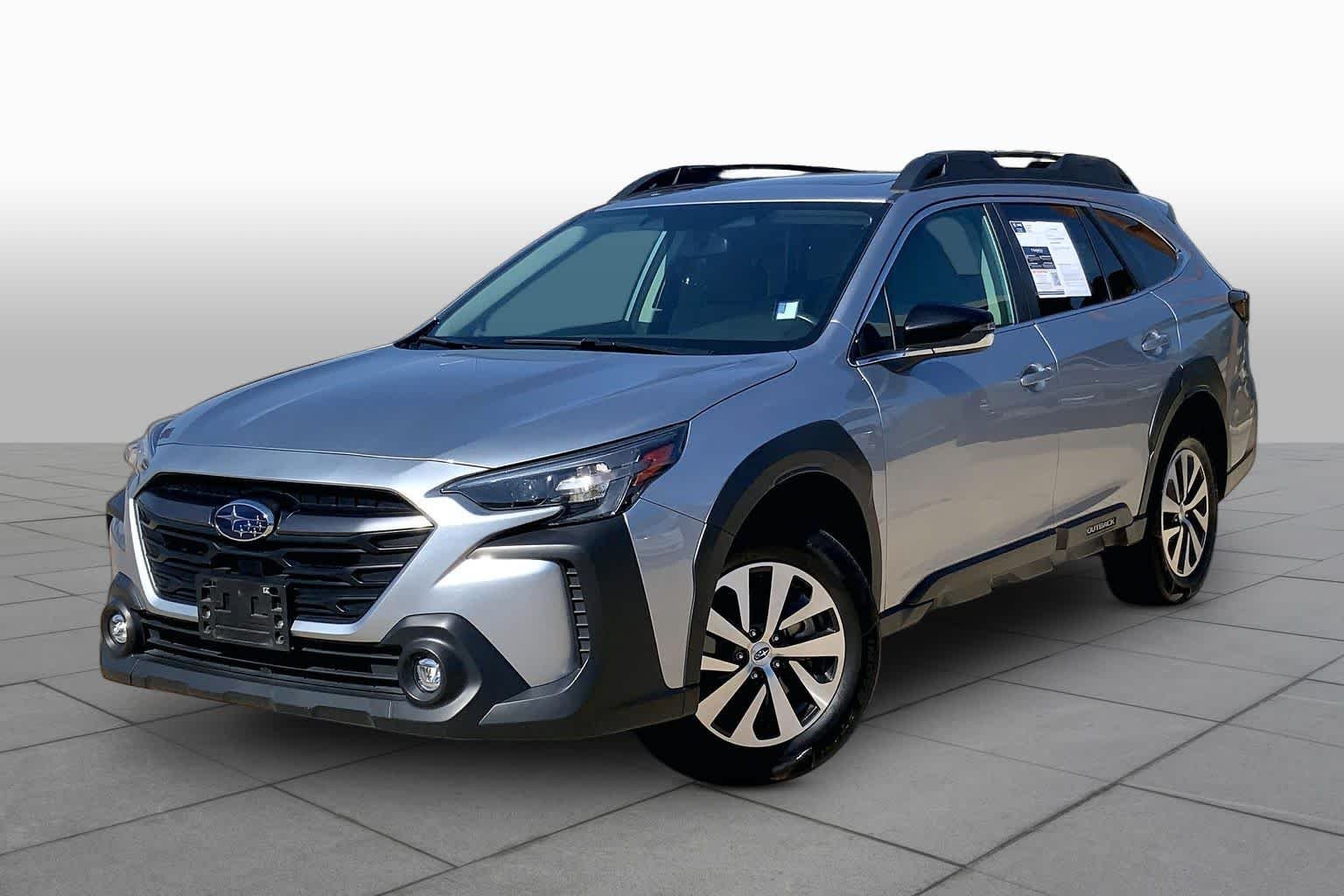
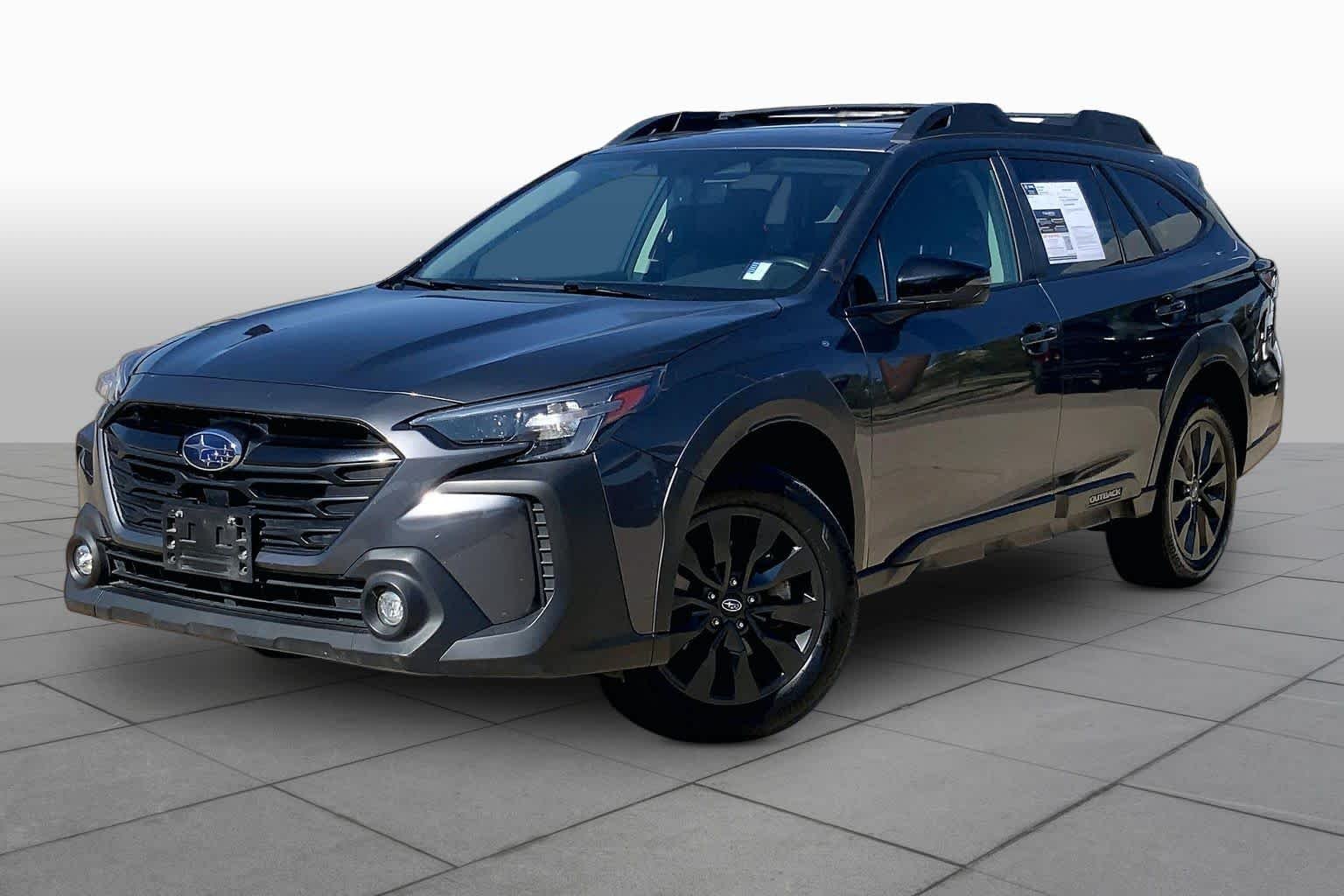
The Subaru Outback has carved a niche as a practical, all-weather wagon that blends SUV-like practicality with car-like efficiency. If you’re considering buying or selling a Subaru Outback, you’re likely weighing factors such as generation, drivetrain, fuel type, and overall condition. Whether you’re after a fuel-efficient daily driver or a rugged family wagon ready for weekend escapes, the Outback offers a balanced mix of comfort, cargo space, and reliability.
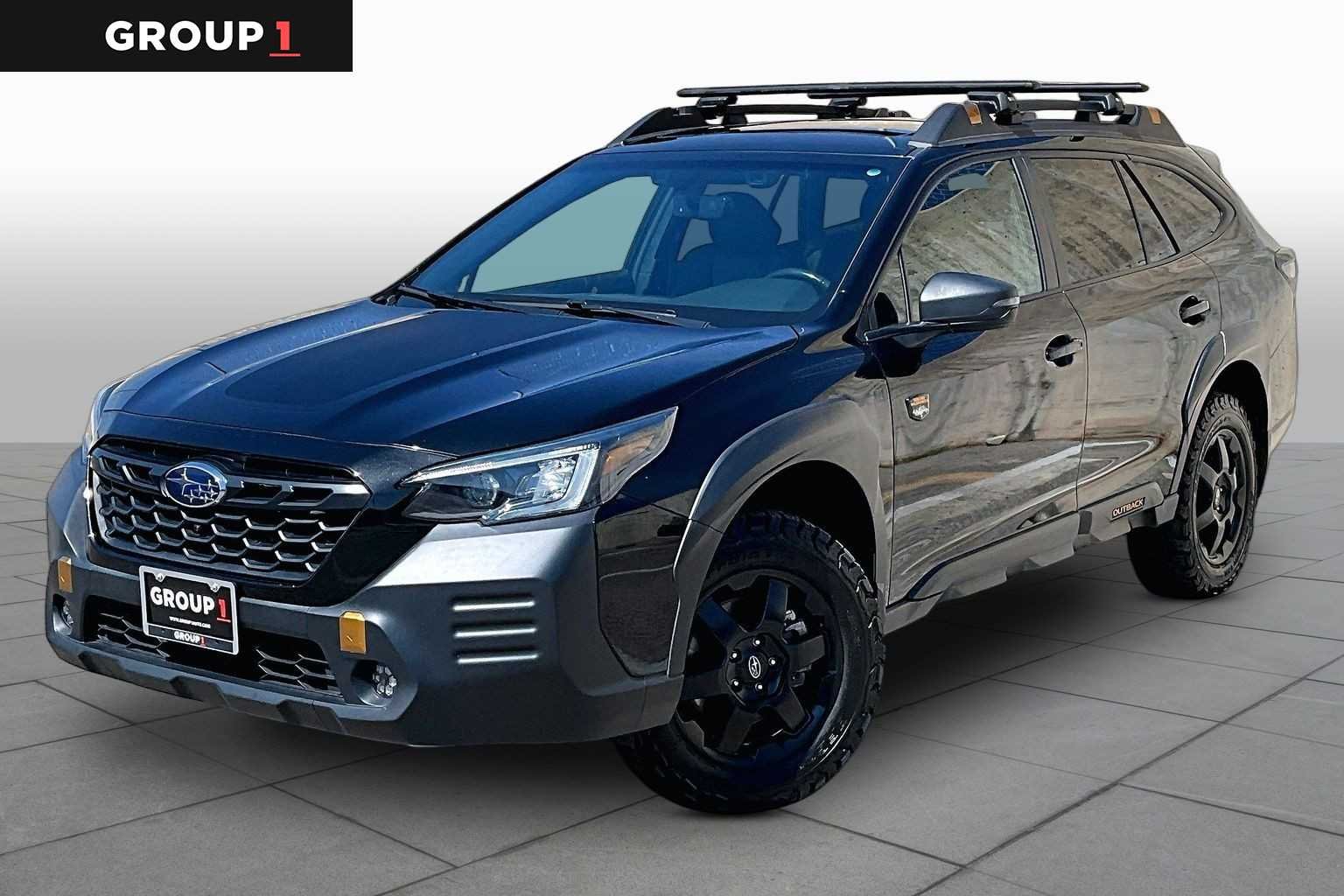
When evaluating Subaru Outback models, key details matter. Note the generation (fourth-generation models from mid-2014 onward, and newer fifth-generation versions), engine choices (boxer engine configurations with four cylinders or more in some markets), transmission types, and whether the vehicle has AWD as a standard feature. Important metrics include year, mileage, service history, and any notable maintenance items like timing chain wear, head gasket history, or suspension wear depending on the trim. Prospective buyers often compare trim levels—base, Premium, Limited, Touring, and Wilderness—who offer different levels of comfort, technology, and towing capacity.
Outbacks hold value well when properly maintained. A clean service record and documented maintenance can keep resale prices stable across years. In many markets, a low-mileage Outback from recent generations commands a premium, particularly if it includes features like all-weather package, leather seats, heated surfaces, or advanced driver-assistance options. If you’re selling, gathering maintenance receipts and a clear ownership history helps you justify asking price and shorten negotiation time.
Fuel types vary by market, with gasoline being standard in many regions and hybrid variants appearing in some markets. Body styles are predominantly five-door wagons with practical cargo bays, split-folding rear seats, and ample storage compartments.
Prices hinge on year, mileage, and condition. For example, a late-model Outback with moderate mileage may sit in a mid- price segment, while a well-kept older generation can still offer compelling value. When shopping, compare vehicle history reports, verify maintenance records, and test-drive to assess ride quality, CV joints, and braking response. If you’re selling, highlight recent maintenance, tire depth, brake wear, and any recent battery or alternator work to justify your asking price.
If you want to explore specific listings, consider filtering by year, mileage, price range, and location to match local market realities without limiting your options. The Subaru Outback remains a versatile choice for buyers who value practicality, safety, and capable performance in one well-rounded package.
 Add as preferred sourceSee more from zvelta in Google Search Add as preferred source