EN
ENDEALER
25.982 US$DEALER
26.590 US$
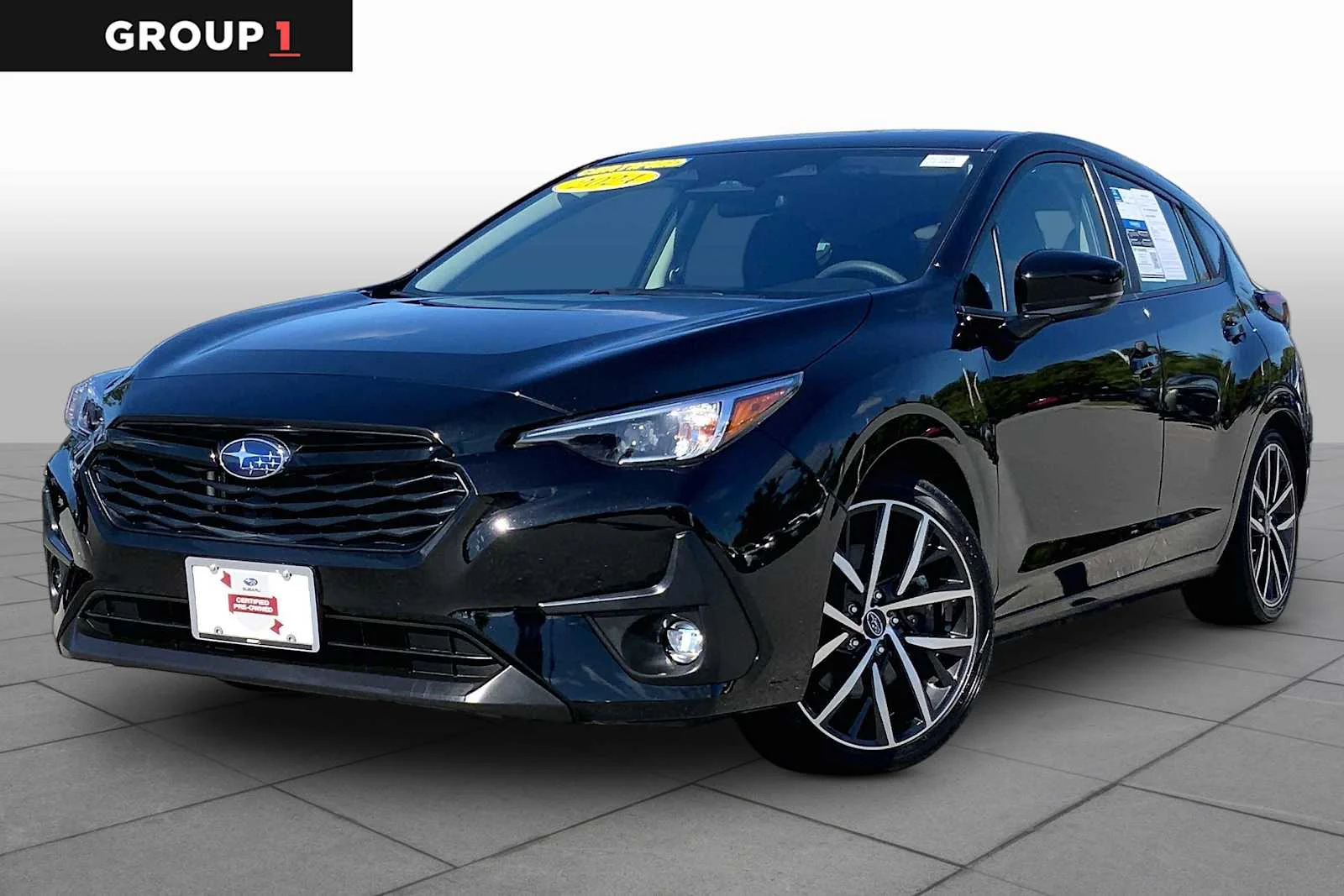
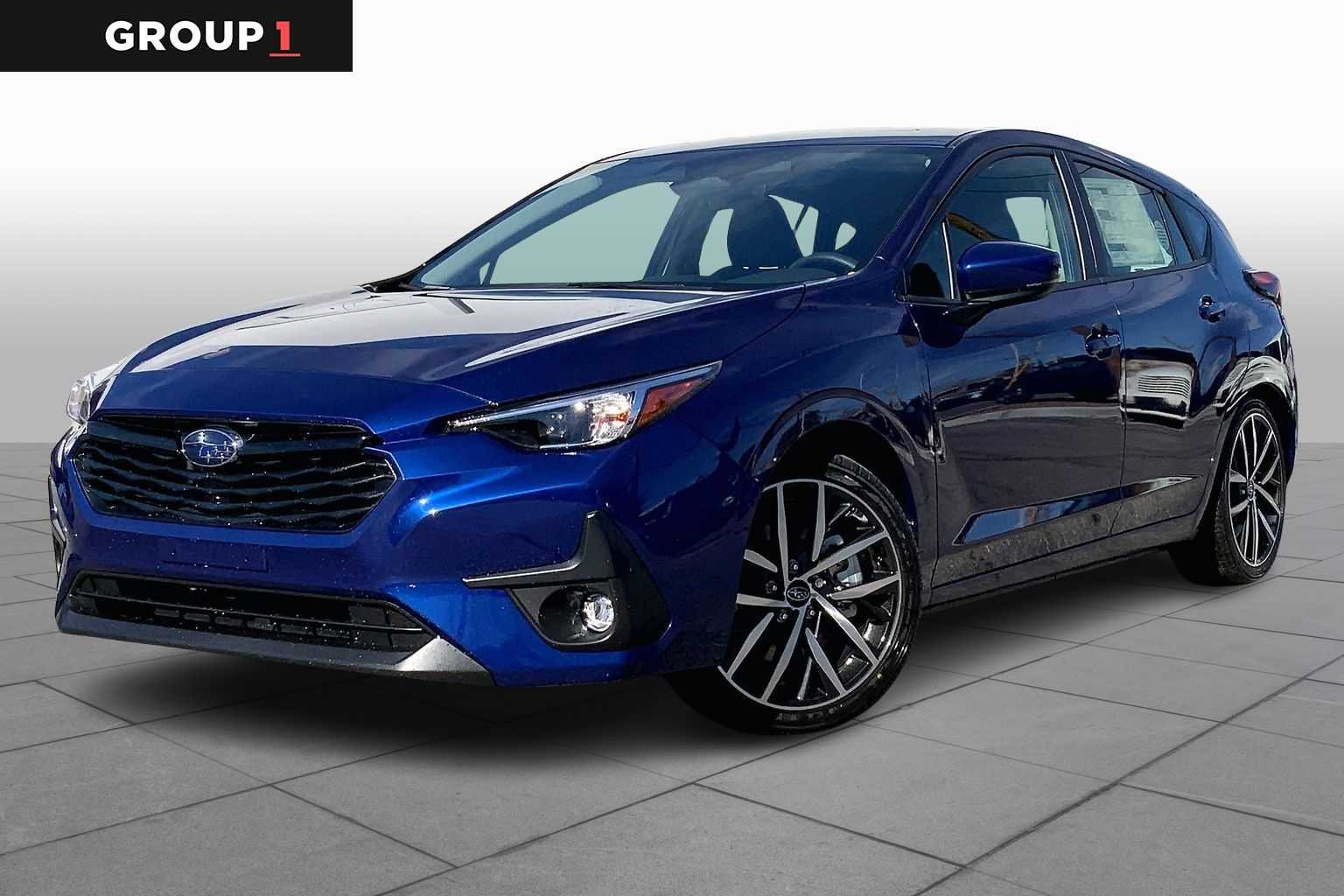
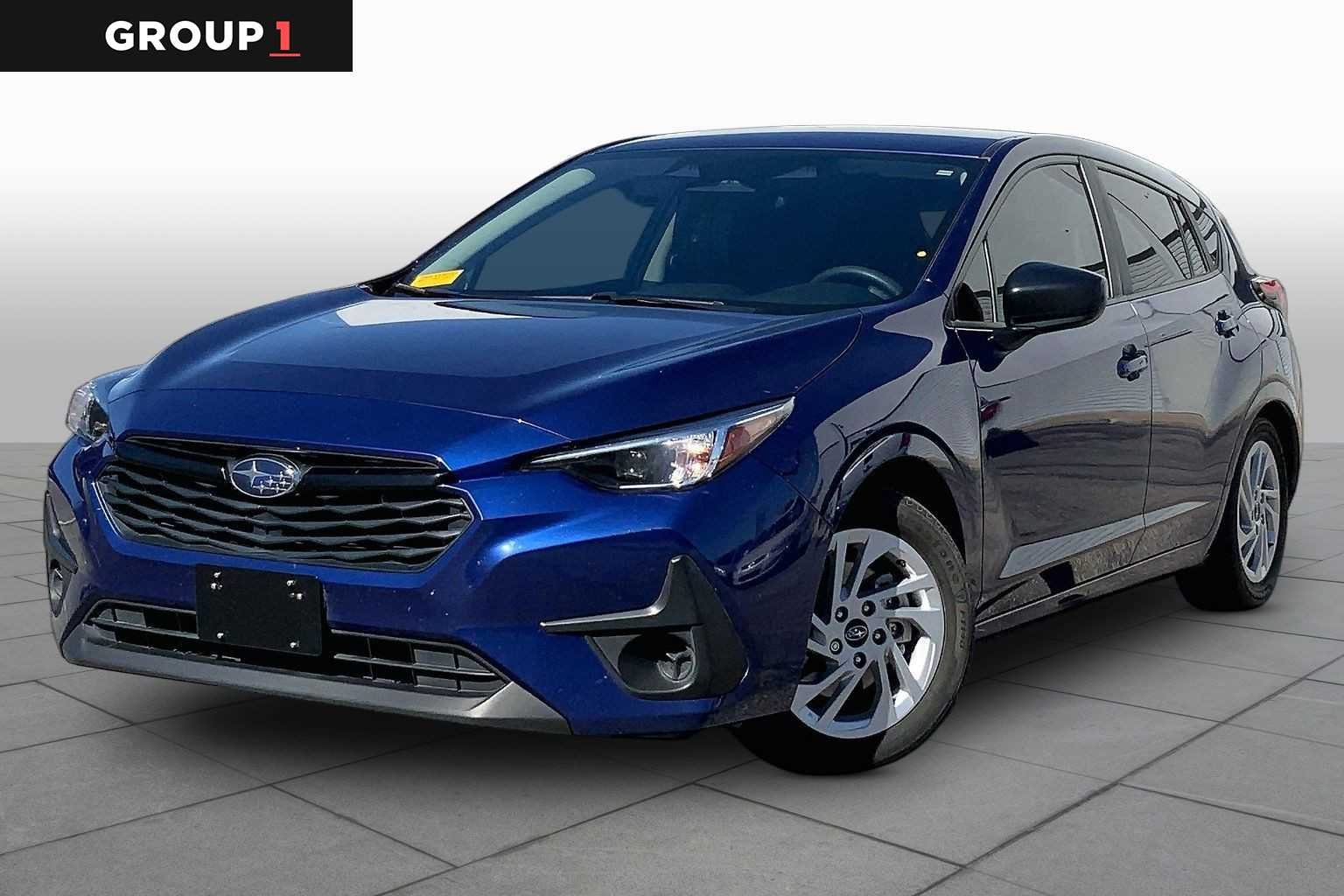
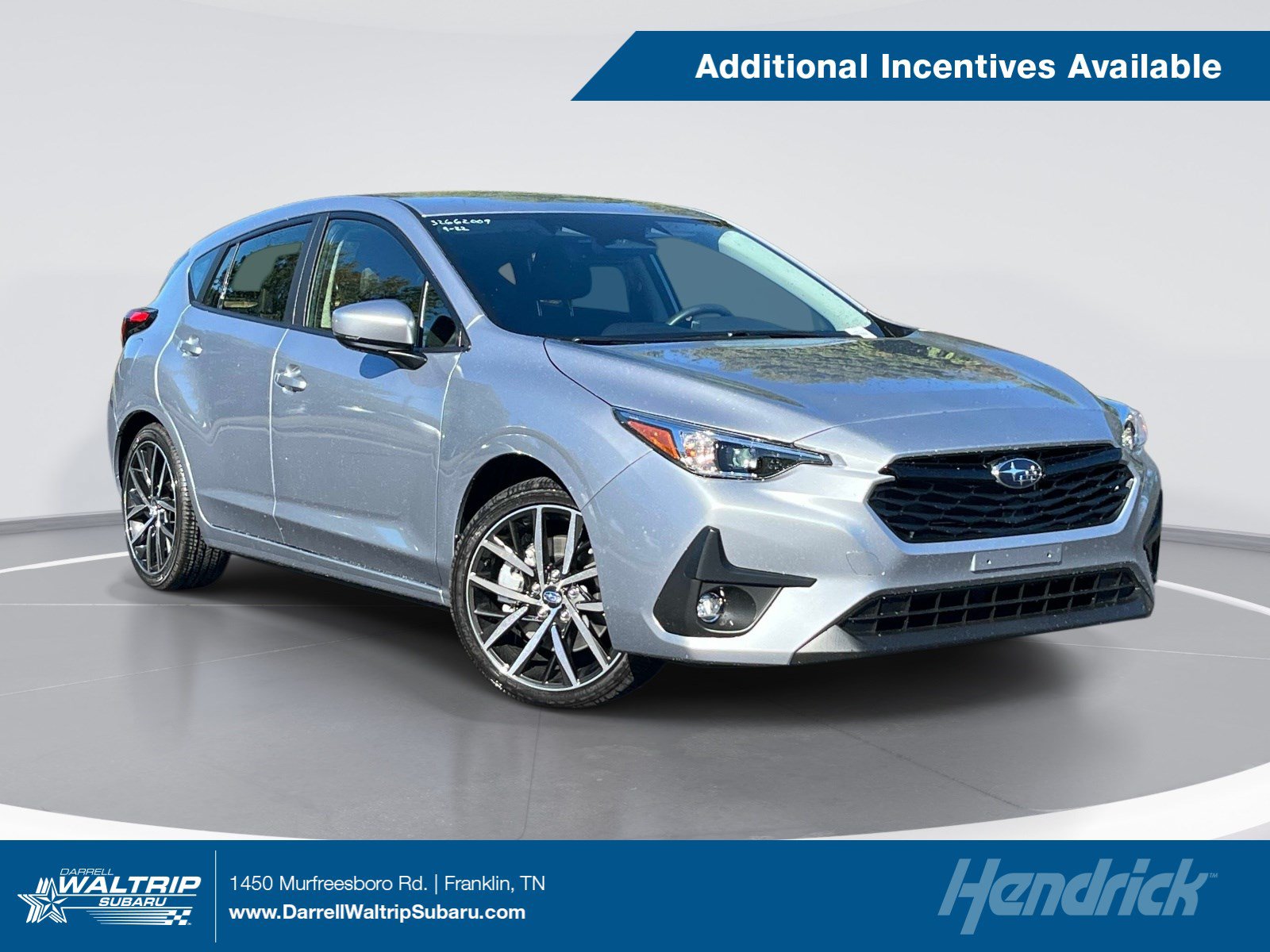
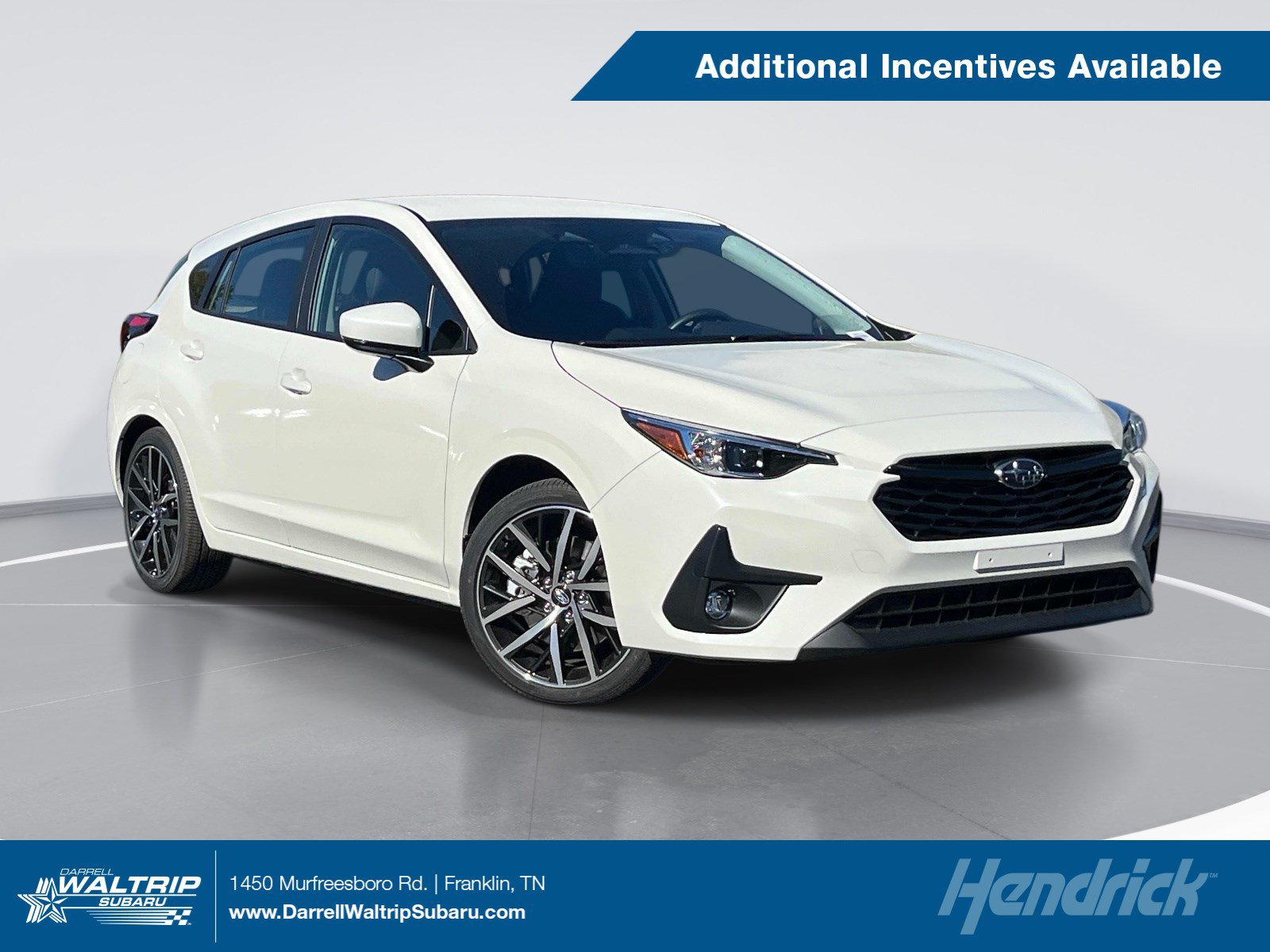
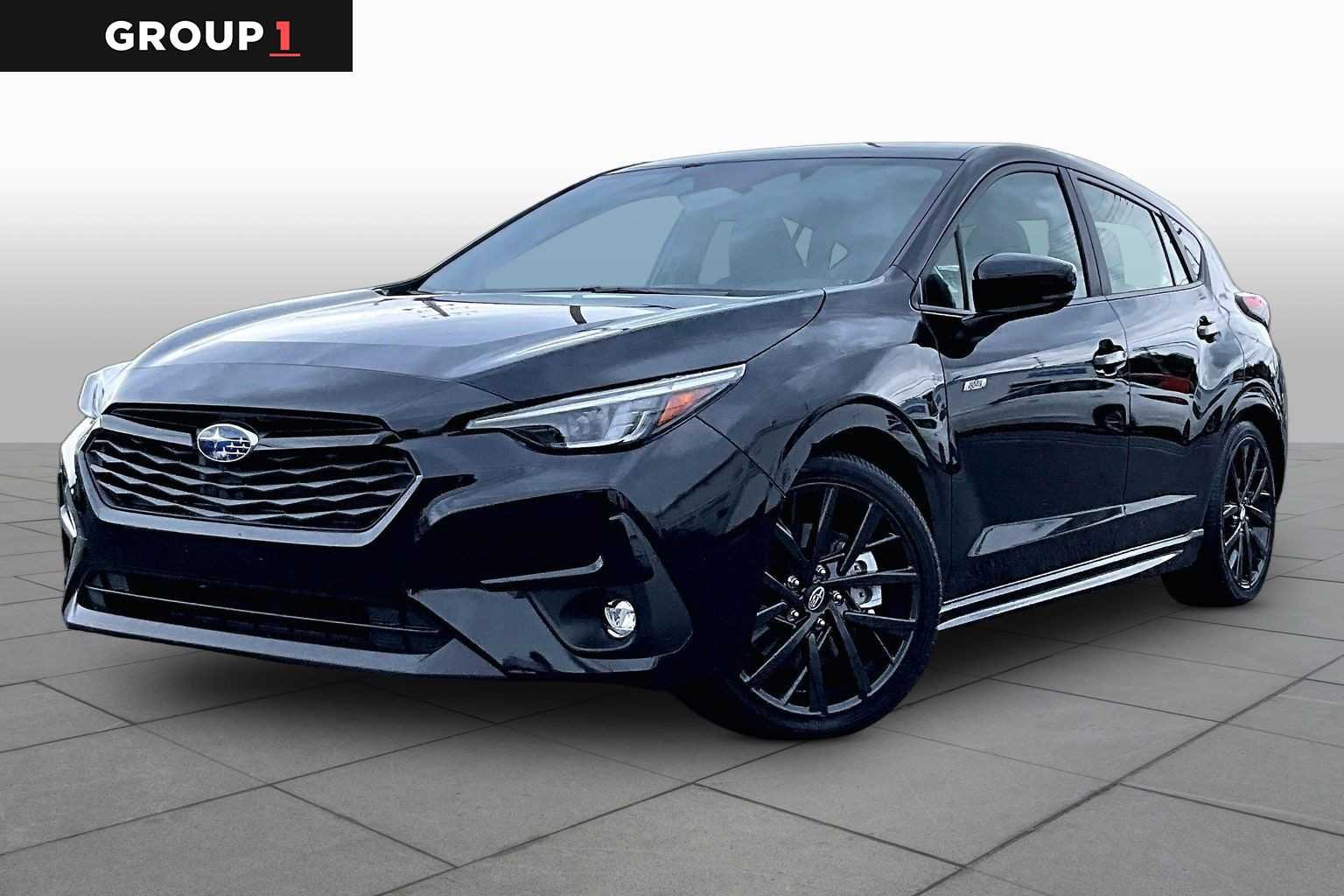
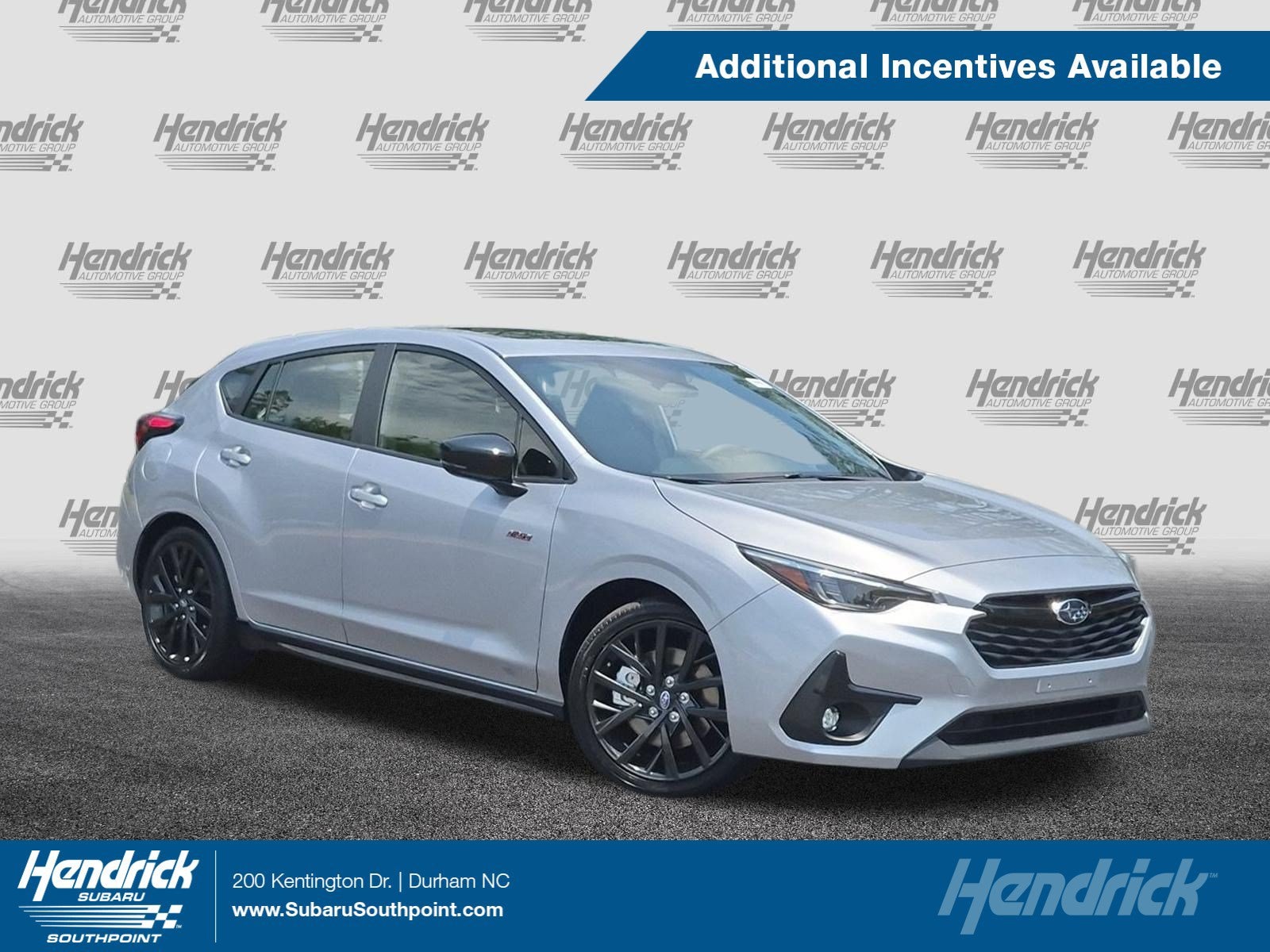
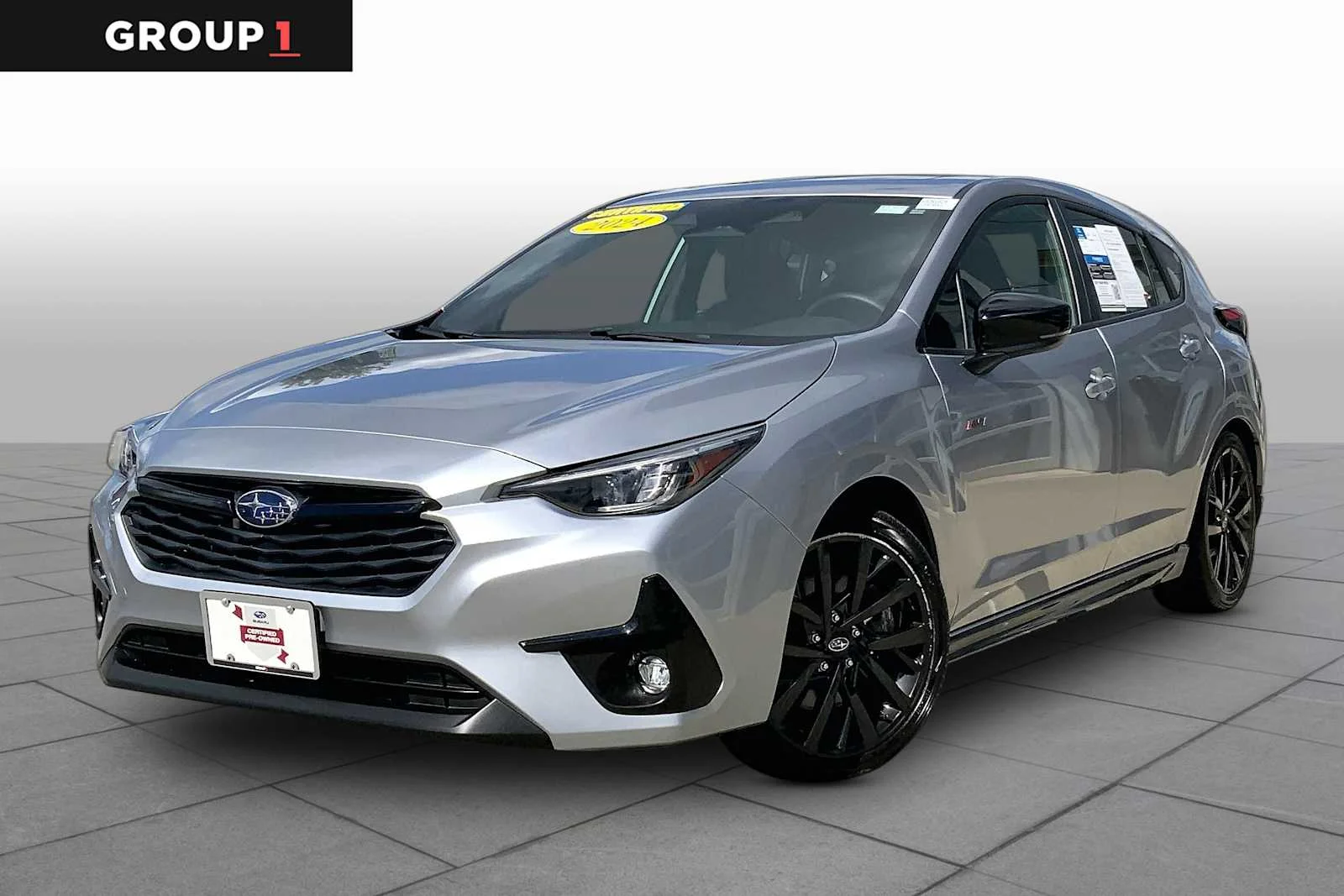
gasoline, automatic, 23K km, sedan, All Wheels Drive, 2,500 cm3, 182 hp, silver, Used condition, USA, In stock

Group1Auto.com
 Lot, United States
 Lot, United StatesLot, United StatesLot, United StatesLot, United StatesKingwood, United States
 El Paso, United StatesEl Paso, United StatesEl Paso, United States
 Franklin, United StatesFranklin, United StatesFranklin, United StatesFranklin, United StatesColumbia, United StatesConcord, United StatesOwings, United StatesOwings, United StatesDurham, United StatesDurham, United StatesDurham, United StatesDurham, United StatesDurham, United StatesChattanooga, United StatesCary, United States
 Macedonia, United StatesJacksonville, United States
When you’re in the market for a Subaru Impreza, understanding the generation, body style, and fuel option helps you make a confident choice. This guide covers why the Impreza remains a popular compact sedan and hatchback, how to compare model years, and where to look for good value whether you’re buying or selling in key markets. You’ll learn what to look for in mileage, price ranges by year, and practical tips to avoid common issues with this model.
The Impreza has a long-standing reputation for all-wheel drive capability, balanced handling, and practical interiors. Depending on the year and generation, you can find hatchback or sedan body types, two or four-door configurations, and engines that range from economical four-cylinders to sportier variants. If you drive in areas with variable weather or light off-road needs, the AWD system is a core advantage.
When evaluating a specific Impreza, note the year of manufacture, mileage, and the maintenance history. A well-kept AWD model with complete service records typically commands a stronger resale price. If you’re looking in city markets, sedans might be more common, while hatchbacks are popular for practicality and cargo space.
Prices for Subaru Impreza depend on year, mileage, trim level, and overall condition. Typical considerations include:
If you’re selling, prepare service records, include any remaining warranty information, and present a clean vehicle history. For buyers, a pre-purchase inspection can reveal issues that affect price, such as transmission wear or radiator/oil-leak signs.
Whether you’re comparing Impreza models in a city like Kyiv, Lviv, or Odesa, or evaluating a vehicle at a dealership or private seller, knowing the trim levels, year, and mileage will help you strike a fair deal. Stay mindful of maintenance costs and typical repair needs associated with older AWD Subarus, and you’ll be in a strong position to buy or sell with confidence.
 Add as preferred sourceSee more from zvelta in Google Search Add as preferred source