 EN
ENDEALER
22.945 US$DEALER
23.170 US$
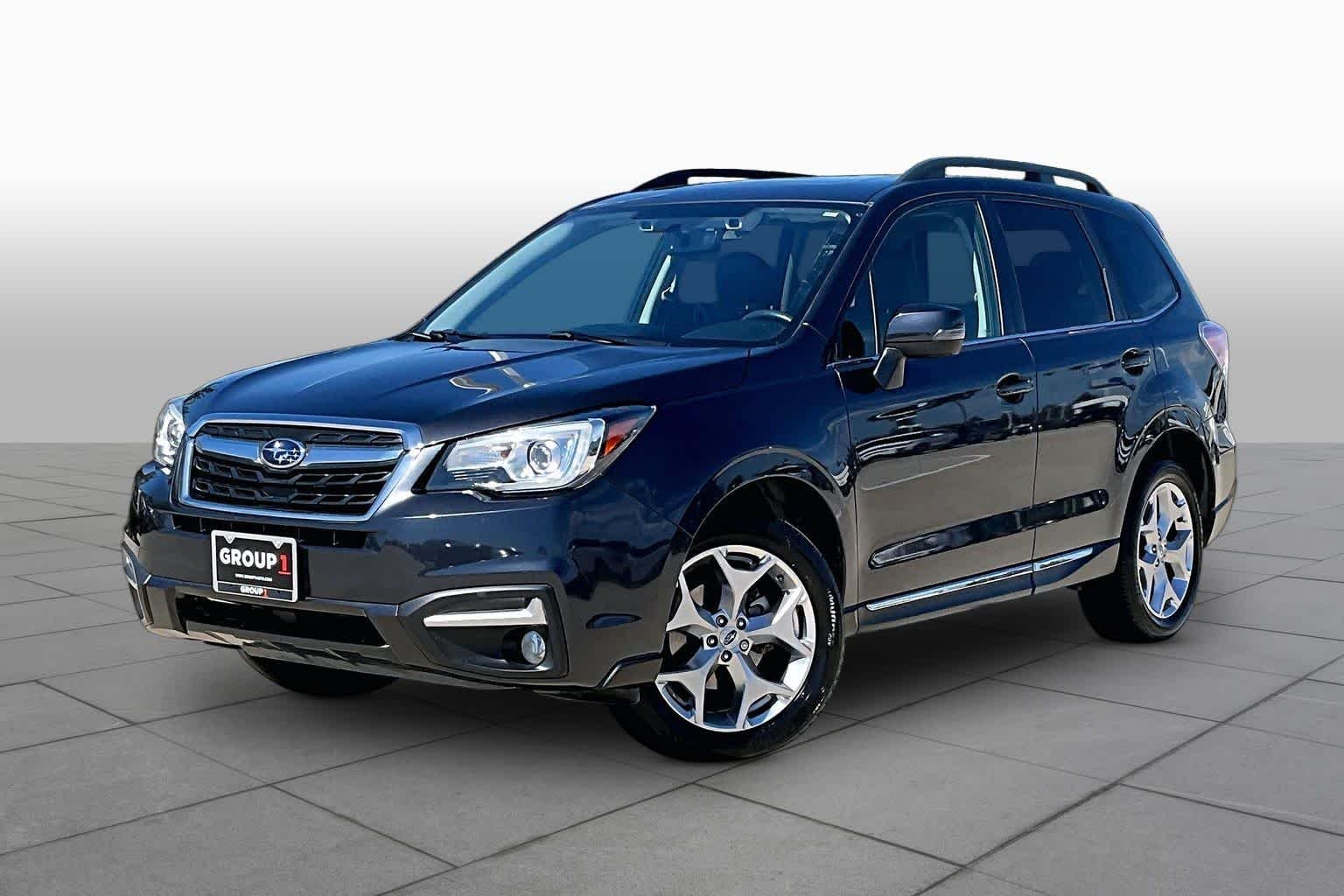
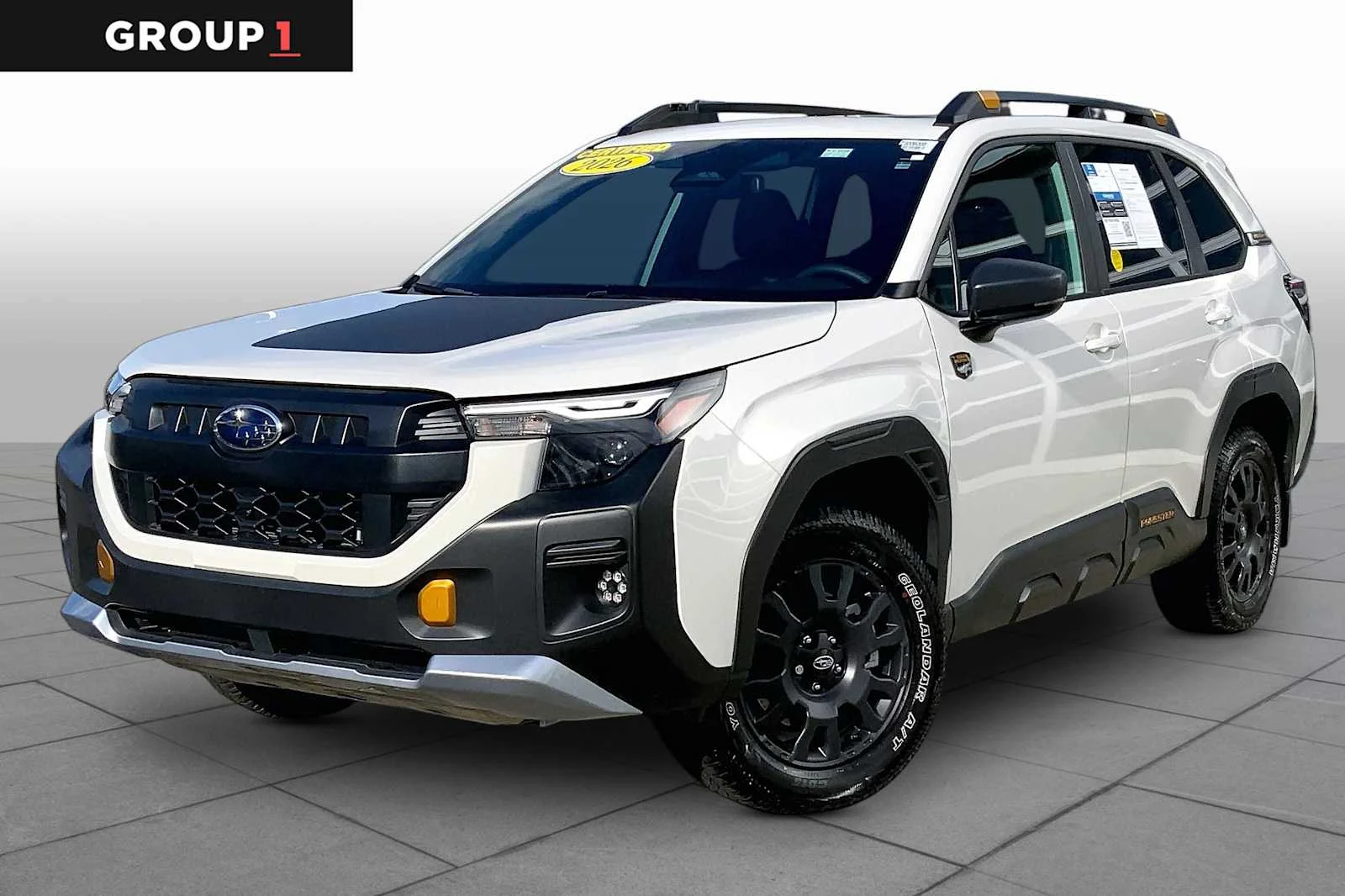
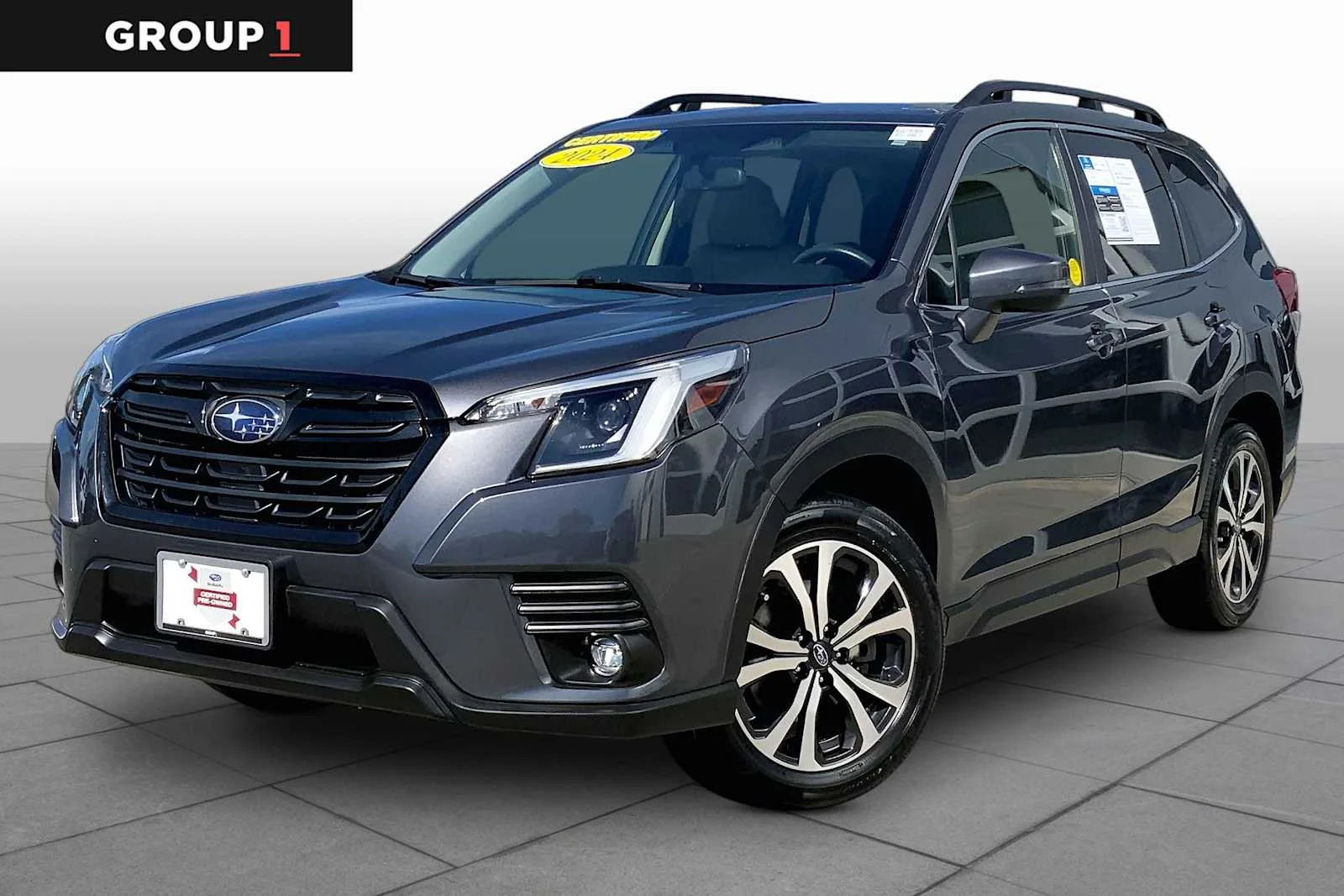
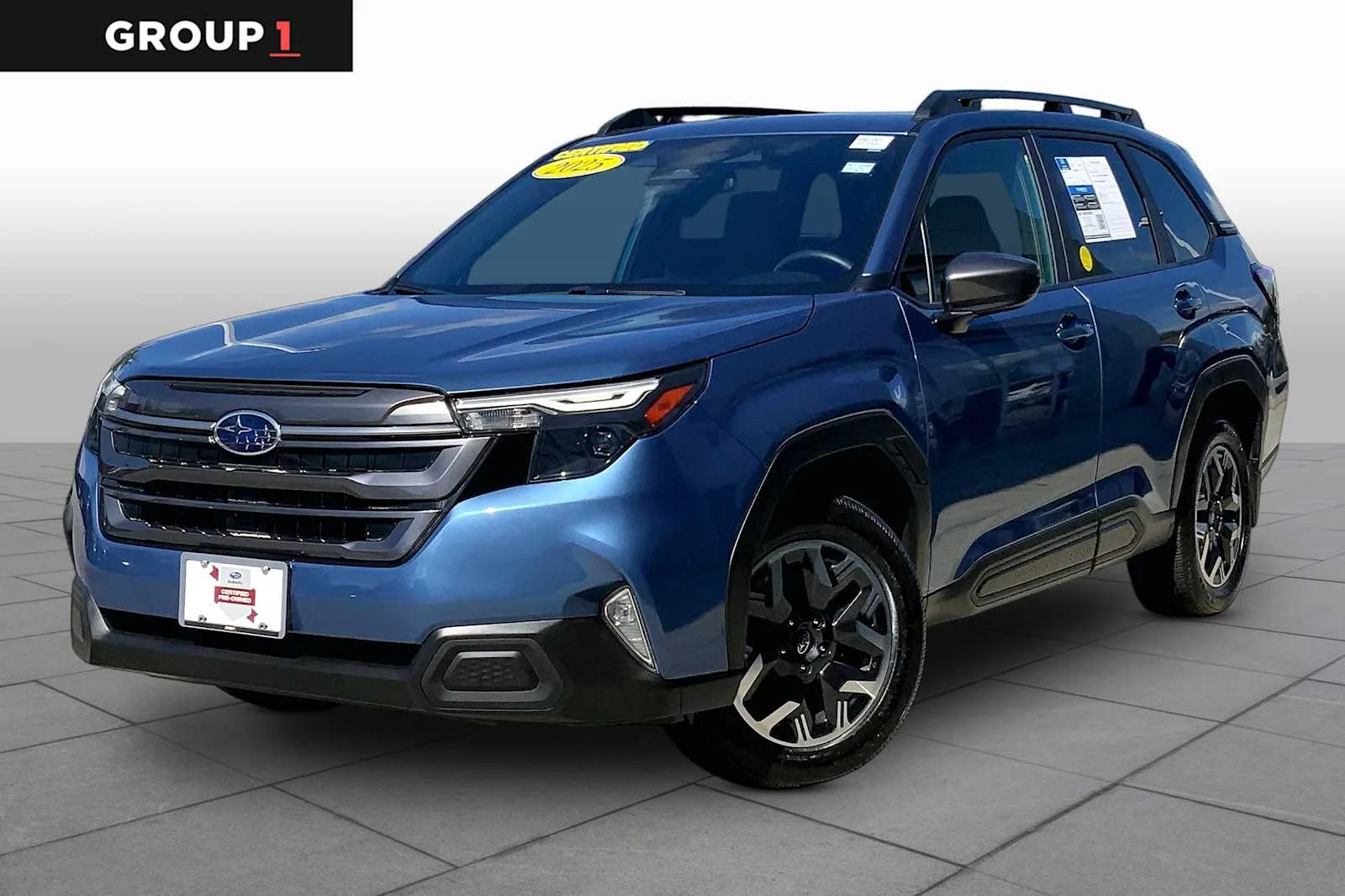
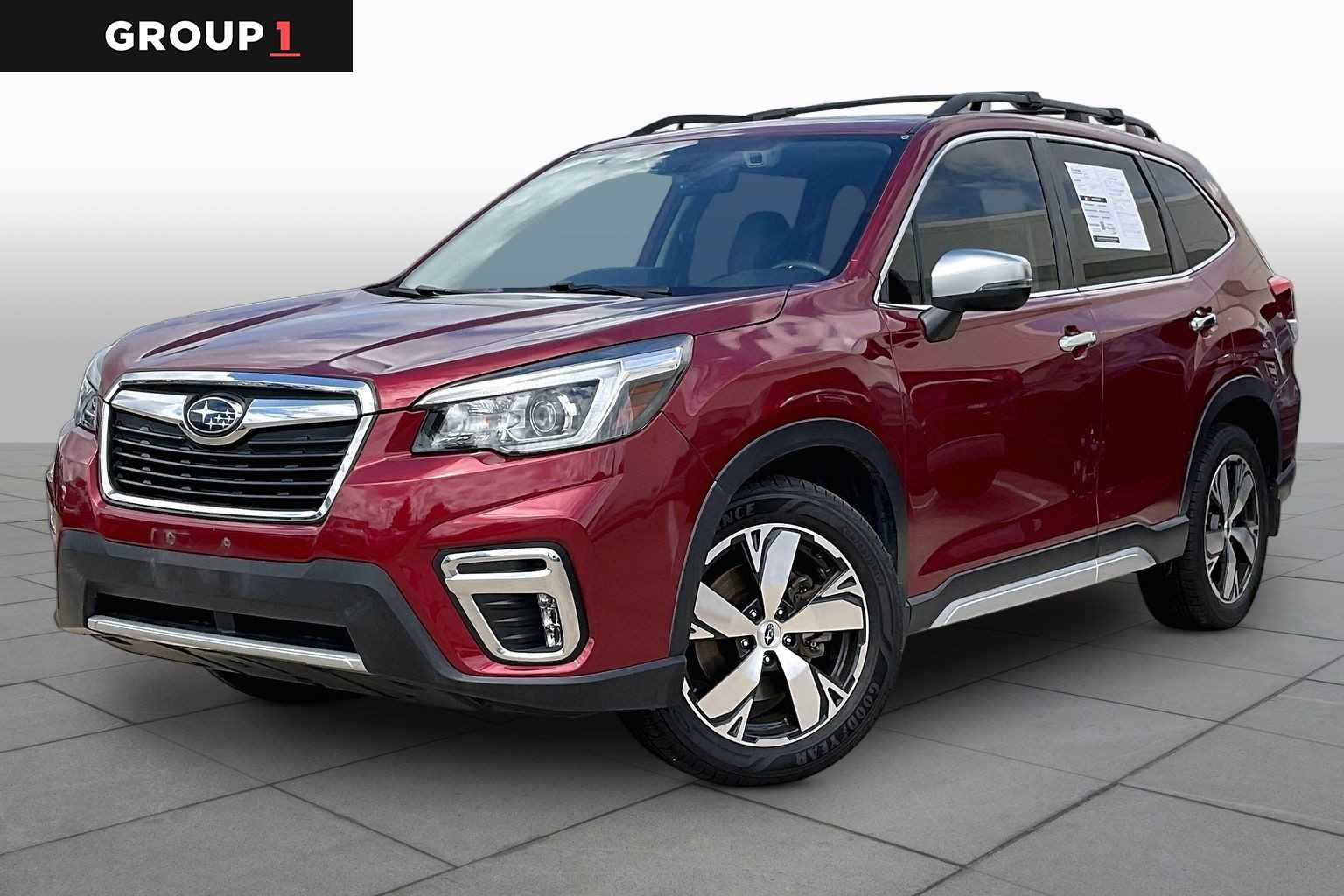
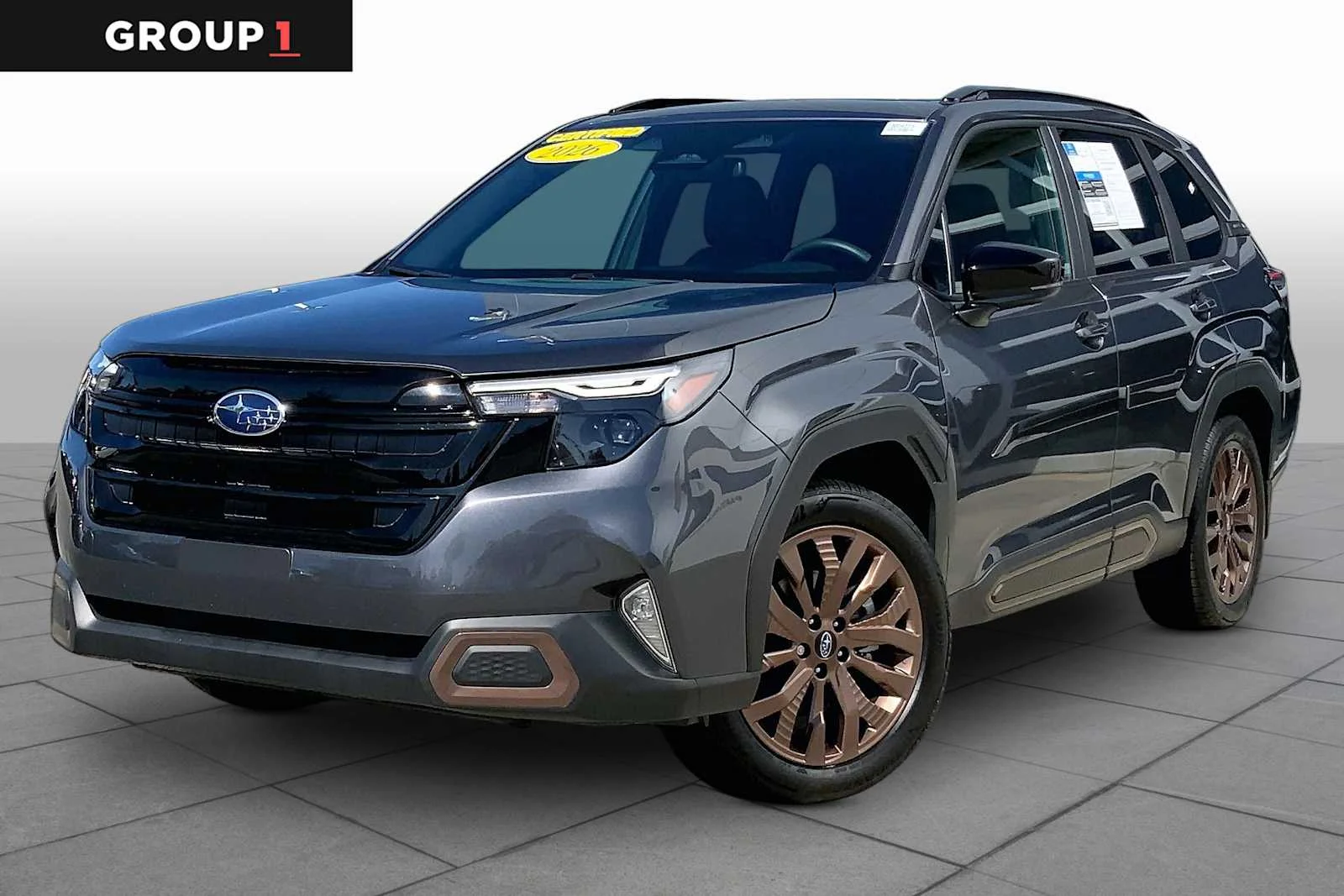
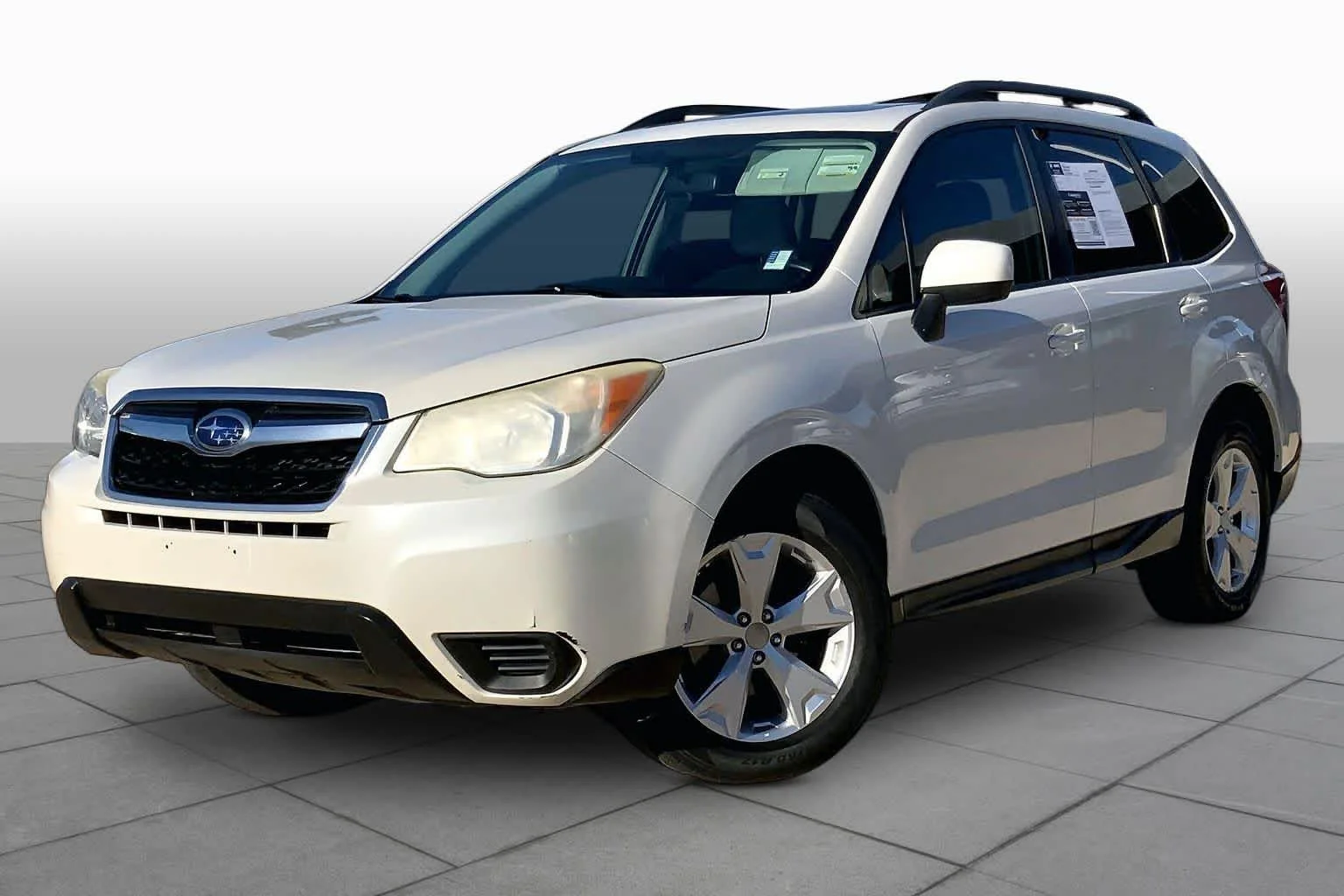
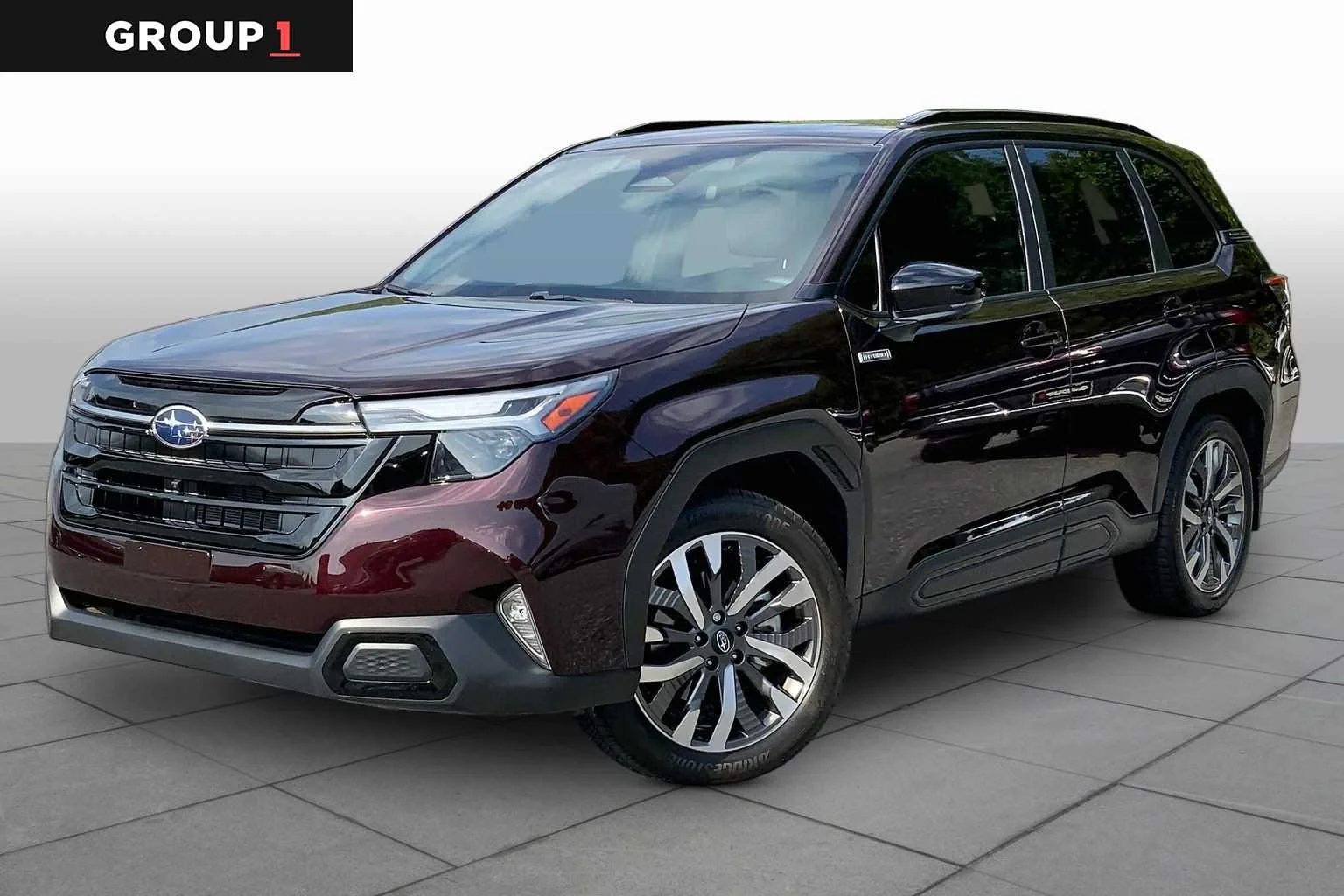
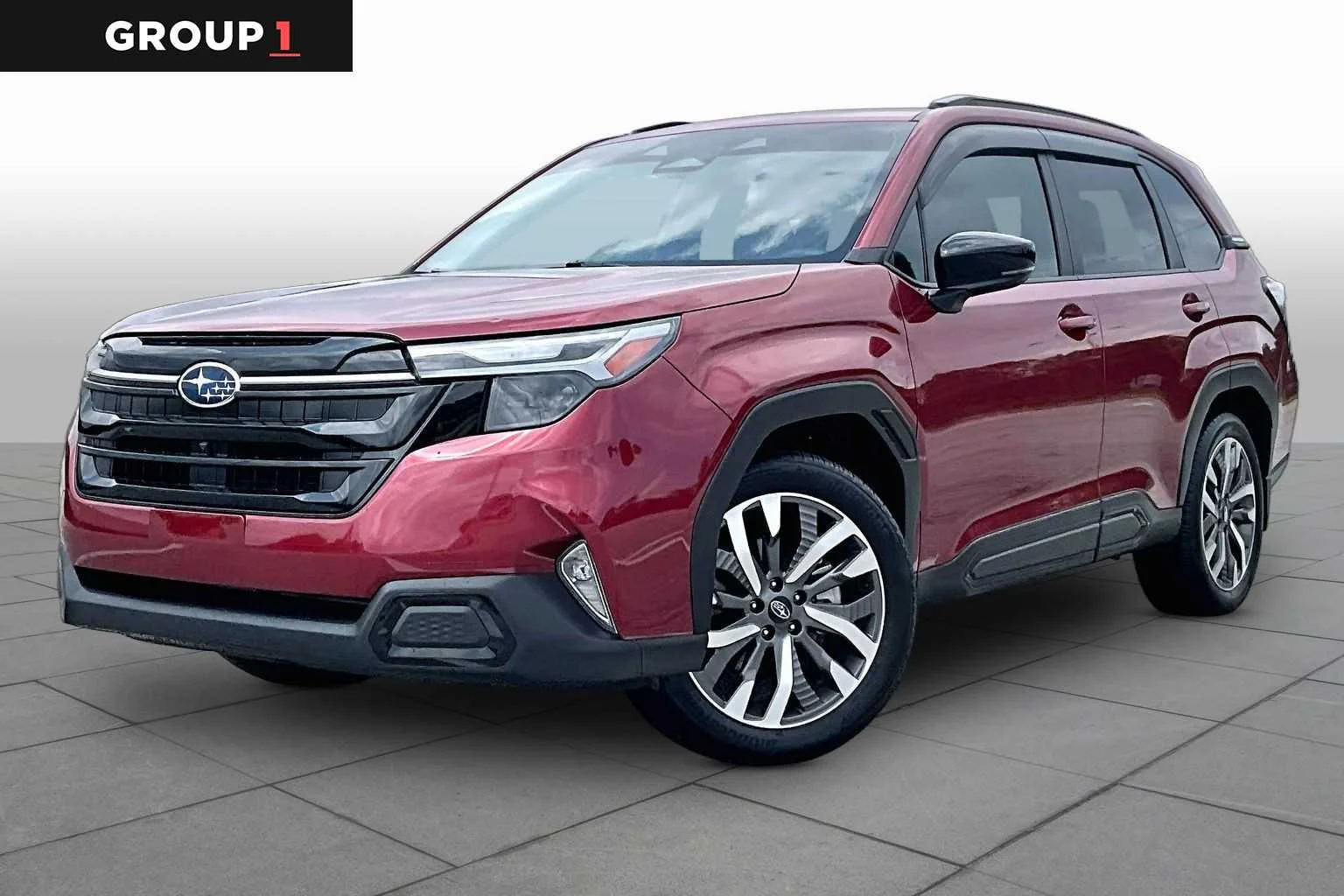
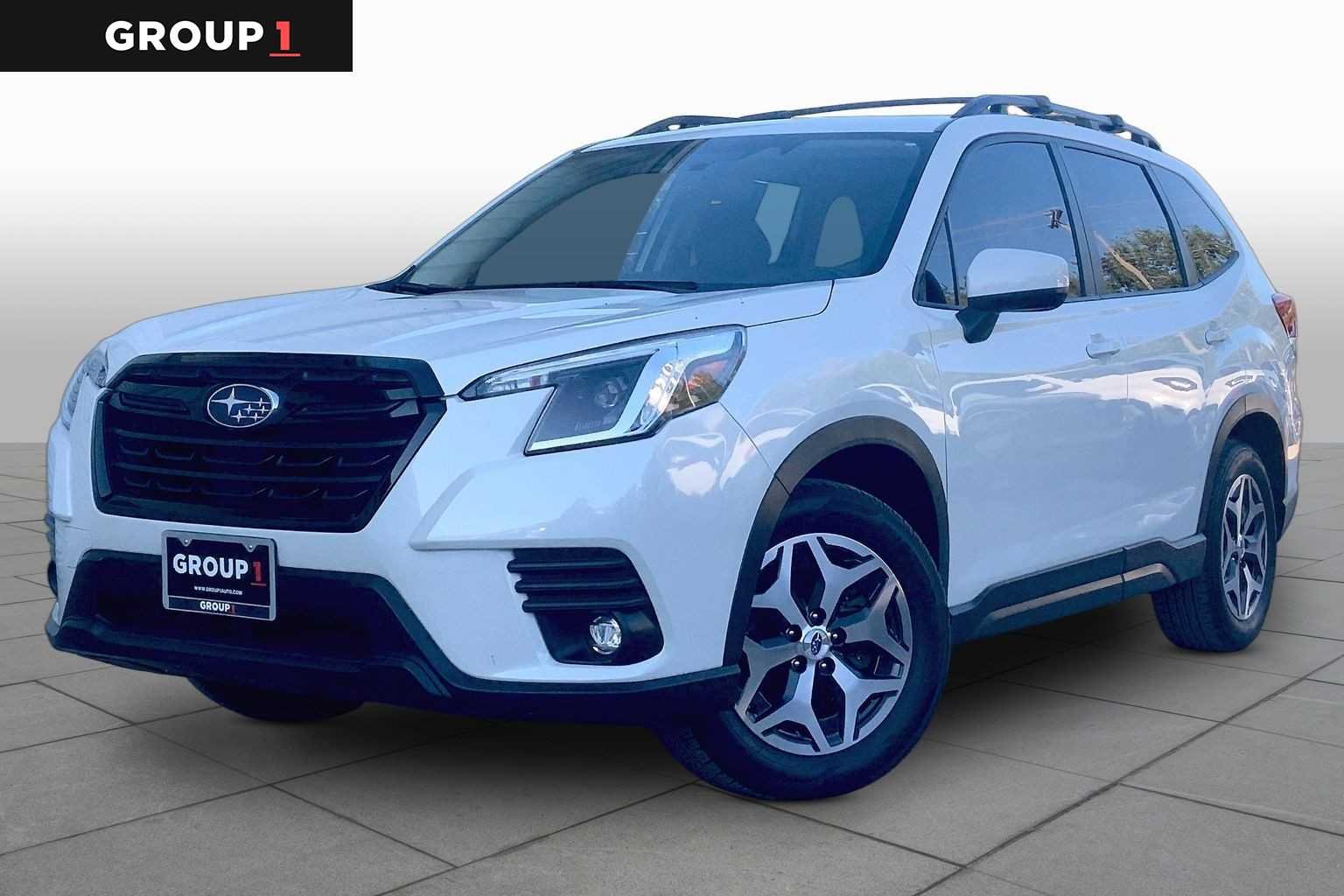
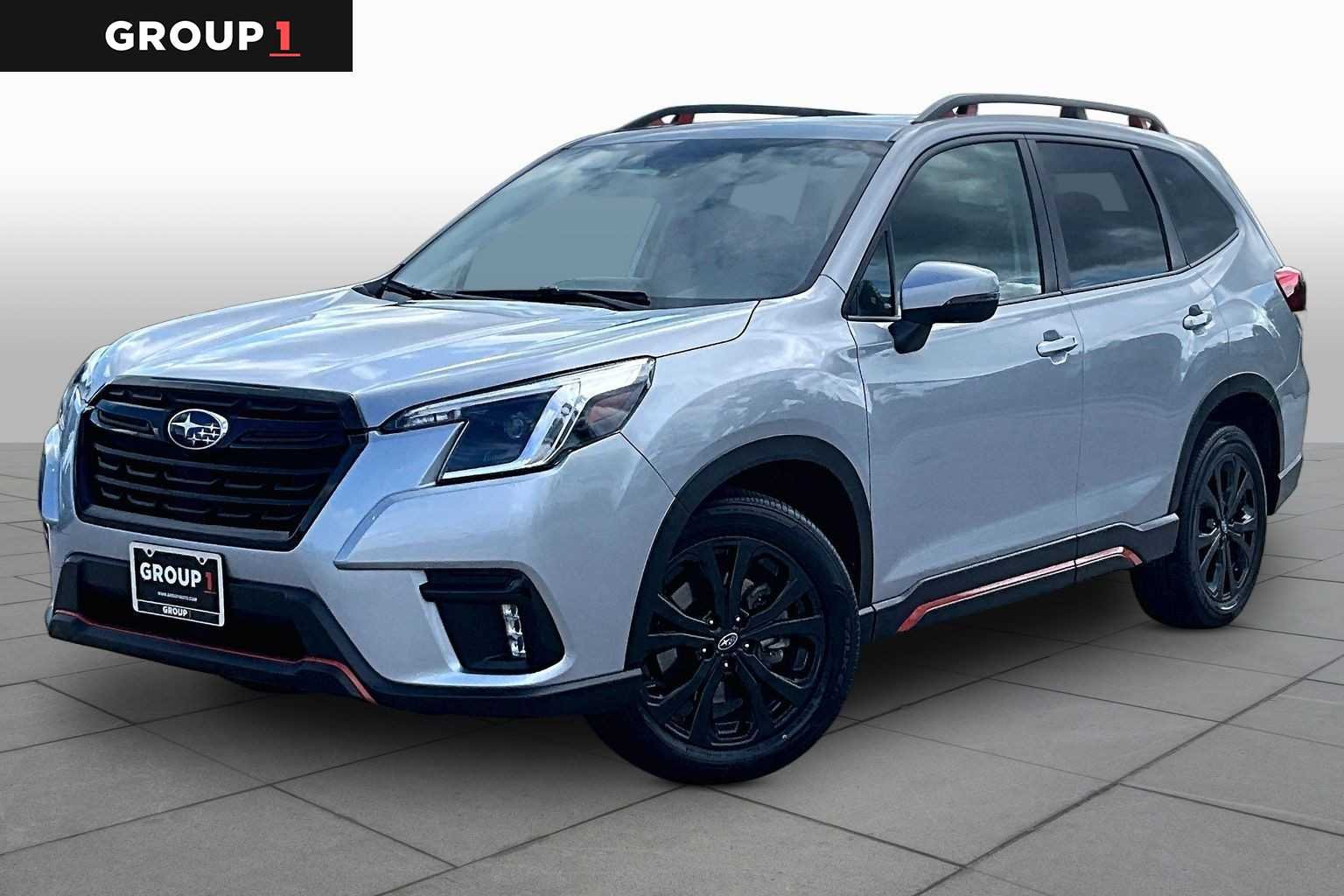
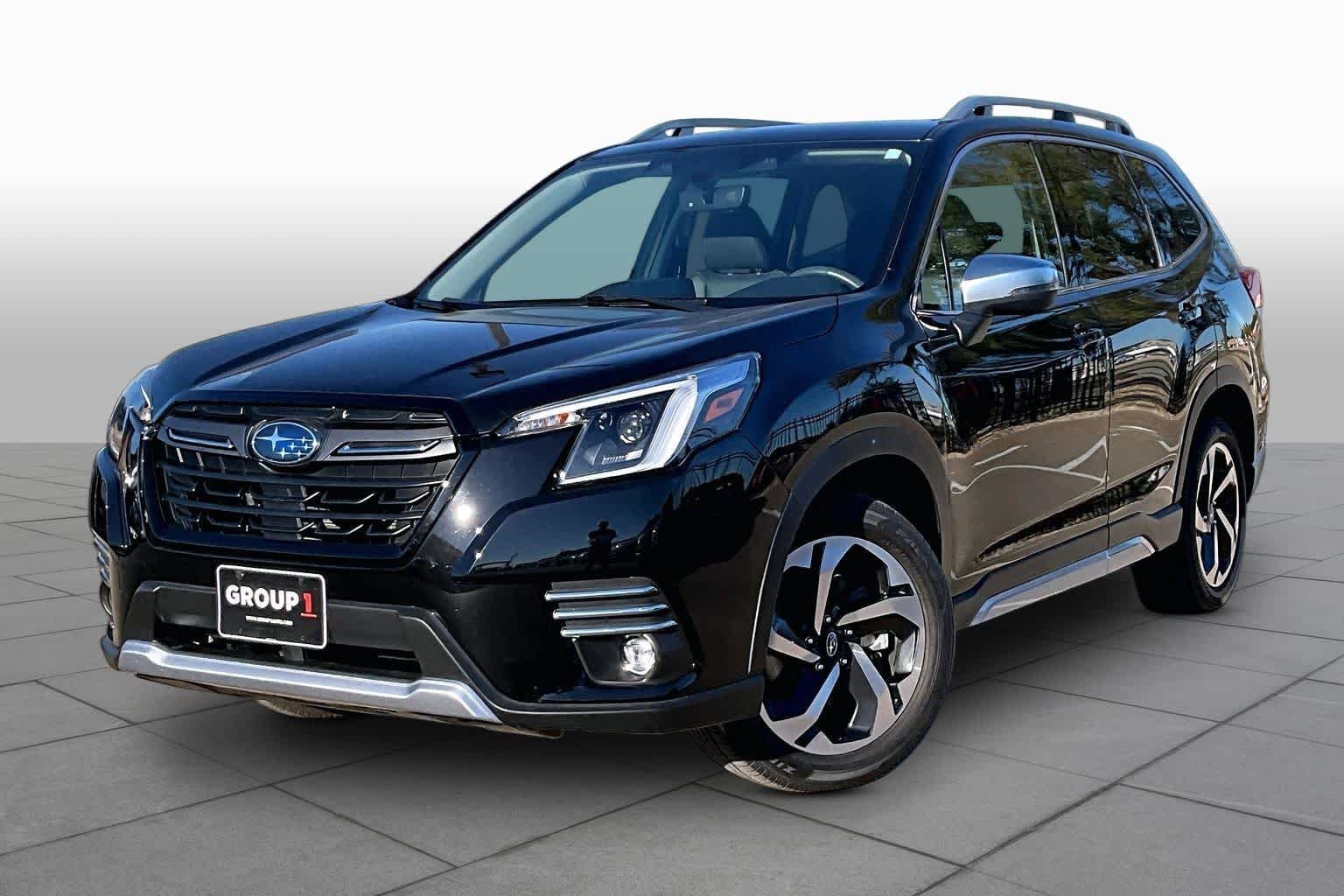
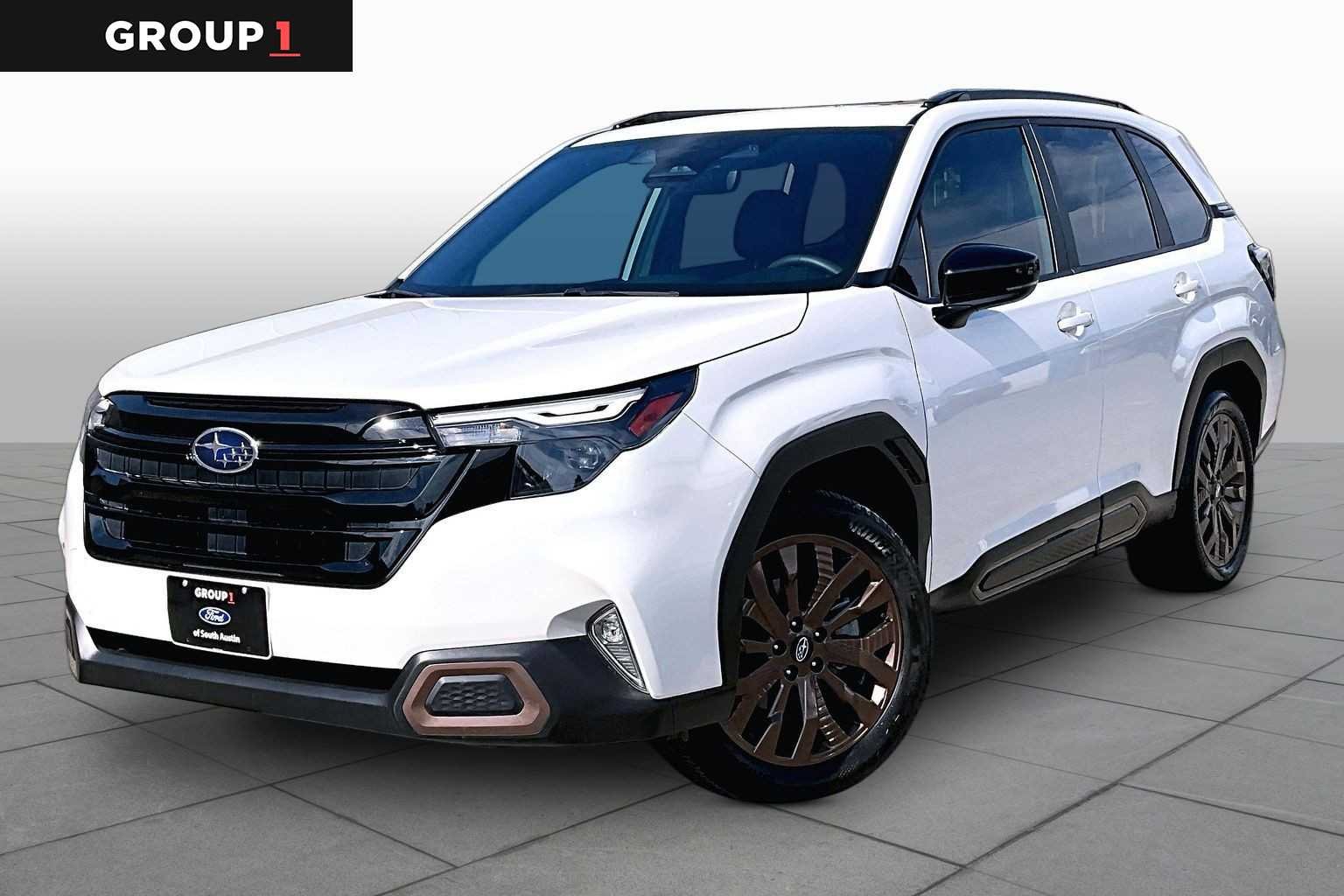
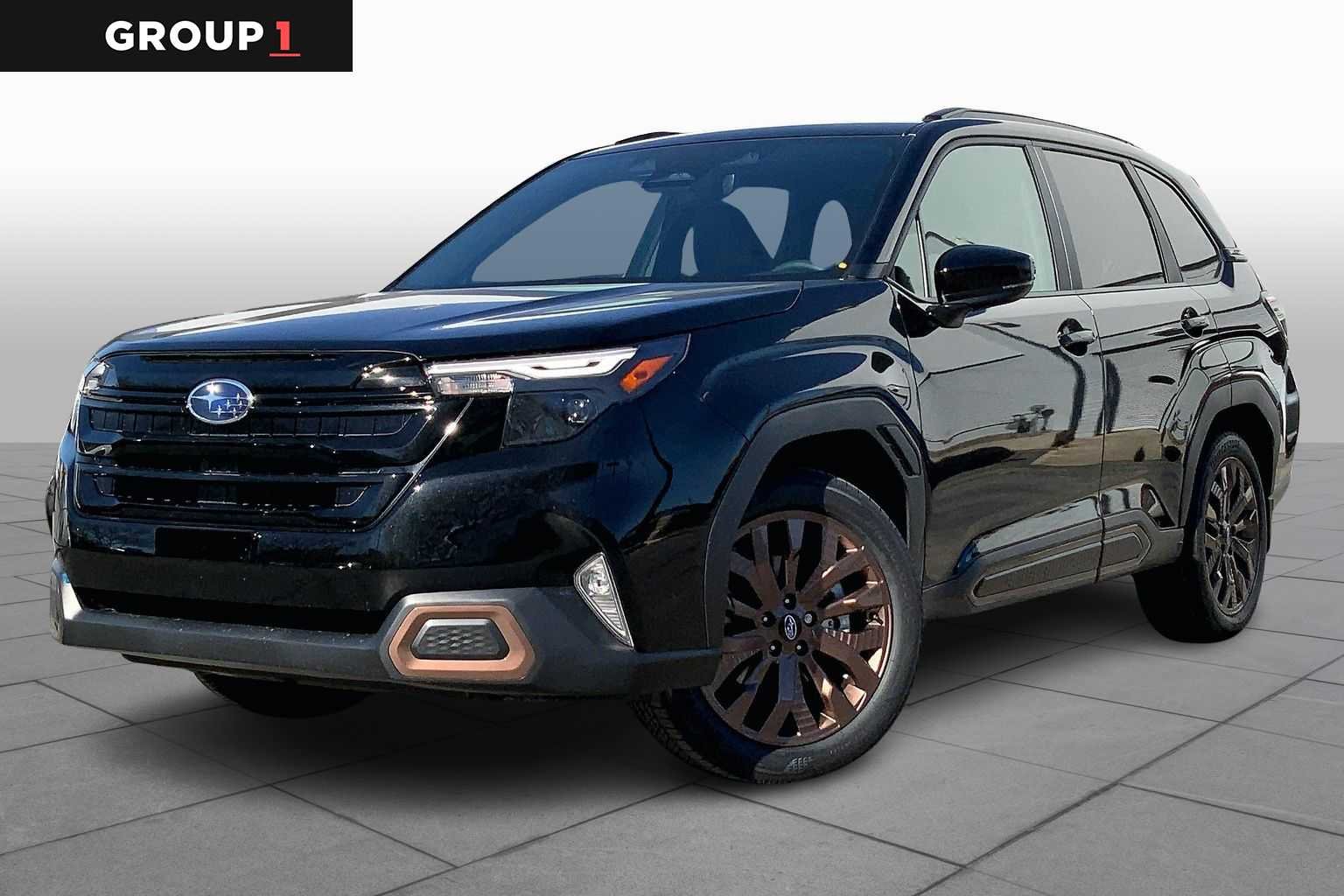
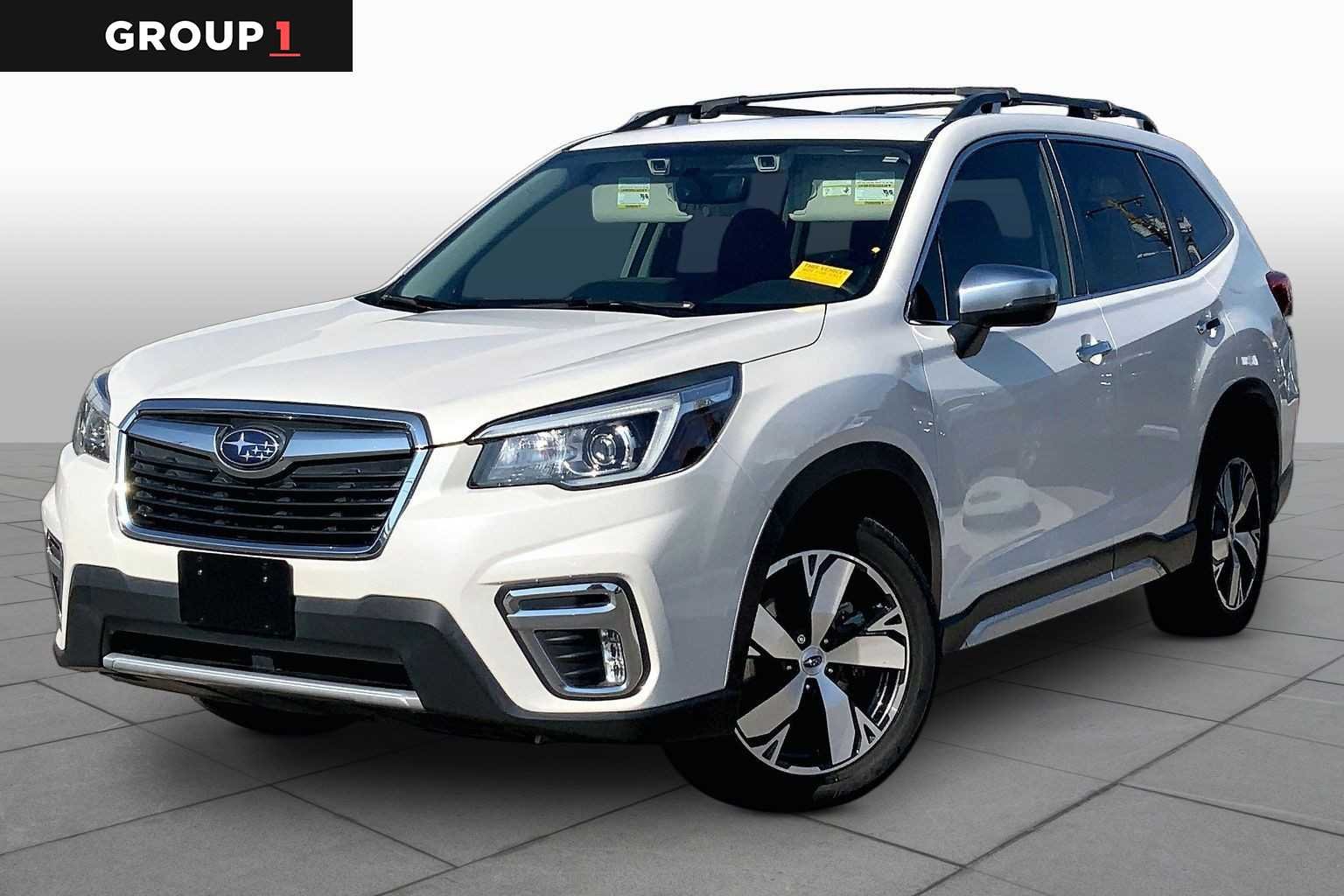
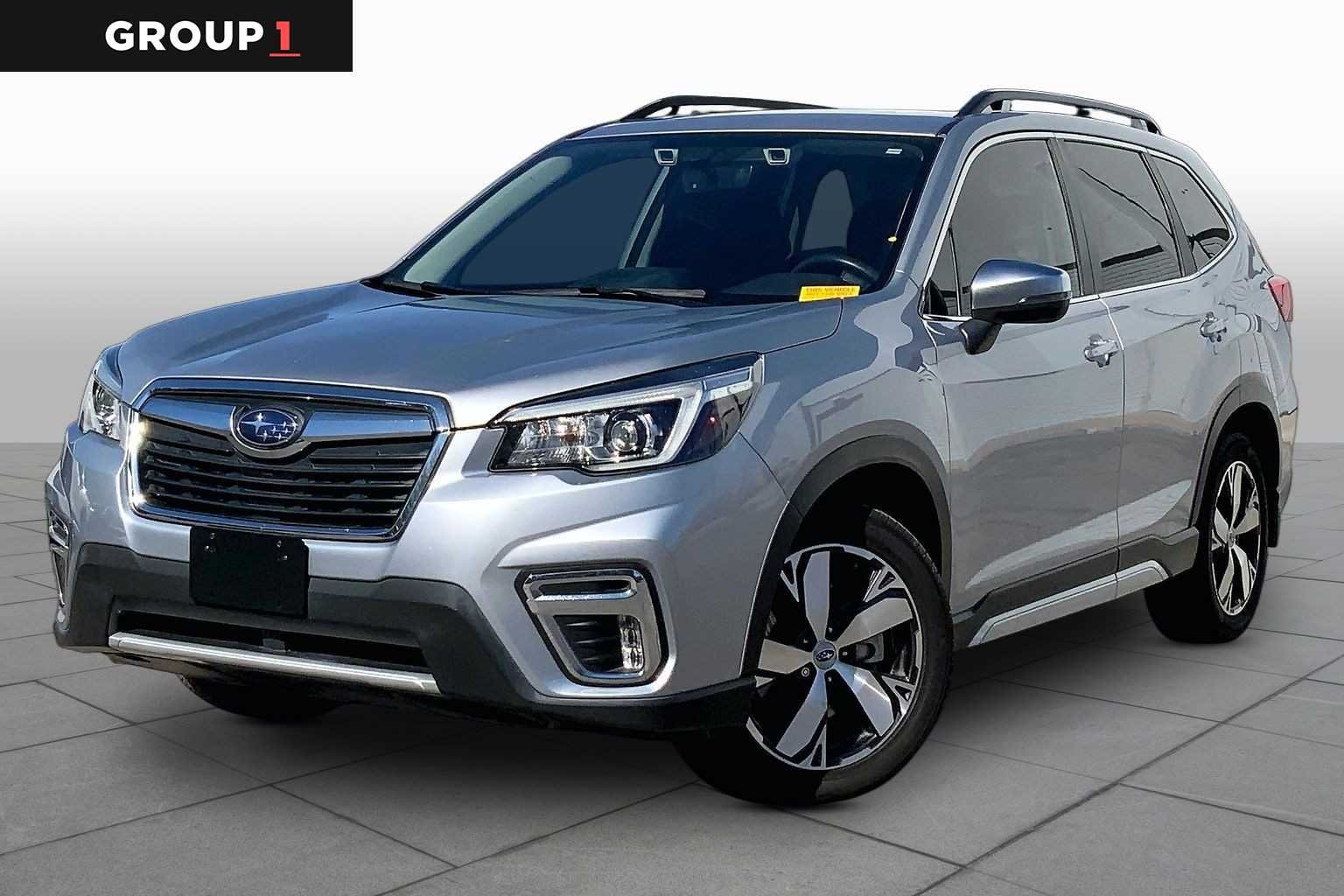
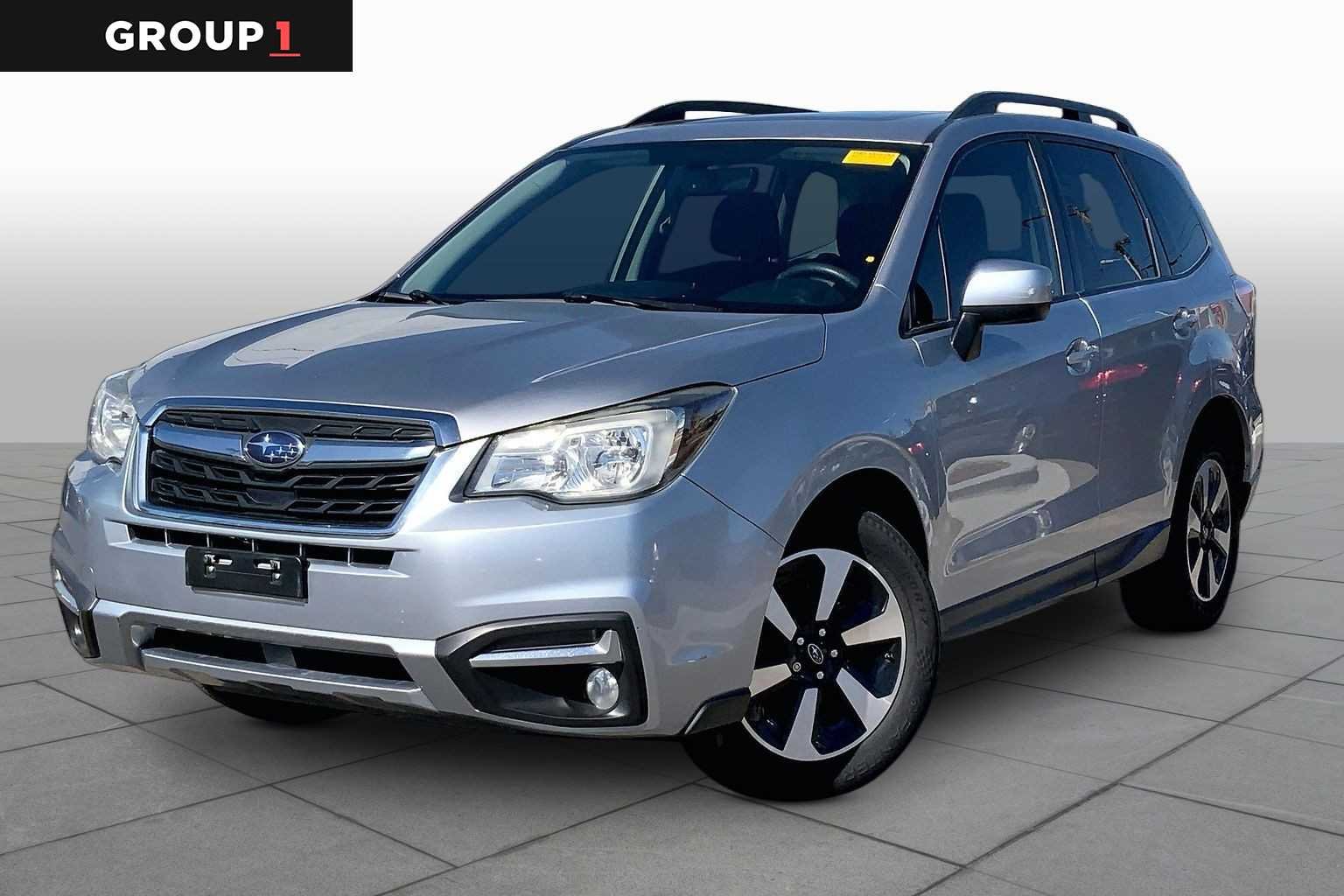
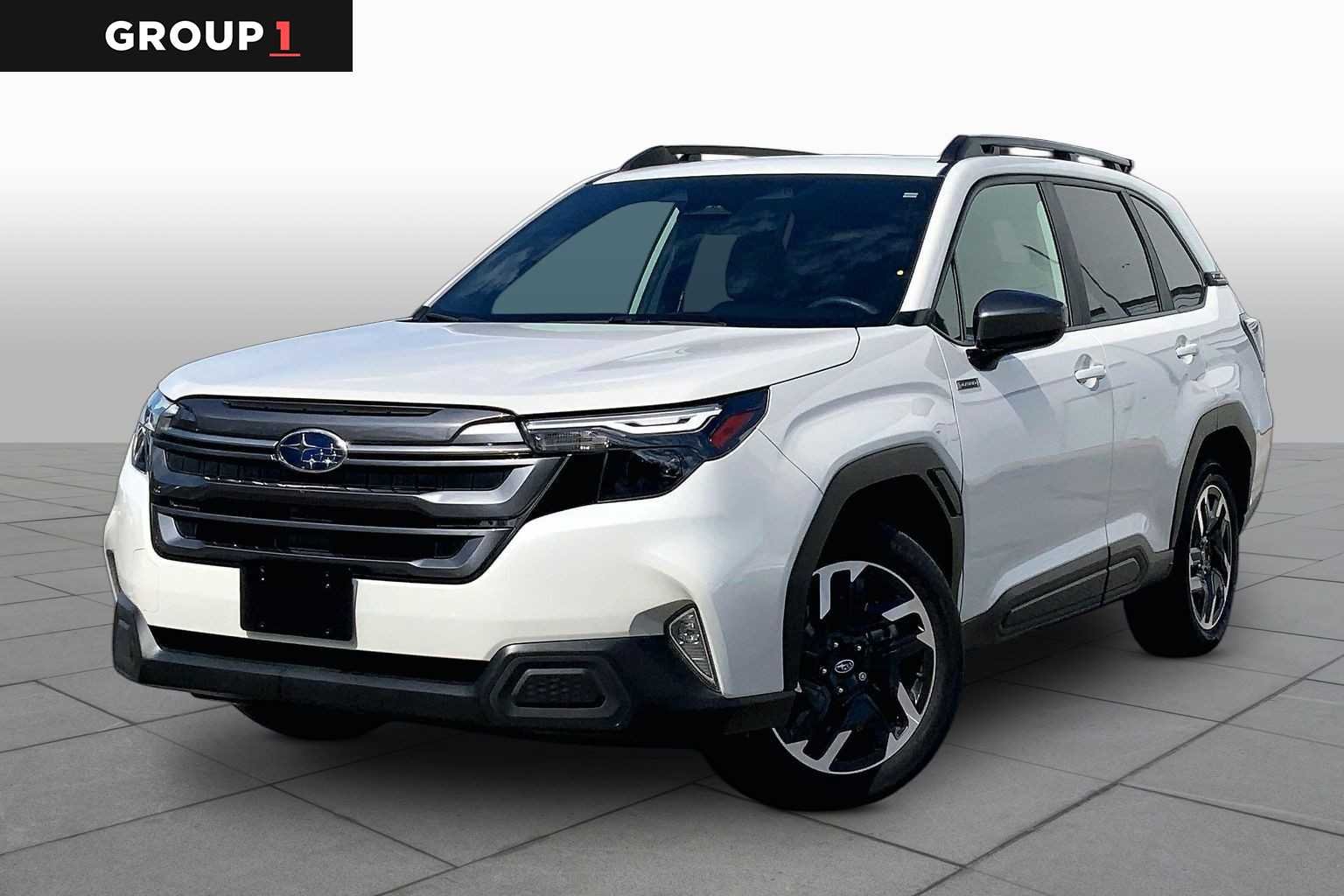
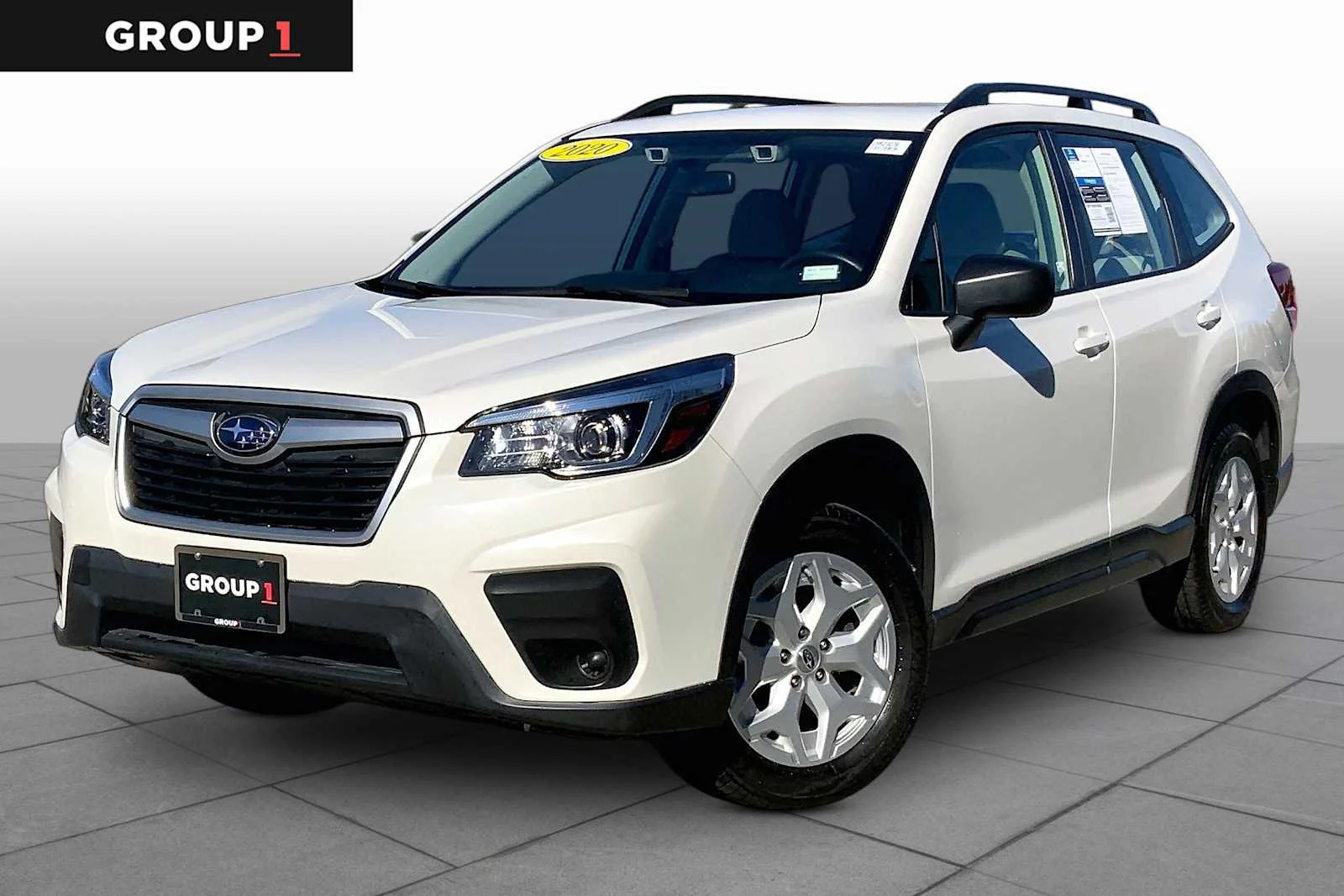
gasoline, automatic, 60K km, SUV, All Wheels Drive, 2,500 cm3, 182 hp, white, 2.5L 4 Cylinder Engine, Used condition, USA, In stock

Group1Auto.com
 Boston, United States
 Boston, United StatesSouthwest, United StatesLot, United StatesLot, United StatesLot, United StatesLot, United StatesLot, United StatesTrade, United StatesCorporation of Ranson, United StatesCorporation of Ranson, United StatesAustin, United StatesMain Settlement, United StatesMain Settlement, United StatesMain Settlement, United StatesMain Settlement, United StatesMain Settlement, United StatesShawnee, United StatesEl Paso, United StatesEl Paso, United StatesEl Paso, United States
 El Paso, United StatesEl Paso, United StatesEl Paso, United StatesEl Paso, United StatesEl Paso, United States
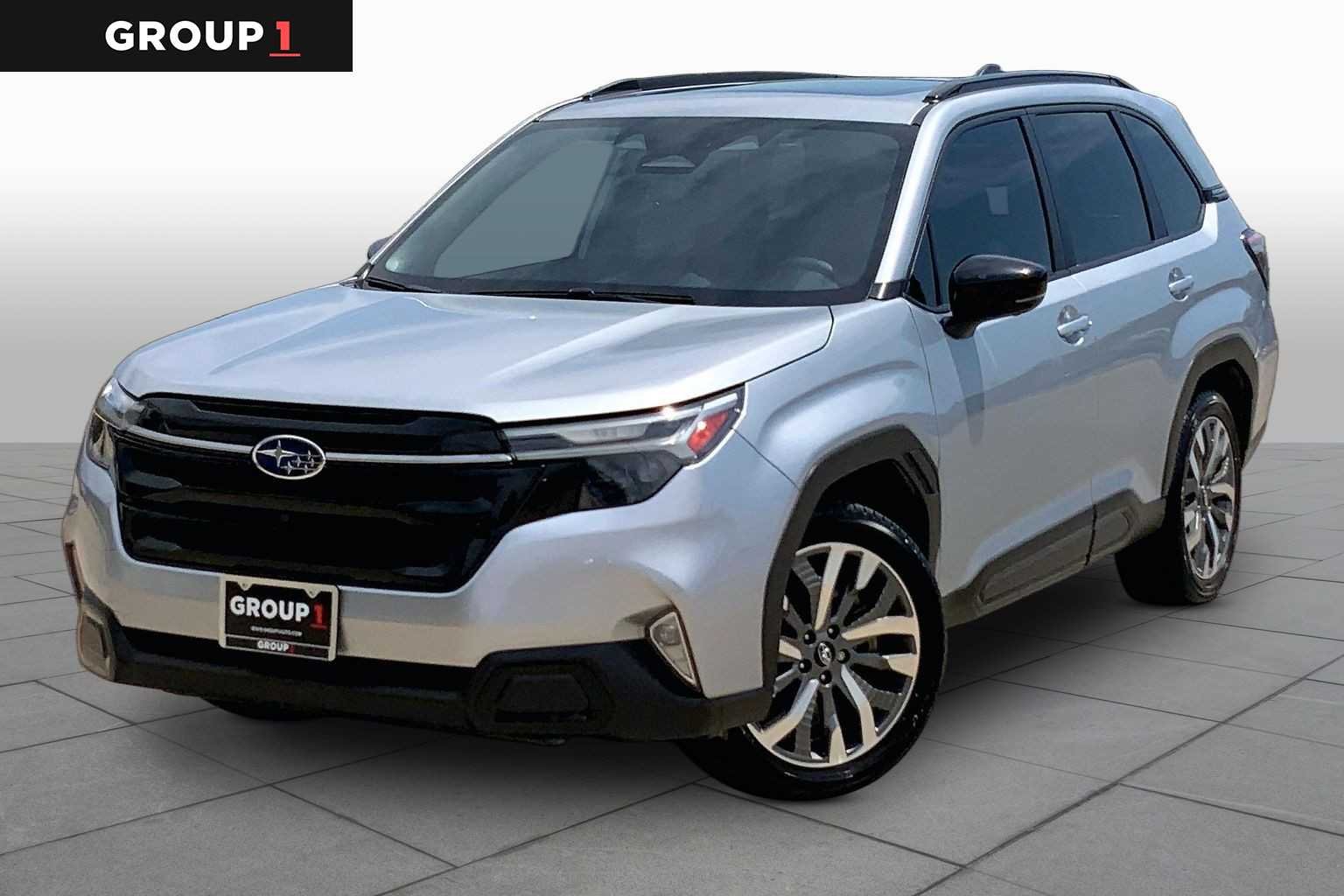
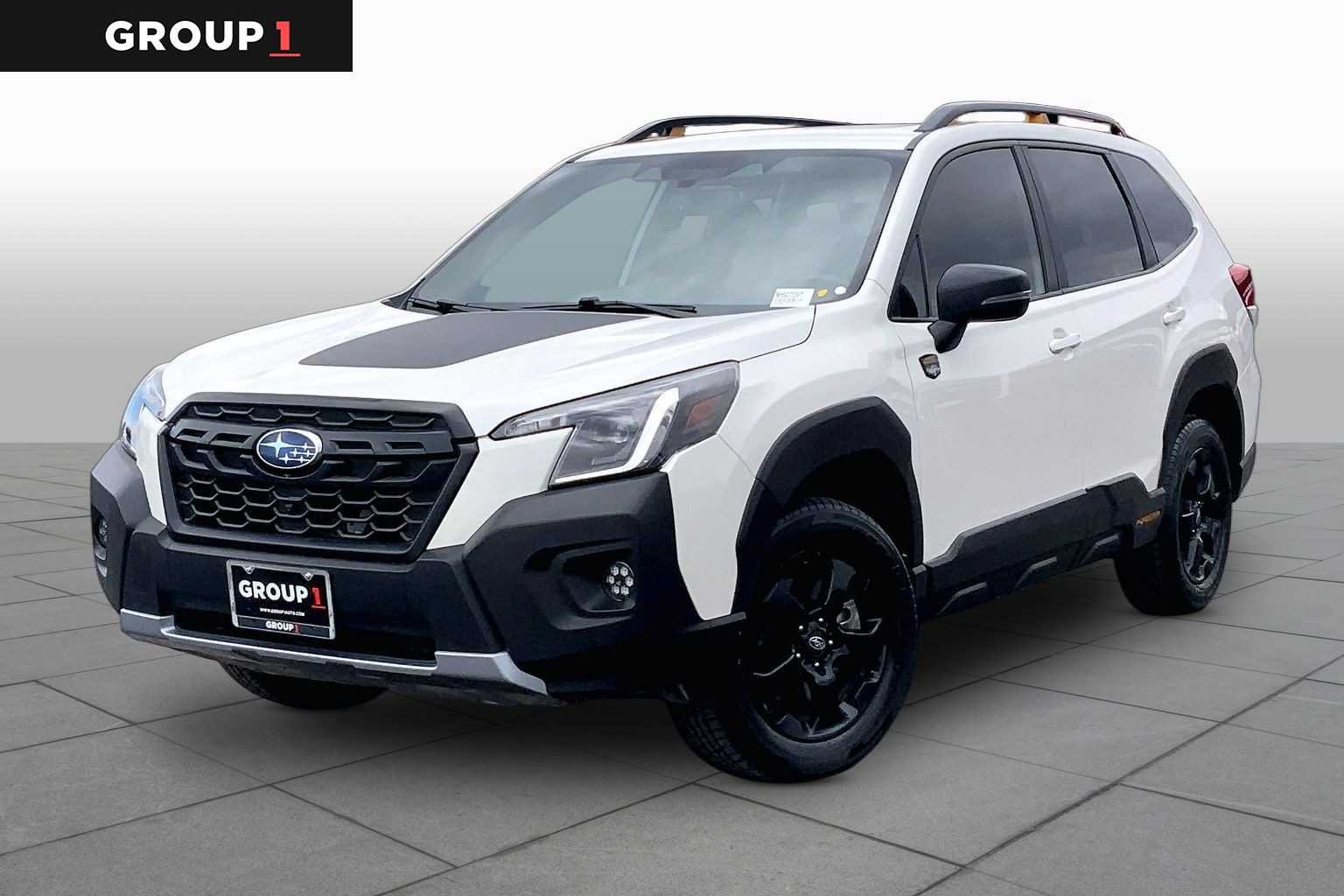
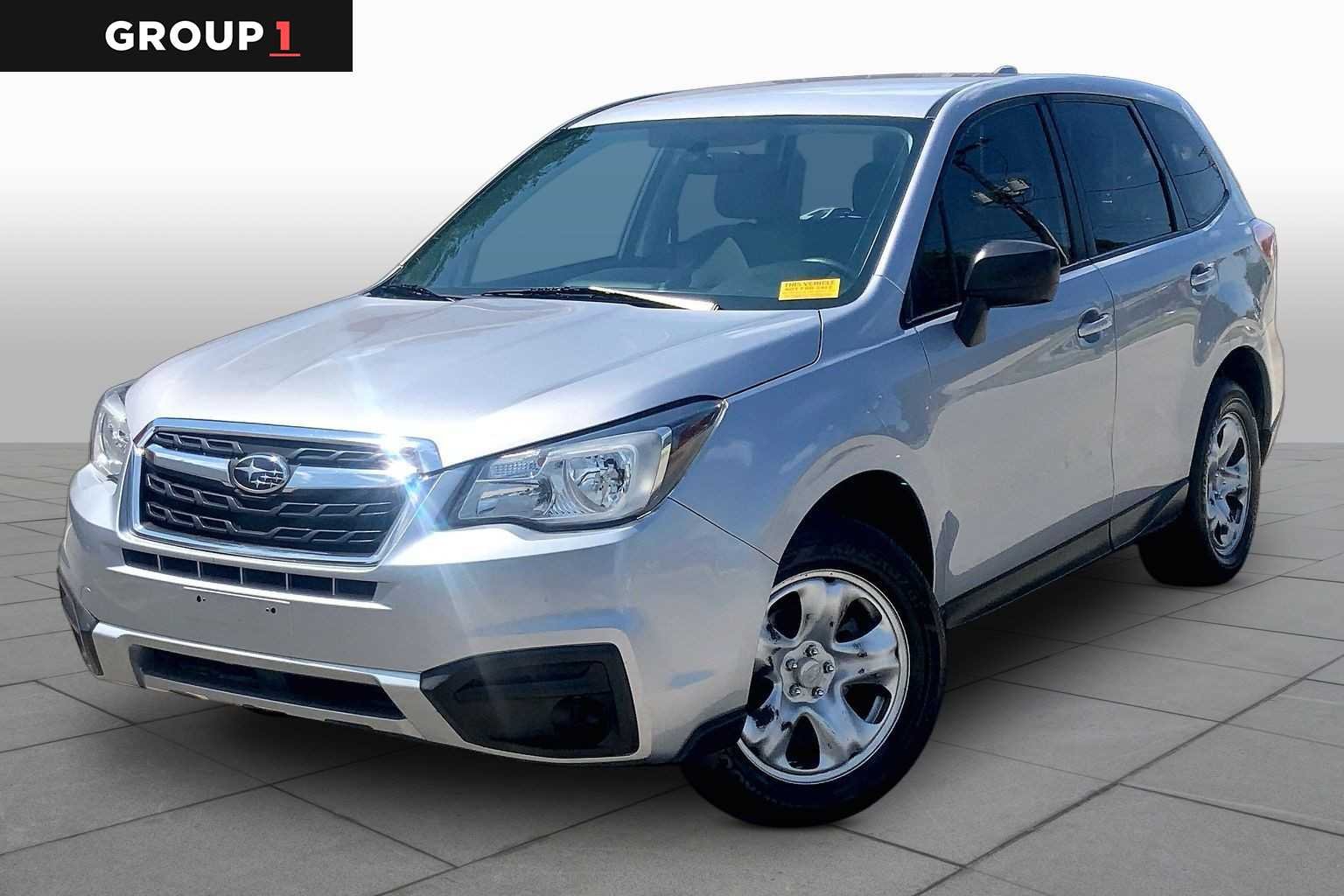
The Subaru Forester remains a popular choice for buyers seeking a reliable, versatile crossover with practical space and solid traction. Whether you’re in a bustling city or venturing to the countryside, understanding the different generations, engines, and body styles helps you make an informed decision when purchasing or selling a Forester. This guide focuses on common goals: choosing the right variant, assessing value, and negotiating a fair deal based on market realities.
The Forester has evolved through several generations, each offering its own balance of practicality and efficiency. Look for details like year, mileage, and condition when evaluating a listing. Key aspects to compare include:
When you search for a Forester, prioritize your goals: daily commuting, weekend trips, or light off-roading. Practical questions to consider include:
In marketplaces where Subaru models are common, you’ll often find Forester listings paired with details on country and city, year of manufacture, mileage, and price. Compare asking prices within your region to gauge a fair market value for the specific generation you want.
If you’re preparing to sell, honest maintenance history and clear documentation help you achieve a better price. Potential buyers look for:
Consider highlighting benefits like practical cargo space, all-weather capability, and resale reliability. Setting a realistic price based on local market data, optional warranties, and the vehicle’s condition will attract serious buyers without lengthy time on the market.
This guide aims to help you navigate Subaru Forester options, compare different generations and configurations, and approach buying or selling with confidence. Whether you’re negotiating in a busy market or evaluating private listings, a well-informed decision saves time and money.
 Add as preferred sourceSee more from zvelta in Google Search Add as preferred source