 EN
ENDEALER
18.249 US$DEALER
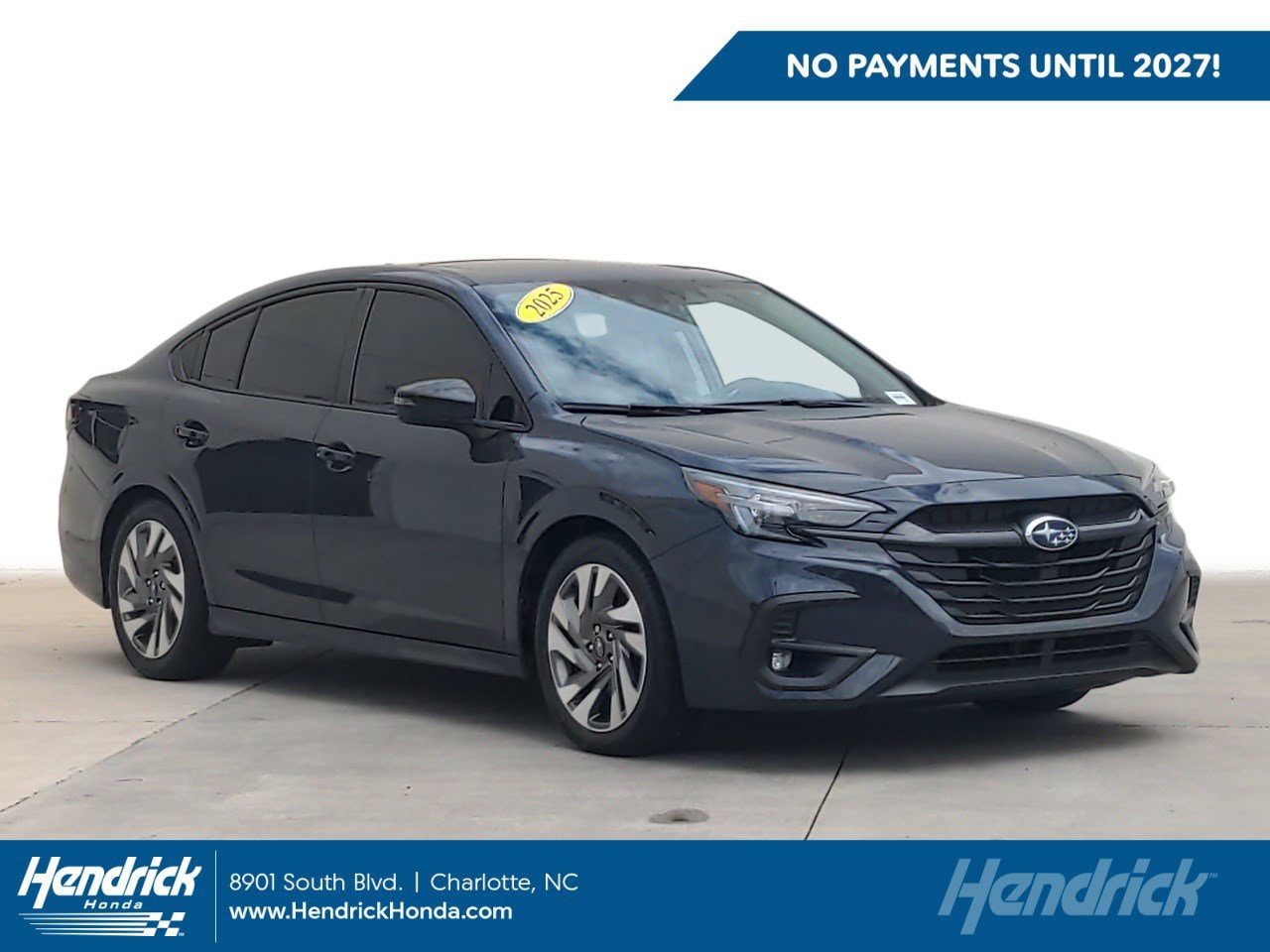
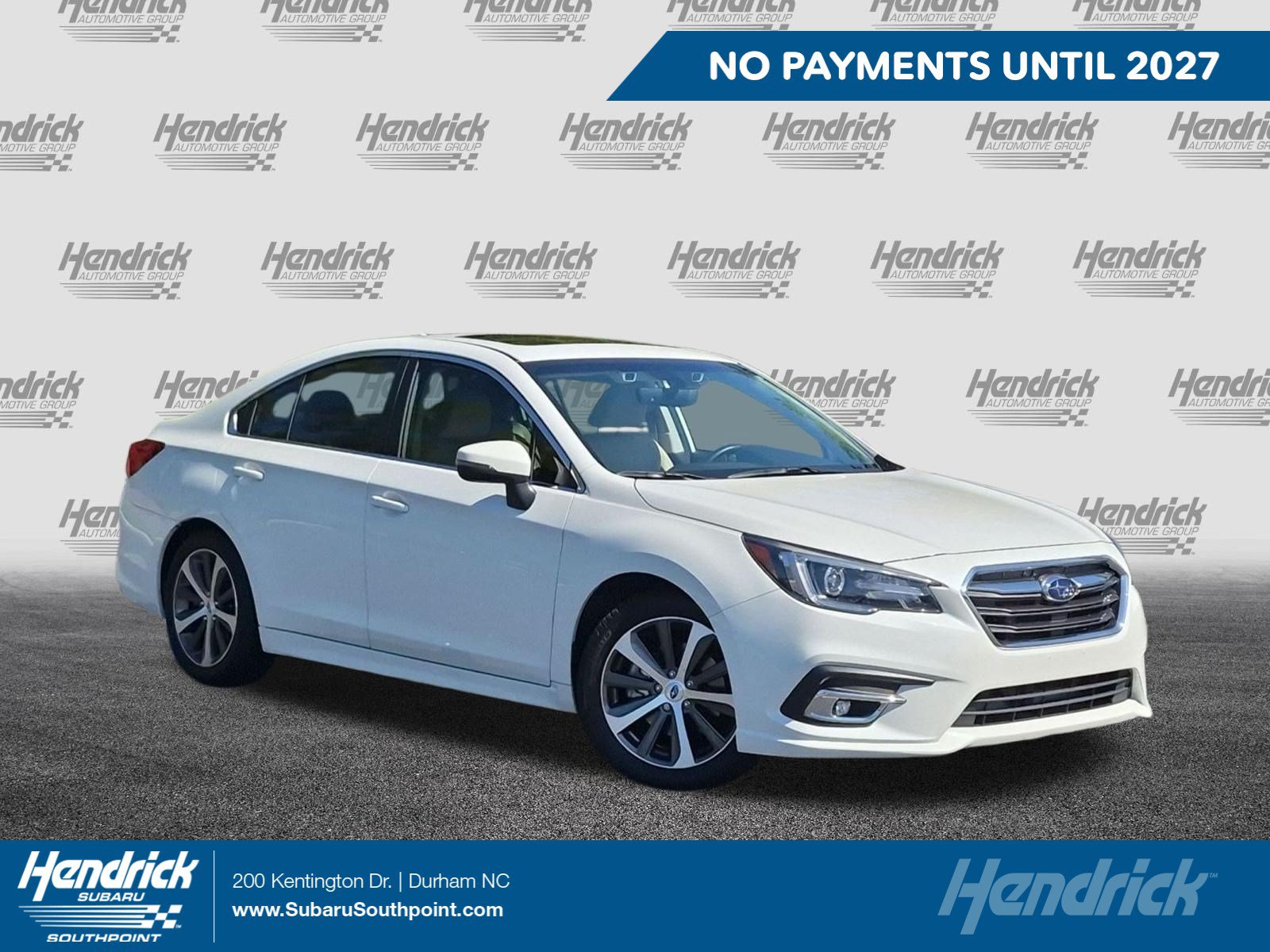
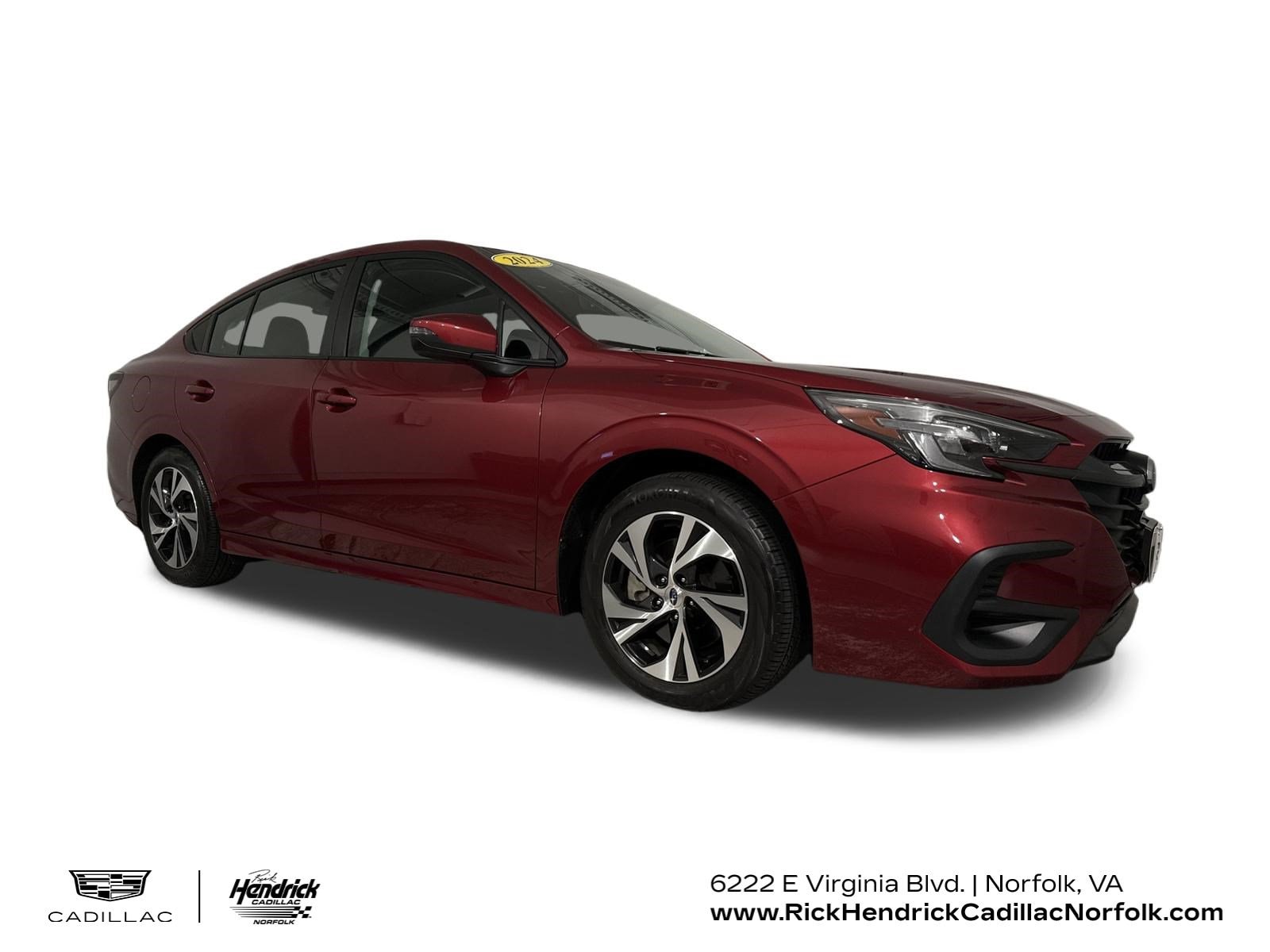
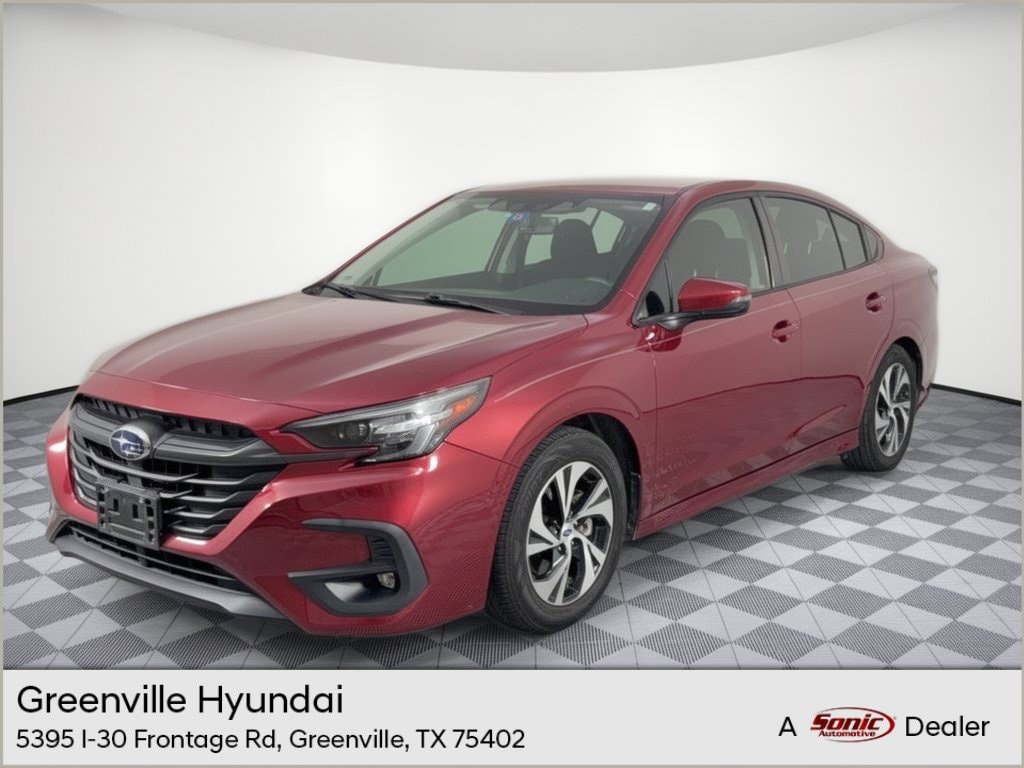
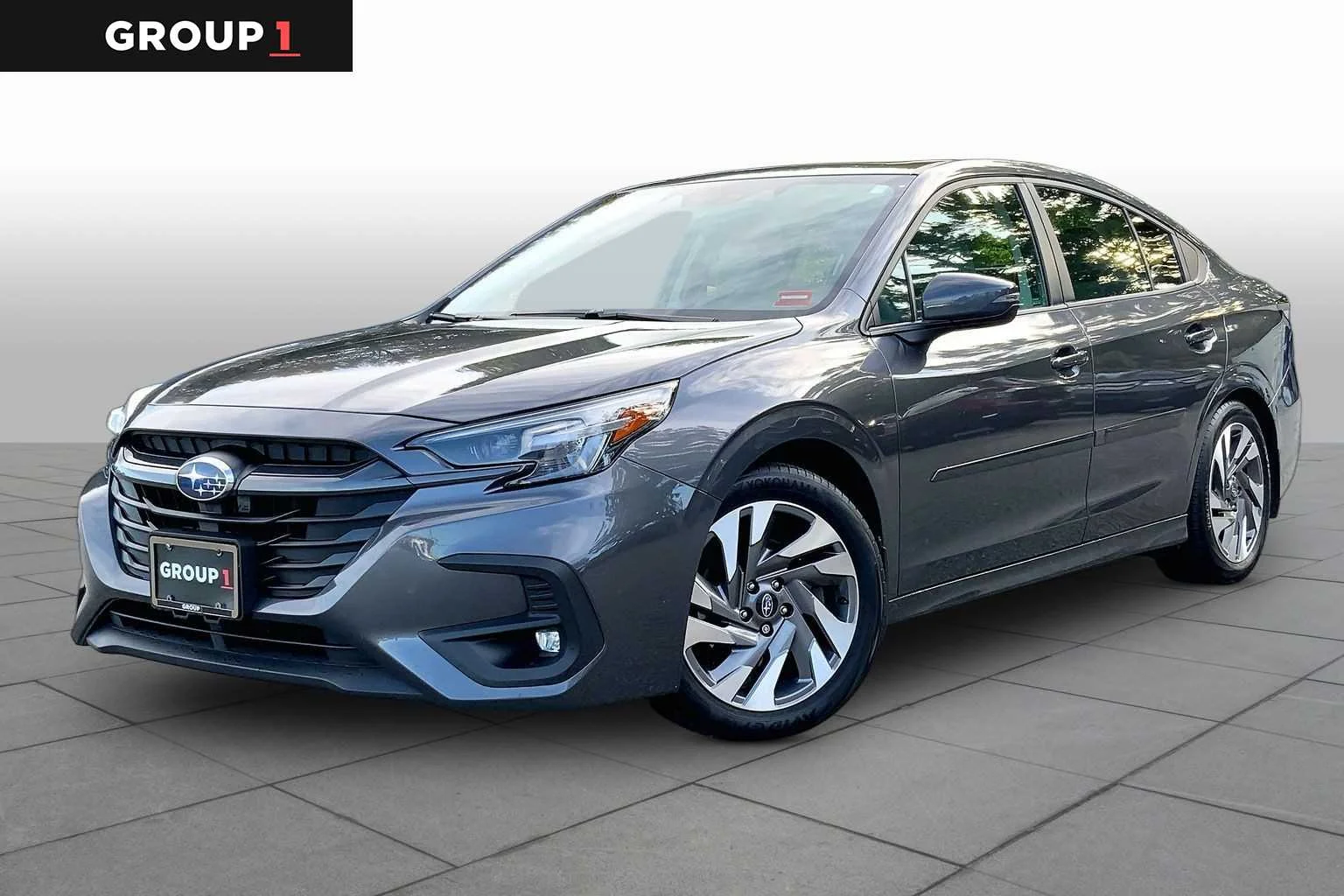
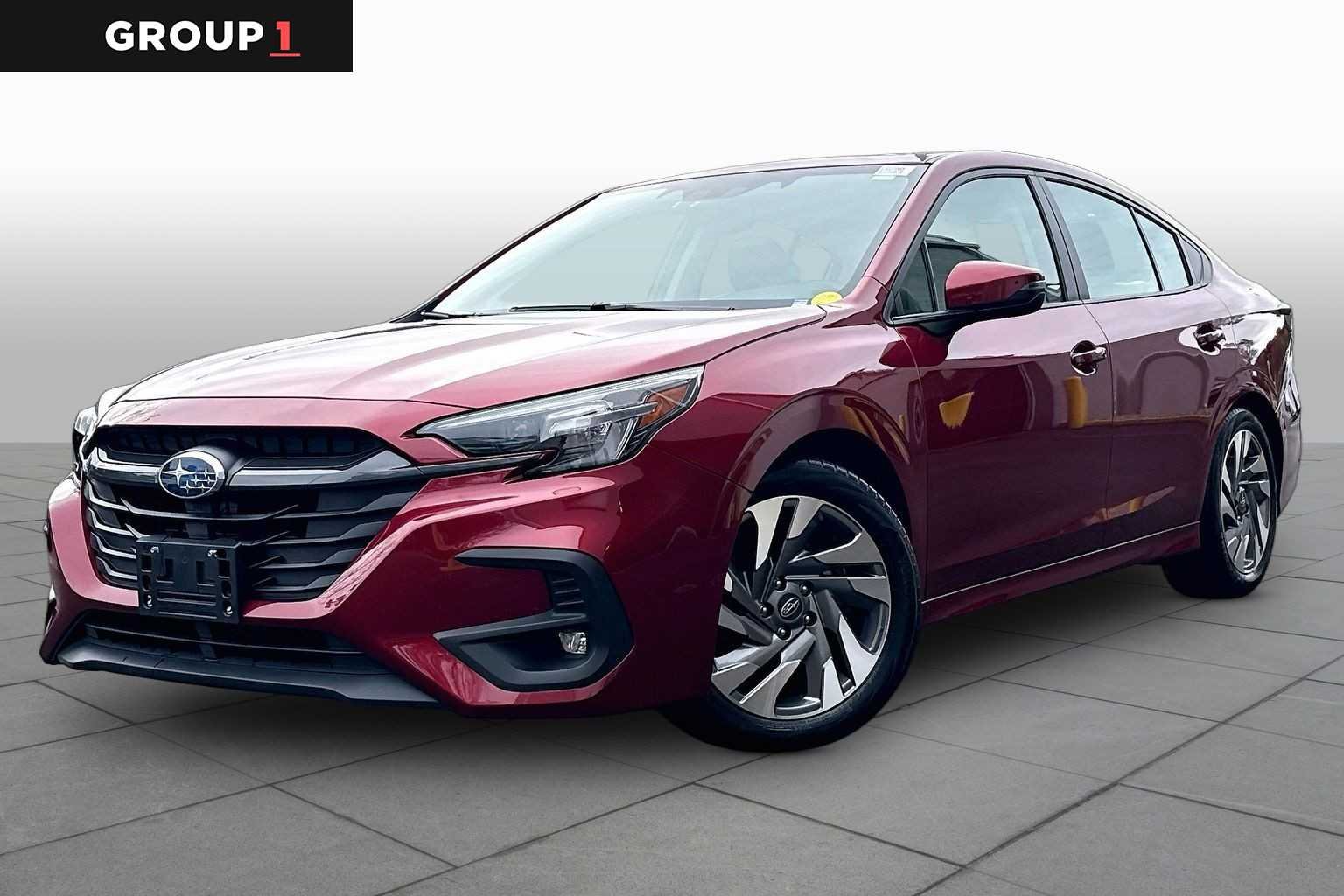
gasoline, 124K km, 3,600 cm3, red, Used condition, USA, In stock
SonicAutomotive.com
 Mishawaka, United States
 Mishawaka, United States
 Lot, United StatesCorporation of Ranson, United StatesMain Settlement, United StatesEl Paso, United States
 Franklin, United StatesAtlanta, United StatesConcord, United StatesConcord, United StatesCharlotte, United StatesCharlotte, United States
 Oakhurst, United StatesDurham, United StatesDurham, United StatesAdams Crossroads, United StatesNorfolk, United States
 Rivertown, United StatesGreenville, United StatesSaco, United StatesDanvers, United States
 United States
 Ira, United StatesPeabody, United States
 Peabody, United States
 United States
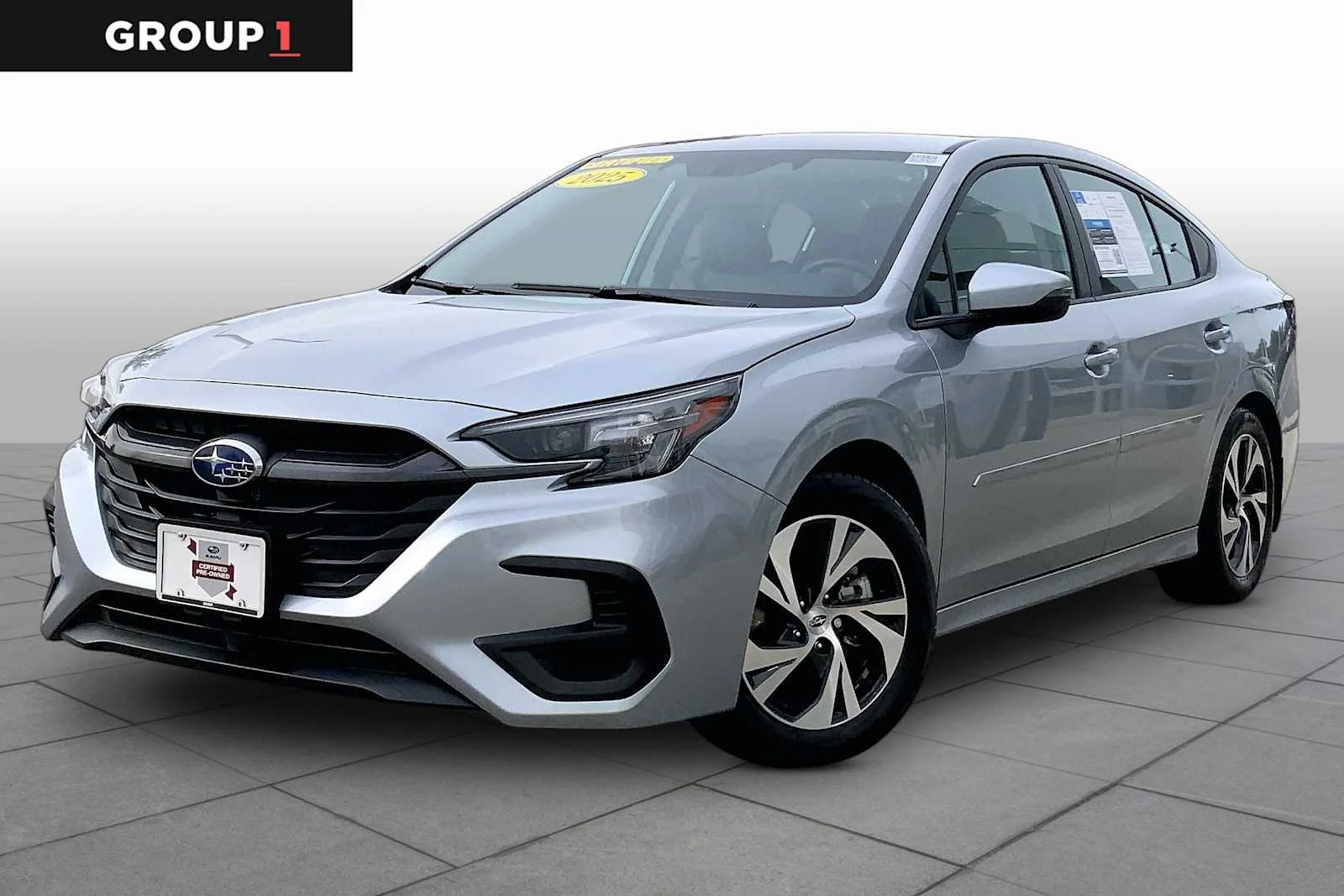
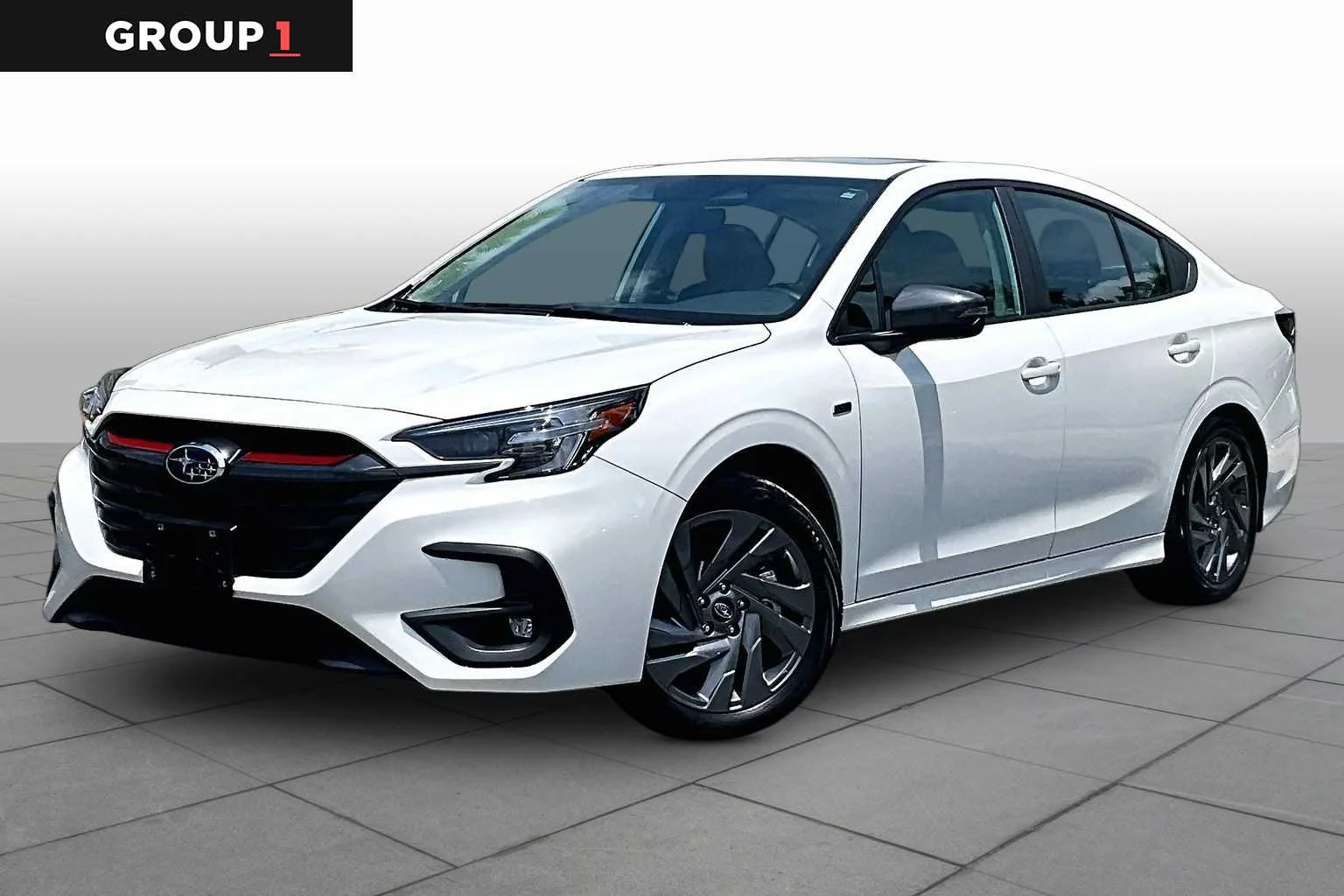
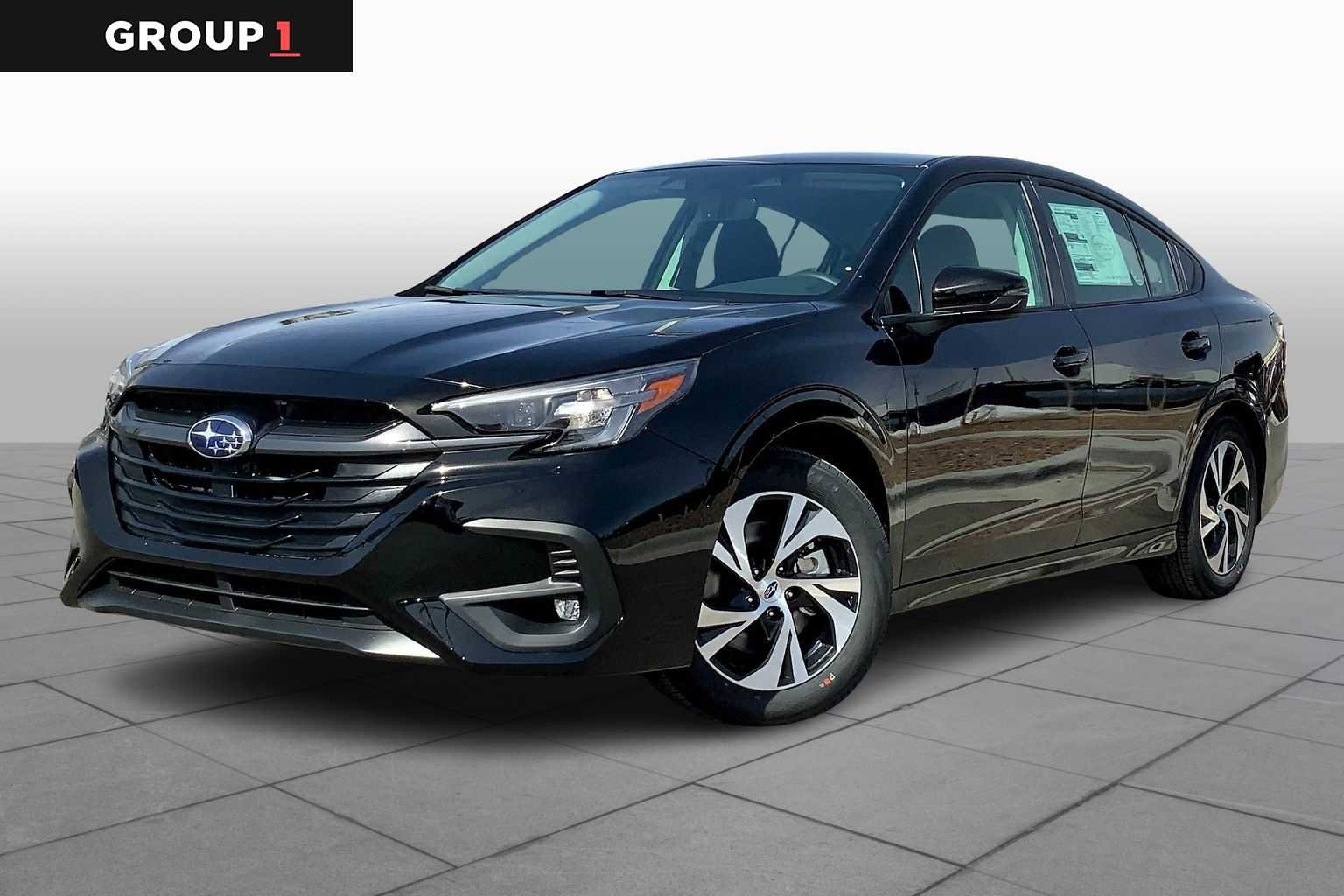
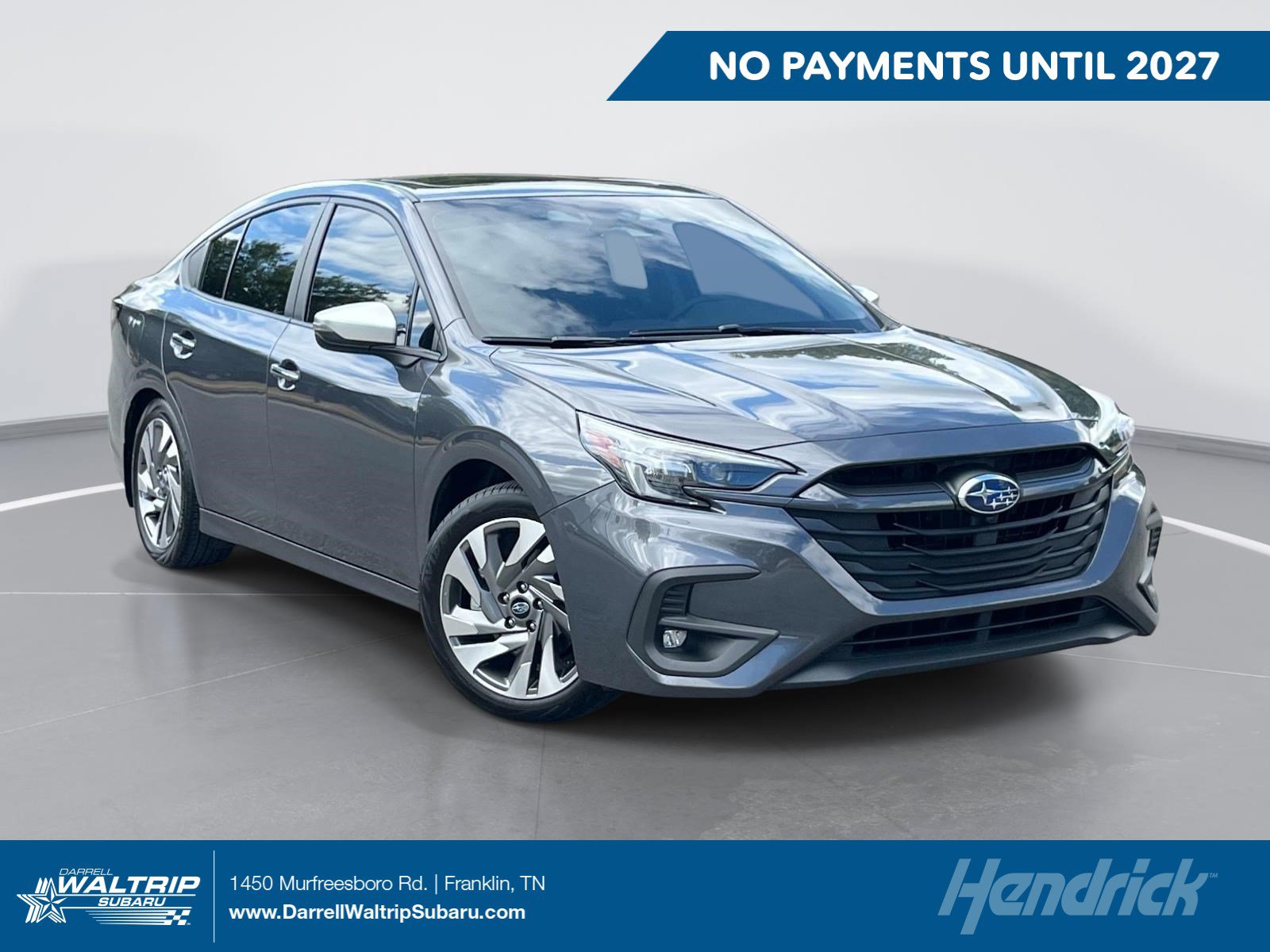
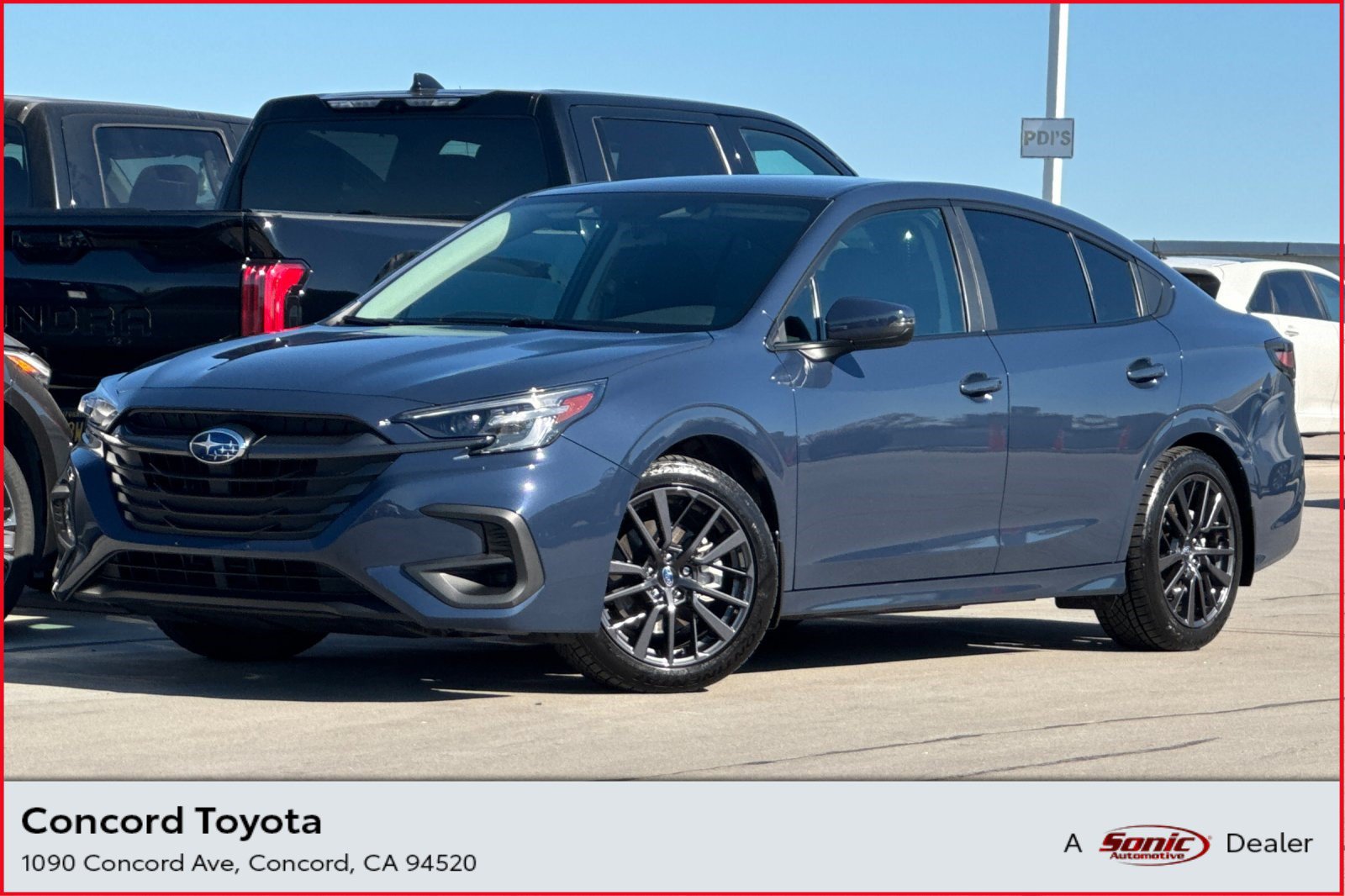
The Subaru Legacy is a practical sedan that has earned recognition for its balanced ride, all‑wheel drive capabilities, and reliability. If you’re exploring options to buy or sell a Subaru Legacy, understanding the model’s generations, engines, body types, and typical price ranges helps you make a smarter decision. This guide focuses on buyers and sellers looking in common markets, with practical tips for evaluating condition, mileage, and certification in a typical city or country setting.
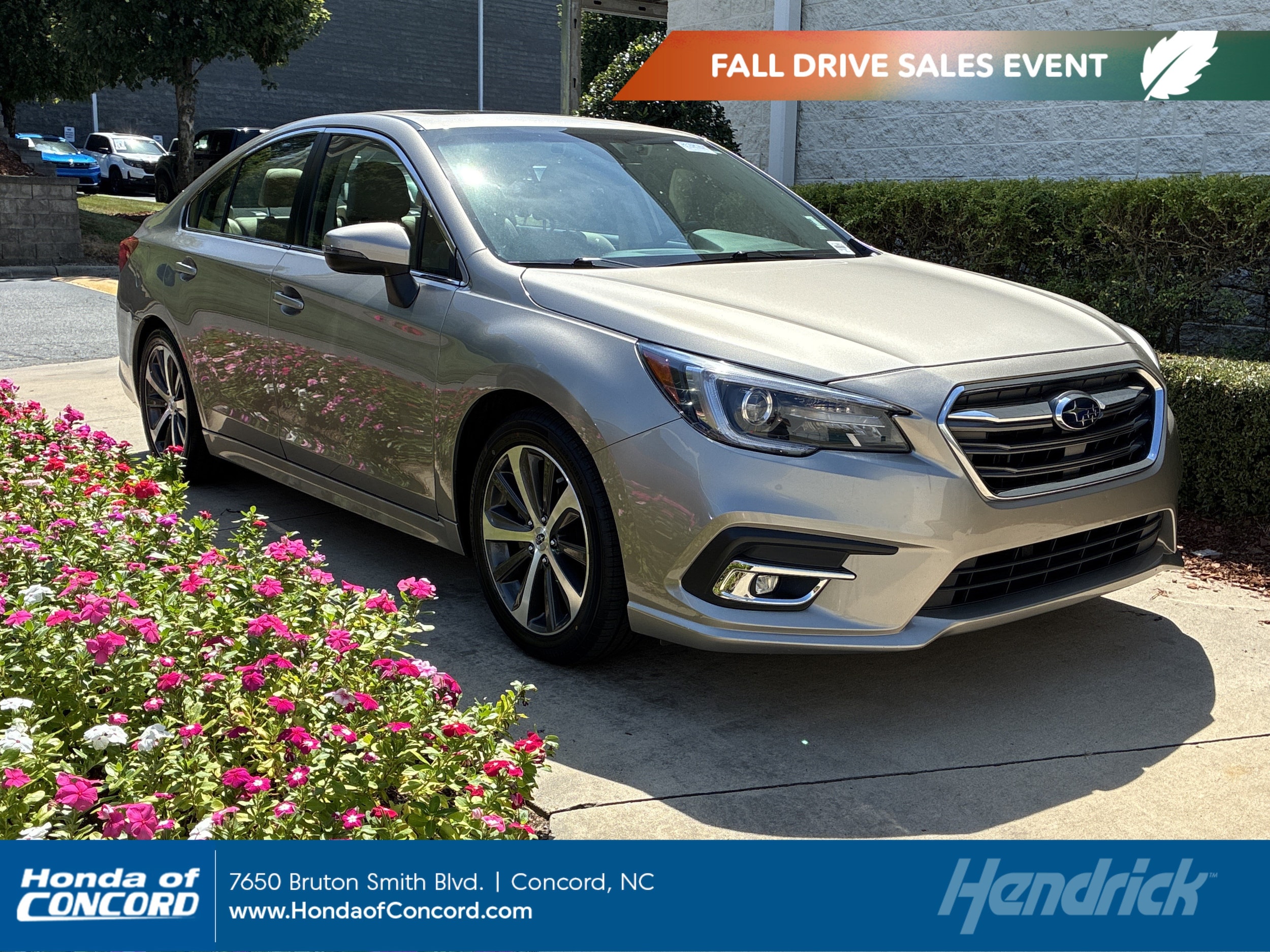
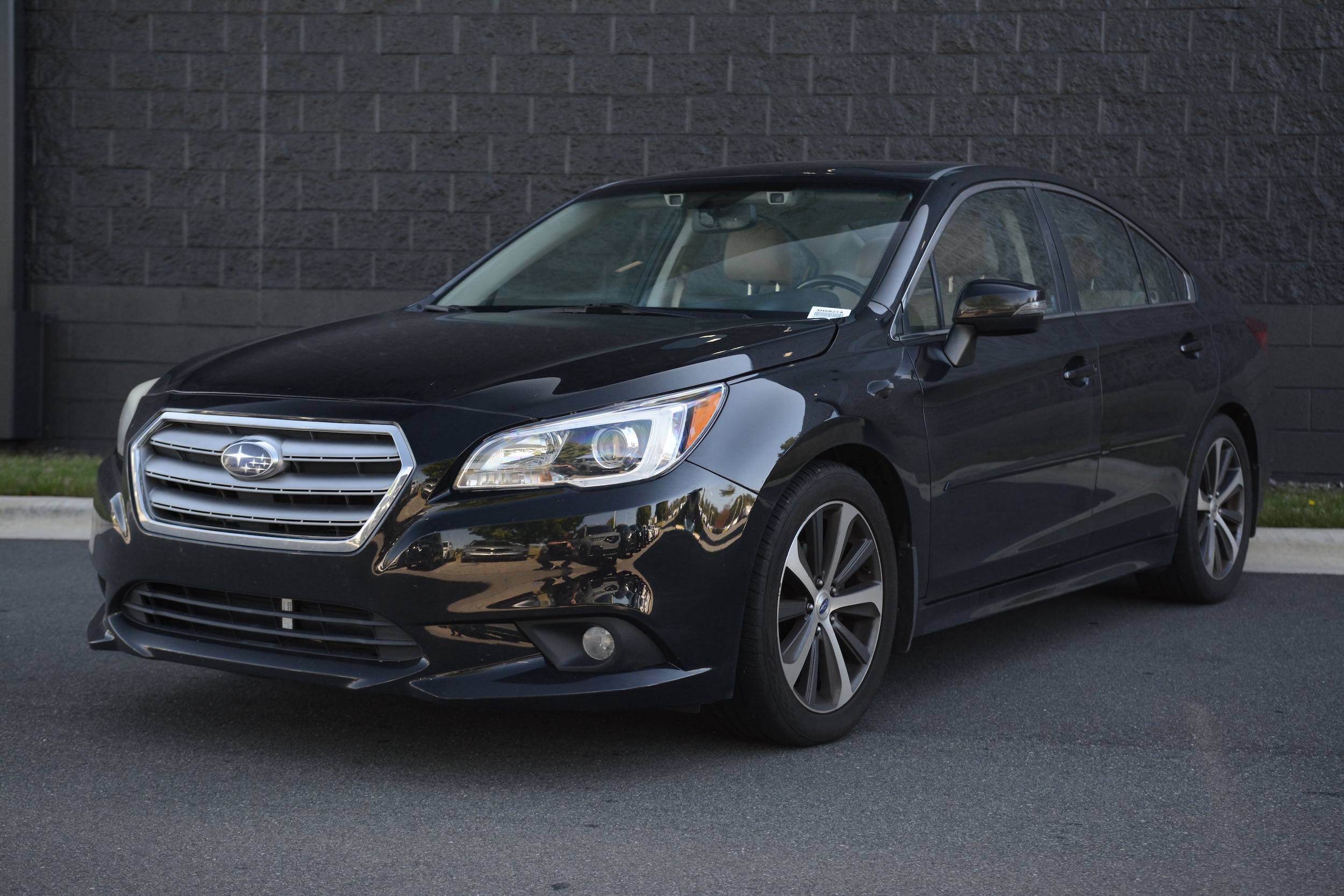
The Legacy lineage offers several generations, each with its own strengths. The most common body style is a four‑door sedan, with occasional wagon variants in older generations. Potential buyers should note the year of manufacture and the generation to estimate features, safety tech, and interior comfort. When comparing models, key factors include:
When you search for a Subaru Legacy, you’ll encounter several configuration choices that affect driving experience and cost. Consider these practical questions:
For buyers, a careful test drive should assess steering response, braking feel, and suspension comfort across city streets and highway speeds. For sellers, providing complete service history, recent tires, brakes, and a clean title can boost buyer confidence and price negotiation.
Prices for Subaru Legacy units vary by generation, mileage, and condition. In many markets, well‑maintained examples with moderate mileage command a competitive price, while newer generations with newer safety tech may fetch a premium. When selling, highlighting the car’s all‑wheel drive capability, reliability reputation, and well‑documented maintenance can help you achieve a favorable price. For buyers, prioritize maintenance records, a clean title, and an honest assessment of tires and brakes to forecast upcoming costs.
If you’re weighing a purchase or preparing for a sale in your city, focusing on the right generation, engine choice, and drivetrain can help you align with your needs and budget. A thoughtful comparison based on real-world use will guide you to a balanced decision about Subaru Legacy ownership.
 Add as preferred sourceSee more from zvelta in Google Search Add as preferred source