 EN


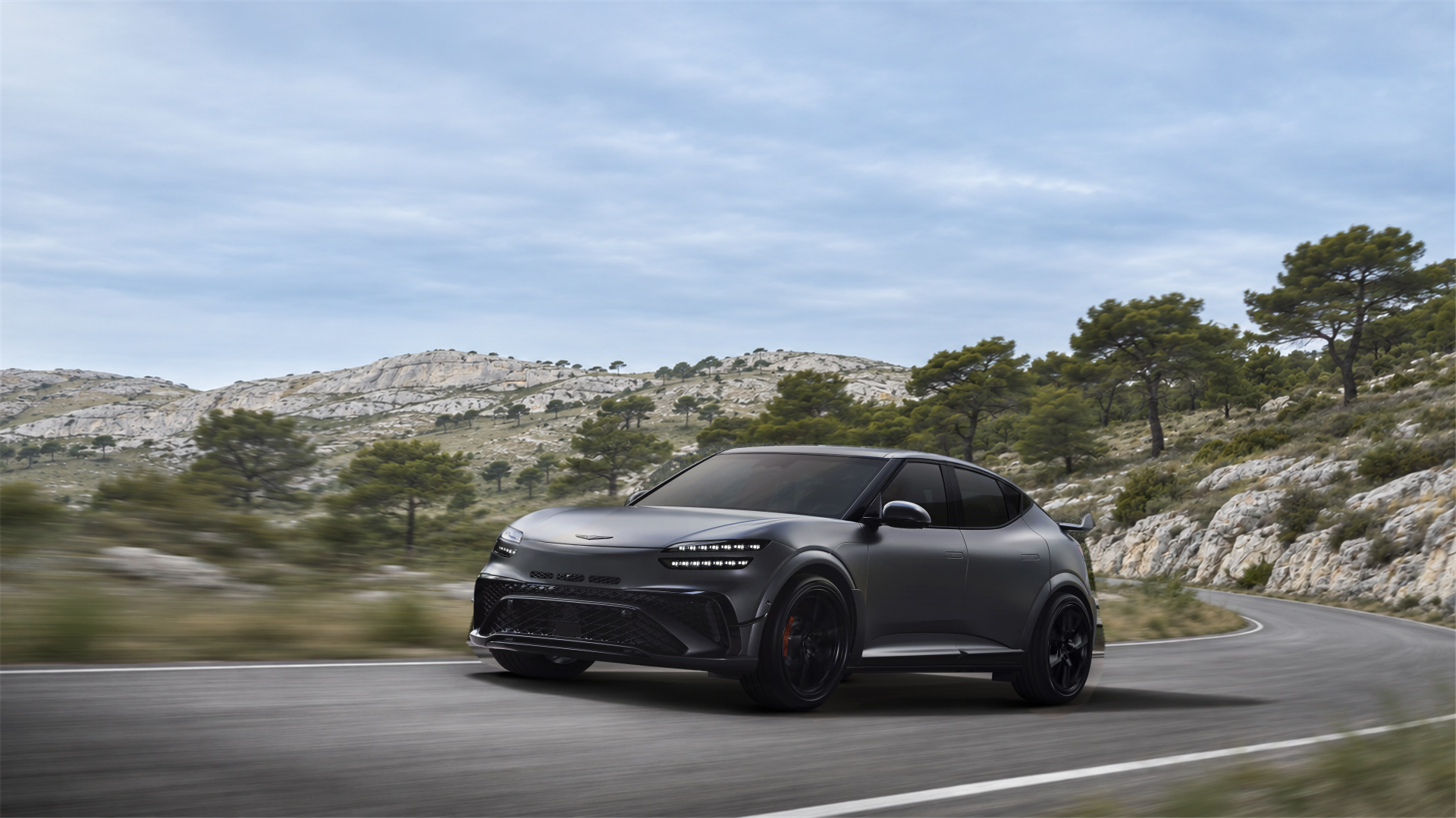
The Genesis GV60 Magma combines electric acceleration with the sound of a high-revving V6 and the sensation of changing gears. Two linked systems provide the effect: Virtual Gear Shift controls powertrain response, while e-ASD+ supplies the soundtrack. The simulation changes both the sound and the car’s behaviour during acceleration and deceleration.
On 8 November 2026, Car and Driver published measurements showing that cabin noise reached 102 dBA as the GV60 Magma accelerated with Virtual Gear Shift enabled. For comparison, the magazine measured 97 dBA inside a Chevrolet Corvette Stingray with the optional exhaust in Track mode. These are cabin readings from a particular test, not exterior measurements or a constant noise level during normal driving.
When the production GV60 Magma appeared
Genesis unveiled the production model on 20 November 2025 at Circuit Paul Ricard in France. In its official announcement, the company described VGS as a system that changes electric motor output, torque and regenerative braking to reproduce the sensation of a combustion-engine car.
The crossover has two electric motors, one at each axle. Combined maximum output is quoted at 448 kW, rising to 478 kW, or 650 metric horsepower, in Boost mode. The extra output is available for approximately 15 seconds. The soundtrack and virtual gears accompany this electric powertrain.
How electronics create the sensation of a gear change
When the driver selects a virtual gear with a paddle shifter, power delivery and the synthesised sound change. A downshift produces perceptible deceleration. The response connects the action of the driver’s hand with the car’s movement: the change can be felt as well as heard.
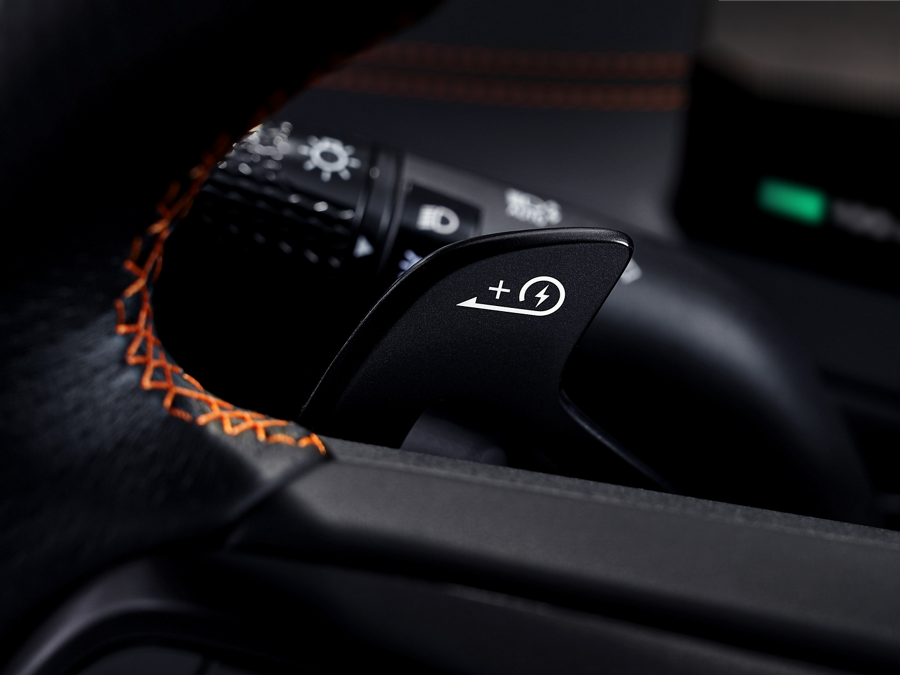
On 7 April 2026 Genesis published a detailed explanation of VGS and e-ASD+. It says the system reproduces the character of a V6 paired with an eight-speed dual-clutch gearbox. Shift response, feel and sound depend on the driving mode: they are softer in Comfort and sharper in Sprint. Manual operation even includes a simulated fuel-cut limiter.
What 9,000 rpm means in an electric car
This is part of the virtual-engine effect: the VGS sound is designed to imitate an engine with a 9,000 rpm limit. The figure should not be read as the speed of a real V6 under the bonnet. The instrument panel shows virtual engine speed and a shift prompt. In its interface description of 8 April 2026 Genesis also lists a G-force indicator and a timer for the remaining Boost.
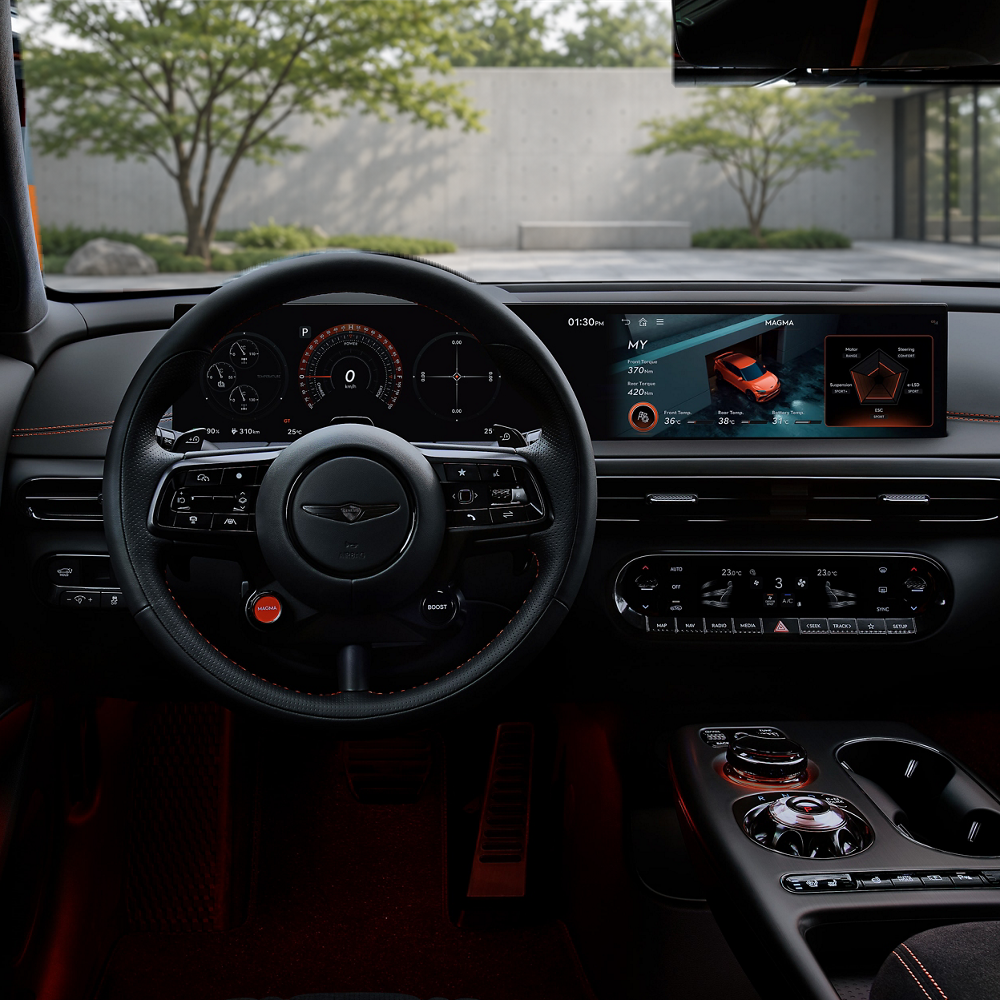
Where the sound comes from and whether it can stay inside
The e-Active Sound Design Plus system, abbreviated to e-ASD+, complements VGS. The GV60 Magma has two additional exterior speakers, one at the front and one at the rear. Genesis describes two sound profiles: a futuristic electronic sound and a high-revving engine sound created for VGS.
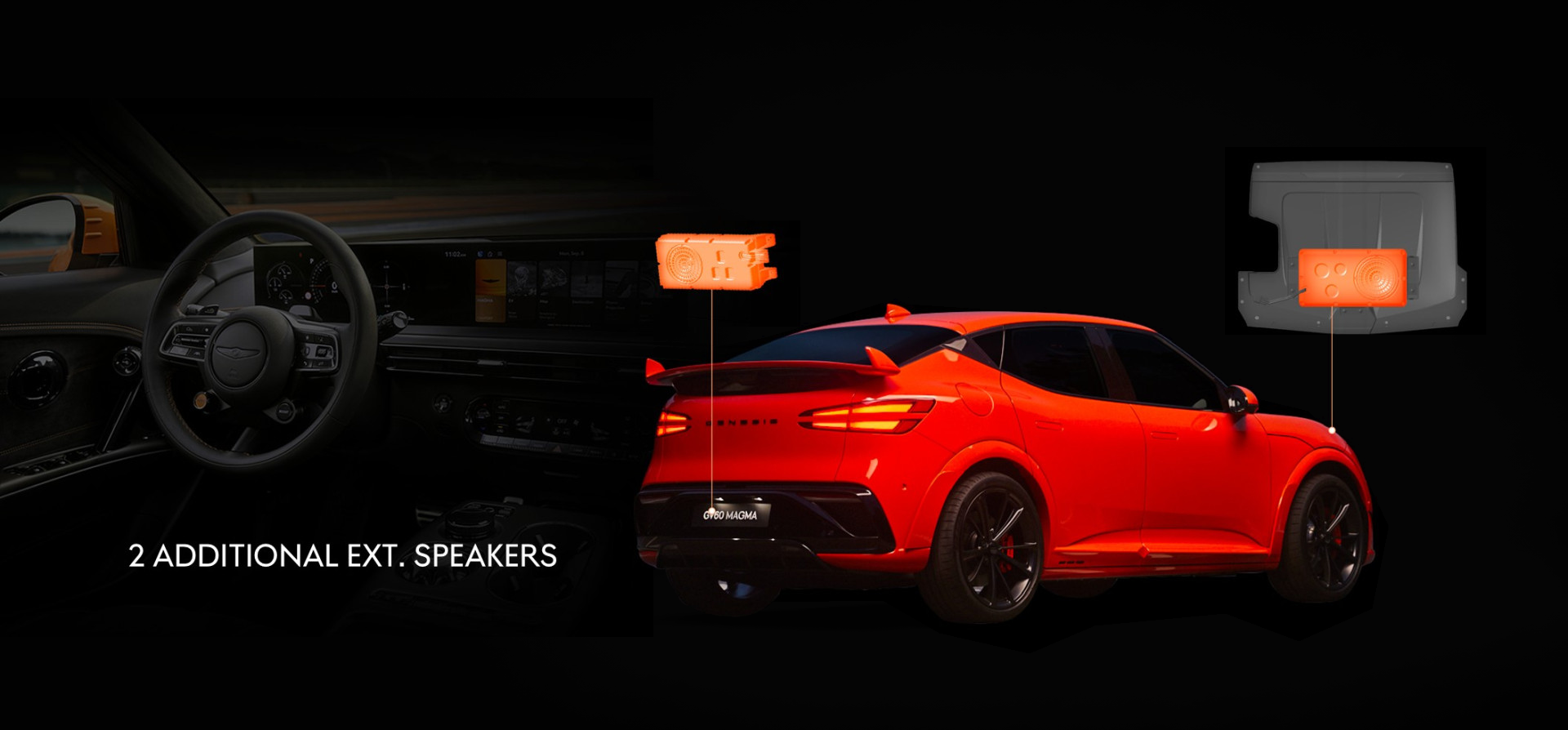
The sound can also be kept inside the car. Genesis explicitly describes this option in its test-drive article of 21 April 2026. The driver can hear the feedback without broadcasting the selected engine voice outside.
The feature adds an audible rhythm and perceptible transitions between virtual gears to acceleration. Whether that interaction appeals depends on the driver. Being able to assess the sound inside and outside separately is more useful than one maximum volume figure.
Feature | What it does | What the driver gets |
|---|---|---|
Virtual Gear Shift | Coordinates power delivery, regeneration and virtual gears | Shift sensations and manual paddle control |
e-ASD+ | Creates an artificial soundtrack | A choice of sound profiles |
Boost | Temporarily increases power and torque | Extra powertrain output for approximately 15 seconds |
Do virtual gears slow acceleration?
In a Car and Driver test published on 3 November 2026, the GV60 Magma produced the same results with and without VGS: 3.0 seconds to 60 mph, approximately 97 km/h, and 11.0 seconds over the quarter mile. This comparison used two runs in one direction. The publication separately explains that its final 11.1-second result was averaged from runs in opposite directions.
In these measurements, switching on VGS did not worsen acceleration time. The testers attribute the result to continued access to Boost and Launch Control. This is an interpretation of the test, not a manufacturer guarantee.
What to check on a test drive
Compare the car’s response with and without VGS during moderate acceleration.
Try upshifts and downshifts: are the changes in power delivery and deceleration easy to understand?
Assess the volume from the driver’s and passenger’s seats, then try the cabin-only sound setting.
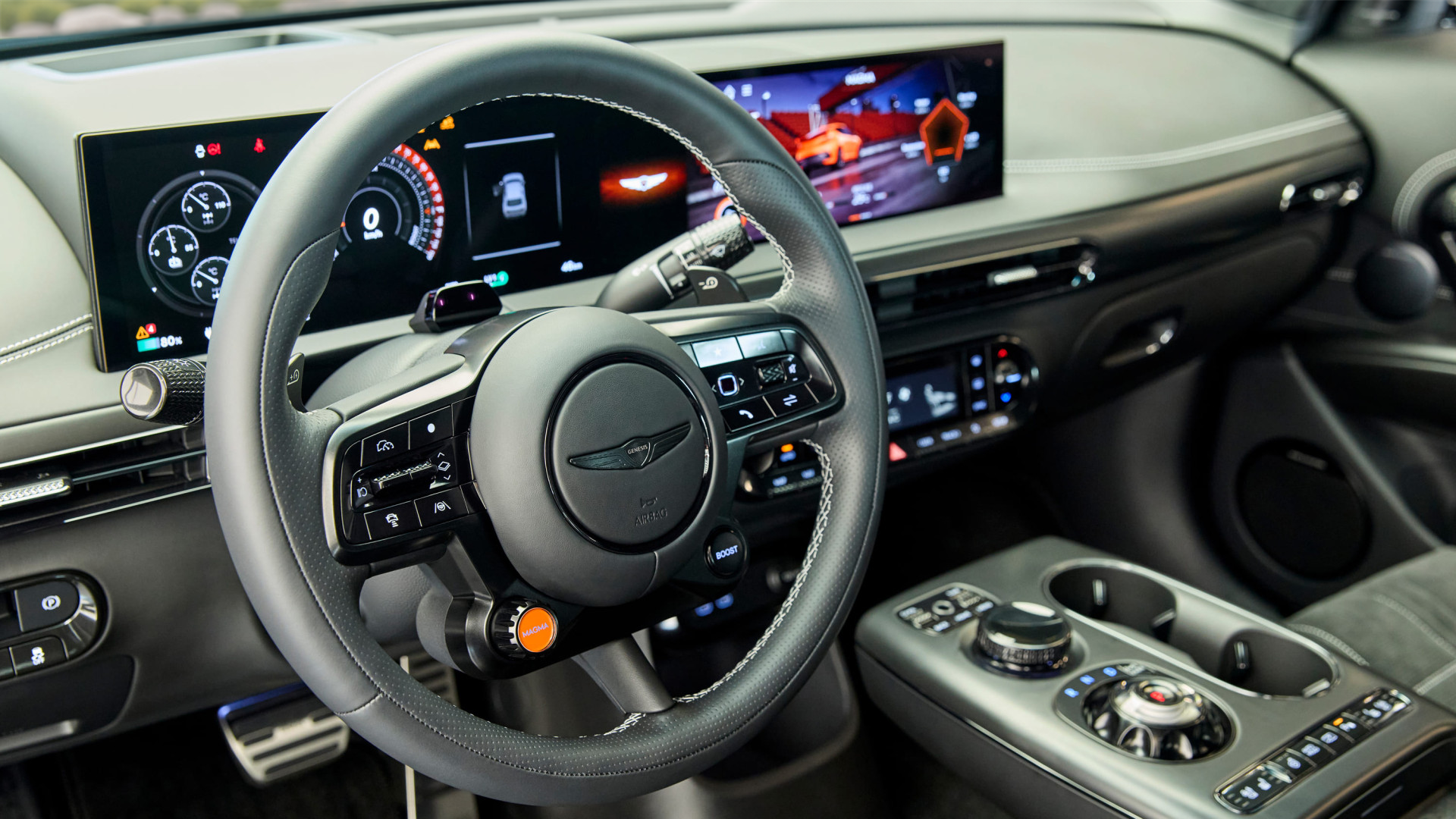
Check whether the virtual engine speed and shift prompt are easy to read without taking your eyes off the road for too long.
A sound recording or acceleration video cannot convey the change in power delivery or the passengers’ experience. It is more useful to find out whether virtual shifting helps you feel the car and whether you enjoy it at an everyday driving pace.