EN
ENDEALER
19.125 US$DEALER
20.125 US$
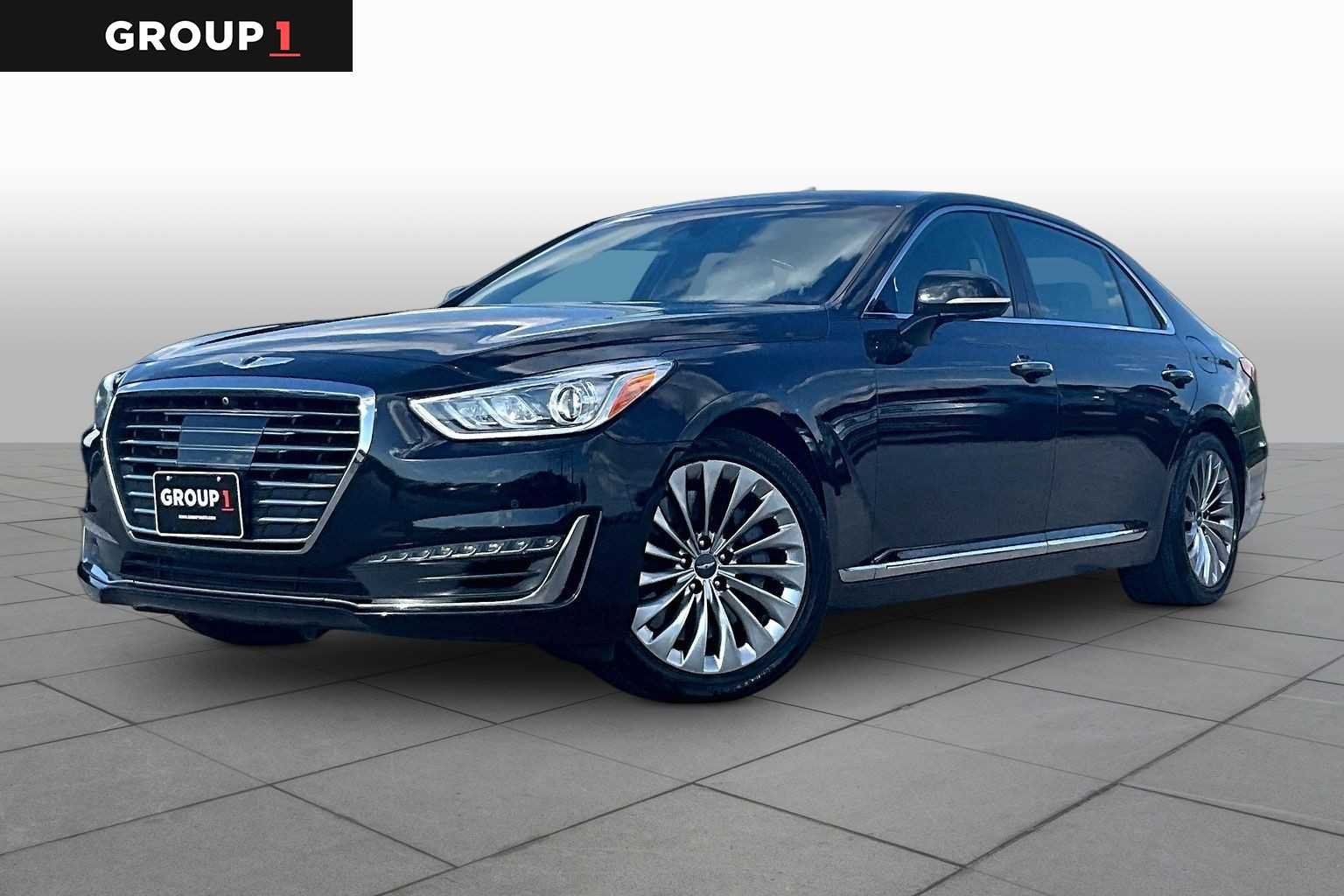
gasoline, automatic, 197K km, sedan, Rear Wheels Drive, 3,300 cm3, 365 hp, two colors, 3.3T Premium, Used condition, USA, In stock

Group1Auto.com
 Main Settlement, United States
 Main Settlement, United States
 Durham, United StatesTallahassee, United States
 United States
 United States
 United States
 United States
 Albuquerque, United States
 South Korea, SeoulSouth Korea, SeoulSouth Korea, SeoulSouth Korea, SeoulSouth Korea, SeoulByeongmokgol, South KoreaSouth Korea, SeoulSouth Korea, SeoulSouth Korea, SeoulByeongmokgol, South KoreaDaegu, South KoreaSouth Korea, SeoulSouth Korea, SeoulSouth Korea, SeoulSouth Korea, SeoulSouth Korea, SeoulDaegu, South Korea
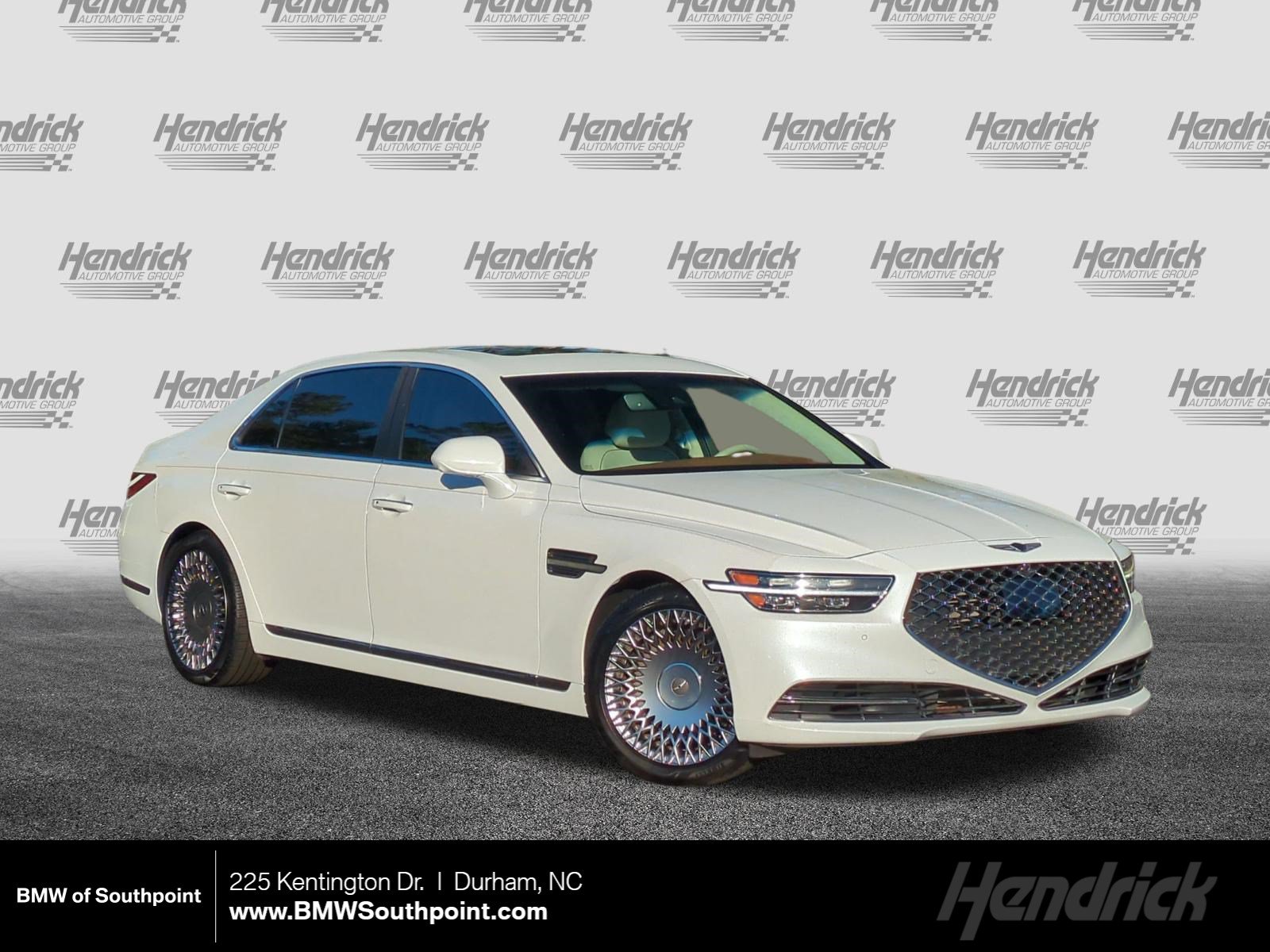
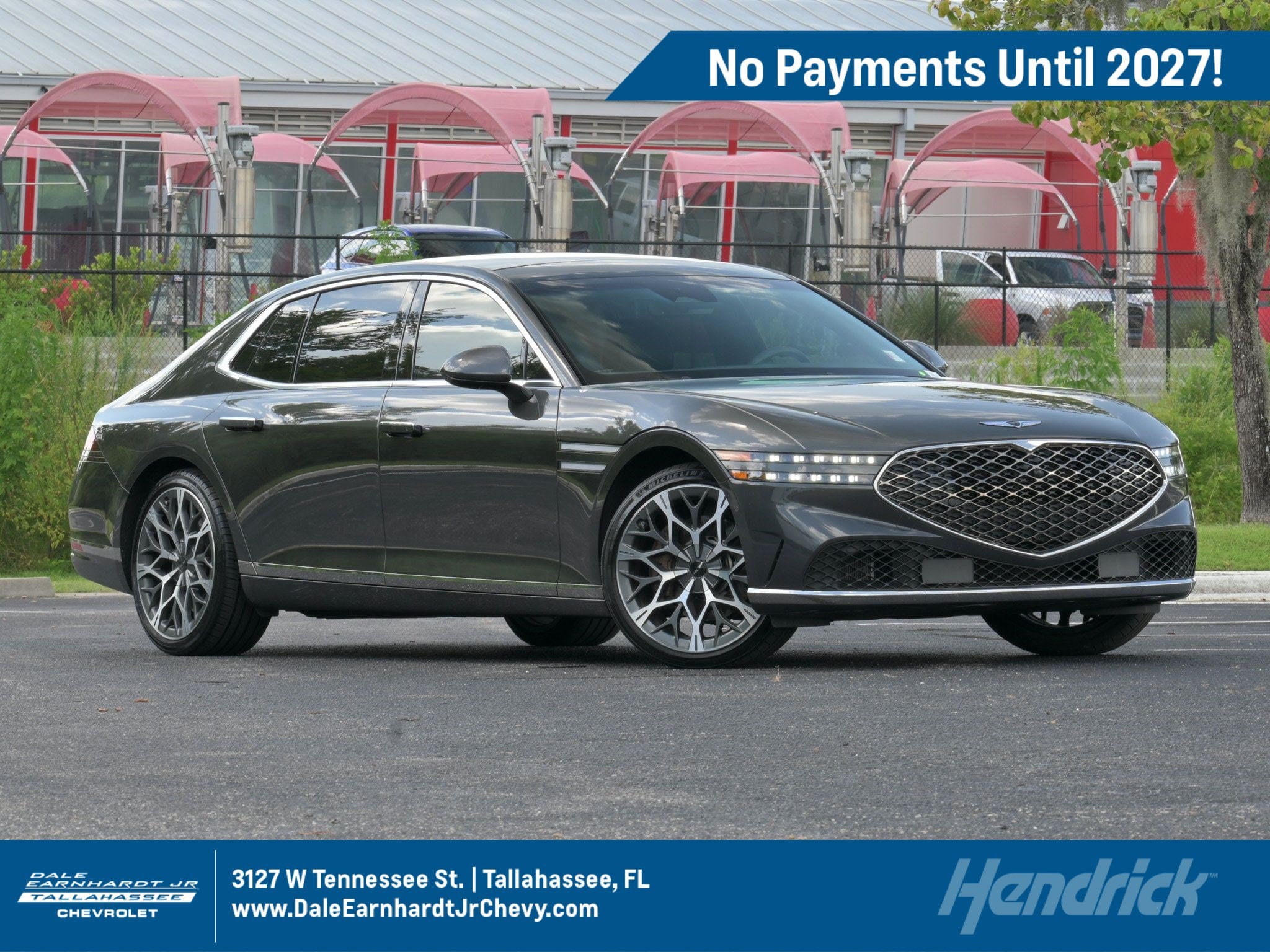
The Genesis G90 stands as the flagship sedan of the brand, offering a blend of luxury, technology, and refined performance. If you’re considering buying or selling a Genesis G90, understanding the key variations—generation, year, mileage, engine options, and body style—can help you navigate the market with confidence. Below, we explore what buyers look for, how to compare different G90 configurations, and practical tips for getting the best price whether you’re in metropolitan areas or regional towns.
When assessing a Genesis G90, several elements influence value and ownership experience:
Understanding the variations helps buyers align expectations with budget and needs:
Buying or selling a Genesis G90 involves balancing luxury expectations with practical ownership considerations. By focusing on generation-specific features, engine choices, mileage, and market prices in your country and city, you’ll be better positioned to secure a favorable deal whether you’re shopping for a first-time luxury sedan or upgrading to a higher-spec G90.
 Add as preferred sourceSee more from zvelta in Google Search Add as preferred source