 EN


Frequently asked questions
The BMW iX4 50 xDrive costs £5 905 more than the 40 xDrive in the same M Sport trim.
The 40 xDrive has a WLTP range of 526–638 km, while the 50 xDrive is rated at 680–828 km.
Both versions can charge from 10 to 80% in a minimum of 21 minutes under the conditions specified by BMW.
BMW began series production of the electric iX4 in early November 2026. According to BMW Group data, both launch versions are being built in Debrecen, Hungary, where the plant has operated three shifts since September. The iX4 is the second Neue Klasse model produced at the site, following the iX3. The market launch is scheduled for March 2027.
In the UK, the 50 xDrive costs £5 905 more than the 40 xDrive in the same M Sport trim. In return, buyers get a battery with 26,1 kWh more capacity and up to 190 km more WLTP range. However, the minimum time needed to charge from 10 to 80% is identical for both versions.
How the BMW iX4 40 and 50 xDrive differ
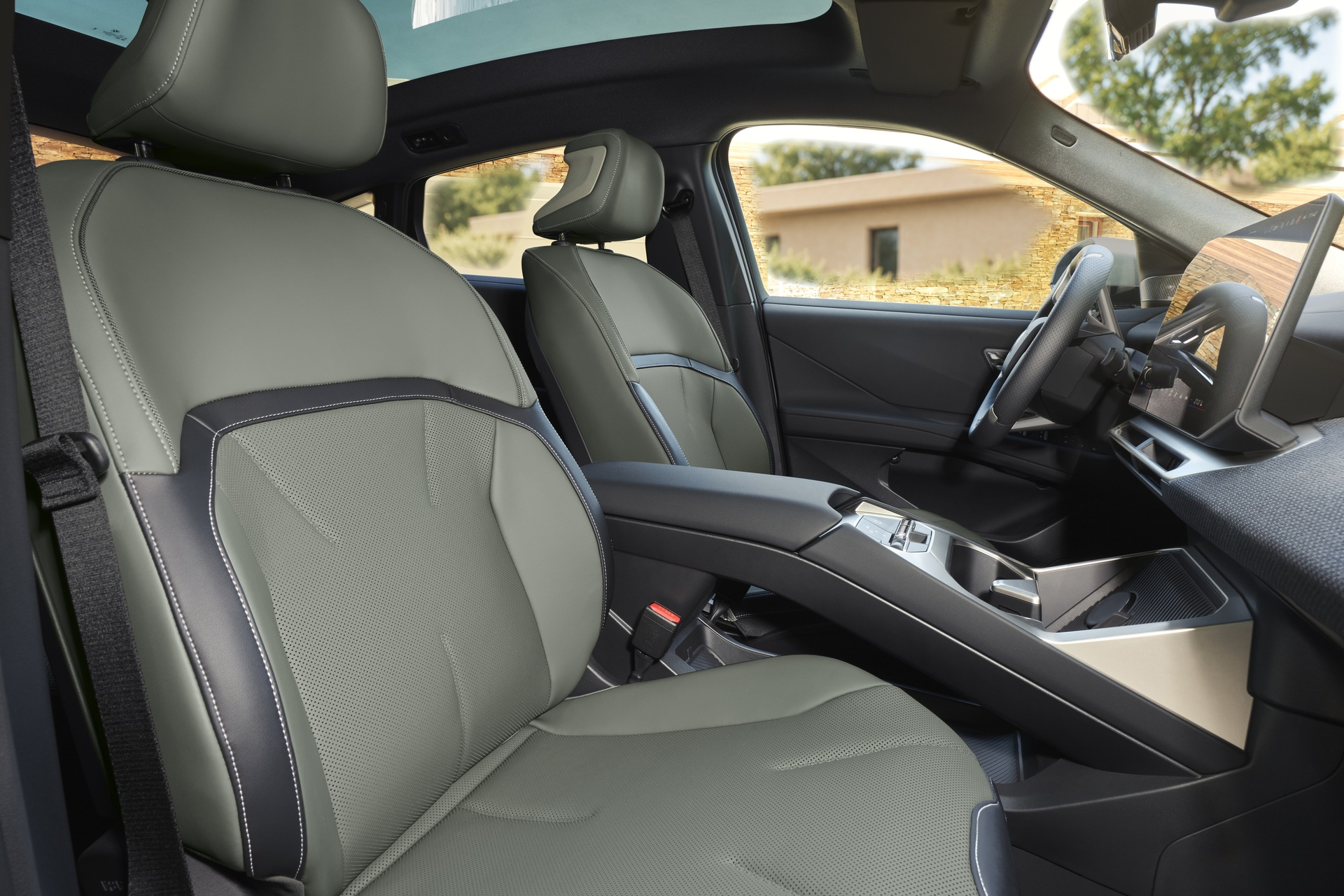
Both versions have all-wheel drive and an 800-volt architecture. According to BMW's UK announcement, standard M Sport equipment includes 20-inch wheels, a panoramic roof, electrically adjustable and heated front seats, and a reversing camera. The main changes when moving to the 50 xDrive concern the battery and powertrain. Output rises by 70 kW, while the 0–100 km/h time falls by 0,7 seconds.
BMW iX4 launch versions for the UK
Specification | 40 xDrive | 50 xDrive |
|---|---|---|
Usable battery capacity | 82,6 kWh | 108,7 kWh |
WLTP range | 526–638 km | 680–828 km |
Power | 275 kW (374 hp) | 345 kW (469 hp) |
Torque | 520 Nm | 645 Nm |
0–100 km/h | 5,6 s | 4,9 s |
Peak DC fast-charging power | 300 kW | 400 kW |
Minimum 10–80% charging time | 21 minutes | 21 minutes |
0–100% charging at 11 kW (AC) | 8 h 15 min | 11 h |
UK starting price (OTR) | £60 170 | £66 075 |
BMW describes these technical figures as provisional. WLTP range is quoted for a fully charged battery. The variation within each version is already significant in the specification. For the 50 xDrive, the gap between the lower and upper figures is 148 km. If you are ordering a car, check the figure for the exact configuration, including its wheels and tyres. For winter motorway trips, allow a reserve for cold temperatures, speed and cabin heating.
What changes when charging at home and on the road
At a fast-charging station
The same 21-minute 10–80% charging time adds different amounts of energy. Taking 70% of the usable capacity shown in the table, the 40 xDrive gains about 58 kWh, while the 50 xDrive gains approximately 76 kWh. This is a calculation based on battery capacity. The station's meter may show a higher figure because of charging losses.
The 300 and 400 kW peak figures describe the maximum power the car can accept at a suitable station. Charging power changes throughout the session. BMW quotes the minimum time after the vehicle has been driven, at an air temperature of +23 °C. A weaker charger or a cold battery can make the stop longer. On routes with few charging stations, the larger battery is useful before the first stop because it gives you more charging locations to choose from.
With AC charging
In the UK specifications, both versions have a standard AC charging rate of 11 kW. Starting with a depleted battery and charging to 100%, the 50 xDrive takes 2 hours 45 minutes longer. For regular overnight charging, focus on the amount of energy you need to replace after a typical day's driving.
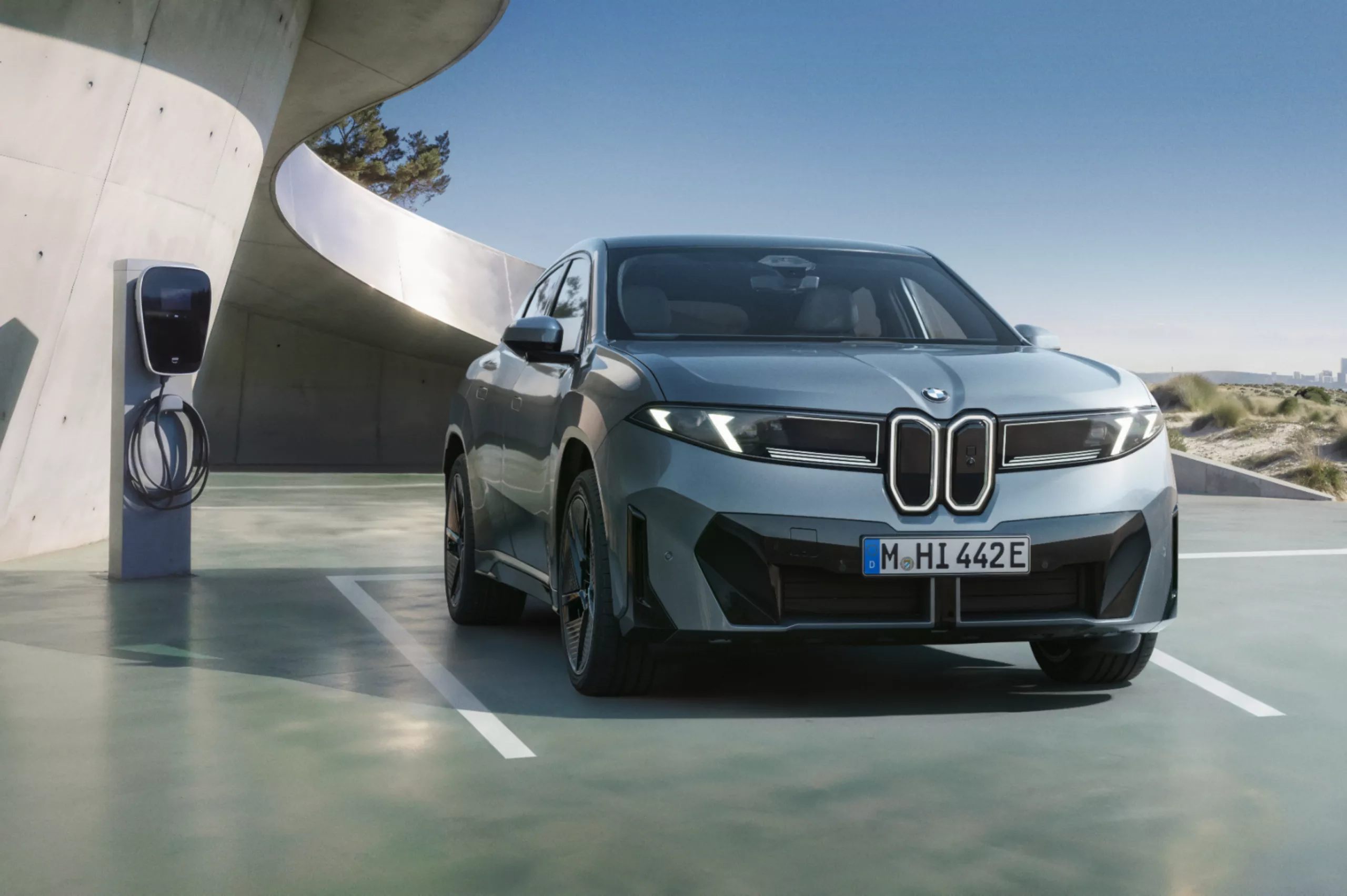
BMW offers an option for AC charging at up to 22 kW on both the 40 and 50 xDrive. At this rate, the manufacturer quotes 0–100% charging in 4 hours 15 minutes for the 40 xDrive and 5 hours 30 minutes for the 50 xDrive. The faster charging will be available only if the charging station also supports this power level.
How much luggage fits in the sloping-roof iX4
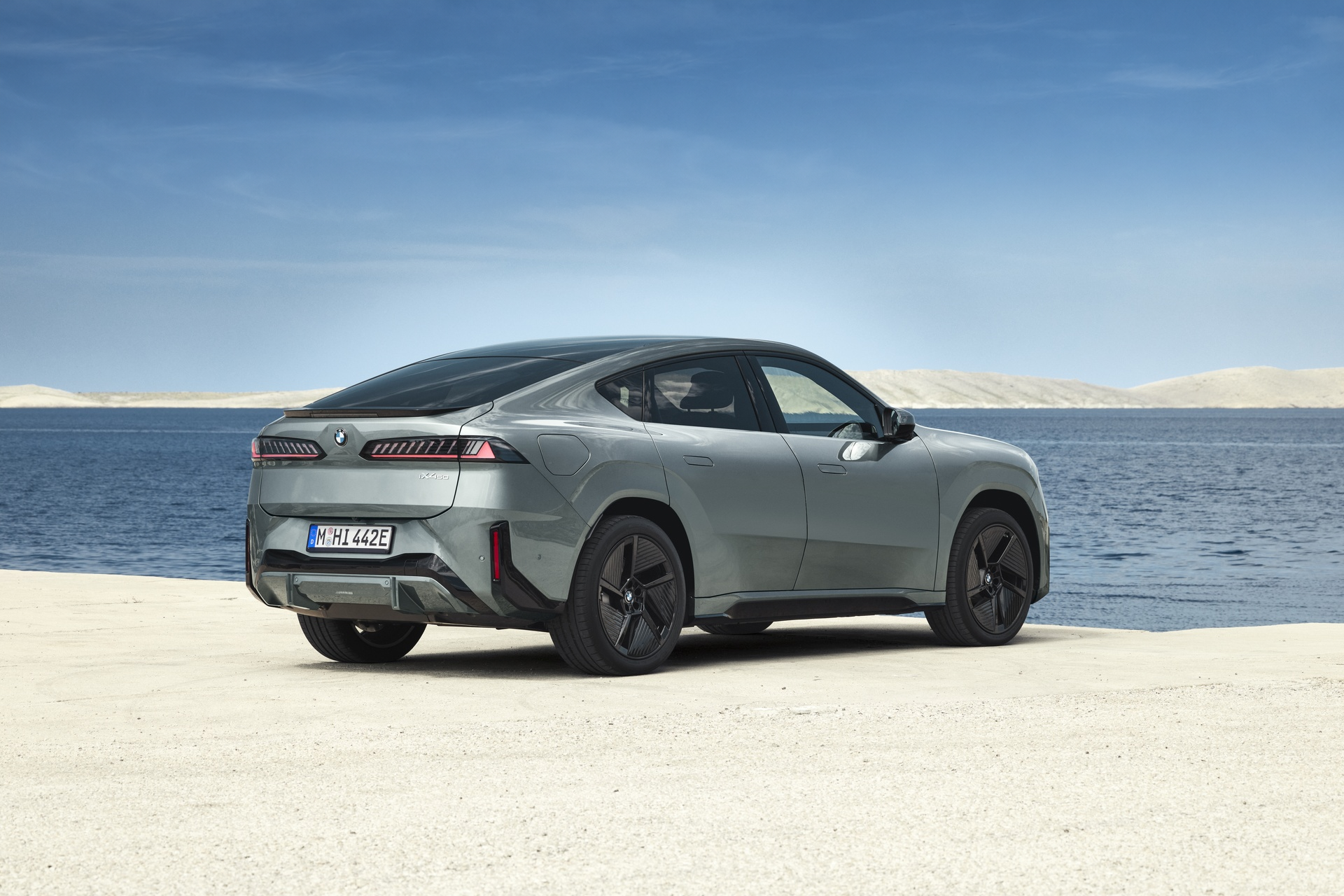
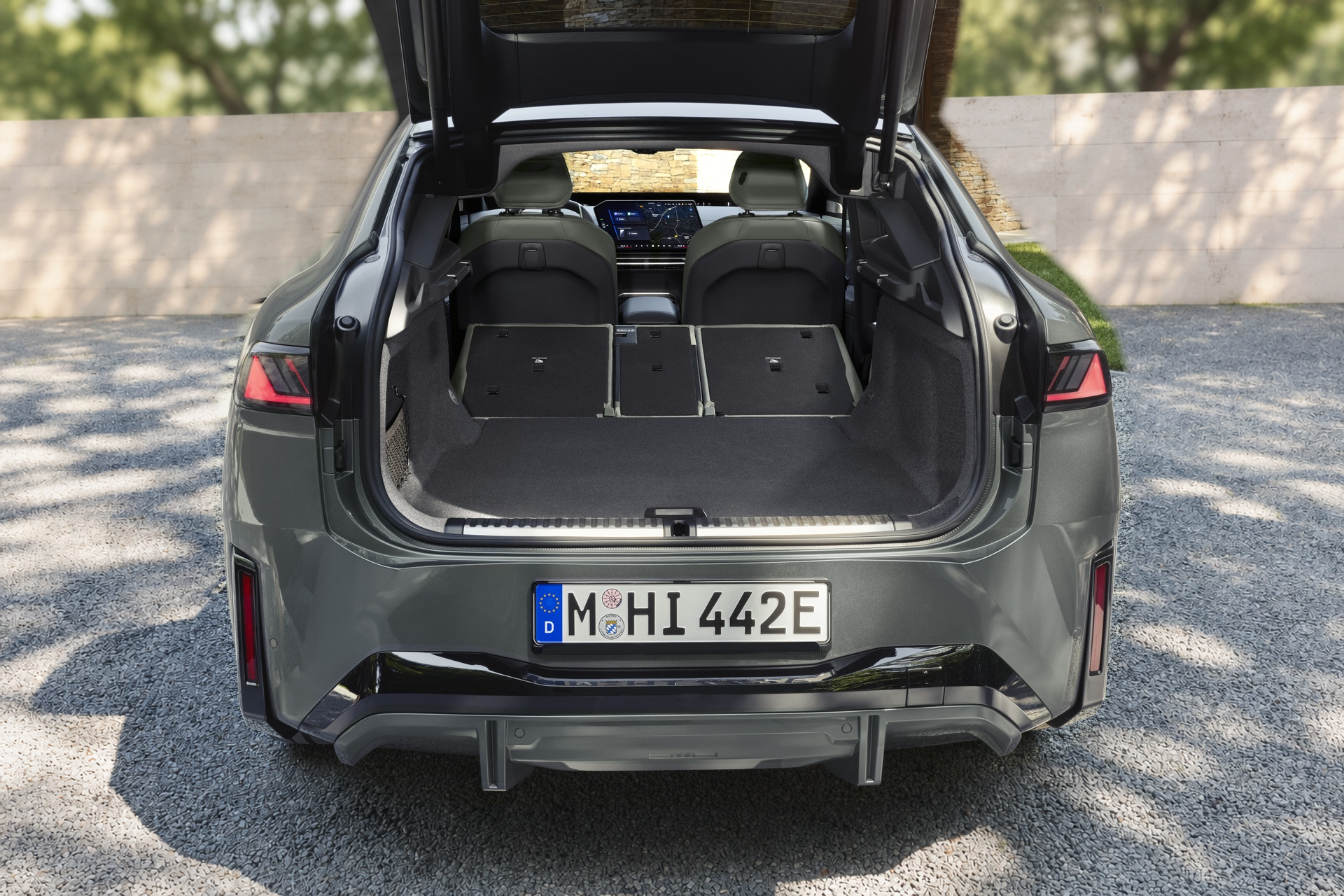
The iX4's roofline is approximately 40 mm lower than that of the related iX3. BMW quotes 490 litres of rear boot space in the iX4 with the second row upright, compared with 520 litres in the iX3. Rear boot capacity is the same in the 40 and 50 xDrive. With the rear seatbacks folded, it rises to 1 600 litres, while a separate 58-litre compartment under the bonnet can hold charging cables or smaller items.
The rear seatbacks fold in a 40:20:40 split. The centre section can be lowered to carry long items while leaving the outer seats available for passengers. BMW also offers a tow bar. With it fitted, the quoted maximum braked trailer weight is 2 000 kg for both versions.
UK and US sales launch dates
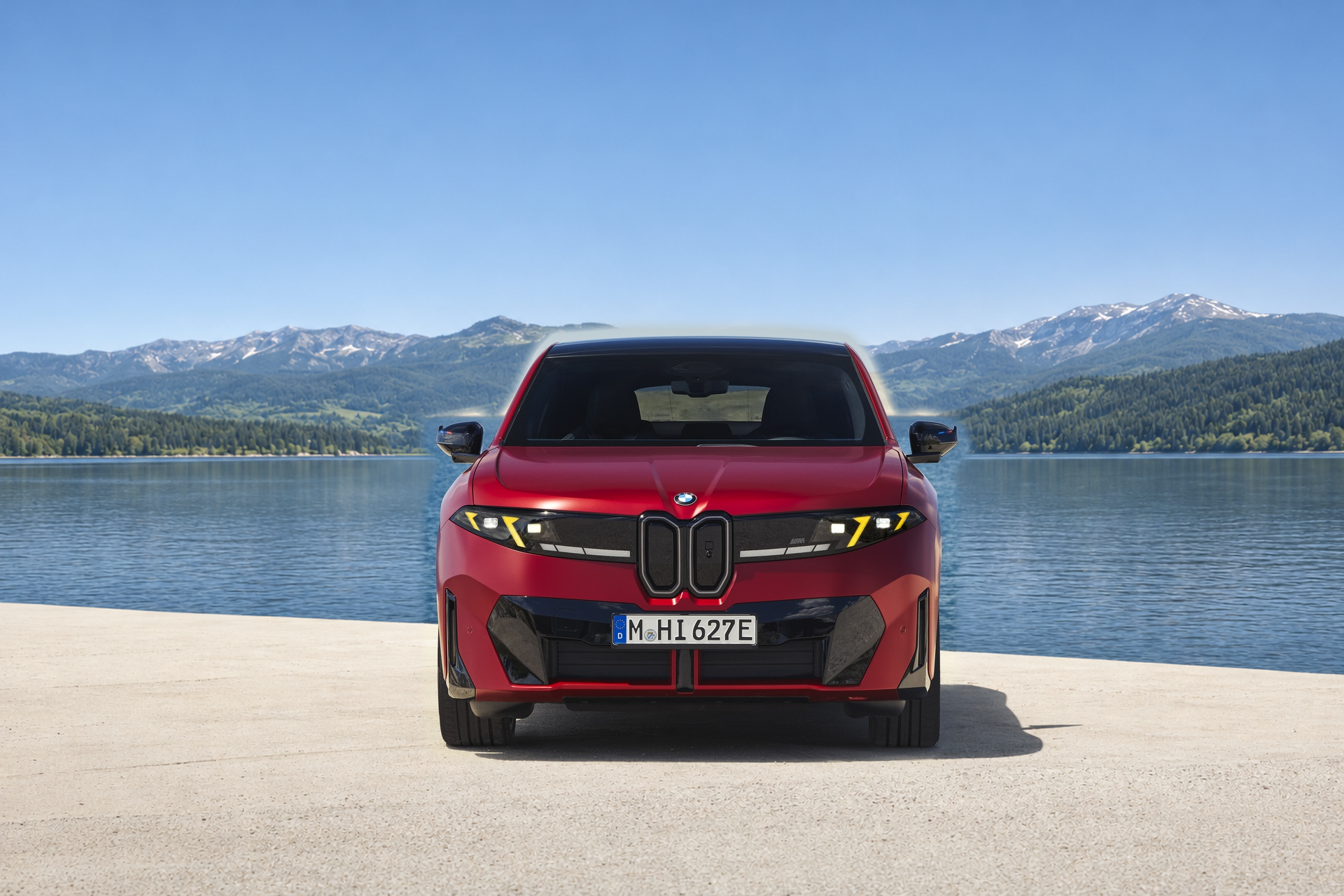
UK dealers are already taking orders for the 40 and 50 xDrive, with the first deliveries scheduled for 6 March 2027. The M60 xDrive is expected to join the range in spring. It will use the same usable battery capacity as the UK-specification 50 xDrive, together with a more powerful 450 kW powertrain. BMW quotes a 0–100 km/h time of 3,9 seconds and a WLTP range of up to 777 km for the M60. UK pricing will be announced closer to launch.
In the US, according to the BMW of North America announcement, the 50 xDrive will arrive first in March. BMW's press release lists a base price of $66 200, excluding the destination and handling fee. The M60 xDrive will follow later in 2027. The 40 xDrive is not mentioned in the US announcement.
When comparing offers from different countries, pay attention to the vehicle's market specification. For the US-specification 50 xDrive, BMW quotes 112,2 kWh of usable capacity, AC charging at up to 15,4 kW and a preliminary range estimate of up to 428 miles. These figures are specific to the US model and are the manufacturer's estimate. A direct range comparison between two cars requires results measured using the same test method.
When does upgrading to the 50 xDrive make sense?
For daily driving with regular access to charging, the 40 xDrive offers the same all-wheel drive, standard M Sport equipment and boot capacity. The 50 xDrive premium makes more sense if you often travel long distances and want to increase the distance between charging stops. If range is your main priority, compare the figures for your chosen wheels and the charging-station power available on your usual routes. That will give you a clearer idea of what the larger battery can add in real use.