EN
ENDEALER

48.937 US$DEALER
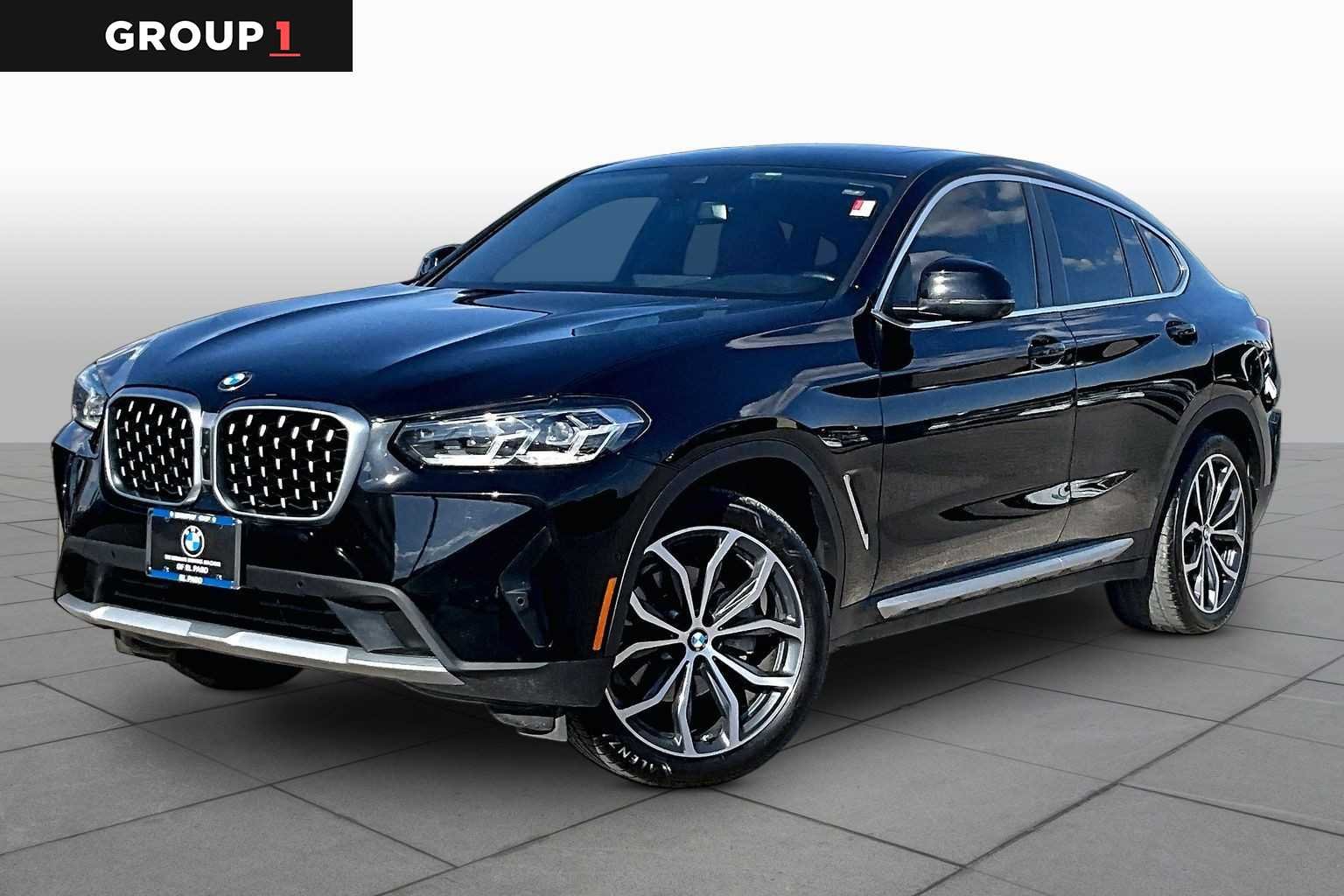
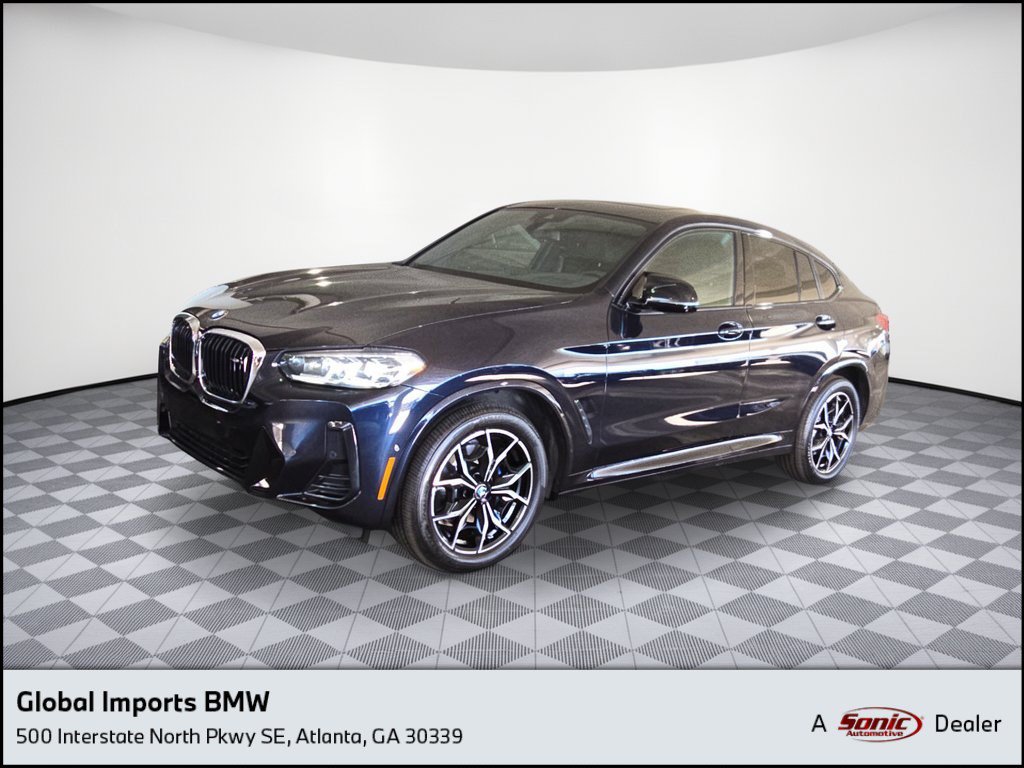
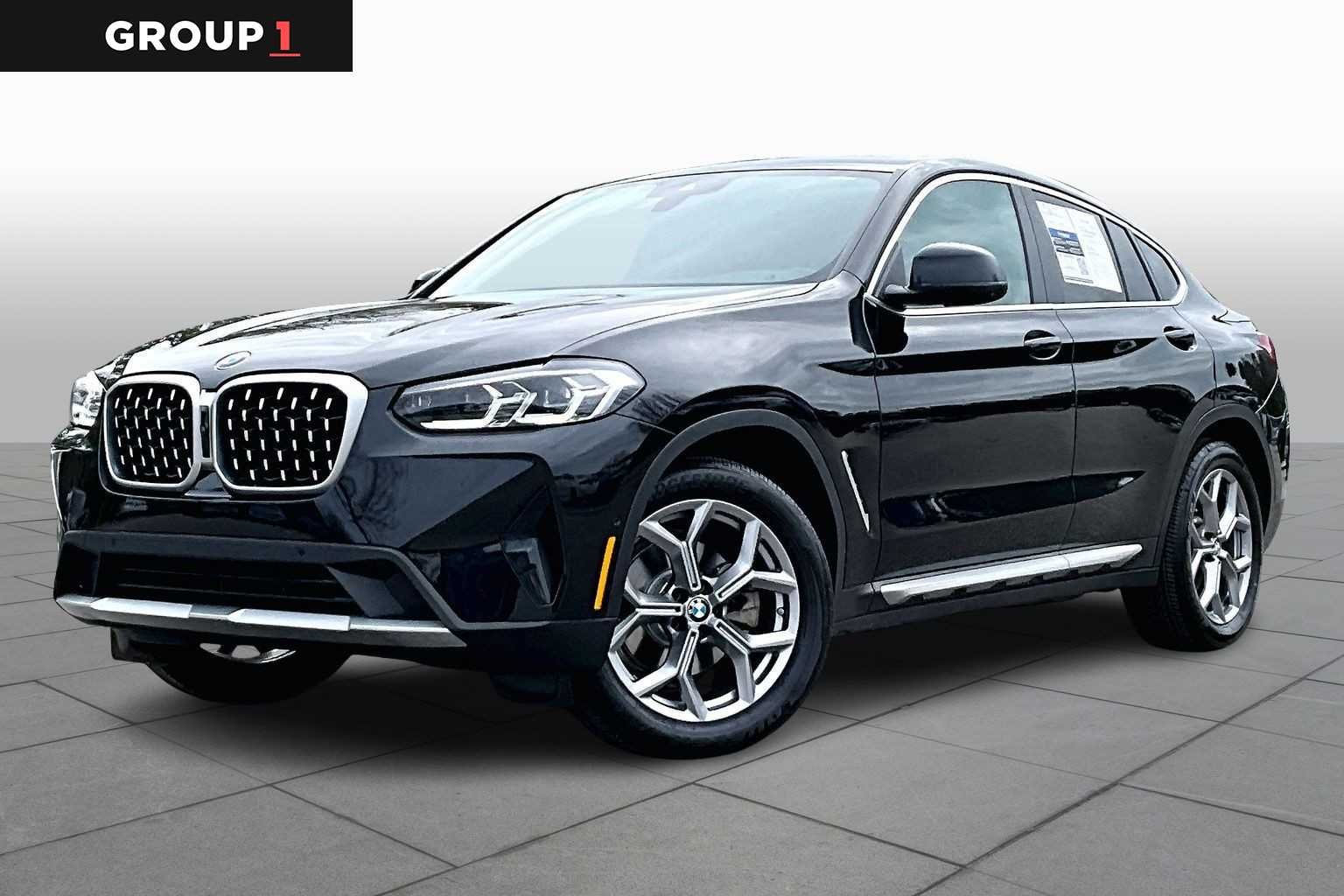
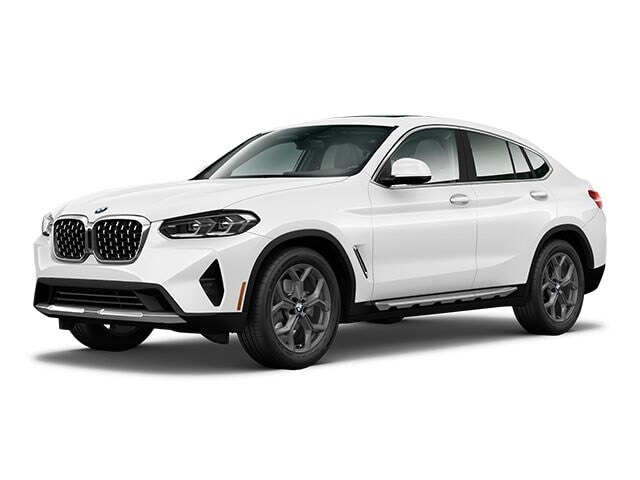
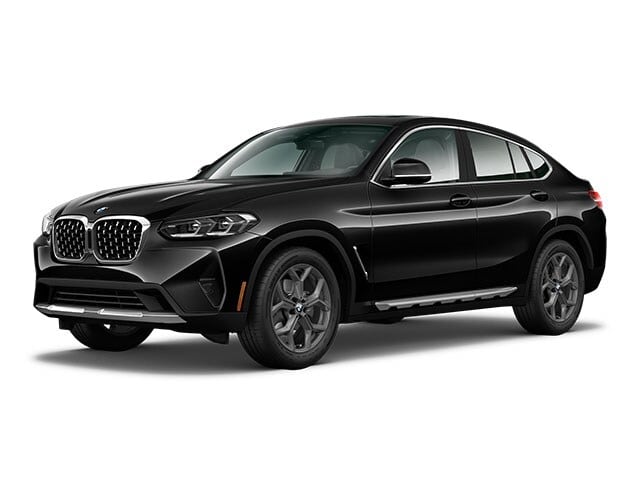
gasoline, automatic, 48K km, SUV, All Wheels Drive, 2,000 cm3, 248 hp, black, xDrive30i, Used condition, USA, In stock

HendrickCars.com
 Buford, United States
 Buford, United States
 Brentwood, United StatesBrentwood, United States
 Southwest, United StatesLot, United StatesAustin, United StatesMain Settlement, United StatesMain Settlement, United StatesMidtown, United StatesMidtown, United States
 Monrovia, United StatesRockville, United StatesAtlanta, United StatesAtlanta, United States
 Columbia, United StatesColumbia, United StatesColumbia, United StatesCharlotte, United StatesCharlotte, United StatesCharlotte, United StatesCharlotte, United StatesCharlotte, United States
 Buckhead, United StatesRivertown, United StatesHouston, United States
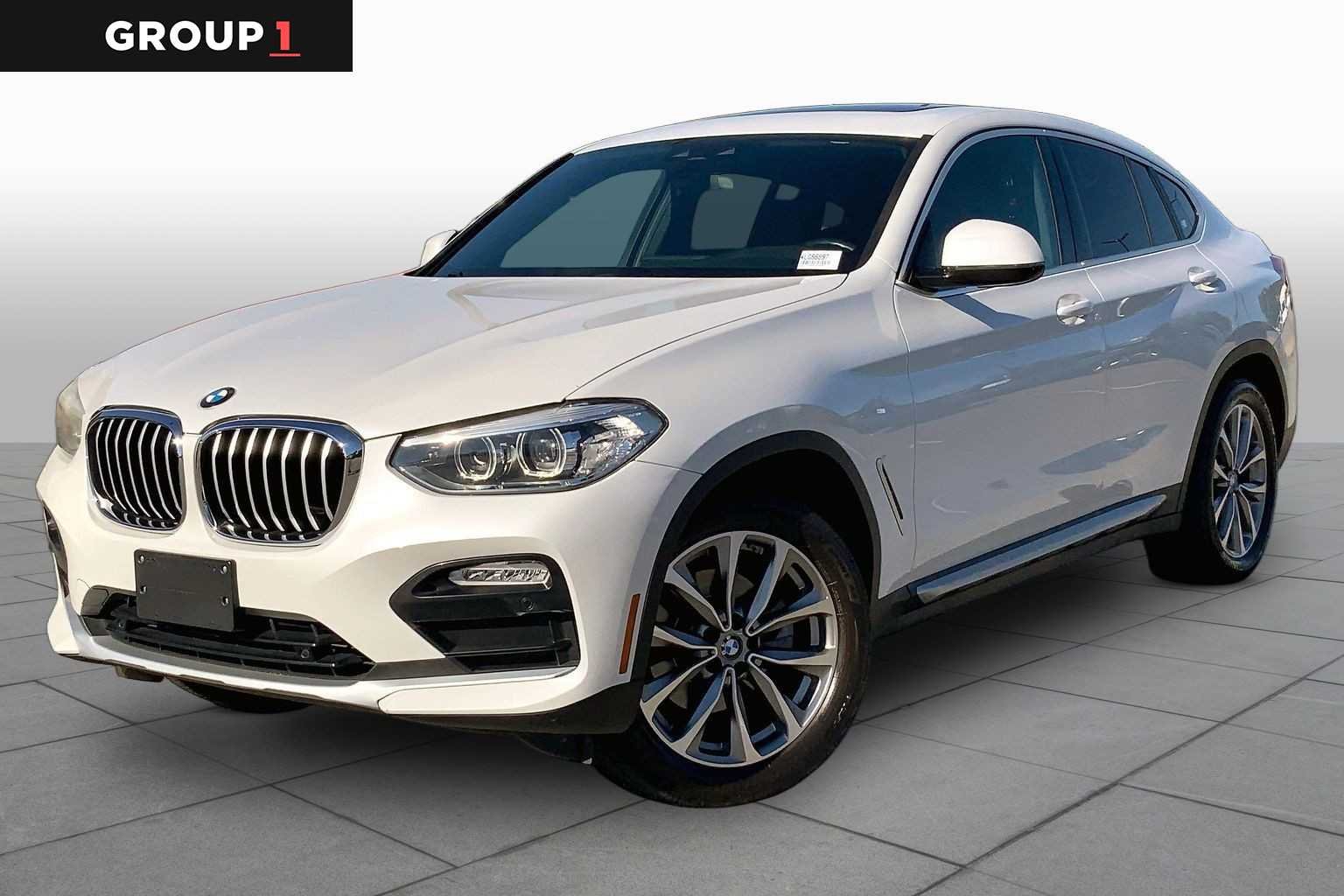
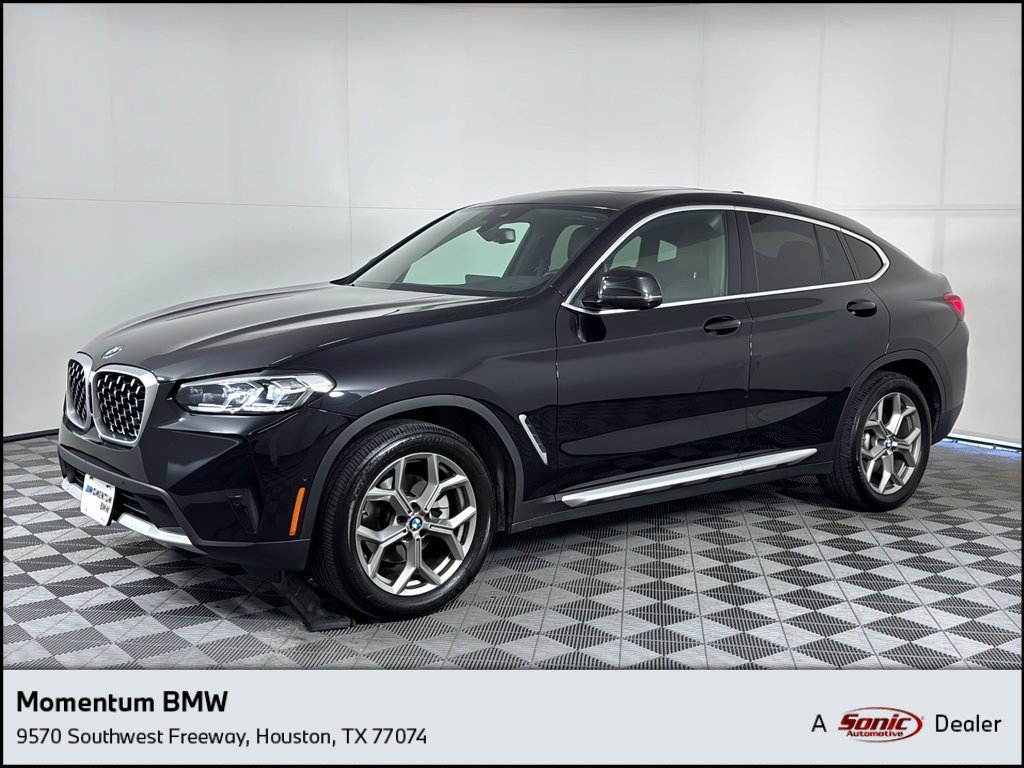
The BMW X4 stands out in the compact SUV segment with its coupe-like design and balanced performance. If you’re considering purchasing a BMW X4, you’ll want to understand the key choices you’ll face: model generation, engine options, body style, and how these affect price and reliability in different markets. This guide covers the most common questions buyers have when evaluating a used or new X4, including what to expect in terms of mileage, price ranges, and feature sets in various cities and countries.
The X4 has evolved through multiple generations, each with its distinctive design language and tech. Typical configurations include the xDrive all-wheel drive variants and the M Sport packages that enhance suspension, steering, and aesthetics. When shopping, buyers consider factors such as:
For prospective buyers, prices depend on country, city, year, and mileage. In many markets, you’ll see:
If reliability and daily usability matter most, consider:
For sportier driving and stronger performance, look at:
The BMW X4 remains a compelling choice for buyers who want a premium look with practical cargo space and modern tech. Whether you’re in a major city or a smaller market, the right X4 generation and configuration can balance daily usability with exciting performance.
 Add as preferred sourceSee more from zvelta in Google Search Add as preferred source