 EN
ENDEALER
26.937 US$DEALER
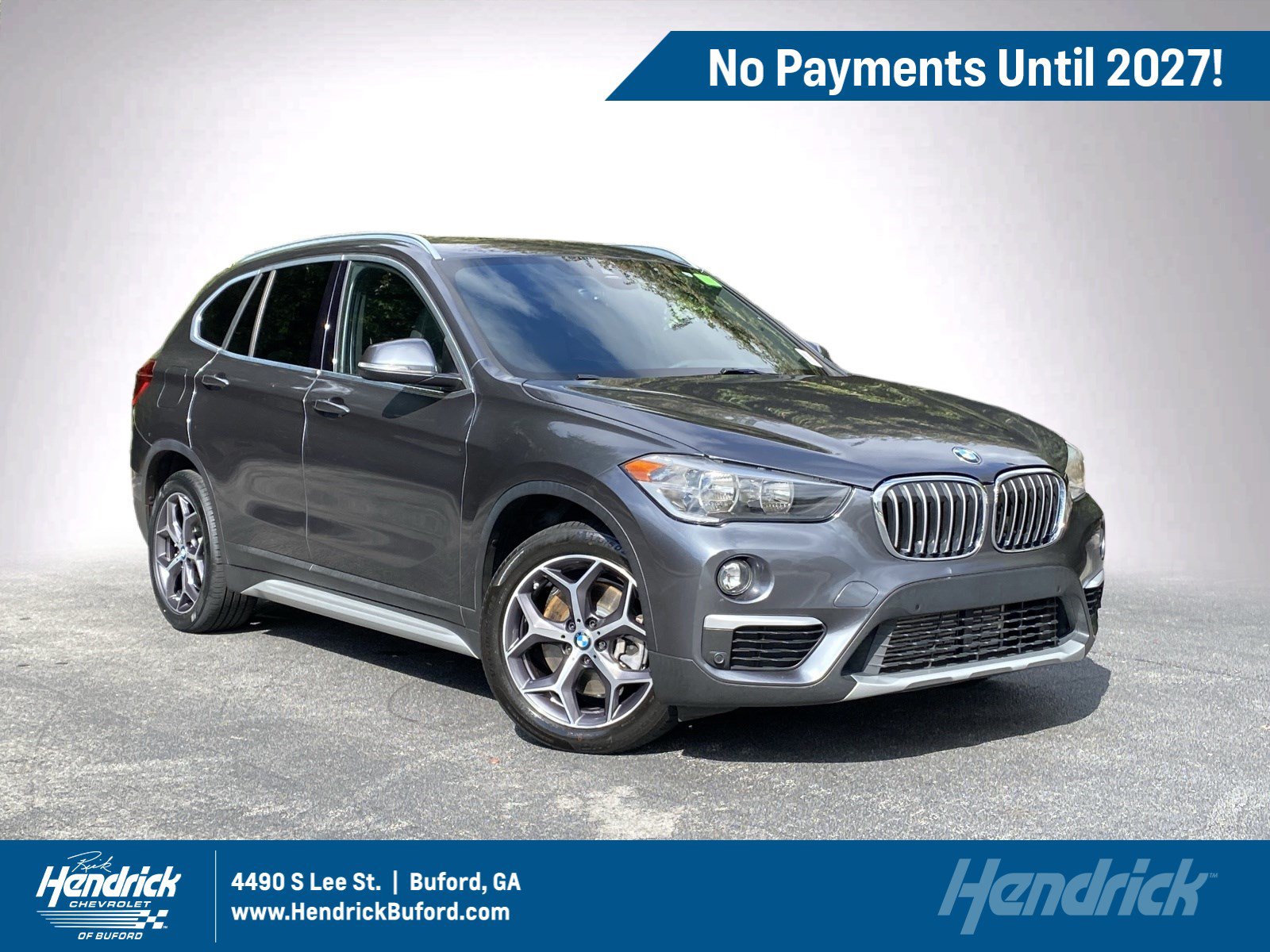
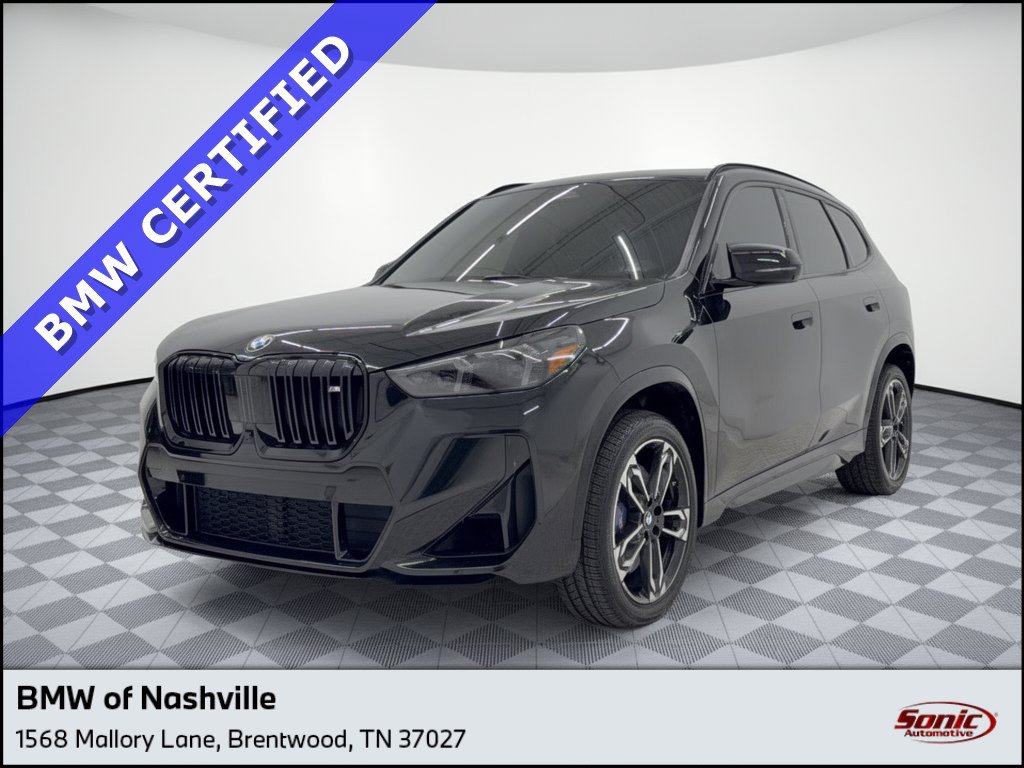
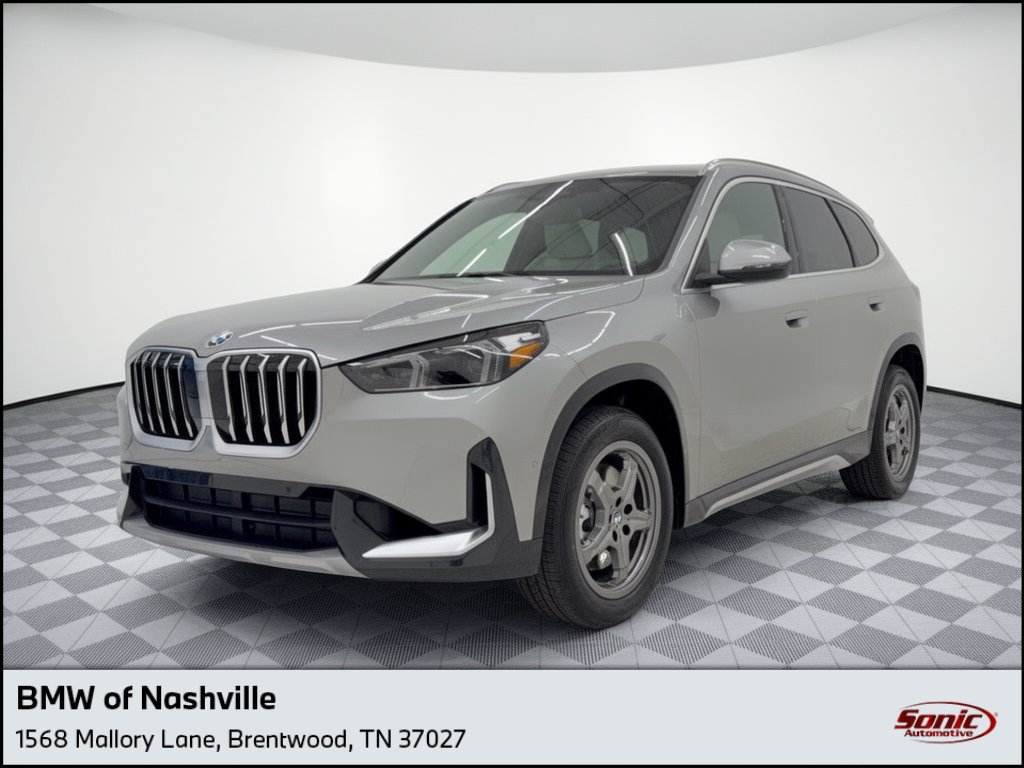
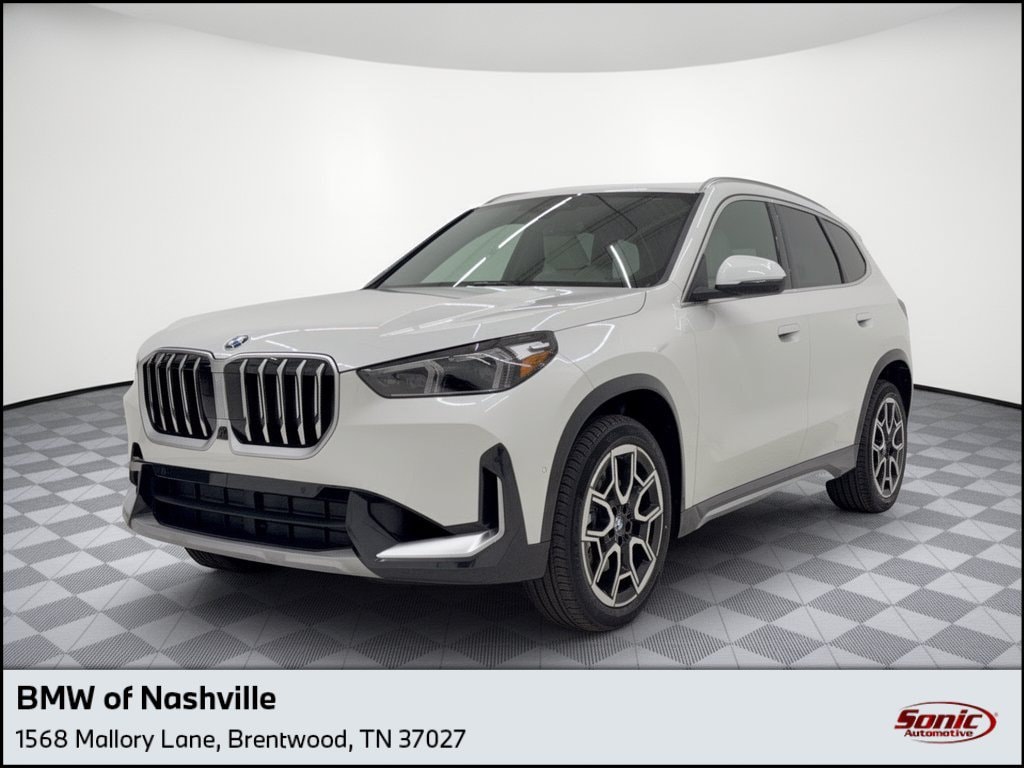
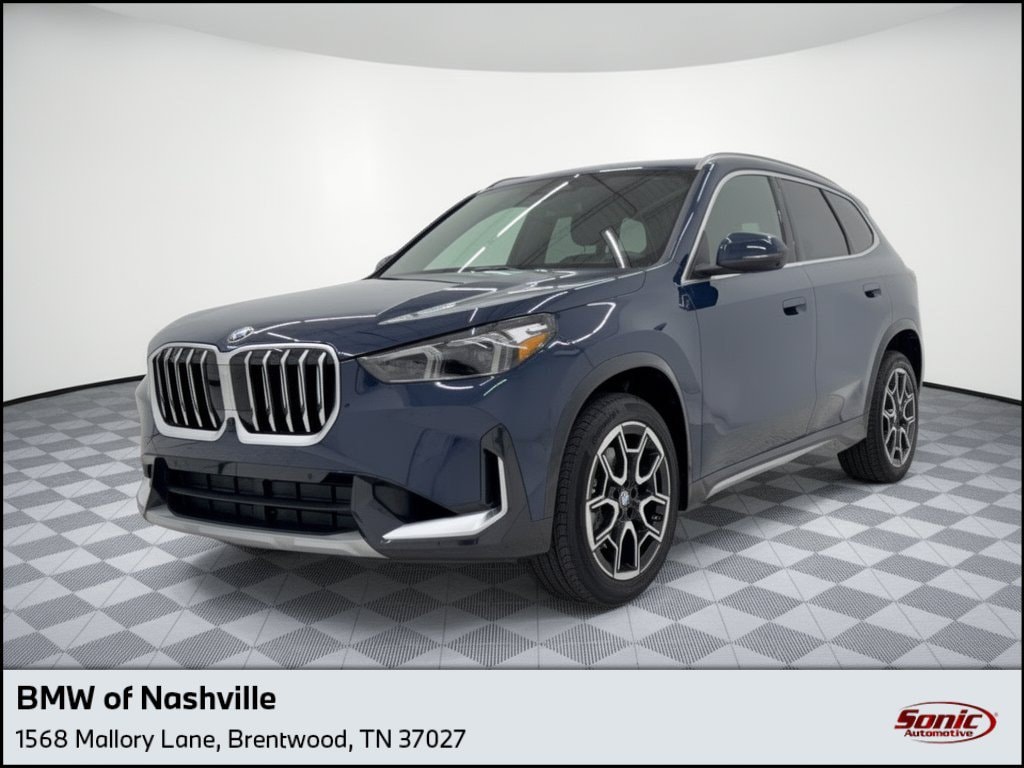
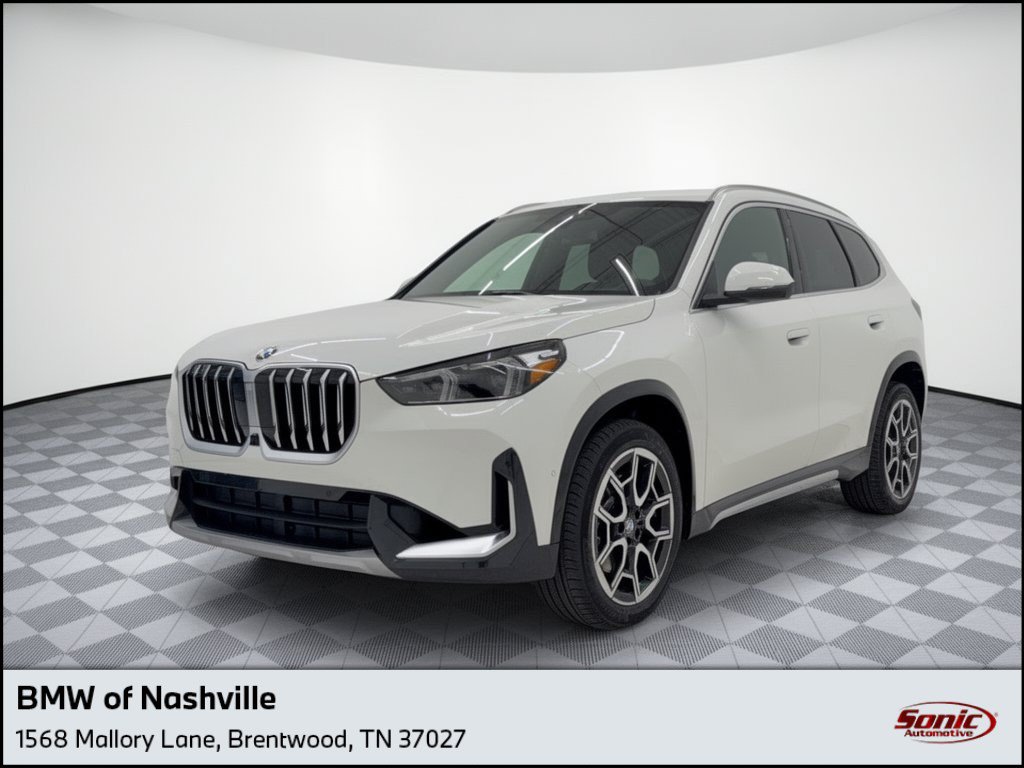
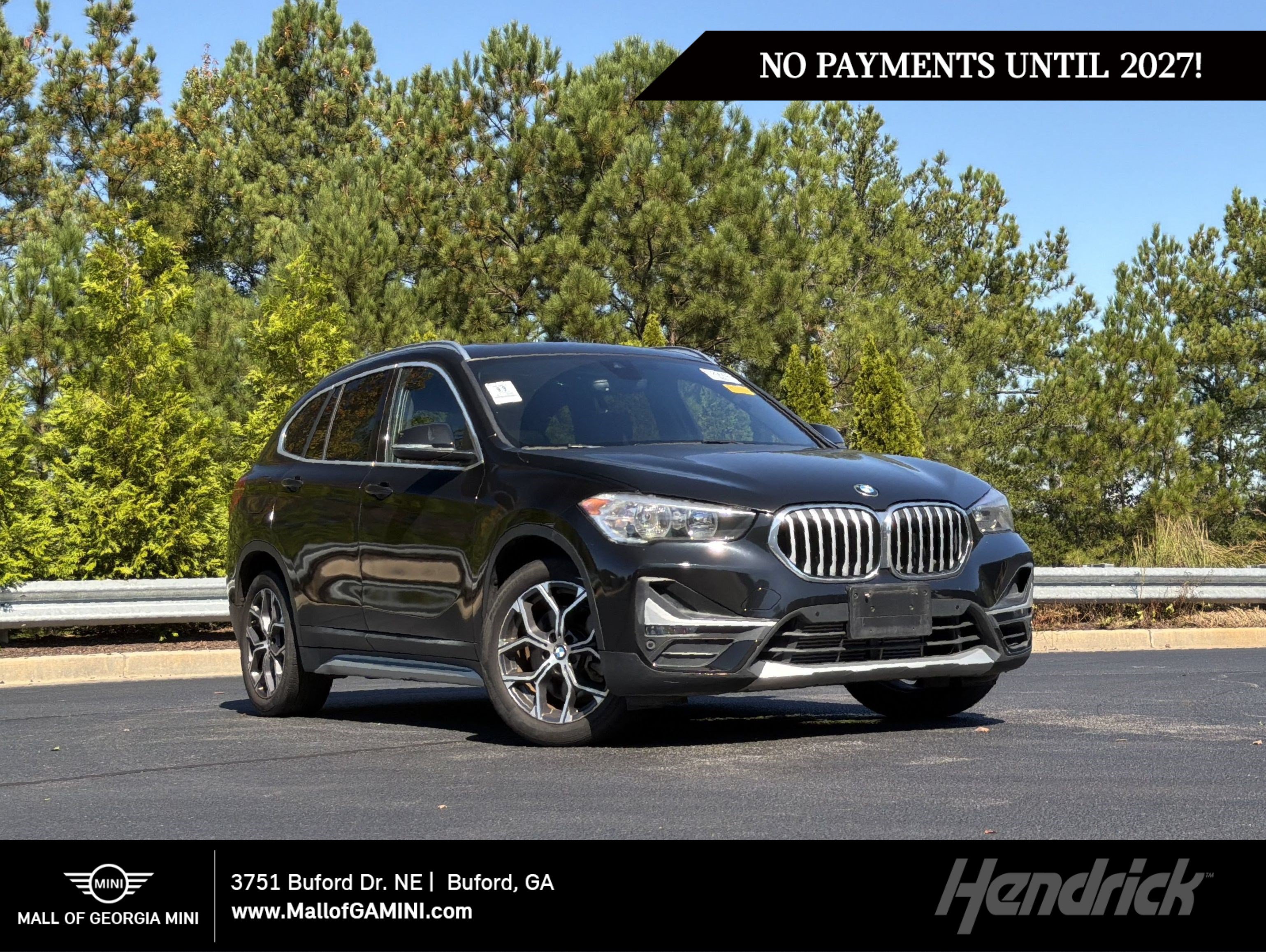
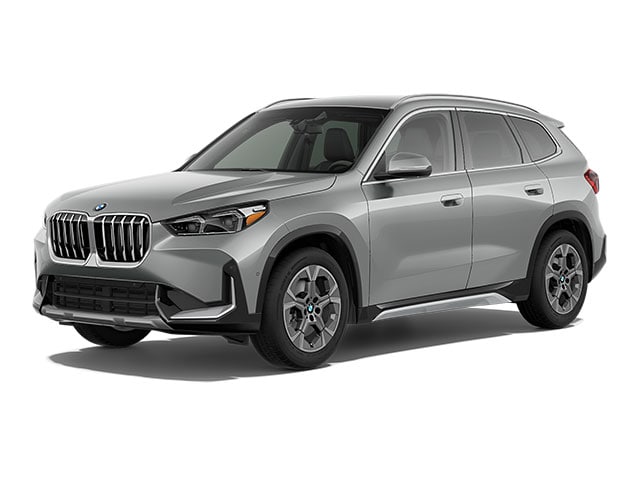
gasoline, automatic, 19K km, SUV, All Wheels Drive, 2,000 cm3, 228 hp, black, xDrive28i, Used condition, In stock

HendrickCars.com
 Buford, United States
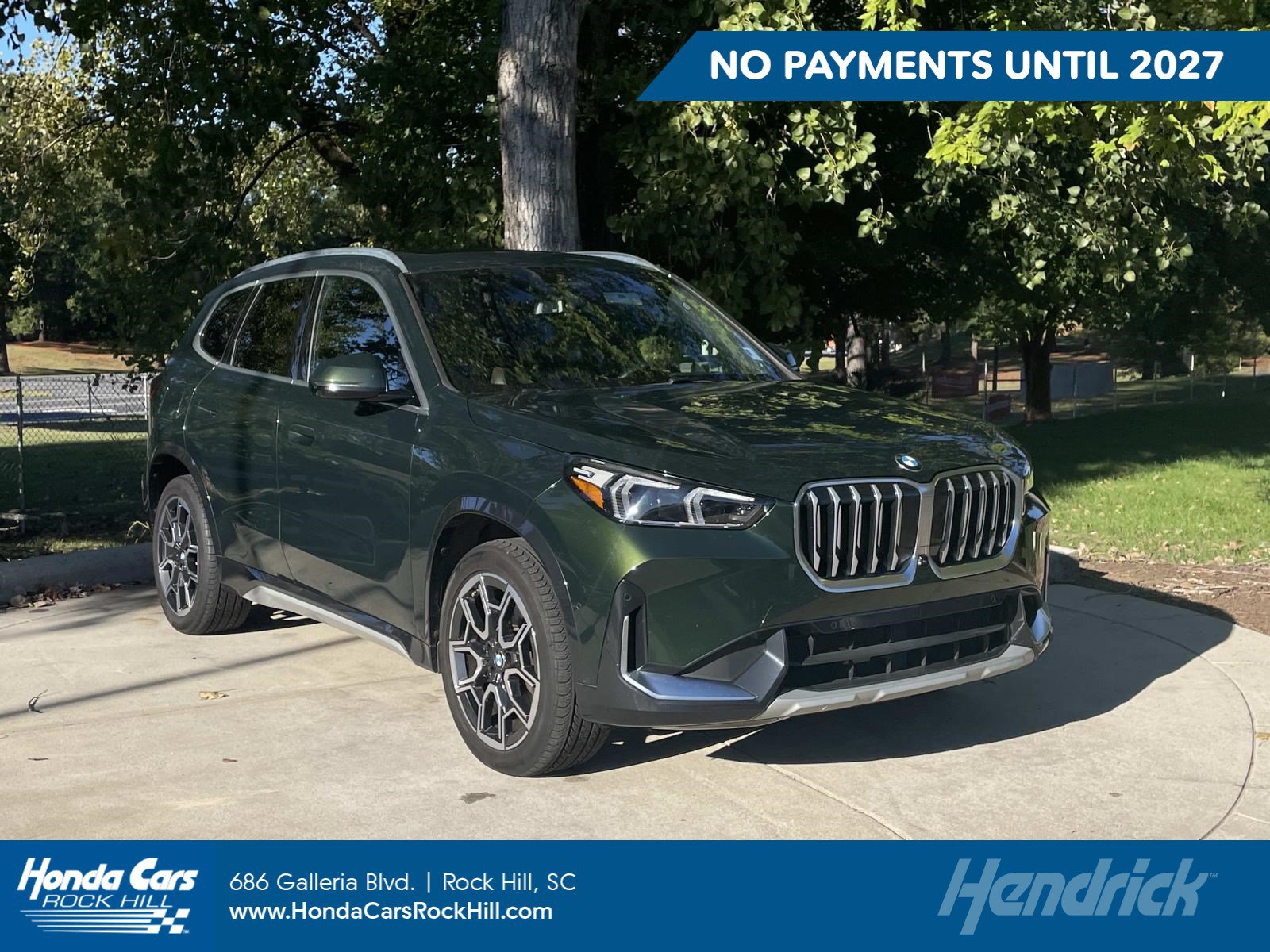
 Buford, United StatesBuford, United StatesRock Hill, United States
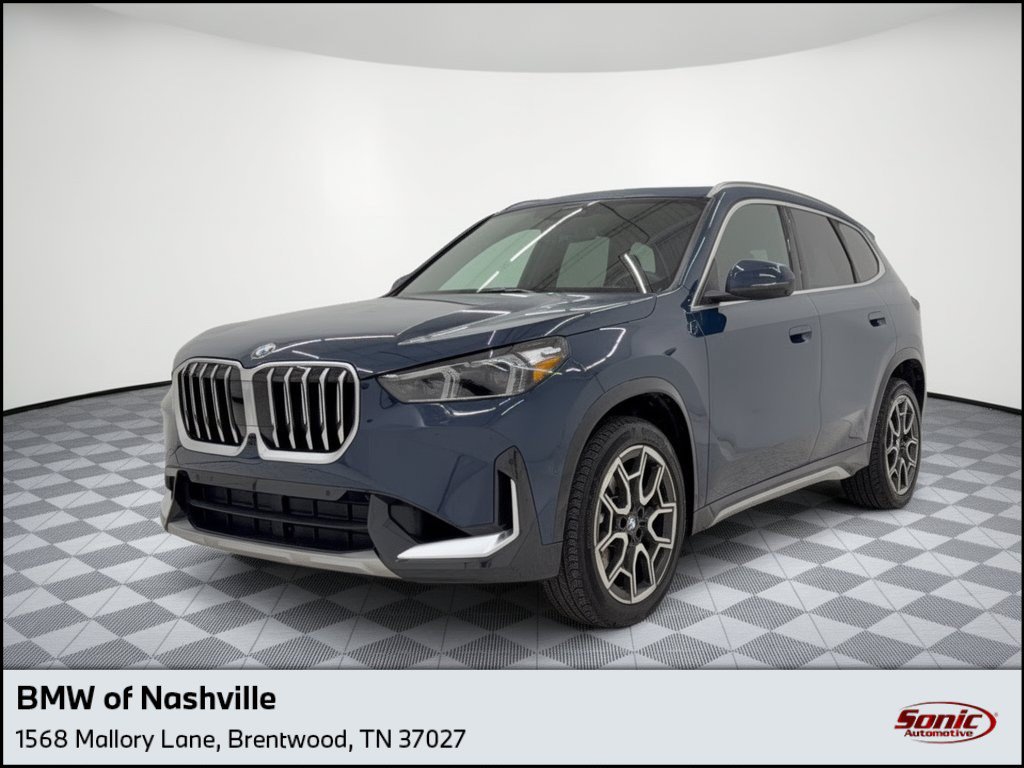
 Brentwood, United States
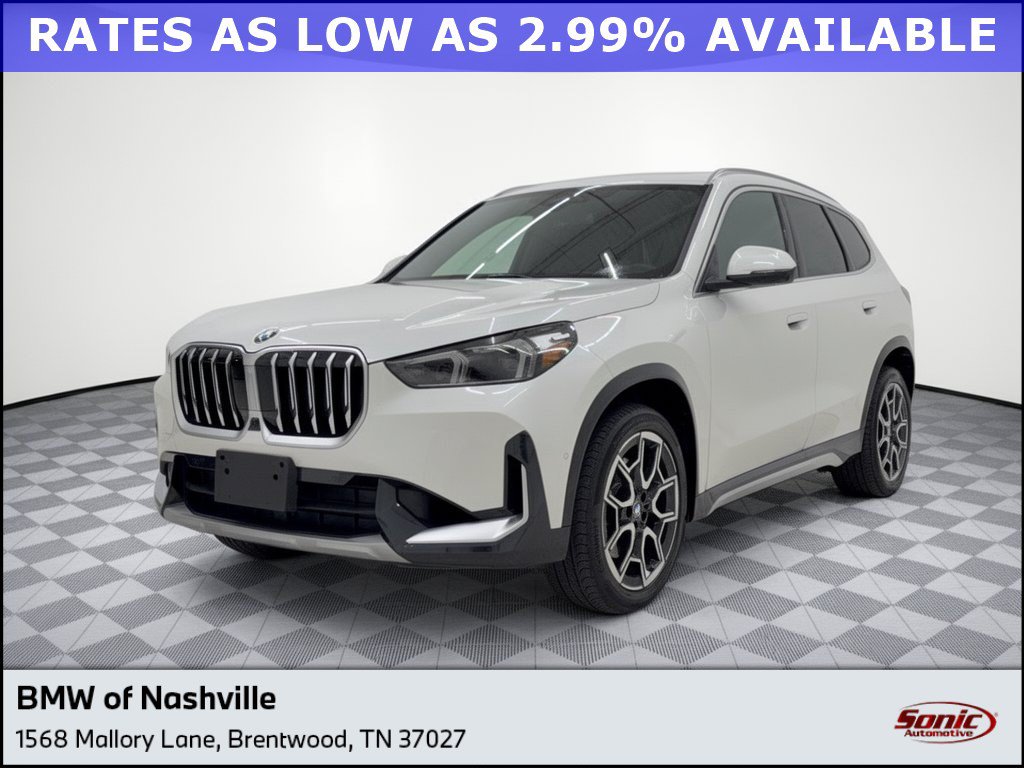
 Brentwood, United States
 Brentwood, United StatesBrentwood, United StatesBrentwood, United States
 Brentwood, United StatesBrentwood, United StatesBrentwood, United States
 Brentwood, United States
 Brentwood, United States
 Brentwood, United StatesBrentwood, United StatesBrentwood, United StatesBrentwood, United StatesBrentwood, United StatesBrentwood, United StatesBrentwood, United StatesBrentwood, United StatesBrentwood, United StatesBrentwood, United StatesBrentwood, United StatesBrentwood, United States
The BMW X1 has long been a popular choice for those who want a compact SUV with premium feel, solid practicality, and strong resale value. If you’re considering a used BMW X1, you’re likely weighing factors like generation, engine options, body type, mileage, and price. This guide walks you through what to look for when buying an X1, how to compare different years and trims, and practical tips for sellers who want to value their car fairly.
The X1 sits at the intersection of urban agility and family practicality. In most markets you’ll find it offered as a compact crossover with seats for five, decent cargo space, and confident handling. When browsing the used market, pay attention to: generation changes, such as interior upgrades, steering feel, and safety electronics.
Prices for a used X1 differ by country, city, year, mileage, and trim. Common factors include:
When searching, look for typical search phrases like “BMW X1 2019 price,” “BMW X1 2020 mileage,” or “BMW X1 xDrive vs sDrive reliability.” Compare similar miles and similar trims to get a fair sense of value. For buyers, a full service history and proof of annual maintenance increase confidence; for sellers, a clean maintenance record and recent servicing help maximize price.
For city dwellers, fuel economy and compact parking dimensions matter. If you plan longer trips, consider models with efficient engines and a comfortable ride for highway miles. When negotiating, compare similar X1 variants in your region and be mindful of local taxes or registration fees that influence total cost of ownership.
Present the car with clear photos, a transparent history report, and a fair price based on mileage and condition. Highlight recent maintenance, any remaining factory warranties, and the most desirable configurations (such as xDrive, larger wheels, or premium packages). A well-documented service history often translates into faster interest and better offers.
 Add as preferred sourceSee more from zvelta in Google Search Add as preferred source