EN
ENDEALER
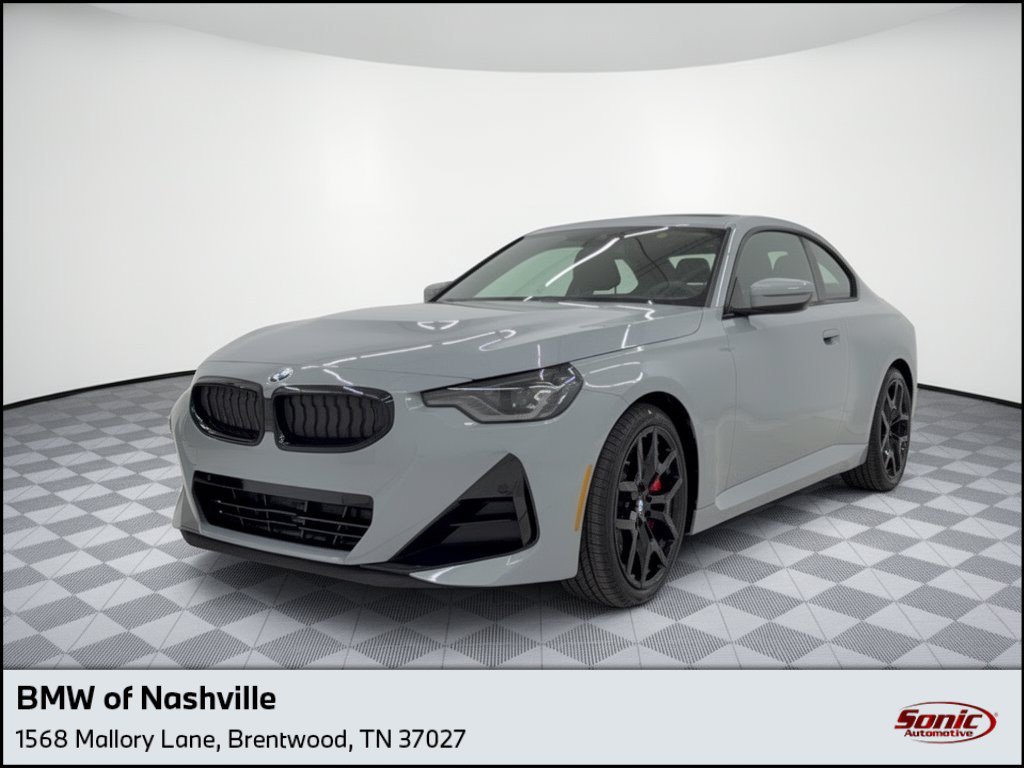
52.300 US$DEALER
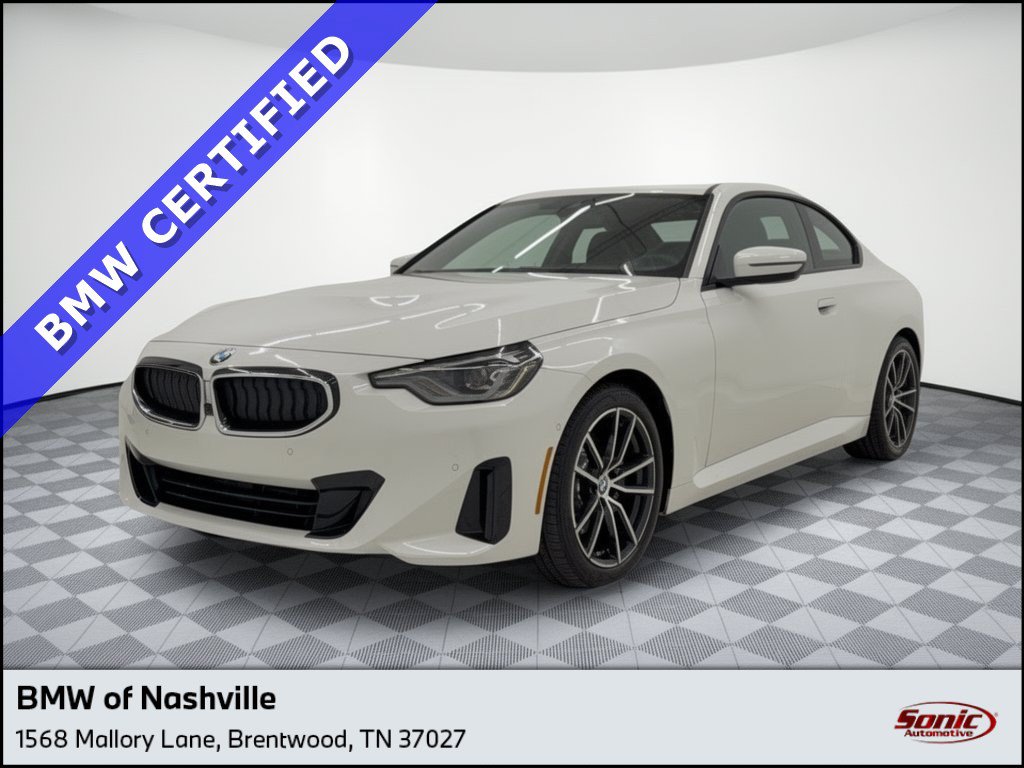
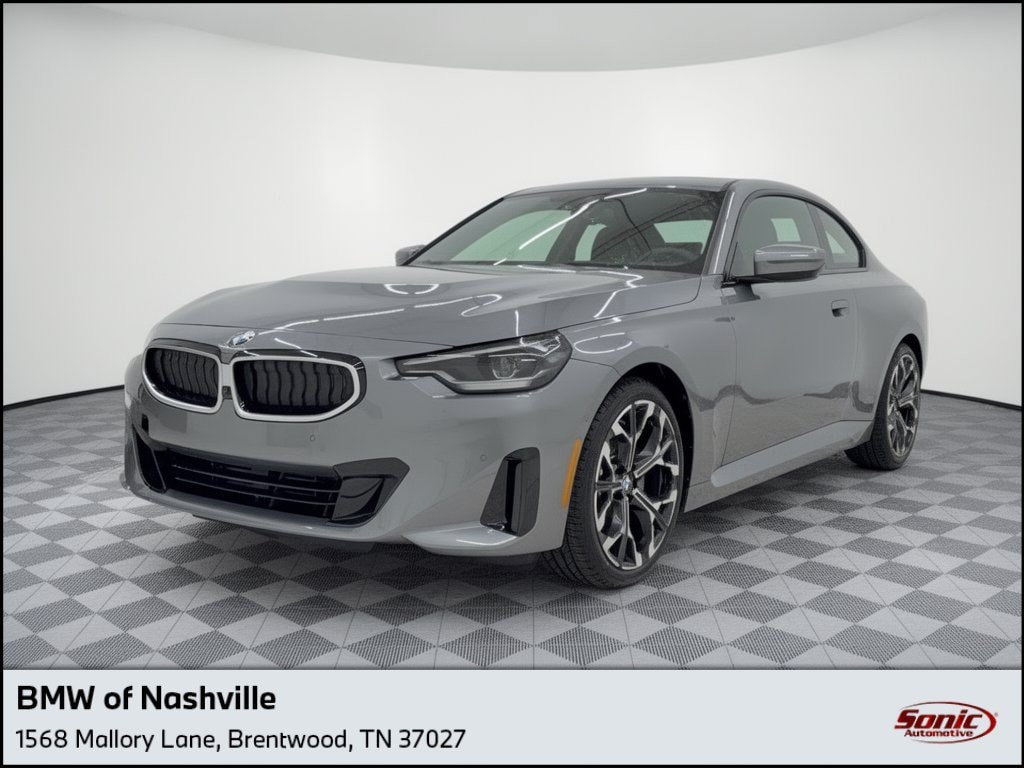
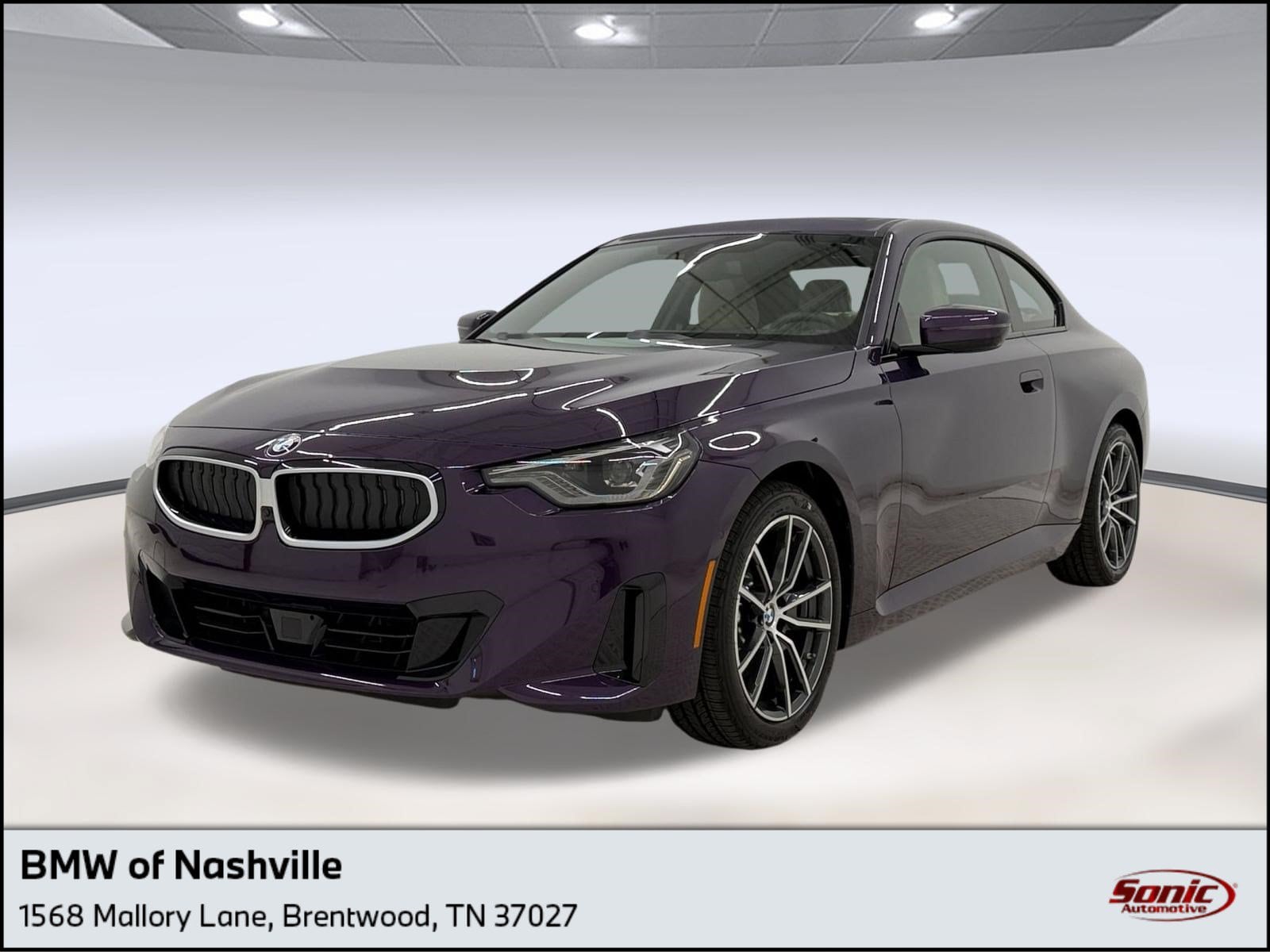
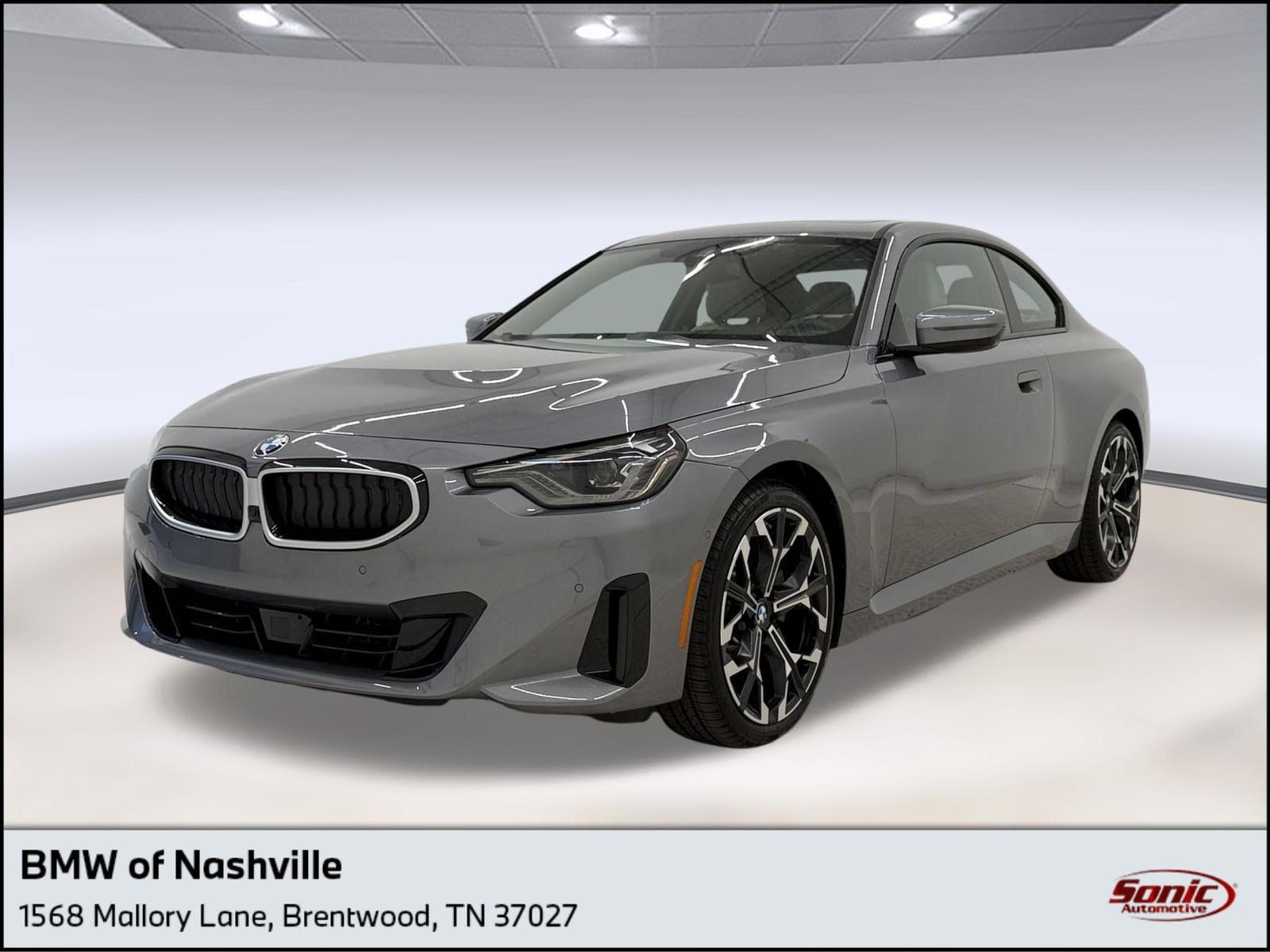
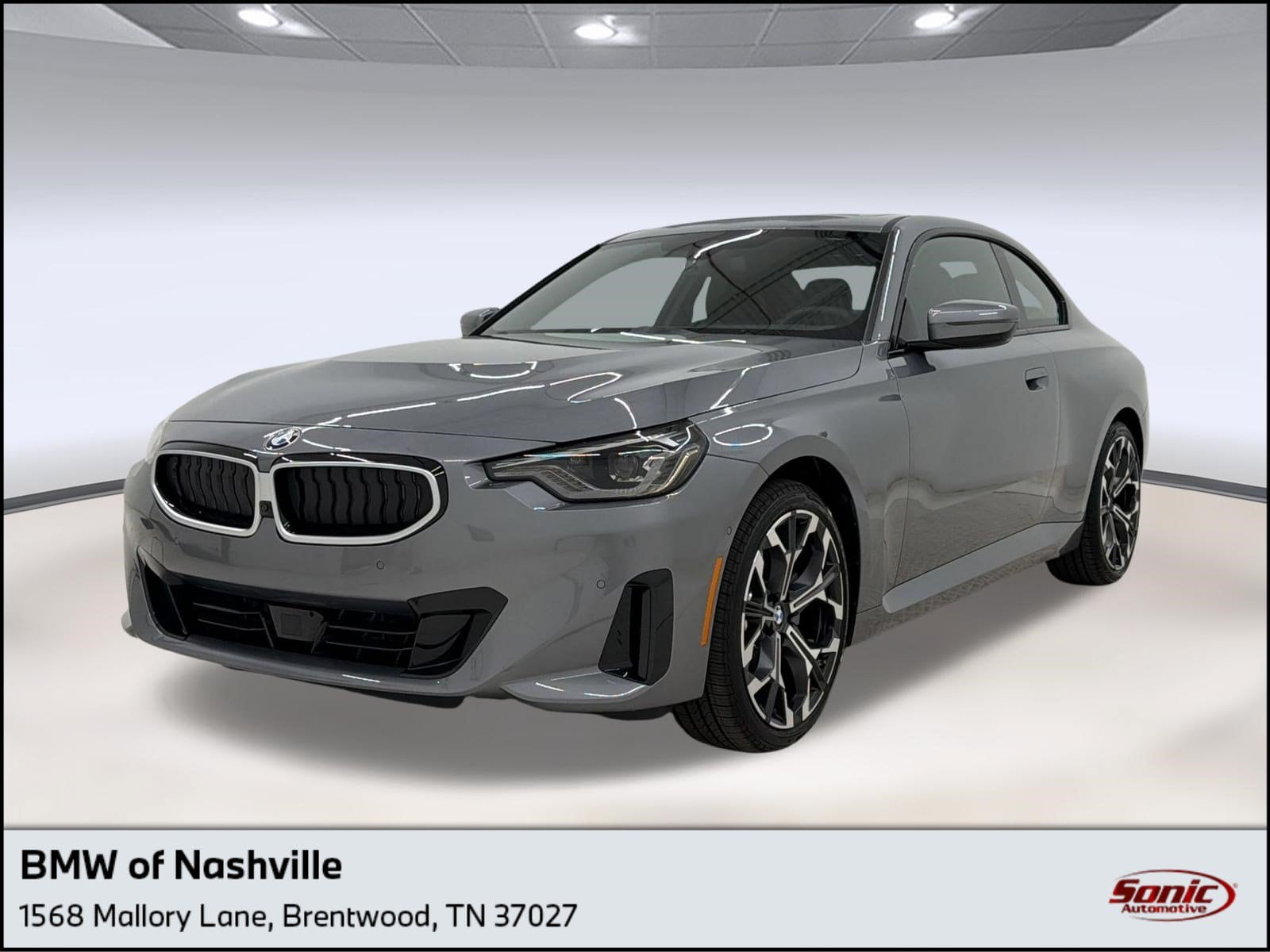
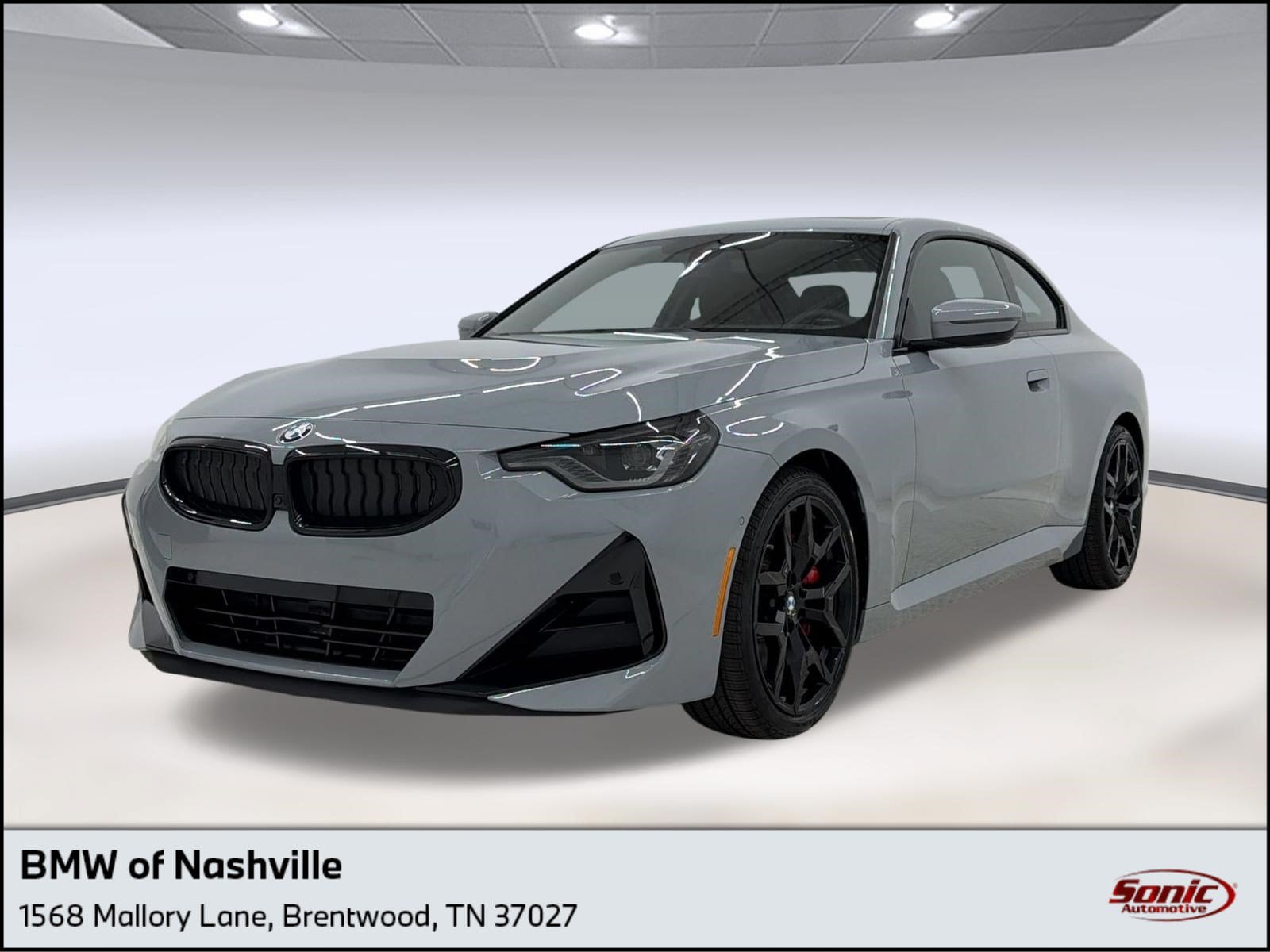
gasoline, automatic, 5 km, Rear Wheels Drive, 2,000 cm3, 255 hp, grey, New condition, Mexico, In stock
SonicAutomotive.com
 Brentwood, United States
 Brentwood, United StatesBrentwood, United StatesBrentwood, United StatesBrentwood, United StatesBrentwood, United StatesBrentwood, United StatesBrentwood, United StatesBrentwood, United StatesBrentwood, United StatesBrentwood, United StatesBrentwood, United StatesBrentwood, United StatesBrentwood, United StatesBrentwood, United StatesBrentwood, United StatesBrentwood, United StatesBrentwood, United States
 Austin, United States
 Austin, United StatesAustin, United StatesAustin, United StatesAustin, United StatesAustin, United StatesAustin, United StatesAustin, United States
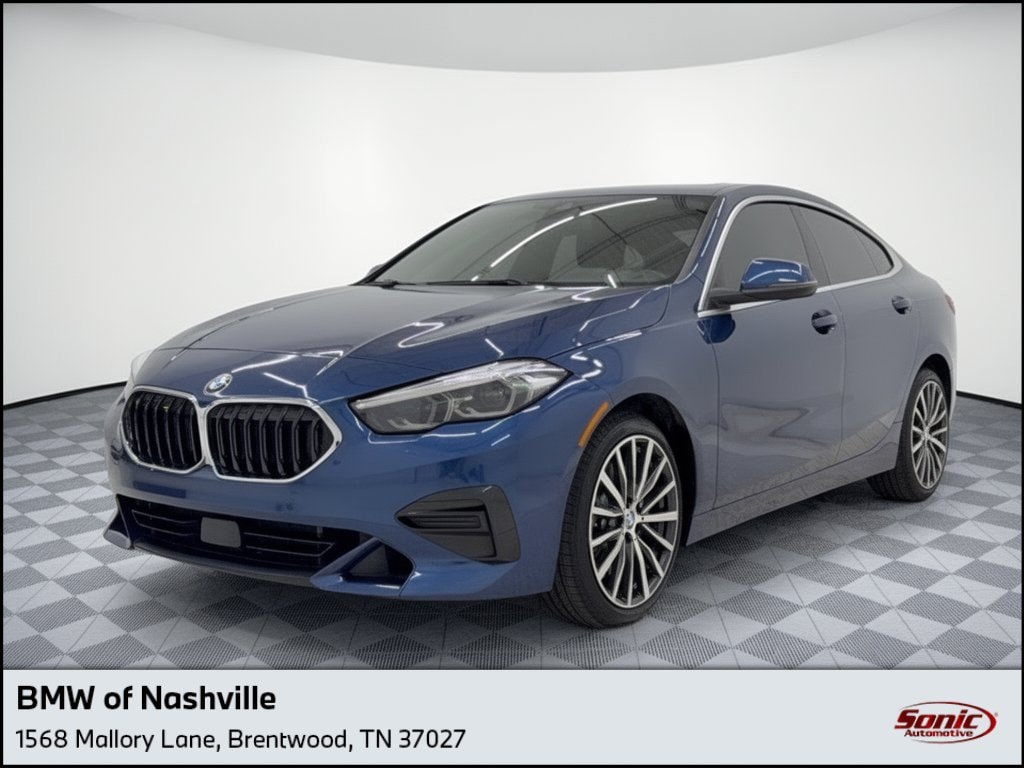
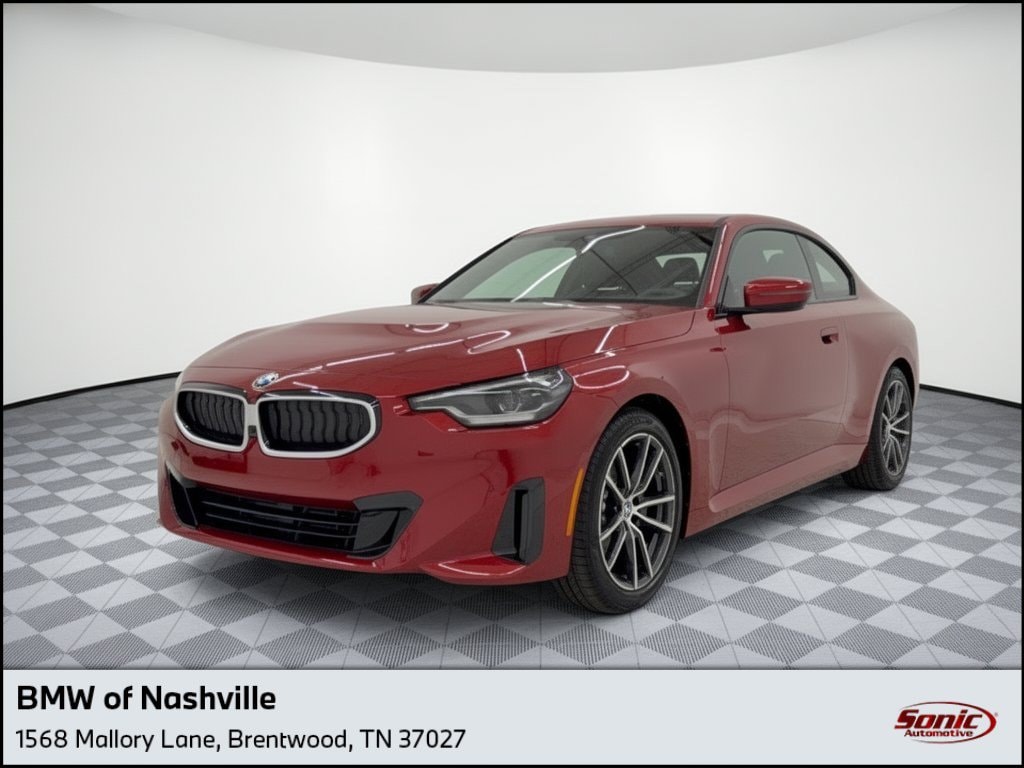
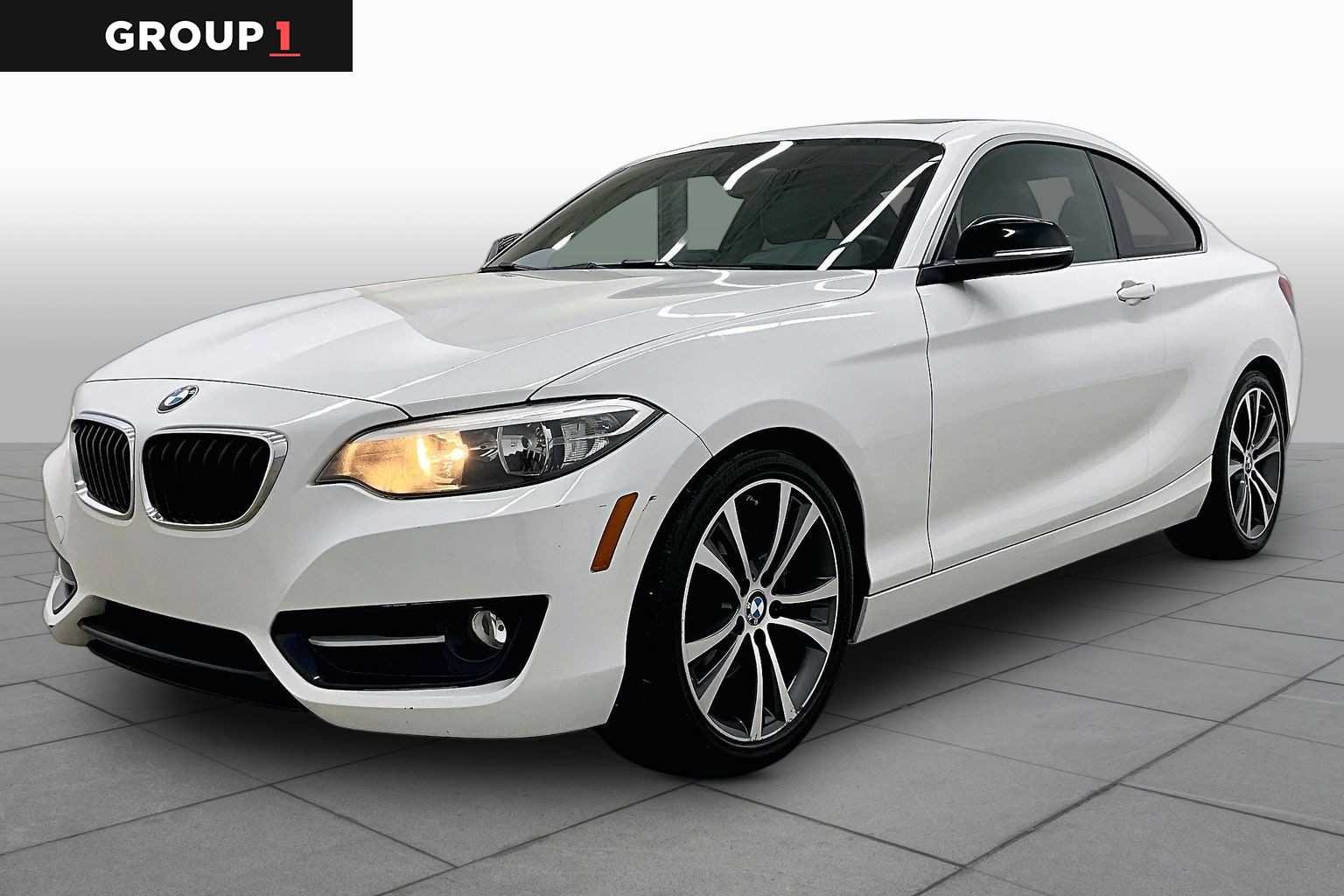
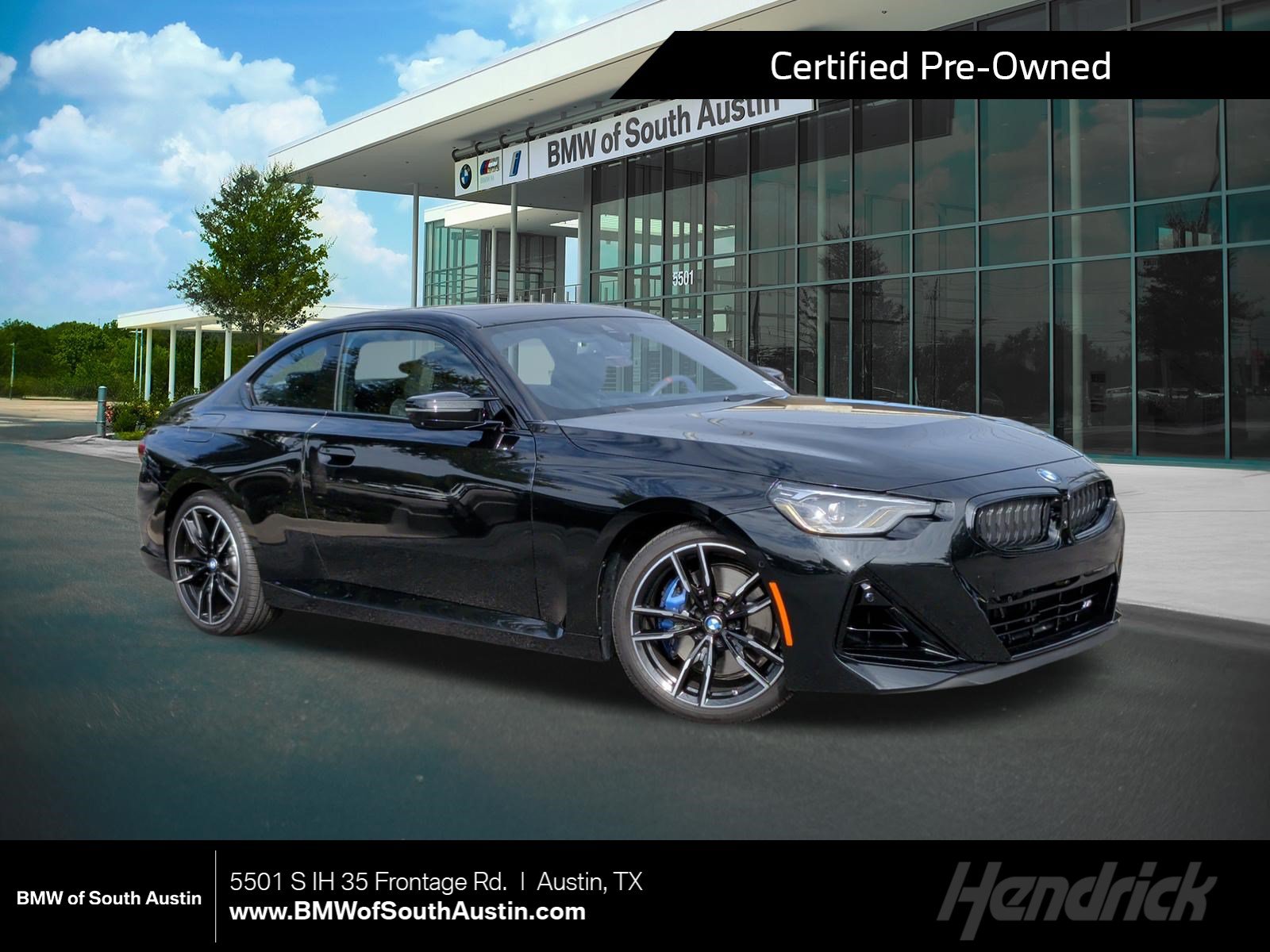
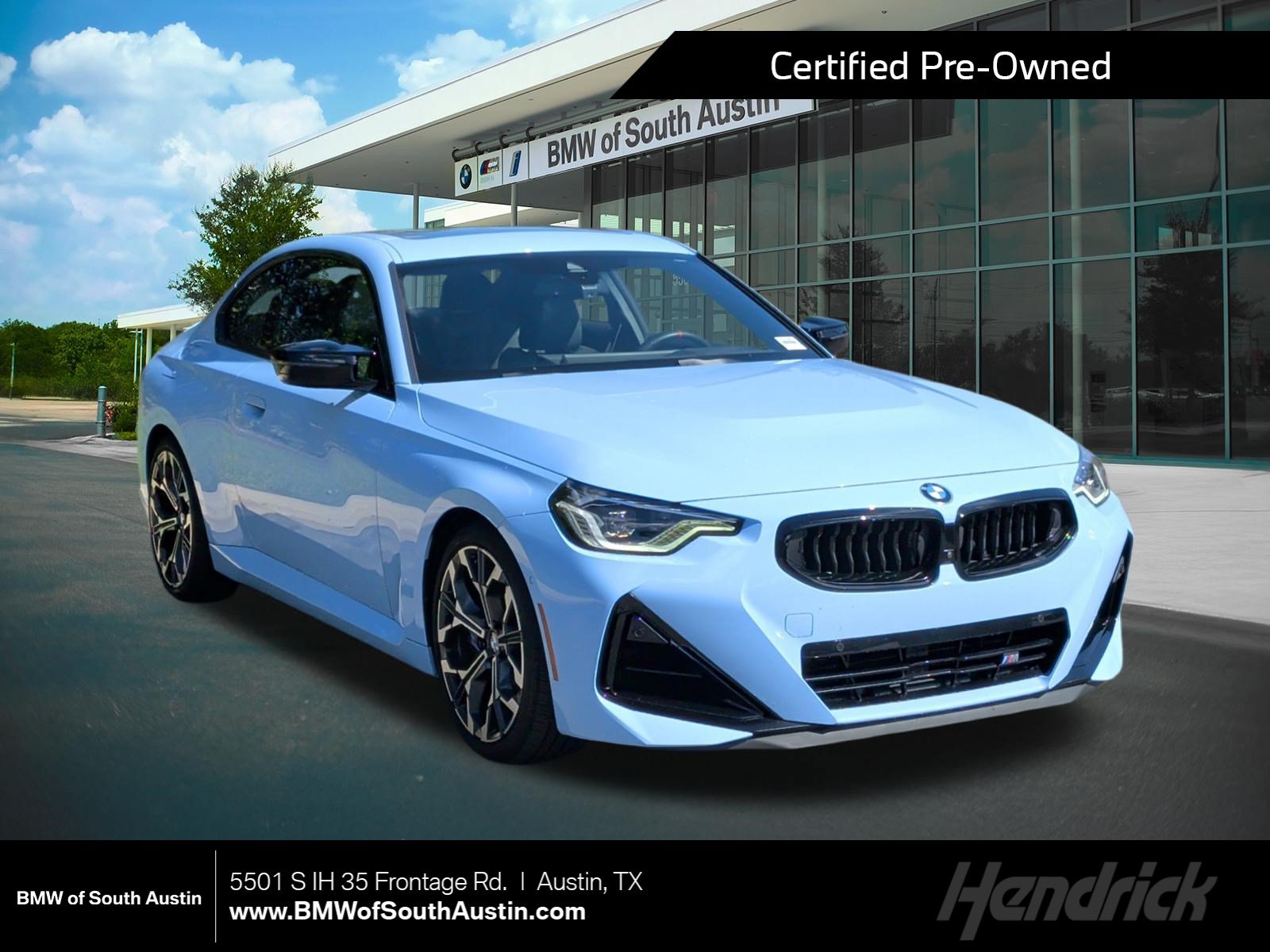
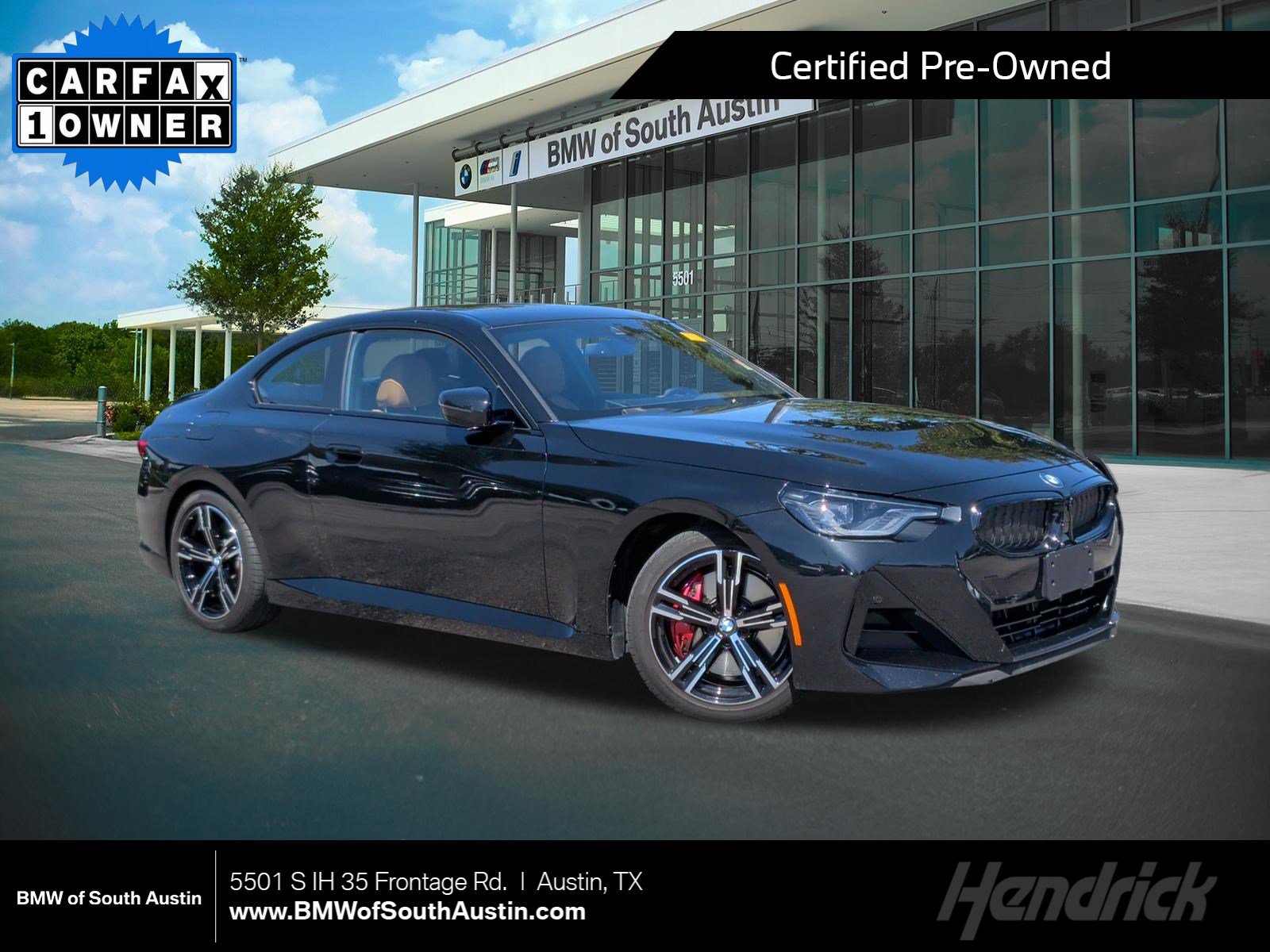
The BMW 2 Series, especially the popular 2er models, stands out in the compact luxury segment for drivers who value a blend of performance, refinement, and everyday usability. Whether you’re shopping in a big city or a smaller town, understanding the generation options, body styles, and fuel setup can help you choose a configuration that matches your driving life. This guide breaks down what buyers typically ask, from reliability and running costs to what affects the price in different regions.
The 2 Series line includes hatchback and coupe variants, with turbocharged engines that focus on balanced performance and efficiency. Common years and generations you’ll encounter include earlier generations that defined the compact coupe ethos and later updates that refined ride comfort, infotainment, and safety suites. When evaluating a used 2er, pay attention to the mileage marks, overall maintenance history, and whether the car has had major service items addressed, such as suspension components, brake work, and transmission health.
Prices for the BMW 2 Series (2er) vary by year, mileage, and country. A newer year with low mileage tends to command a premium, while higher mileages can lower the price but may require more maintenance. Consider the following factors when comparing options:
In busy urban centers, buyers often prioritize compact dimensions and efficient fuel consumption, alongside a solid warranty. In regions with harsher winters, ensure the car has reliable winter tires and a well-maintained cooling system. When shopping in Europe or other markets where the 2er is popular, you’ll find a range of certified pre-owned options that balance price with confidence from dealer-backed guarantees. Always request the service history, confirm that there are no outstanding recalls, and consider a pre-purchase inspection to assess engine health and suspension wear.
Pricing snapshots: compact luxury cars like the BMW 2 Series can vary from entry-level trims with modest mileage to higher-spec variants with more features. In markets with strong demand, even base models may command higher prices due to popularity, while in other regions, generous dealer incentives can influence the final figure. If you’re aiming for a balance of price and practicality, look for mid-year updates or well-kept examples with a clean maintenance log.
If you’re preparing to sell, start with a thorough cleaning and minor cosmetic touch-ups to maximize interest. Gather maintenance records, service invoices, and any documentation showing recent work on brakes, tires, and engine components. Advertise with clear notes about mileage, year, generation, and any notable features (such as sport package, upgraded audio, or advanced driver assistance systems). High-quality photos from multiple angles and a memorable but honest vehicle description help attract serious buyers who are comparing options in a crowded market.
 Add as preferred sourceSee more from zvelta in Google Search Add as preferred source