 EN
ENDEALER
133.125 US$DEALER
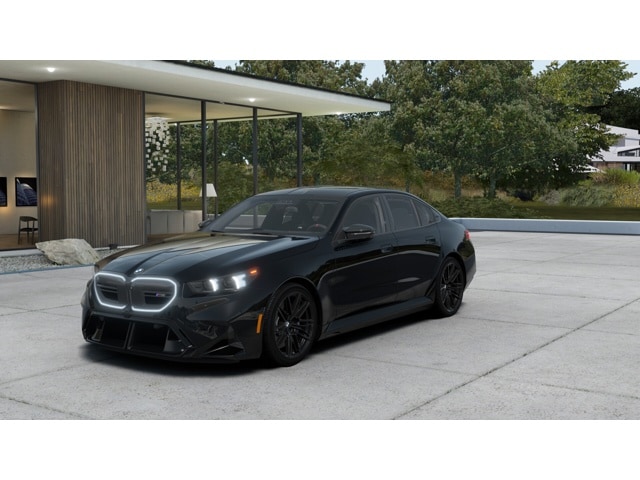
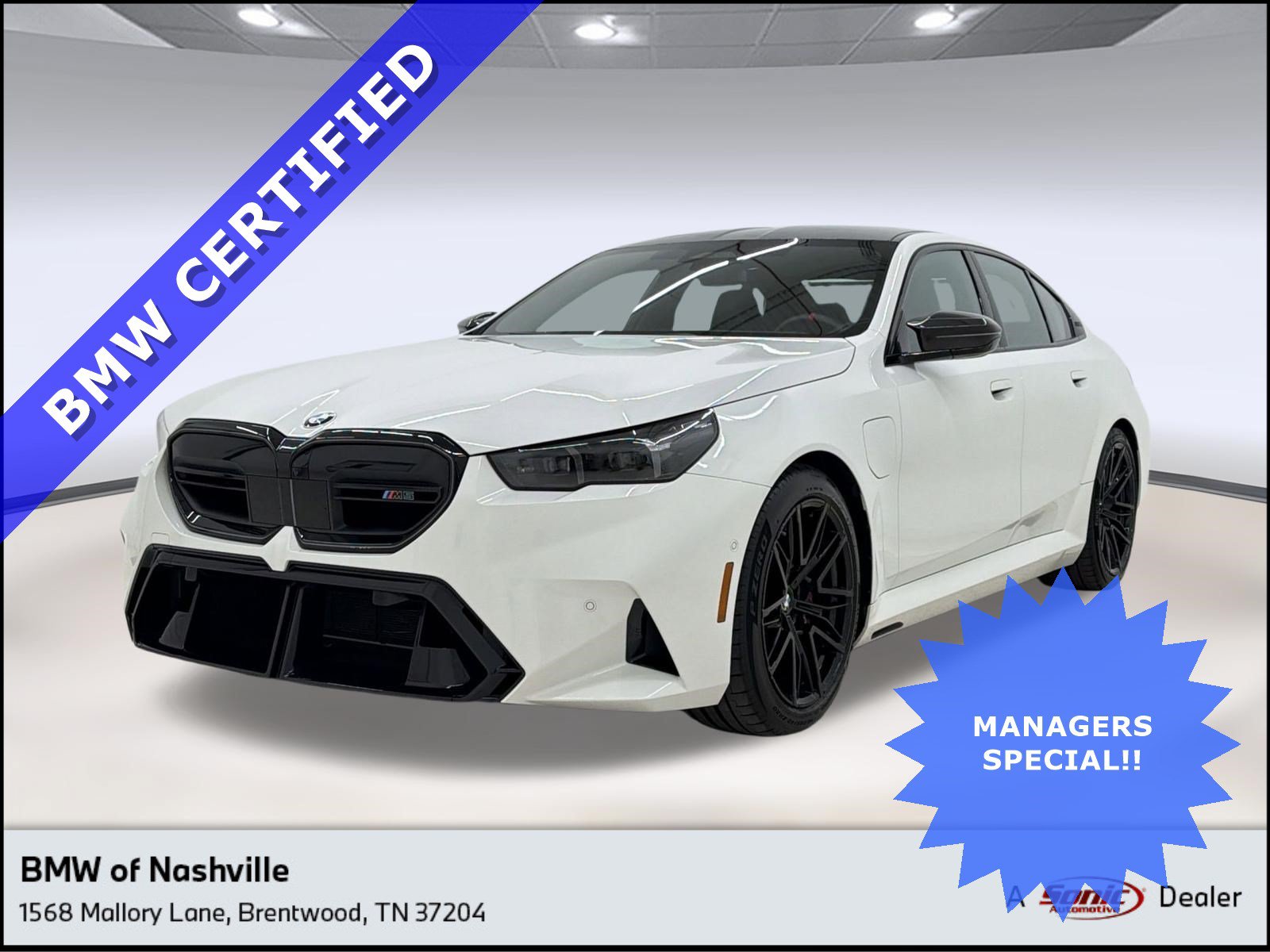
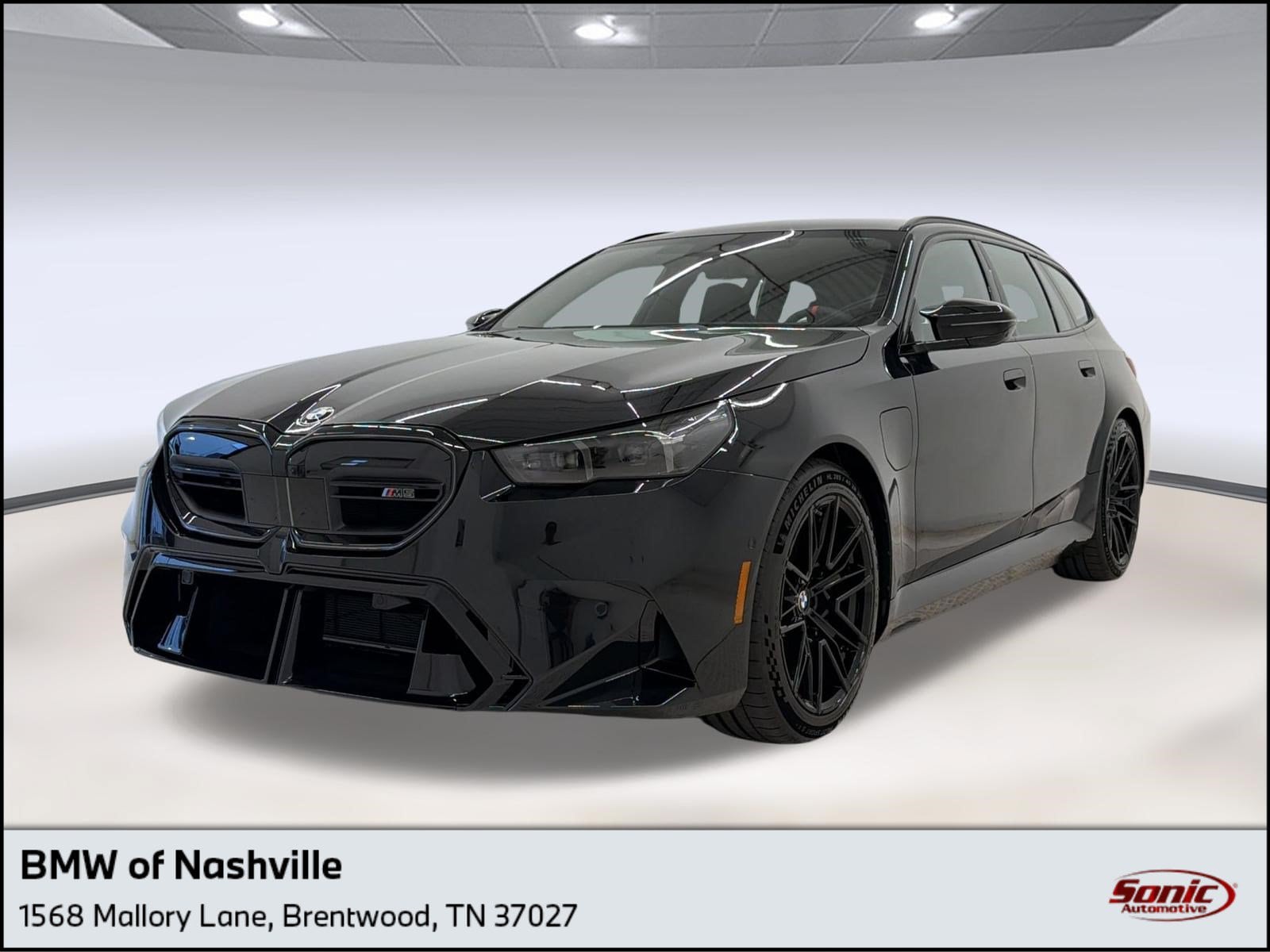
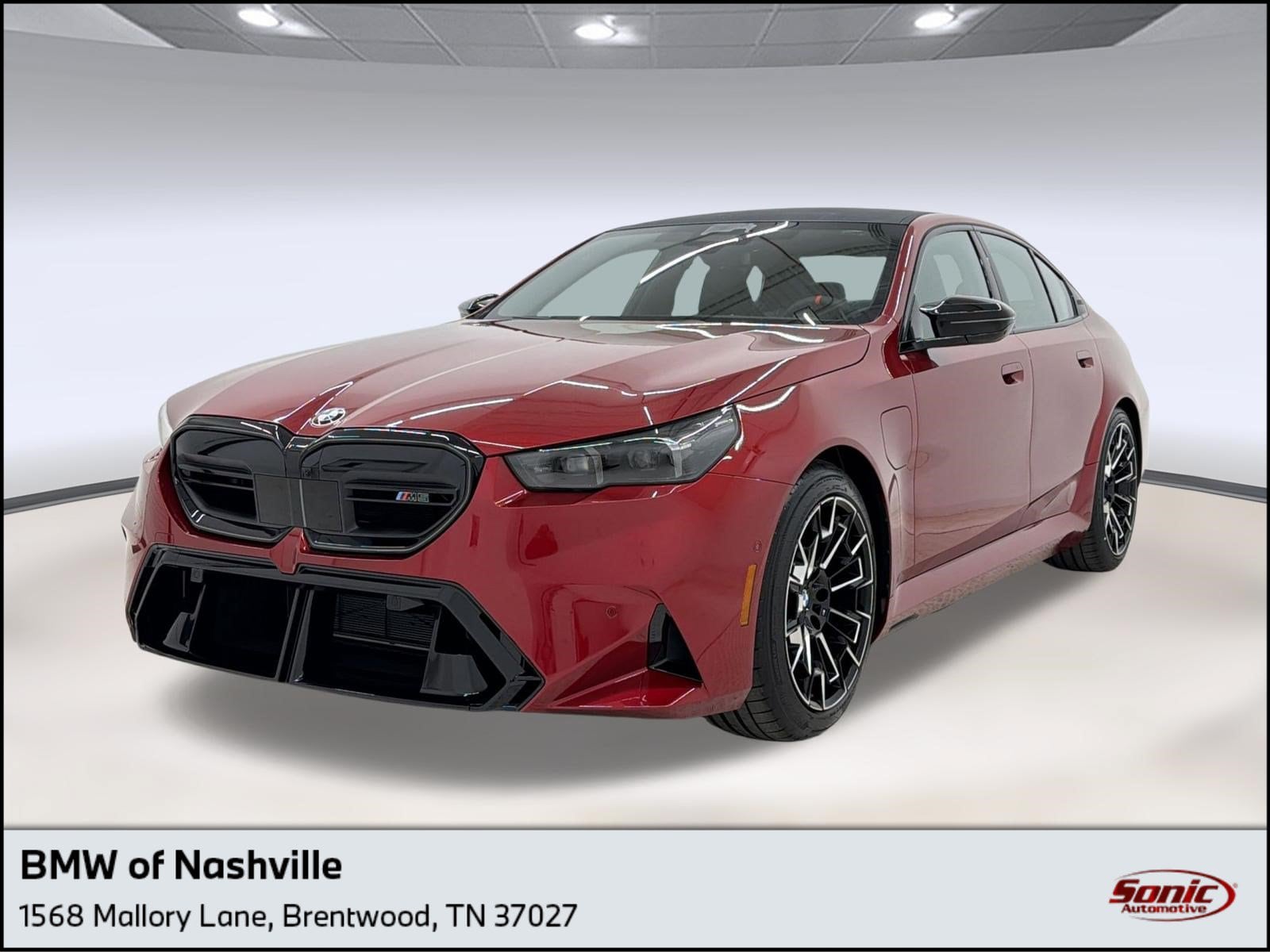
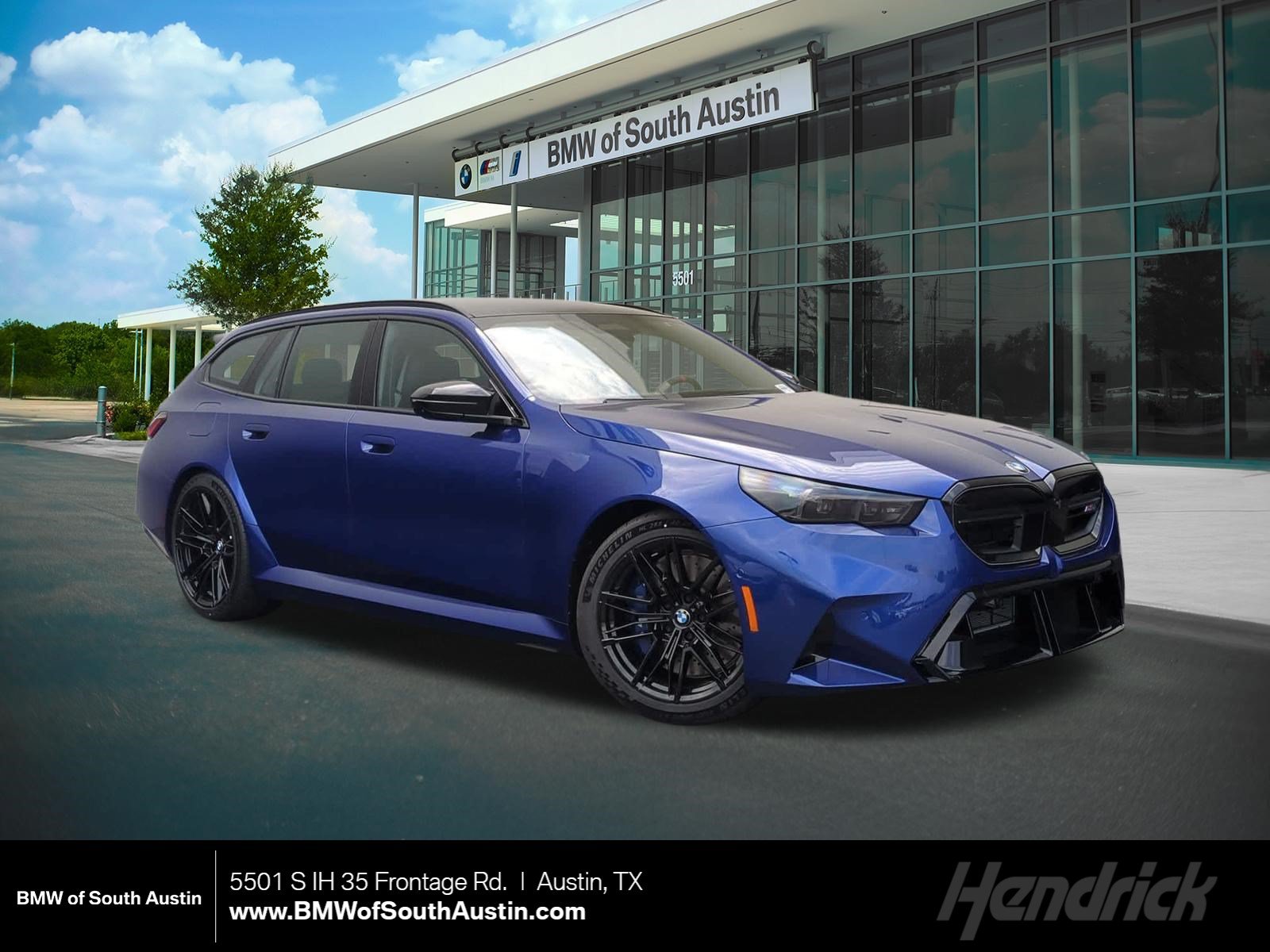
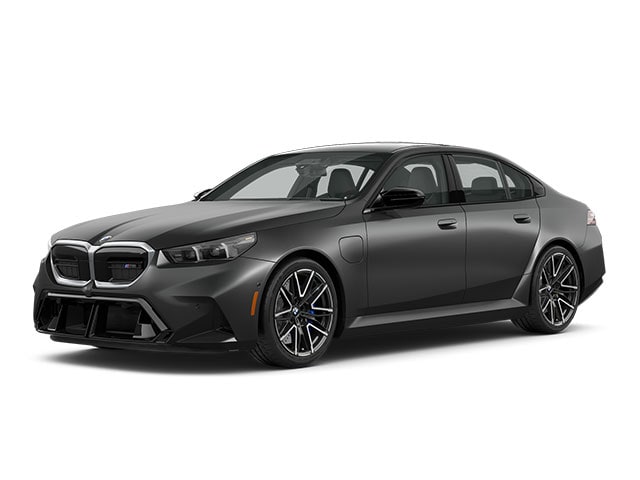
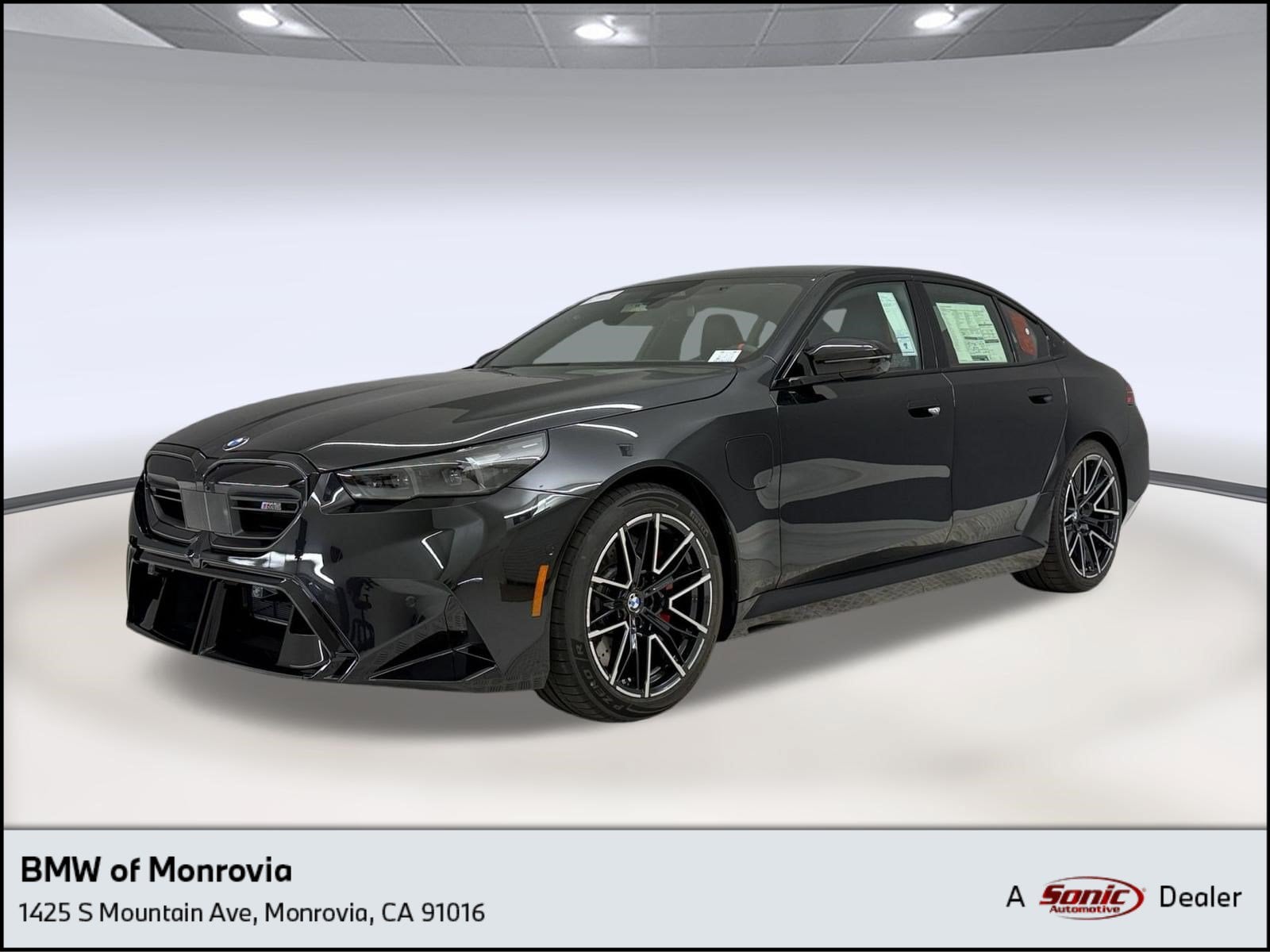
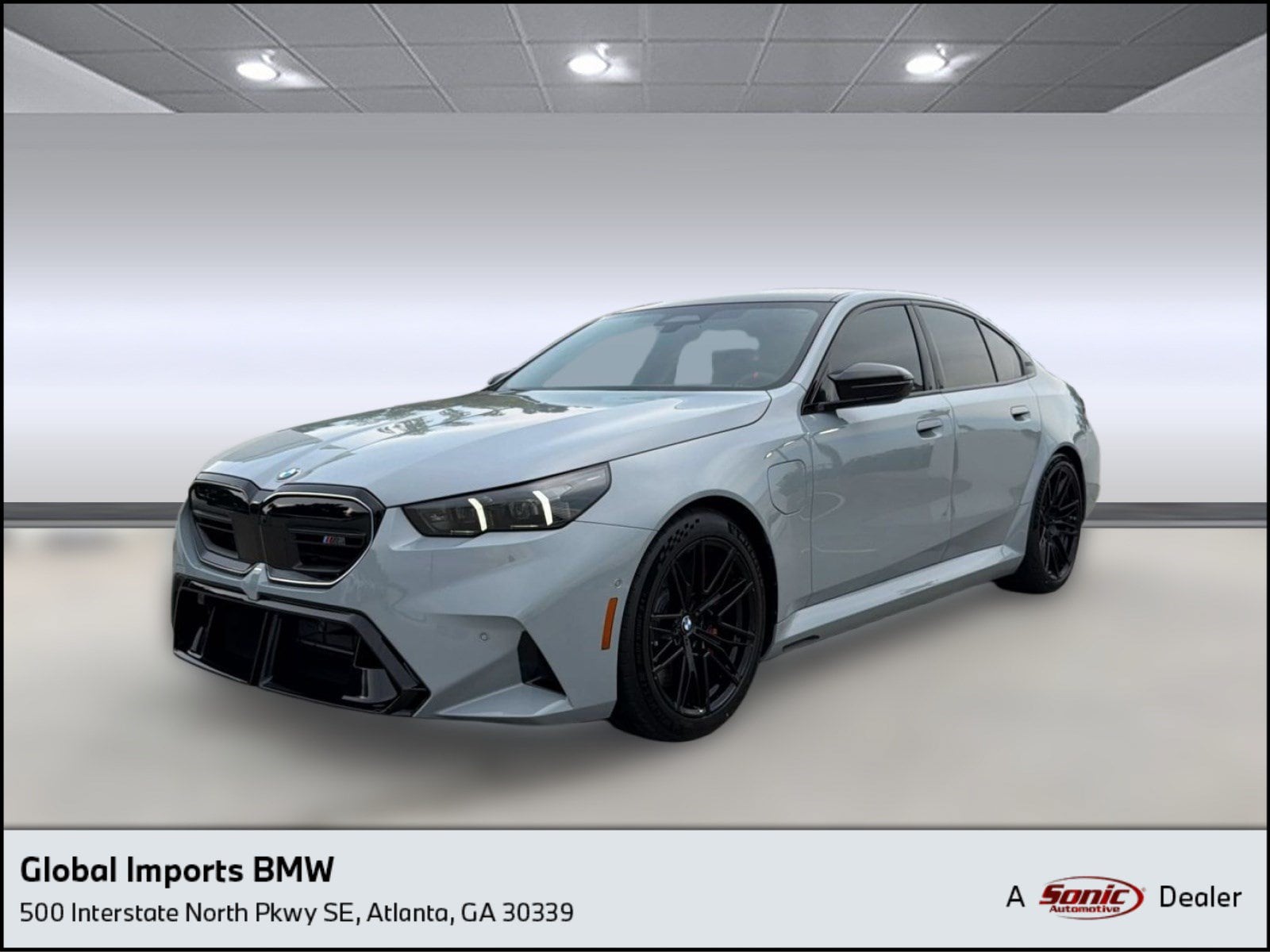
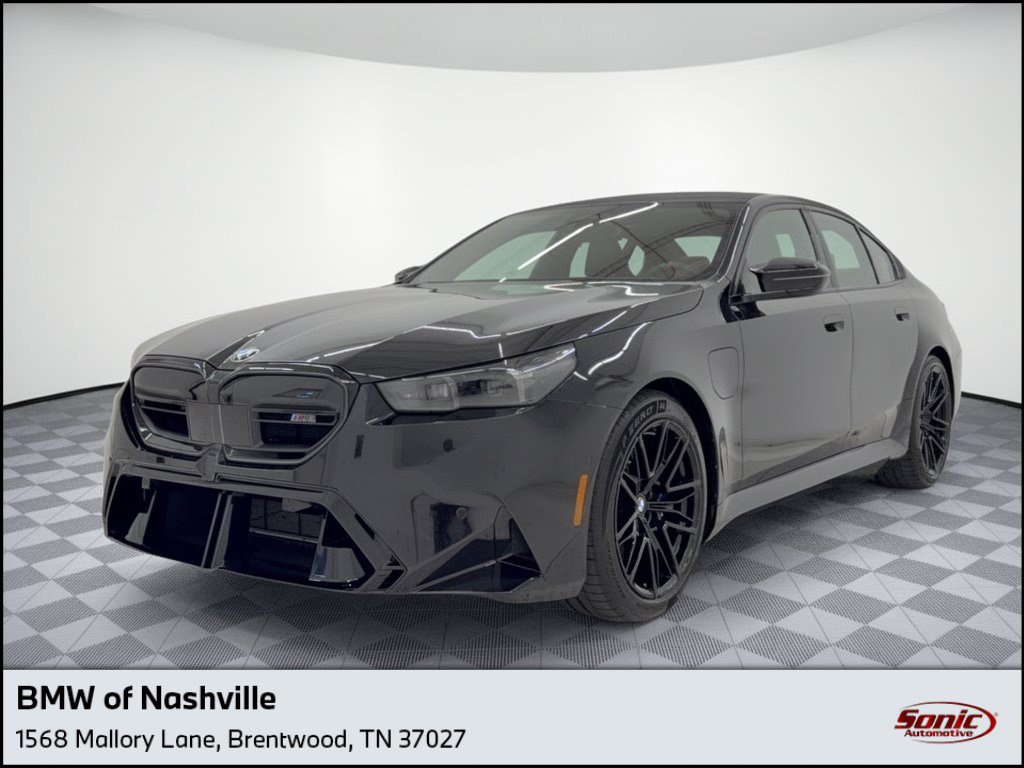
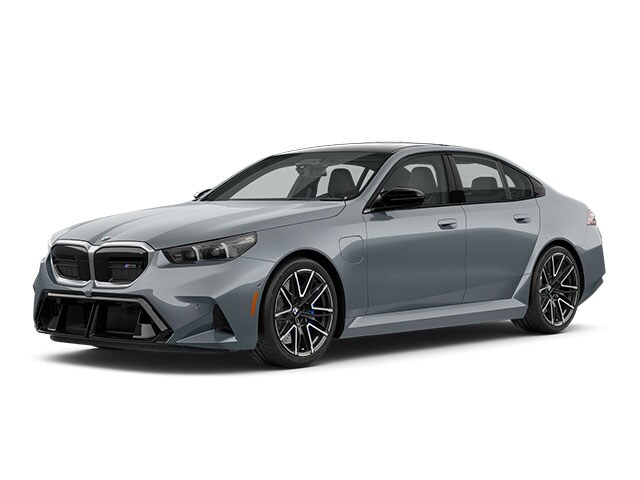
hybrid, automatic, 5 km, All Wheels Drive, 4,400 cm3, black, New condition, Europa, In stock
SonicAutomotive.com
 Brentwood, United States
 Brentwood, United StatesBrentwood, United StatesBrentwood, United StatesBrentwood, United StatesBrentwood, United States
 Austin, United States
 Austin, United States
 Austin, United StatesAustin, United States
 Austin, United StatesAustin, United StatesAustin, United States
 Main Settlement, United StatesMain Settlement, United States
 Monrovia, United StatesMonrovia, United StatesMonrovia, United StatesMonrovia, United StatesAtlanta, United StatesAtlanta, United StatesAtlanta, United StatesAtlanta, United StatesAtlanta, United StatesAtlanta, United States
 Charlotte, United States
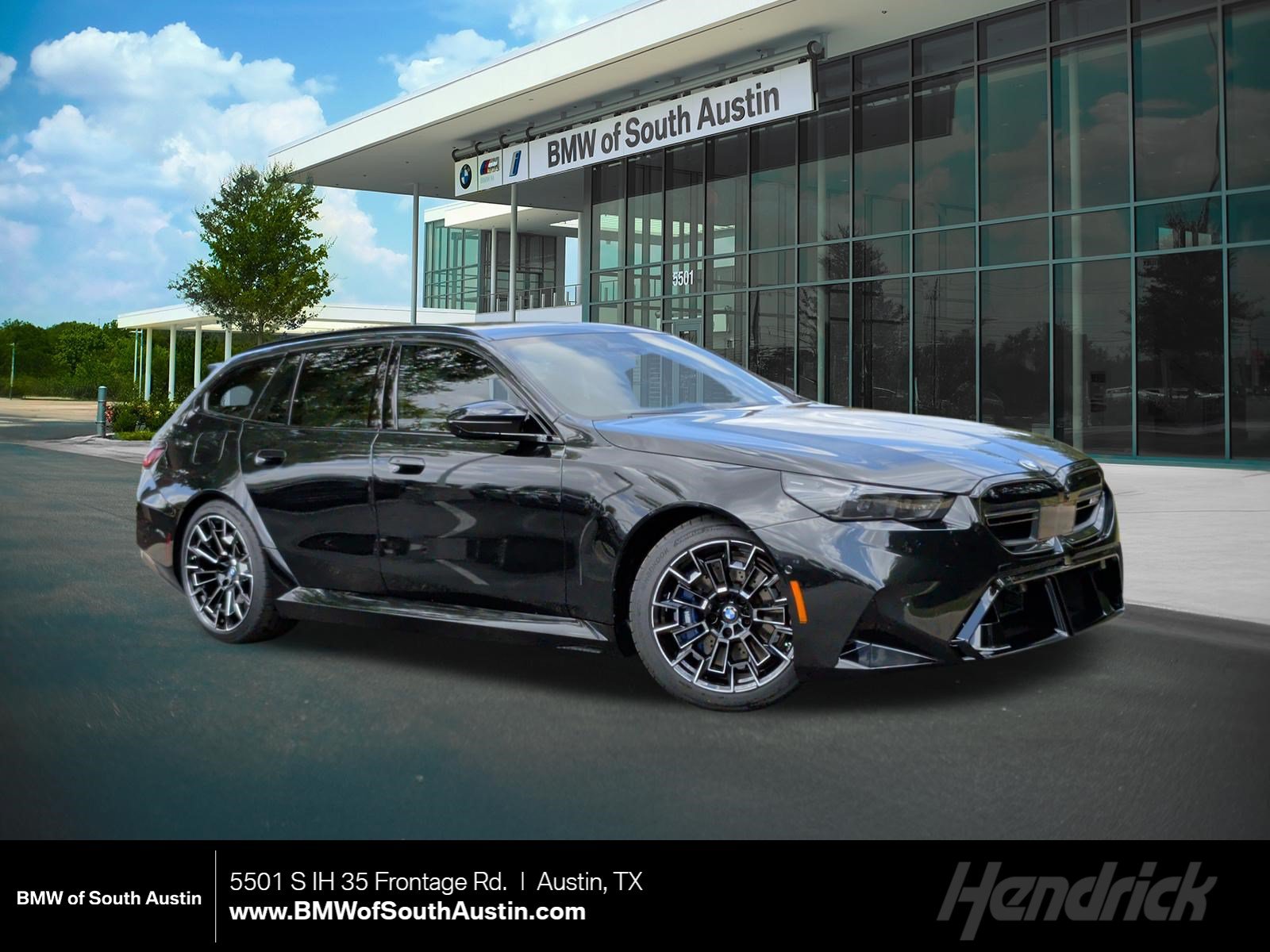
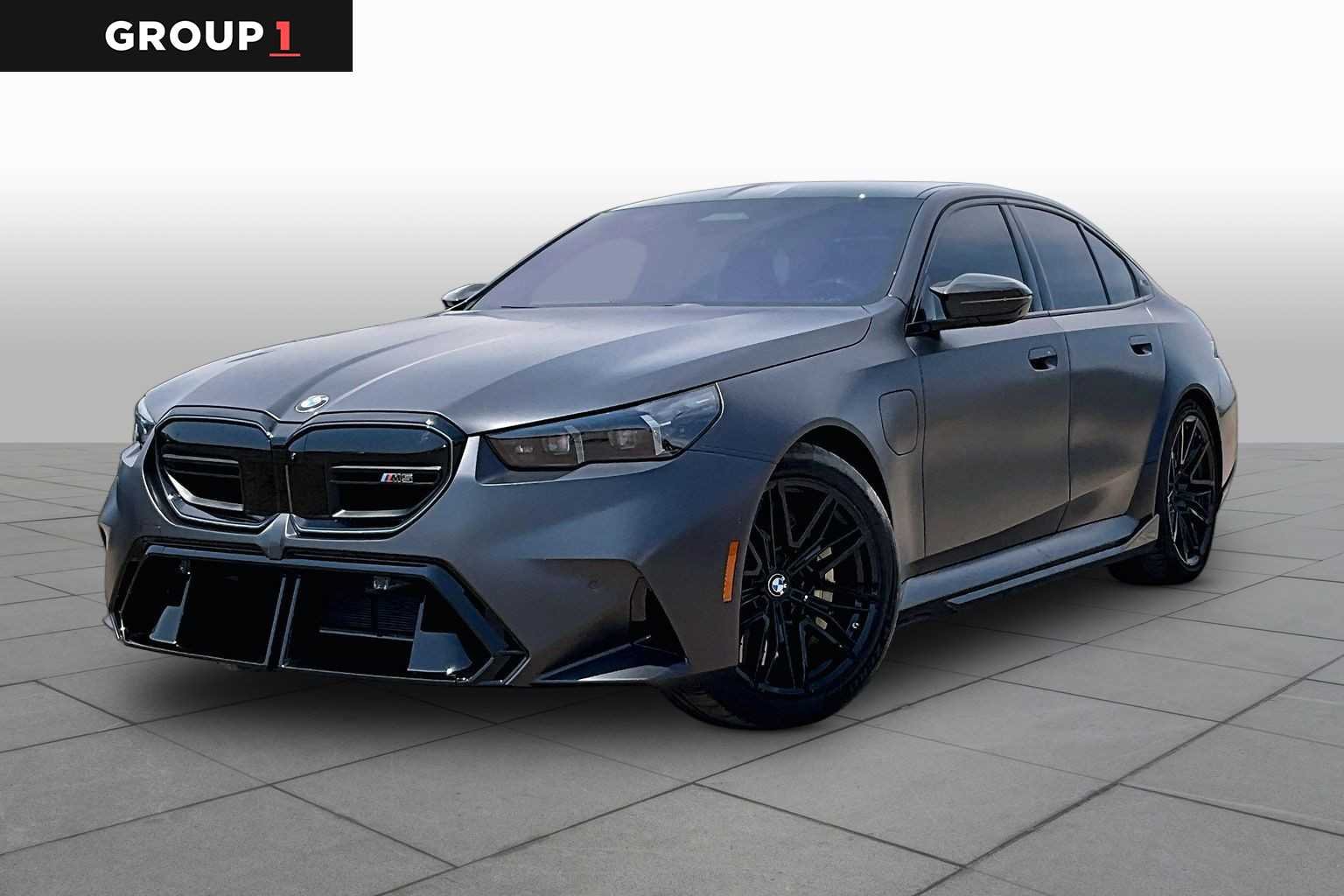
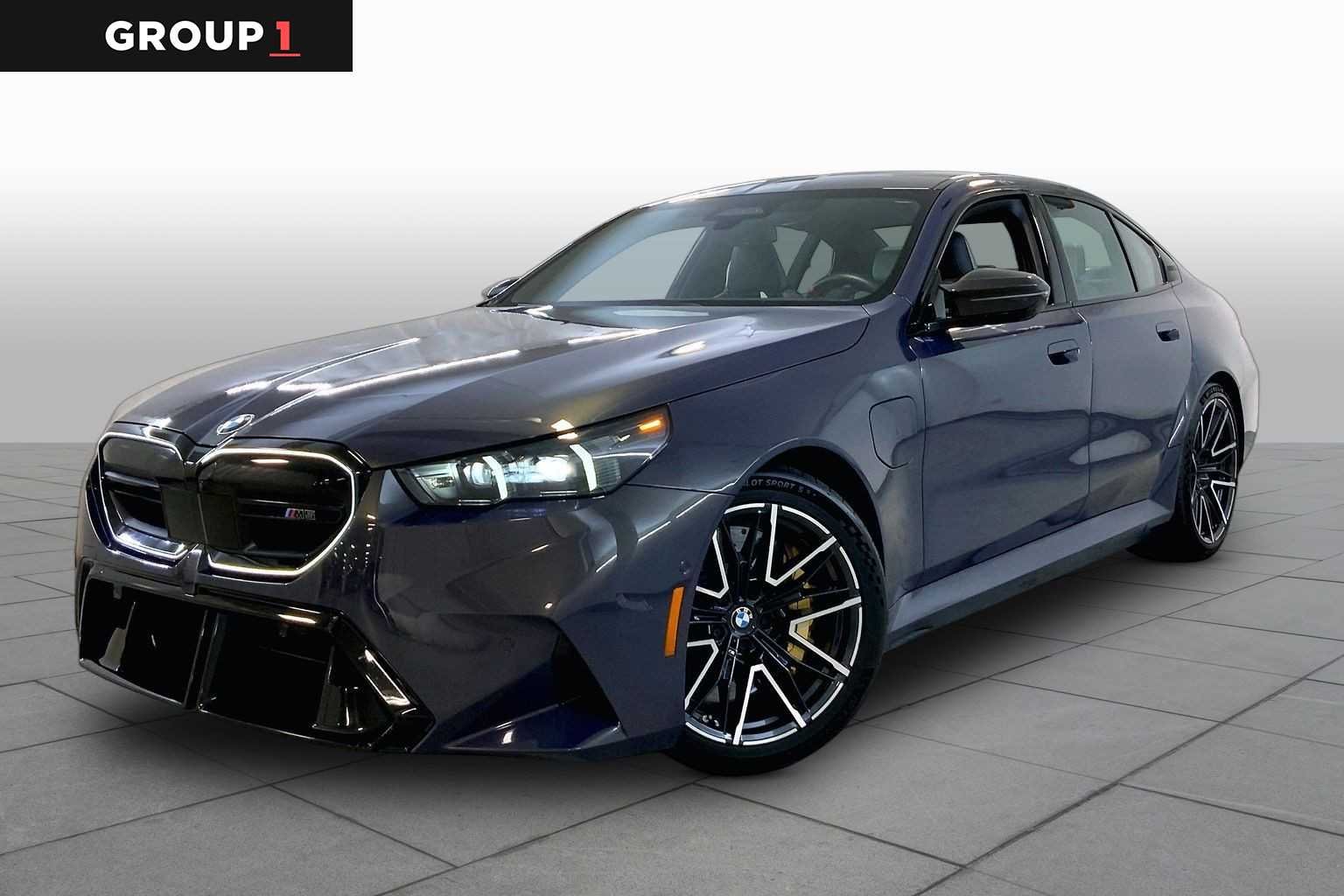
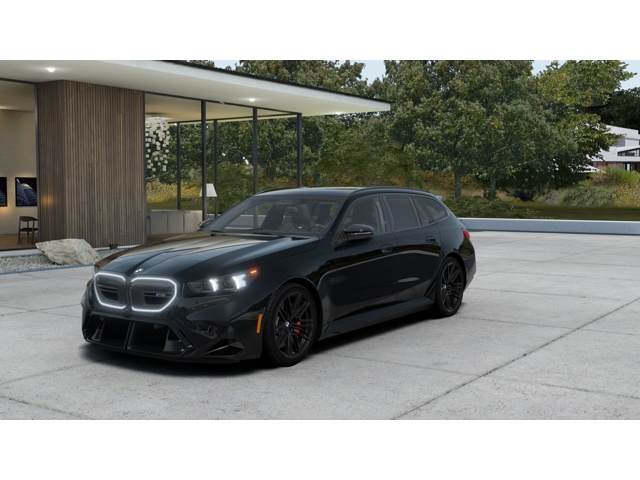
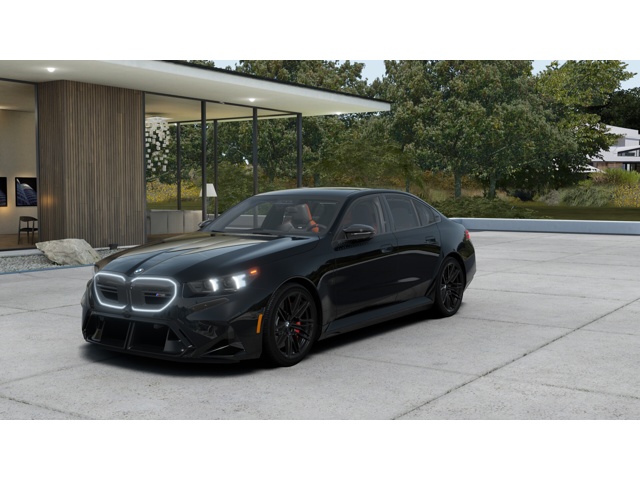
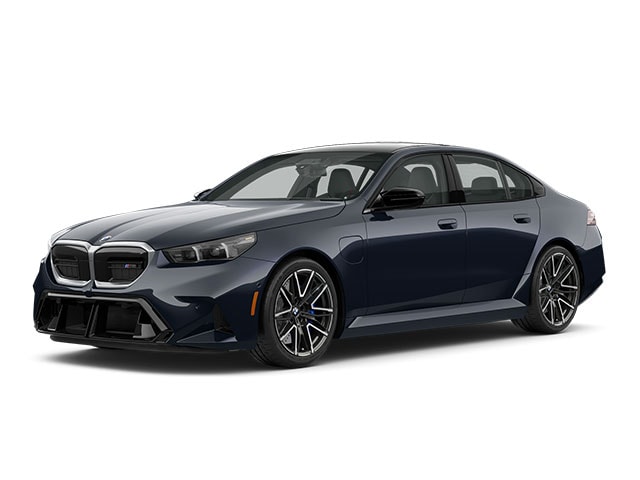
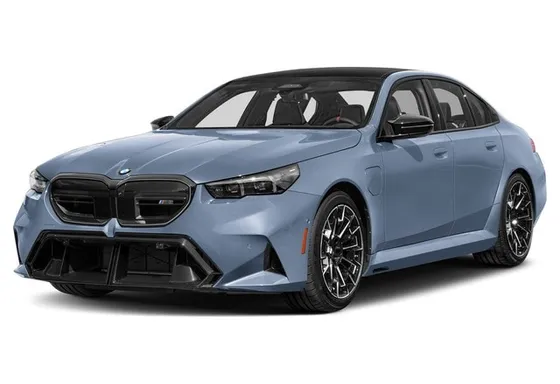
The BMW M5 represents a pinnacle of performance sedans, combining track-ready dynamics with everyday usability. If you’re in the market for a high-performance luxury car, understanding the nuances of the BMW M5 generation lineage helps you make a smarter decision, whether you’re buying for yourself or evaluating a potential trade-in. This guide covers key considerations like model generation, engine options, body configurations, and practical buying tips for different cities and markets.
The M5 has evolved through multiple generations, each bringing incremental improvements in power, handling, and technology. Prospective buyers should weigh factors such as engine displacement, turbocharging, all-wheel drive availability, and the balance between daily comfort and track-friendliness. If you’re shopping in a metropolitan area, you’ll often find well-maintained examples with relatively low mileage for the model year, but prices can reflect the car’s performance pedigree and rarity.
In large cities, search for certified pre-owned programs and reputable independent specialists who understand BMW M5 specifics. Test driving a car with a confirmed service history, and closer inspection of the suspension, differential, and turbo systems, helps prevent costly surprises. When negotiating price, consider the total cost of ownership, including maintenance, tires, fuel, insurance, and potential future repairs on high-performance components.
If you’re selling a BMW M5, highlight recent maintenance, documented service history, and any performance upgrades. Clear photos of the engine bay, suspension, and undercarriage help attract serious buyers who appreciate this car’s capabilities.
 Add as preferred sourceSee more from zvelta in Google Search Add as preferred source