 EN
ENDEALER
56.360 US$DEALER
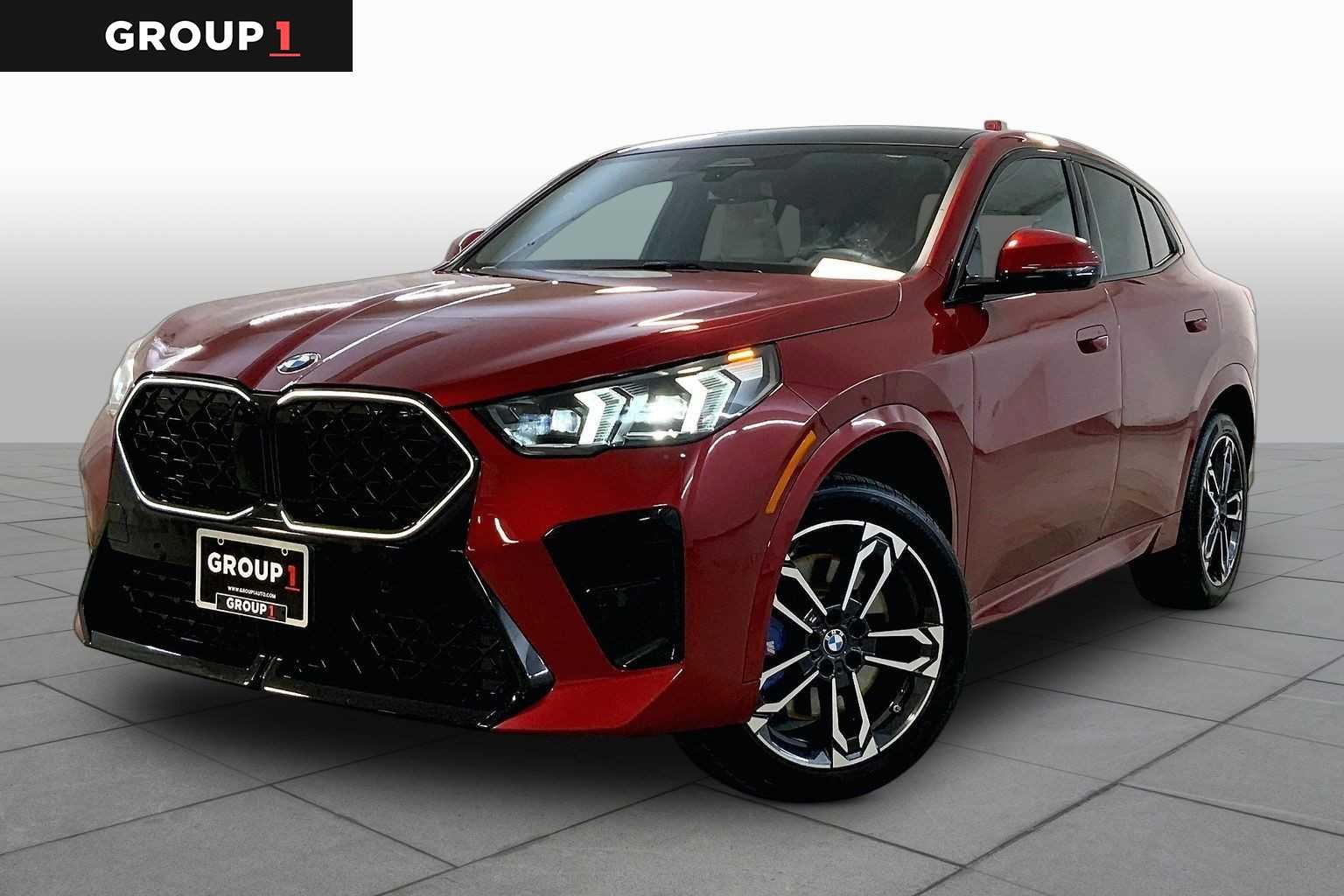
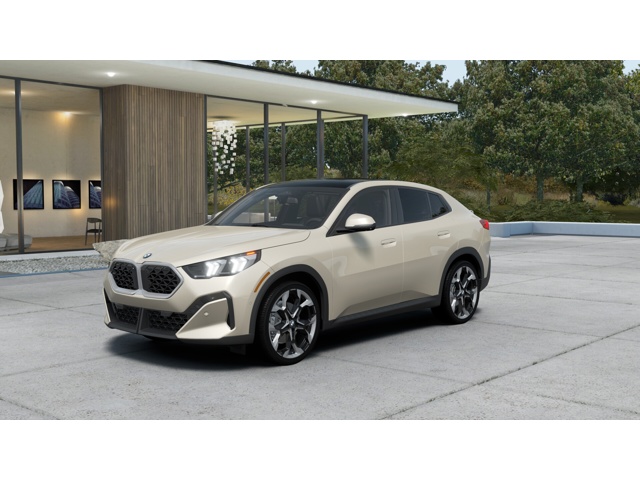
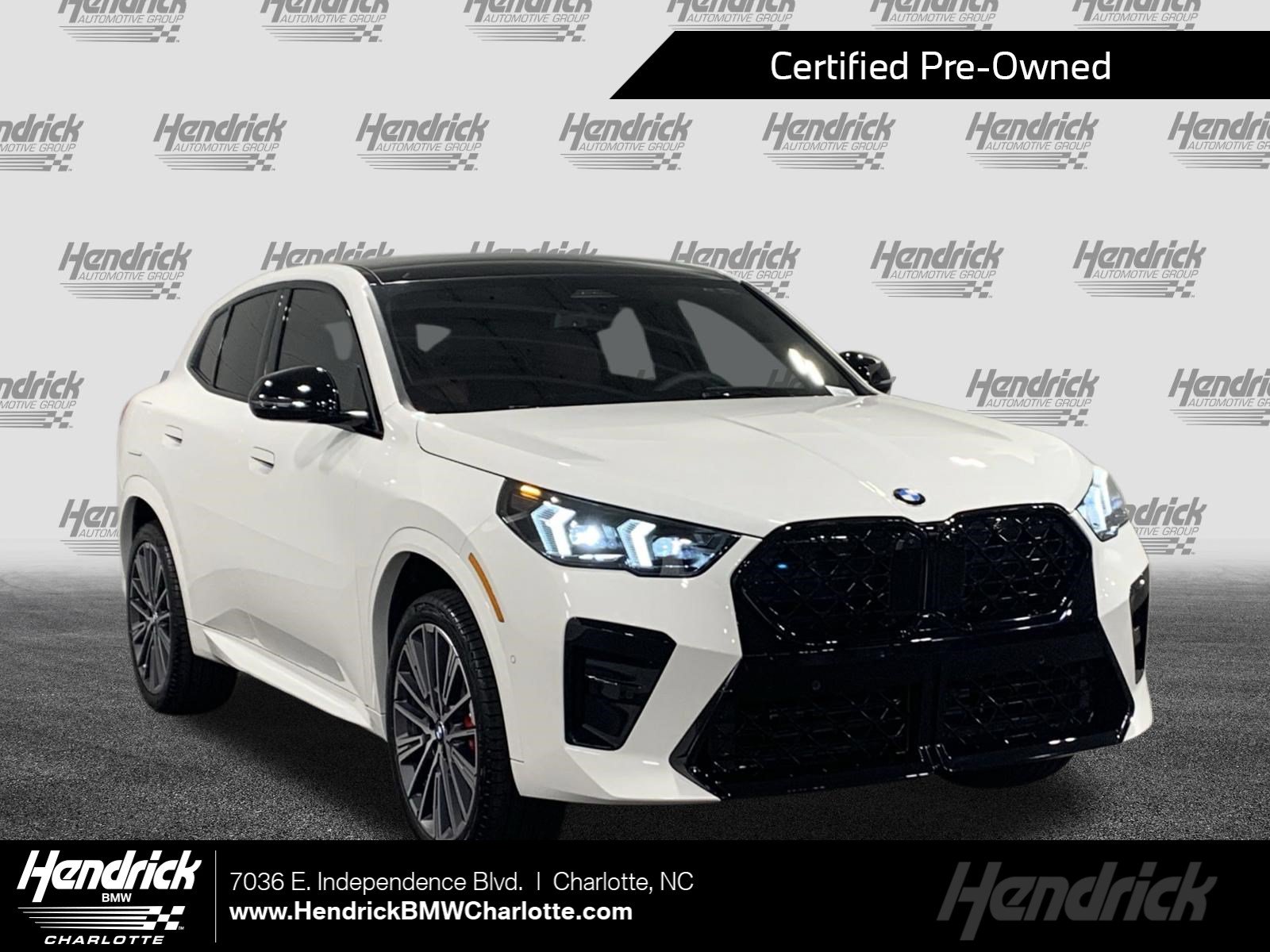
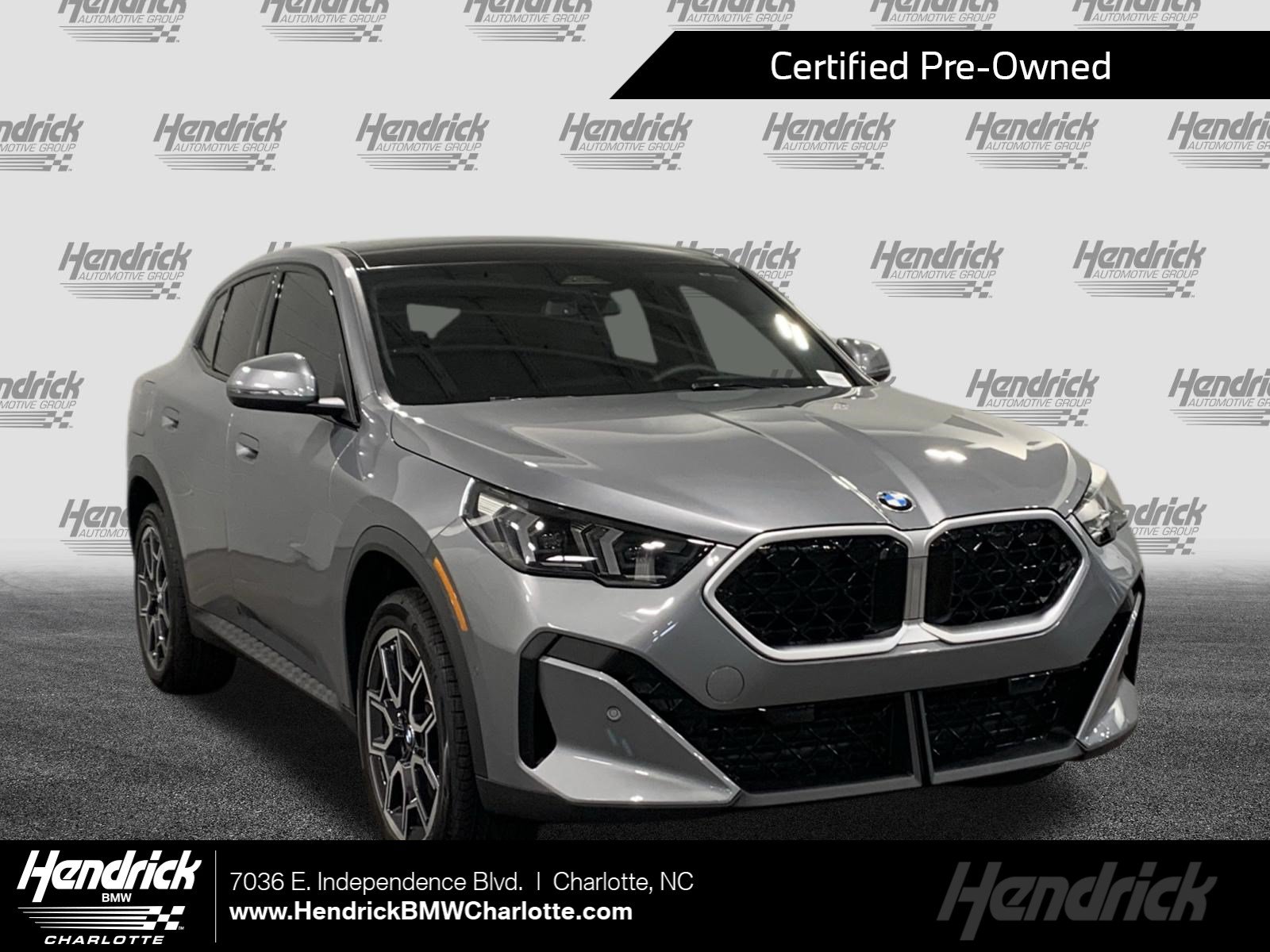
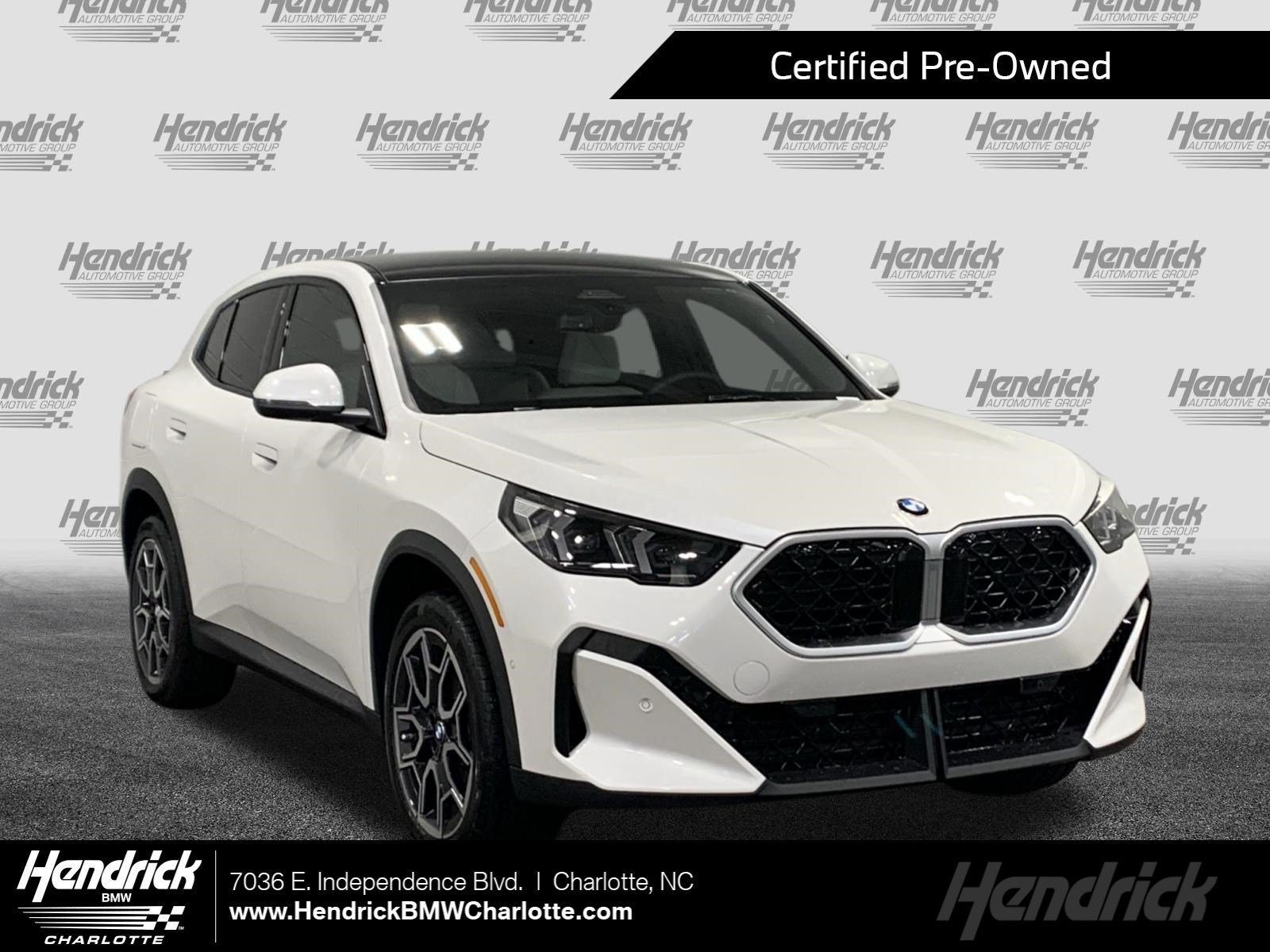
gasoline, automatic, All Wheels Drive, 2,000 cm3, red, xDrive28i, New condition, In transit
SonicAutomotive.com
 Brentwood, United States
 Brentwood, United States
 Brentwood, United StatesBrentwood, United States
 Lot, United StatesLot, United States
 Austin, United StatesAustin, United StatesAustin, United StatesAustin, United StatesAustin, United StatesMain Settlement, United StatesMain Settlement, United StatesMain Settlement, United StatesAtlanta, United StatesAtlanta, United StatesAtlanta, United States
 Atlanta, United StatesAtlanta, United StatesColumbia, United States
 Metrocenter / North Roads Park, United StatesCharlotte, United StatesCharlotte, United StatesCharlotte, United StatesCharlotte, United StatesCharlotte, United States
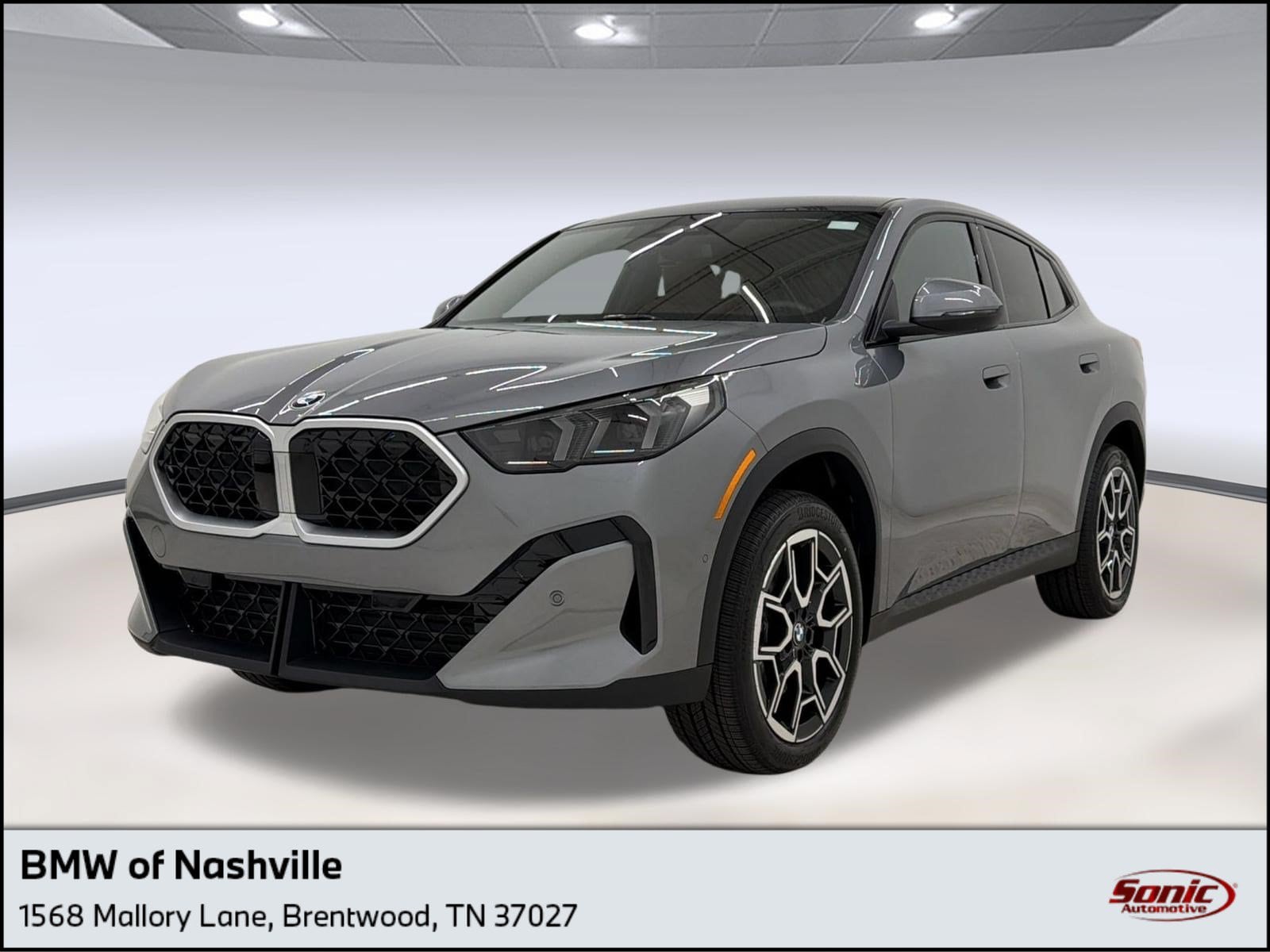
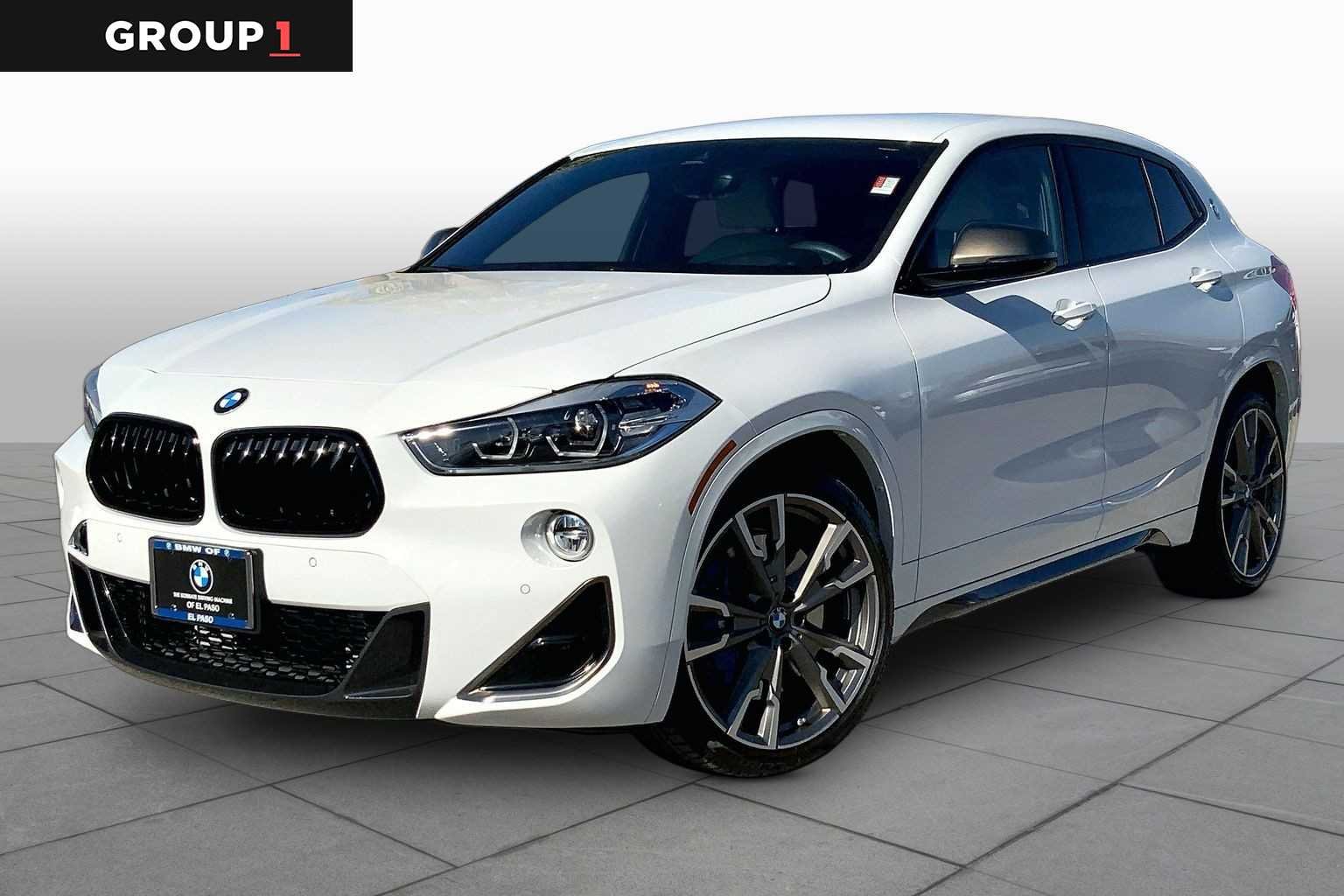
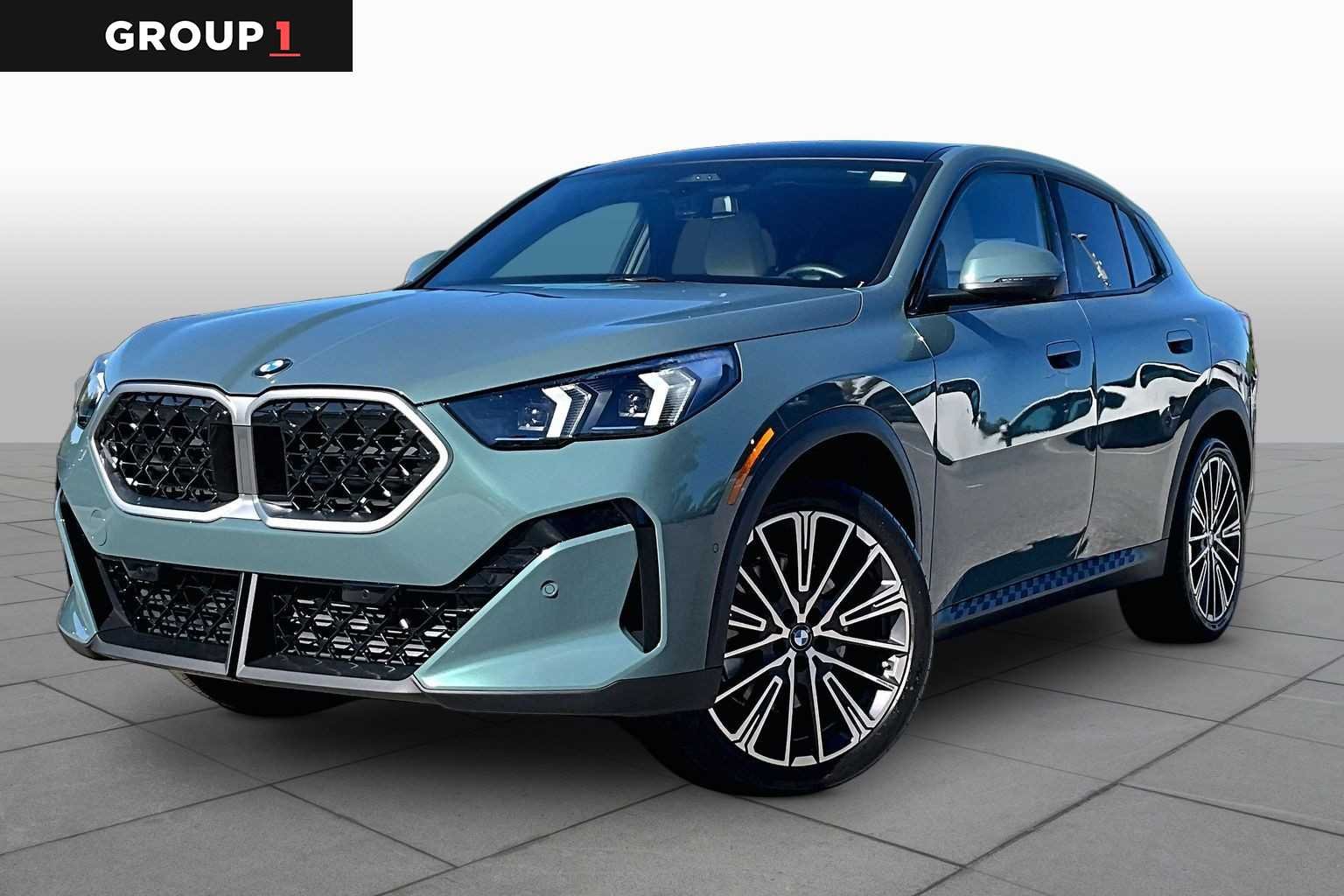
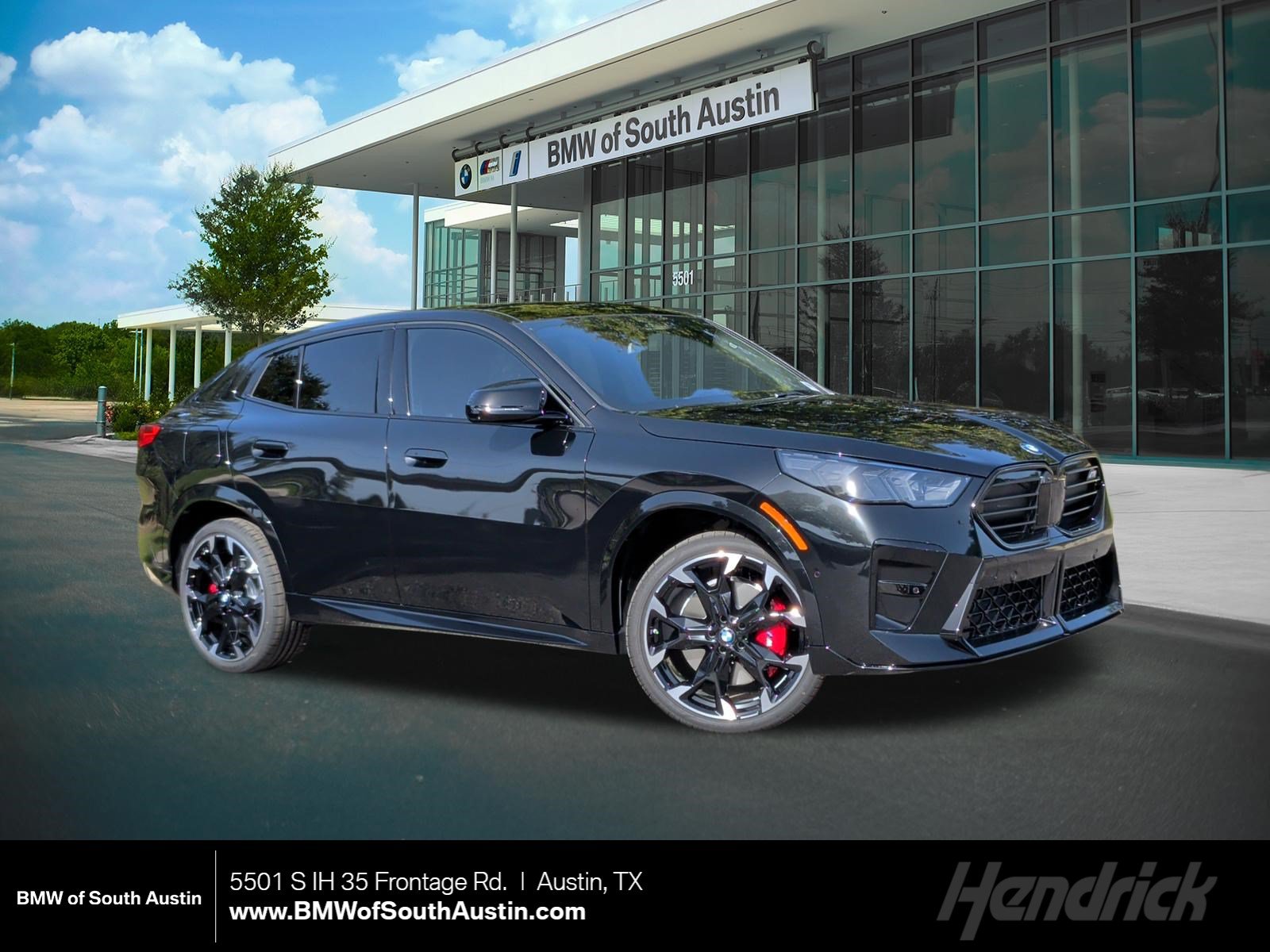
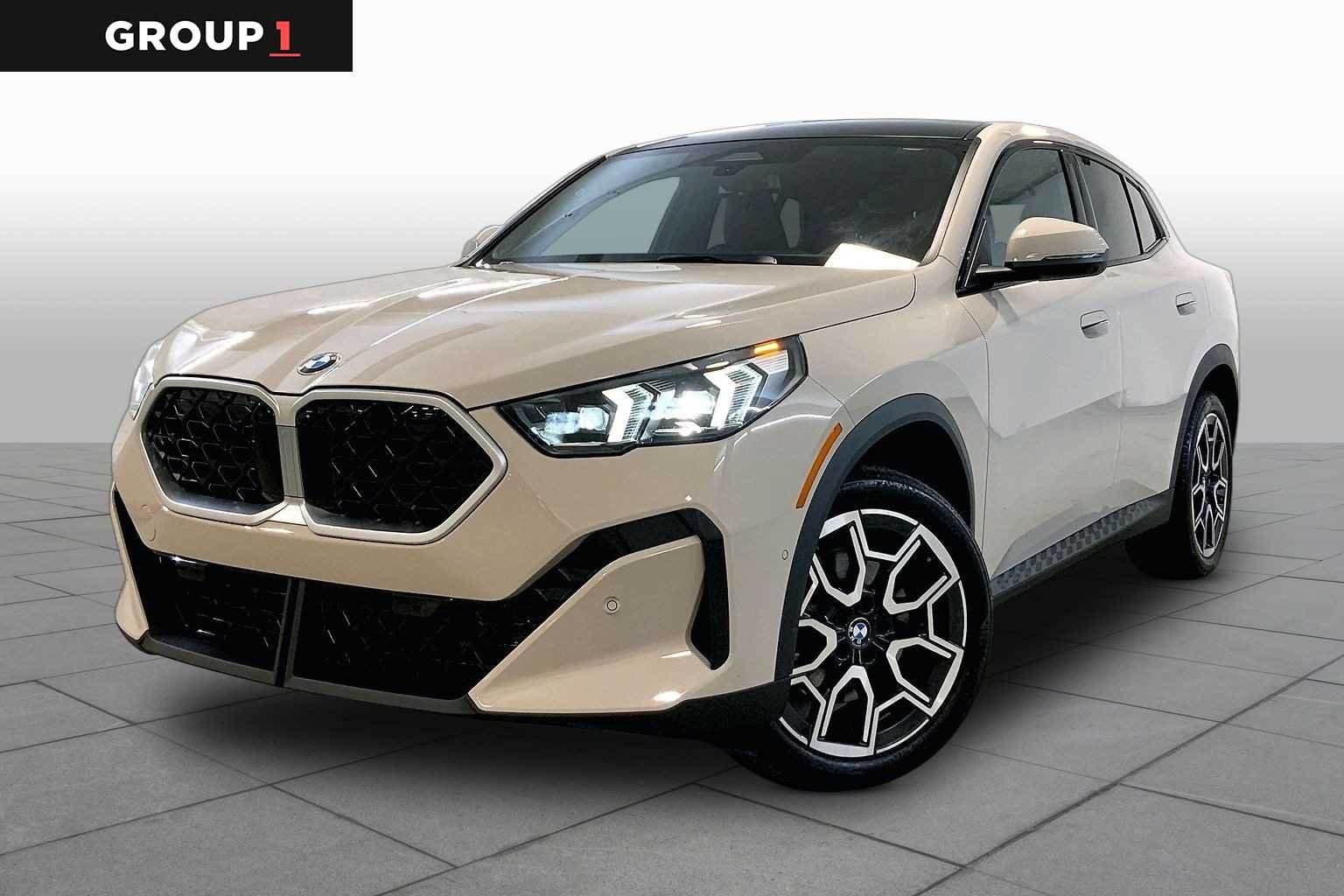
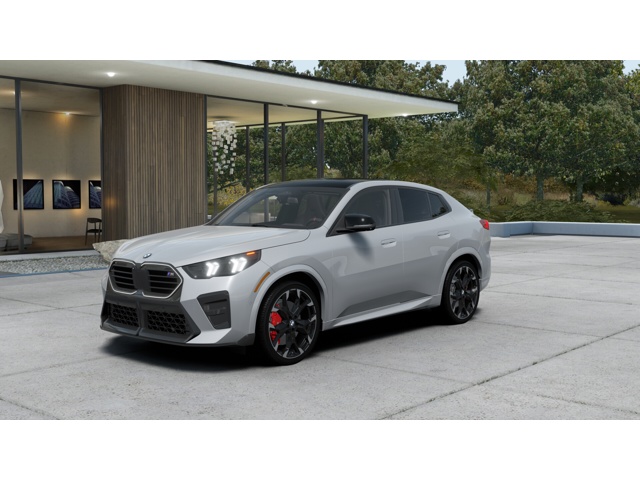
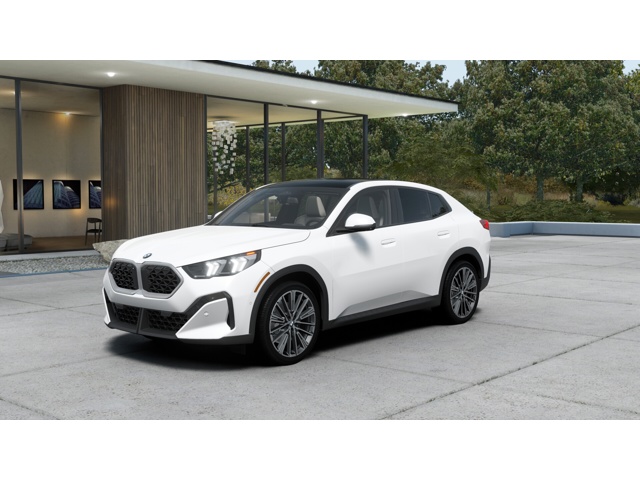
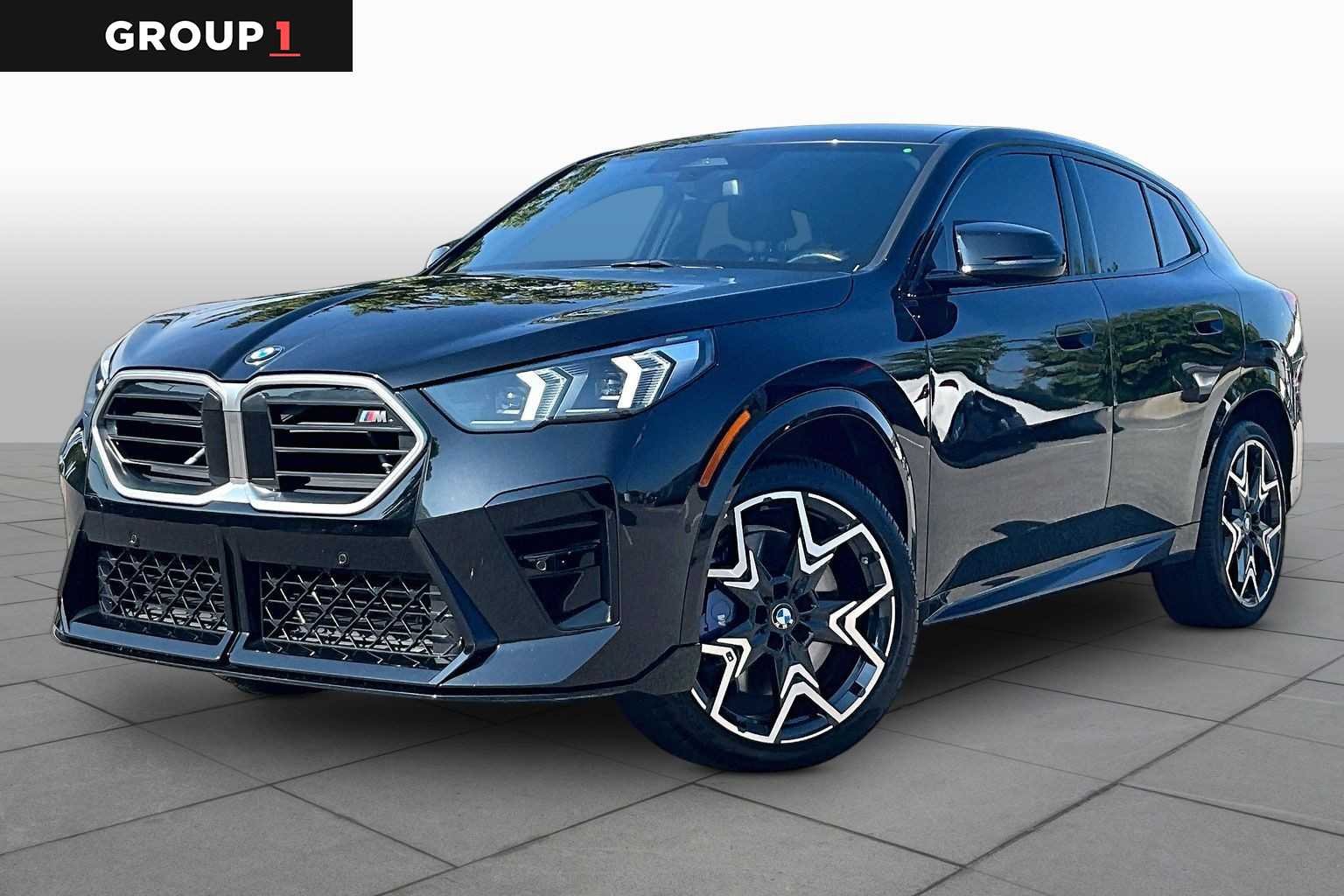
The BMW X2 stands out as a compact crossover with a bold design and dynamic handling. If you’re considering purchasing a BMW X2, you’ll want to understand the key choices, from generation and body style to engines, mileage, and price ranges across different markets. This guide focuses on helping you compare configurations, assess reliability, and decide which X2 fits your needs and budget in your city.
The BMW X2 is offered in several generations and variants, but most buyers focus on the earlier and mid-cycle models that balance price and features. Common configurations include a turbocharged four-cylinder engine, available all-wheel drive, and a sport-oriented suspension on performance trims. Body styles lean toward a compact hatchback crossover with a taller driving position, making it practical for city driving and weekend trips.
When evaluating a specific car, key data points matter:
To choose the right X2, consider these factors:
Before deciding, perform a thorough pre-purchase check:
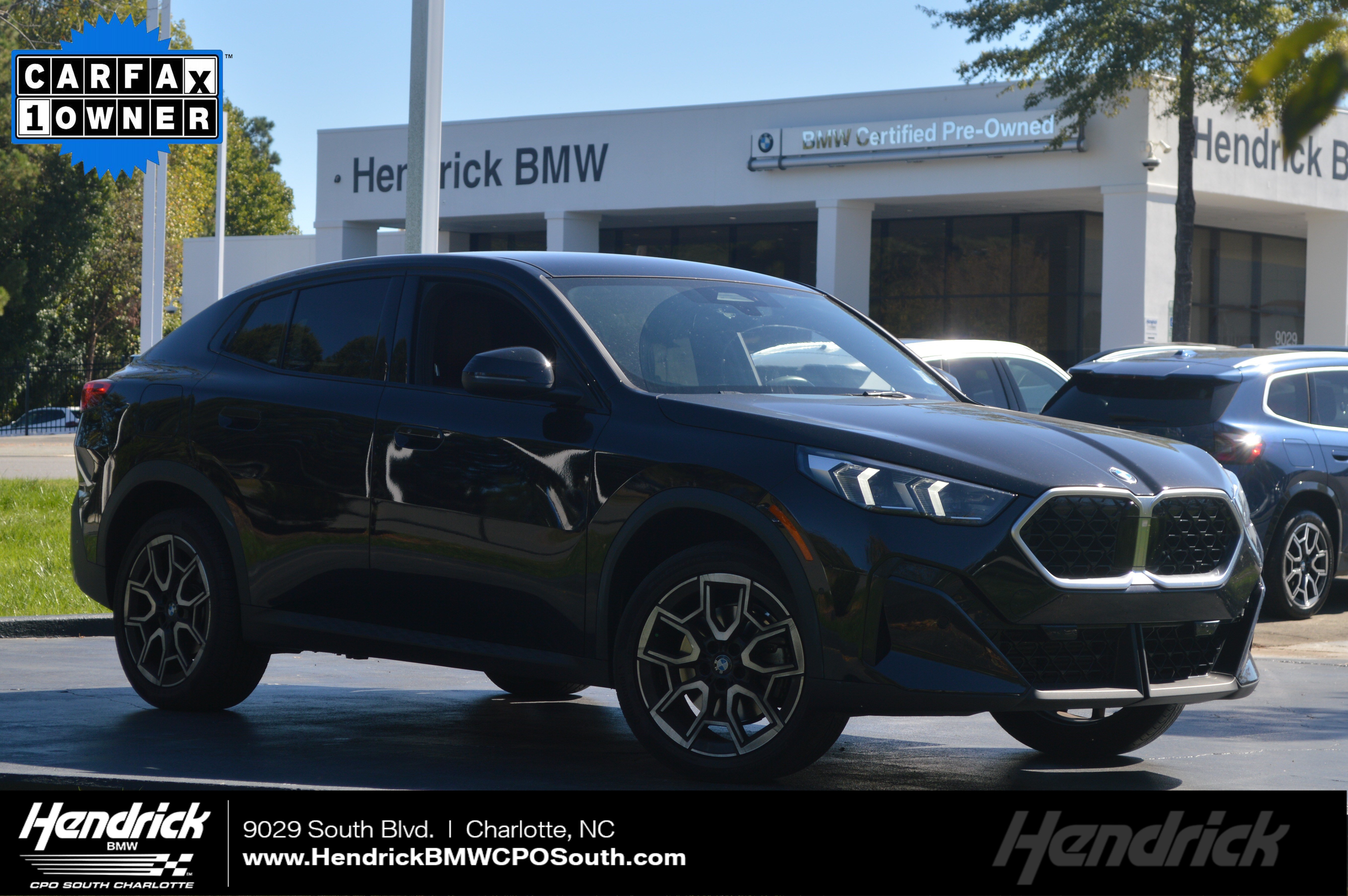
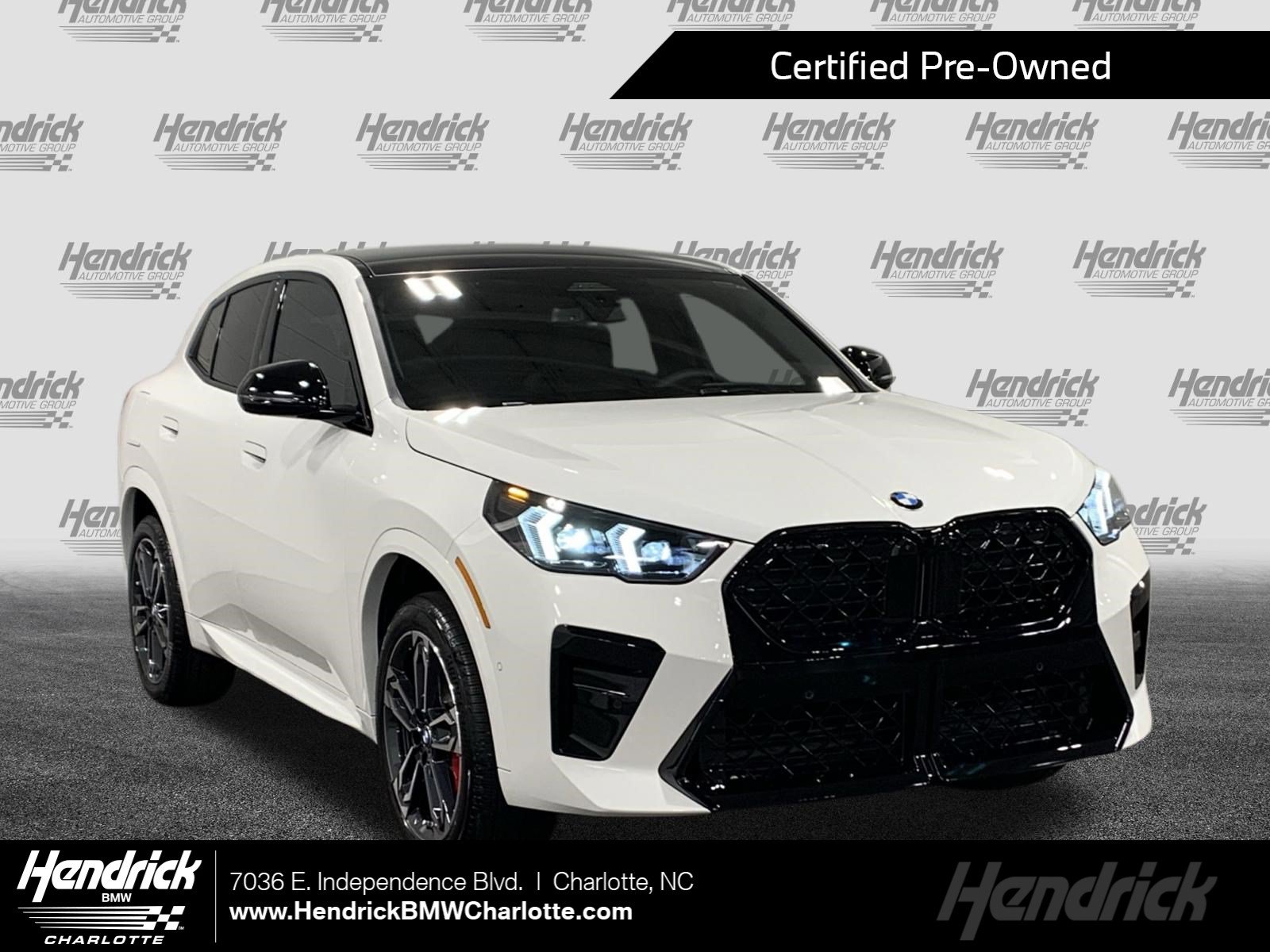
In your city, you’ll find a mix of official BMW dealerships, authorized pre-owned centers, and independent sellers offering X2s. Certified pre-owned programs can provide extended warranties and inspection reports, which can be valuable for first-time buyers or those seeking peace of mind. If you’re selling an X2, highlight maintenance history, recent upgrades, and the overall condition to appeal to buyers.
This guide aims to help you make a confident choice when buying or selling a BMW X2, with a clear view of how different generations, engines, and configurations perform in your local market.
 Add as preferred sourceSee more from zvelta in Google Search Add as preferred source