 EN
ENDEALER
110.410 US$DEALER
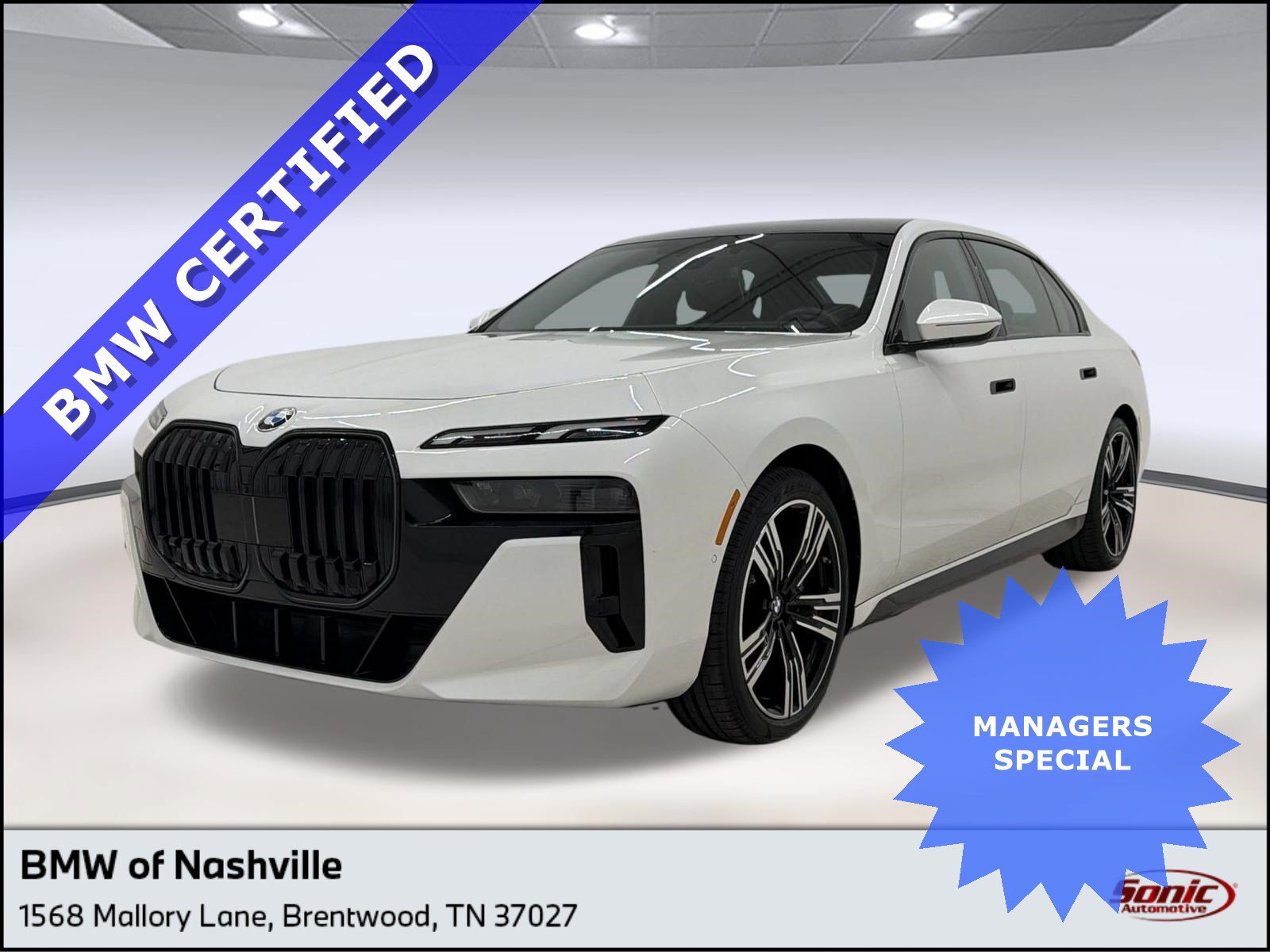
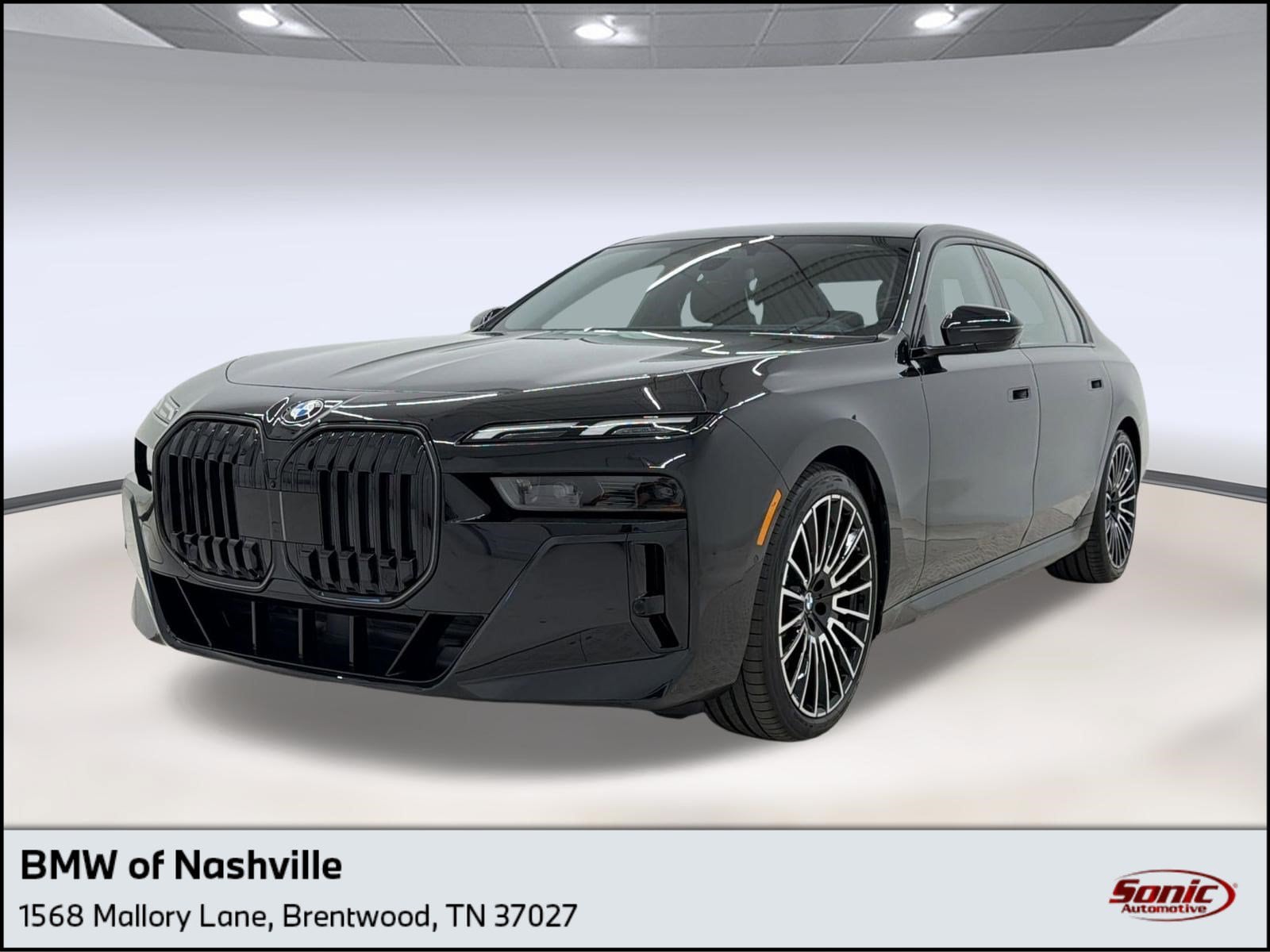
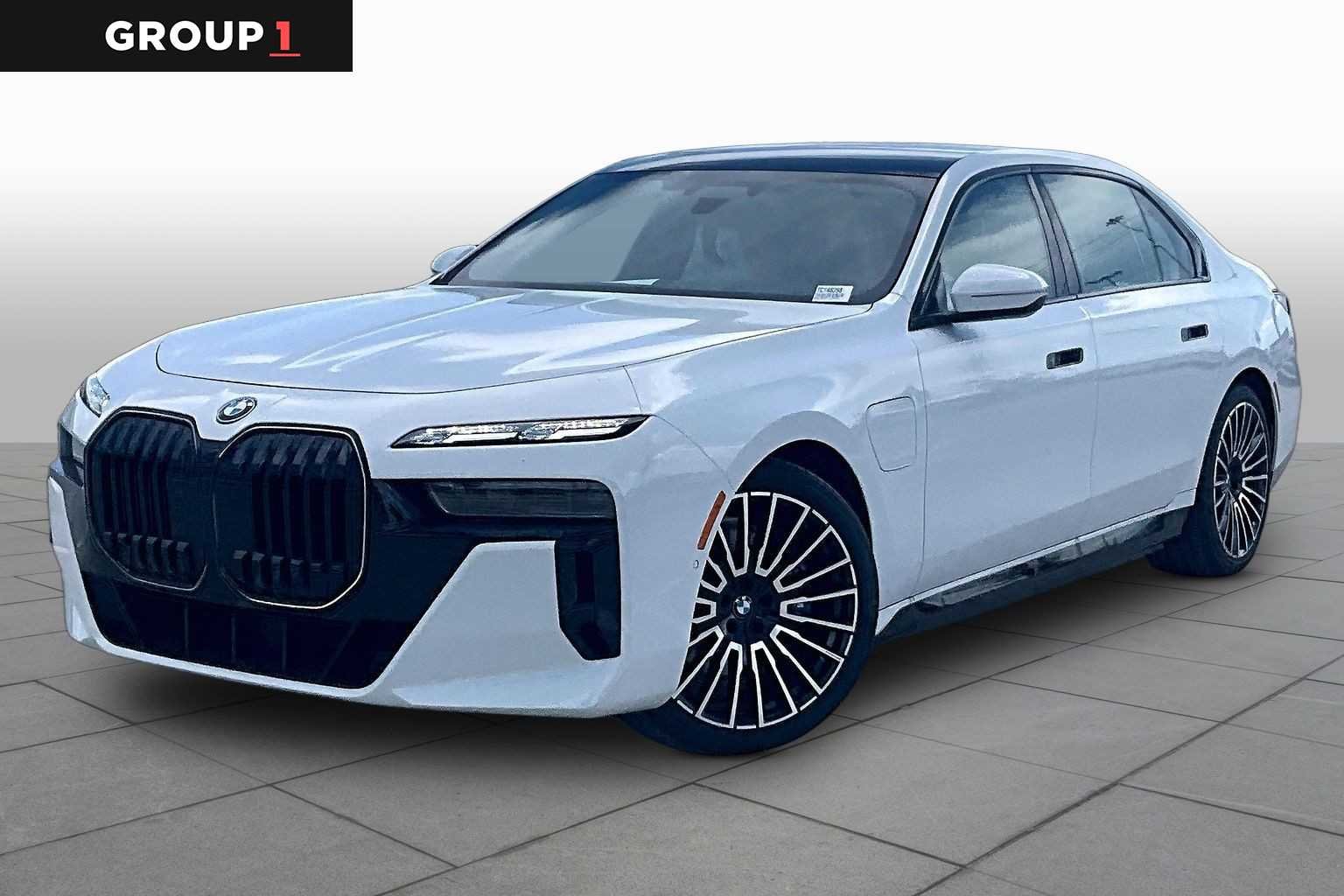
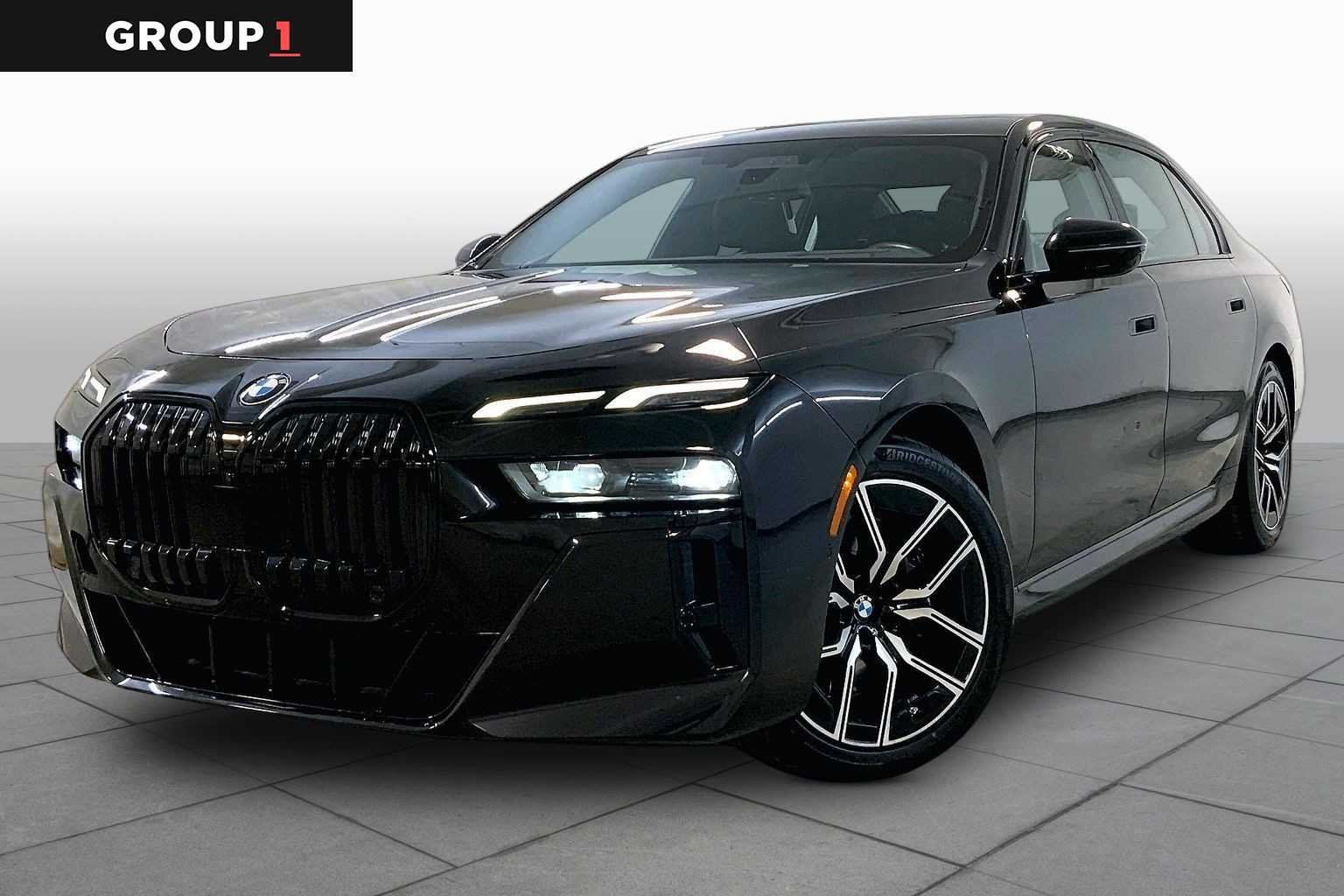
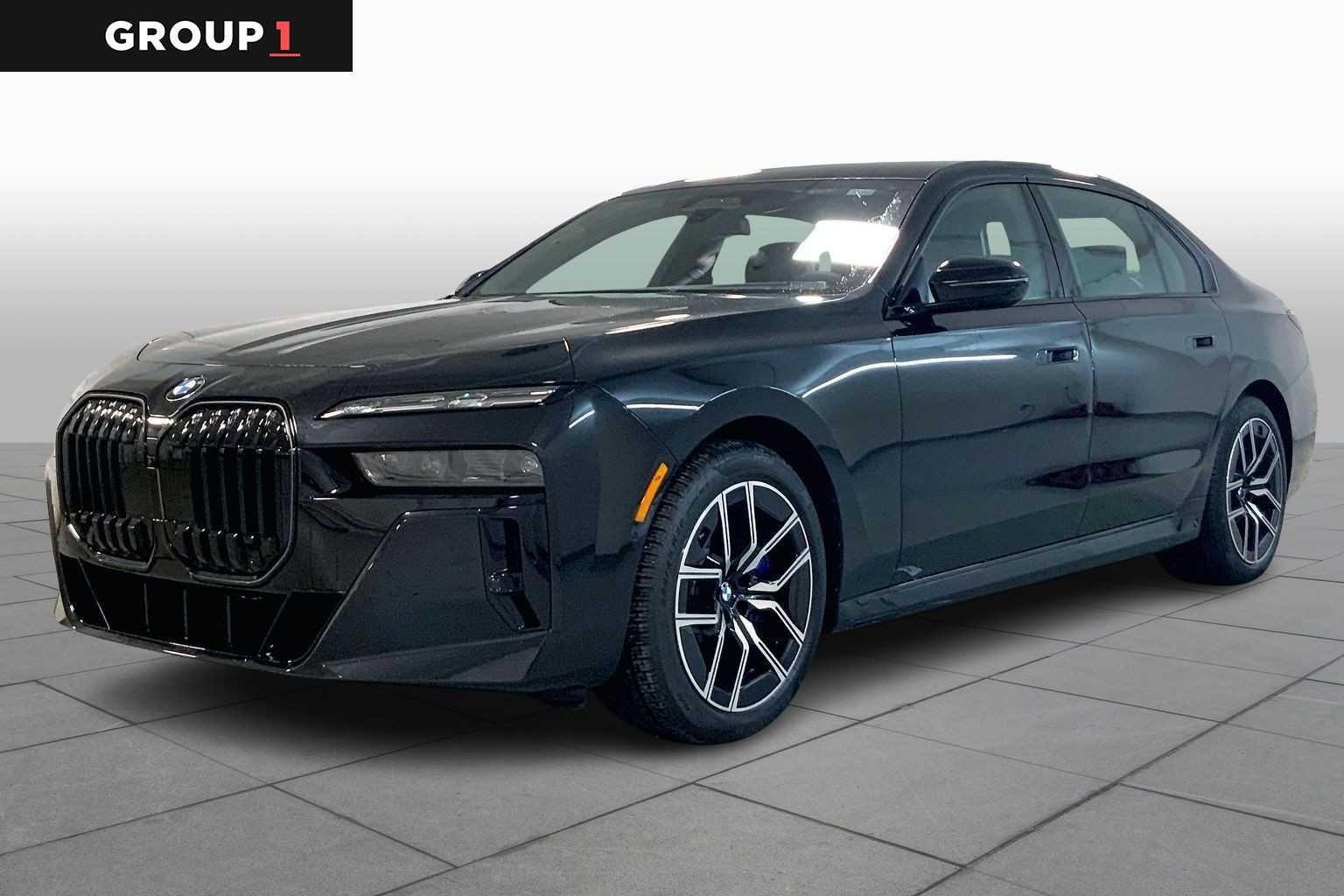
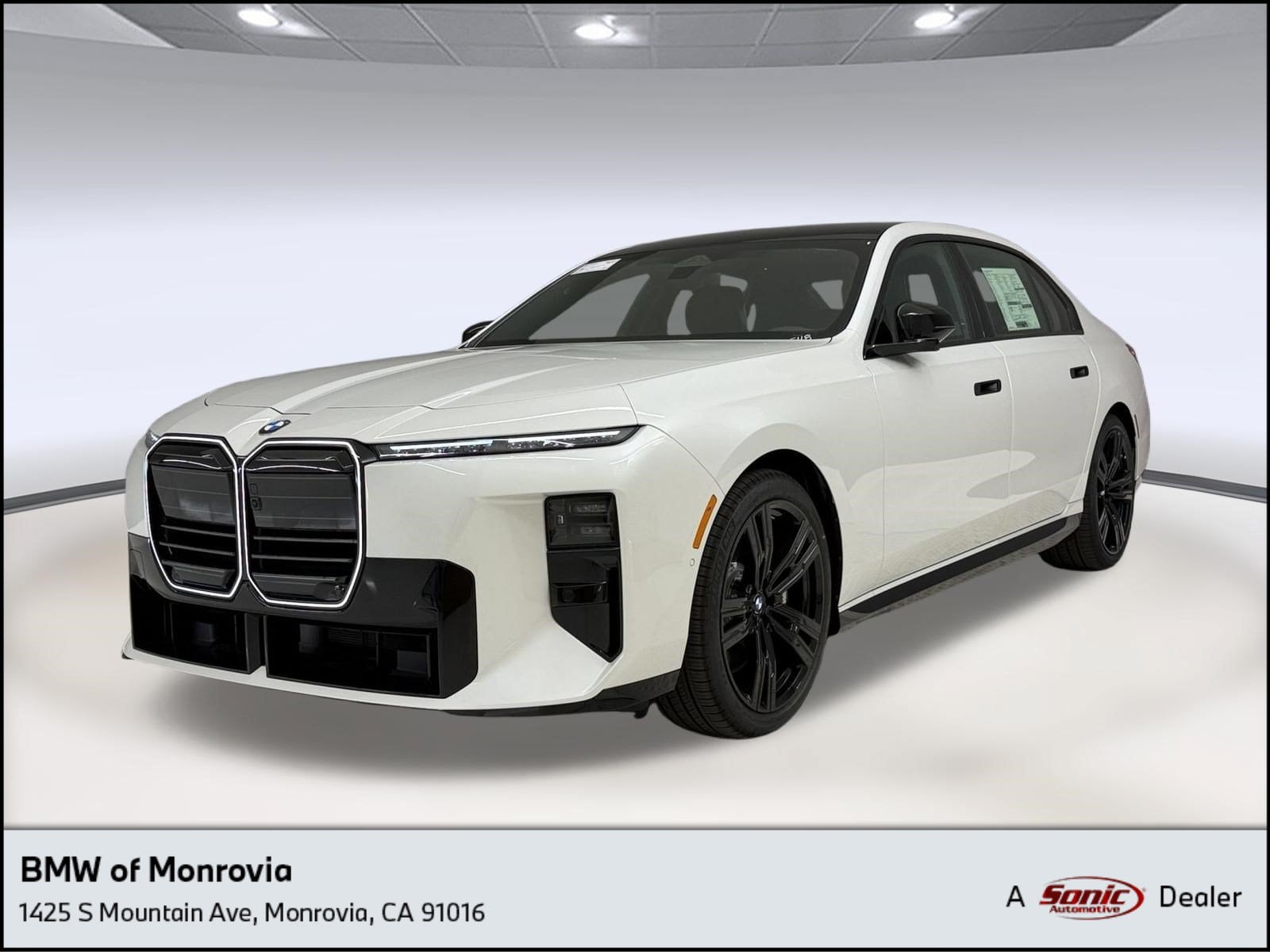
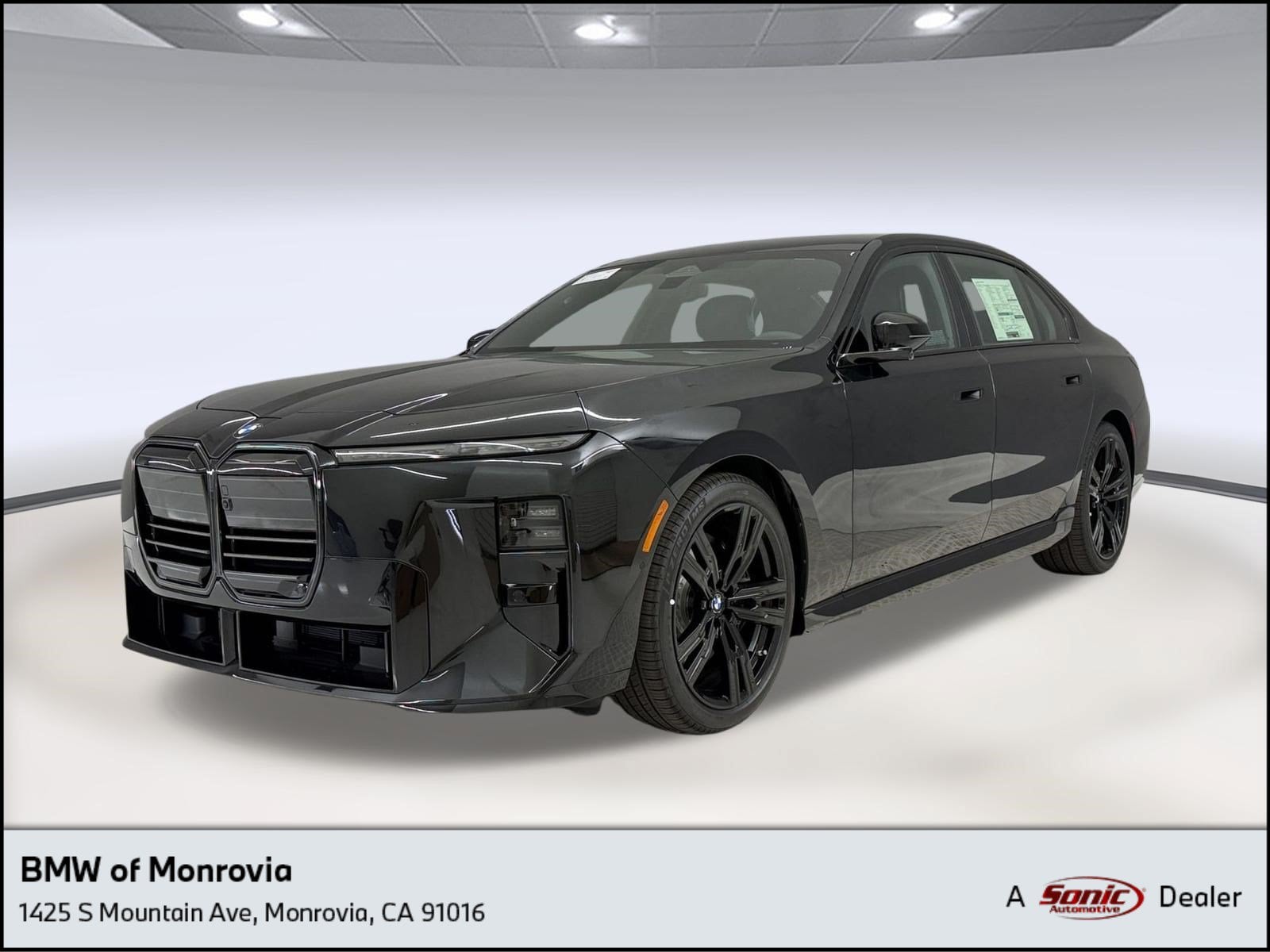
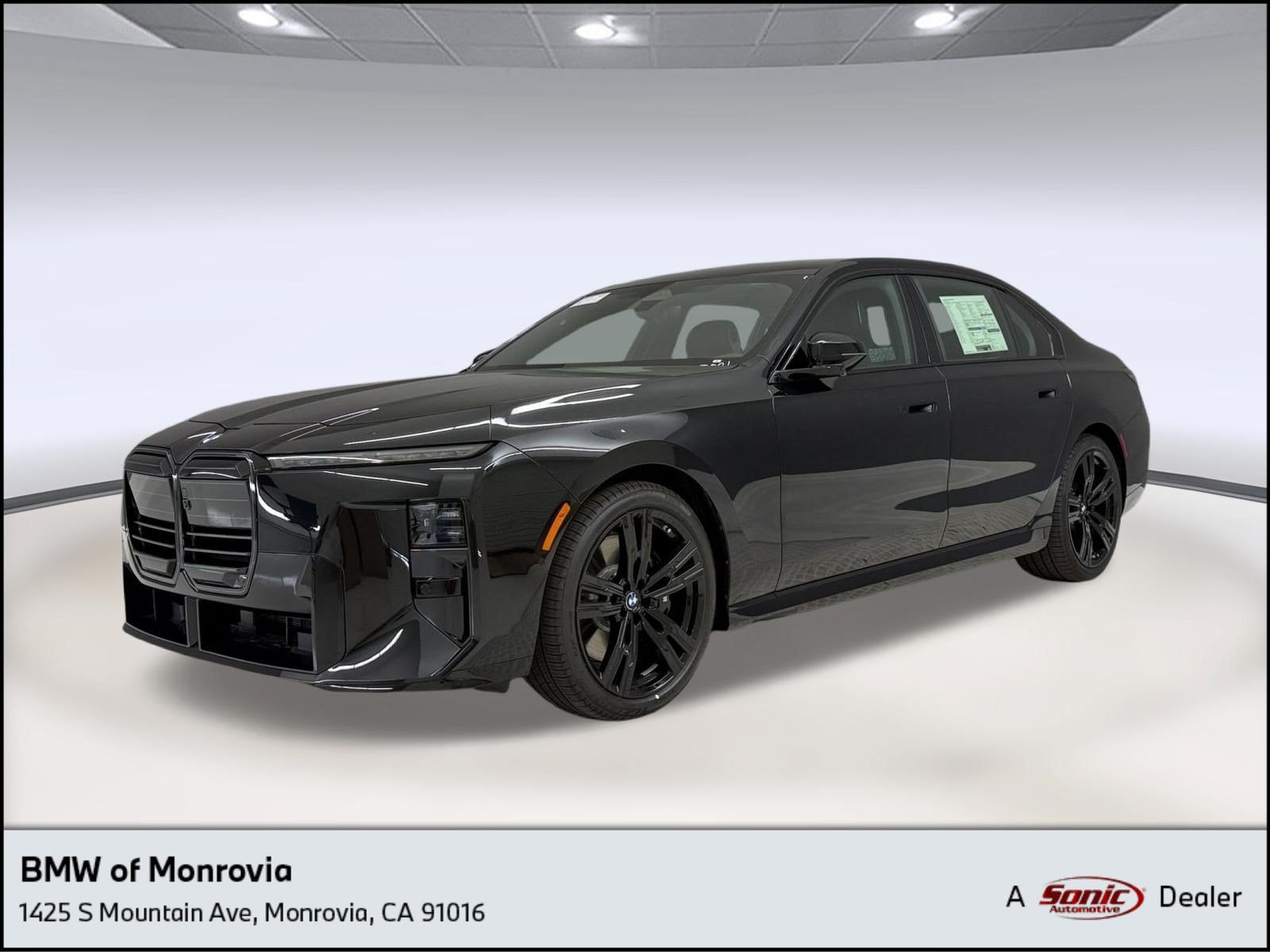
gasoline, automatic, All Wheels Drive, 3,000 cm3, black, New condition, In transit
SonicAutomotive.com
 Brentwood, United States
 Brentwood, United StatesBrentwood, United StatesBrentwood, United StatesBrentwood, United States
 Chevrolet, United StatesLot, United States
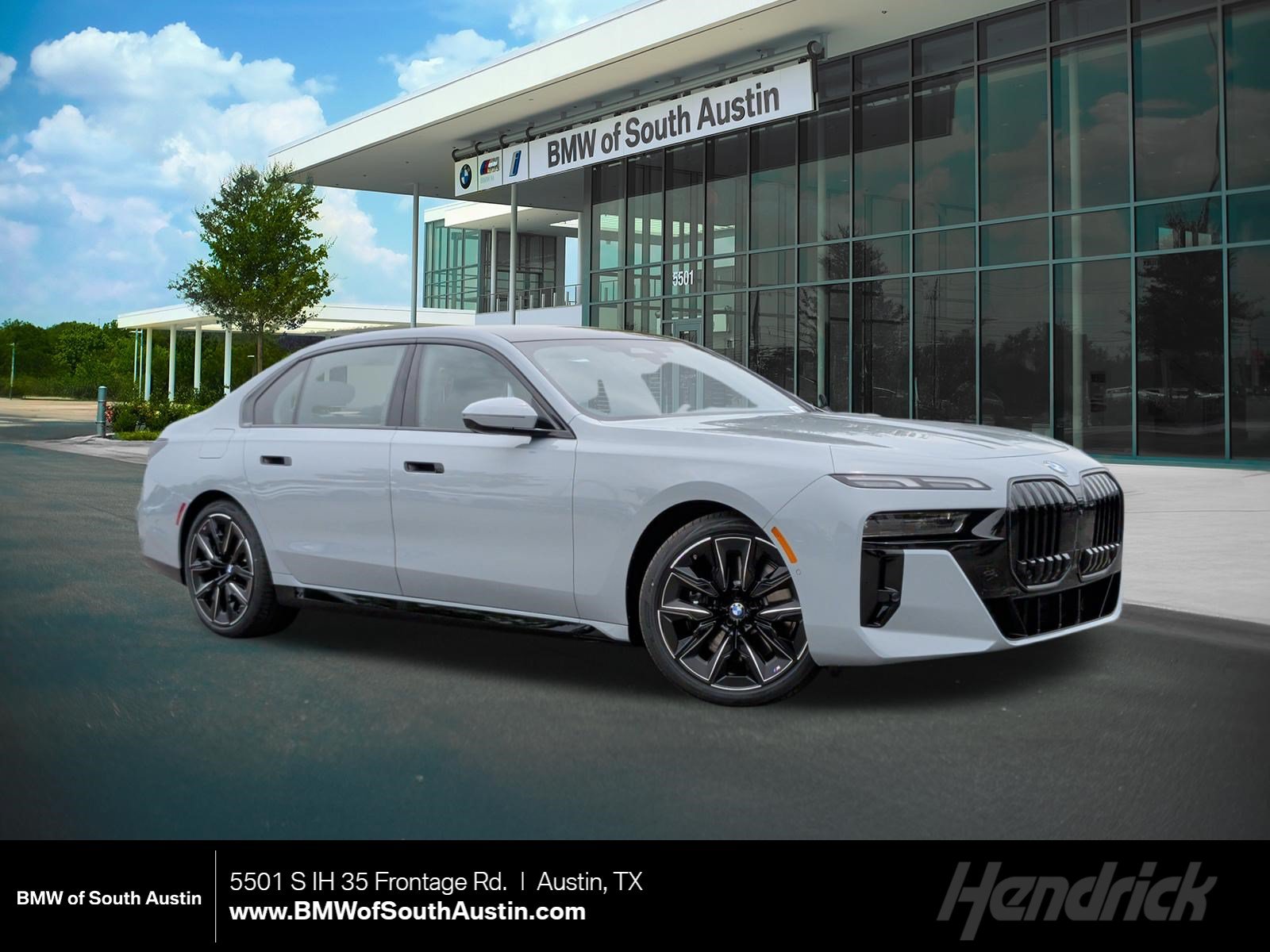
 Austin, United StatesAustin, United StatesAustin, United StatesAustin, United StatesAustin, United StatesAustin, United StatesAustin, United StatesAustin, United StatesMain Settlement, United StatesMain Settlement, United StatesMain Settlement, United StatesMain Settlement, United StatesSag Bridge, United StatesMidtown, United StatesMidtown, United StatesMonrovia, United StatesMonrovia, United StatesMonrovia, United StatesMonrovia, United States
Buying a BMW 7 Series is a decision that blends prestige with practical needs. This guide walks you through choosing between generations, engine options, and body styles, and explains how to assess price ranges, mileage, and logistics when you are in key markets. Whether you aim to buy or sell, knowing what to look for helps you make informed choices and negotiate confidently.
The BMW 7 Series spans several generations, each bringing distinctive design language and tech. Common engine choices include efficient turbocharged inline-sixes, V8s for performance, and in some markets hybrid variants. Body styles range from long-wheelbase sedans designed for comfort to sportier variants in certain markets. When evaluating a specific model year, check for common issues reported by owners, like infotainment reliability in older generations or suspension wear in higher-mileage cars. For buyers, this is also the moment to decide on a preferred configuration: propulsion type (gas, diesel, hybrid), transmission, and optional luxury packages.
Prices for the BMW 7 Series vary by country and city, and by generation, mileage, and condition. In many markets, recent model years command premium, especially with low mileage and a clean service history. If you are in a major city, consider availability of certified pre-owned programs, extended warranties, and maintenance costs. For sellers, preparatory steps include gathering service records, verifying kilometraje, and documenting any aftermarket modifications. In both cases, a clean CARFAX-style history, where available, boosts buyer confidence.
If you’re selling, present a clear listing with high-quality photos, mileage, fuel type, year, and a transparent maintenance history. Highlight any factory packs or recent updates and be honest about any wear. Buyers in your region will appreciate precise details that help them assess value quickly.
 Add as preferred sourceSee more from zvelta in Google Search Add as preferred source