 EN
ENDEALER
55.798 US$DEALER
55.799 US$
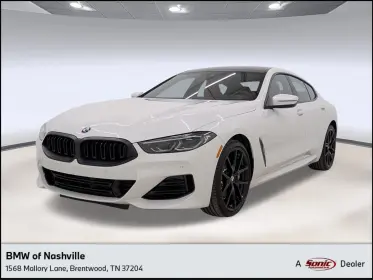
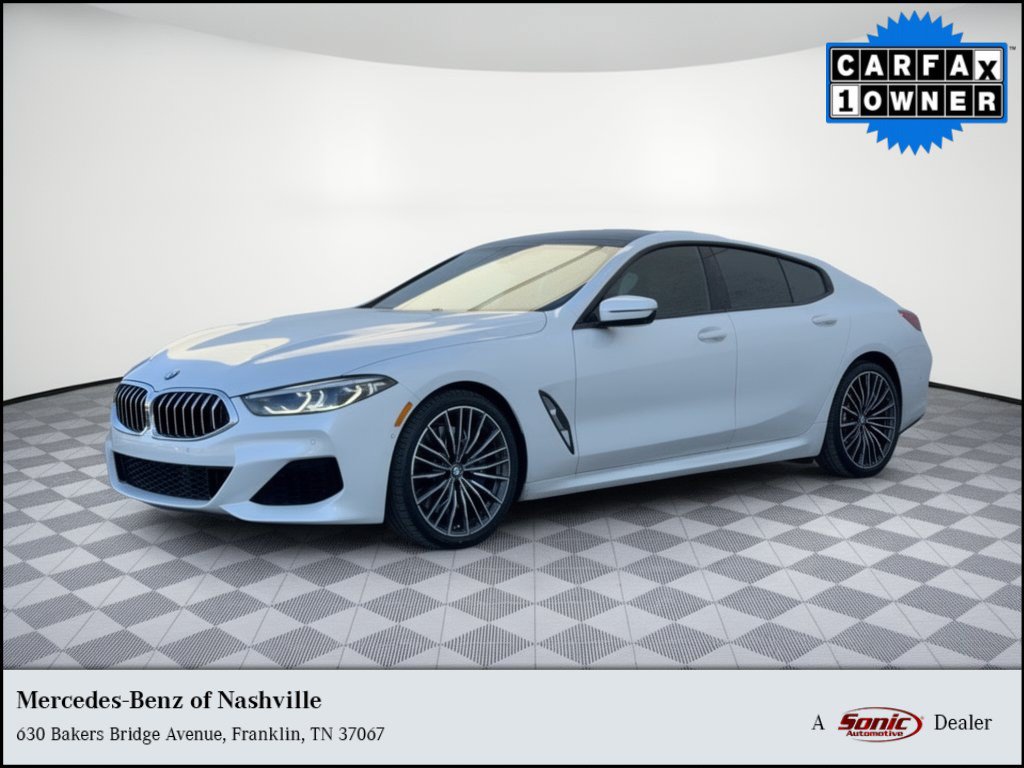
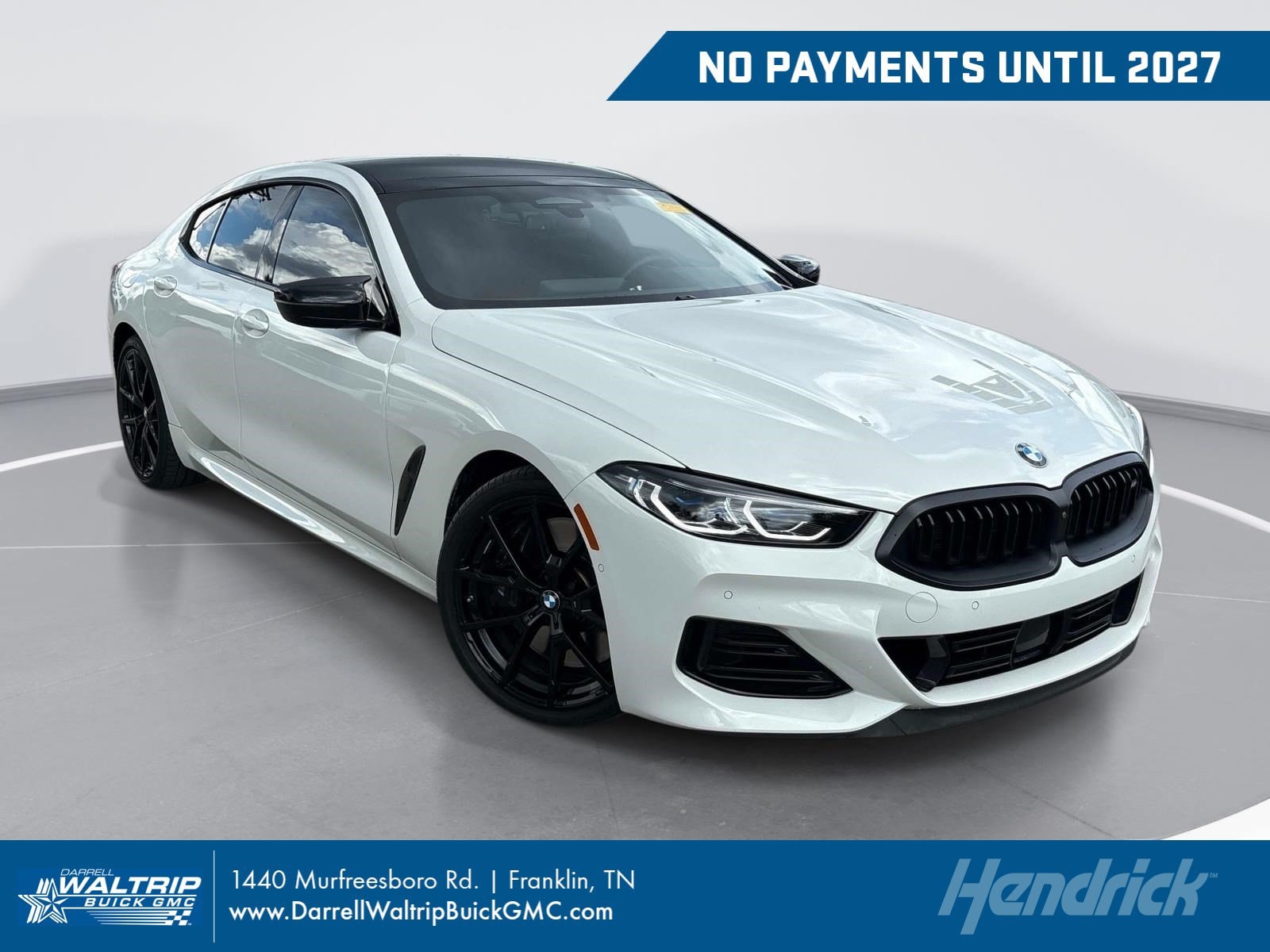
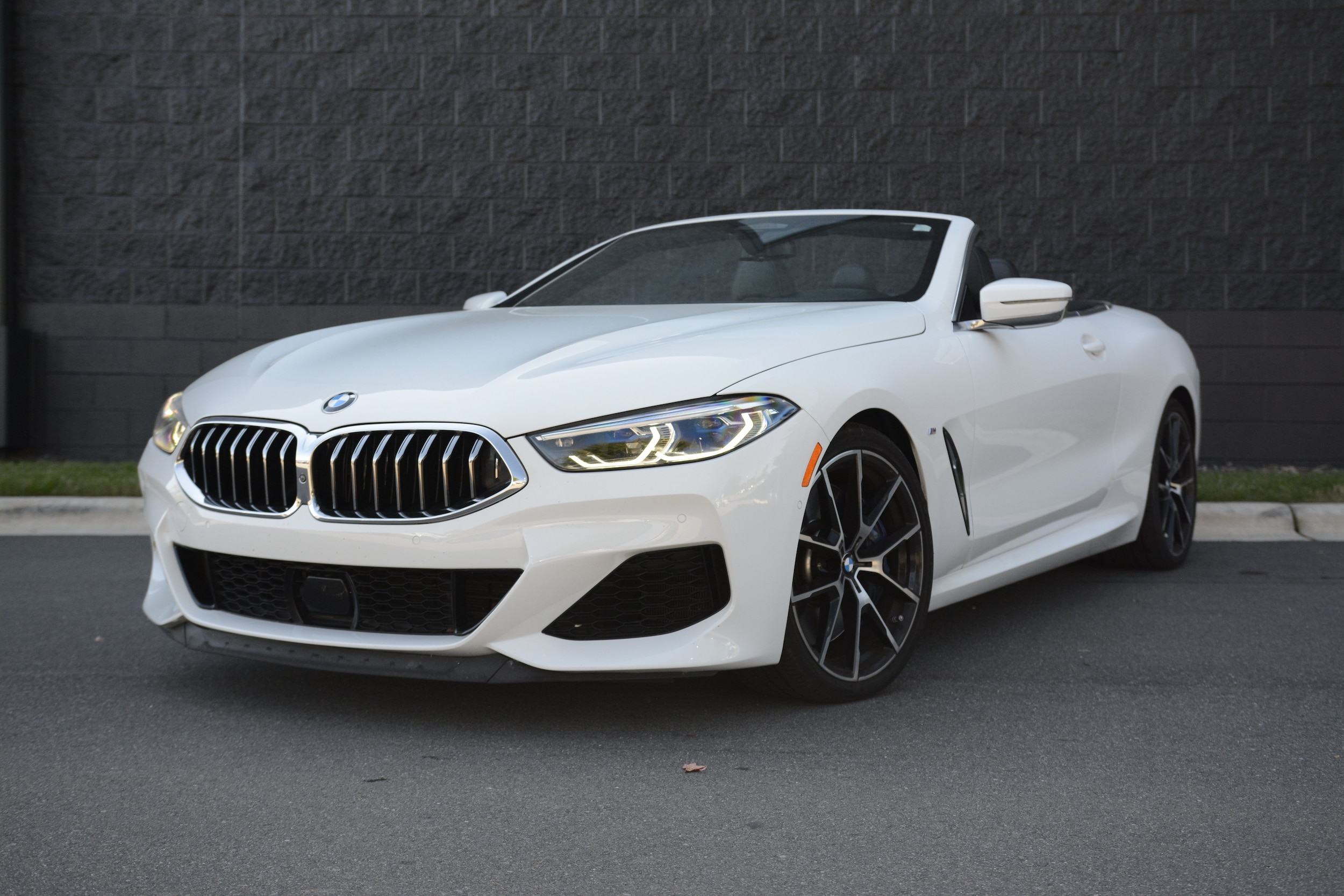
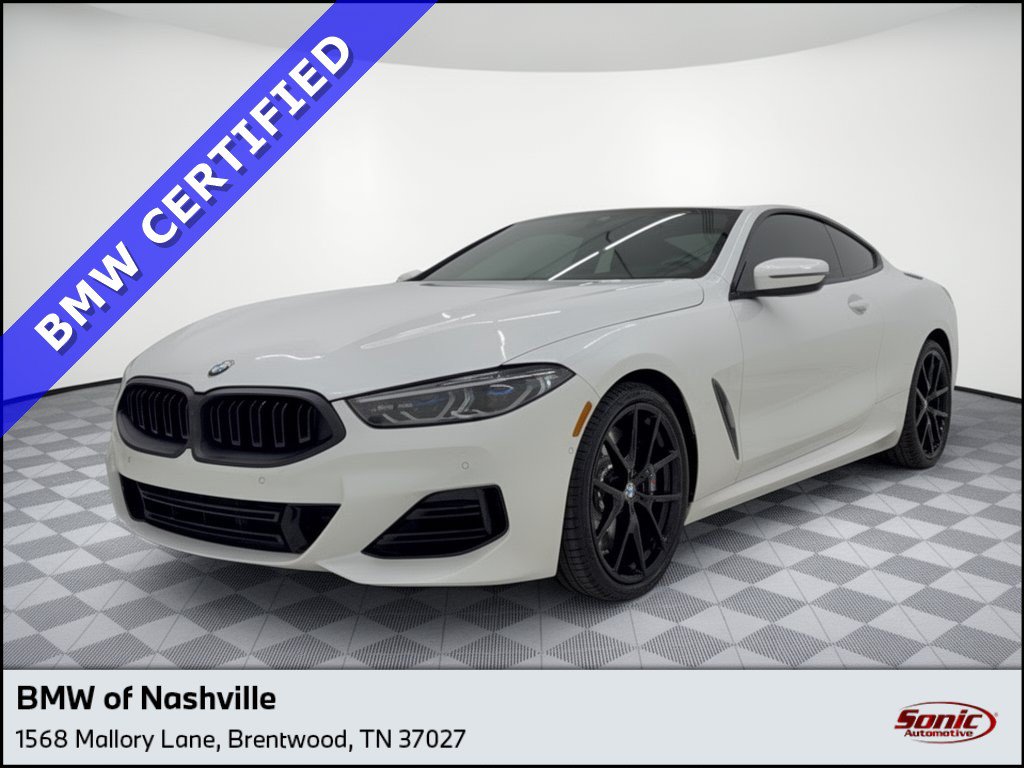
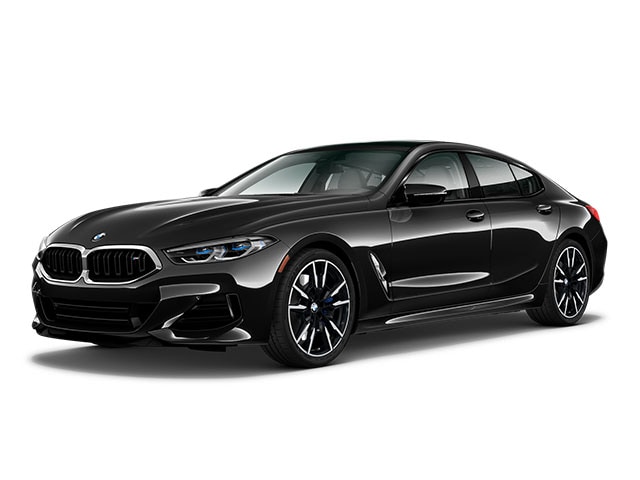
gasoline, automatic, 25K km, Rear Wheels Drive, 3,000 cm3, white, Used condition, Europa, In stock
SonicAutomotive.com
 Brentwood, United States
 Brentwood, United StatesBrentwood, United States
 Austin, United StatesAustin, United States
 Main Settlement, United StatesMidtown, United StatesMidtown, United StatesMonrovia, United States
 Monrovia, United StatesMonrovia, United StatesMonrovia, United StatesMonrovia, United StatesMonrovia, United StatesFranklin, United StatesFranklin, United StatesAtlanta, United StatesAtlanta, United StatesAtlanta, United StatesCharlotte, United StatesCharlotte, United StatesCharlotte, United StatesCharlotte, United StatesCharlotte, United StatesCharlotte, United StatesCharlotte, United States
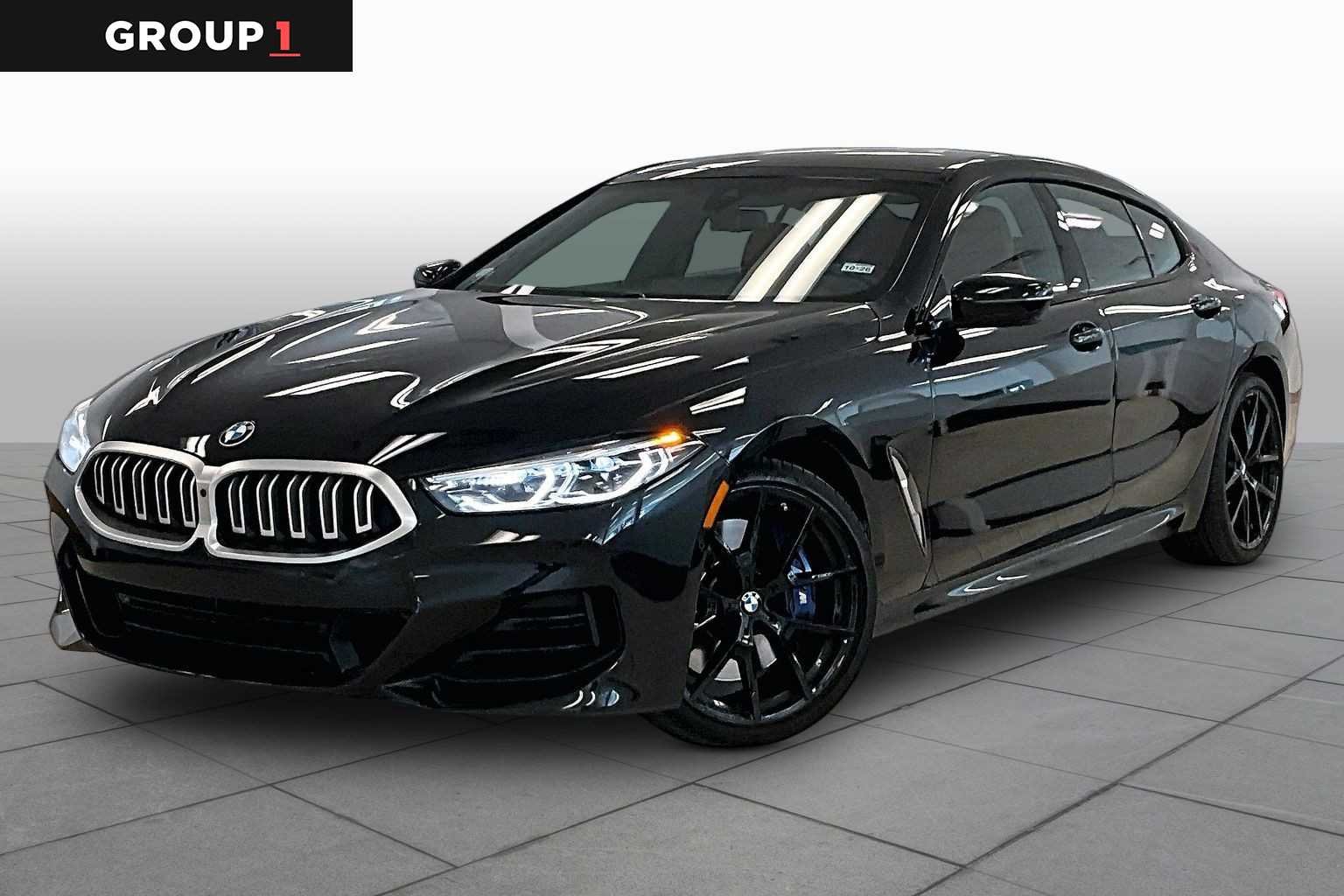
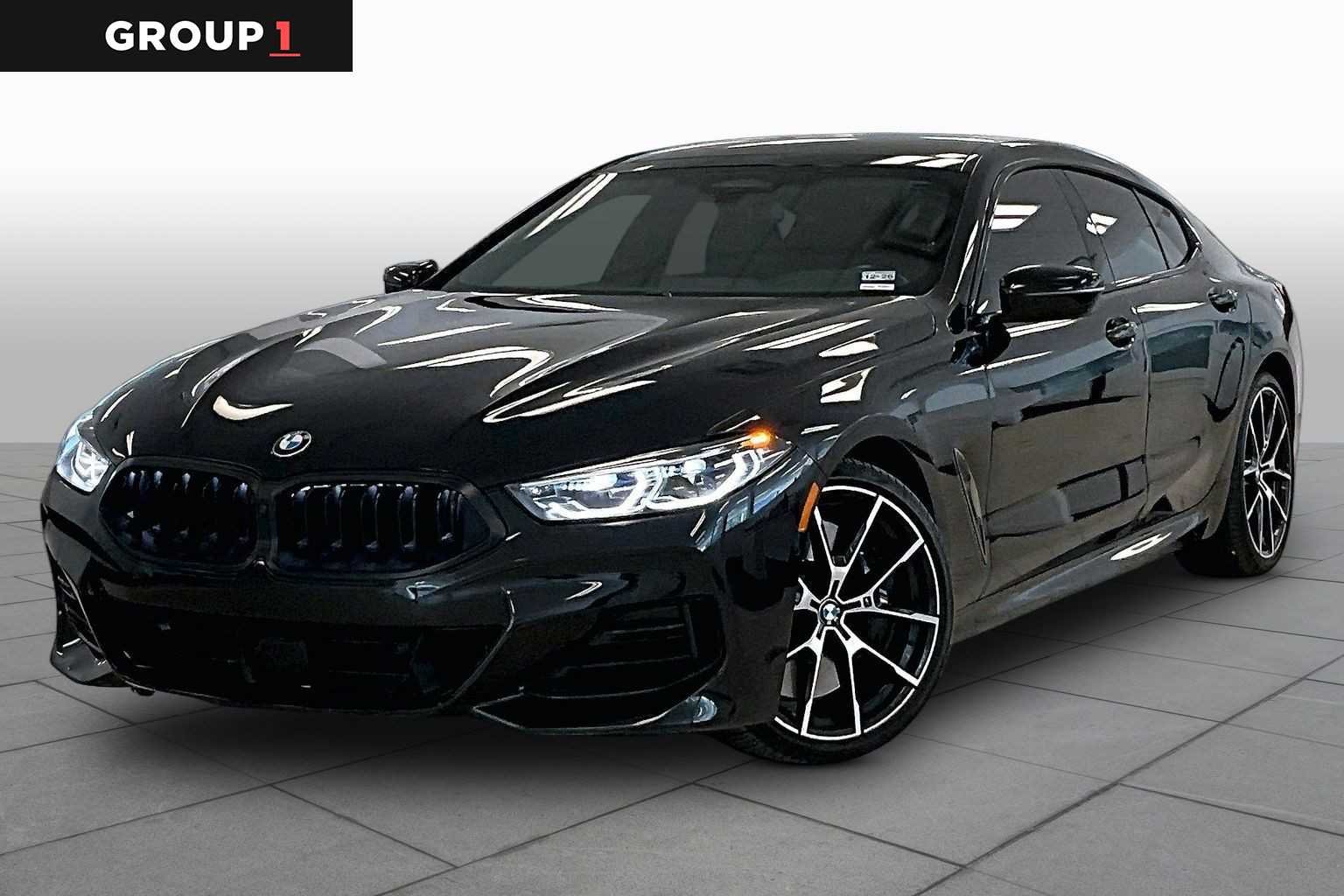
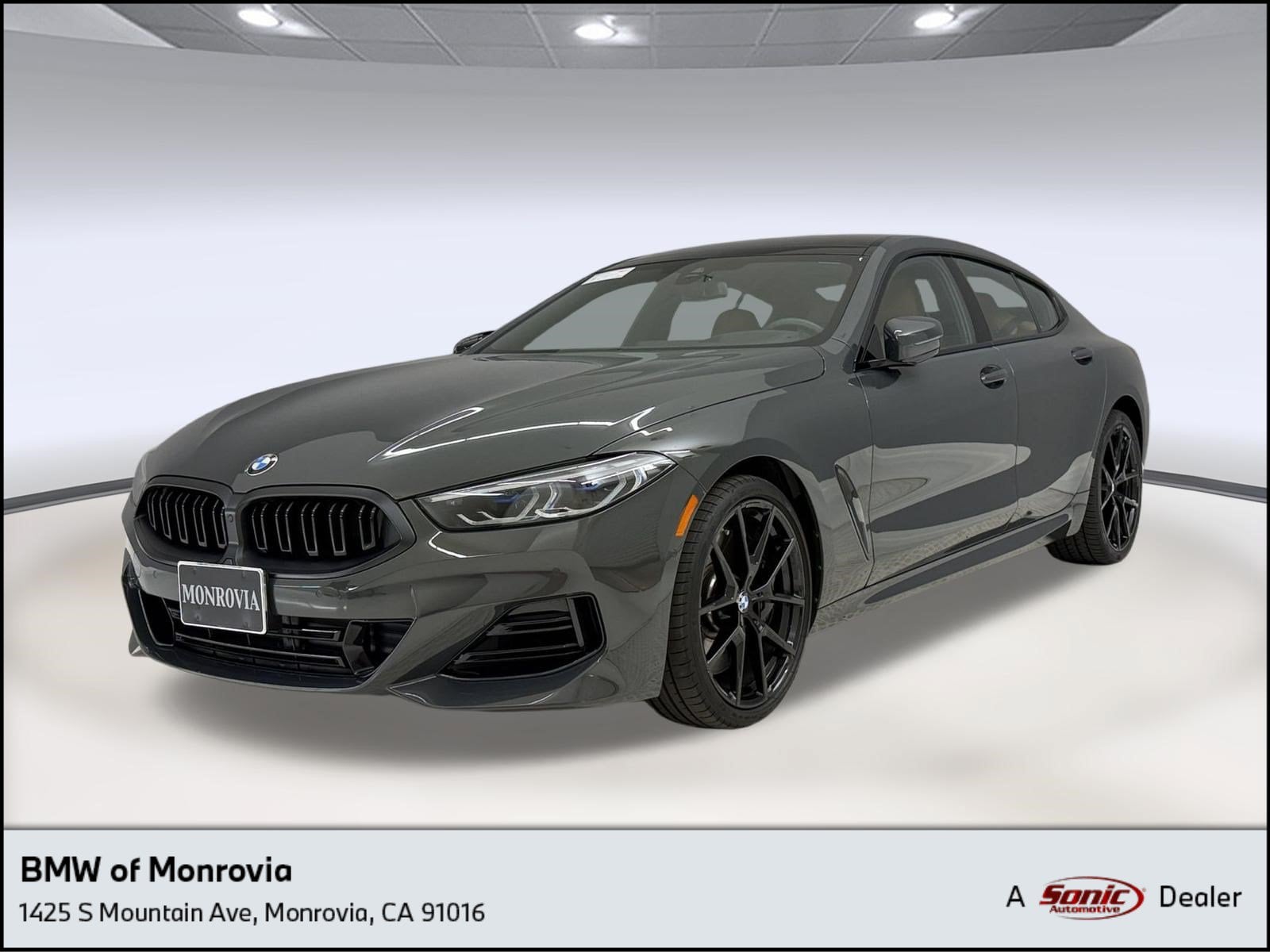
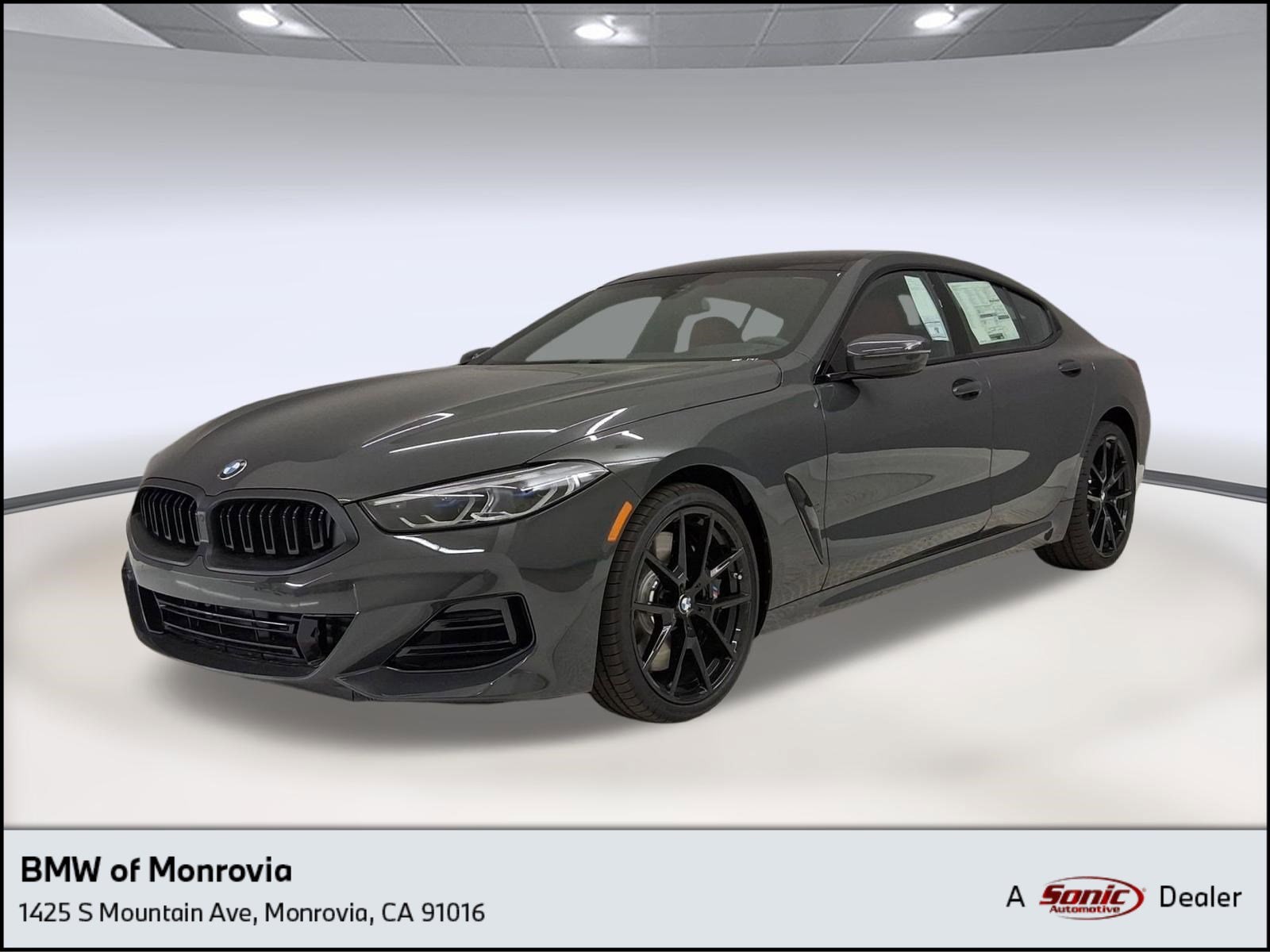
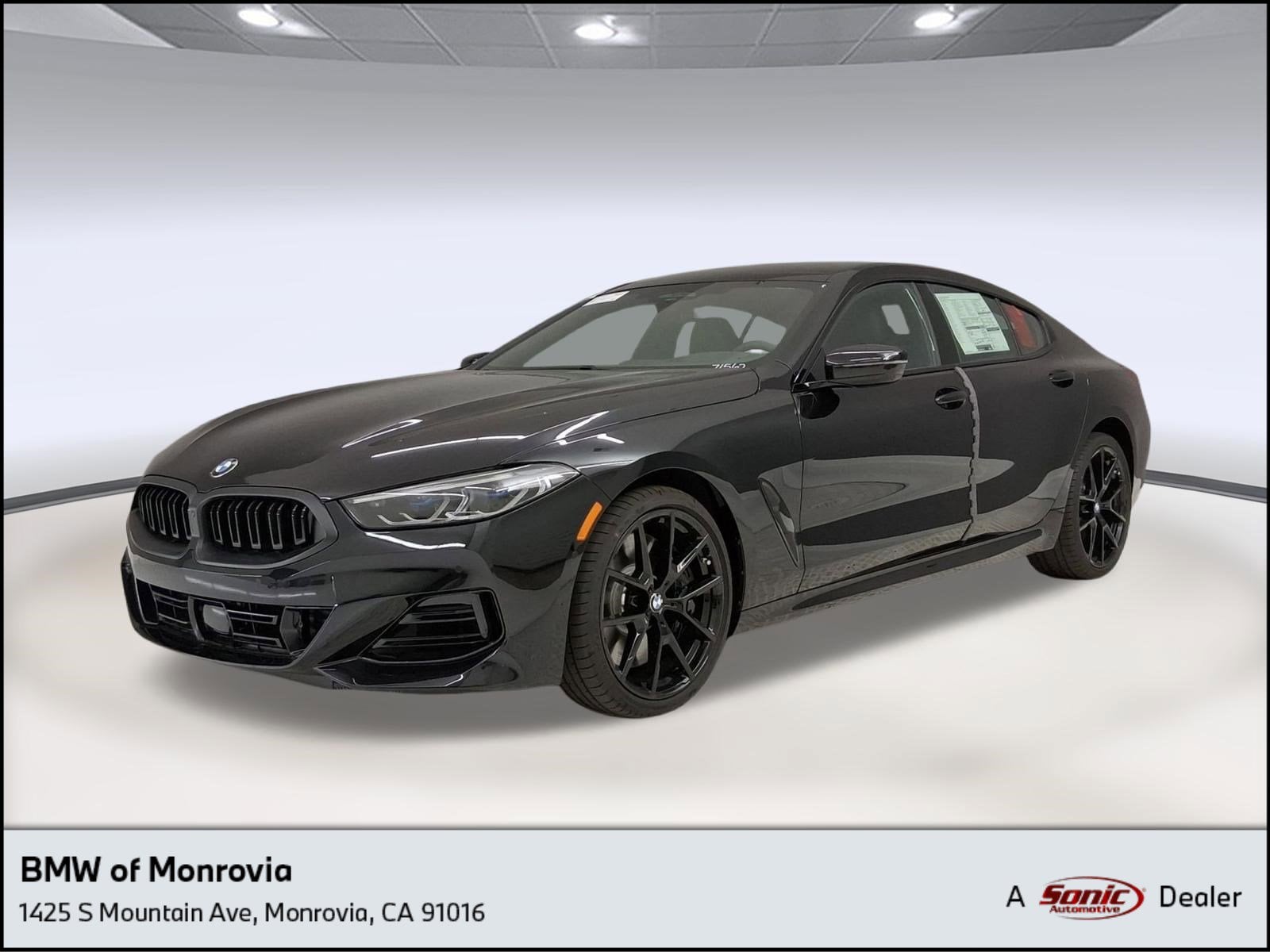
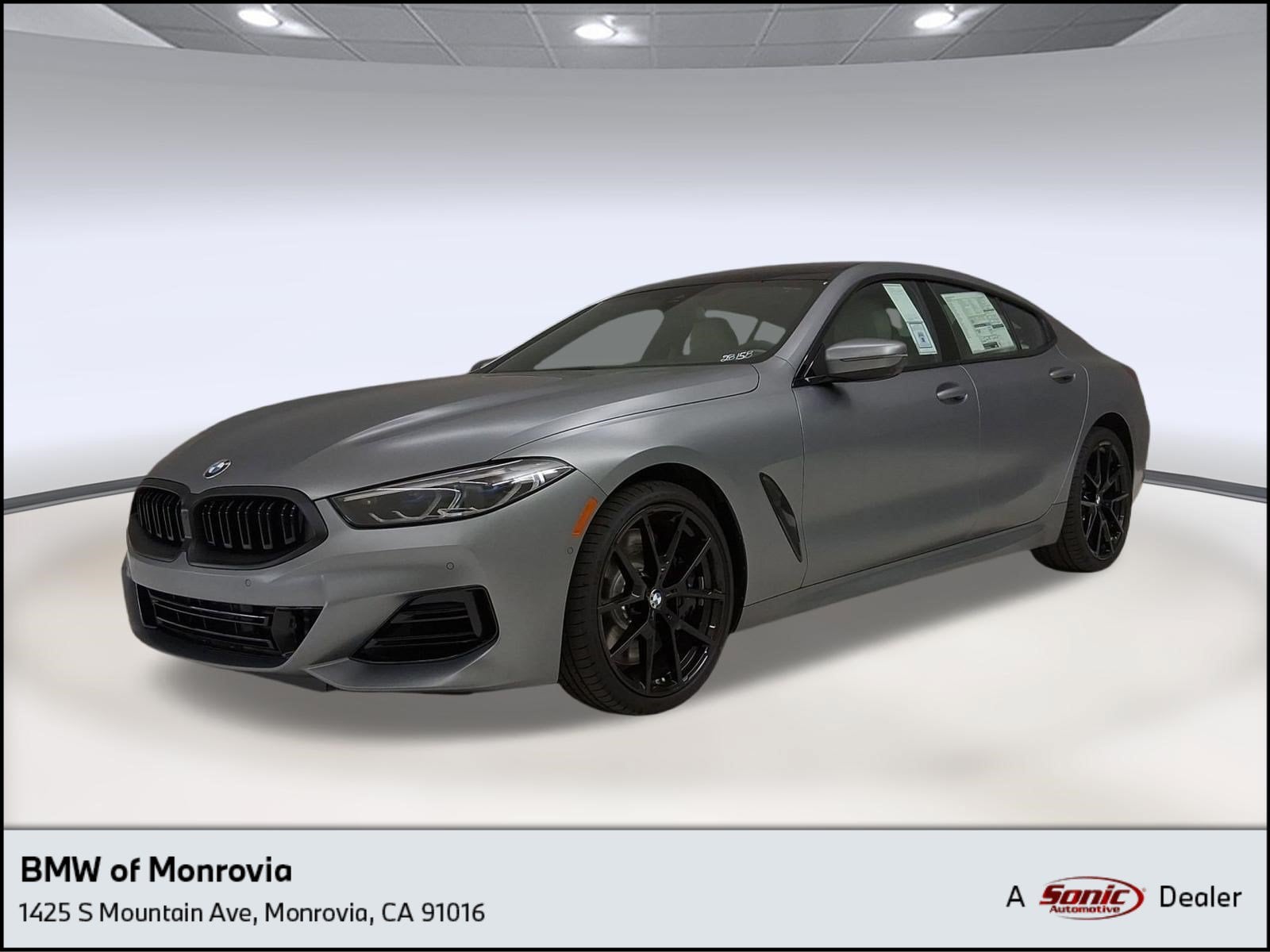
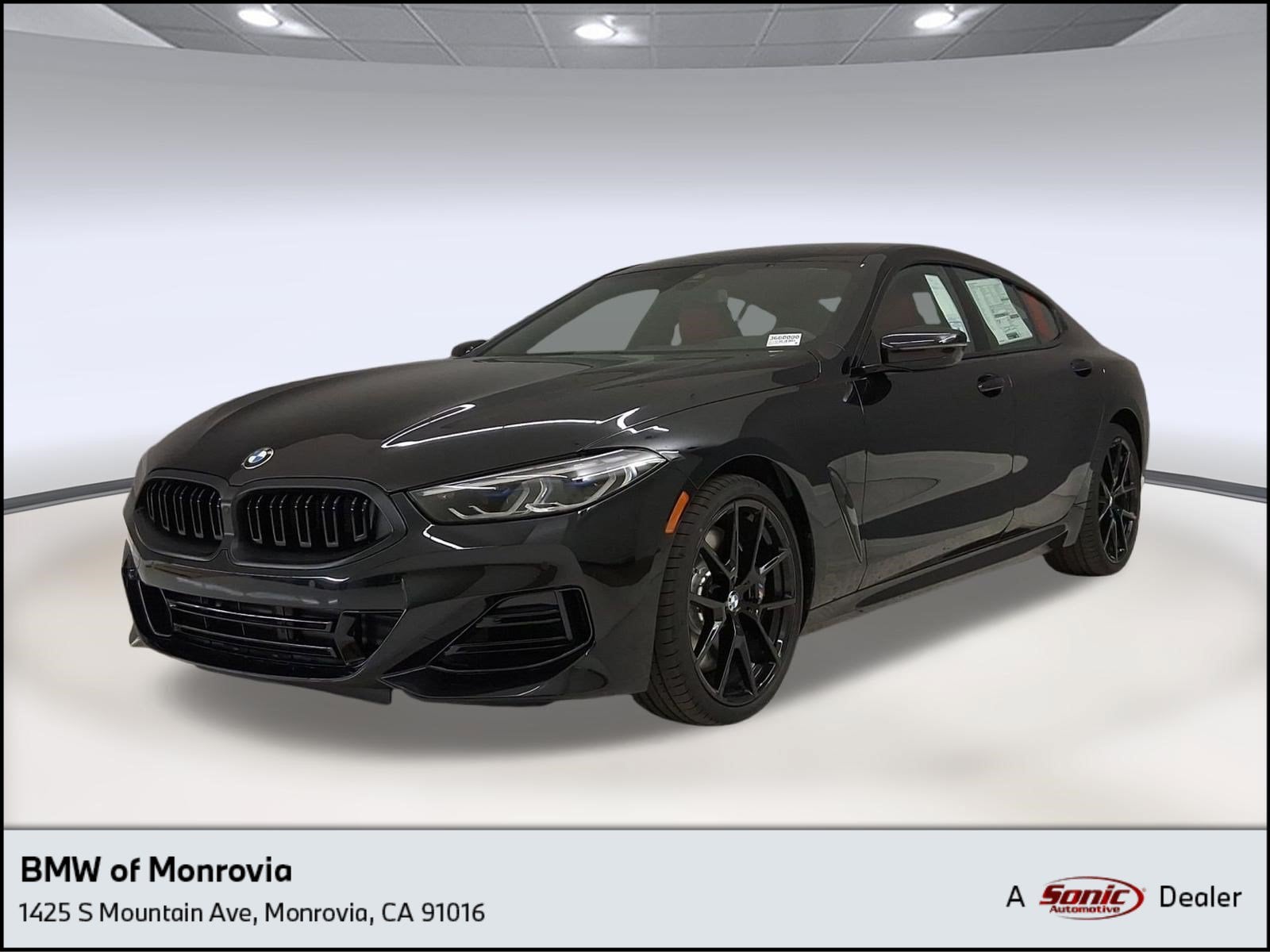
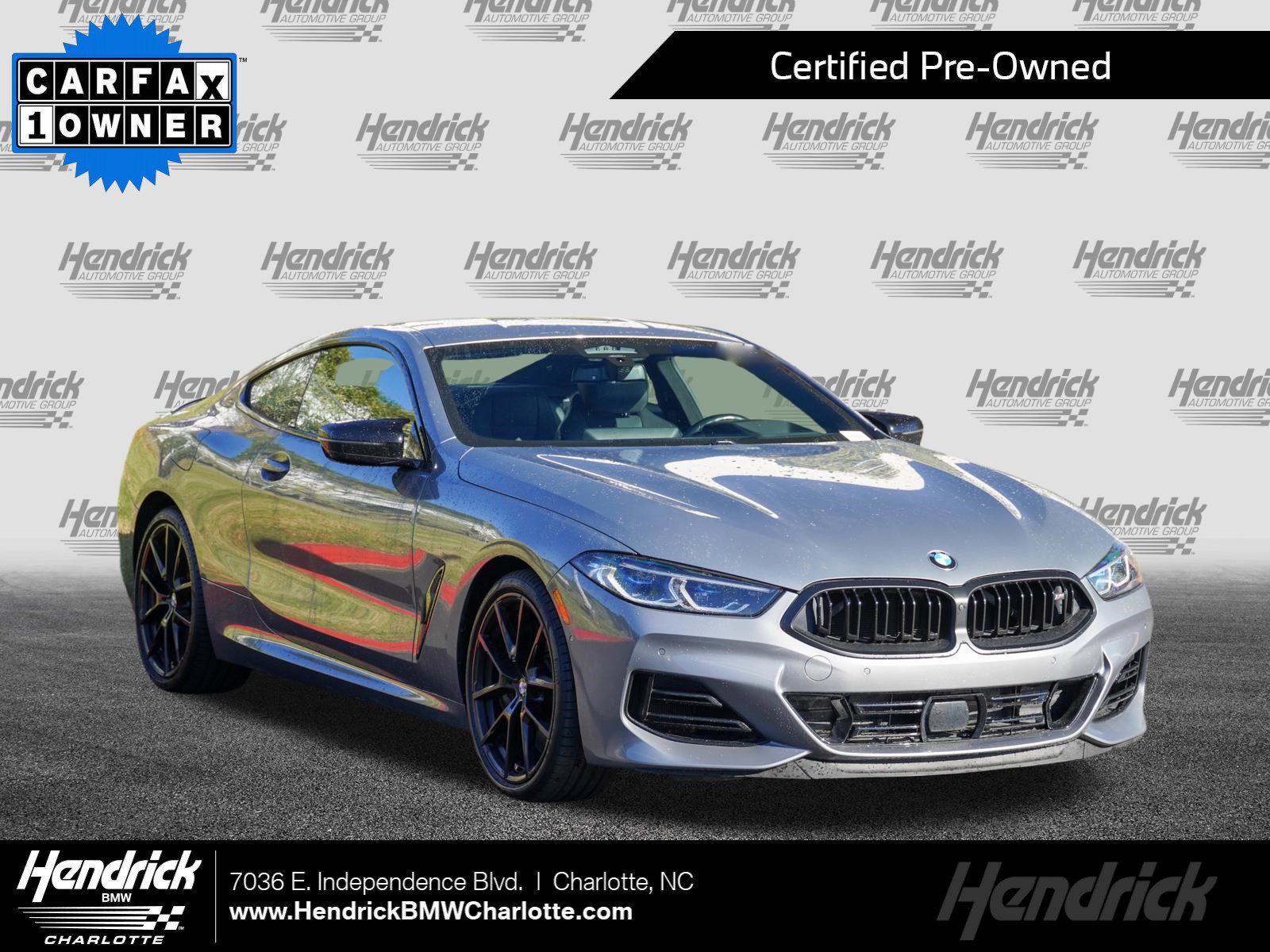
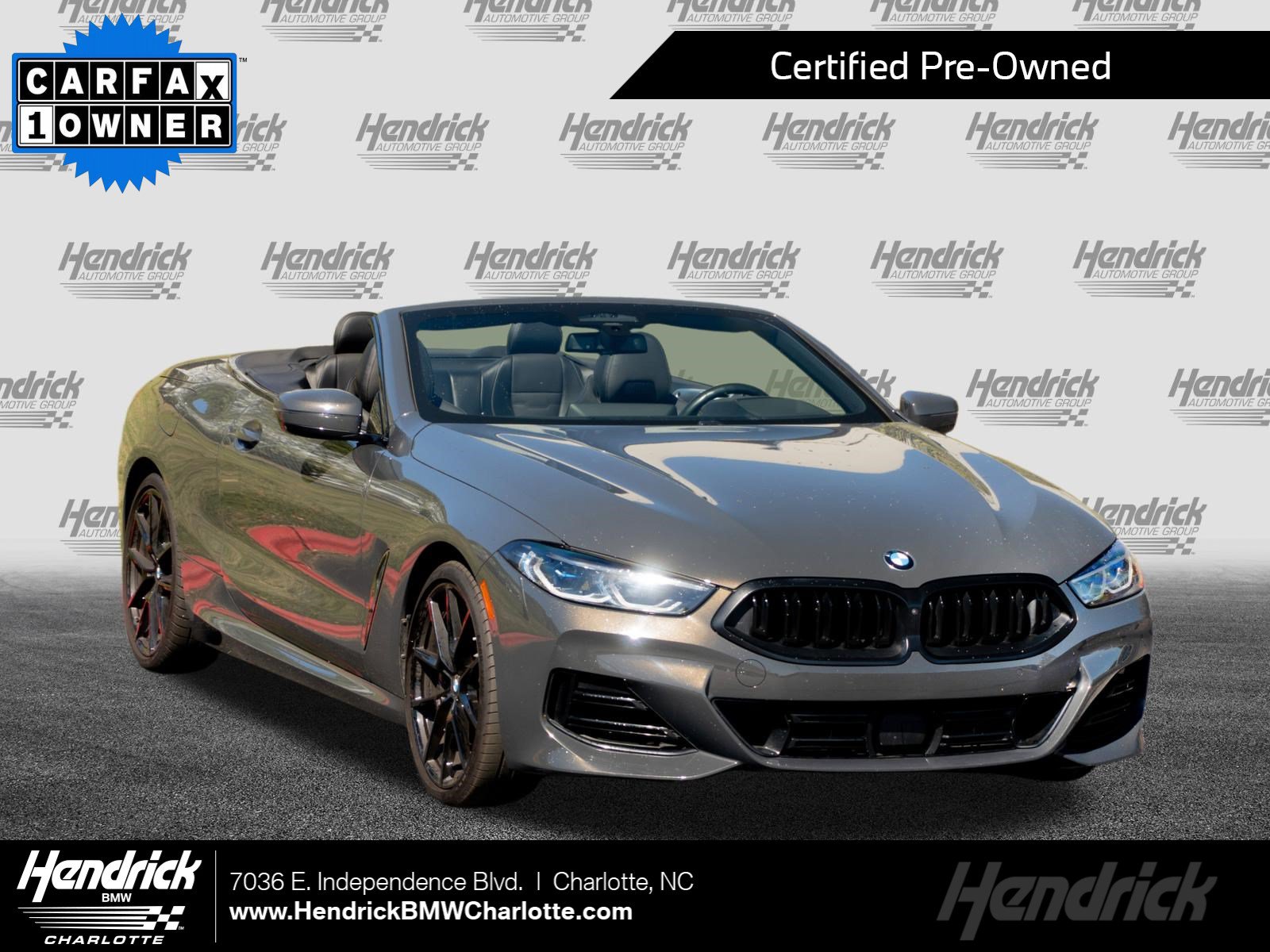
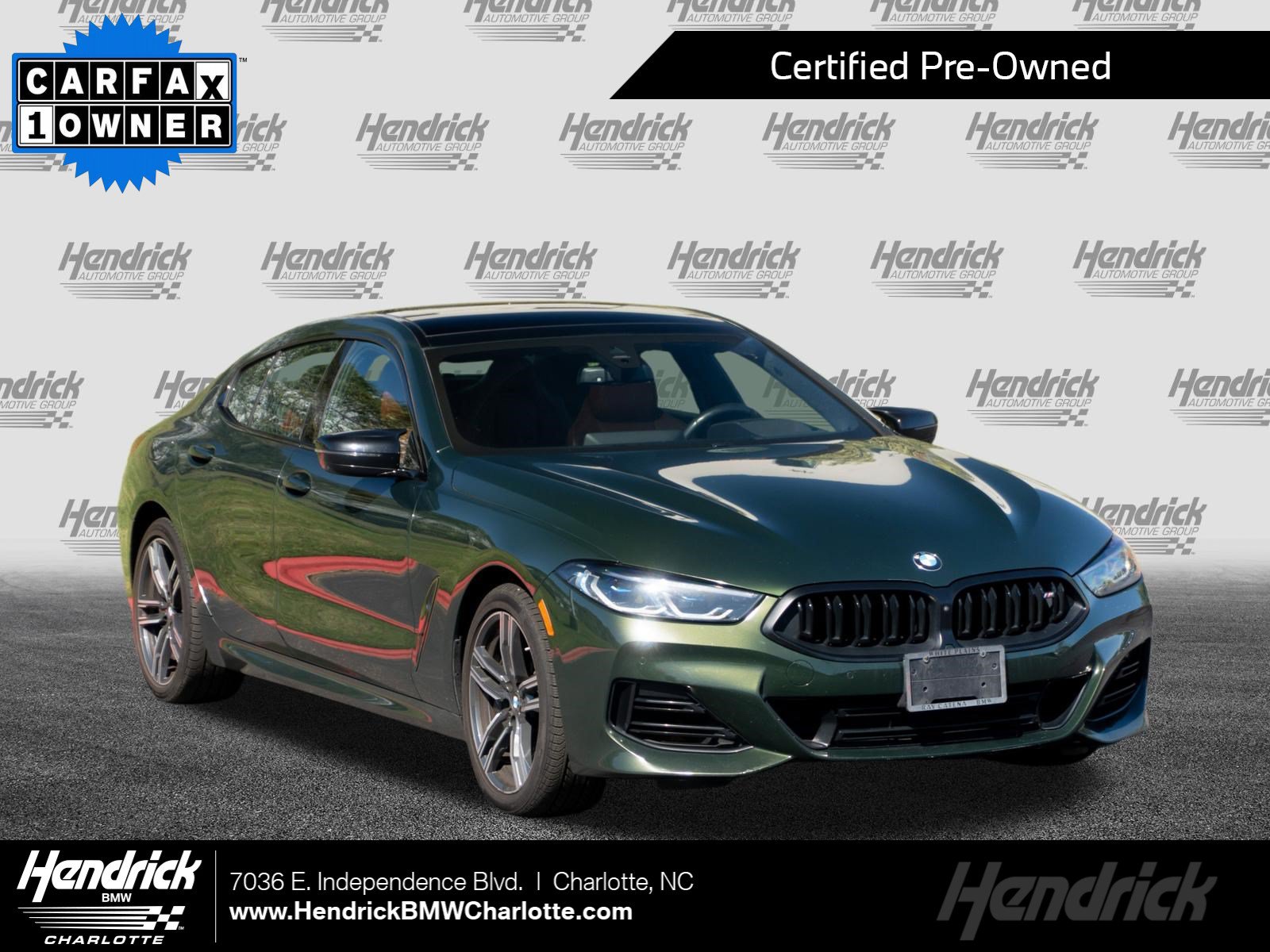
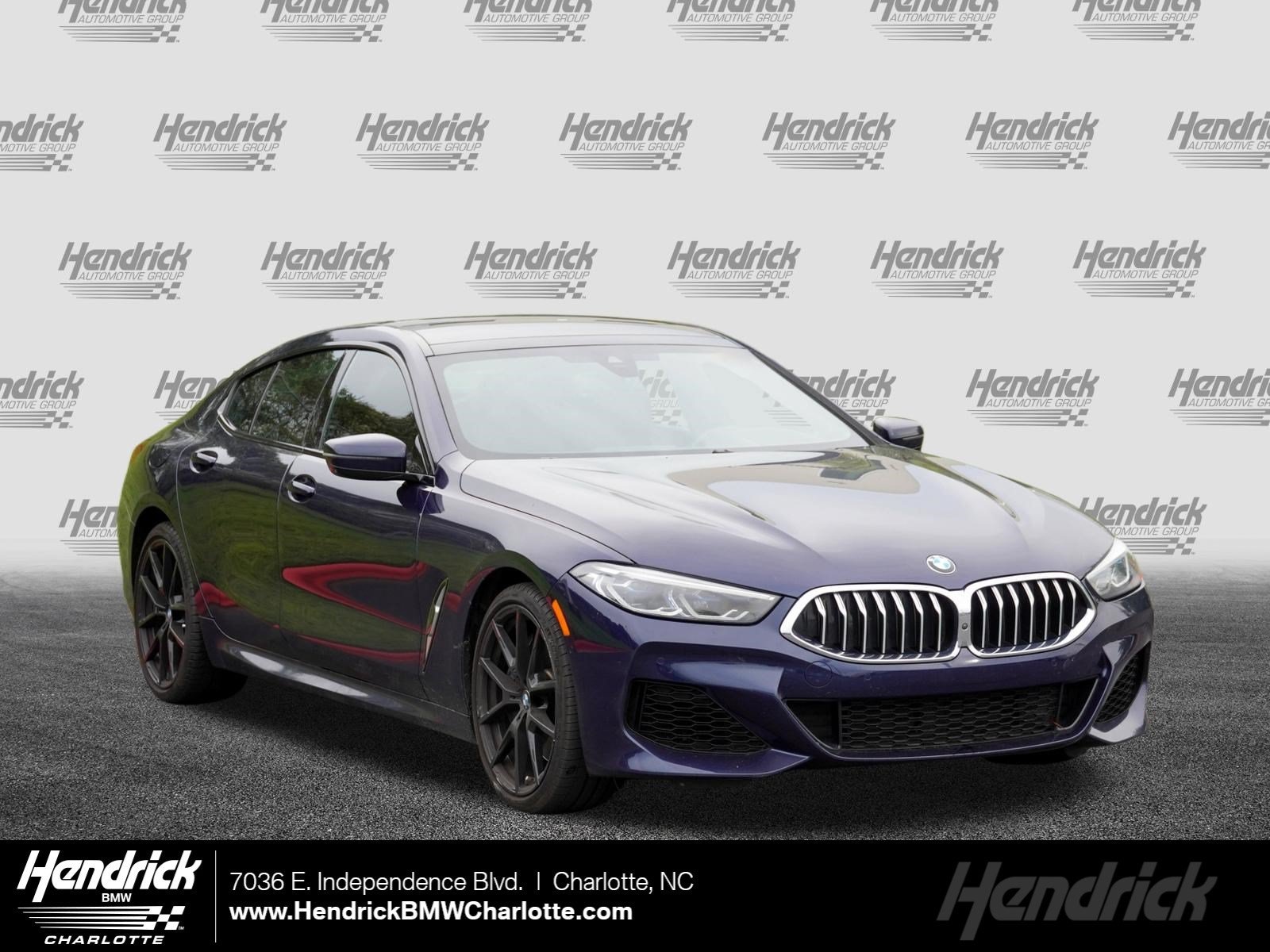
Buying a BMW 8 Series is about balancing performance, comfort, and value across generations and configurations. Whether you’re eyeing the coupe, Gran Coupe, or convertible, understanding the key details helps you choose the right model, negotiate a fair price, and avoid common pitfalls. This guide focuses on the BMW 8 Series, including popular generations, engine options, body styles, and practical buying tips for different markets.
When evaluating a used or even new BMW 8 Series, buyers typically consider the generation, body style, engine, miles, and price segment. Popular options include the long-standing V8 in some generations, as well as inline six-cylinders in two- and four-wheel drive configurations. Look for a well-documented service history, typical maintenance costs, and potential issues such as electronic systems reliability and suspension wear. For example, in many markets, the coupe and Gran Coupe offer a balance of luxury and sportiness, while the convertible adds open-air driving.
Different generations of the BMW 8 Series have distinct characteristics. Earlier generations emphasize raw performance and luxury, while newer editions focus on technology, driver-assistance features, and refined comfort. Compare:
Price segments vary by country and city. In many markets, a mid- to late-generation 8 Series with reasonable mileage offers compelling value compared with many luxury rivals, while newer models carry premium pricing for advanced electronics and driver aids. If you’re buying for daily driving, prioritize comfort and reliability; if you want a weekend thrill, focus on the performance version and maintenance history.
Whether you’re buying or selling, a well-documented BMW 8 Series with clear service history, accurate mileage, and transparent ownership details tends to attract credible buyers and a fair price in the market.
 Add as preferred sourceSee more from zvelta in Google Search Add as preferred source