EN
ENDEALER
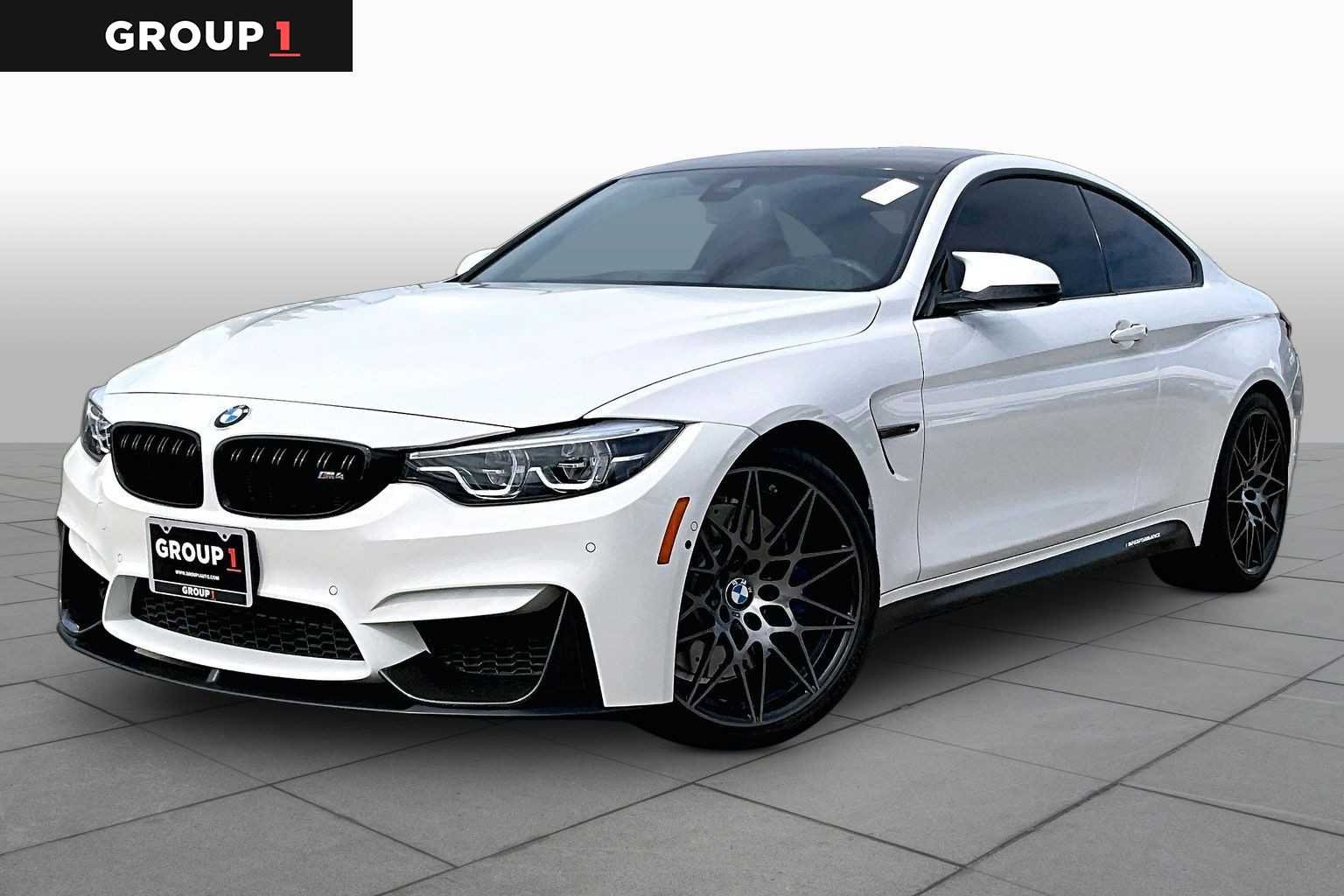
59.995 US$DEALER
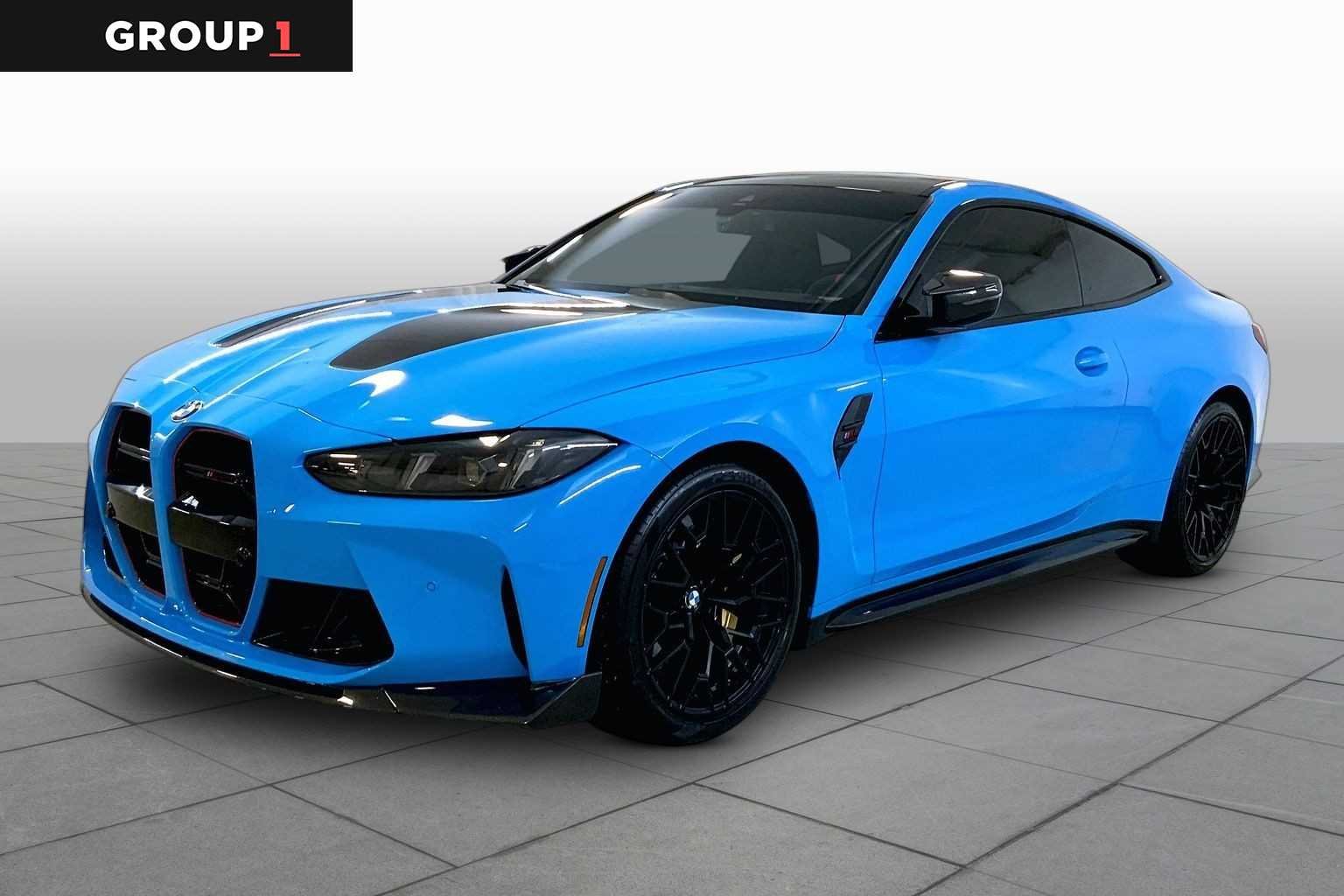
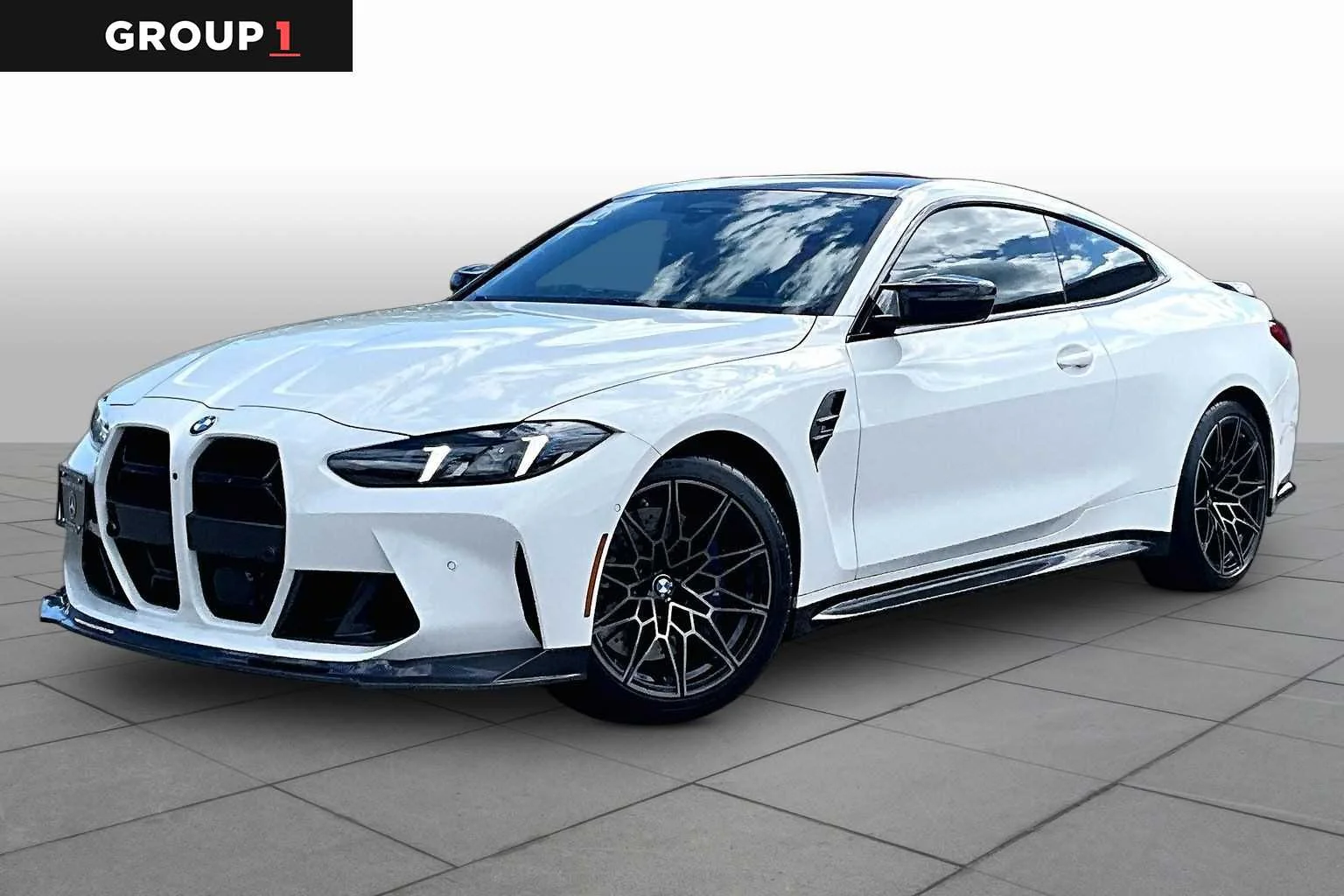
gasoline, automatic, 8K km, sedan, Rear Wheels Drive, 3,000 cm3, 425 hp, white, 3.0L Straight 6 Cylinder Engine, Used condition, USA, In stock

Group1Auto.com
 Southwest, United States
 Southwest, United States
 Austin, United StatesAustin, United StatesMain Settlement, United States
 Monrovia, United States
 Monrovia, United StatesMonrovia, United StatesMonrovia, United StatesManchester, United States
 Atlanta, United StatesAtlanta, United StatesAtlanta, United StatesBelmont, United StatesCharlotte, United StatesCharlotte, United StatesCharlotte, United StatesDurham, United StatesChattanooga, United StatesDuluth, United StatesHouston, United StatesFairfax, United StatesFairfax, United StatesDenver, United StatesDenver, United StatesDenver, United States
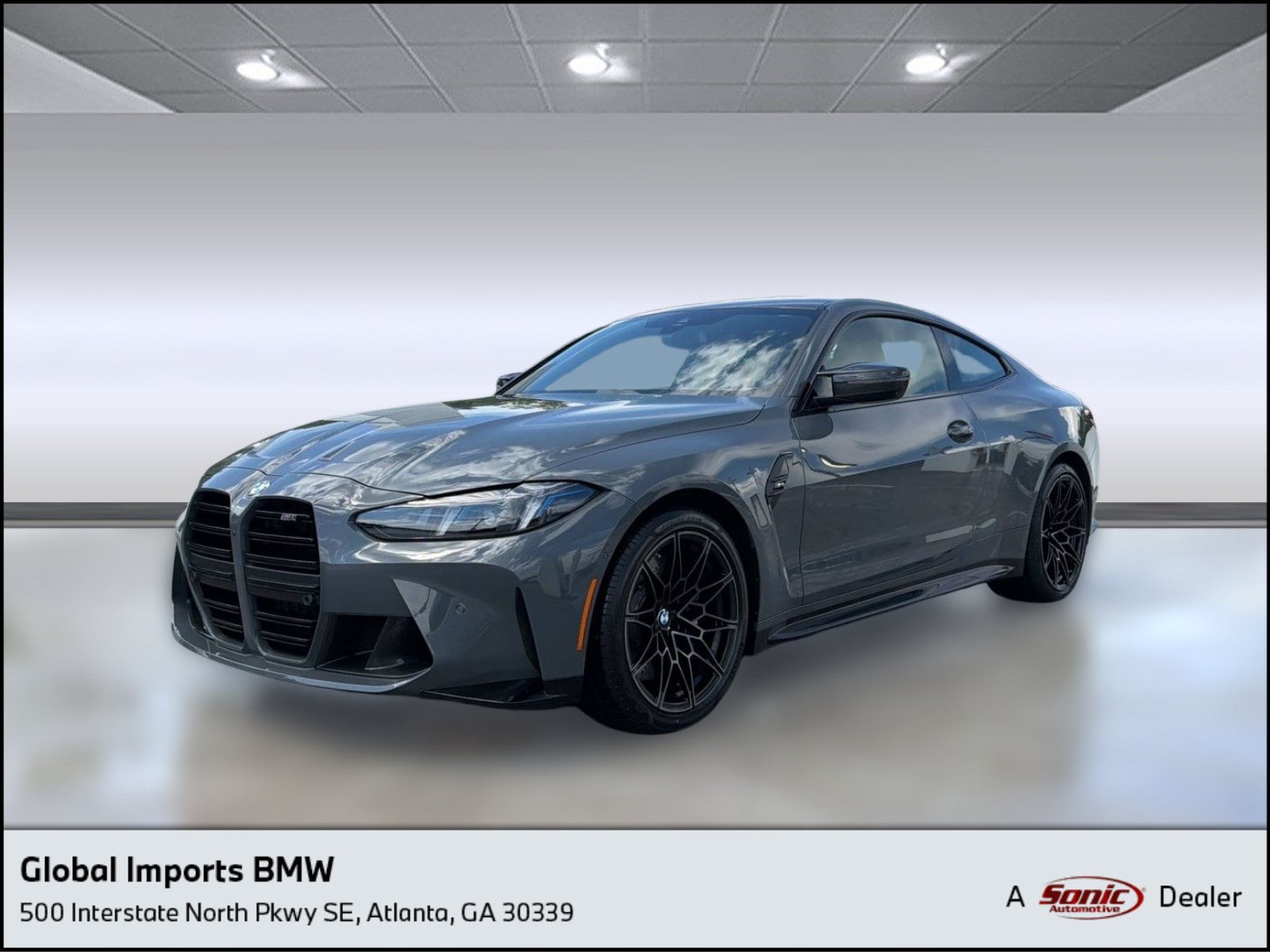
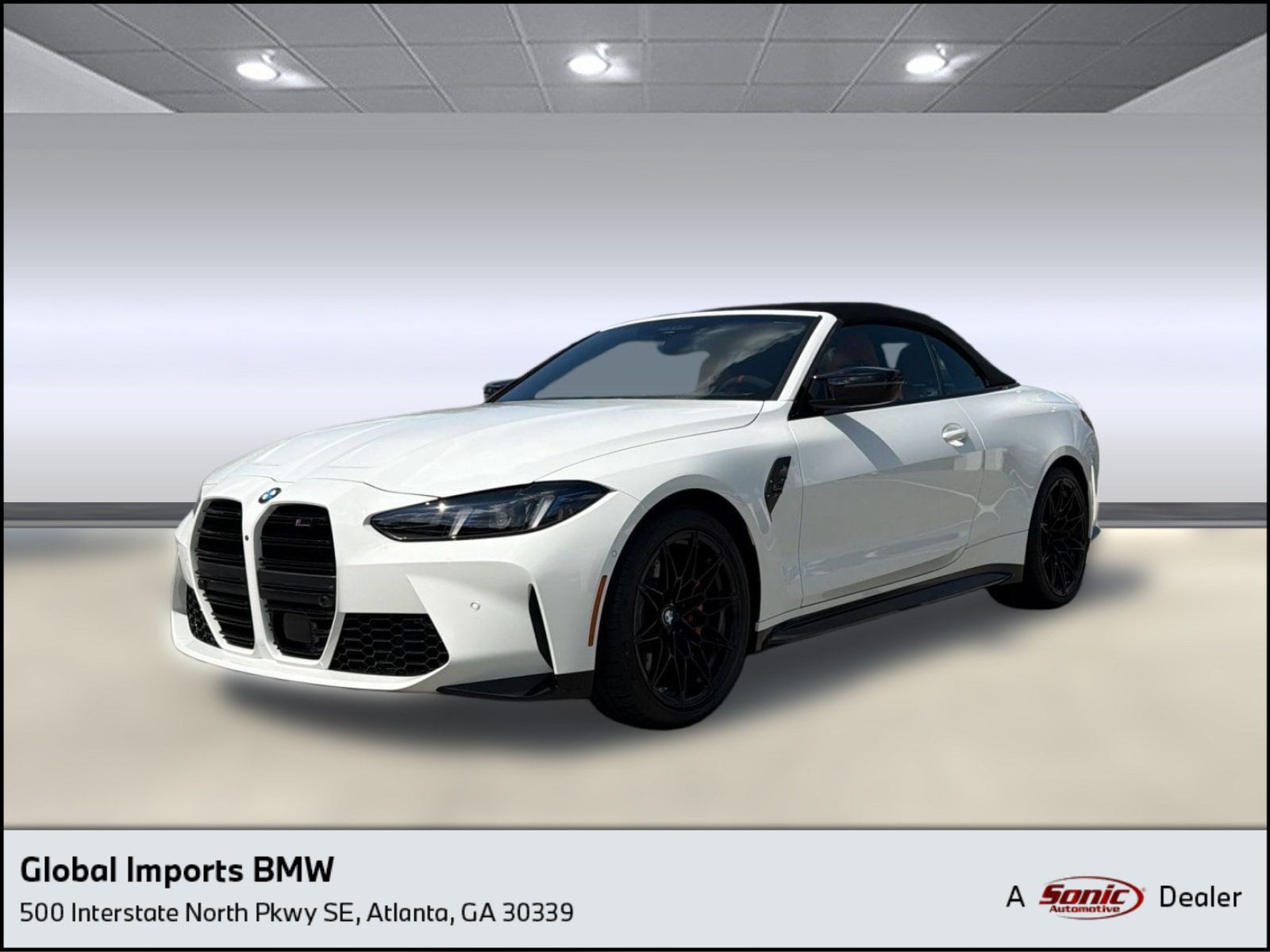
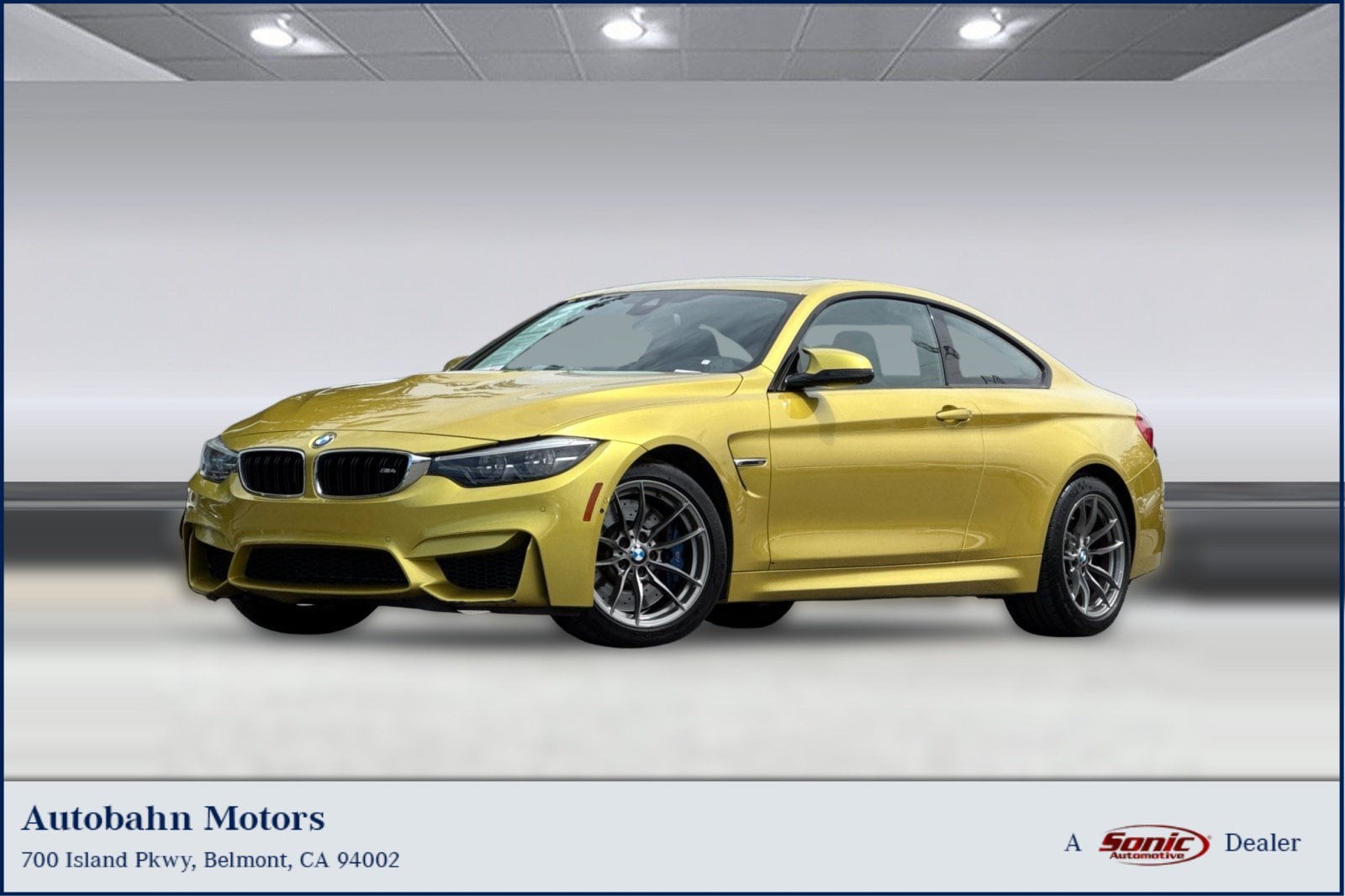
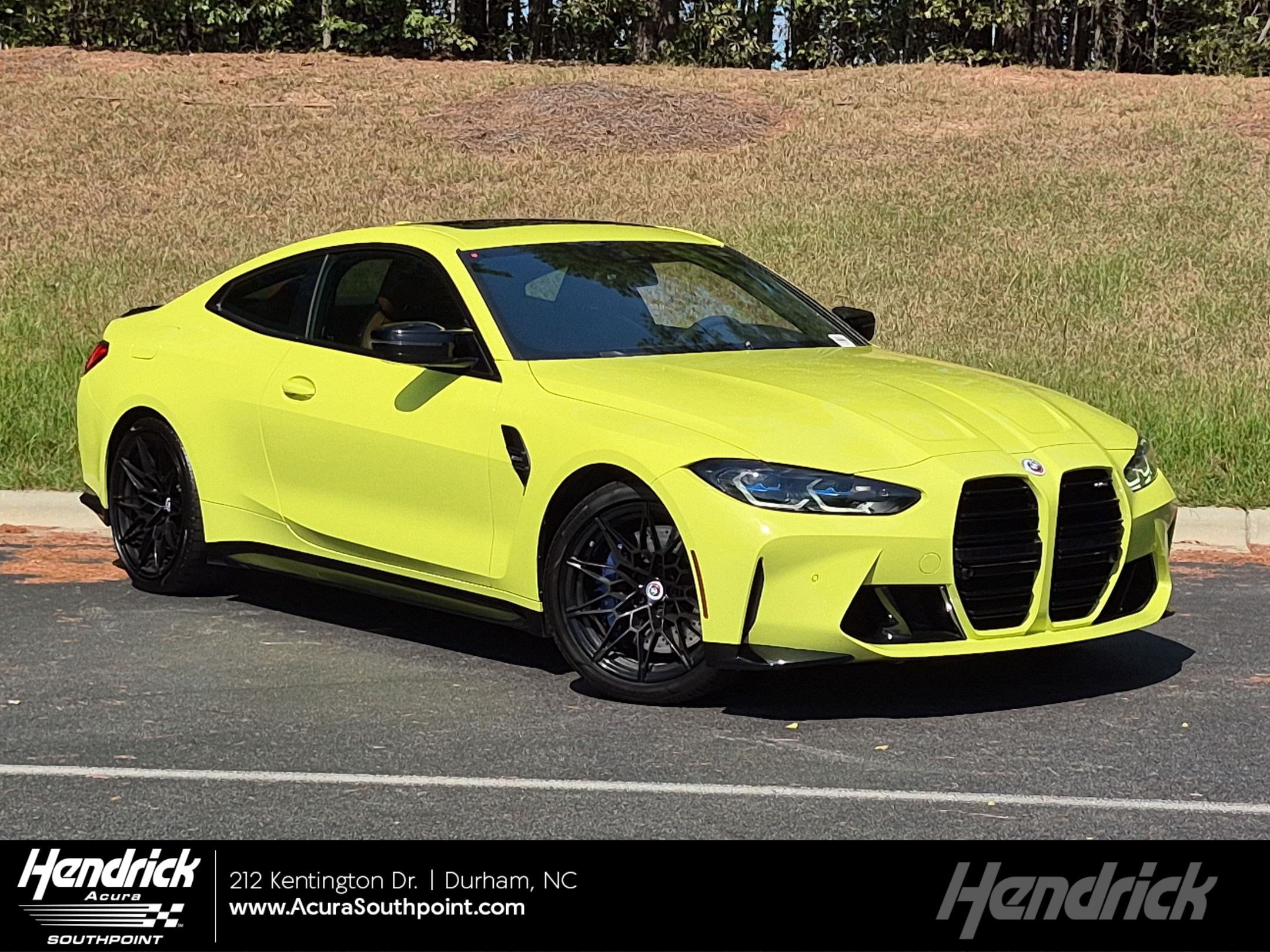
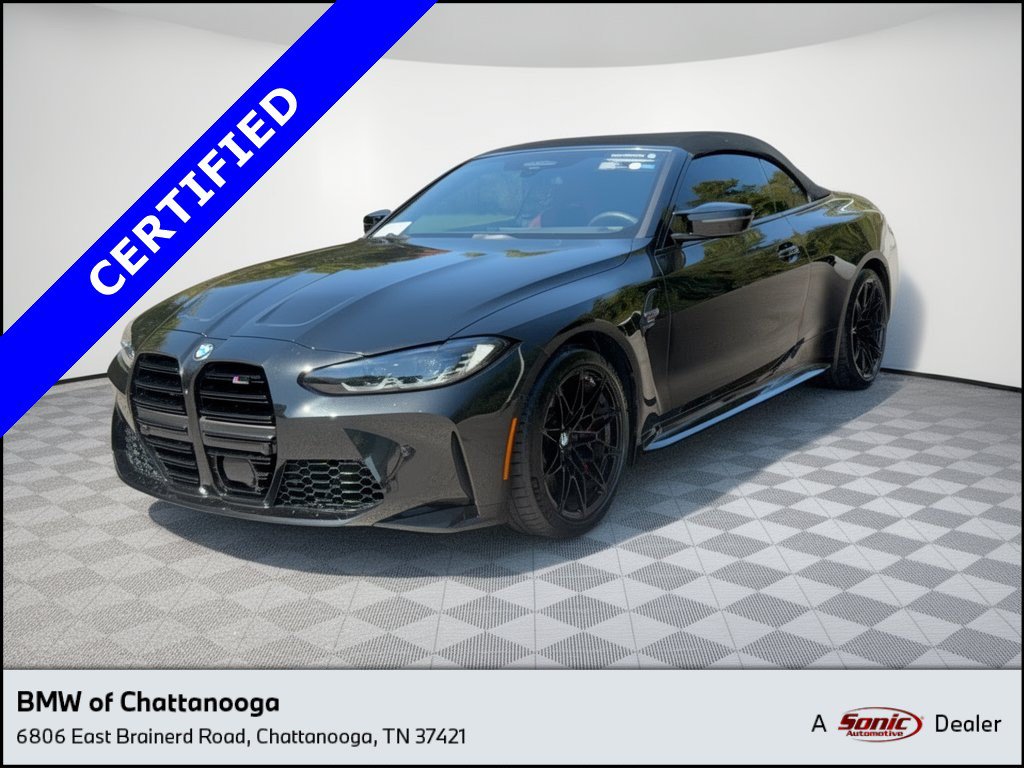
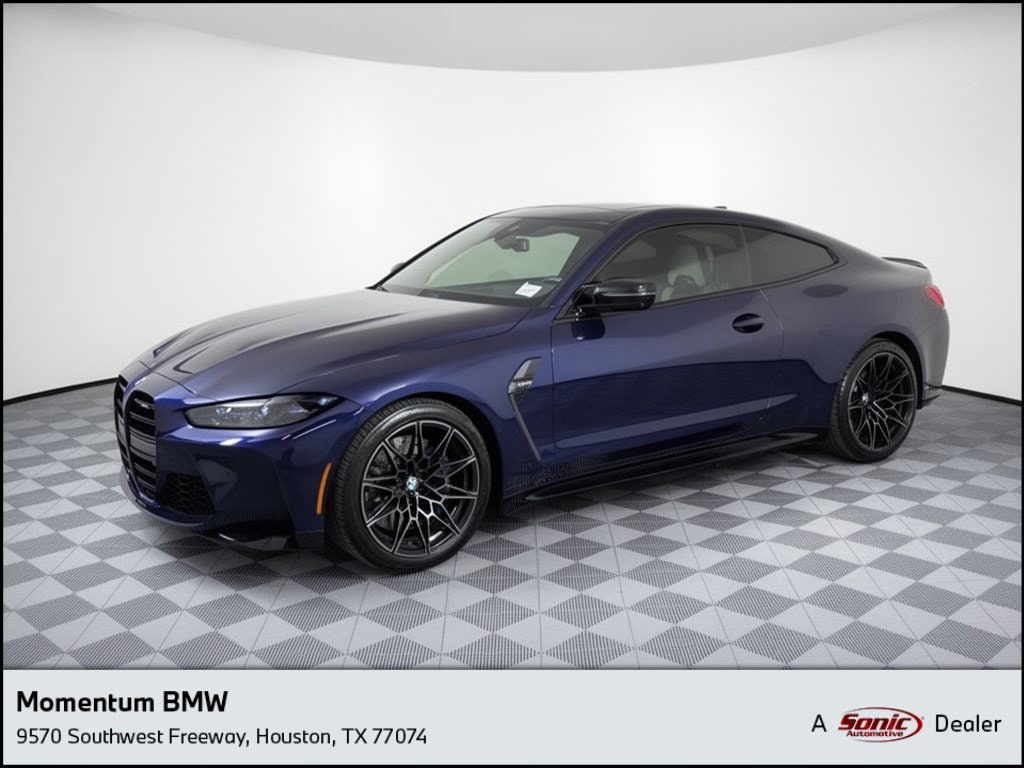
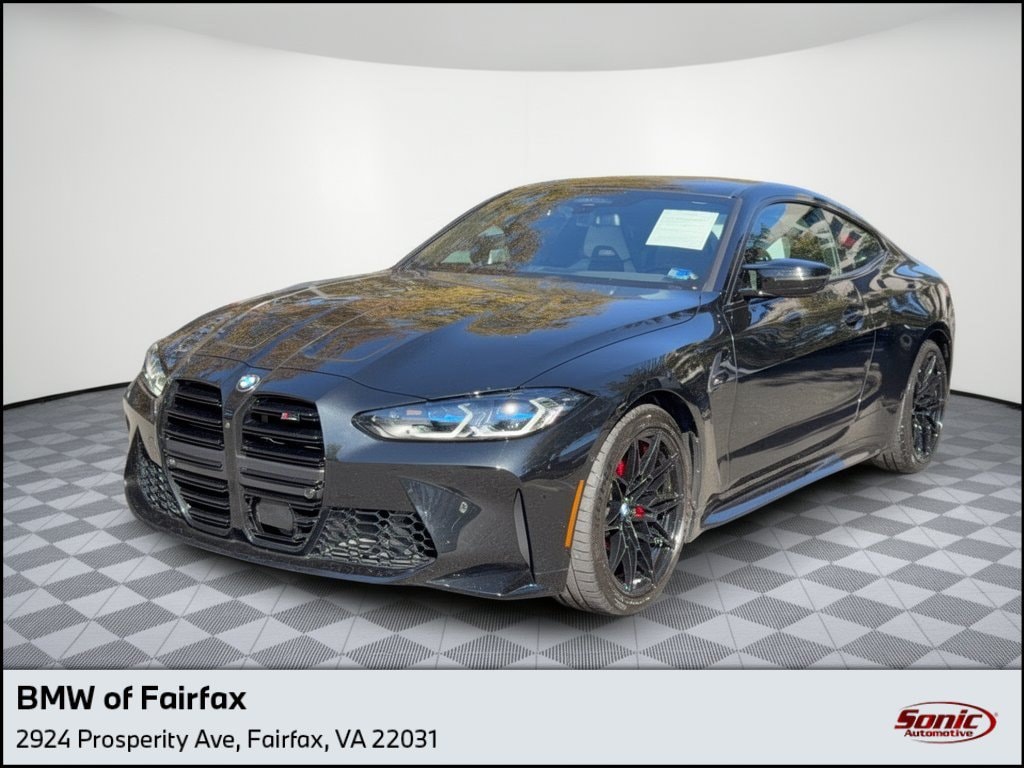
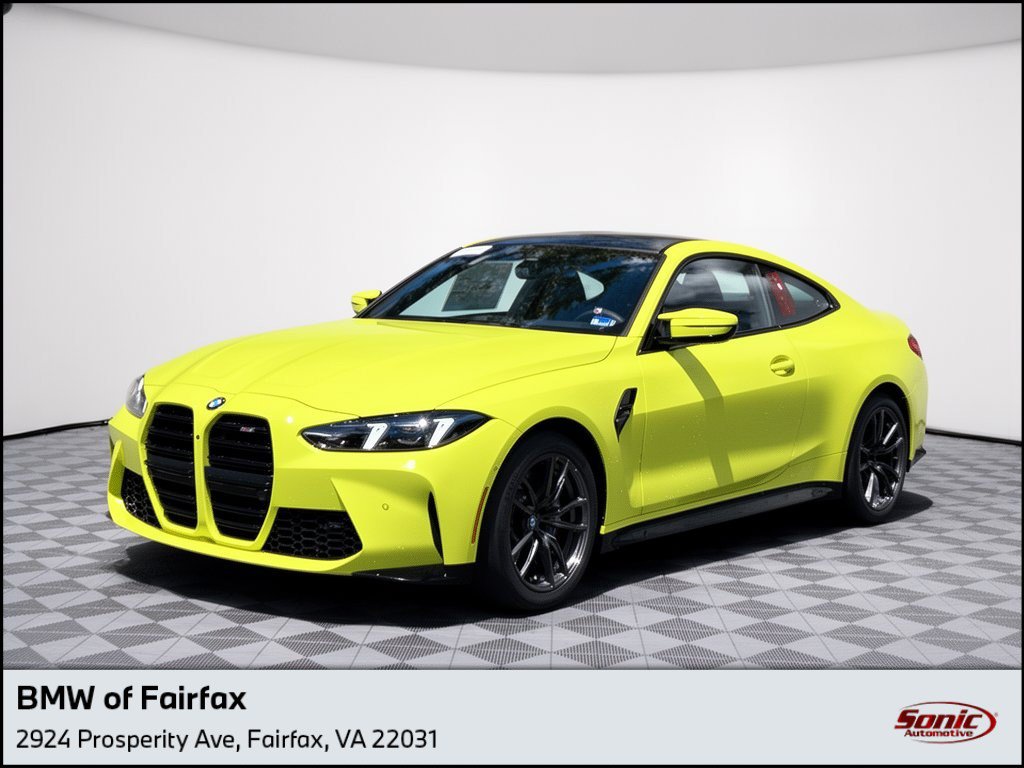
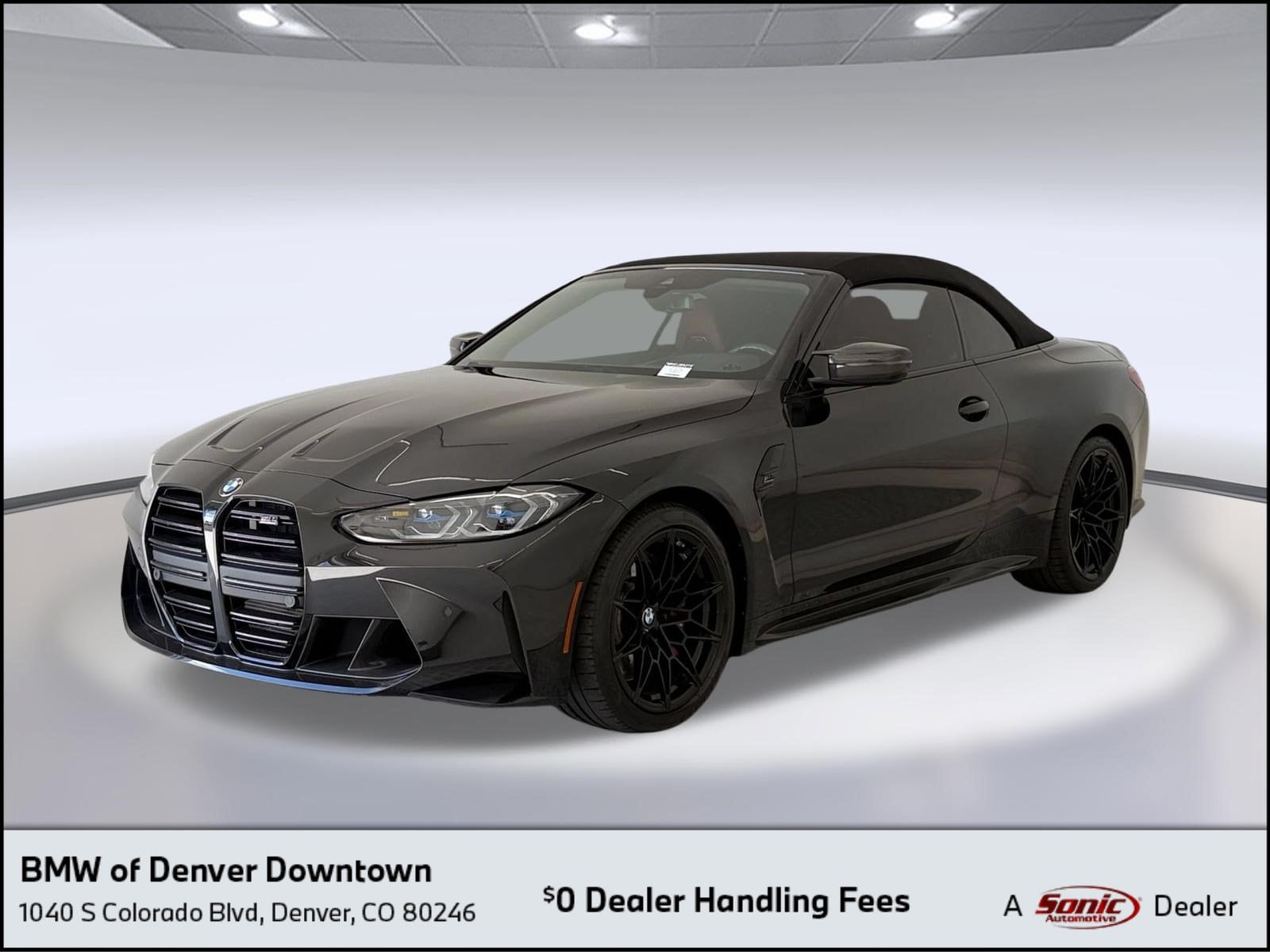
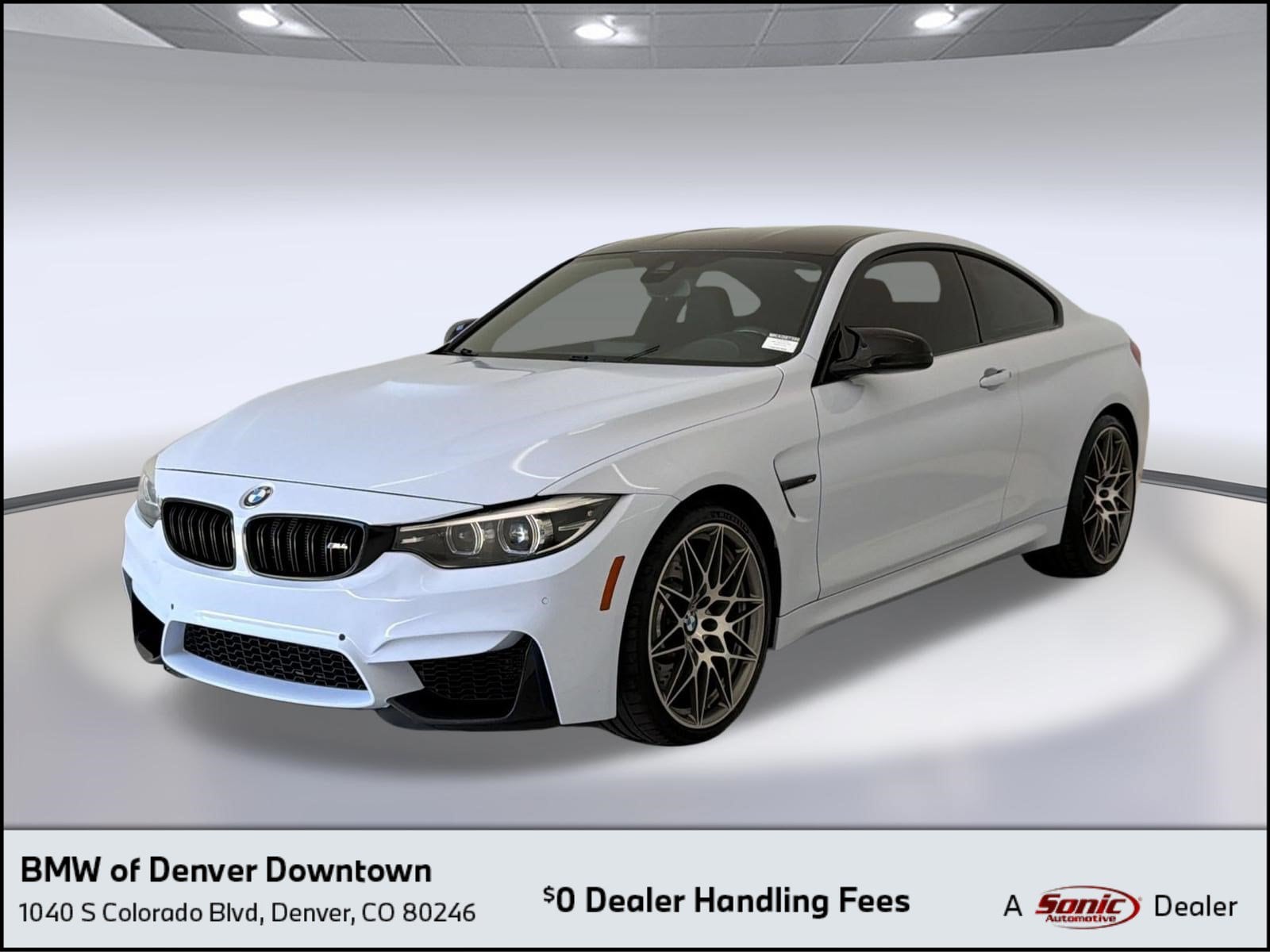
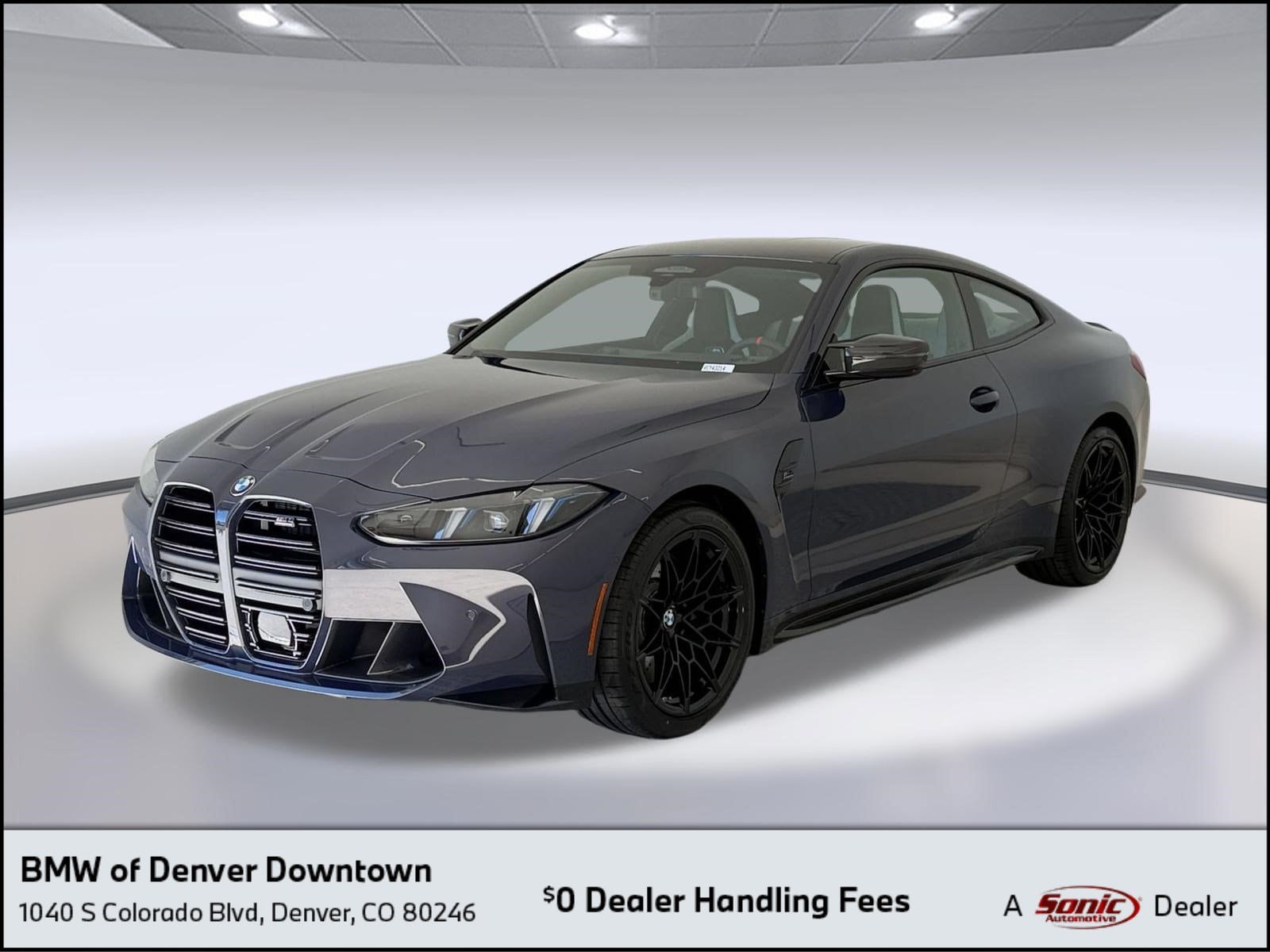
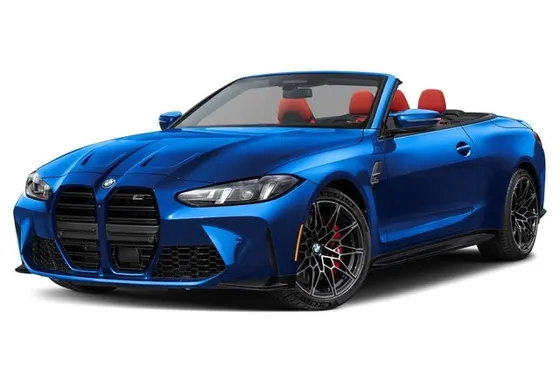
The BMW M4 stands out as a high-performance variant of the 4 Series, blending everyday usability with track-ready dynamics. Whether you are looking to buy a used M4 in cities like New York, Los Angeles, or Chicago, or you want to sell a well-maintained example, understanding the key details helps you make a smart decision. This guide covers generation options, fuel choices, body styles, typical mileage, and price segments you’re likely to encounter in the market.
The M4 has evolved through several generations, each offering distinct improvements in power, handling, and technology. The latest generation models emphasize sharper steering, more precise dampers, and a broader turbocharged V8 or inline-six configuration depending on the market. When evaluating a used M4, identify the generation to set expectations for maintenance costs and parts availability. Common checks include service history, wear on tires and brakes, and any signs of track use that may indicate higher wear.
For buyers, a used M4 can be a thrilling upgrade if you want a car that blends luxury and speed. Check for comprehensive maintenance records, verify that the exhaust and cooling systems are up to date, and assess the condition of the clutch and transmission if you’re eyeing manual or automatic variants. For sellers, presenting a car with detailed service history, recent maintenance receipts, and a clean title can help you command a fair price. Highlight optional packages such as adaptive suspension, ceramic brakes, and competition trims to appeal to enthusiasts looking for a complete package.
If you are aiming to sell, prepare the car by detailing the exterior and interior, confirming tire tread depth, and ensuring all electronics work. A well-documented history with clear ownership notes can ease negotiations and help you achieve a favorable sale price.
 Add as preferred sourceSee more from zvelta in Google Search Add as preferred source