EN
EN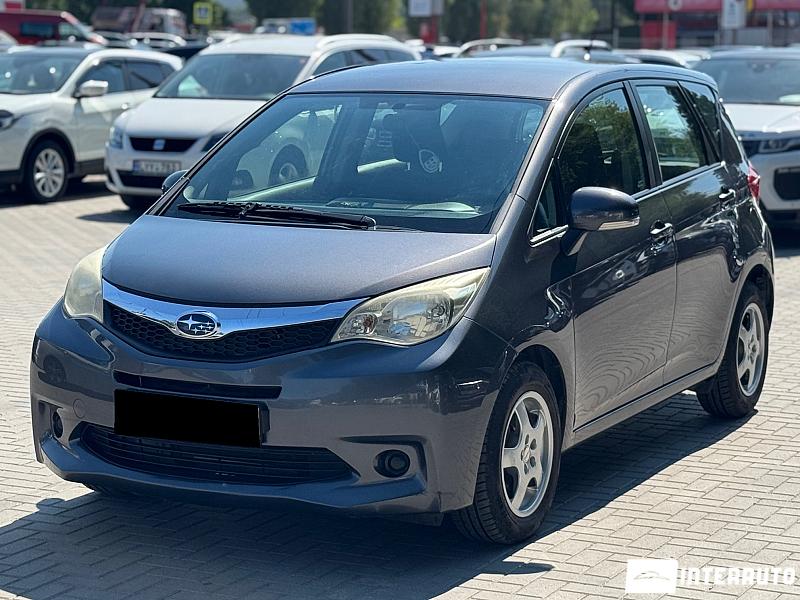
7.058 US$
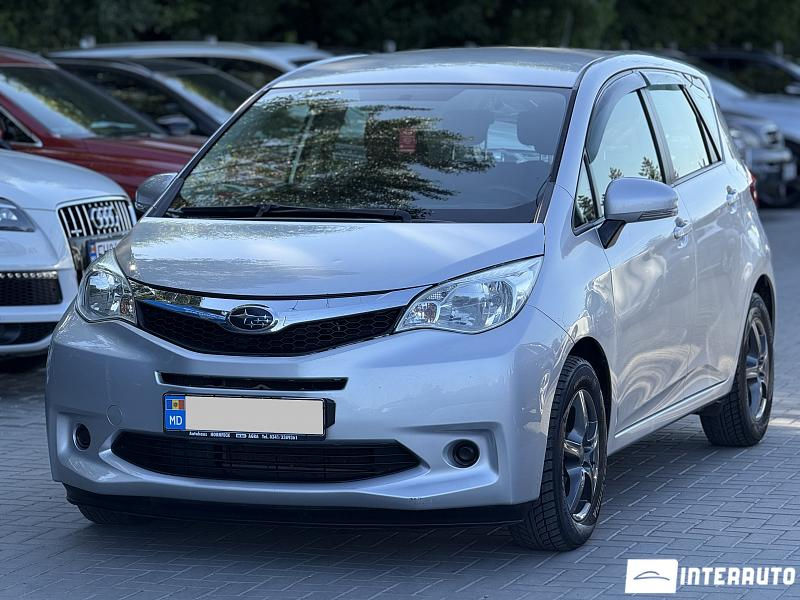
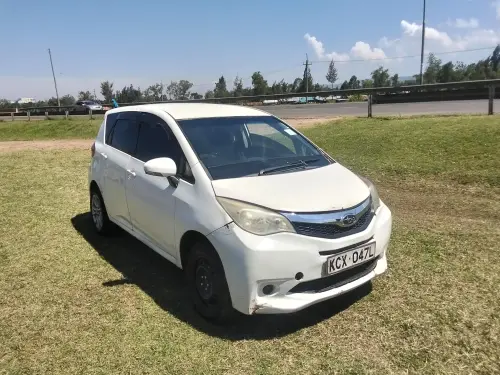
2011, gasoline, manual, 220K km, hatchback, Front Wheels Drive, 1,329 cm3, 99 hp, grey, Japan

InterAuto.md
 Moldova
 MoldovaCkulyanskaya Rogatka, Moldova
 Evergreen, Kenya
The Subaru Trezia is a compact, versatile hatchback that appeals to buyers who want reliable daily transport with efficient use of space. If you’re considering this model, you’re likely weighing the pros and cons of different generations, engine configurations, body styles, and trim levels, as well as how mileage and regional pricing affect value. Below is a practical guide to help you decide whether a Subaru Trezia fits your needs and where to look in today’s market.
The Trezia offers a compact footprint with roomy interior, making it suitable for city driving and small family use. Typical buyer questions include: Is the engine reliable in the long term? What is the real fuel economy? How does the cargo space compare to similar hatchbacks? And which year or generation offers the best balance of features and price?
When evaluating: pay attention to the generation and model year, as these determine the powertrain, safety equipment, and interior comfort. Most owners value its practical hatch, comfortable ride, and easy maneuverability. For those tracking total cost of ownership, consider maintenance history, miles per year, and regional availability of parts.
The Subaru Trezia comes in several generations, each with distinct drivetrain setups and efficiency profiles. Common questions cover:
Key aspects to compare include year, mileage, trim level, and the condition of the transmission and suspension. A well-documented service history with regular maintenance is a strong signal of durability. When buying, ask for a test drive to assess steering response, brake feel, and noise insulation.
Prices for the Subaru Trezia vary by country, city, year, and mileage. Lower-mileage examples in good condition can command higher prices, while older models or higher-mileage cars are typically more affordable. To maximize value:
In many markets, popular price segments for the Trezia range from entry-level to mid-range trims depending on features like air conditioning, infotainment, and safety systems. Always factor potential maintenance costs and availability of parts in your region when evaluating price.
Pros:
Cons:
If you’re selling a Subaru Trezia, highlight the service history, current mileage, recent maintenance, and any upgrades. Clear photos, honest mileage, and a well-documented record can reduce negotiation friction and help you achieve a fair price.
Whether you’re buying or selling, understanding the specific year, generation, engine, and mileage will guide your decision. Use these insights to compare listings, estimate running costs, and negotiate confidently in your local market.
 Add as preferred sourceSee more from zvelta in Google Search Add as preferred source