 EN
ENDEALER
18.901 US$DEALER
19.896 US$
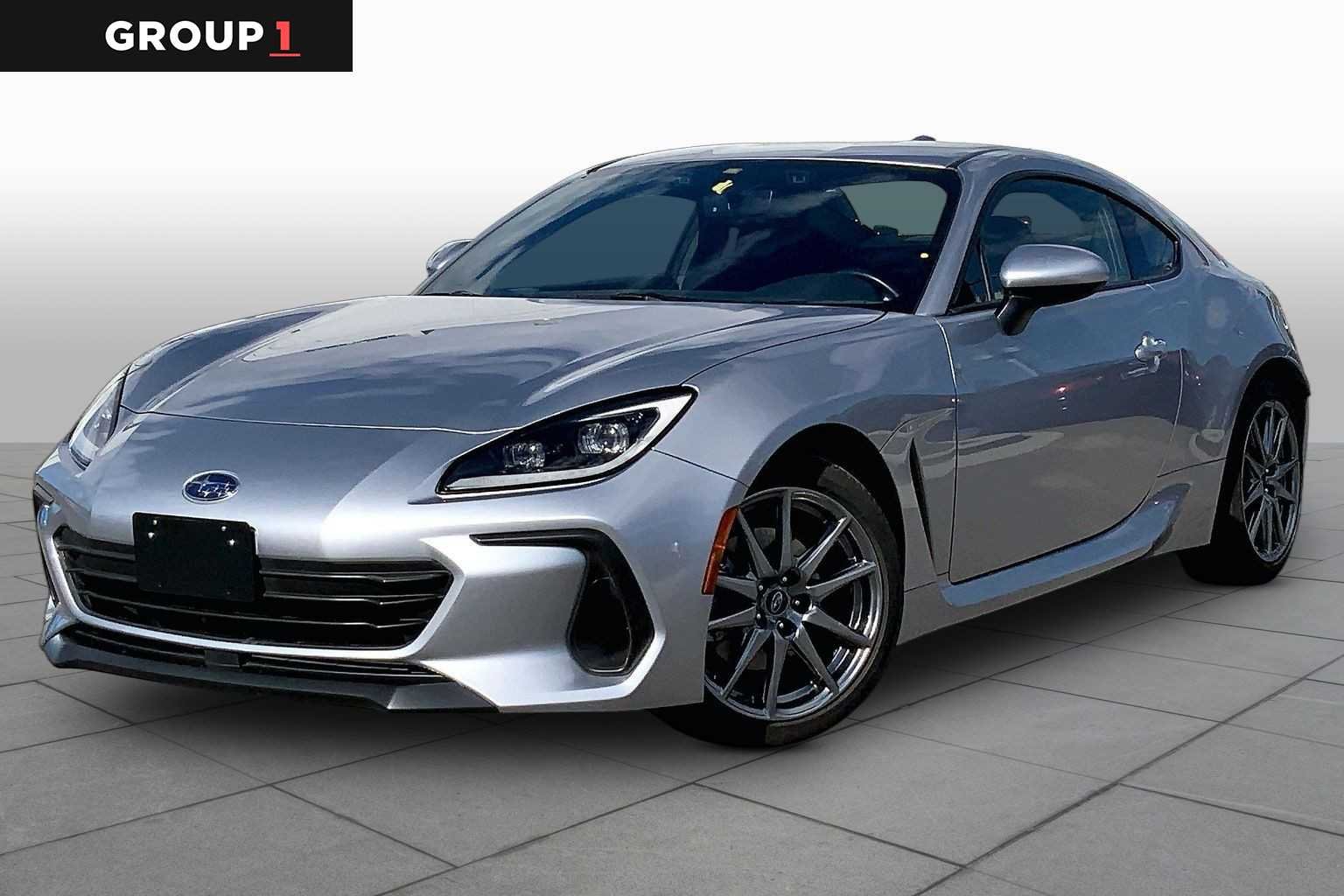
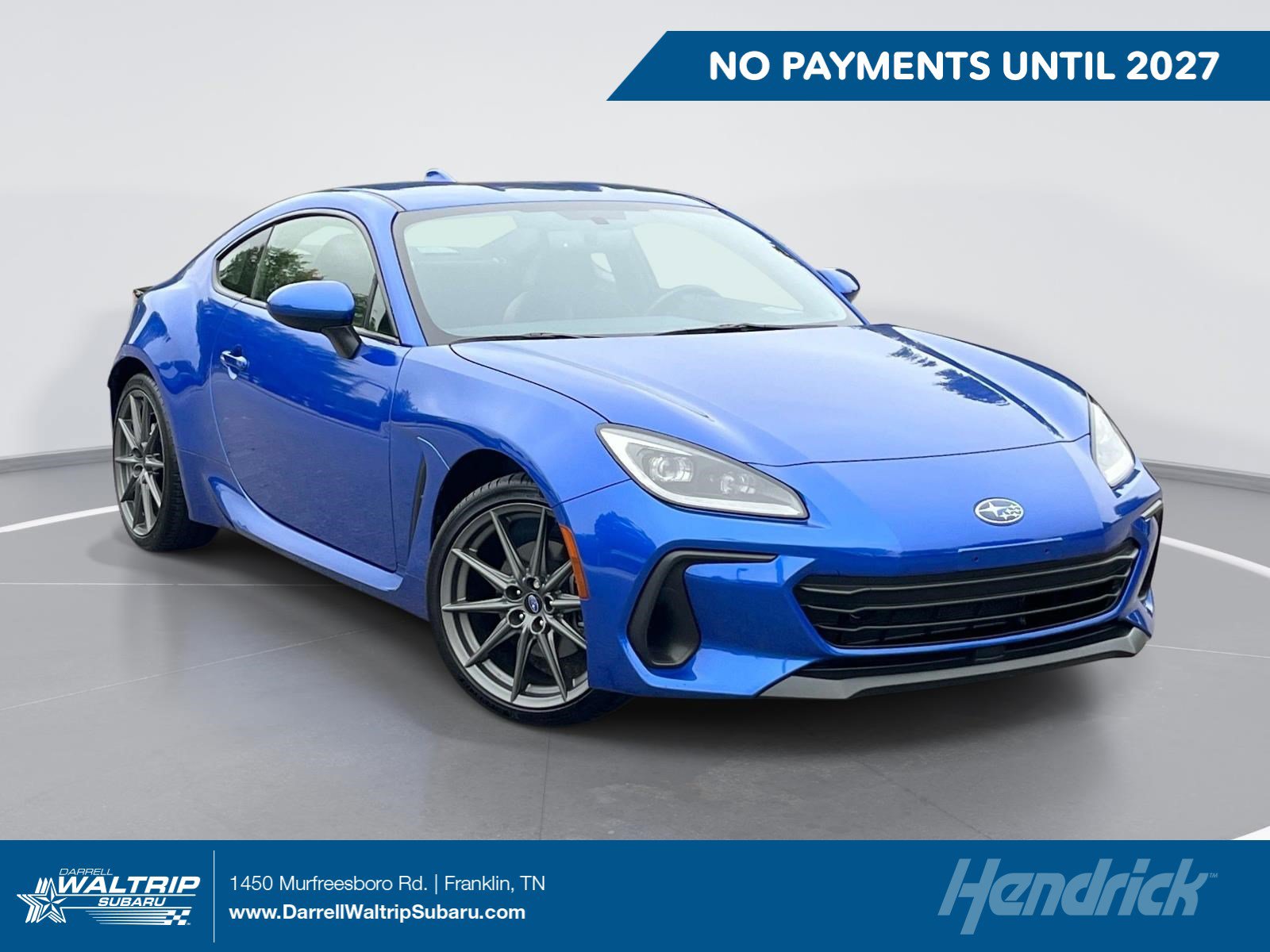
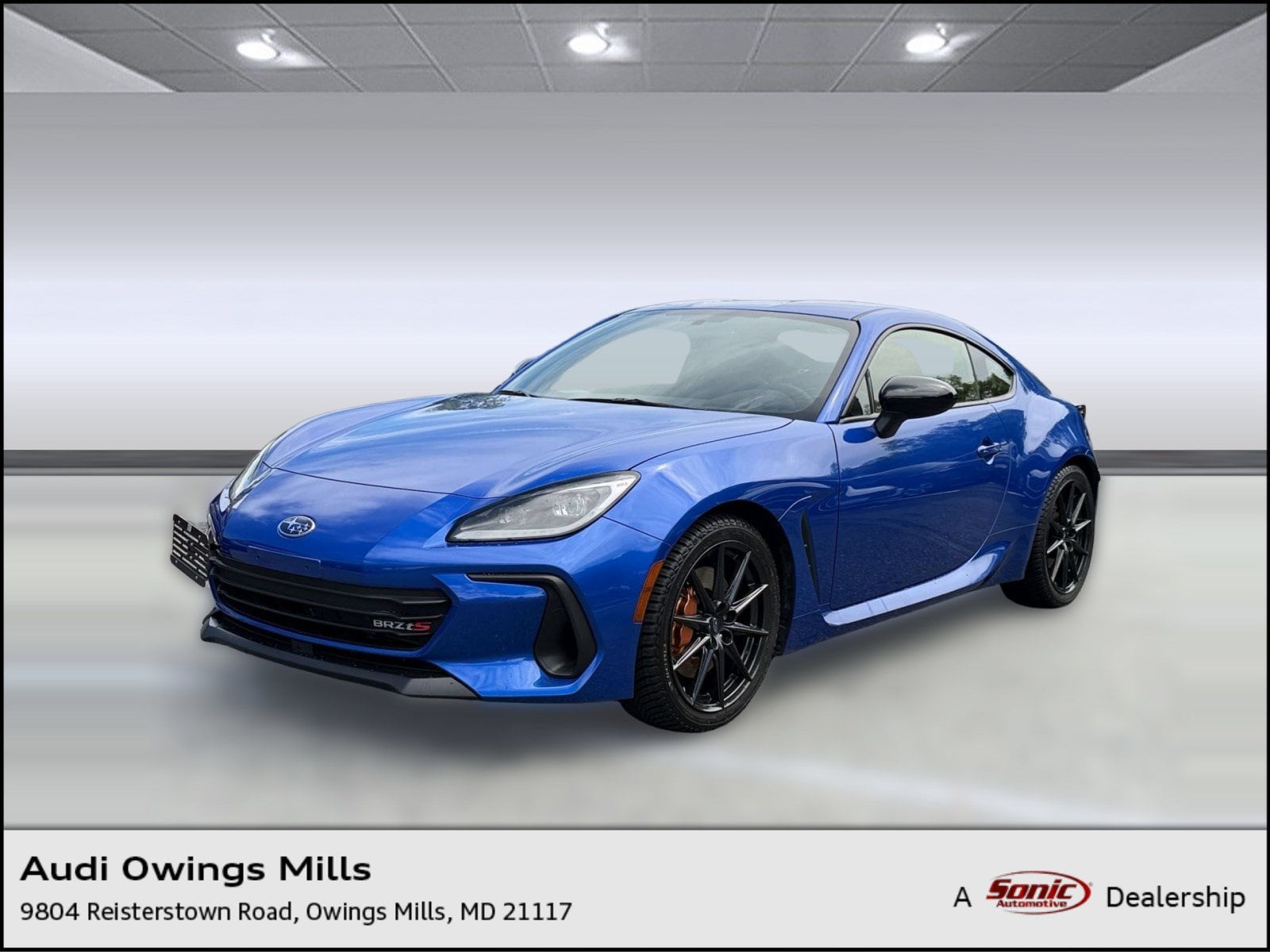
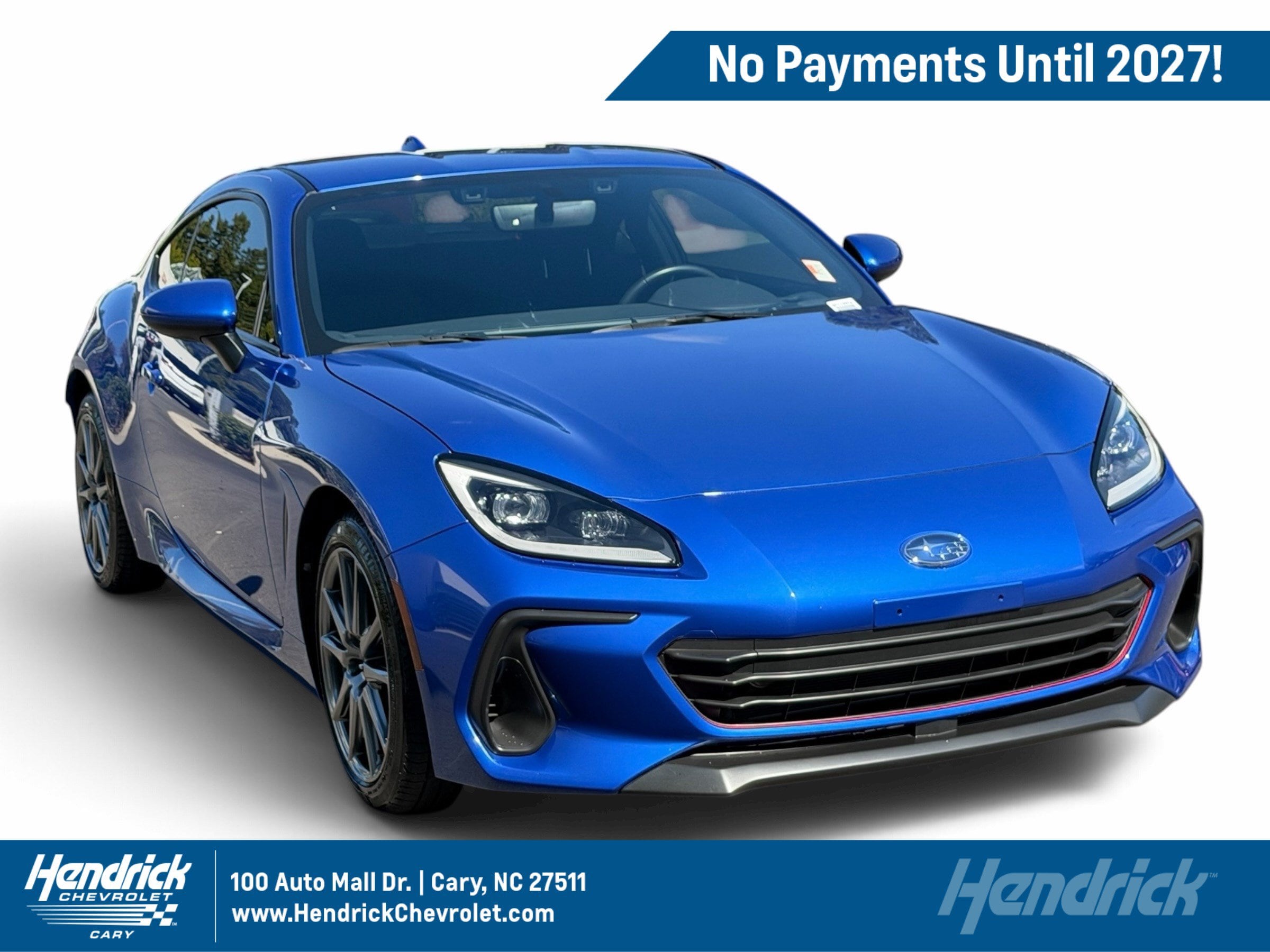
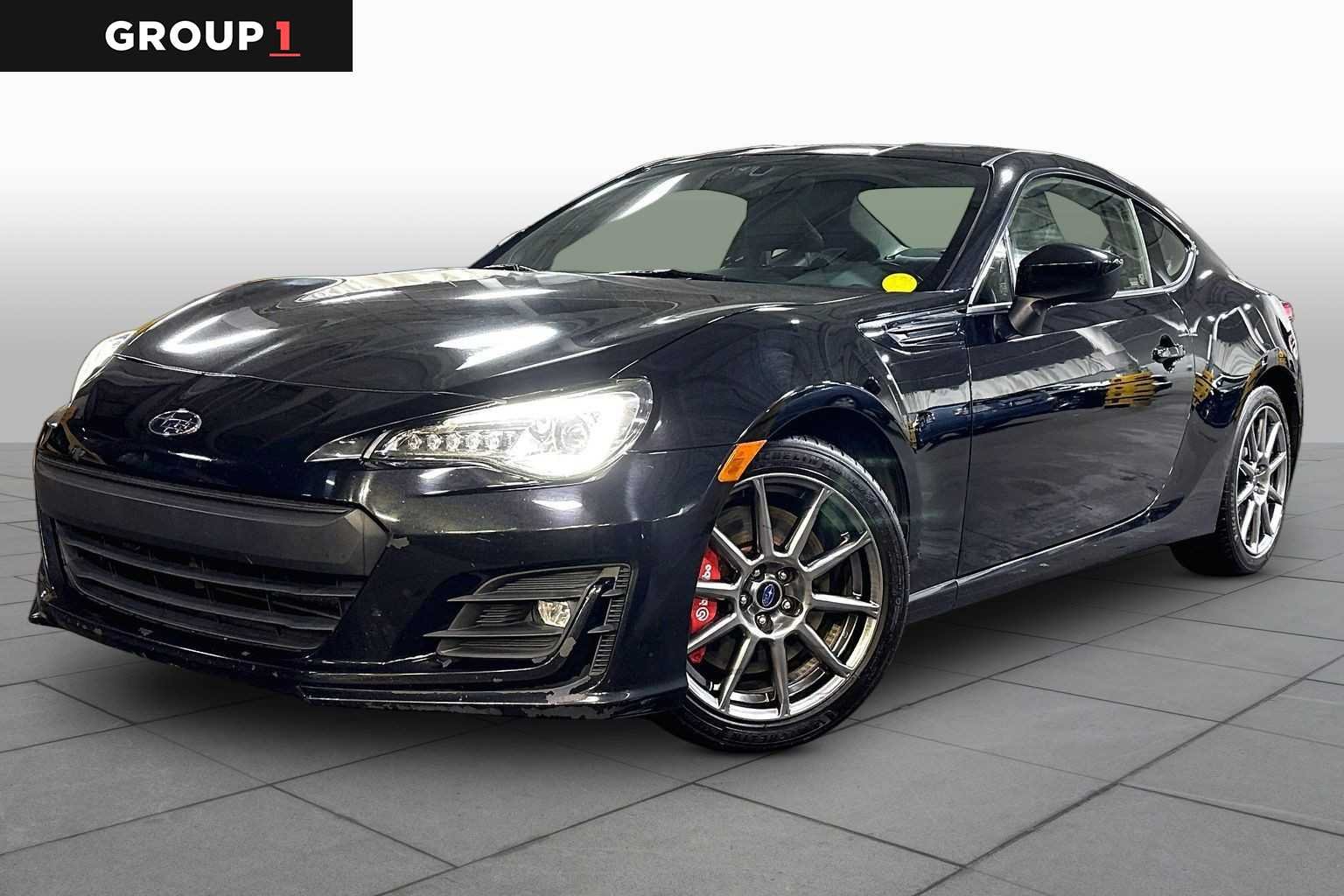
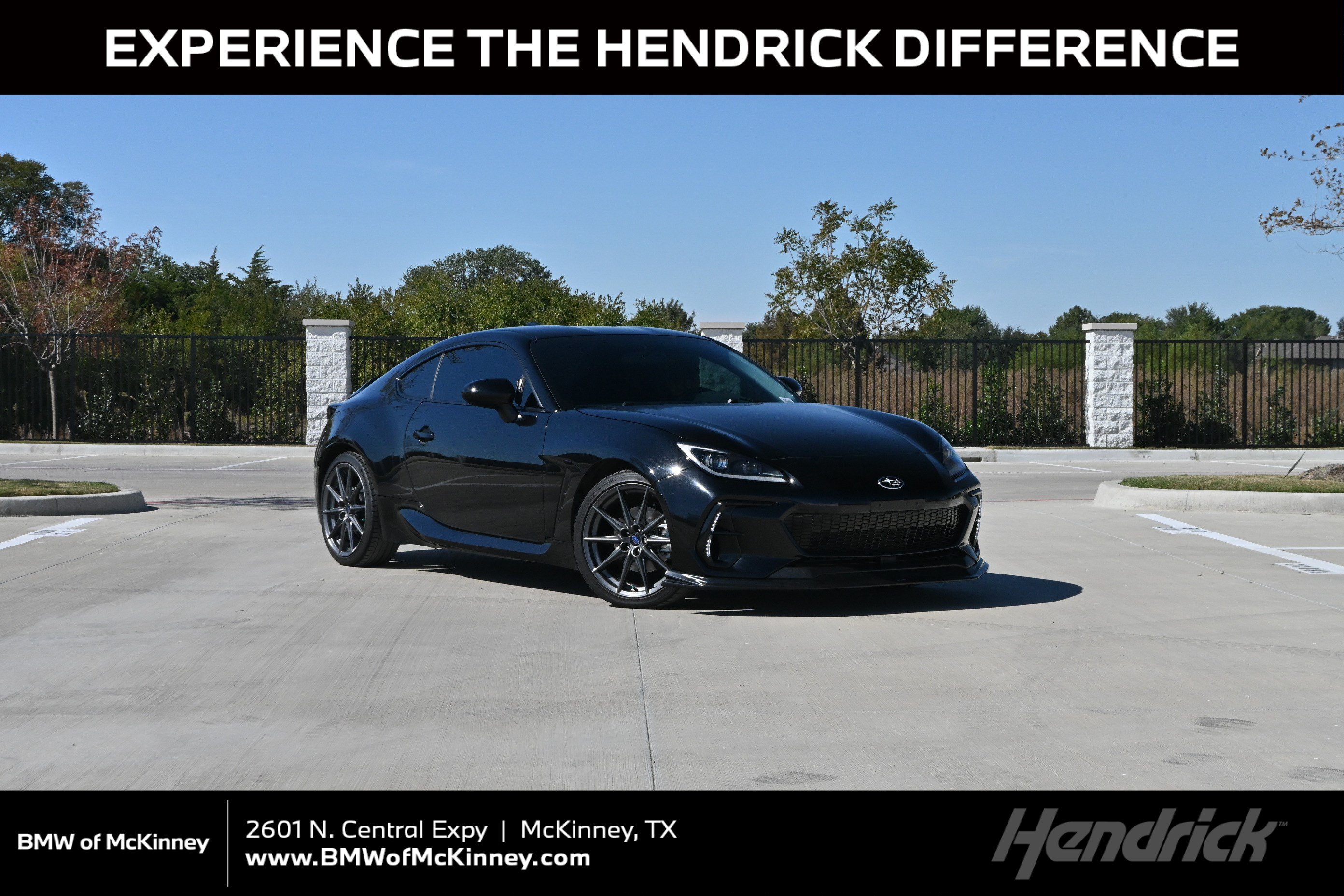
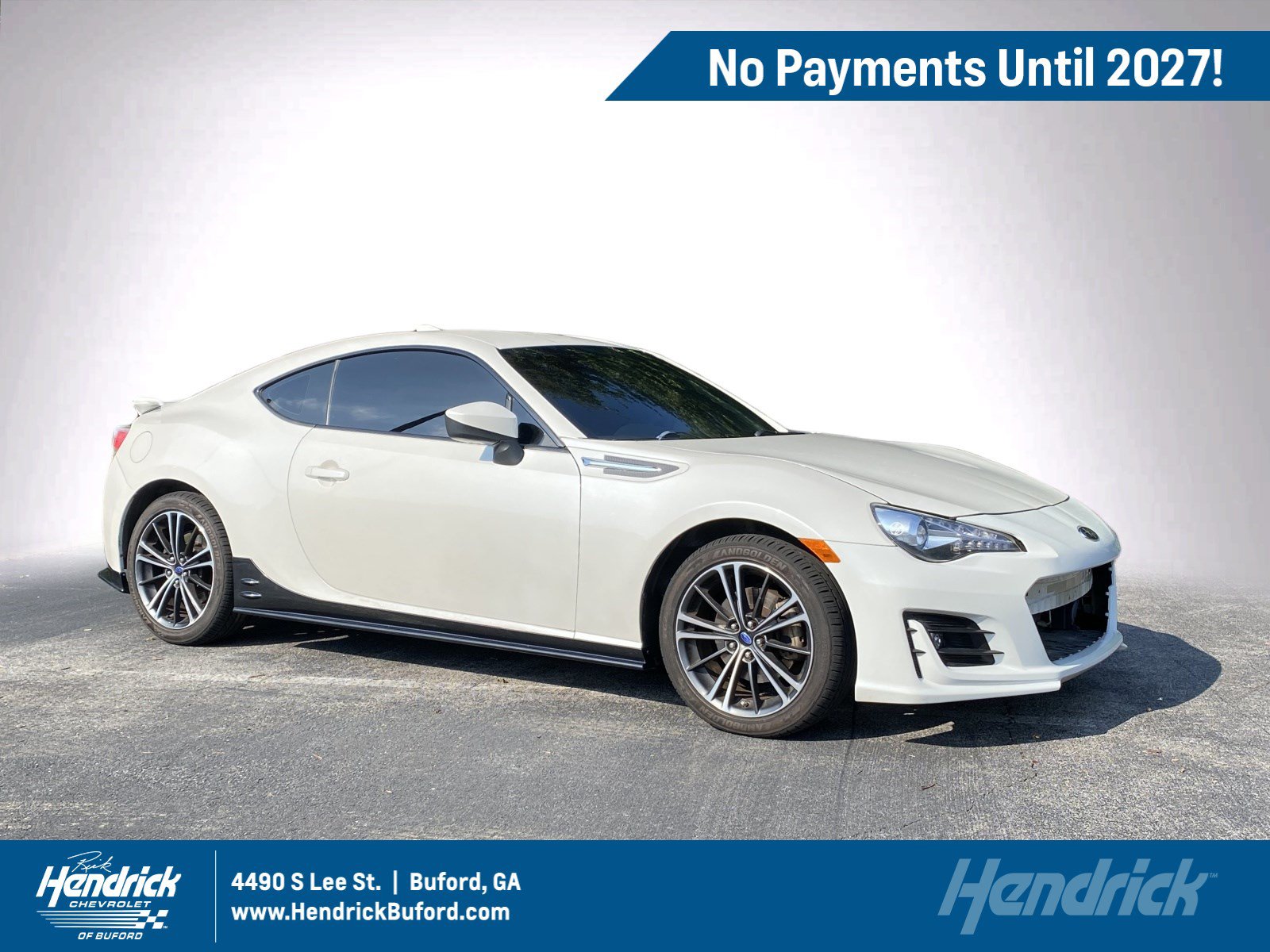
gasoline, manual, 131K km, coupe, Rear Wheels Drive, 2,000 cm3, 200 hp, white, Used condition, Japan, In stock

HendrickCars.com
 Buford, United States
 Buford, United States
 El Paso, United StatesFranklin, United StatesOwings, United StatesCary, United StatesDanvers, United States
 Pointe à la Hache, United States
 United States
 United States
 United StatesMcKinney, United States
 Kolomyia, Ukraine
Subaru BRZ buyers and sellers often start with a clear goal: find a well-balanced sport coupe that offers a enjoyable driving experience without excessive running costs. Whether you are eyeing a specific generation or looking to understand how mileage and price segments affect value, this guide covers the essentials you need when dealing with Subaru BRZ models. We’ll look at common questions, from reliability and maintenance to choosing the right engine, body type, and trim for your needs.
The BRZ is known for its lightweight chassis, rear-wheel-drive dynamics, and a naturally aspirated engine that rewards precise handling. When browsing for a model, buyers typically compare generations from early years to newer revisions, noting changes in suspension, interior upgrades, and infotainment options. For sellers, highlighting pristine maintenance history, clear mileage, and documented service can help fetch a fair price in the market. People frequently search for phrases like “Subaru BRZ reliability,” “BRZ sport coupe price,” or “BRZ horsepower by generation” to gauge value before making an offer.
Evaluating an available BRZ involves assembling a clear comparison of the key metrics: price range, year, mileage, trim level, and any aftermarket modifications. In many markets, you’ll find BRZs priced in a mid-range segment for sport coupes, with higher values for low-mileage, well-maintained examples. Potential buyers often search for “Subaru BRZ price by year,” or “BRZ trim differences,” to understand what each configuration offers. Sellers should prepare a concise, honest description that mentions wear items, tires, brakes, and any performance upgrades.
In summary, whether you aim to buy a Subaru BRZ or prepare one for sale, focusing on the generation, mileage, price range, and local market dynamics will help you navigate decisions with confidence. A thoughtful listing and diligent inspection can bridge the gap between interest and a successful sale, while buyers benefit from a clear evaluation of the car’s condition and value.
 Add as preferred sourceSee more from zvelta in Google Search Add as preferred source