EN
ENDEALER
88.937 US$DEALER
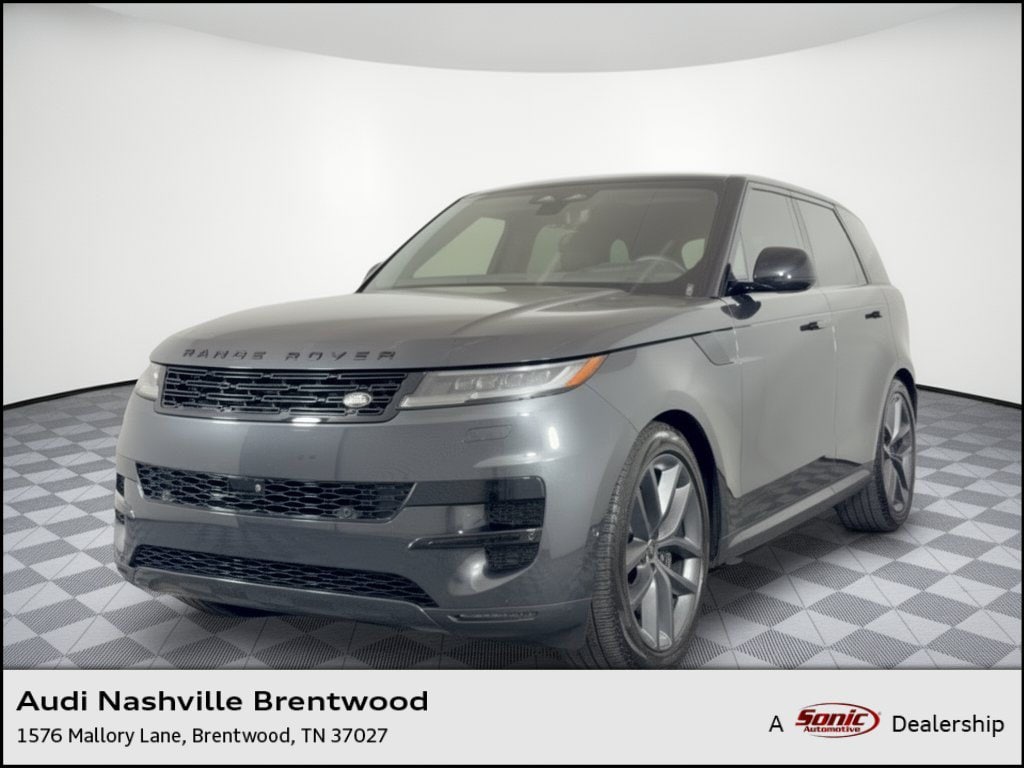
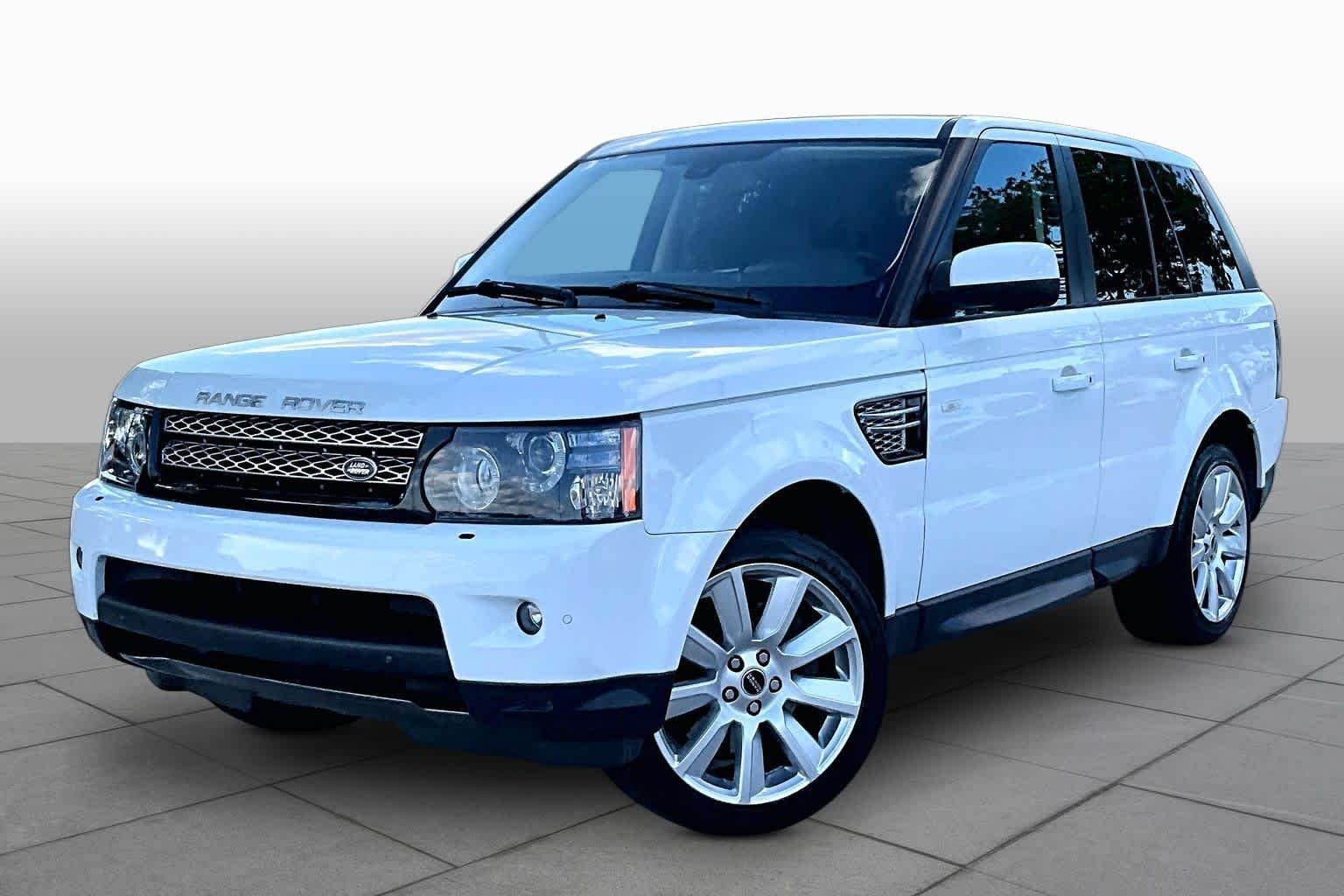
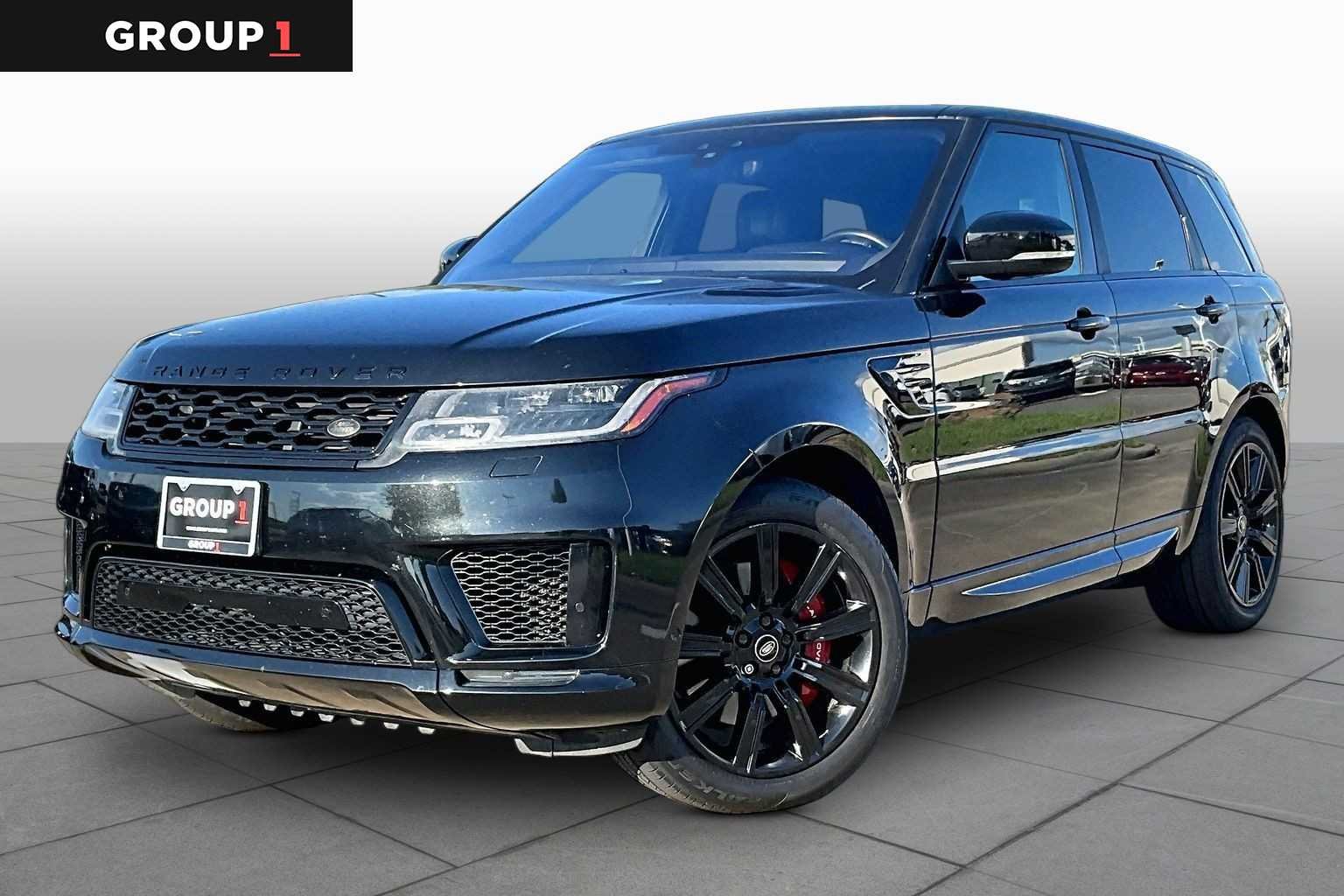
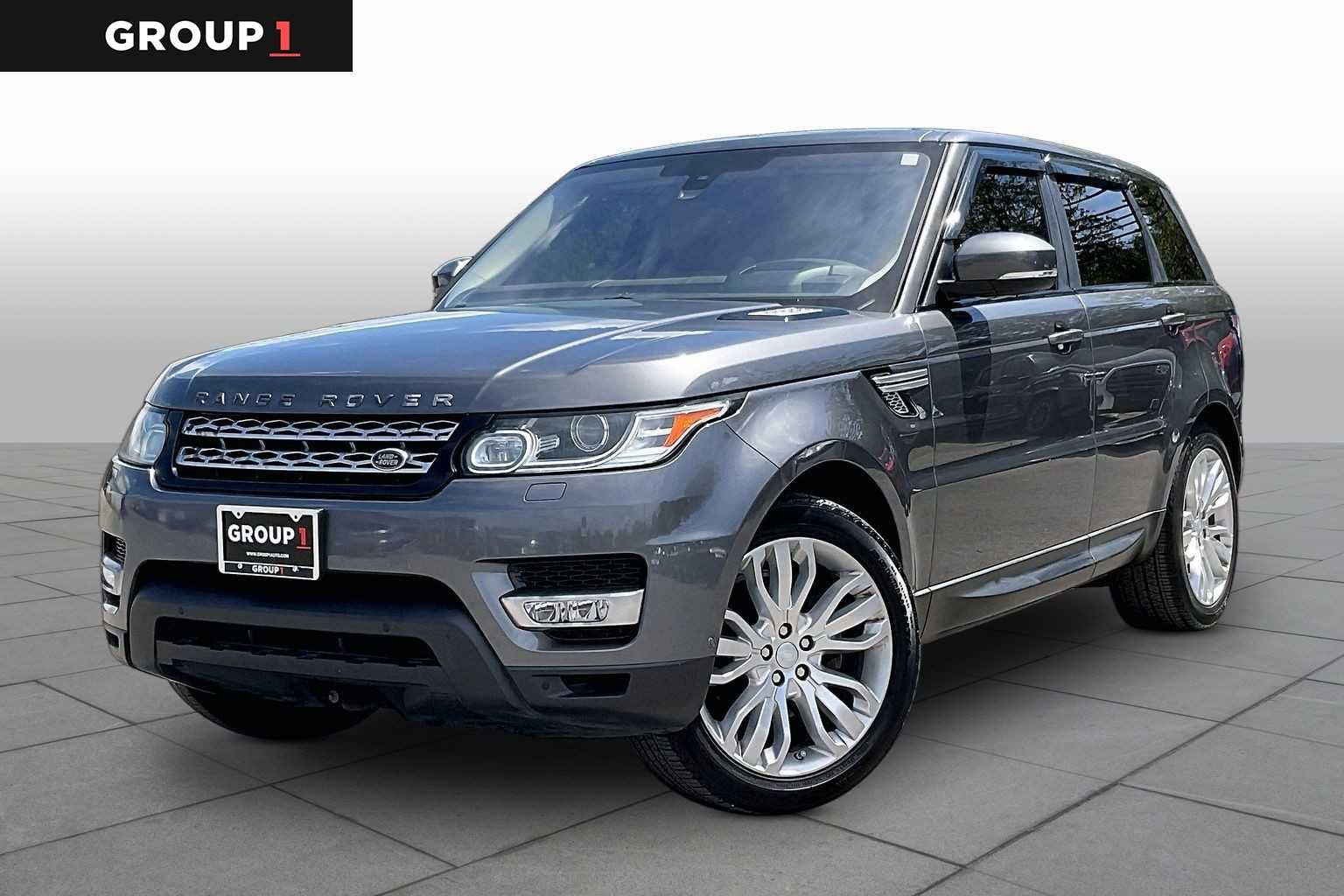
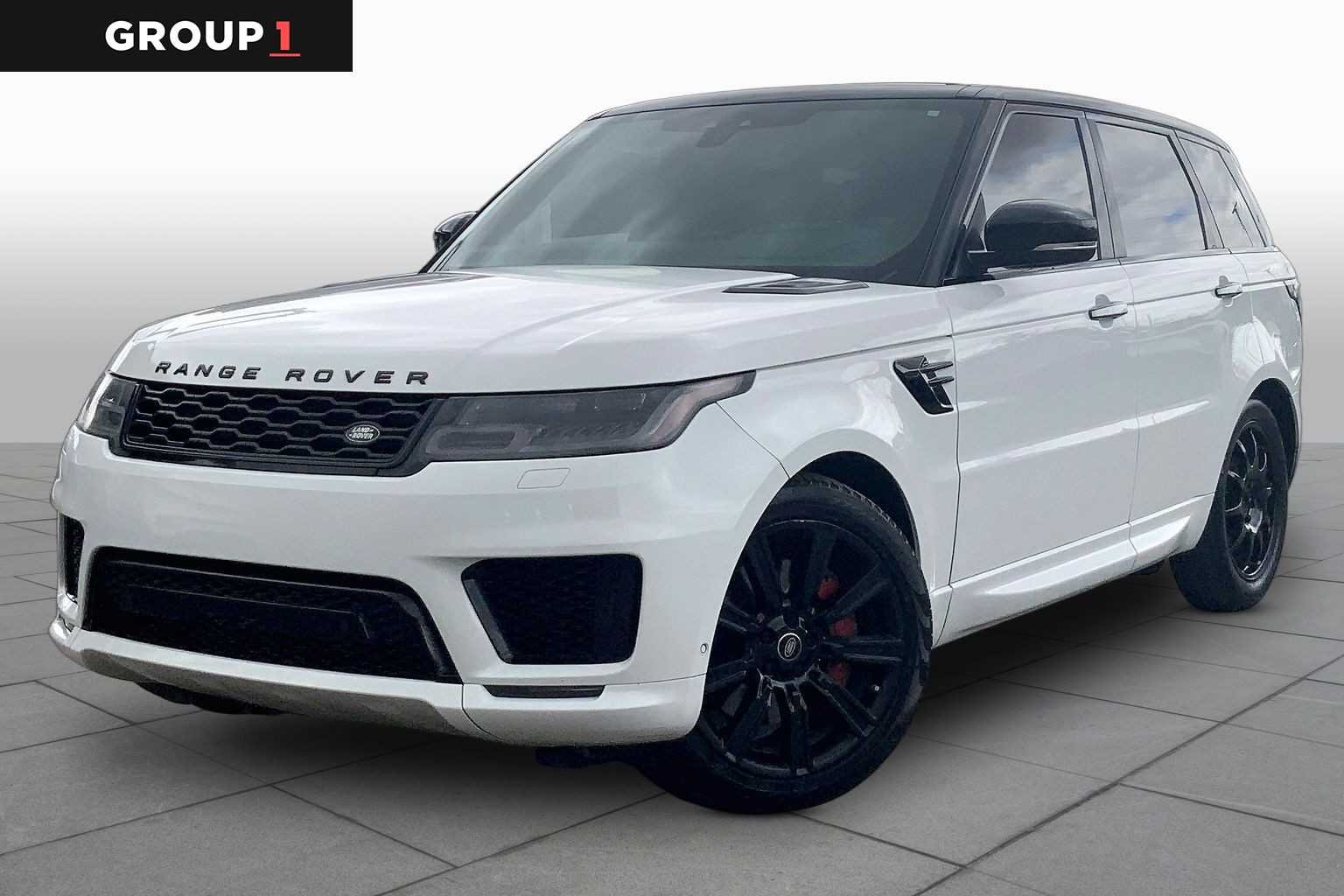
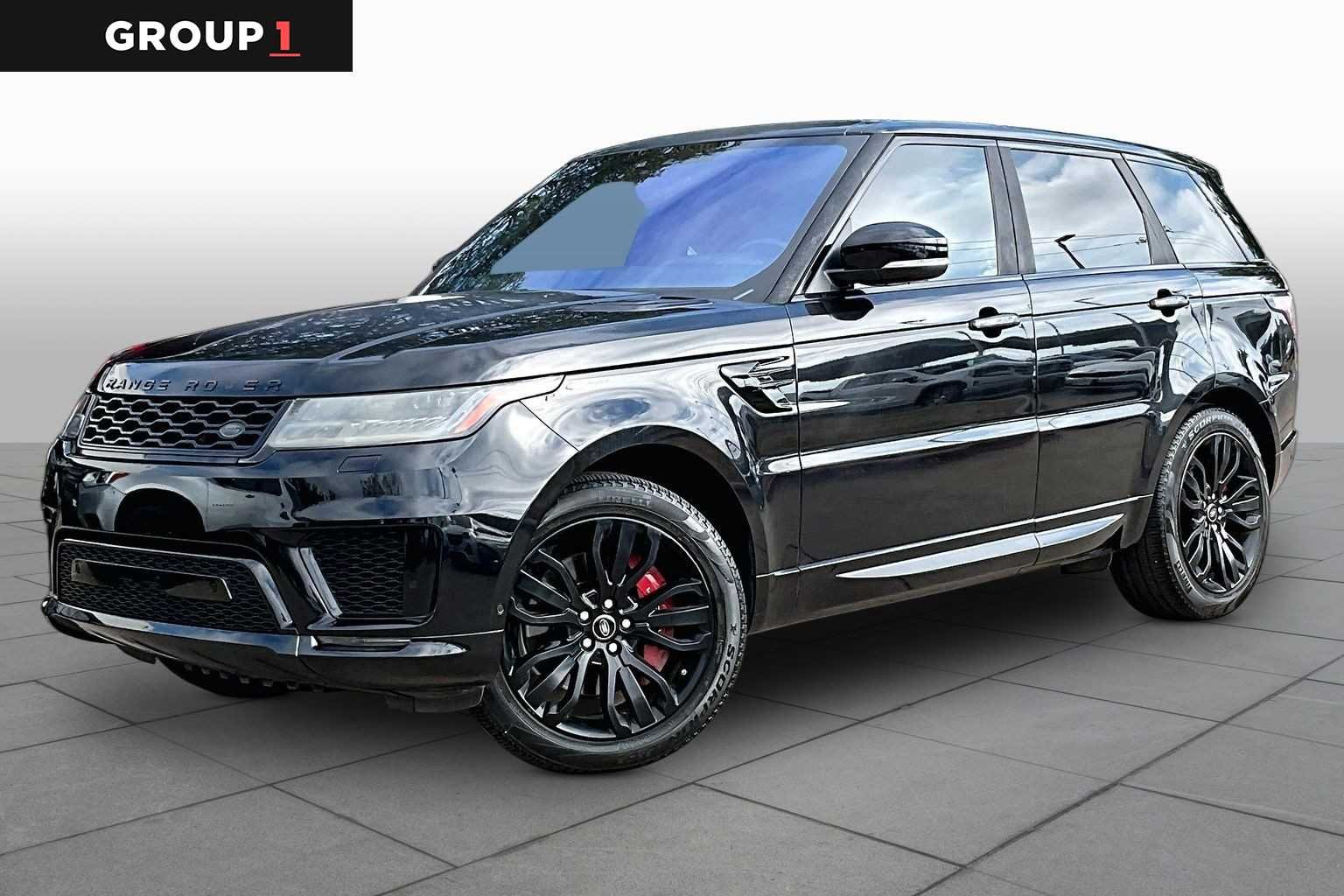
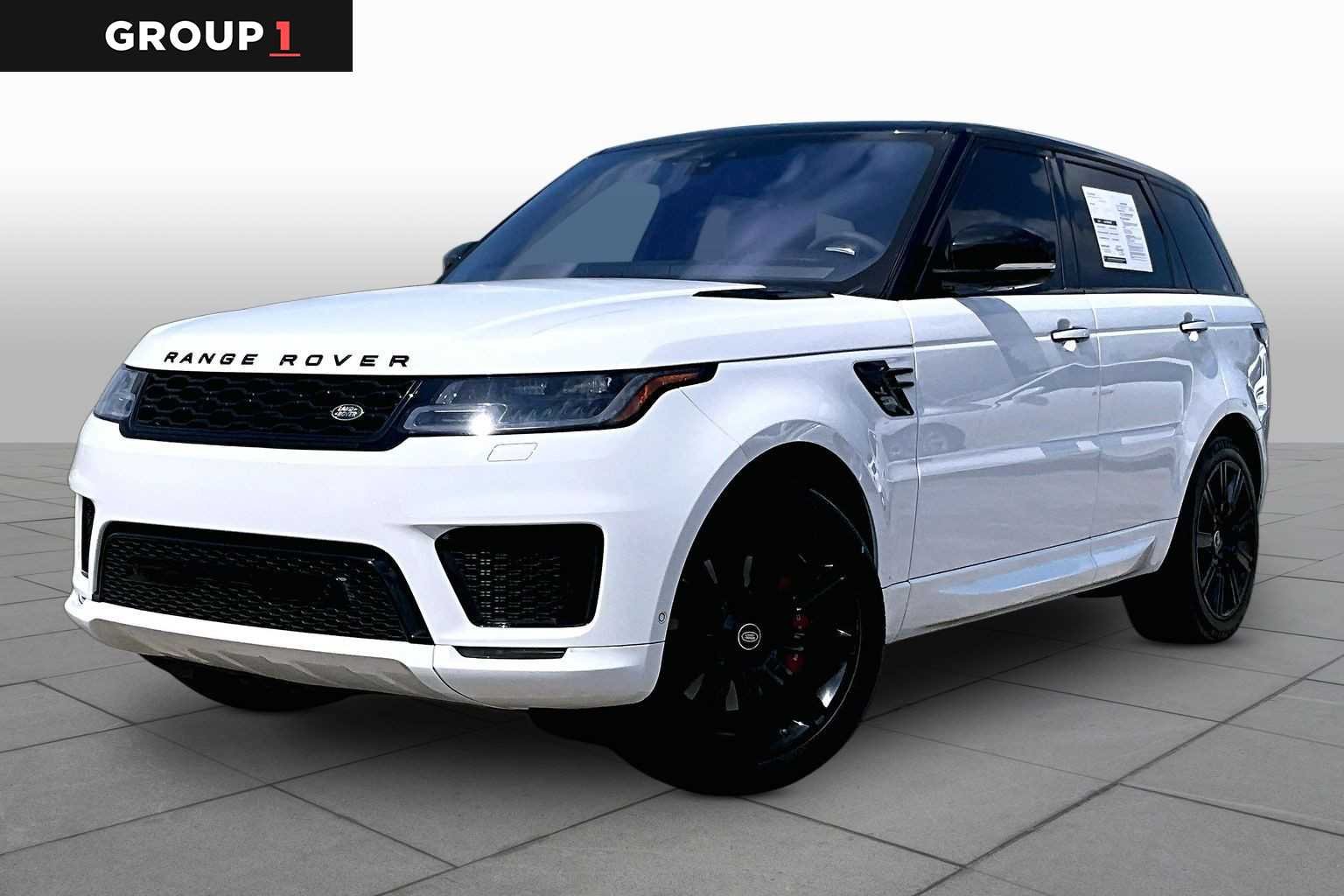
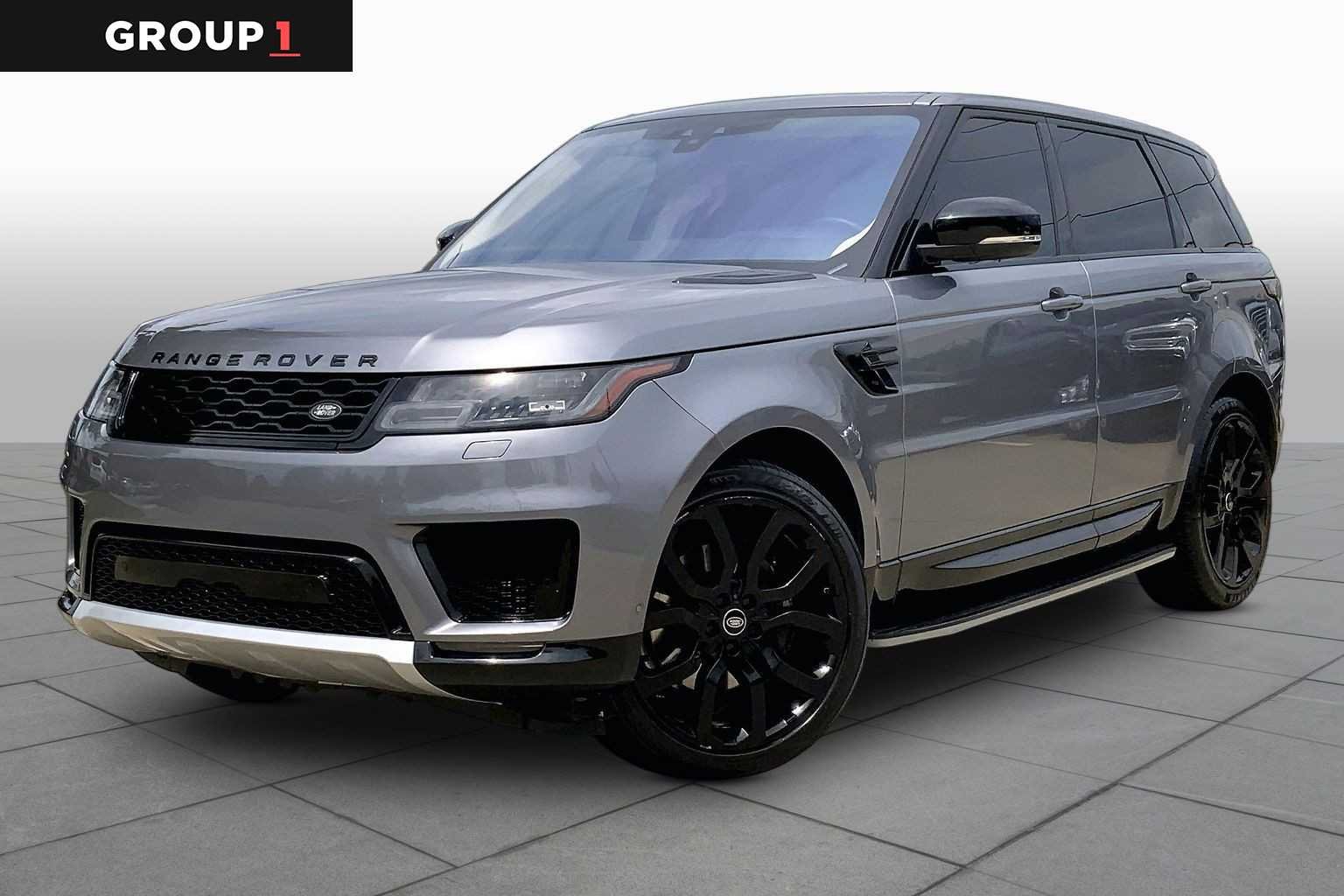
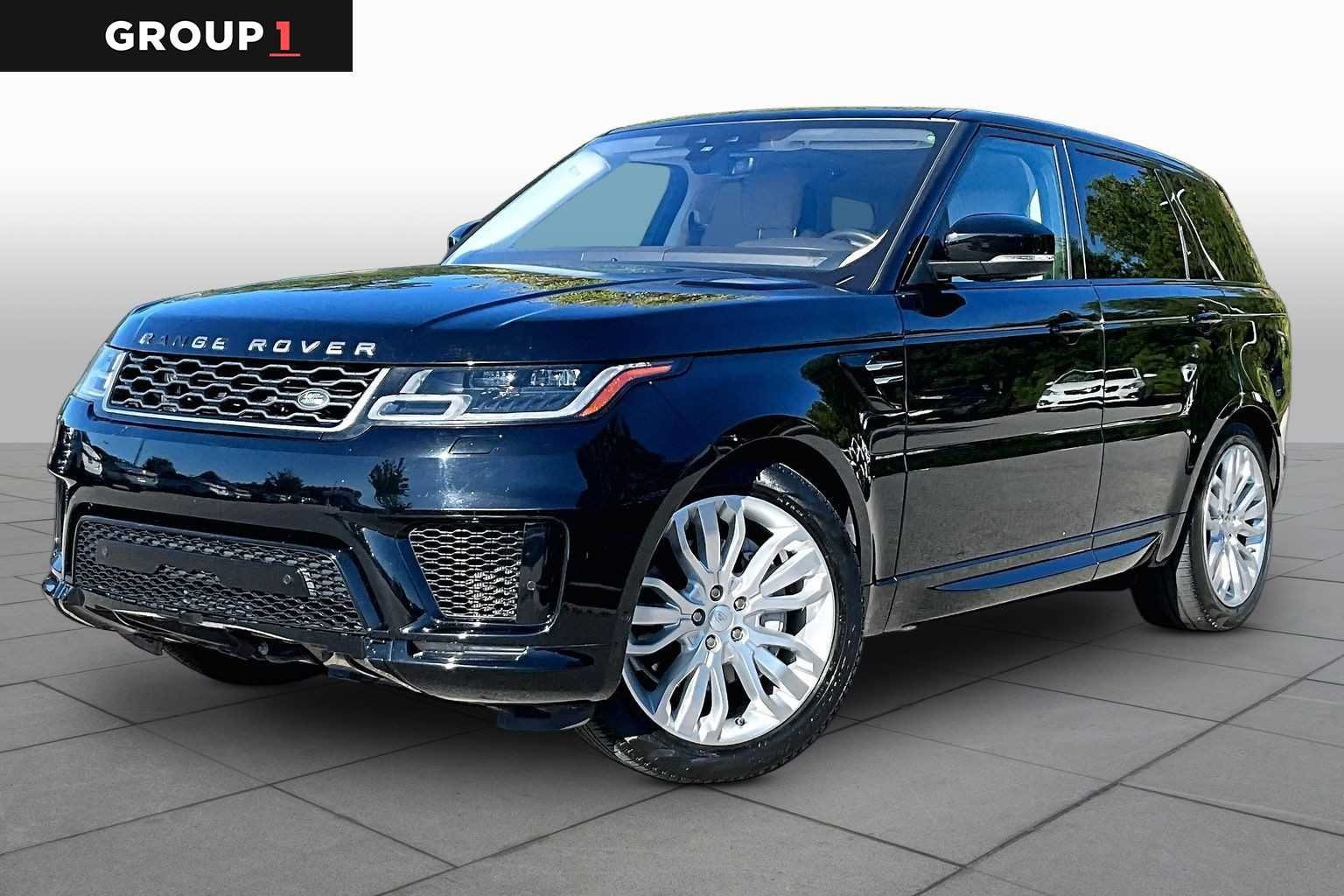
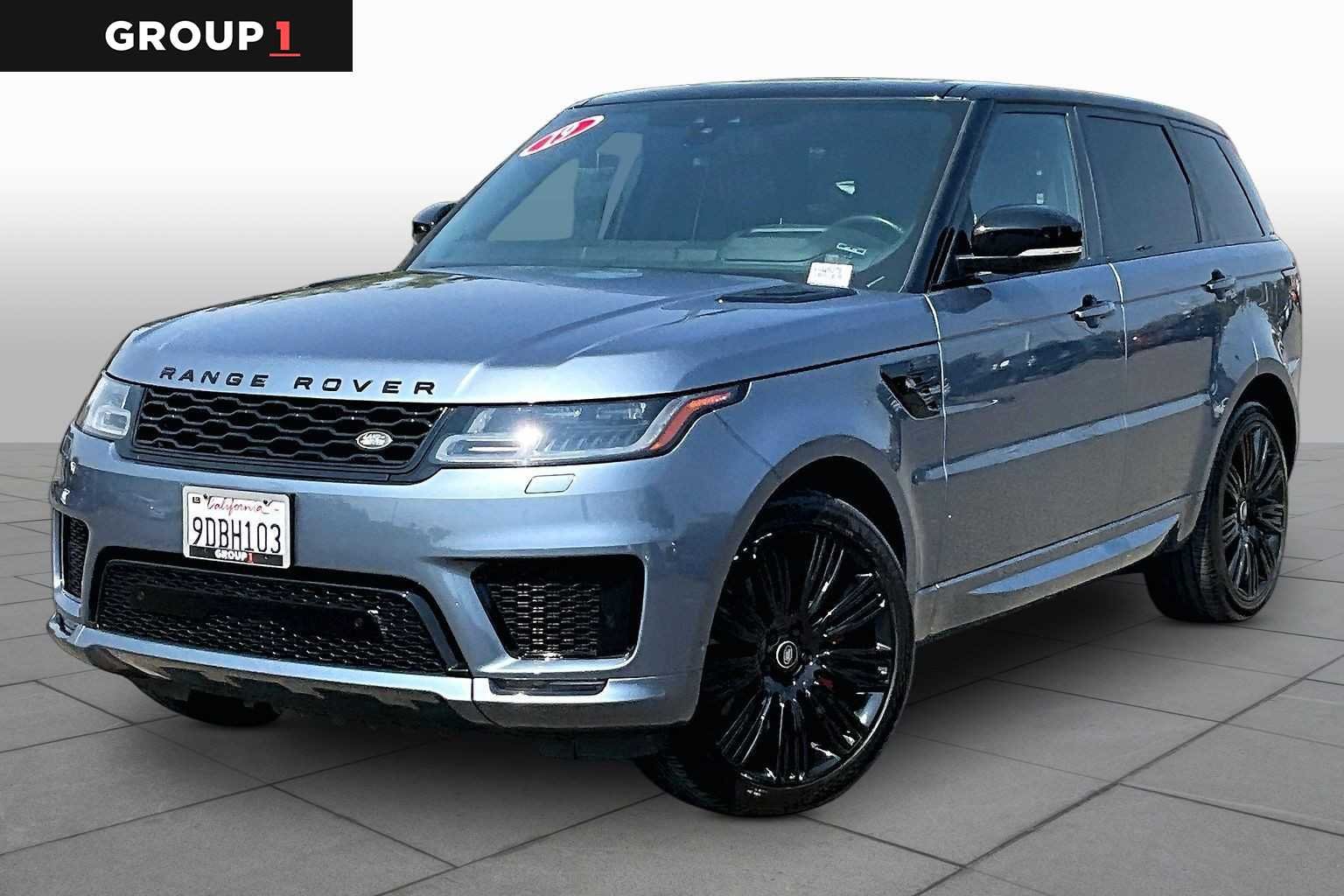
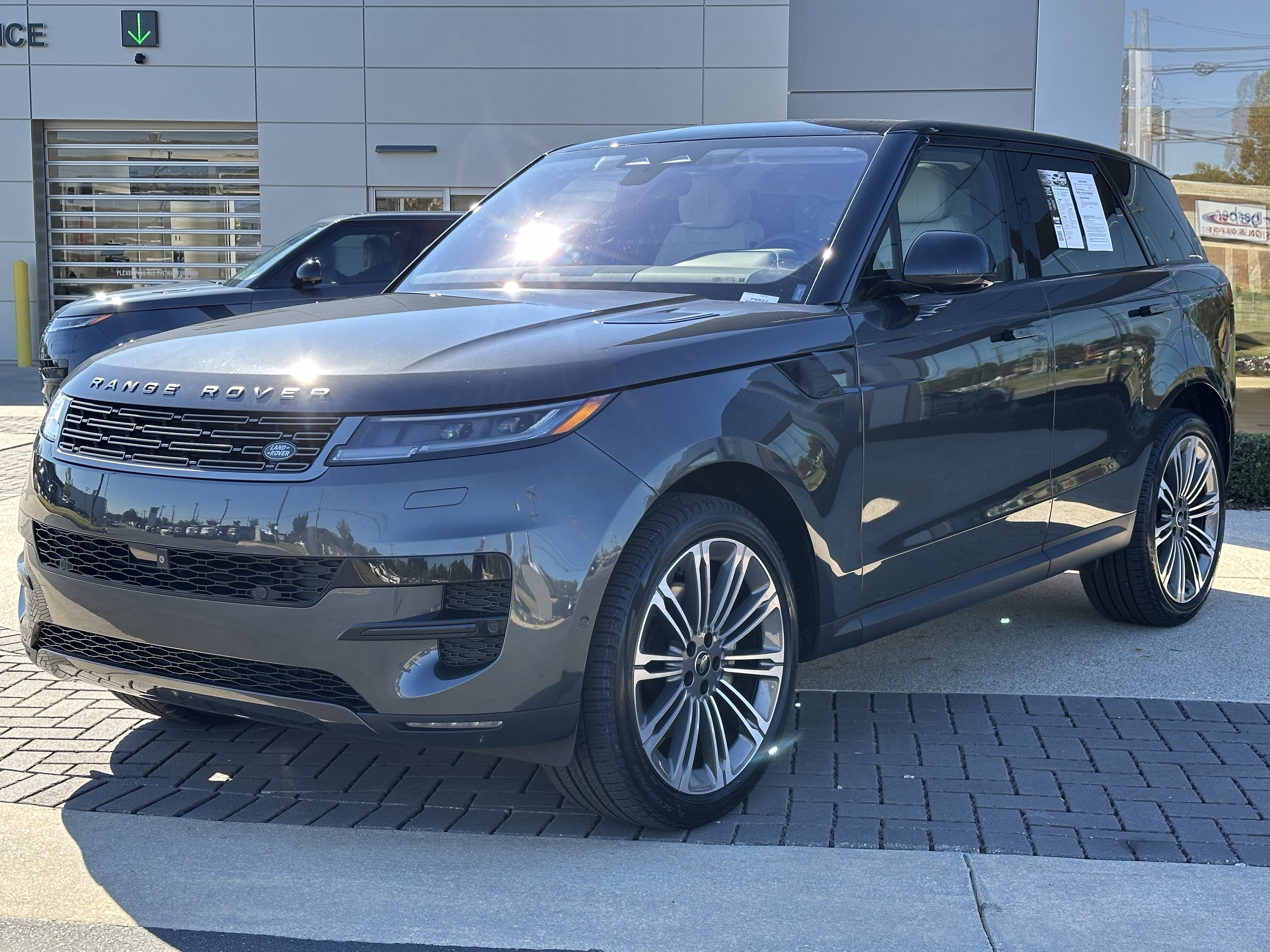
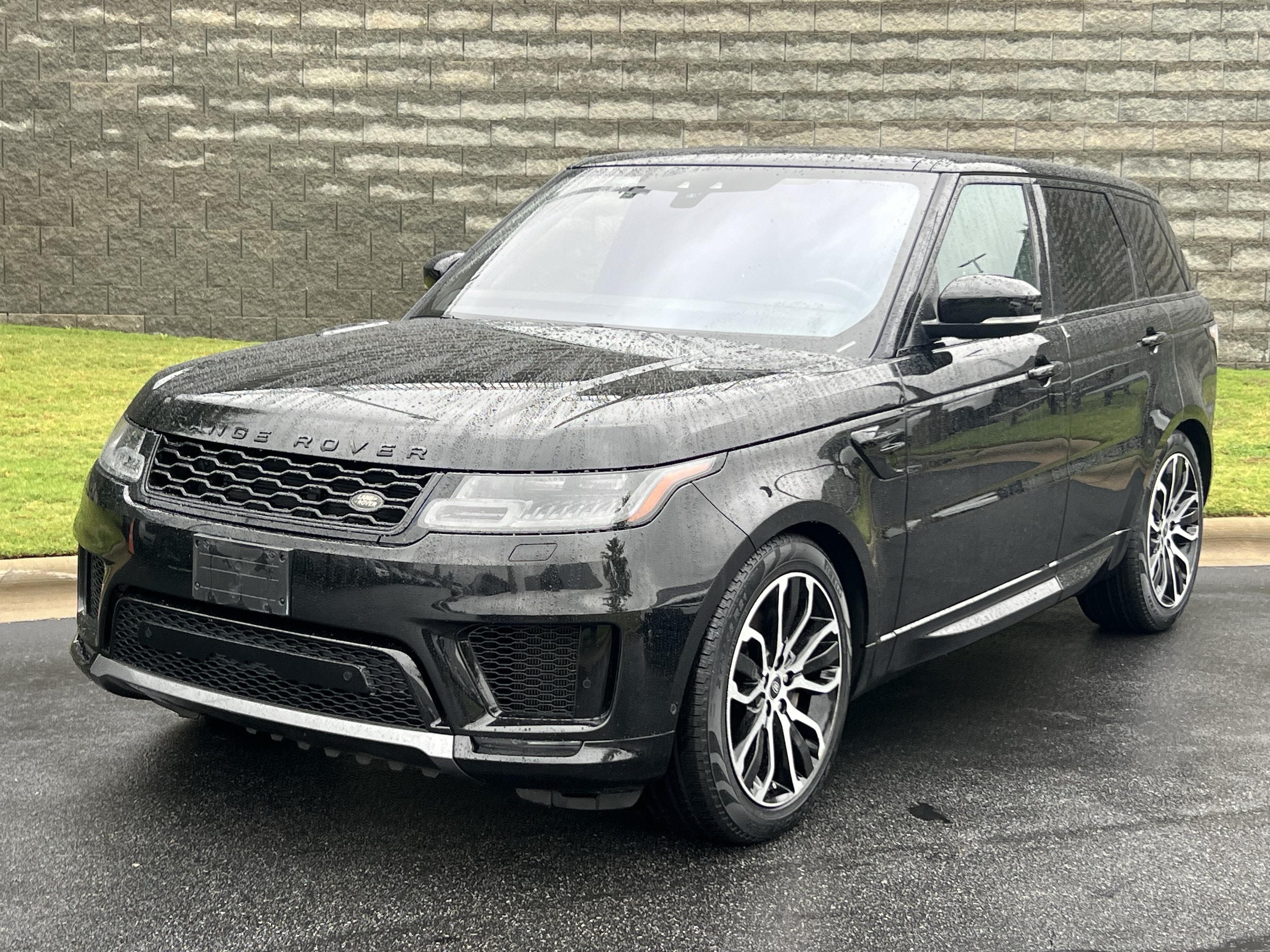
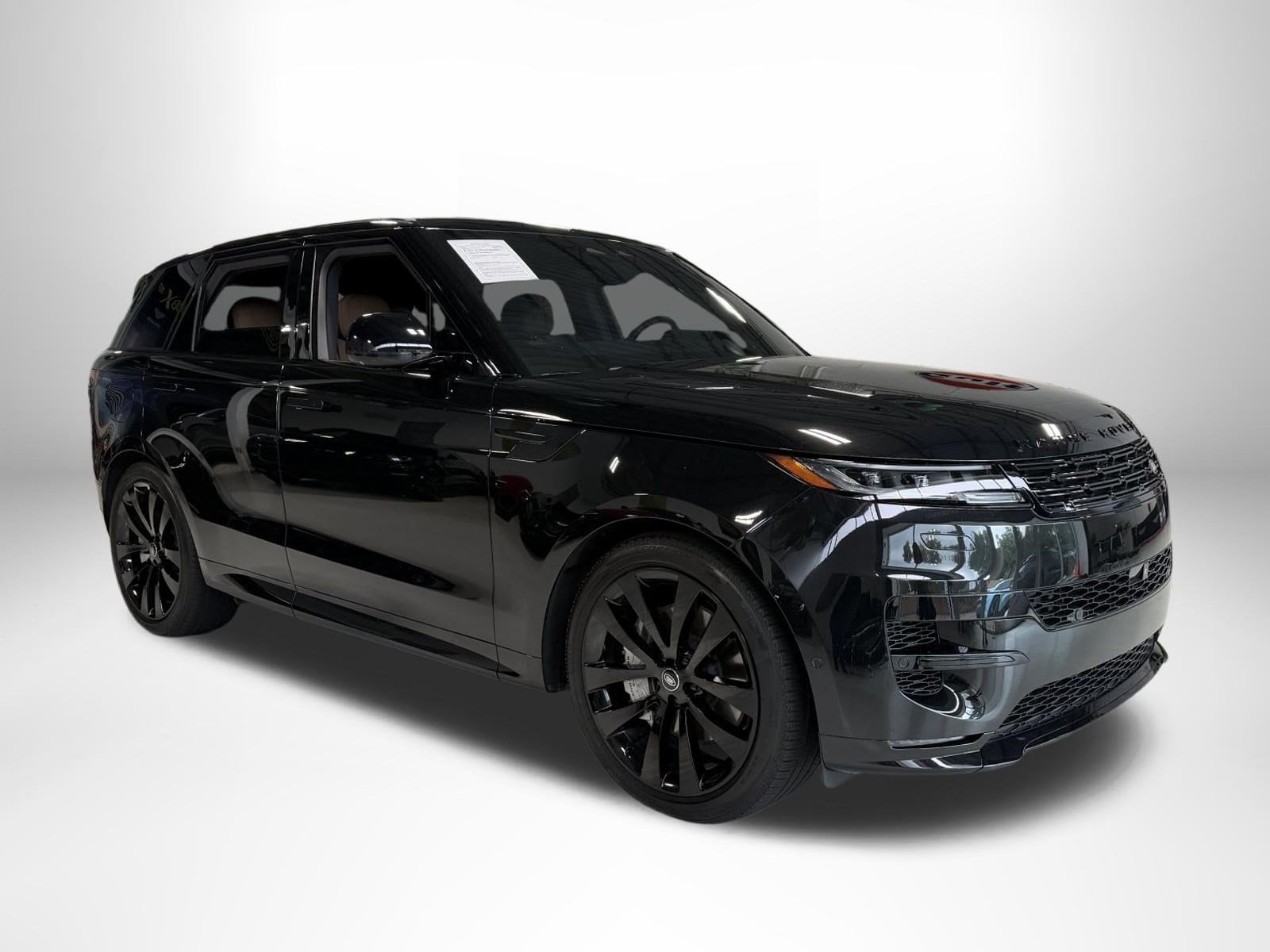
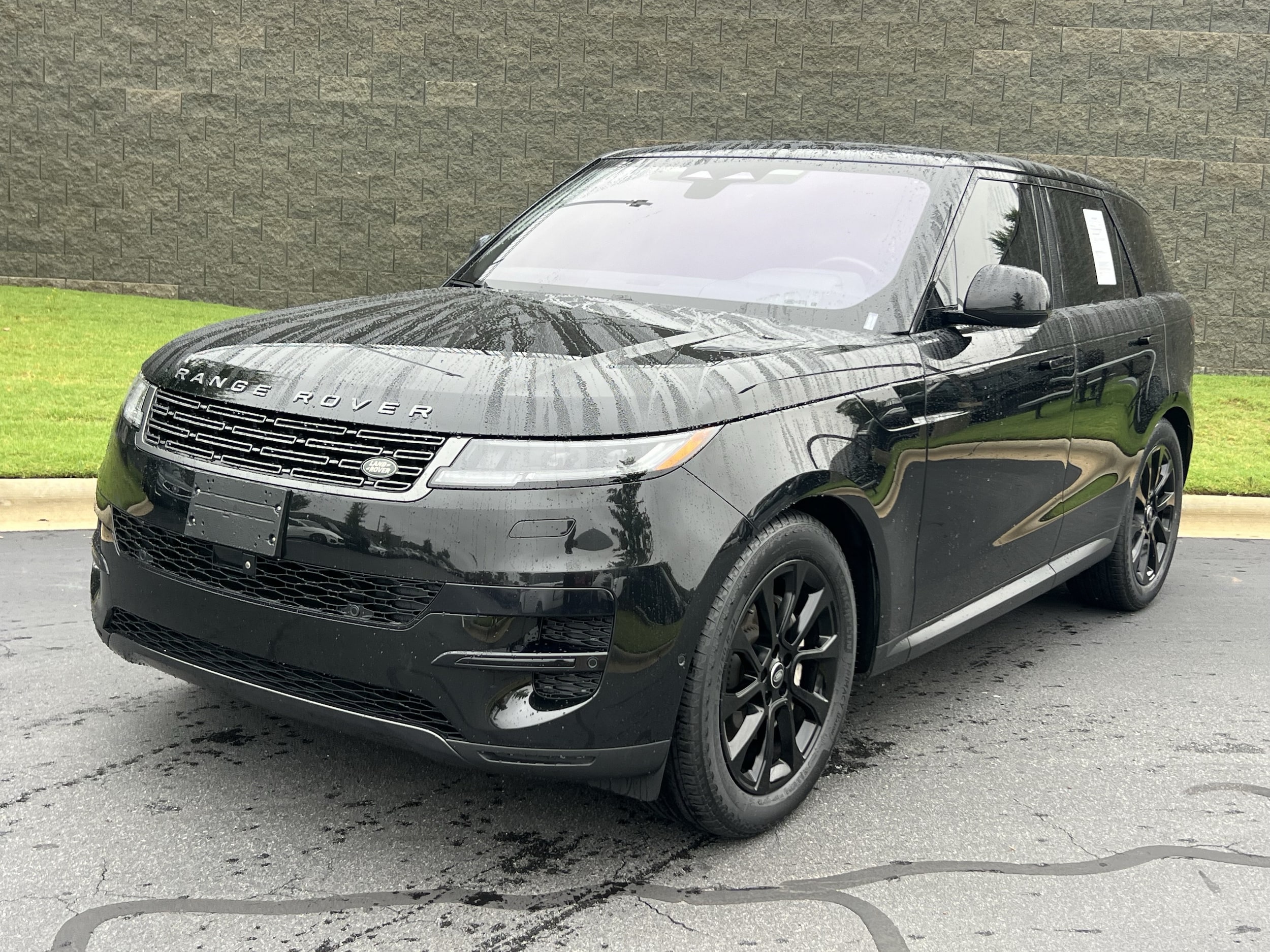
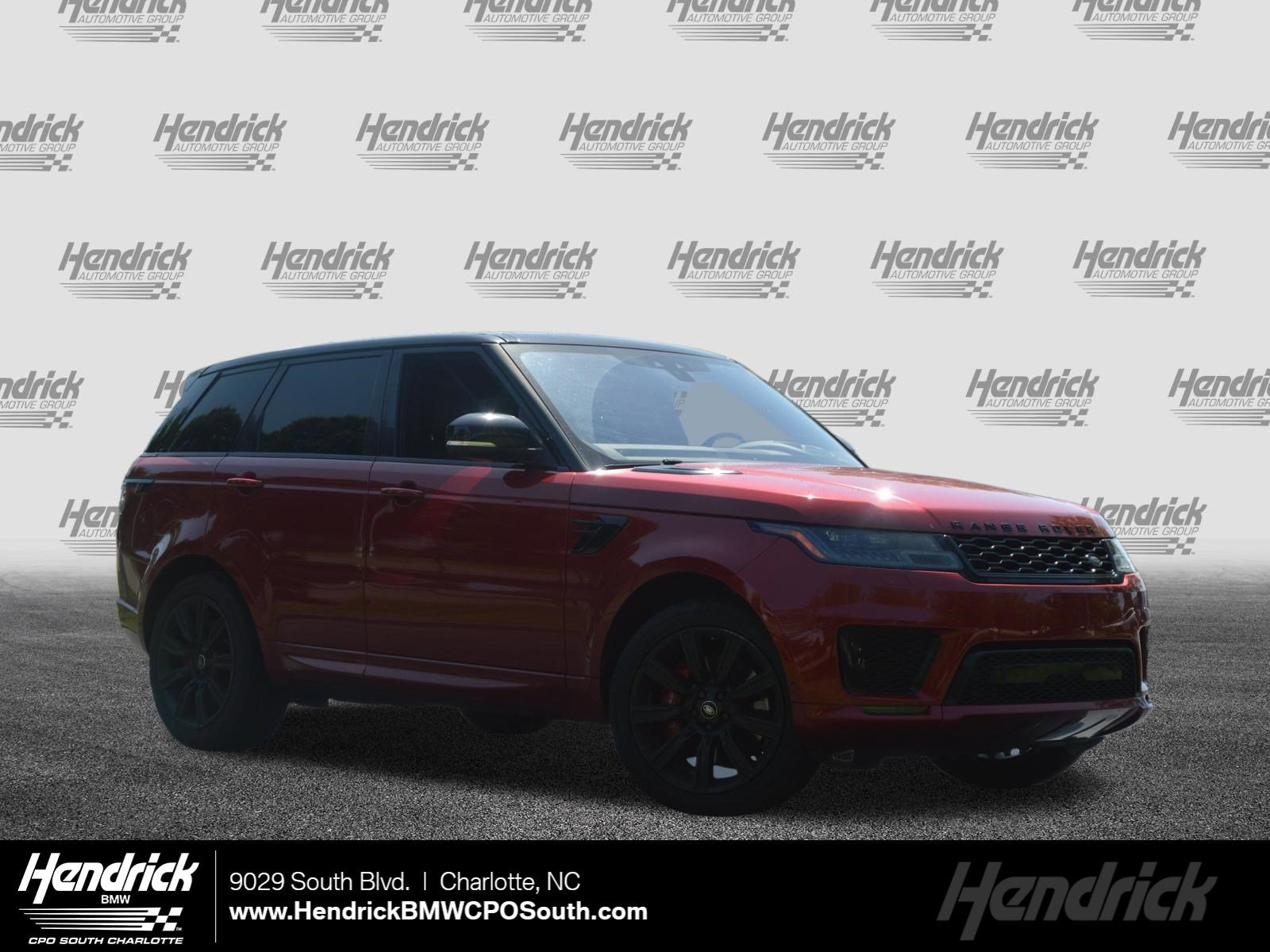
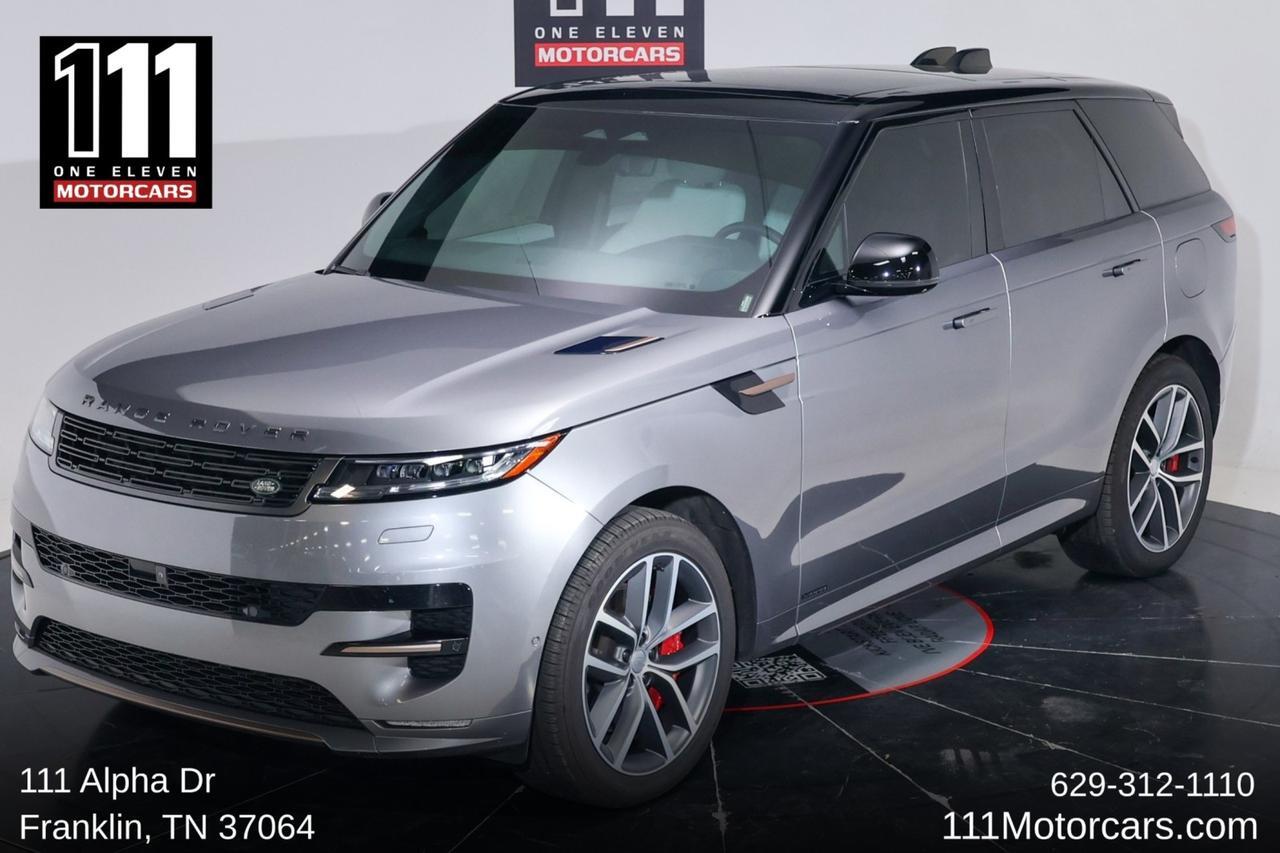
hybrid, automatic, 54K km, SUV, All Wheels Drive, 3,000 cm3, grey, Dynamic SE, Used condition, United Kingdom, In stock

HendrickCars.com
 Buford, United States
 Buford, United StatesBrentwood, United States
 Southwest, United StatesSouthwest, United StatesAustin, United StatesMain Settlement, United StatesMain Settlement, United StatesMain Settlement, United StatesMain Settlement, United StatesOntario, United StatesEl Paso, United States
 Franklin, United StatesManchester, United StatesManchester, United States
 Atlanta, United StatesColumbia, United StatesT B, United StatesCharlotte, United StatesCharlotte, United StatesCharlotte, United StatesCharlotte, United StatesCharlotte, United States
 Franklin, United StatesFranklin, United StatesFranklin, United States
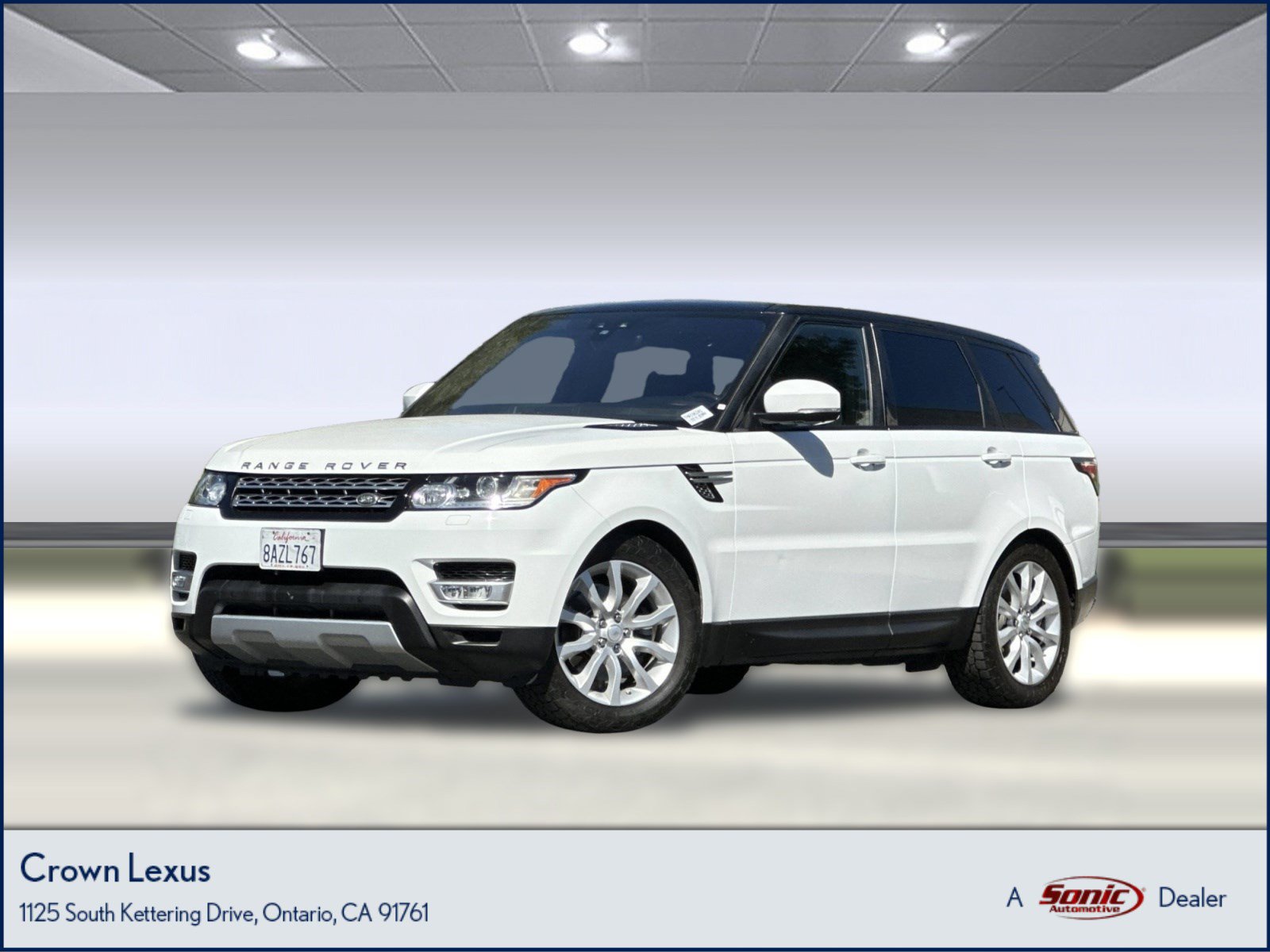
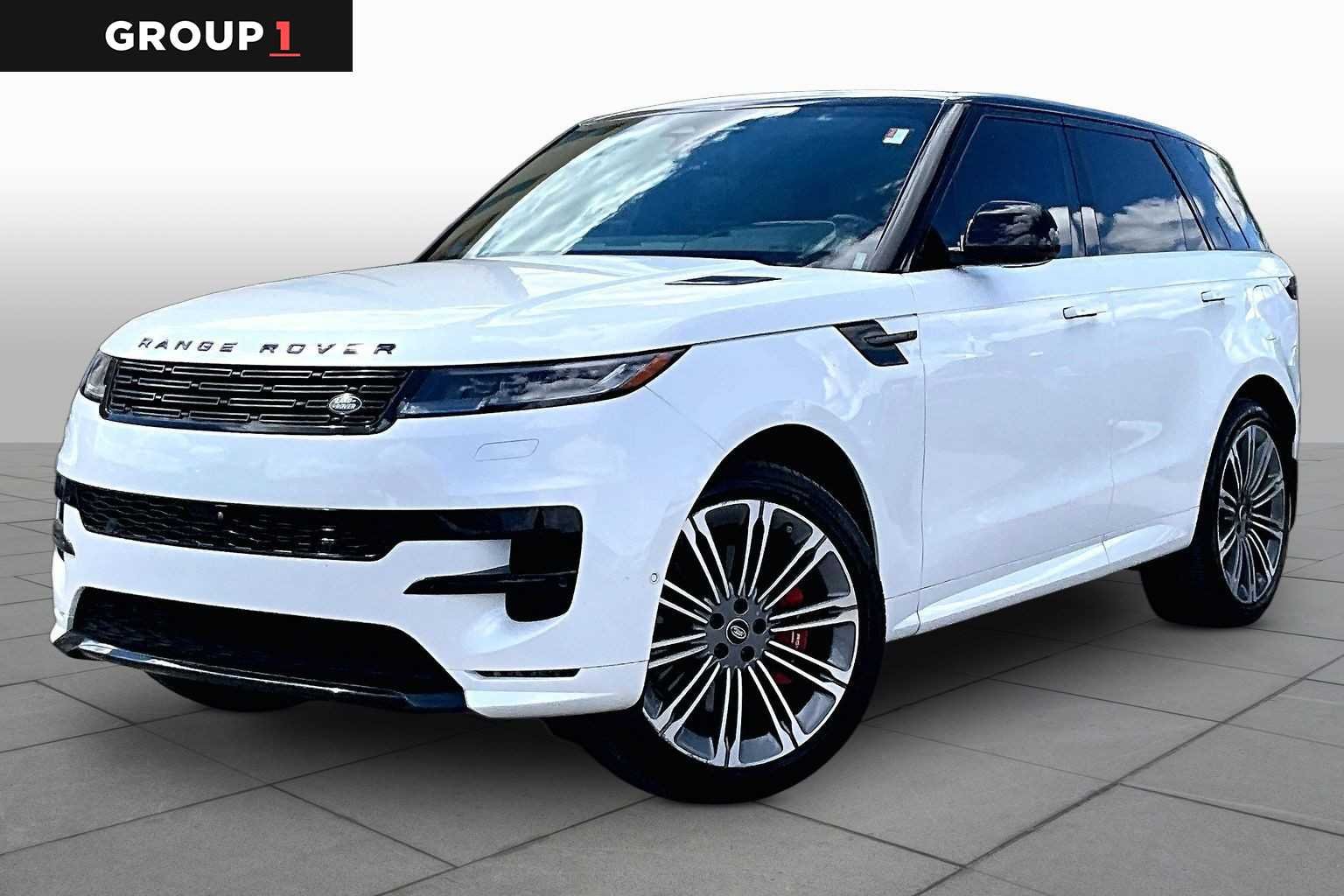
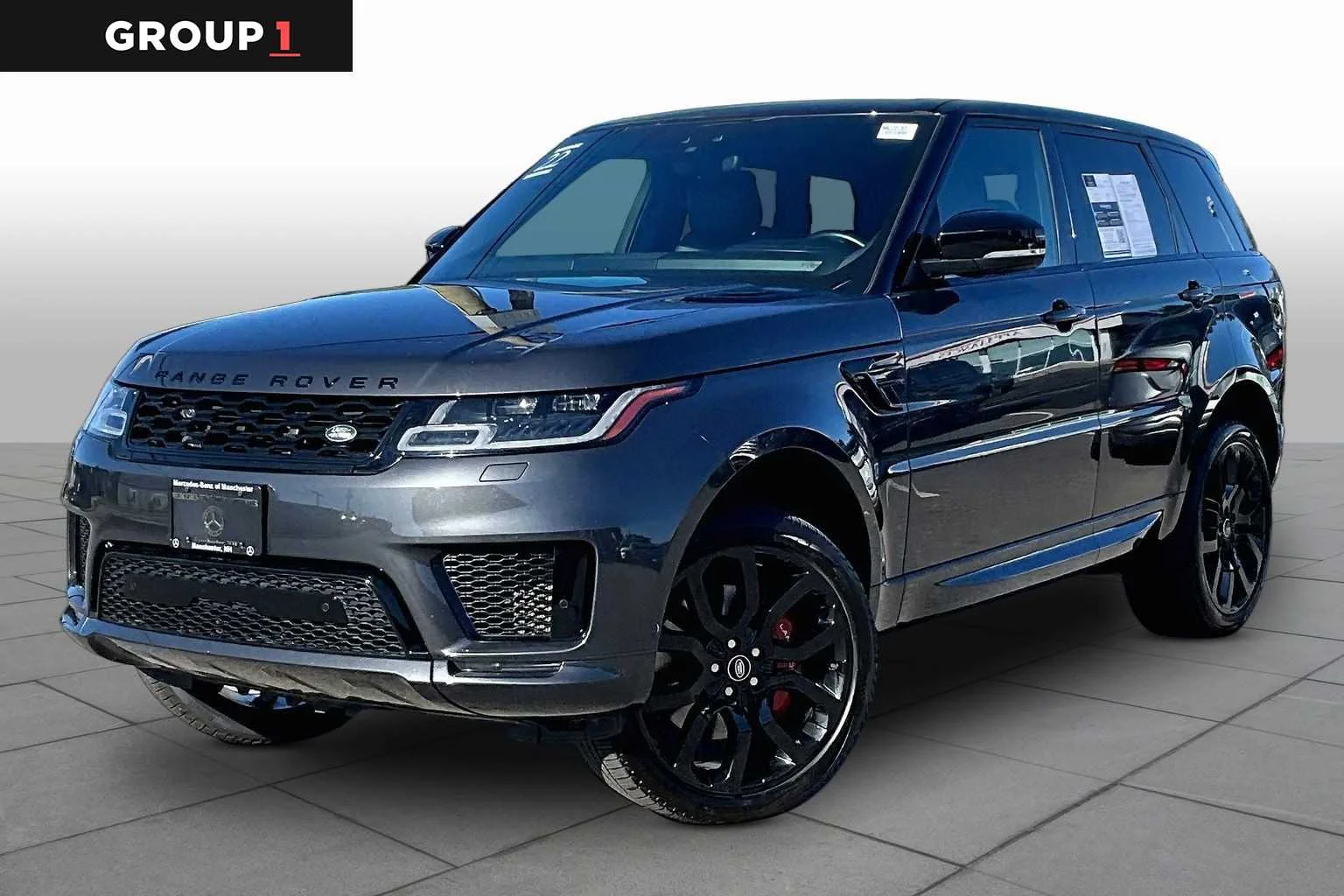
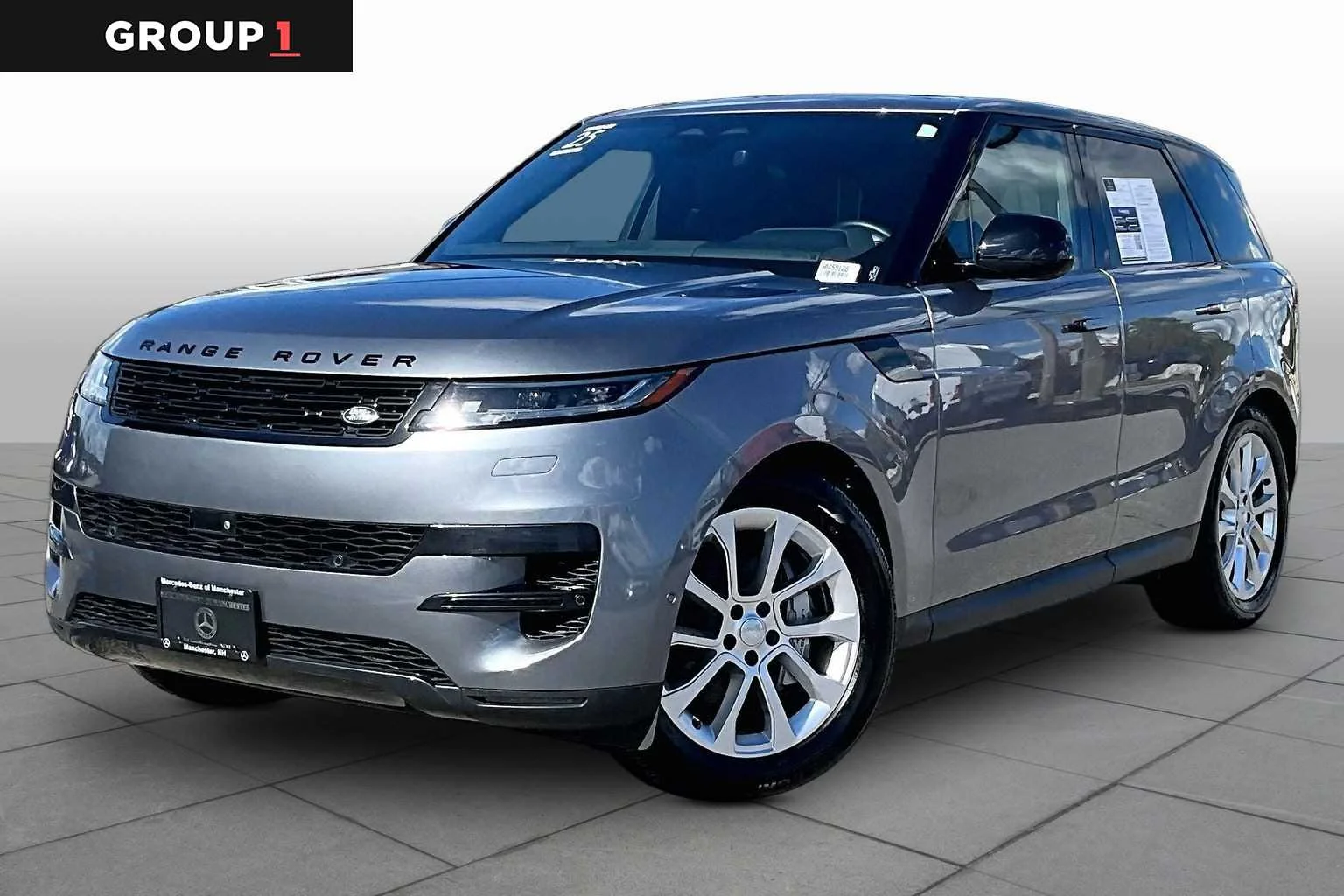
If you’re in the market for a Range Rover Sport and want to understand what to look for, you’re not alone. This premium 4x4 blends luxury with off-road capability, making it a strong choice for daily driving and weekend adventures. Whether you’re aiming for a newer model with advanced tech or a well-maintained older generation, knowing the key specs helps you compare options with confidence.
The Range Rover Sport has evolved through several generations, with changes in design, powertrains, and technology. When comparing vehicles you’ll want to note the generation, body type (SUV), and year. Common configurations include V6 and V8 engines, plug-in hybrid options, and various trim levels that influence price and features. Mileage, service history, and whether the vehicle has taken city trips or long highway runs are all important for assessing value.
If you’re selling a Range Rover Sport, honesty about mileage, service records, and any major repairs will help you secure a fair price. For buyers, requesting a full vehicle inspection and a test drive can reveal the true condition beyond photos.
When you search for Range Rover Sport listings, you’ll encounter variations in trim, year, mileage, and location. Compare two or three options side by side: note the asking price, vehicle history, and remaining factory warranties if any. The most common price drivers include age, mileage, and engine choice. If a dealer offers certified pre-owned models, weigh that against private-party options for value and warranty benefits.
In markets with strong demand, prices may reflect limited availability, especially for newer generations or low-mileage examples. Be prepared to negotiate, but keep within your target price by focusing on the essentials: engine, mileage, service history, and overall condition.
In summary, choosing a Range Rover Sport comes down to aligning your needs with a generation that balances luxury, performance, and cost of ownership. A careful comparison of engines, trims, and history will help you land a model that suits your lifestyle and budget.
 Add as preferred sourceSee more from zvelta in Google Search Add as preferred source