 EN
ENDEALER
24.125 US$DEALER
25.225 US$
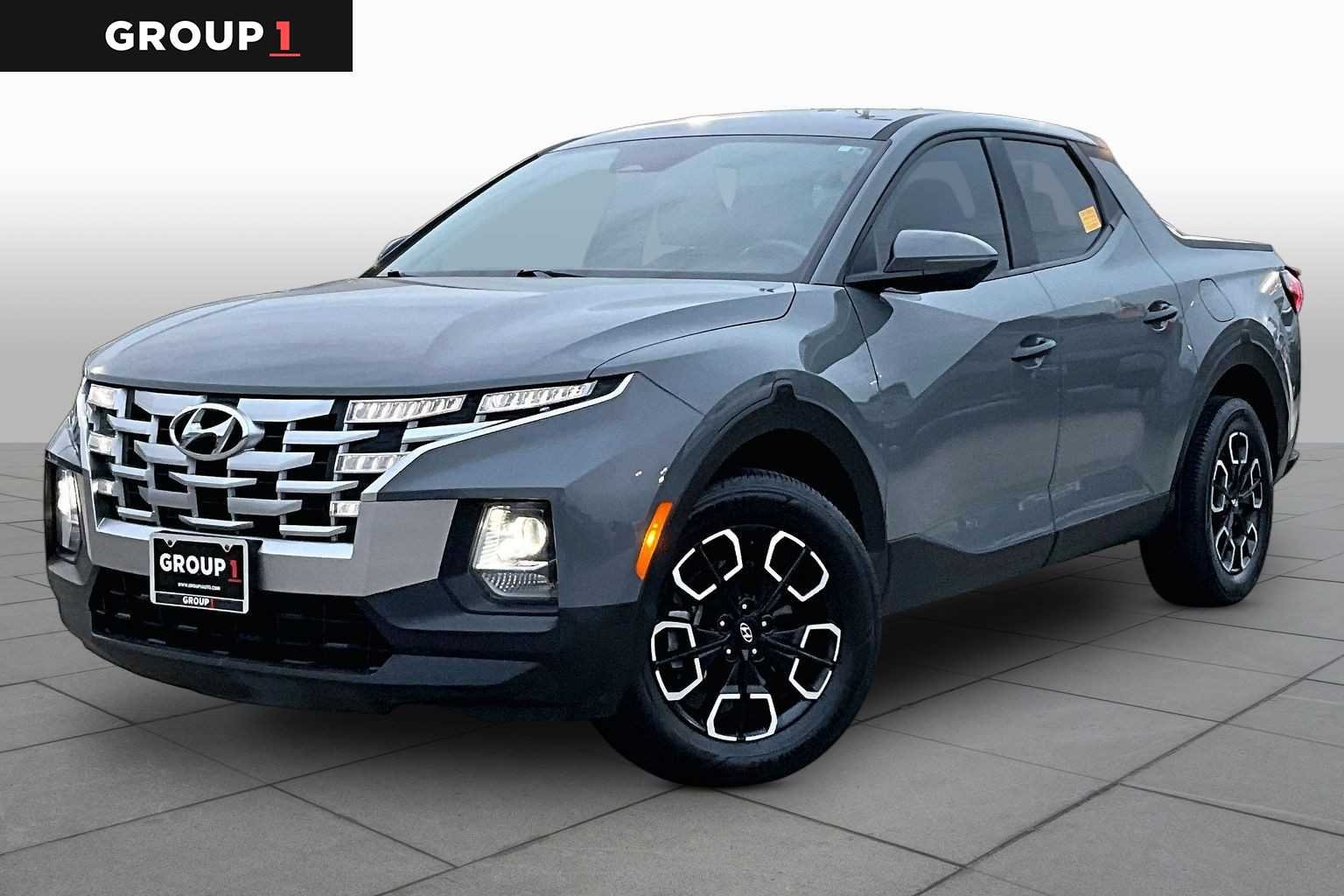
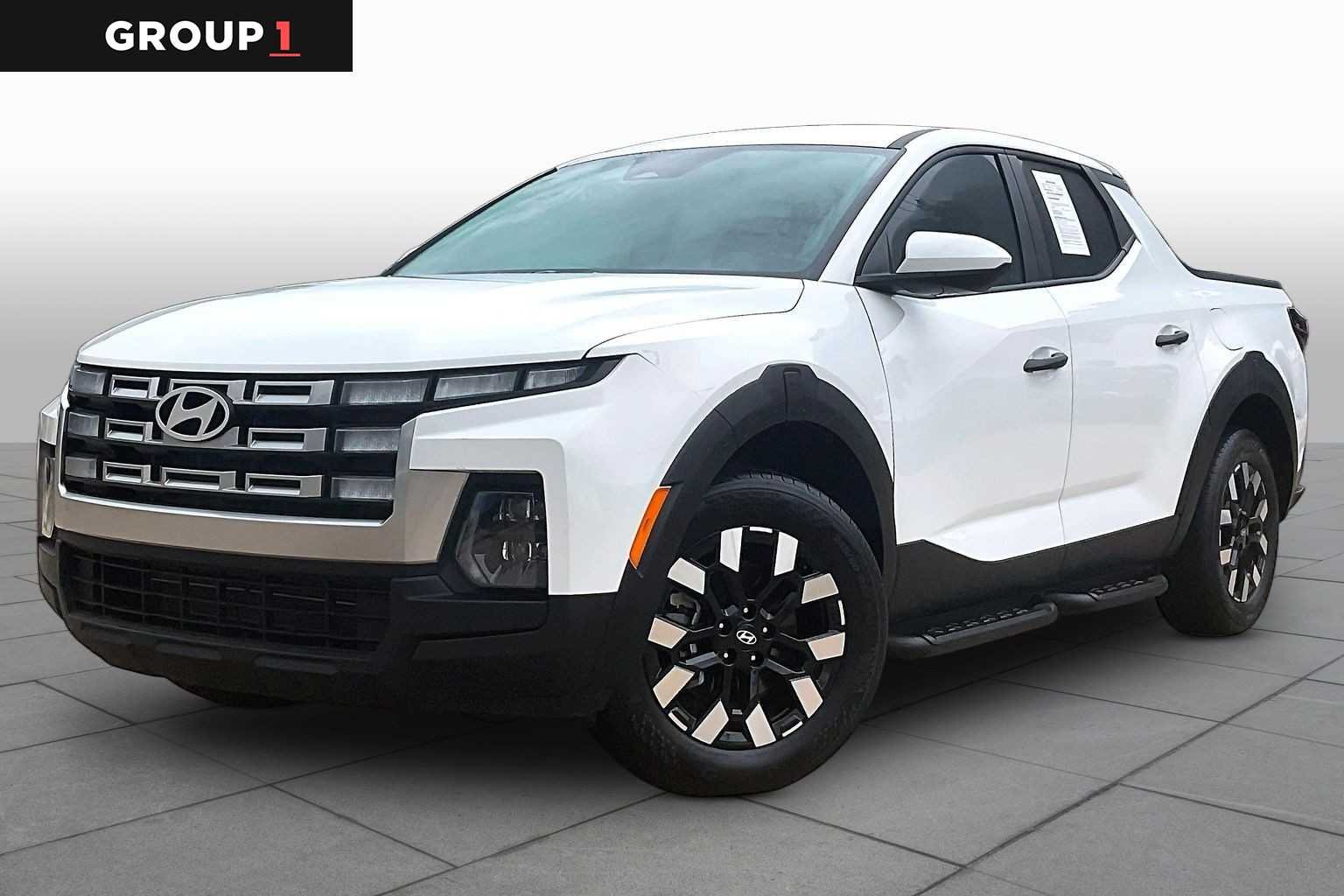
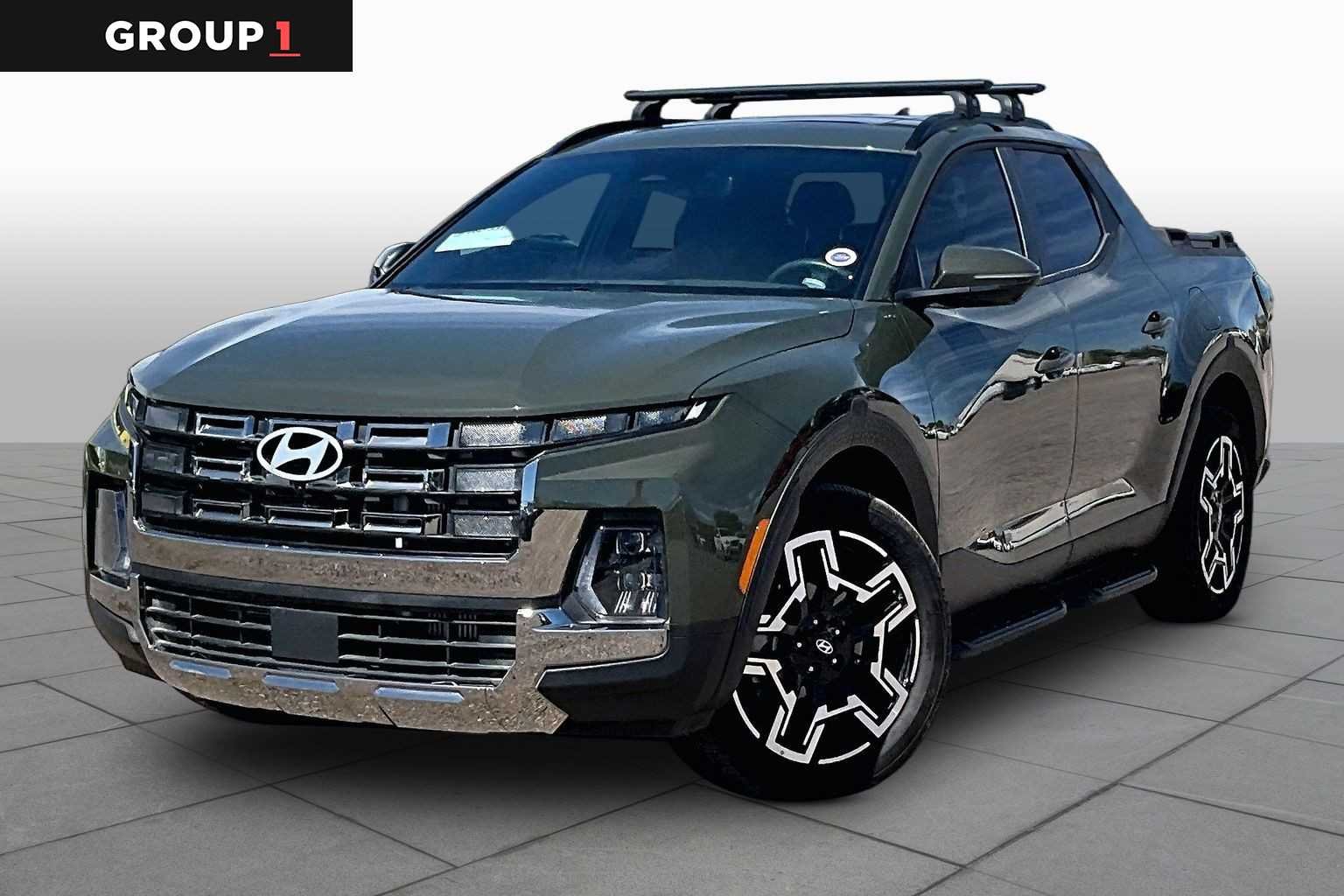
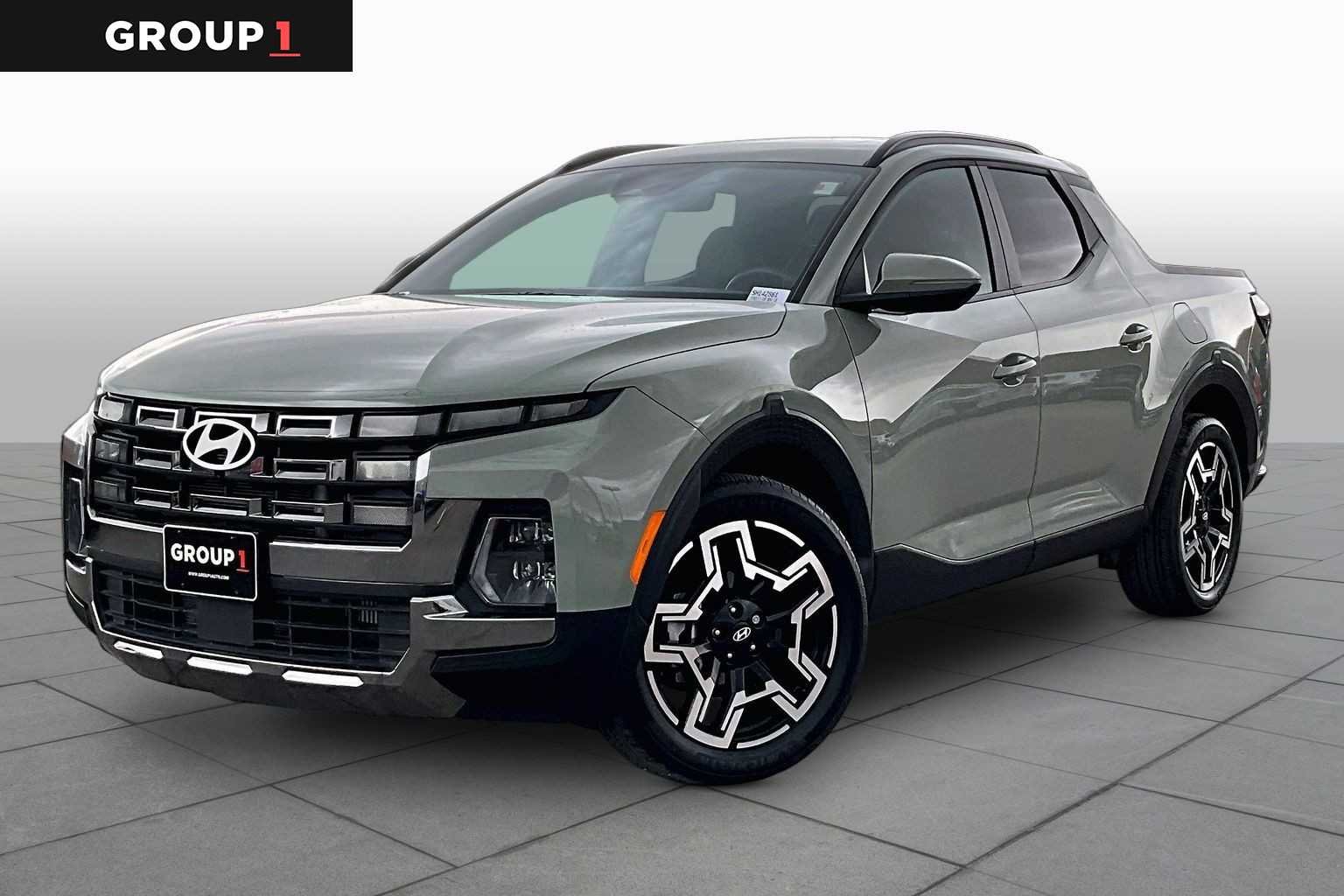
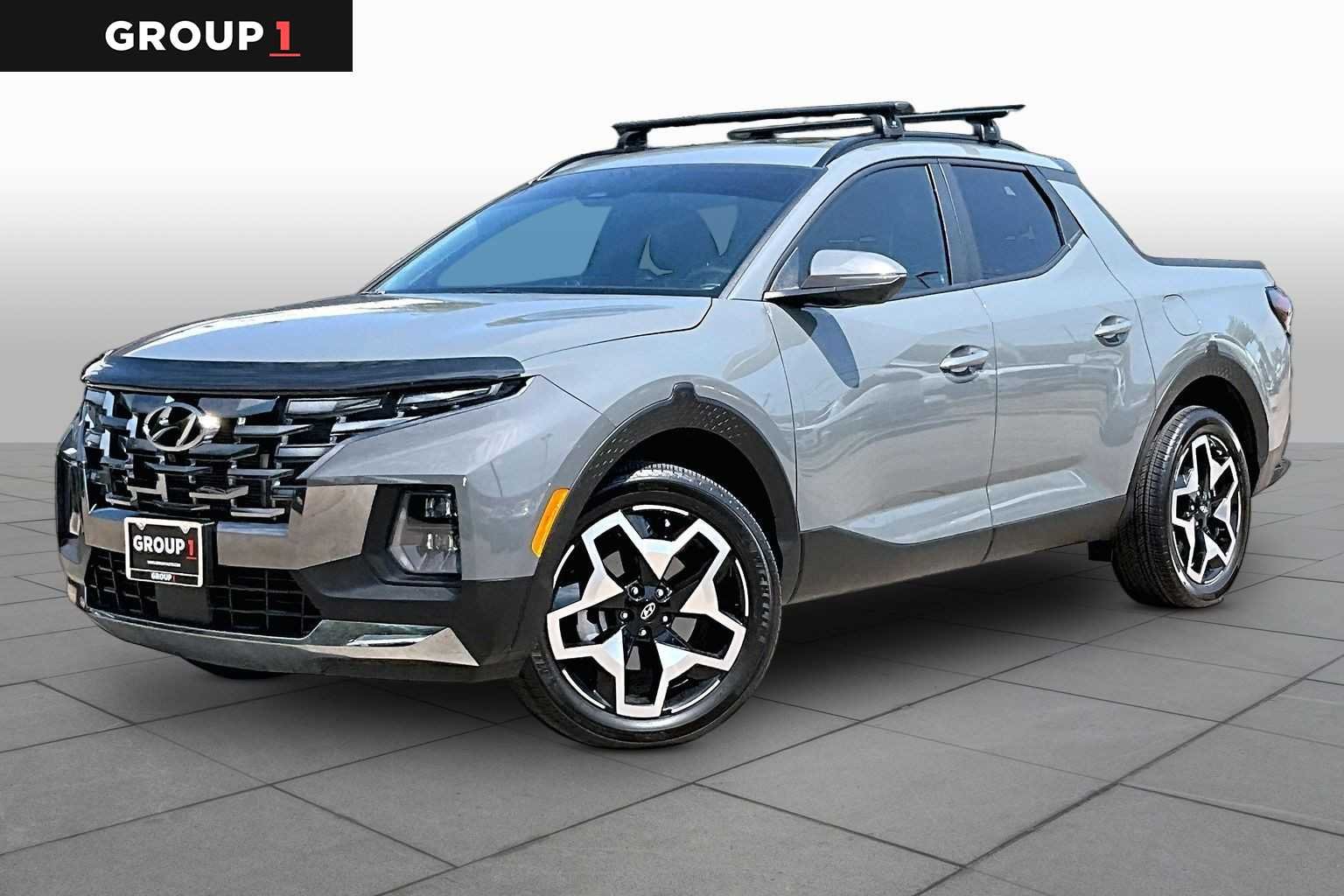
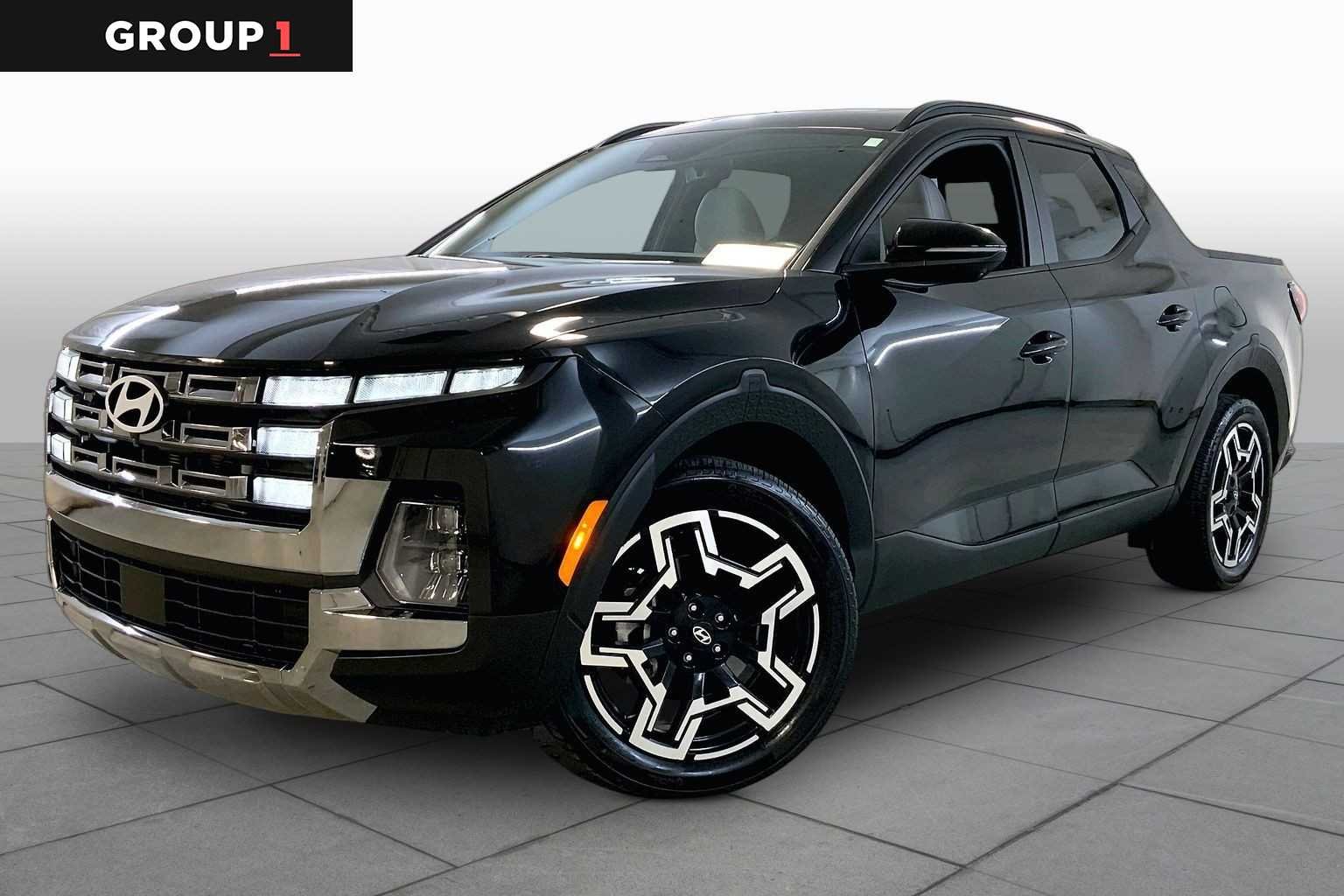
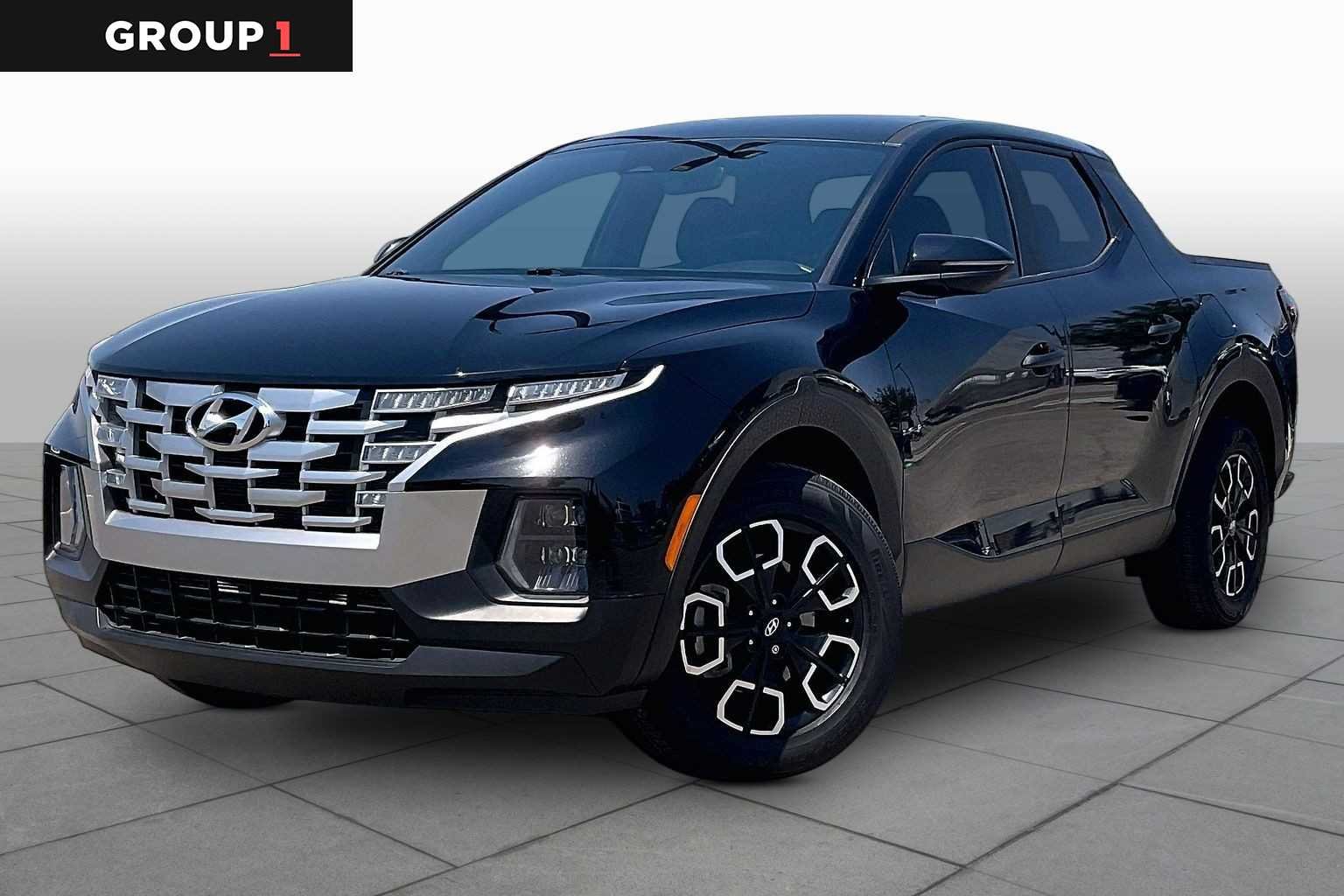
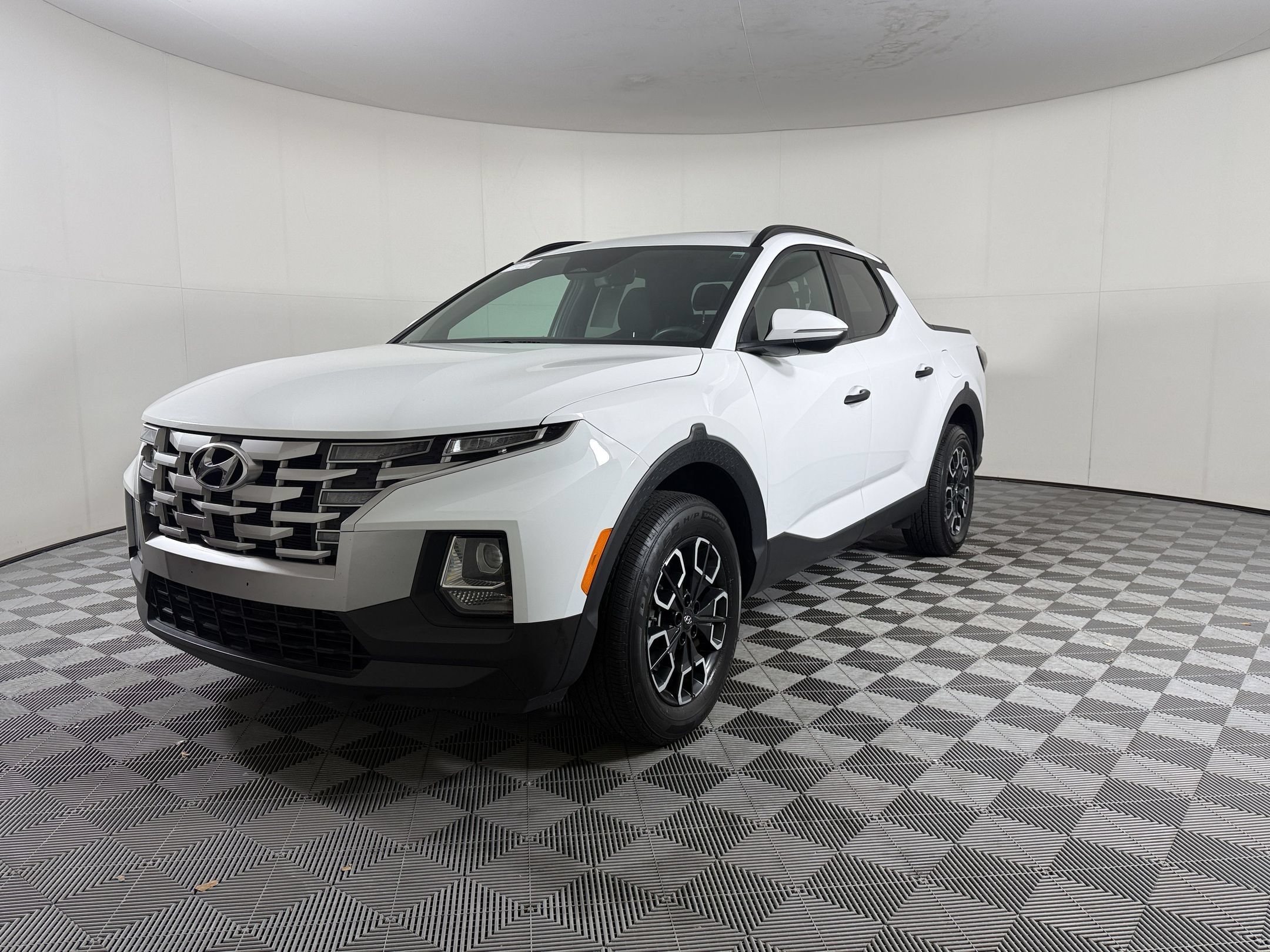
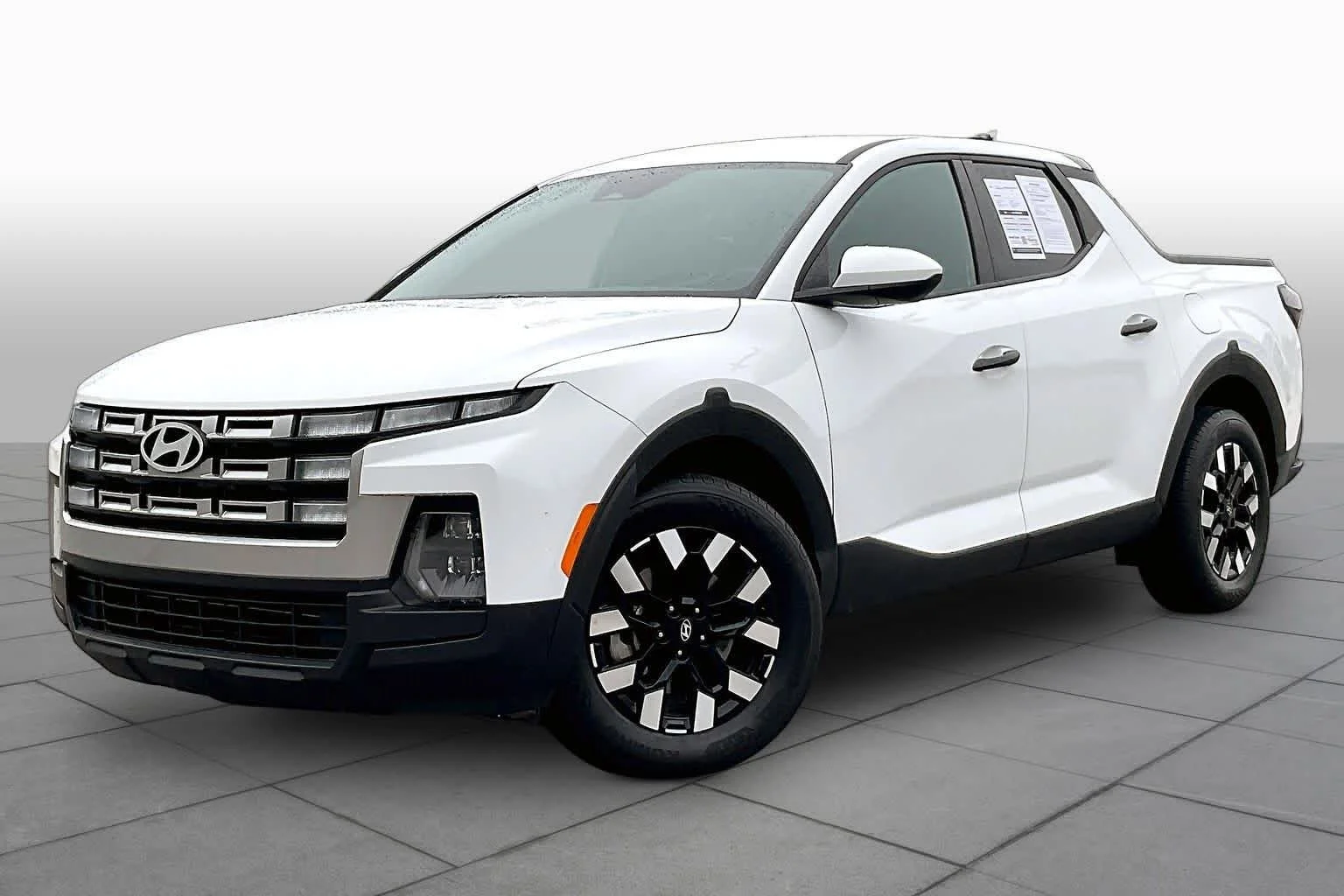
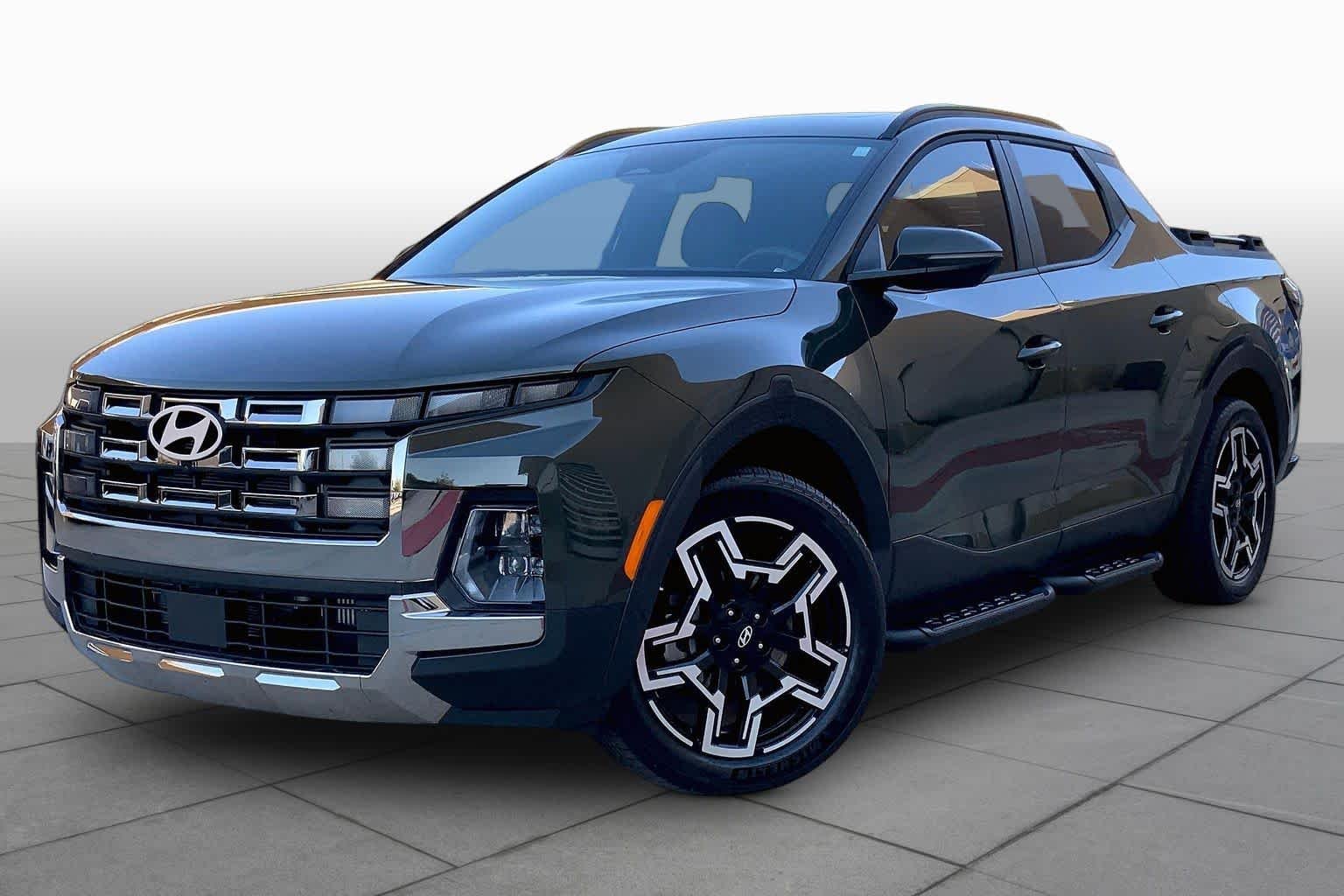
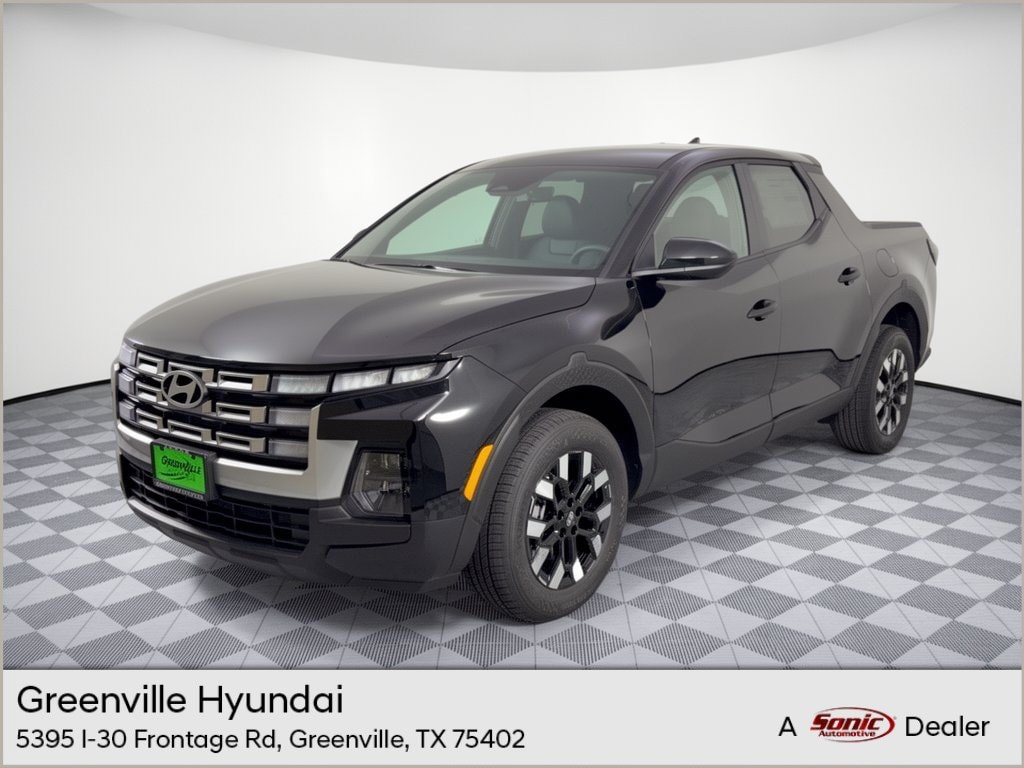
gasoline, automatic, 54K km, pickup, Front Wheels Drive, 2,500 cm3, 191 hp, grey, Used condition, USA, In stock

Group1Auto.com
 Southwest, United States
 Southwest, United StatesSouthwest, United StatesChevrolet, United StatesTrade, United StatesAustin, United StatesAustin, United StatesMain Settlement, United StatesMain Settlement, United StatesMain Settlement, United StatesMain Settlement, United StatesMain Settlement, United States
 Sag Bridge, United States
 Metrocenter / North Roads Park, United StatesOakhurst, United StatesMacedonia, United StatesUnion City, United StatesWeldon, United StatesStone Mountain, United States
 Buckhead, United StatesMotor, United StatesMotor, United StatesShady Acres Trailer Park, United States
 Hoover, United StatesHilton Head, United StatesGreenville, United States
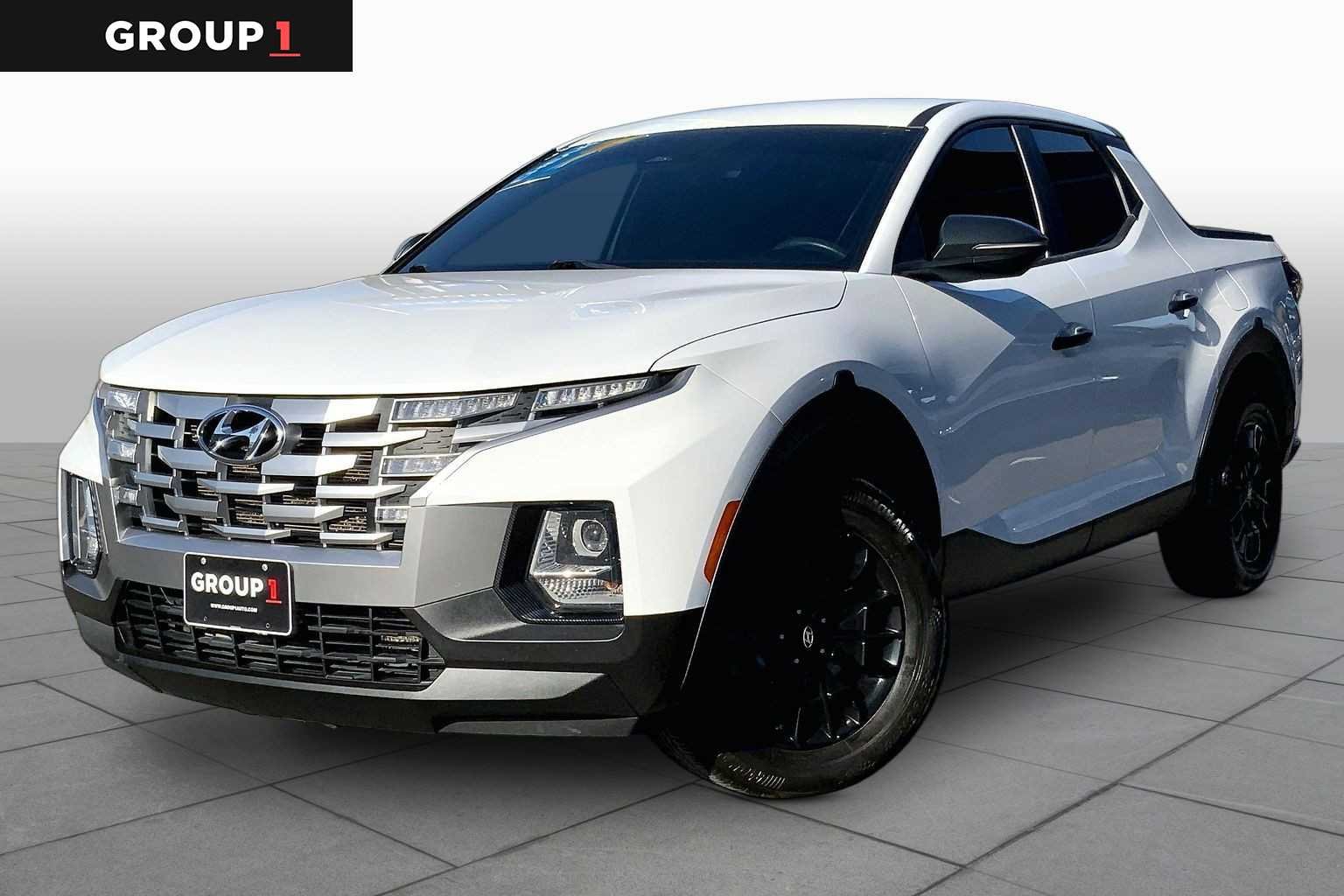
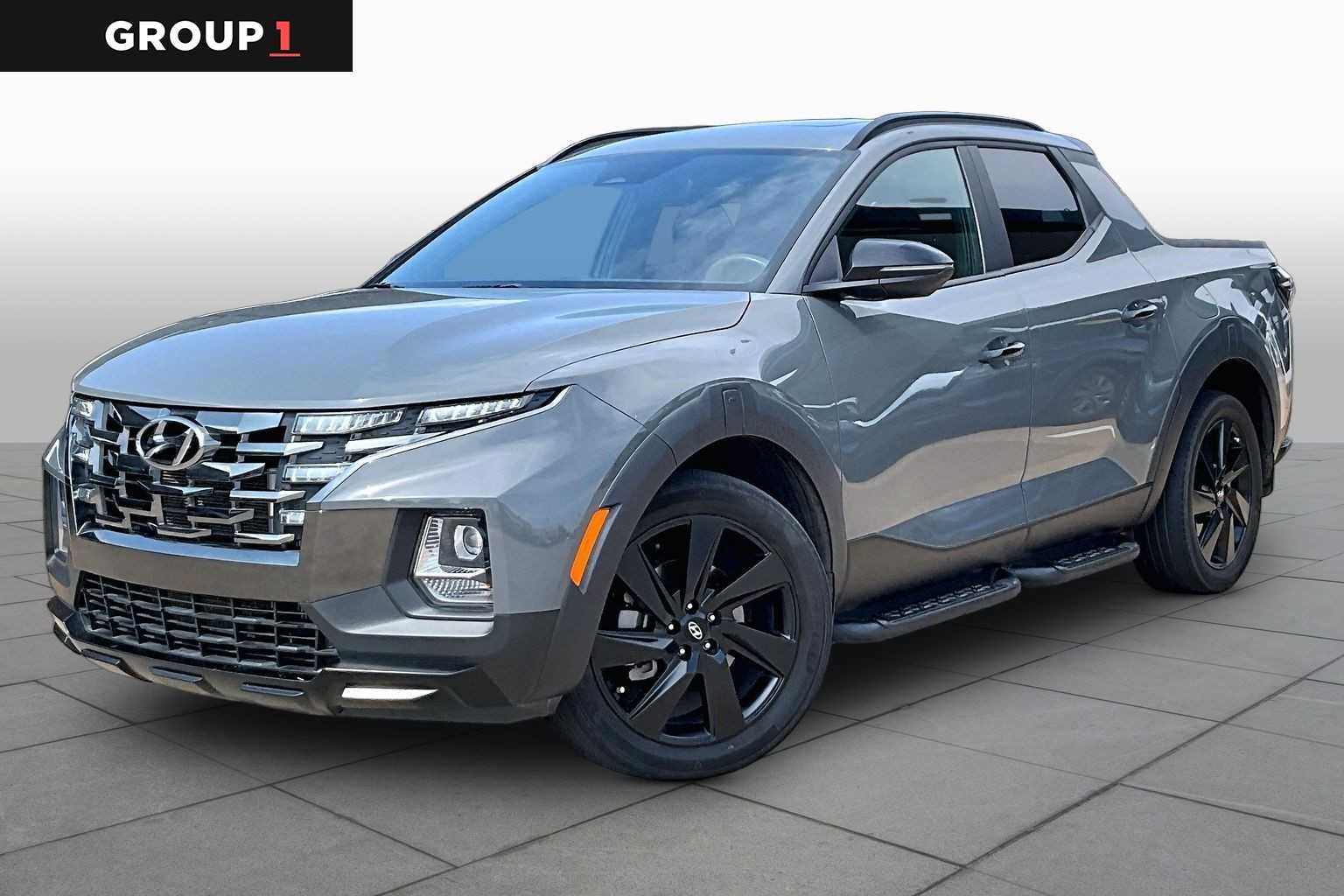
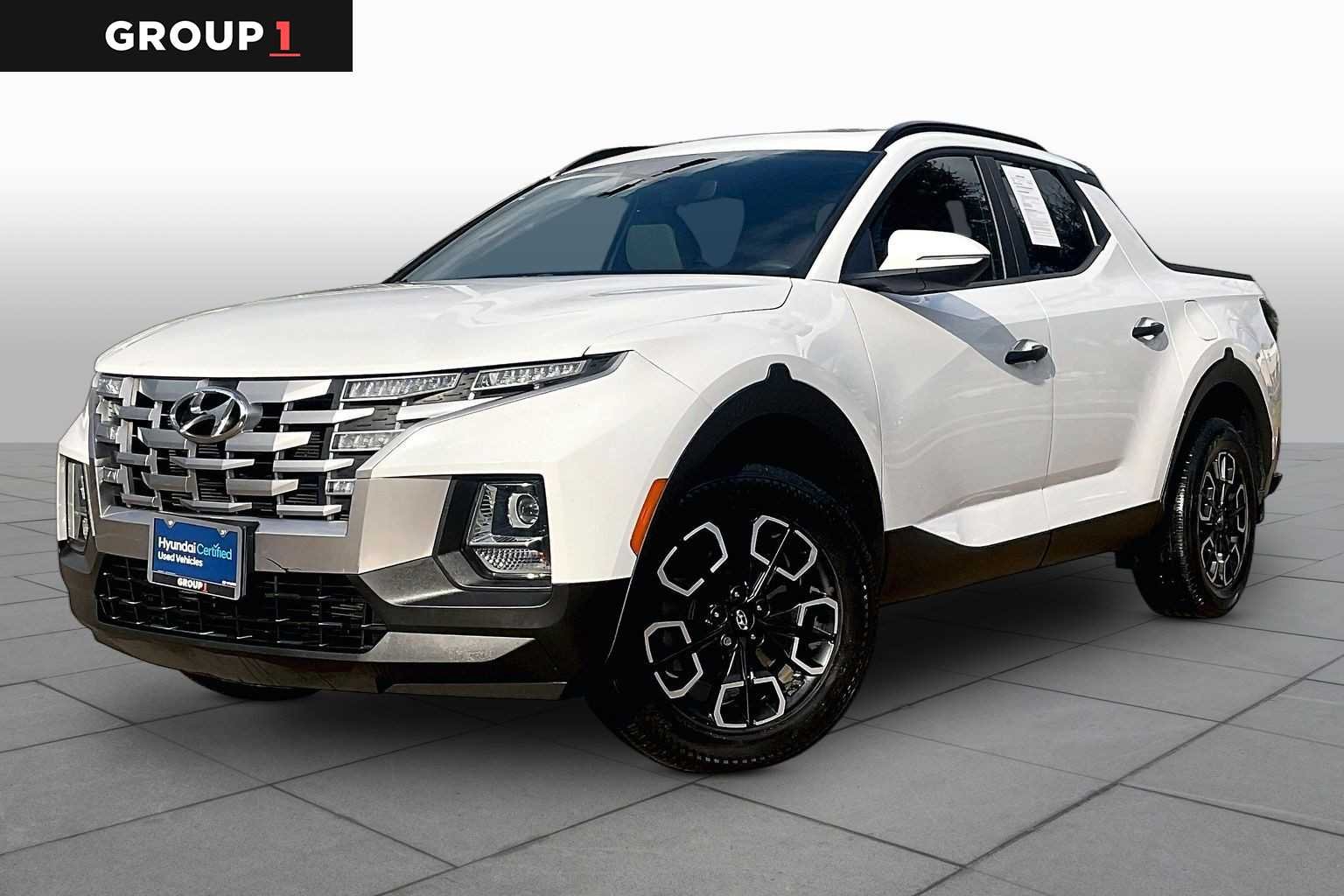
The Hyundai Santa Cruz blends the practicality of a pickup with the comfort and efficiency of a modern crossover. If you’re researching this model for a new purchase or considering selling one, you’ll want clear information on generations, engines, body styles, and typical price ranges across key cities. Below is a practical guide to help you choose, compare, and decide where the Santa Cruz fits best in your plans.
The Santa Cruz is a compact pickup that often sits in the same conversation as mid-size alternatives. It combines a versatile cargo bed with a refined interior and a sedan-like ride. When evaluating, focus on:
Prices for the Santa Cruz vary by year, trim, mileage, and market. In many regions, a lower-mileage earlier-generation model sits at a different bracket than newer or heavily optioned versions. Common considerations include:
When choosing between Santa Cruz configurations, buyers often compare:
If you plan to sell a Hyundai Santa Cruz, highlight:
In short, the Hyundai Santa Cruz is a versatile option for buyers who want a capable small pickup with the comfort and efficiency of a modern crossover. By weighing generation differences, engine choices, and pricing in your city, you can make a confident decision whether to buy new, certified pre-owned, or well-maintained used.
 Add as preferred sourceSee more from zvelta in Google Search Add as preferred source