EN
ENDEALER
24.169 US$DEALER
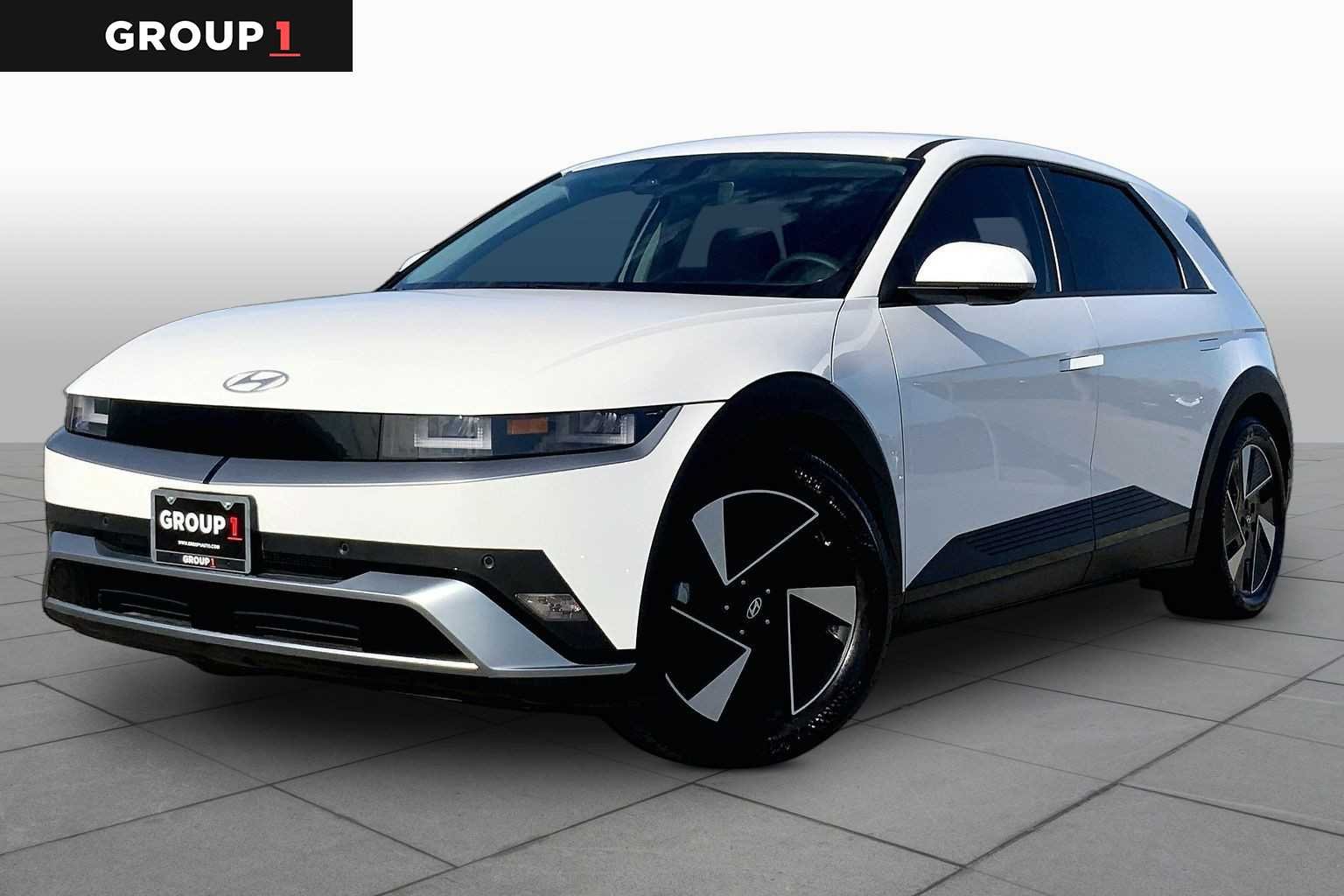
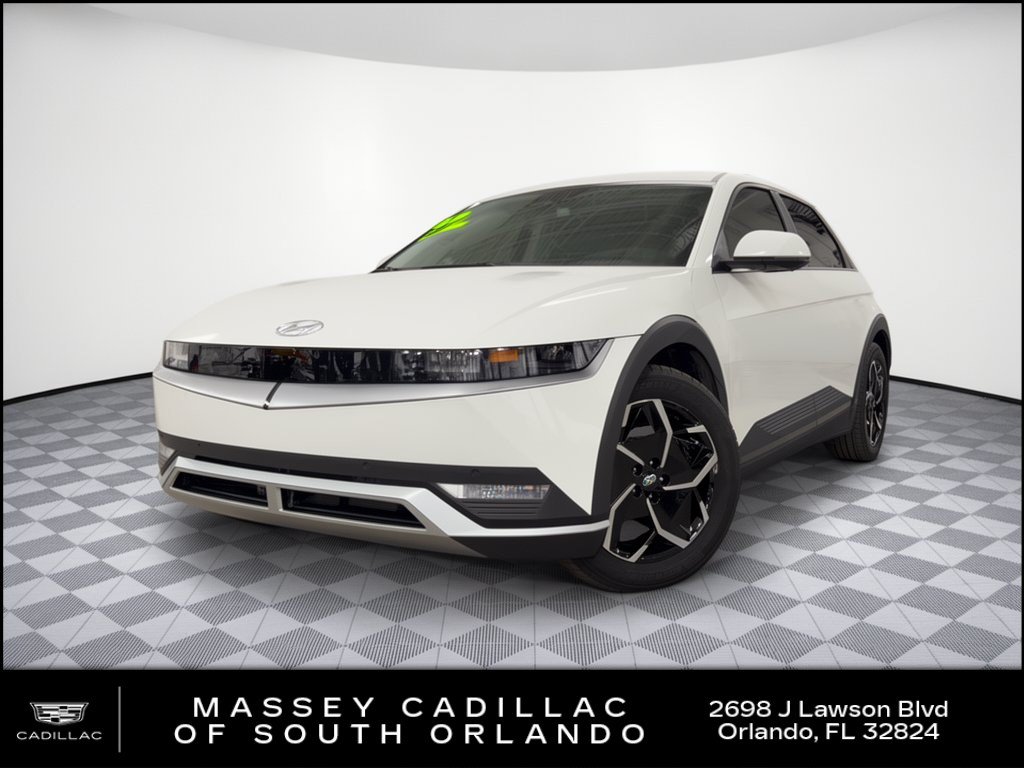
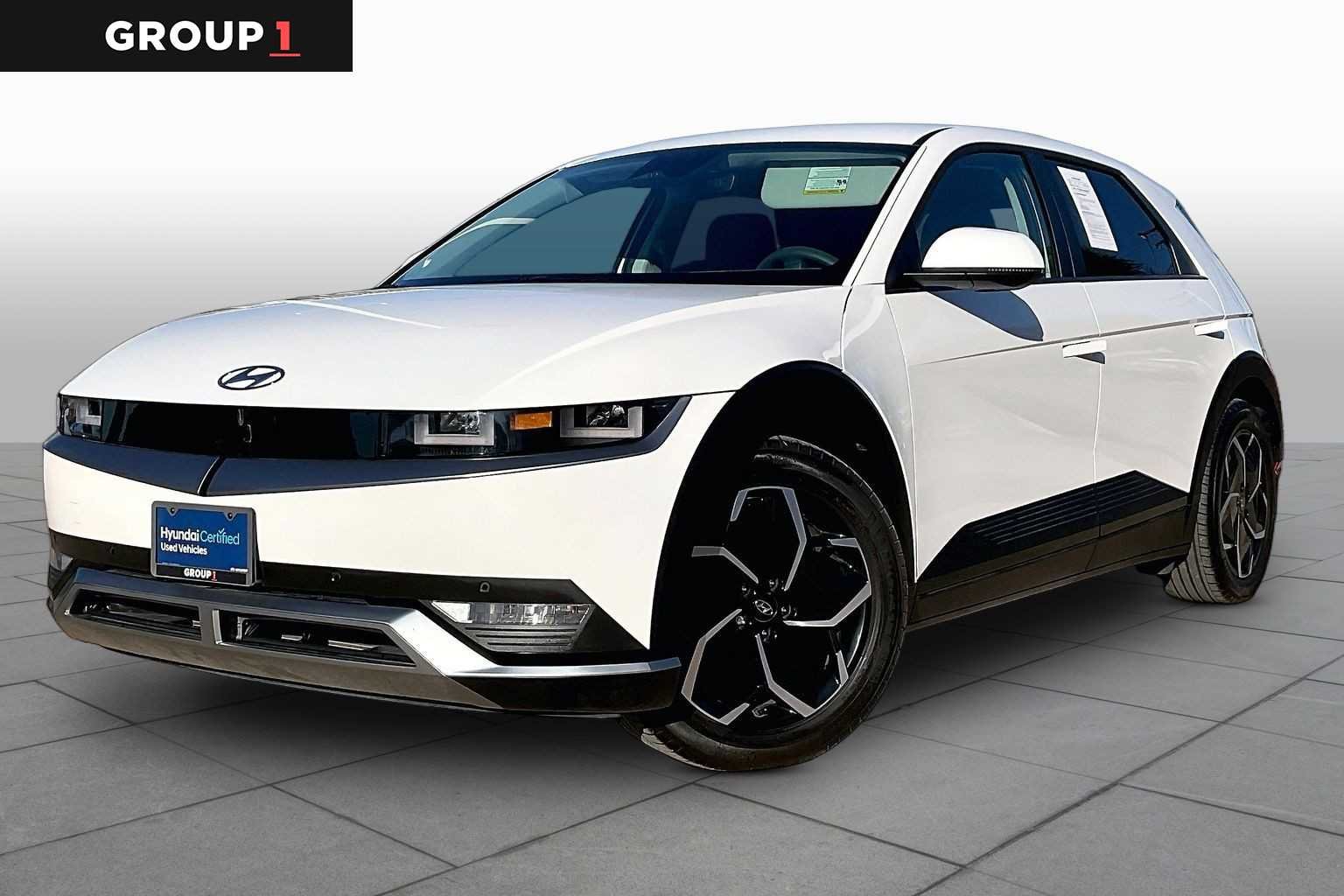
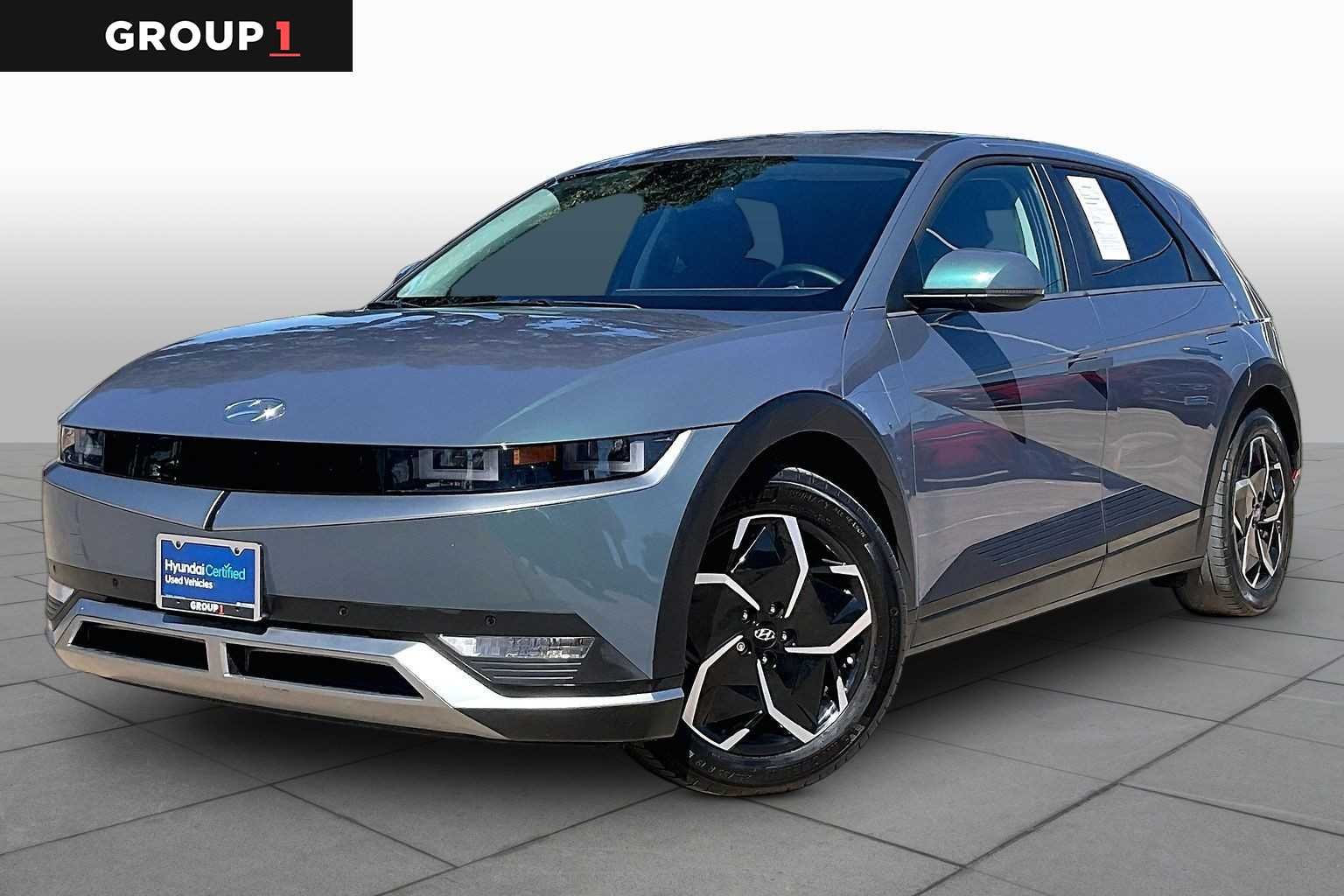
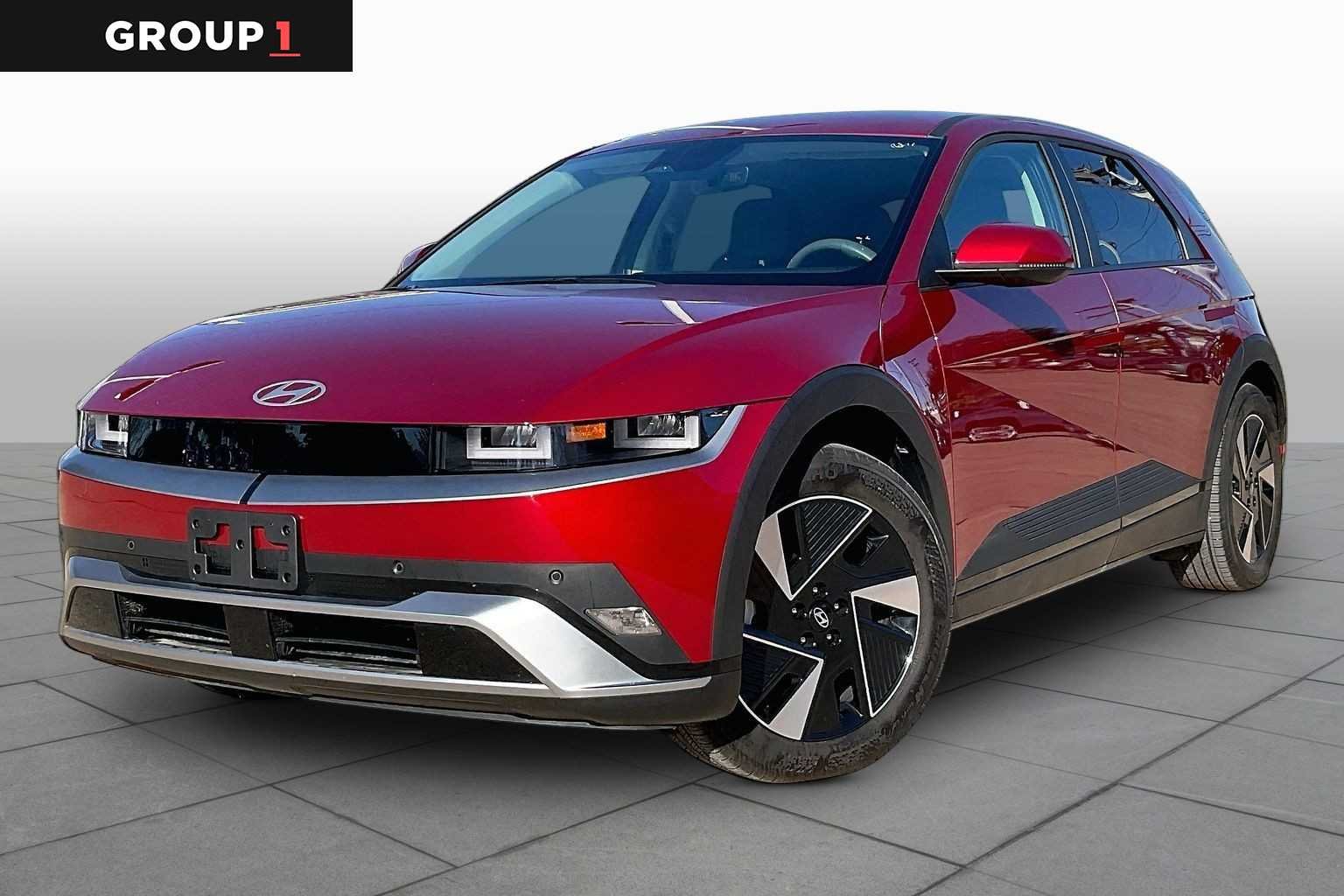
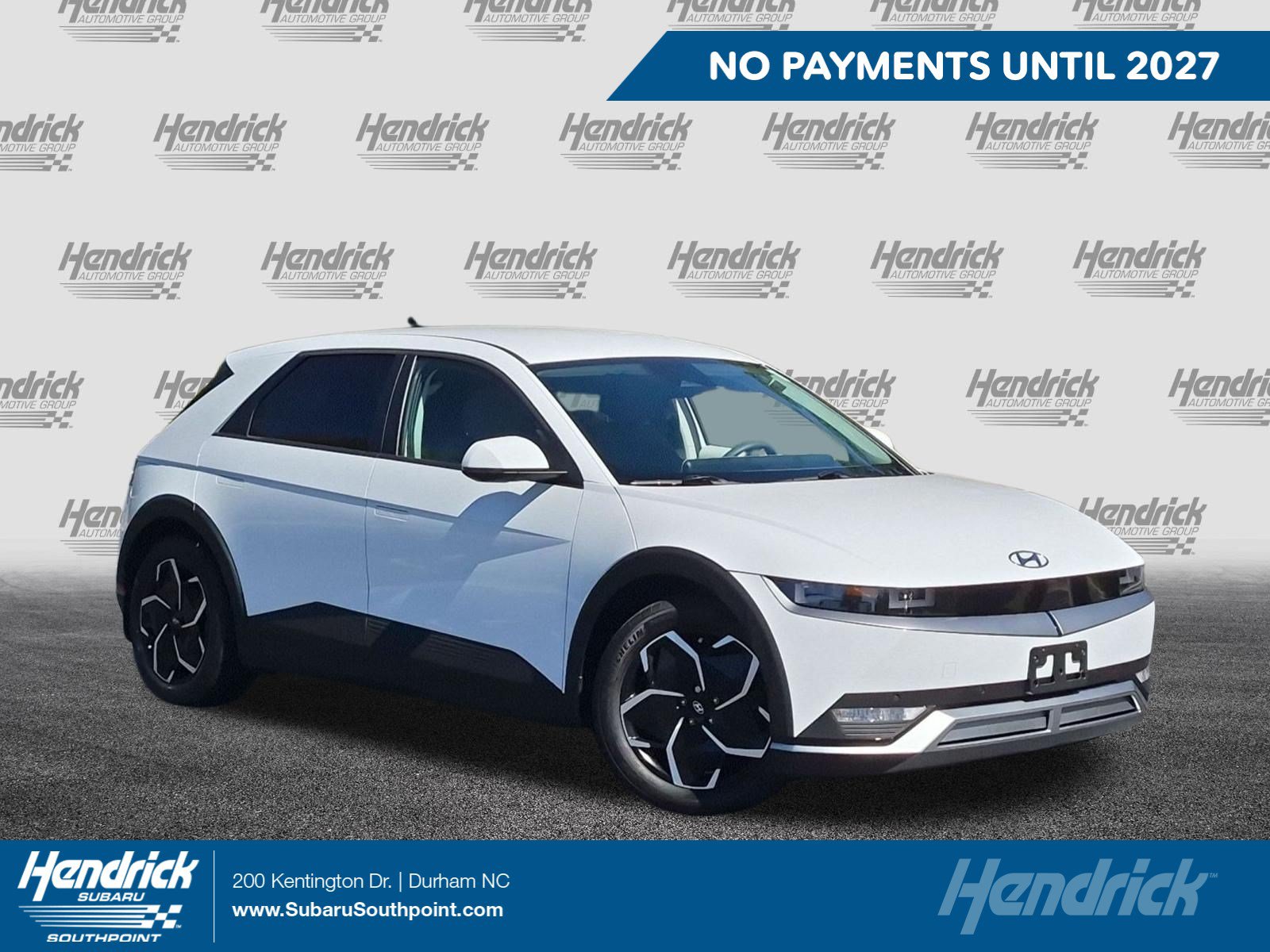
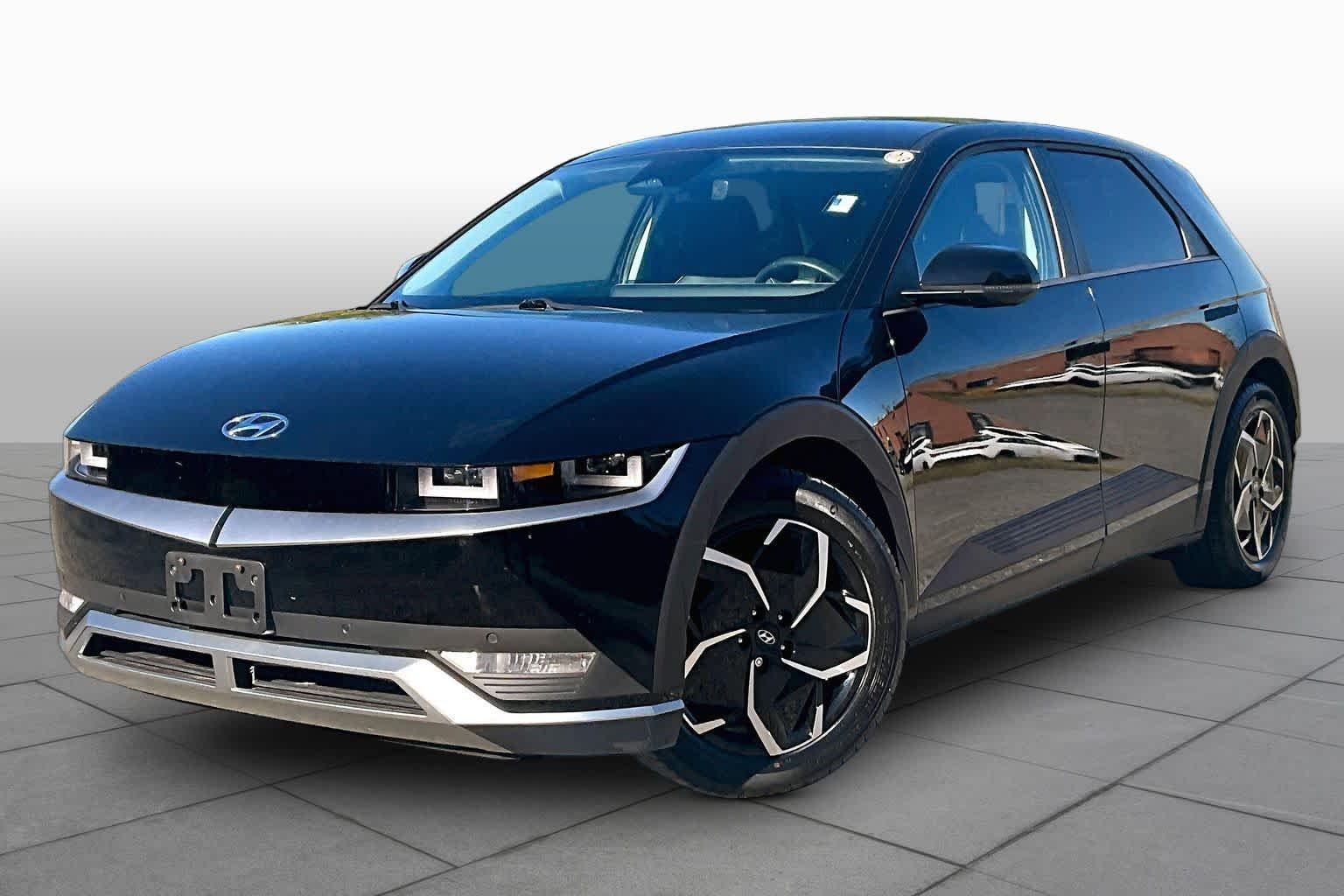
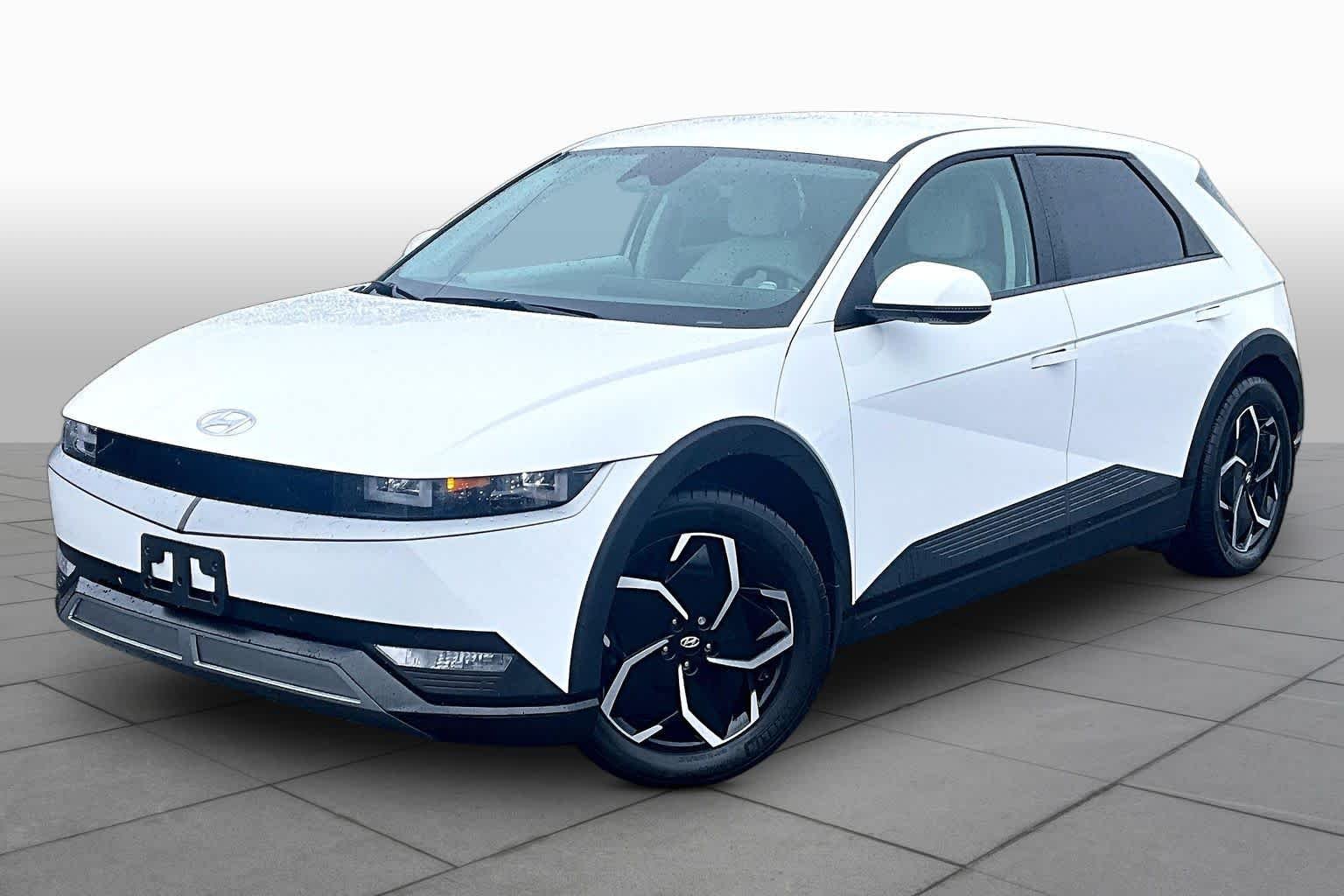
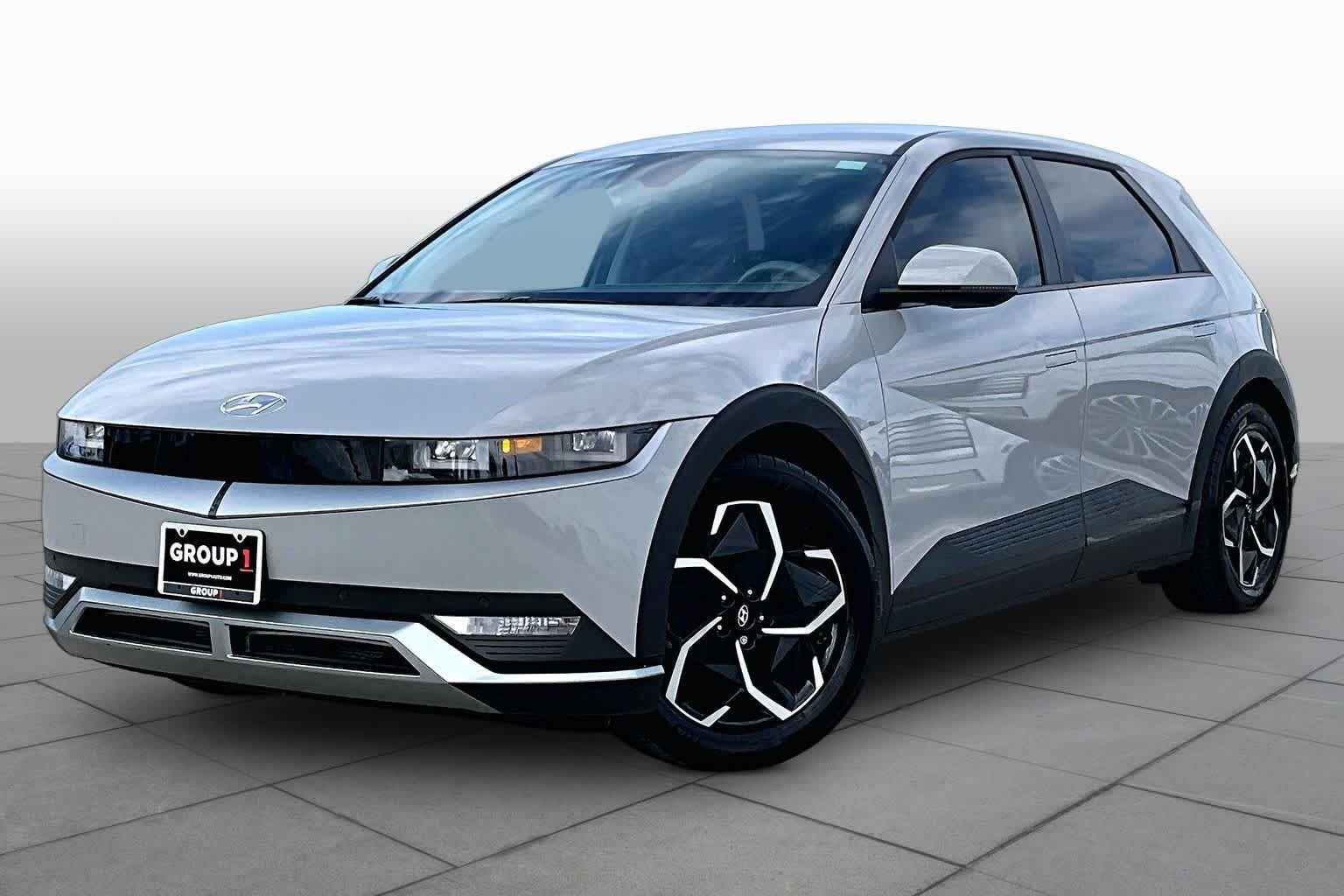
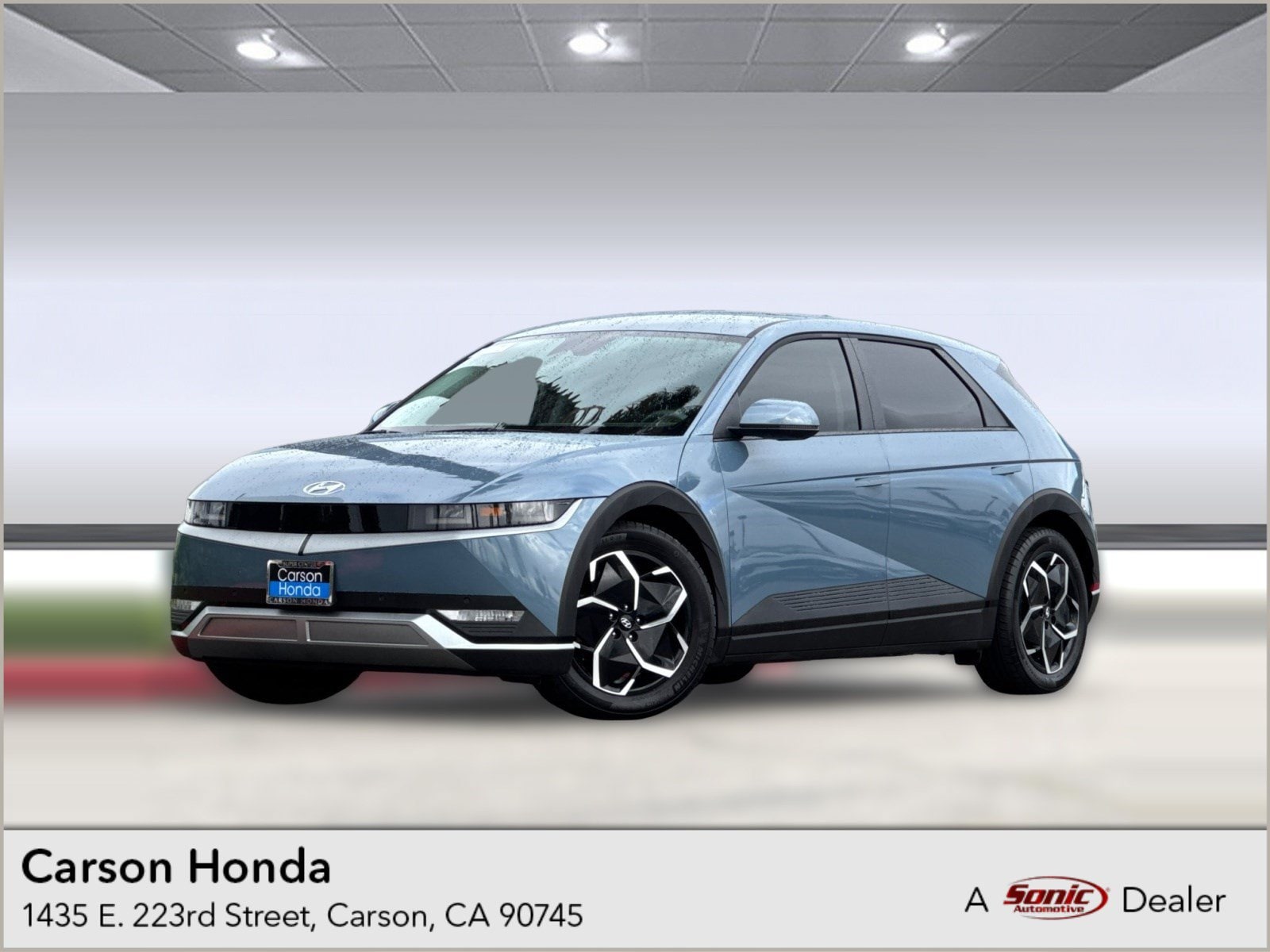
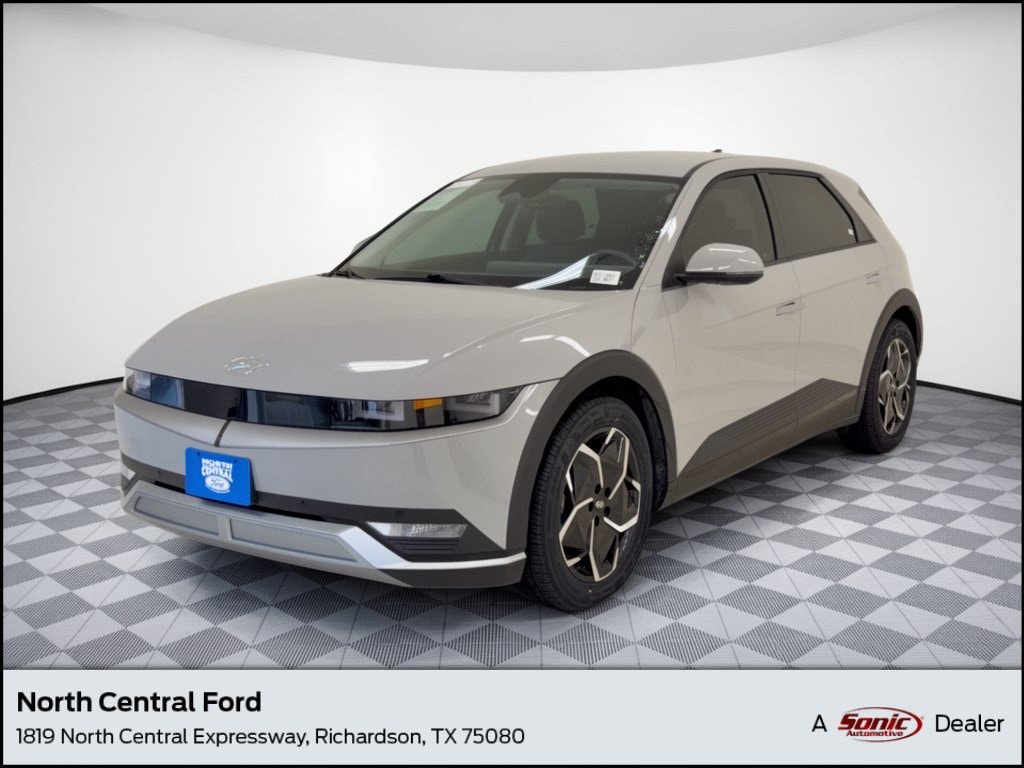
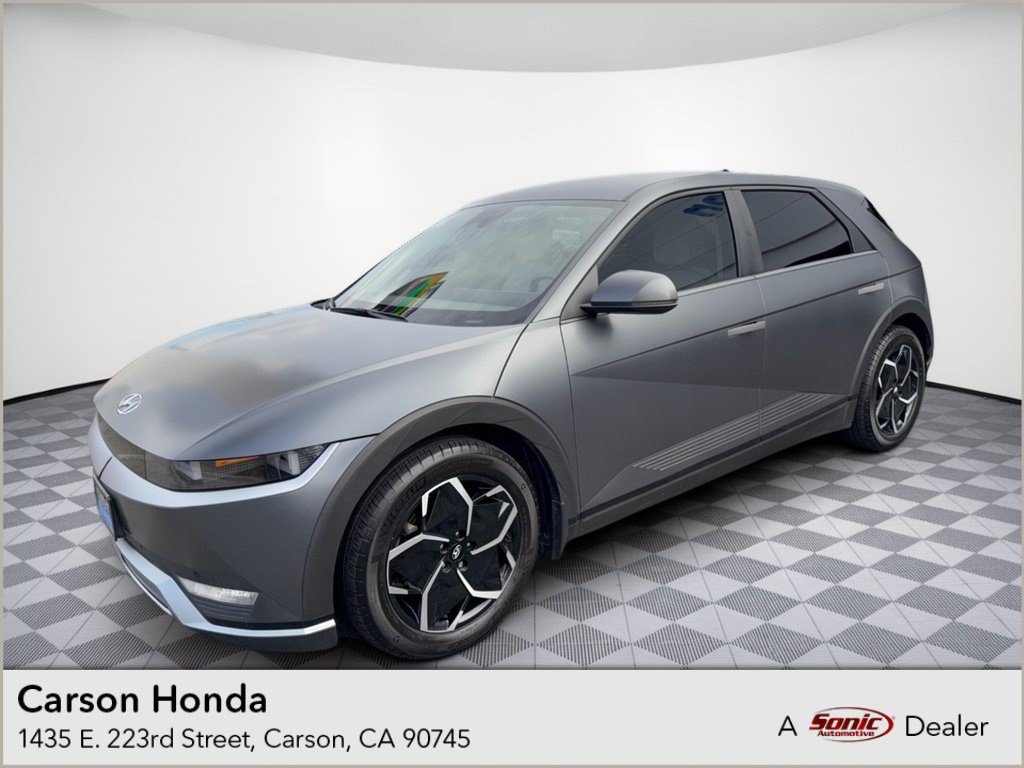
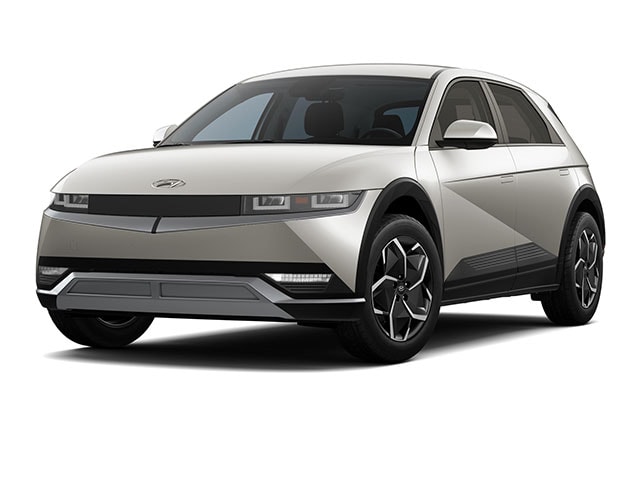
electric, automatic, 76K km, All Wheels Drive, grey, Used condition, South Korea, In stock
SonicAutomotive.com
 Carson, United States
 Carson, United States
 Southwest, United StatesSouthwest, United StatesSouthwest, United StatesOrlando, United StatesAustin, United StatesAustin, United StatesAustin, United States
 Metrocenter / North Roads Park, United StatesMetrocenter / North Roads Park, United States
 Concord, United StatesOakhurst, United States
 Fallston, United States
 Durham, United StatesWeldon, United StatesWeldon, United StatesAdams Crossroads, United StatesAdams Crossroads, United States
 College Park, United StatesCollege Park, United StatesCollege Park, United StatesTransit Township, United StatesPark EZ Mobile Home Court, United StatesCarson, United StatesRichardson, United States
The Hyundai IONIQ 5 stands out as a modern electric vehicle built for everyday life. If you’re shopping in your city or exploring options in the country, this guide helps you understand what to look for when choosing a specific generation, trim, and configuration. You’ll find practical tips on reliability, range expectations, charging options, and how to assess mileage, year, and price segment to fit your budget.
When you search for an IONIQ 5, focus on a few key details: model year and generation, body type, and drivetrain. The IONIQ 5 is available with different battery capacities and motor setups, so consider whether you want RWD or AWD for your climate and road conditions. Common questions include: what is the range on the latest model, how does charging speed affect daily use, and which trims balance features with price. If you plan city commutes, a lower mileage example with a clean service history can save you money and reduce potential maintenance surprises.
The IONIQ 5 blends practical family usability with contemporary electric performance. Buyers often mention the quick-charging capability and roomy cabin as major advantages, while noting higher upfront costs in some markets. In city contexts, you’ll appreciate responsive acceleration for urban driving and low operating costs. On longer country trips, verify charging availability, feeder network, and total trip time including stops.
Common pros:
Common cons:
To compare, list your priorities: range needs, charging speed, seating comfort, and infotainment preferences. If you plan to sell later, consider how mileage and warranty status impact resale value. When browsing, ask about:
This guide helps you navigate the Hyundai IONIQ 5 market with confidence, whether you’re targeting city dwellers or rural drivers. By understanding model years, mileage, and price segments, you can choose a configuration that matches your daily needs and budget while ensuring reliable performance on both urban streets and longer journeys.
 Add as preferred sourceSee more from zvelta in Google Search Add as preferred source