 EN
ENDEALER
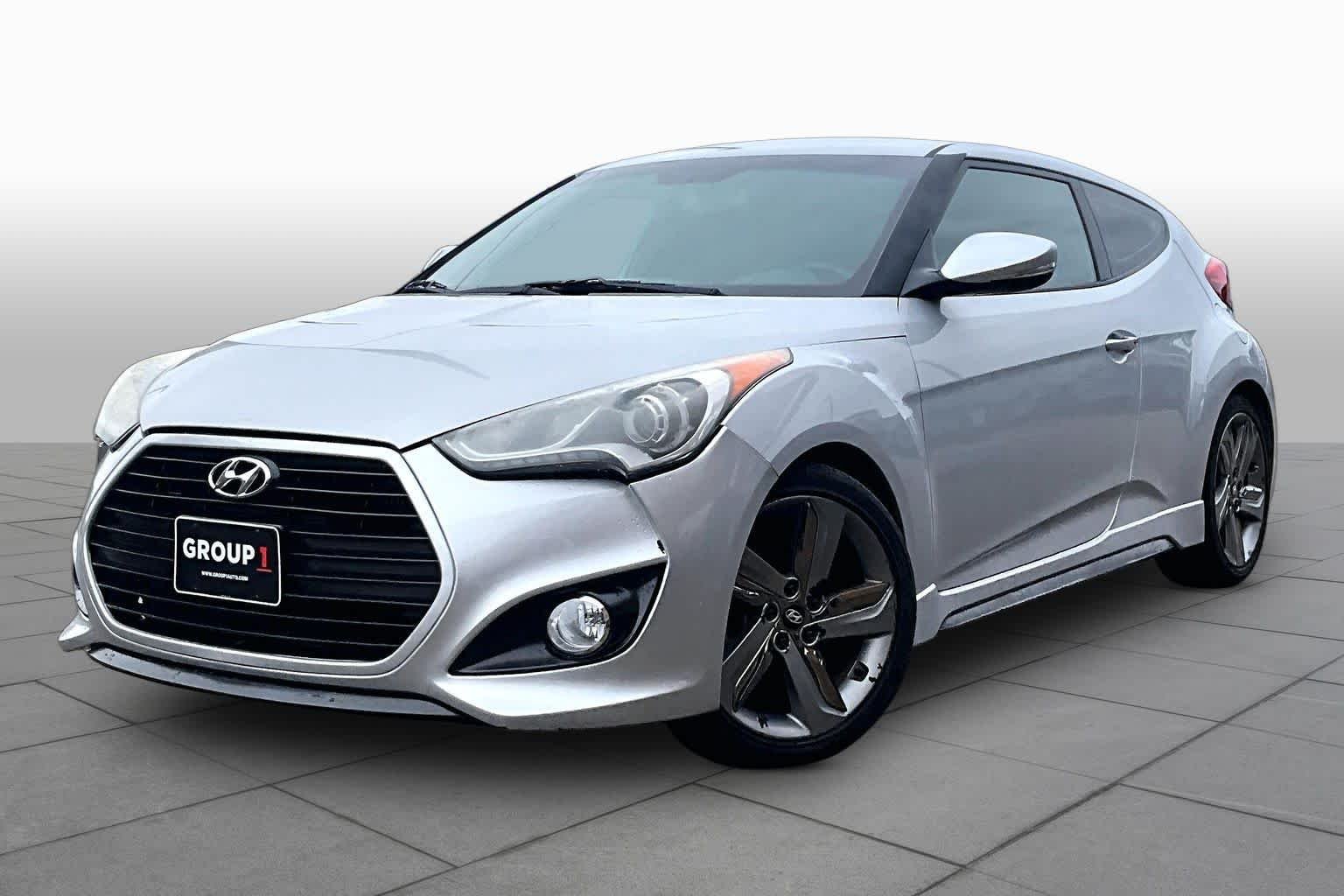
7.216 US$DEALER
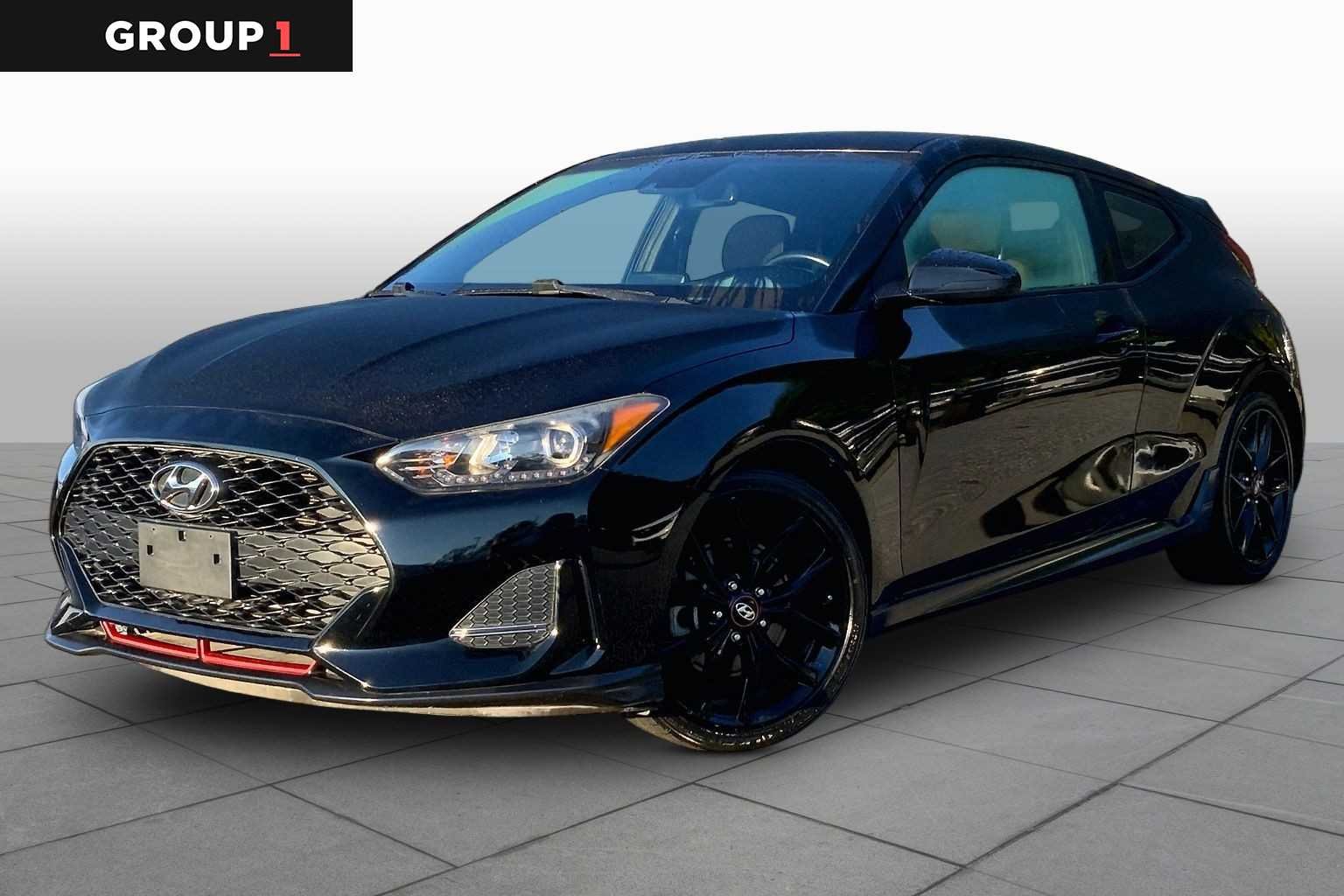
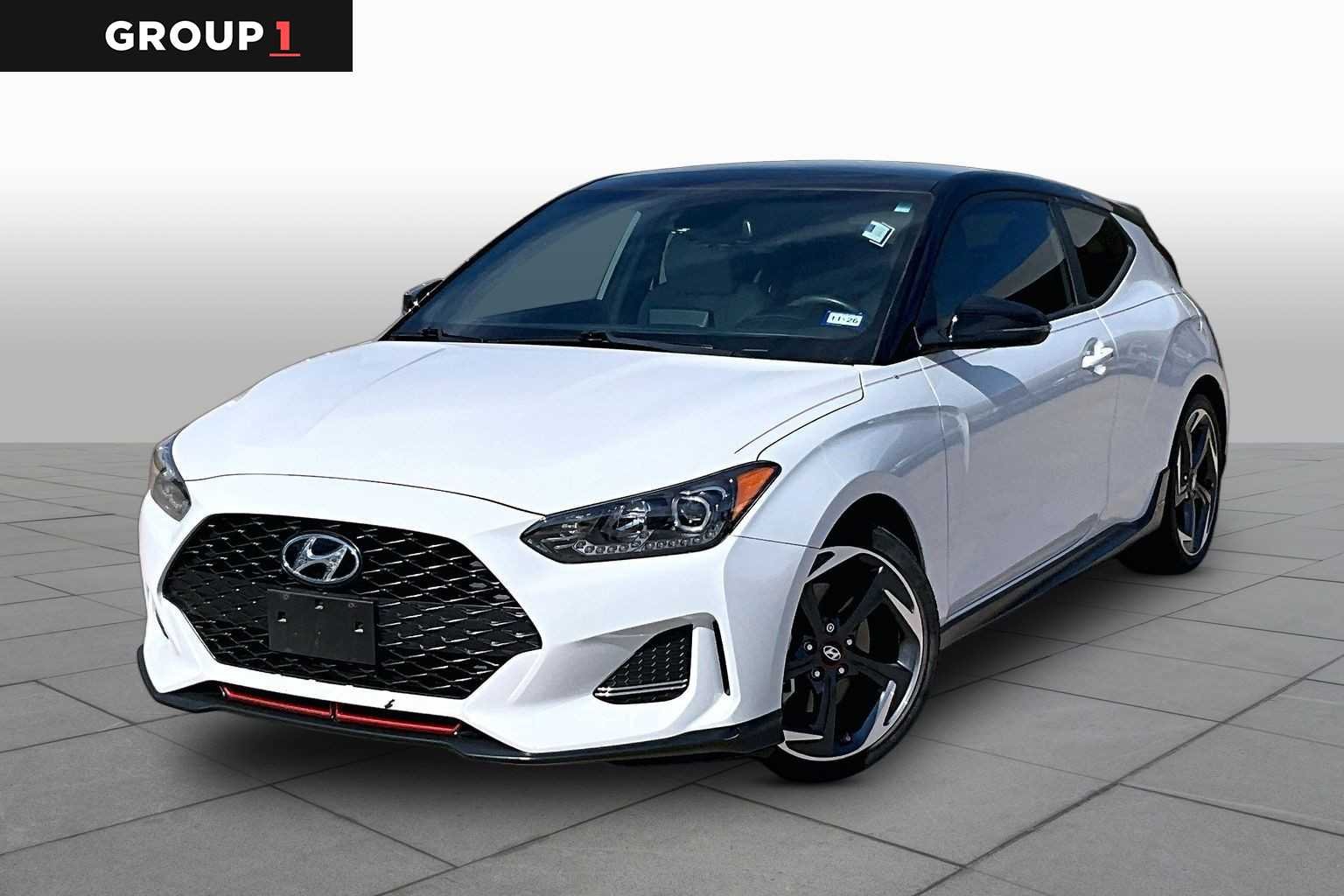
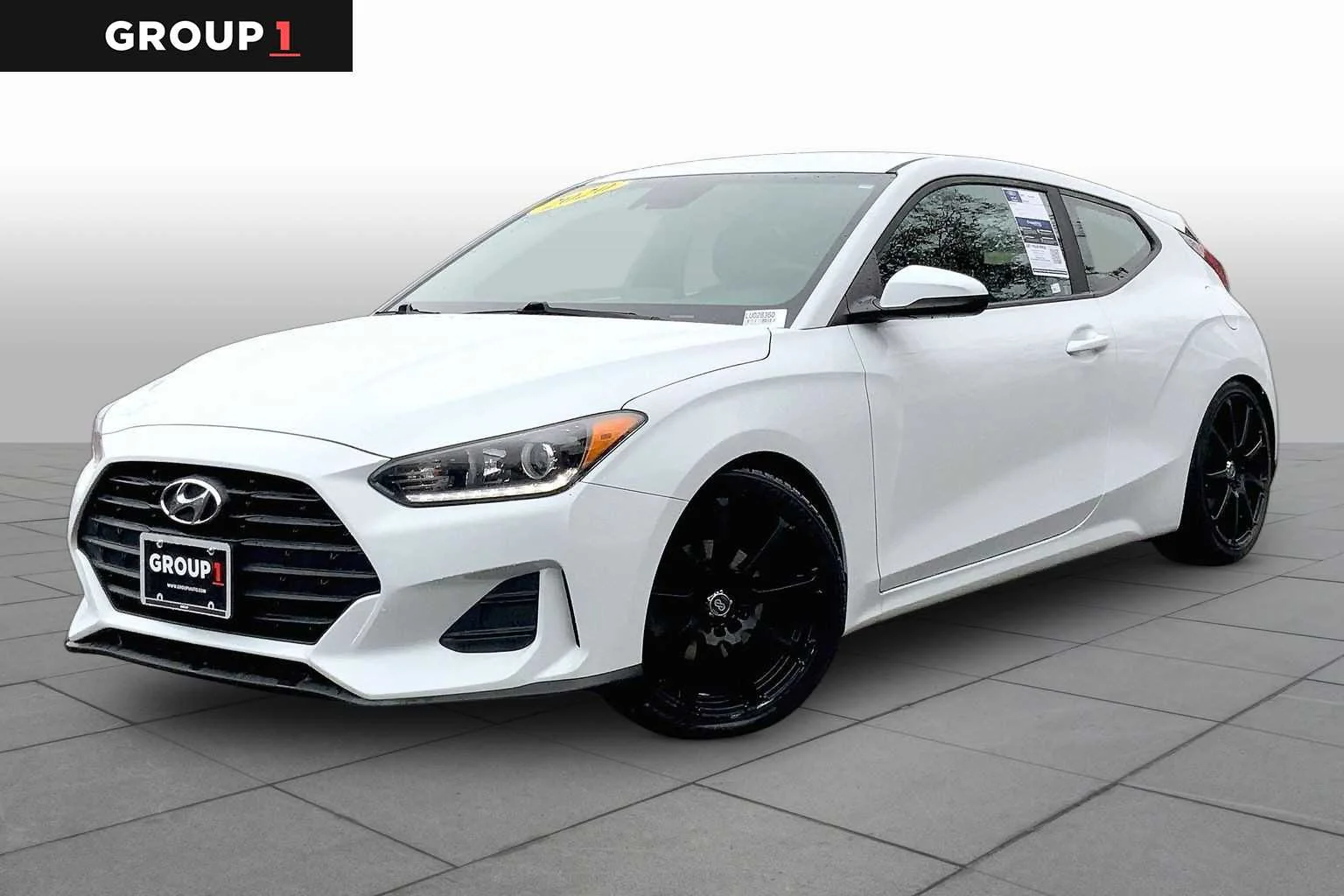
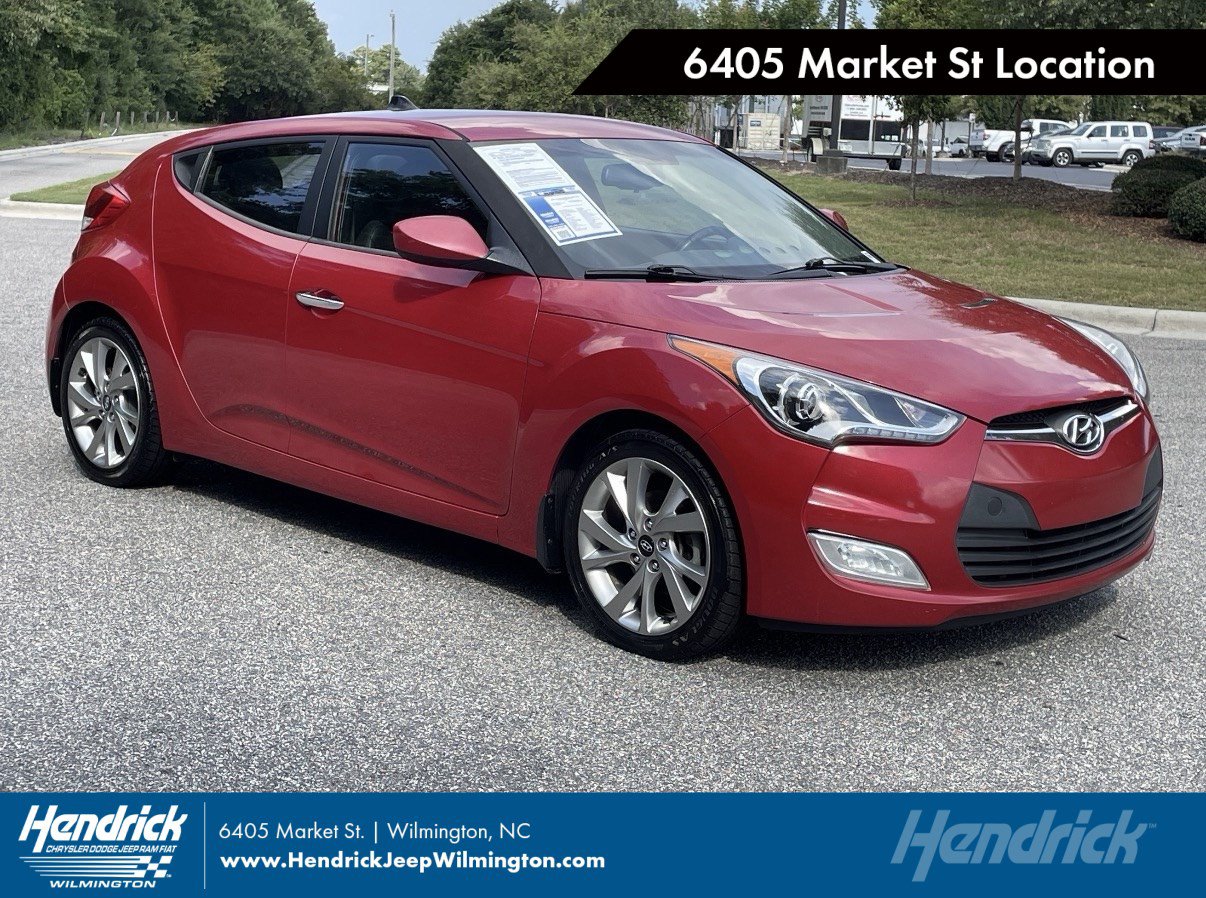
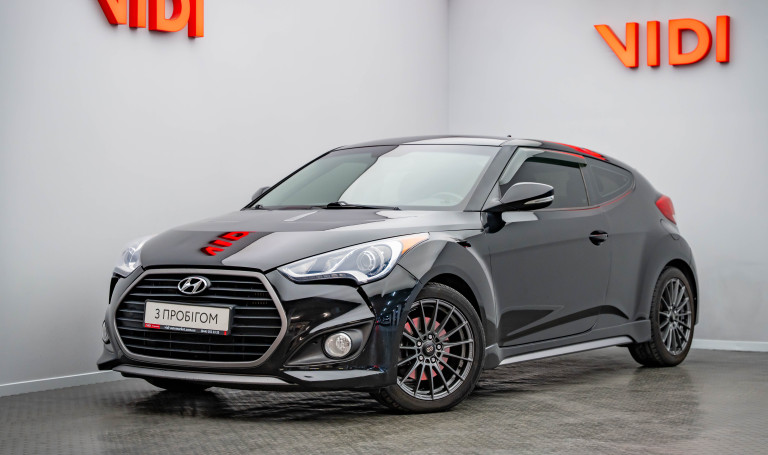
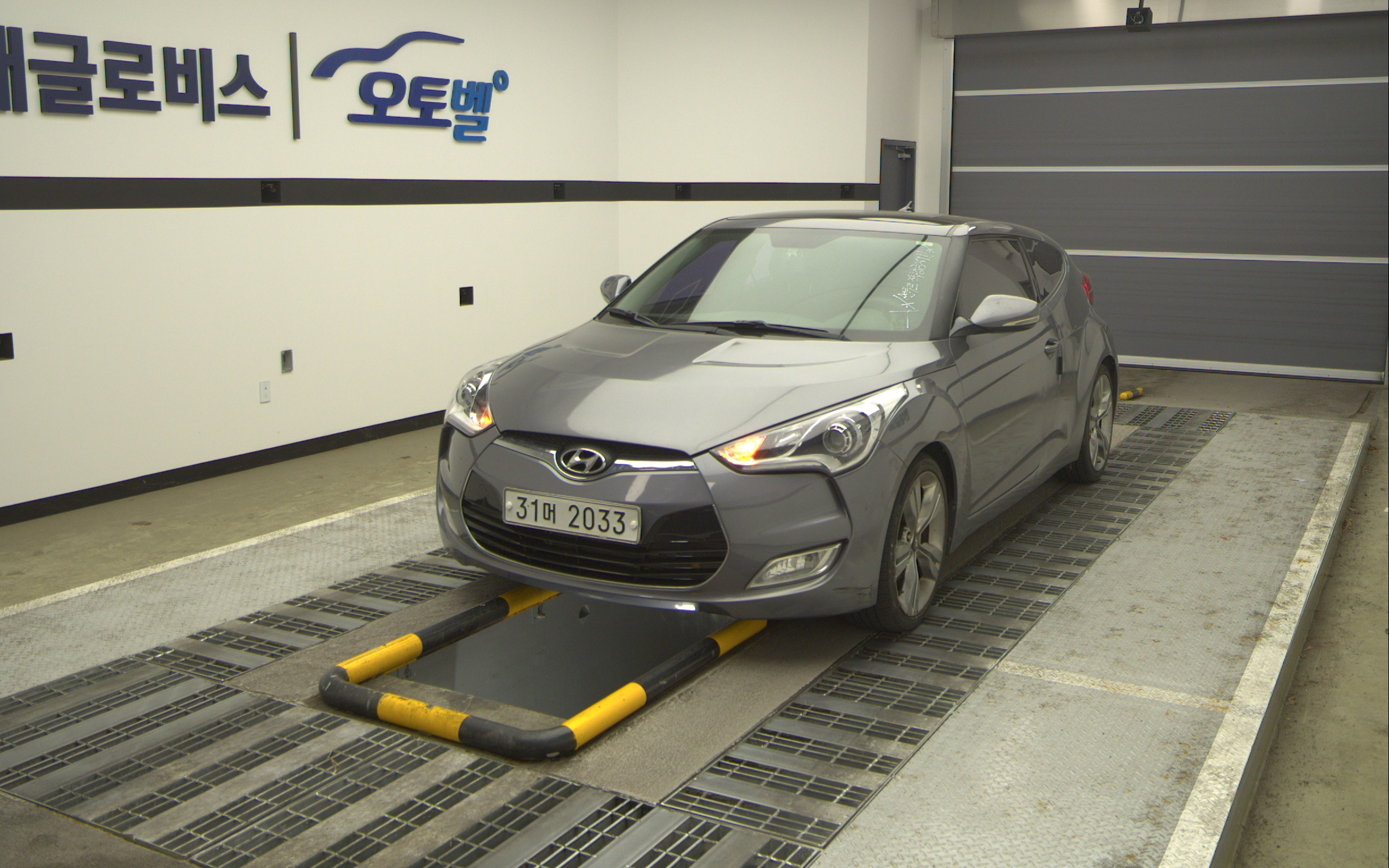
gasoline, automatic, 148K km, hatchback, Front Wheels Drive, 1,600 cm3, 201 hp, silver, Used condition, USA, In stock

Group1Auto.com
 Main Settlement, United States
 Main Settlement, United States
 Atlanta, United StatesCharlotte, United StatesDuluth, United States
 Adams Crossroads, United StatesRivertown, United StatesDenver, United StatesHoward, United States
 United StatesIra, United StatesEast Las Vegas, United StatesWilmington, United StatesRoseville, United States
 Sofiyivska Borschagivka, UkraineSofiyivska Borschagivka, Ukraine
 UkraineUkraine
 Tiraspol, Moldova
 Seongsu-dong, South Korea
 Sang-dong, South KoreaJangan-dong, South KoreaTaech’u-ri, South KoreaSeongsu-dong, South KoreaSeongsu-dong, South KoreaSeongsu-dong, South Korea
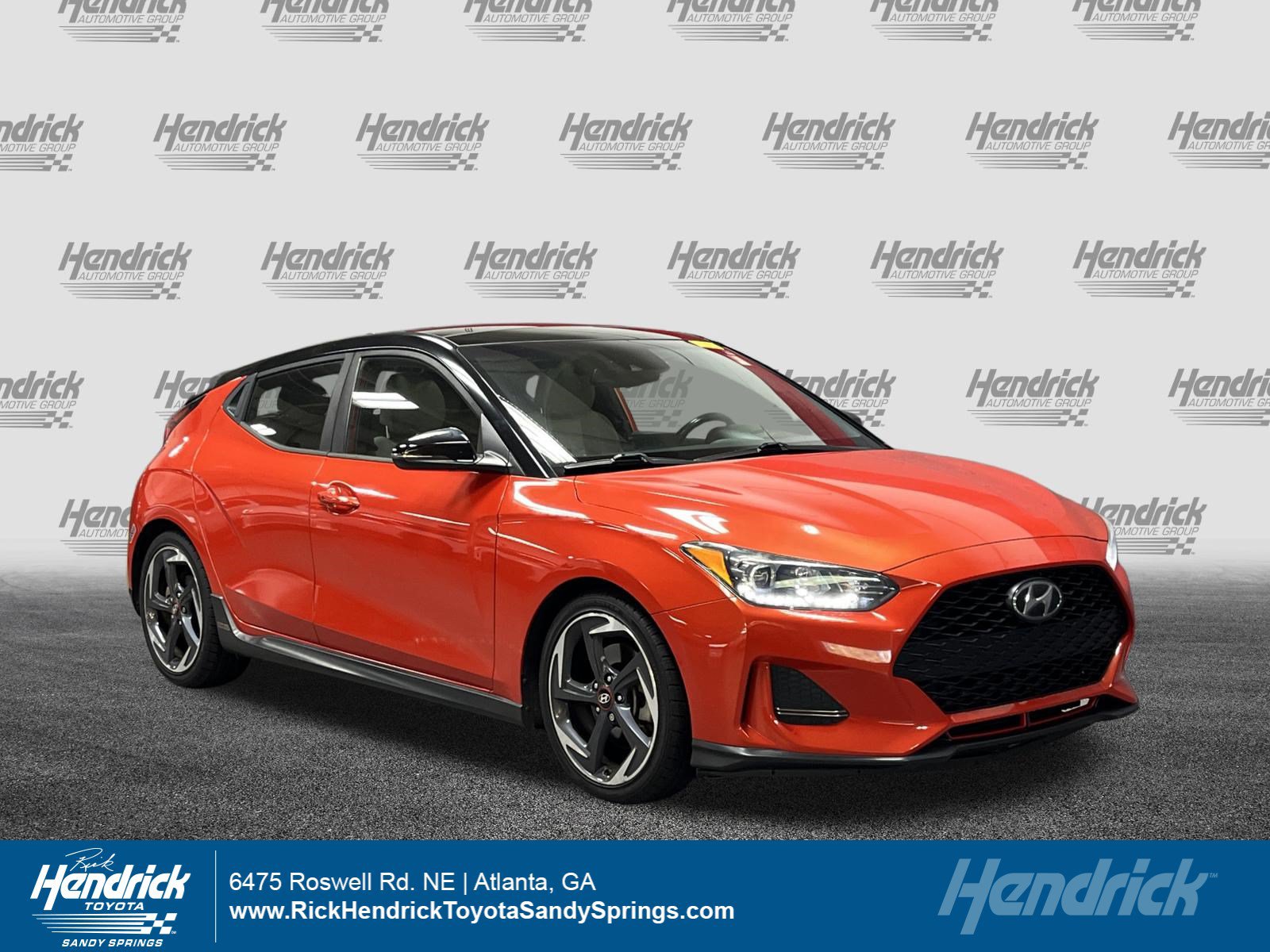
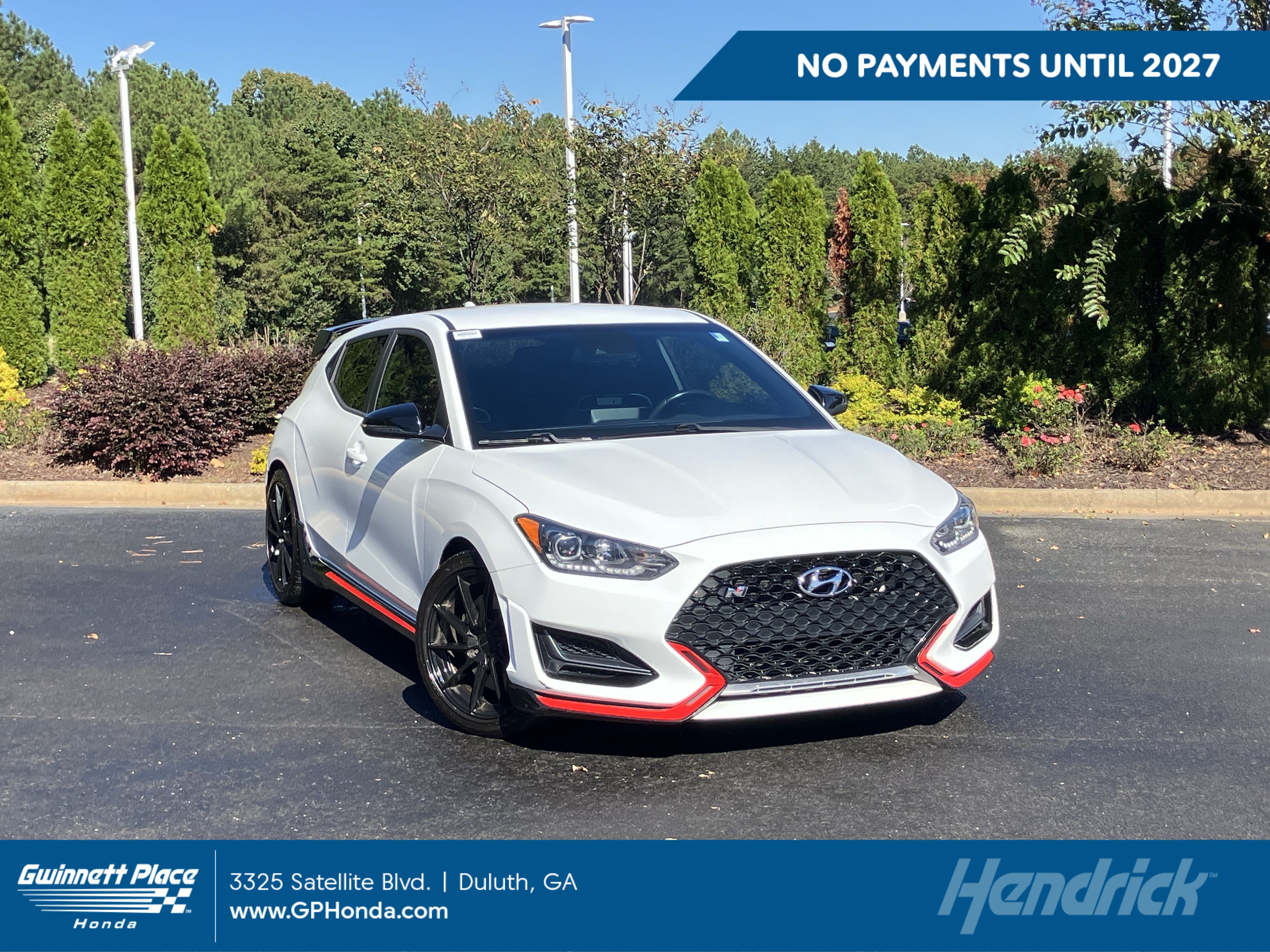
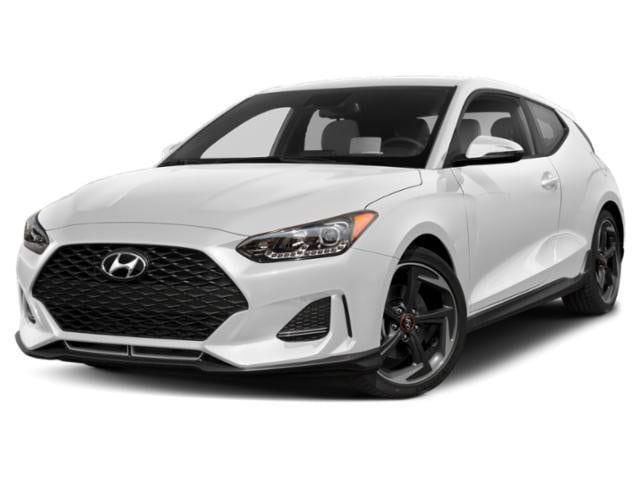
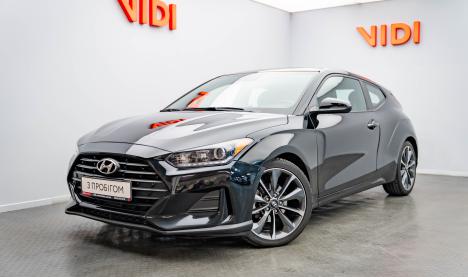
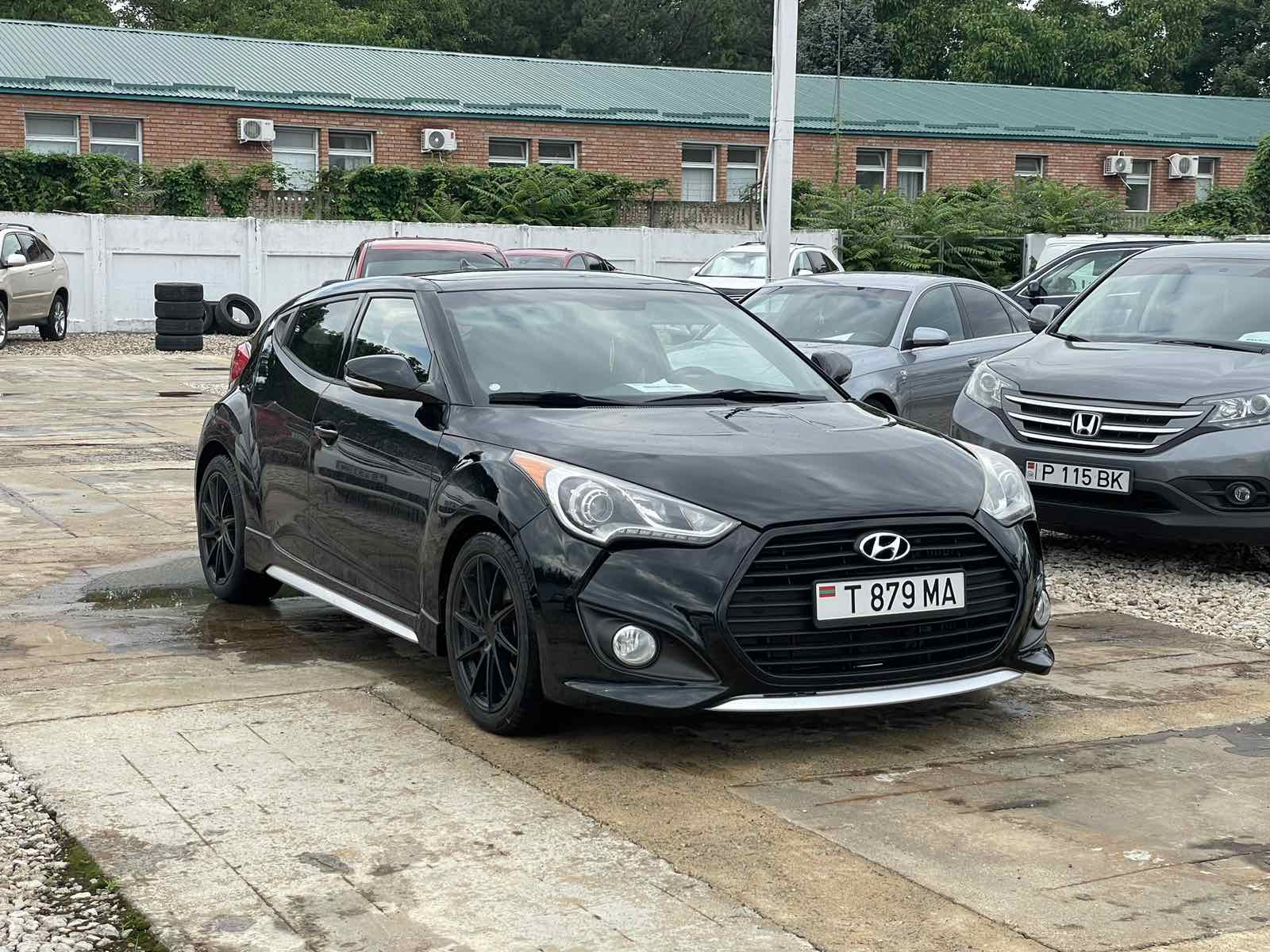
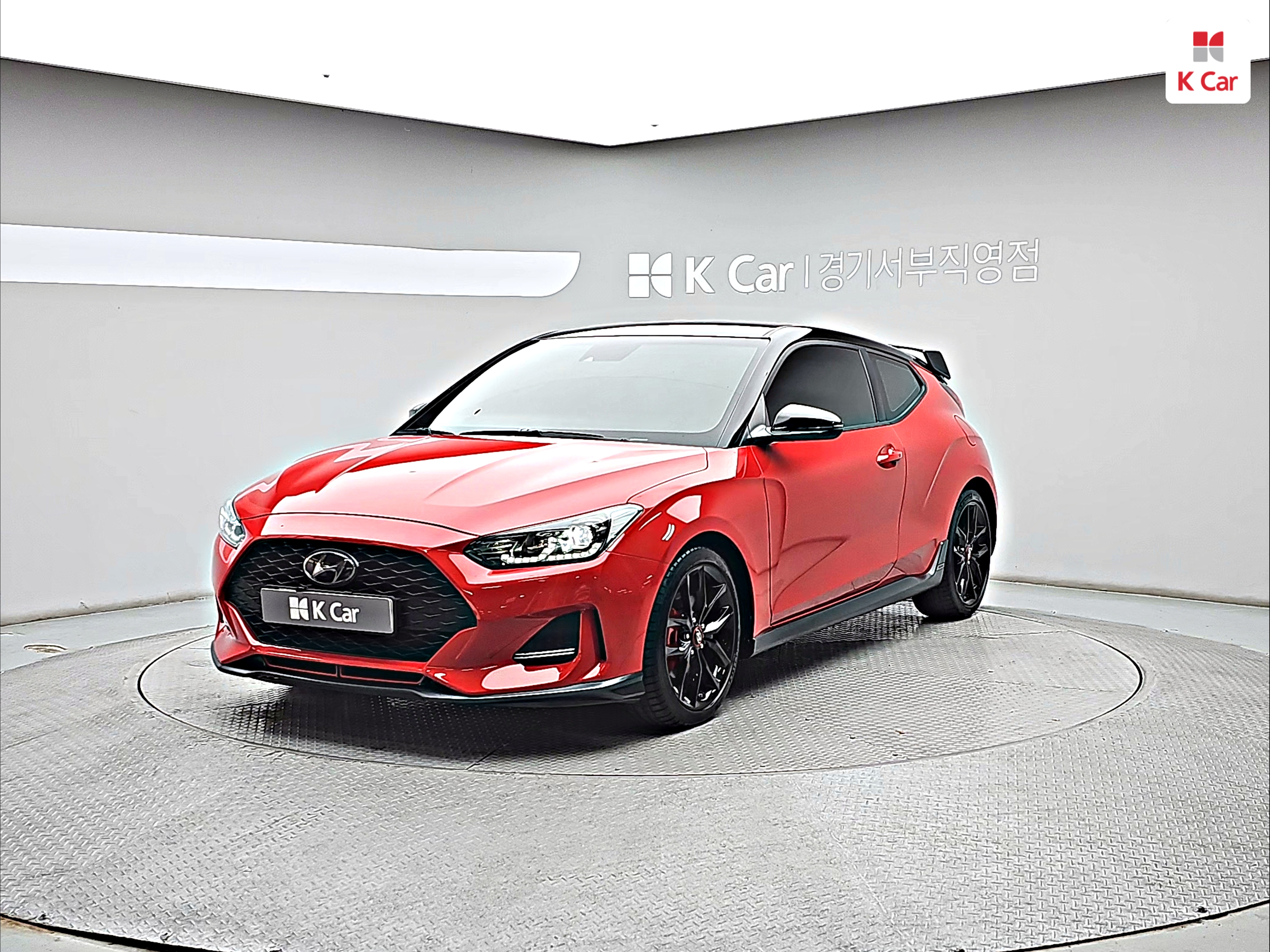
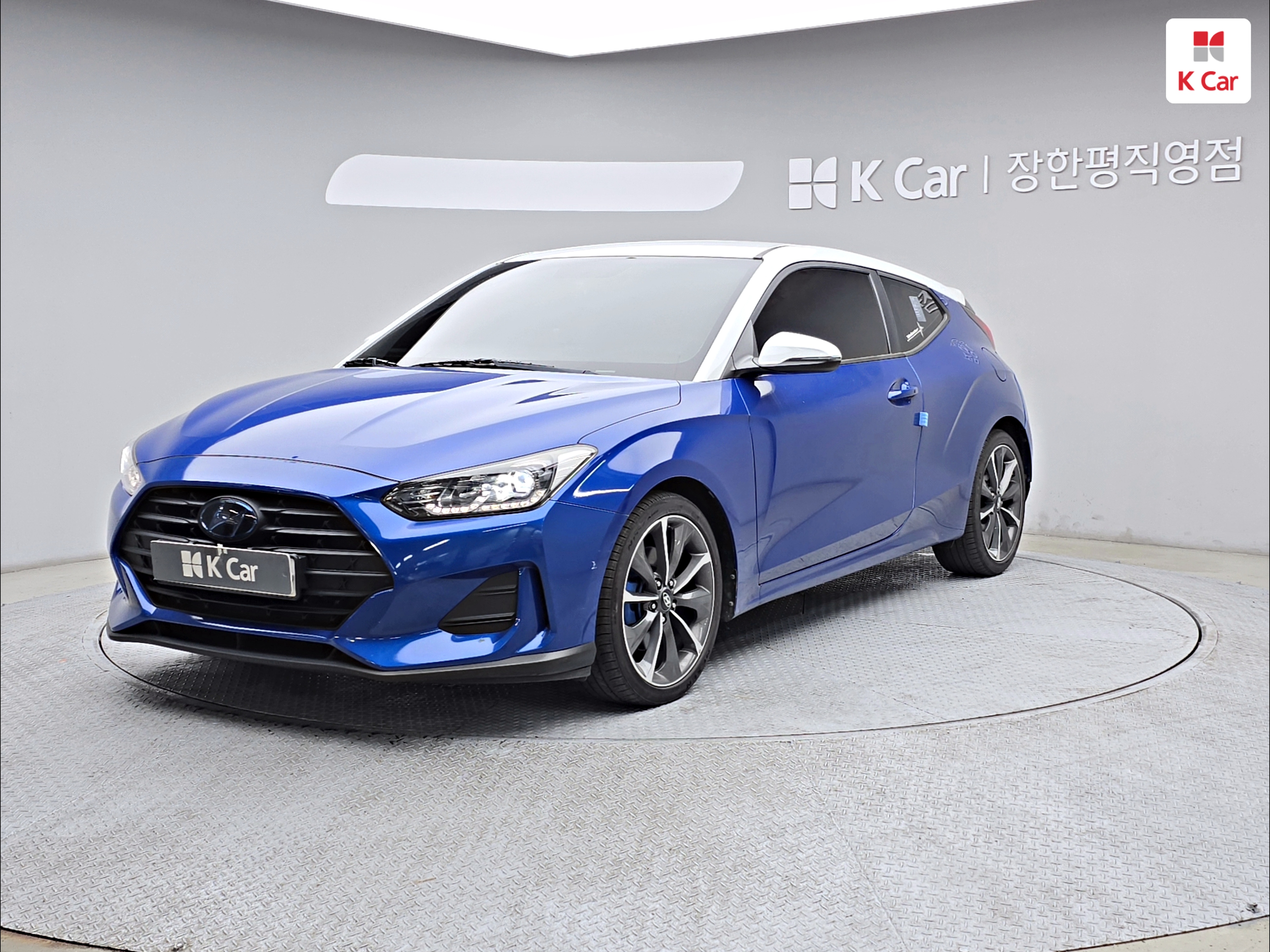
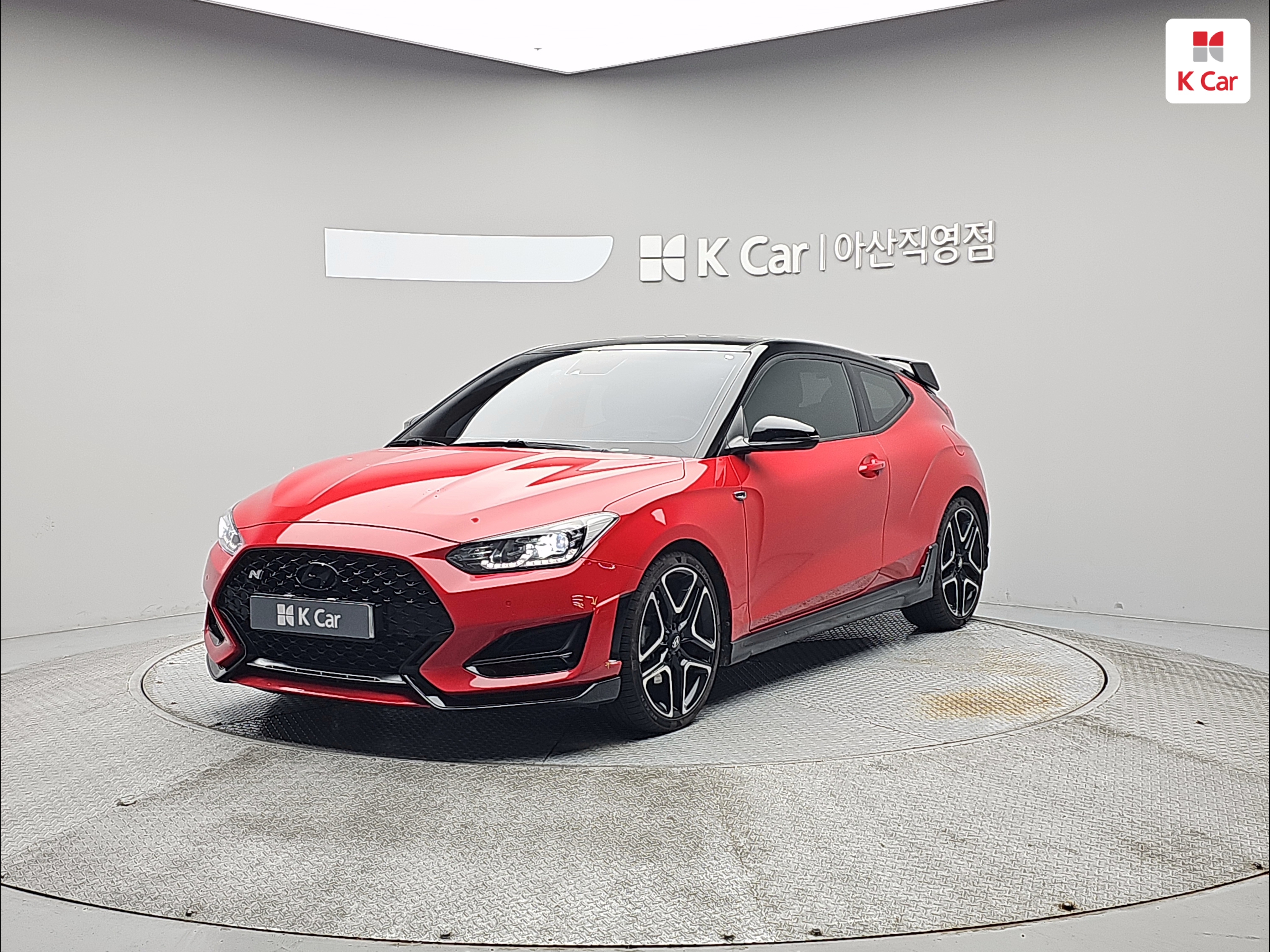
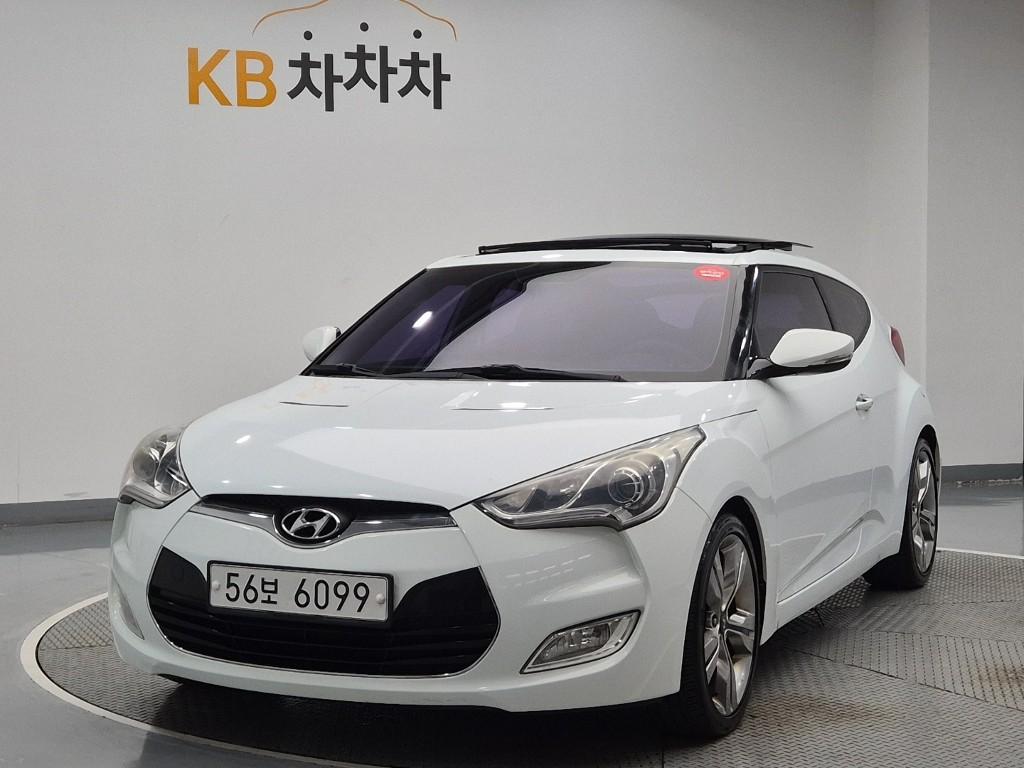
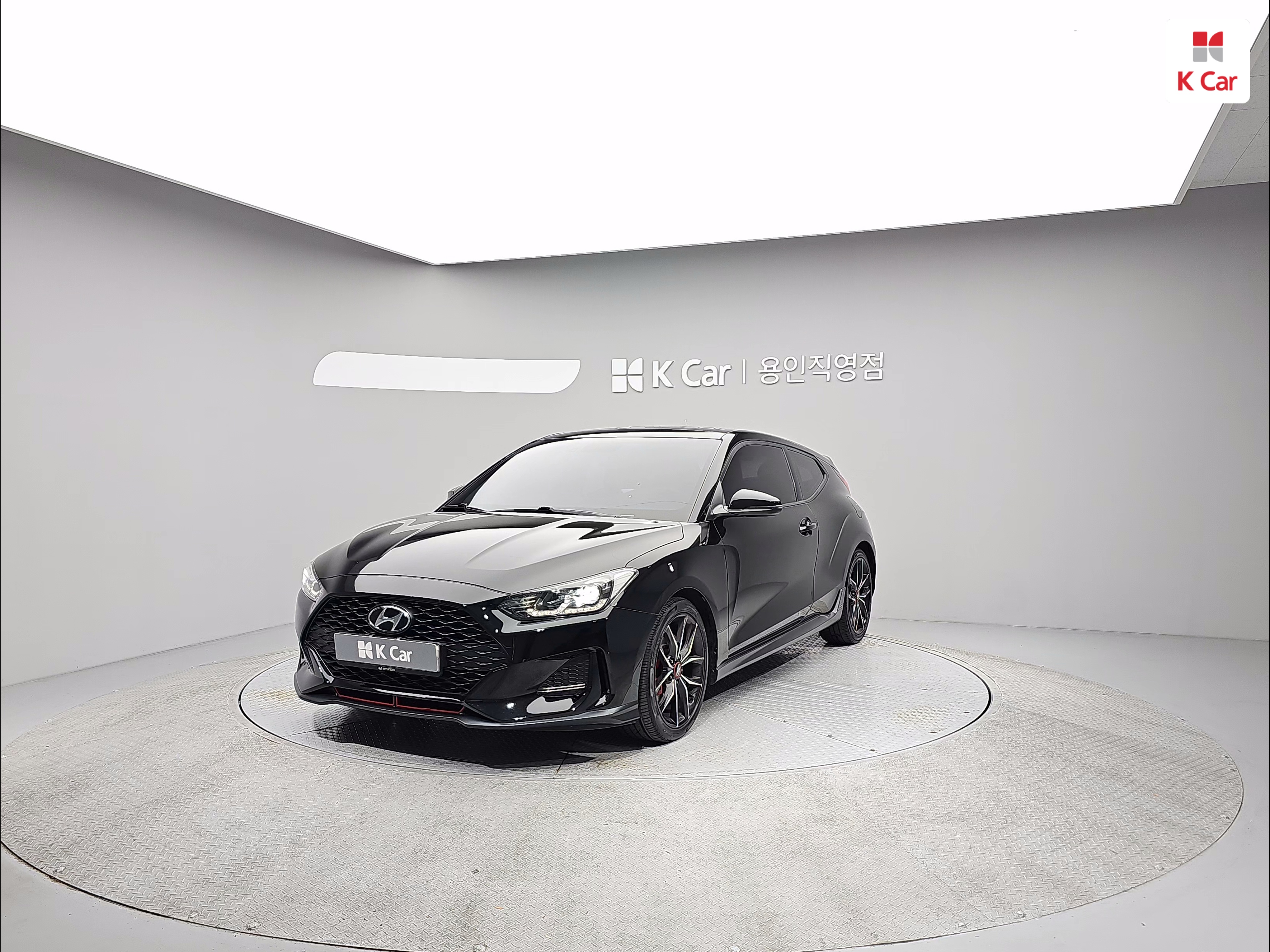
The Hyundai Veloster stands out with its distinctive three-door design and sporty temperament, making it a popular choice for buyers who want a compact car with a performance edge. If you’re considering a Hyundai Veloster, you’ll want to balance style, driving feel, and practical costs. This article helps you navigate choosing, comparing, and buying or selling a Veloster in your city, focusing on common questions buyers and sellers have, such as which generation suits your needs, what fuel options are available, and how mileage and price influence decision making.
The Veloster family includes several generations, each bringing different engines, transmissions, and interior updates. When evaluating a model, note the year, mileage, and overall condition. Key factors include the fuel type (gasoline engines are most common), body style (hatchback with the signature third door), and the overall balance between performance and economy. Typical buyers search terms include: Veloster reliability, Veloster maintenance cost, Veloster price by year, and Veloster mileage impact on value. If you’re selling, highlight recent maintenance, any upgraded parts, and a clean service history to maximize interest.
Ask about accident history, prior repairs, and any lingering mechanical issues. When inspecting, test the steering feel, braking response, and clutch operation if it’s a manual. Listen for unusual sounds from the engine bay or suspension, and check for any water leaks around doors and the trunk. A test drive should cover city streets and highway speeds to assess acceleration, stability, and noise levels. For sellers, presenting a clean maintenance log, receipts for parts, and honest disclosures helps build buyer trust and can speed up a sale.
Prices for Hyundai Veloster models vary by year, mileage, and condition. In most markets, you’ll find late-model Velosters in the mid-range price segment with favorable depreciation compared to newer sport coupes. When listing a Veloster for sale, emphasize recent tune-ups, brake work, and any performance upgrades. If you’re buying, set a budget that includes potential maintenance and tire replacements, and plan a pre-purchase inspection with a trusted mechanic.
Whether you’re picking a Veloster for daily driving, weekend fun, or a balance of efficiency and thrill, the key is to compare generations, verify mileage and history, and negotiate with clarity. With careful research and a straightforward inquiry approach to sellers, you’ll find a Hyundai Veloster that fits your goals and budget.
 Add as preferred sourceSee more from zvelta in Google Search Add as preferred source