EN
ENDEALER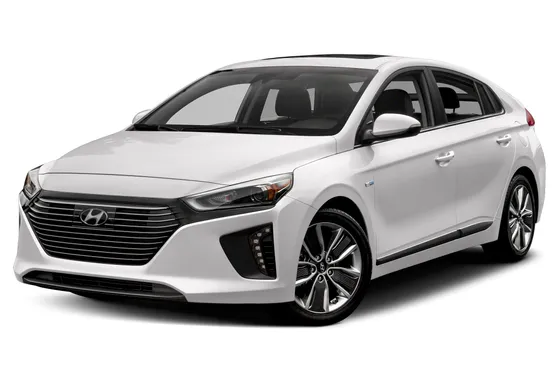
16.719 US$DEALER
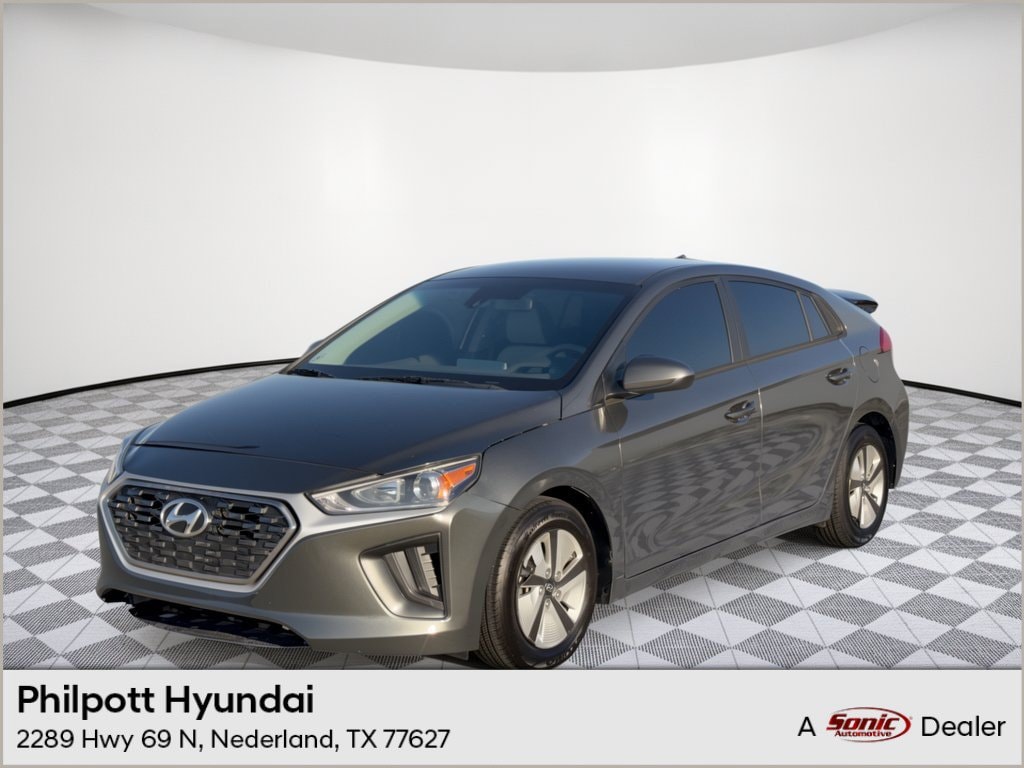
automatic, 59K km, Front Wheels Drive, 1,600 cm3, white, Used condition, South Korea, In stock
SonicAutomotive.com
 Houston, United States
 Houston, United States
 City of Centennial, United StatesNederland, United States
 SpainSpainSpainSpainSpainSpain
 BelgiumBelgiumBelgiumBelgiumBelgiumBelgiumBelgium
 NetherlandsNetherlandsNetherlandsNetherlands
 FranceFranceFrance
 Germany, Lower SaxonyGermany, Lower Saxony
If you’re considering a Hyundai IONIQ, you’re likely balancing efficiency, reliability, and overall value. This guide focuses on common questions buyers and sellers have, from what generations and body types are available to how mileage, year, and price influence decisions in today’s market. Whether you’re looking at a newer model or an older generation, understanding the key factors helps you move confidently through negotiation and ownership.
The IONIQ lineup is known for its efficiency and thoughtful design. Depending on the generation, you can choose hybrid, plug-in hybrid, or fully electric powertrains. Buyers typically weigh range, charging options, and interior space. For sellers, knowing the exact year, mileage, and configuration (hybrid vs. BEV) can help you price the car accurately and present its benefits clearly to potential buyers.
When evaluating a specific Hyundai IONIQ, ask:
Prices and features vary across generations. For example, newer BEV variants usually offer longer range and faster charging, while hybrid versions emphasize fuel economy and lower upfront costs. When shopping in any market, compare:
If you’re buying, negotiate based on real data: recent service history, battery or motor condition, and documented ownership. For sellers, prepare a clear overview: model year, generation, fuel type (hybrid, plug-in, electric), body style, mileage, and any recent upgrades or repairs. In many markets, Hyundai IONIQ models hold value well when well maintained and accurately described.
Prices vary by country and city, so it helps to check local listings for the exact ranges. Look for vehicles that mention a complete service record, a recent battery check if electric, and clear documentation of ownership. A fair asking price often sits within the typical range for that year and mileage in your area, with adjustments for options and overall condition.
 Add as preferred sourceSee more from zvelta in Google Search Add as preferred source