EN
EN
14.213 US$
gasoline, automatic, 55K km

DakarLuxuryCars.sn
 Mérina Dakar, Senegal
 Mérina Dakar, Senegal
 Albania, Durrës CountyAlbania, Durrës CountyAlbania, Durrës County

 Seongsu-dong, South KoreaIlsan-dong, South KoreaSeongsu-dong, South KoreaSeongsu-dong, South KoreaSeongsu-dong, South KoreaSeongsu-dong, South KoreaSeongsu-dong, South KoreaSeongsu-dong, South KoreaSeongsu-dong, South KoreaSeongsu-dong, South KoreaSeongsu-dong, South KoreaSeongsu-dong, South KoreaSeongsu-dong, South KoreaSeongsu-dong, South KoreaSeongsu-dong, South KoreaSeongsu-dong, South KoreaSeongsu-dong, South KoreaSeongsu-dong, South KoreaSeongsu-dong, South KoreaSeongsu-dong, South KoreaIndeok-dong, South Korea
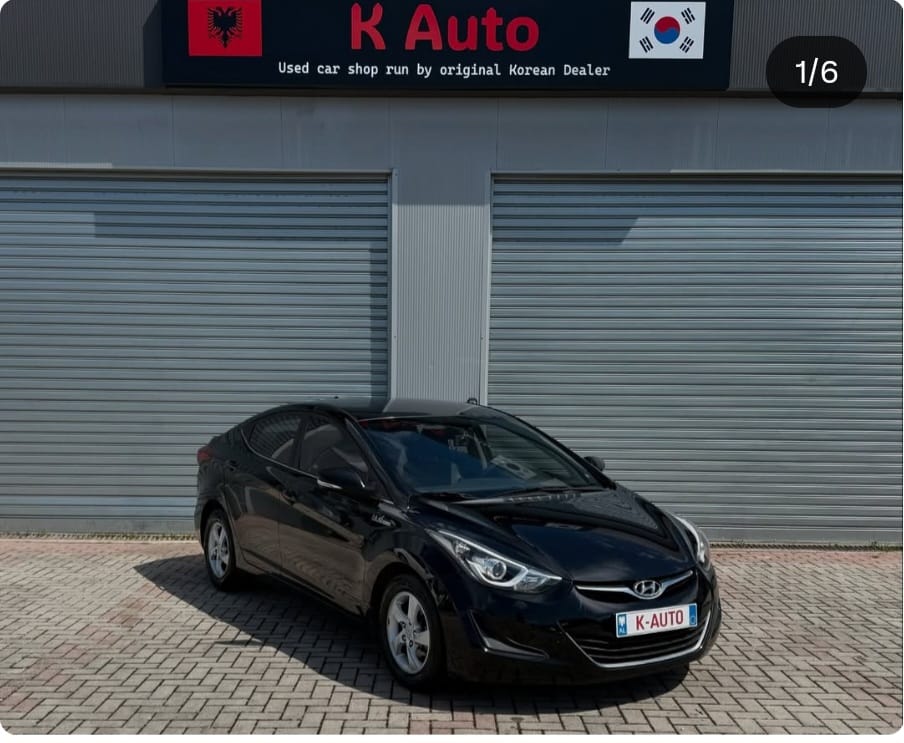
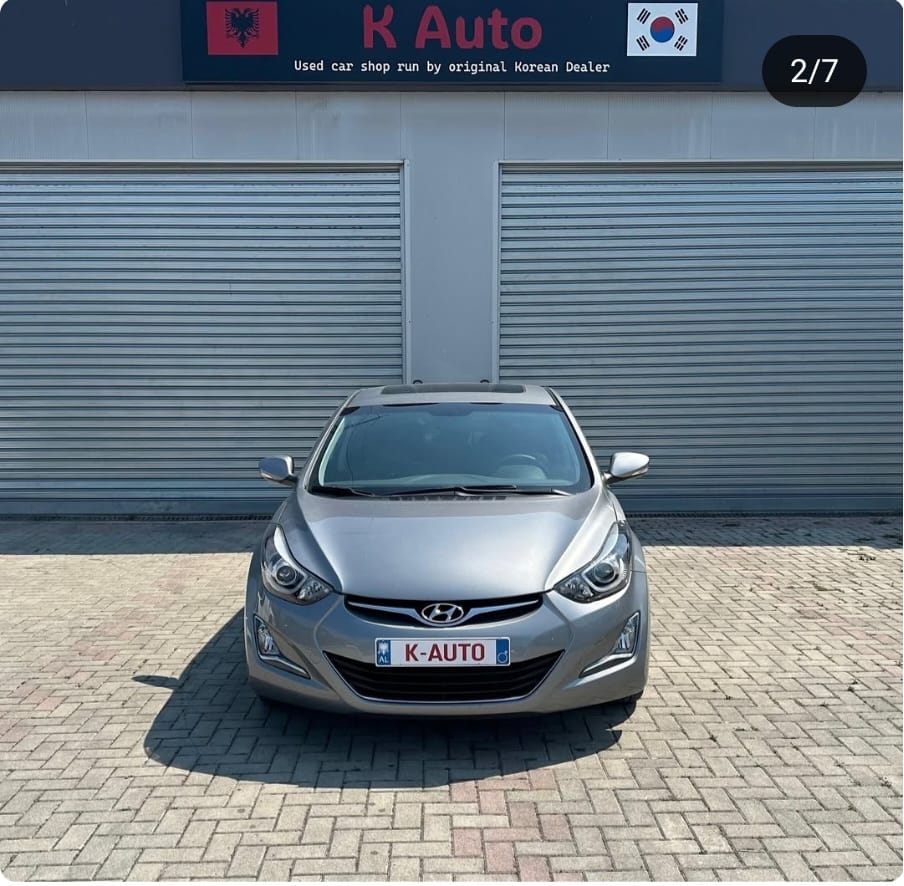
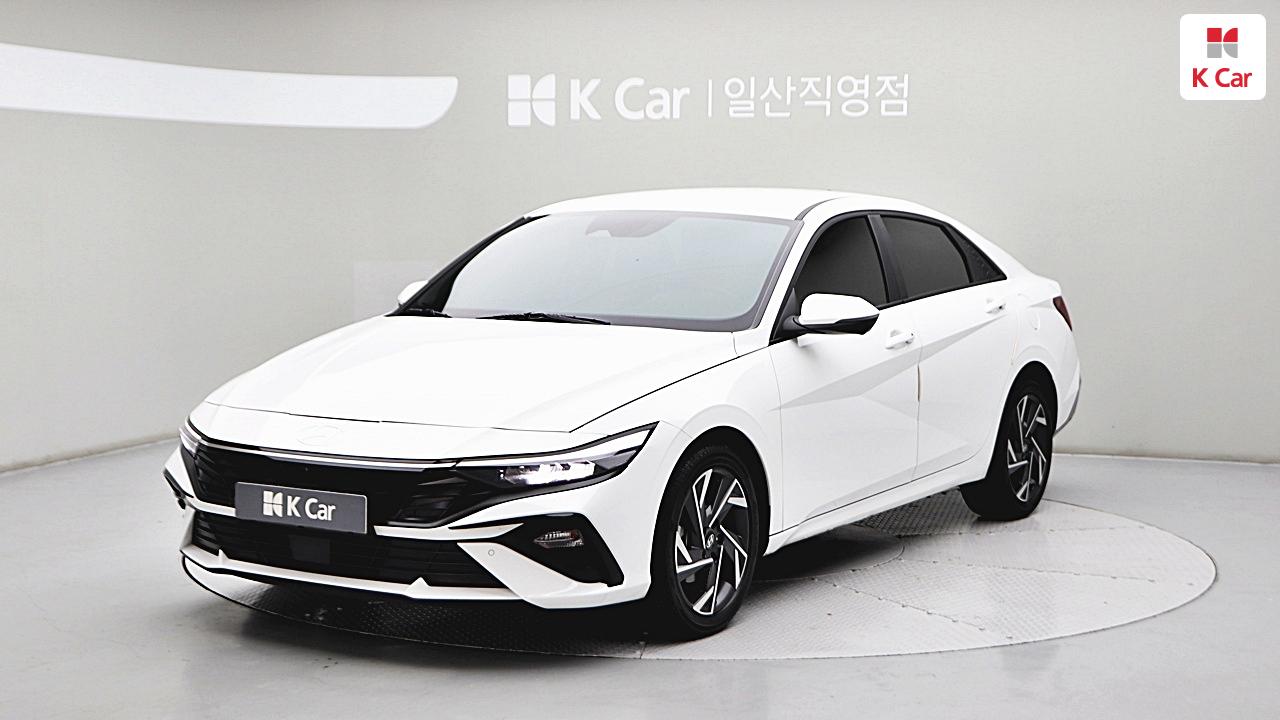
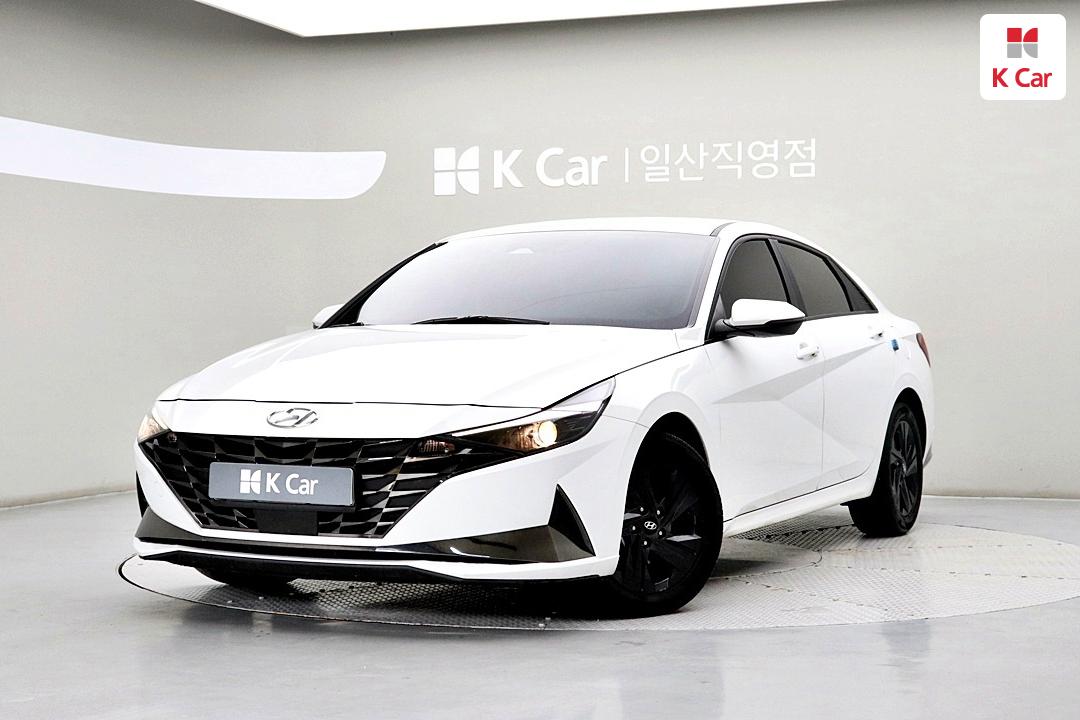
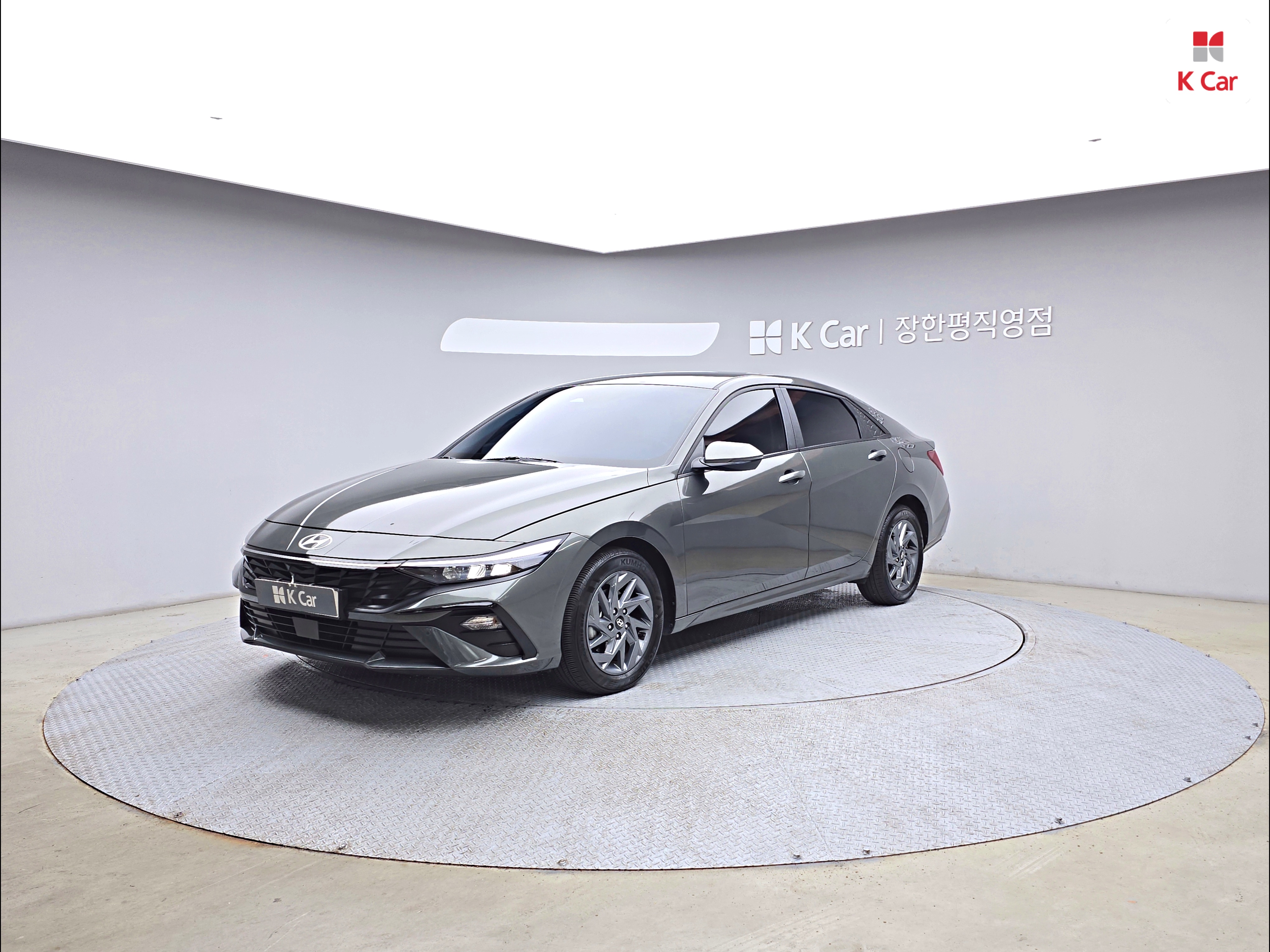
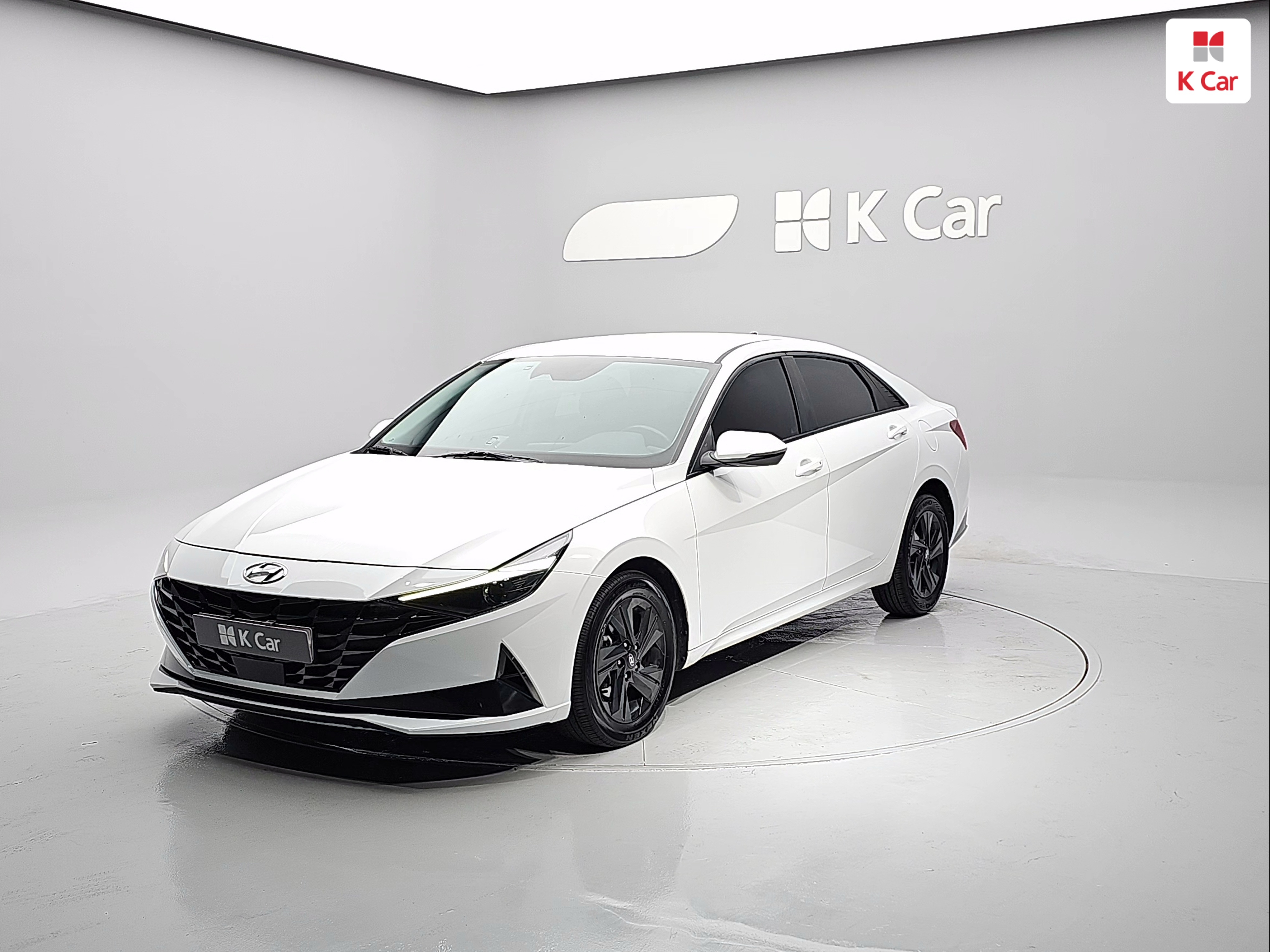
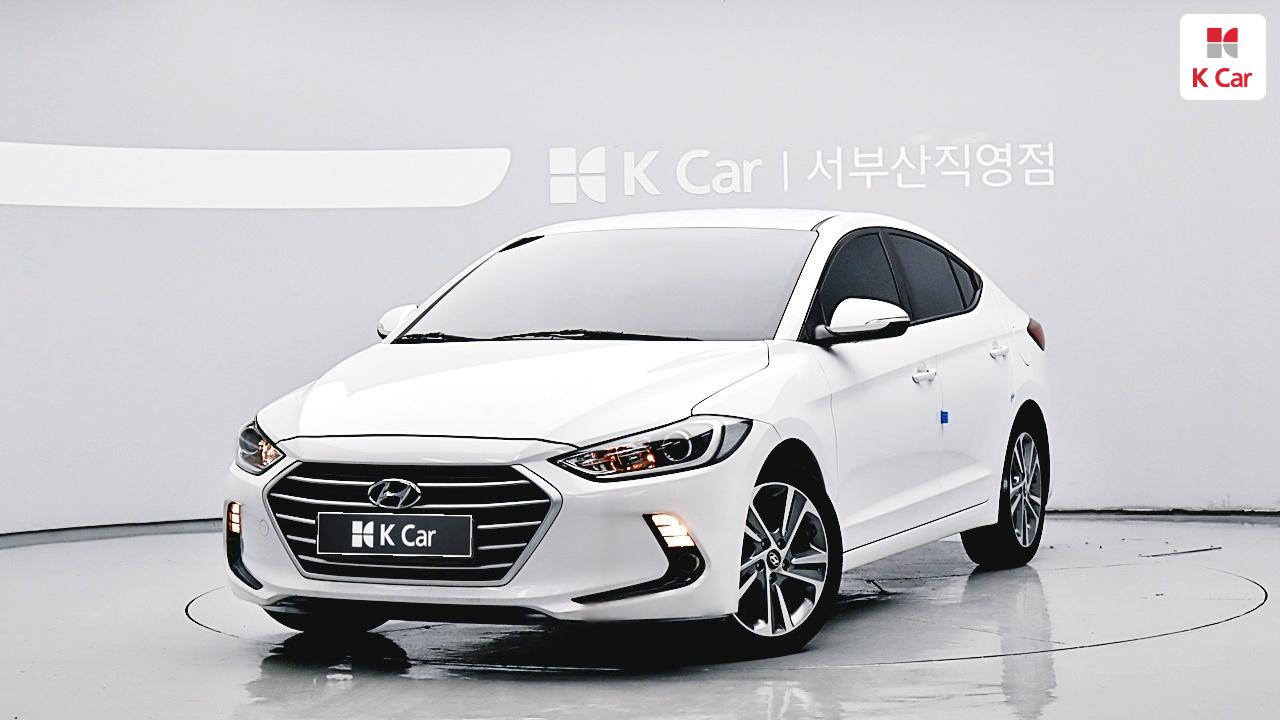
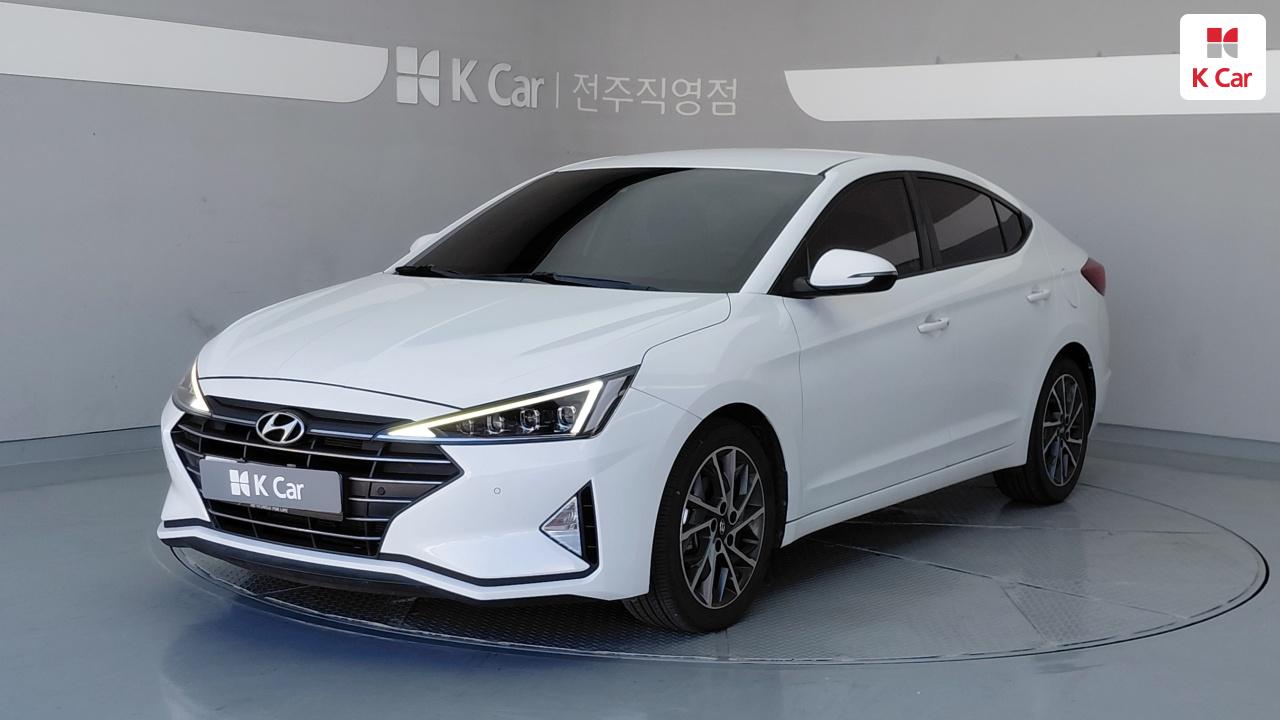
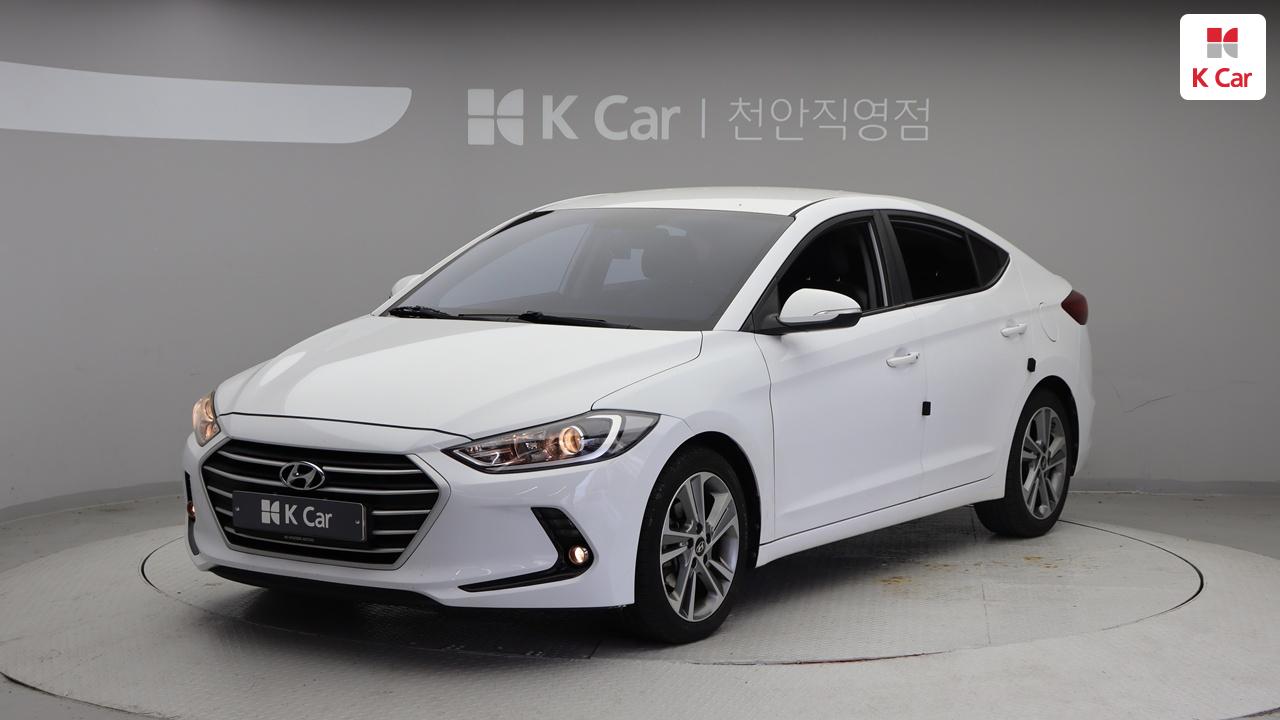
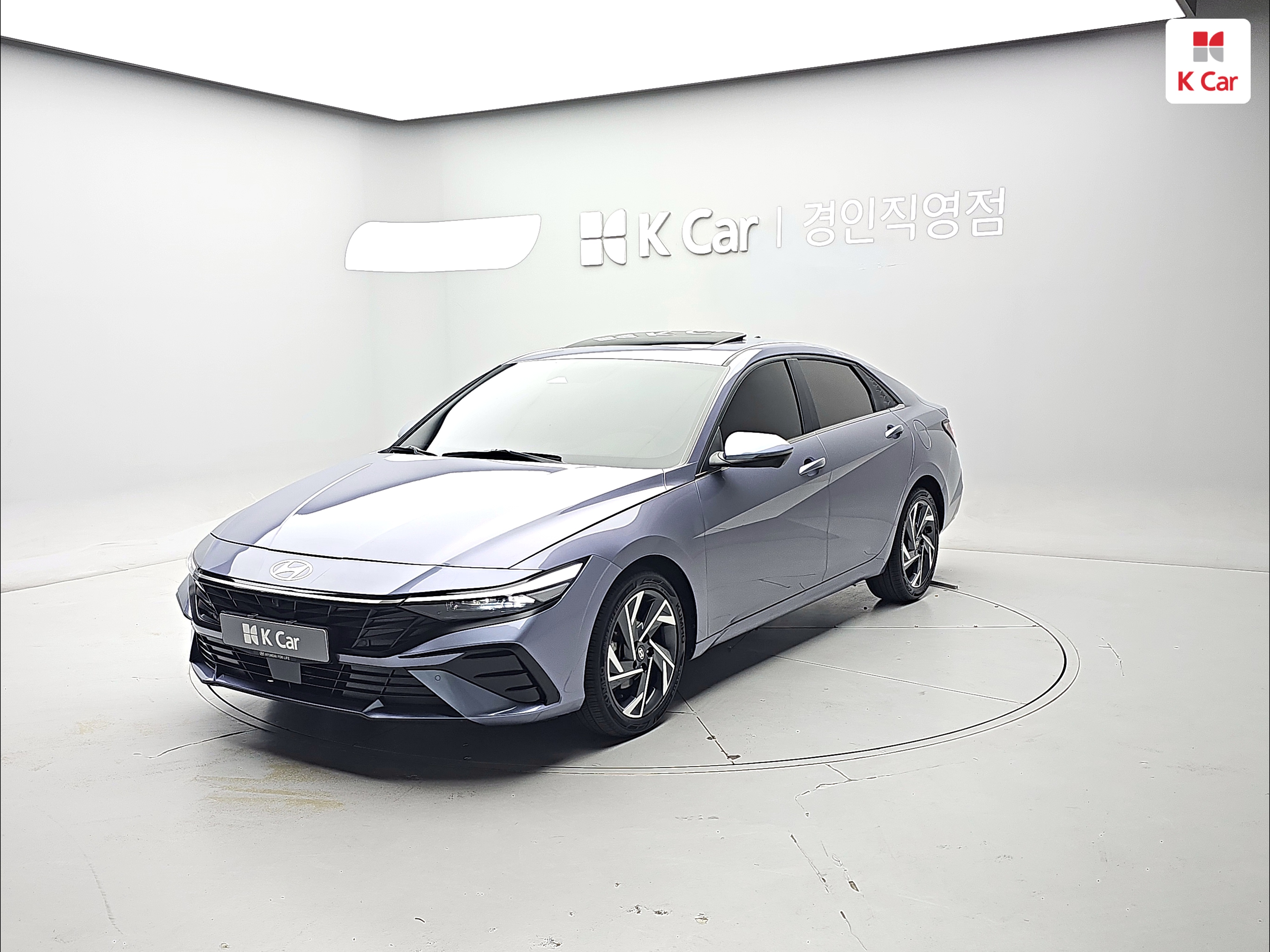
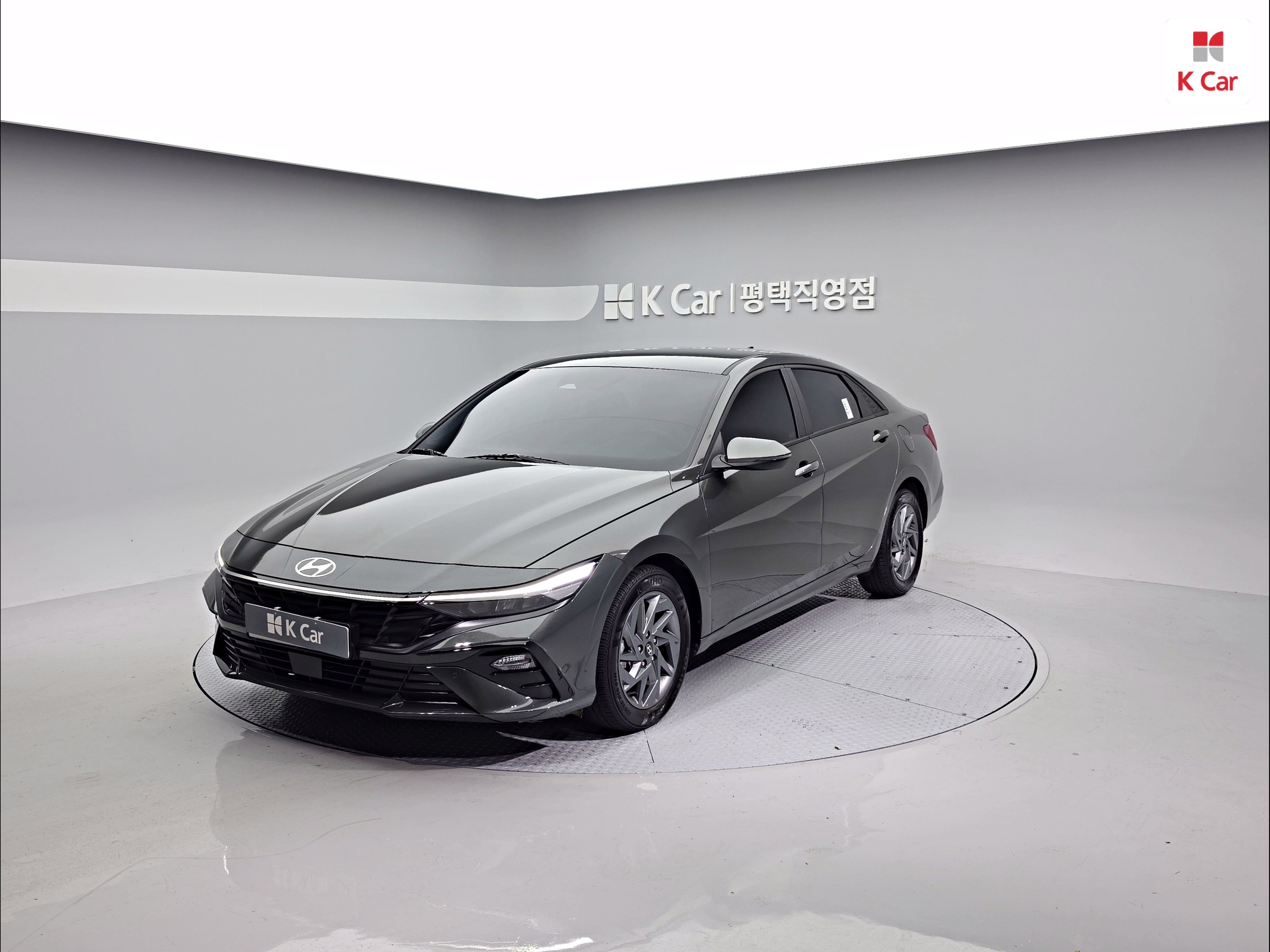
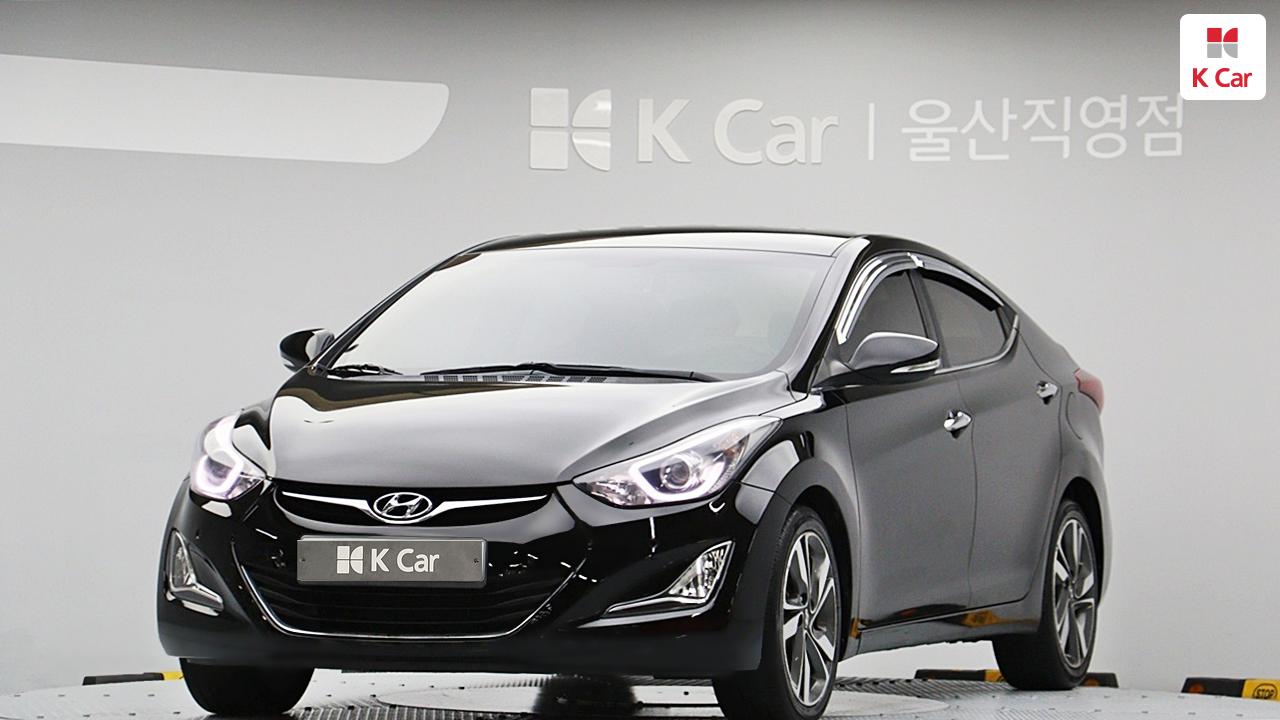
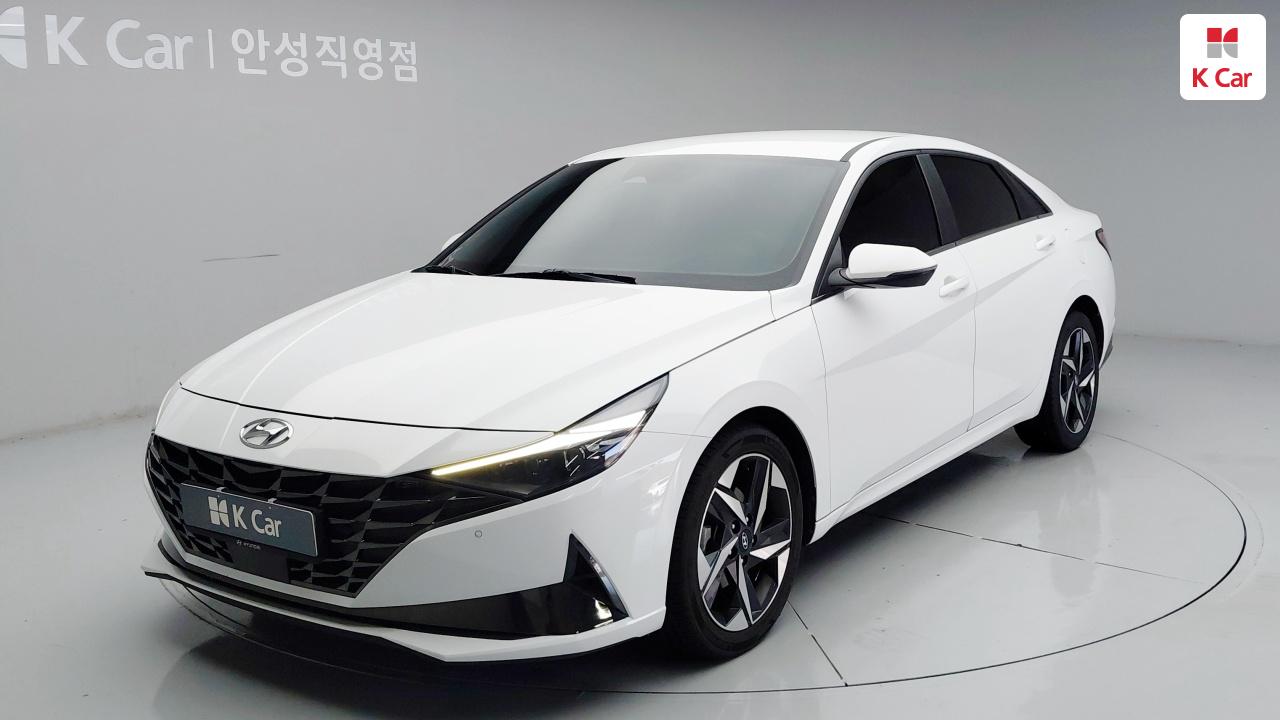
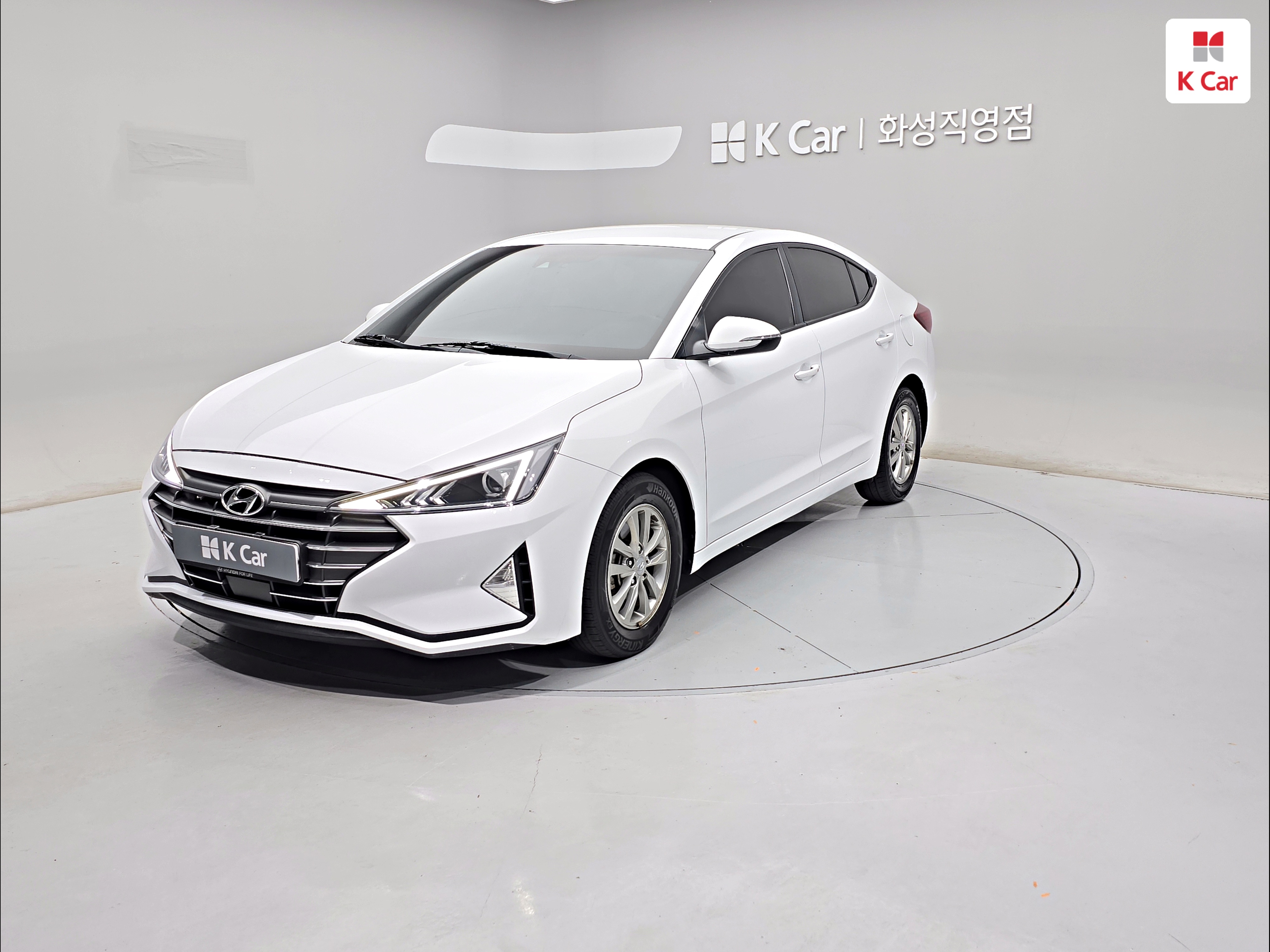
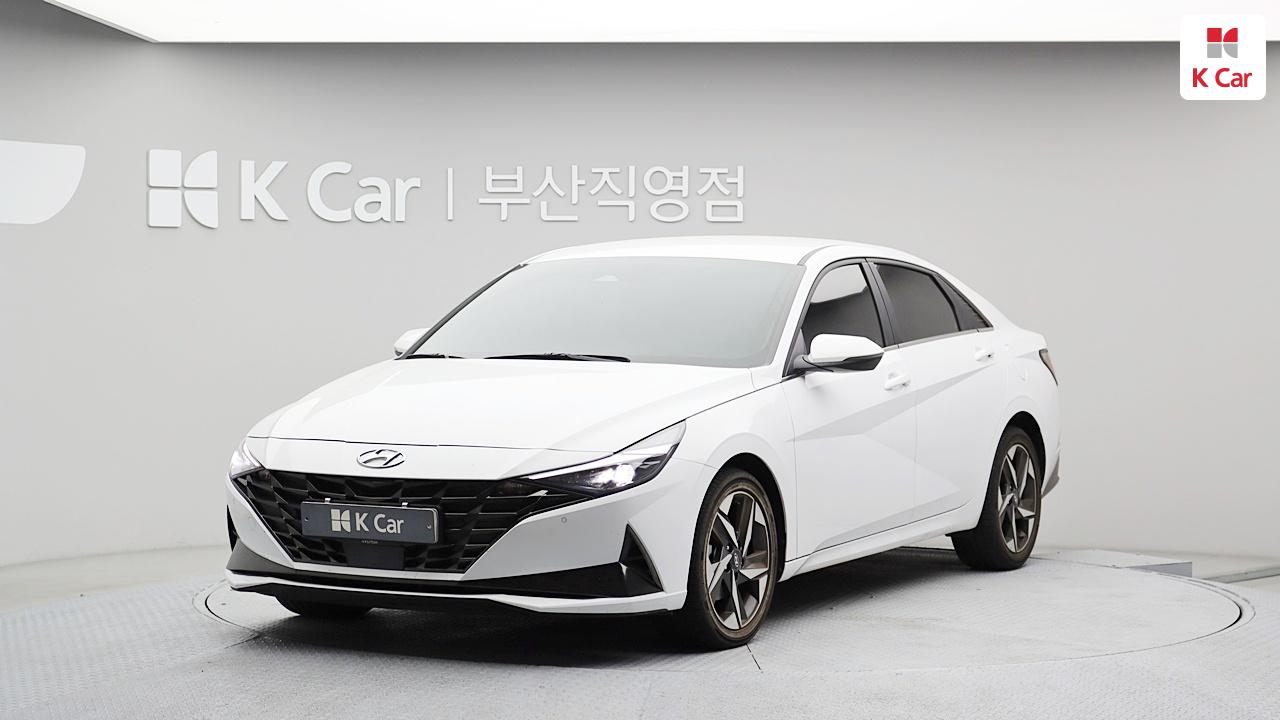
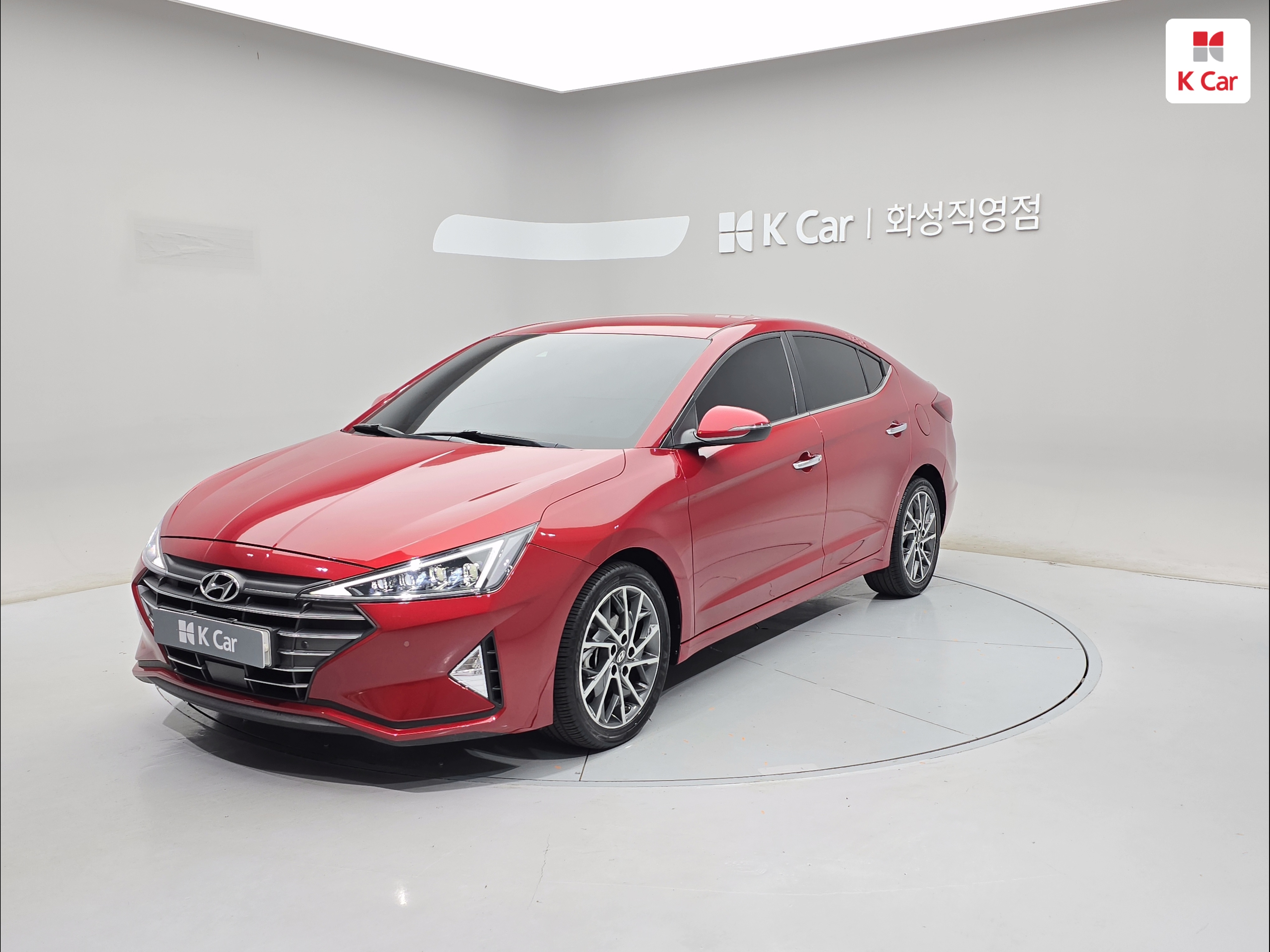
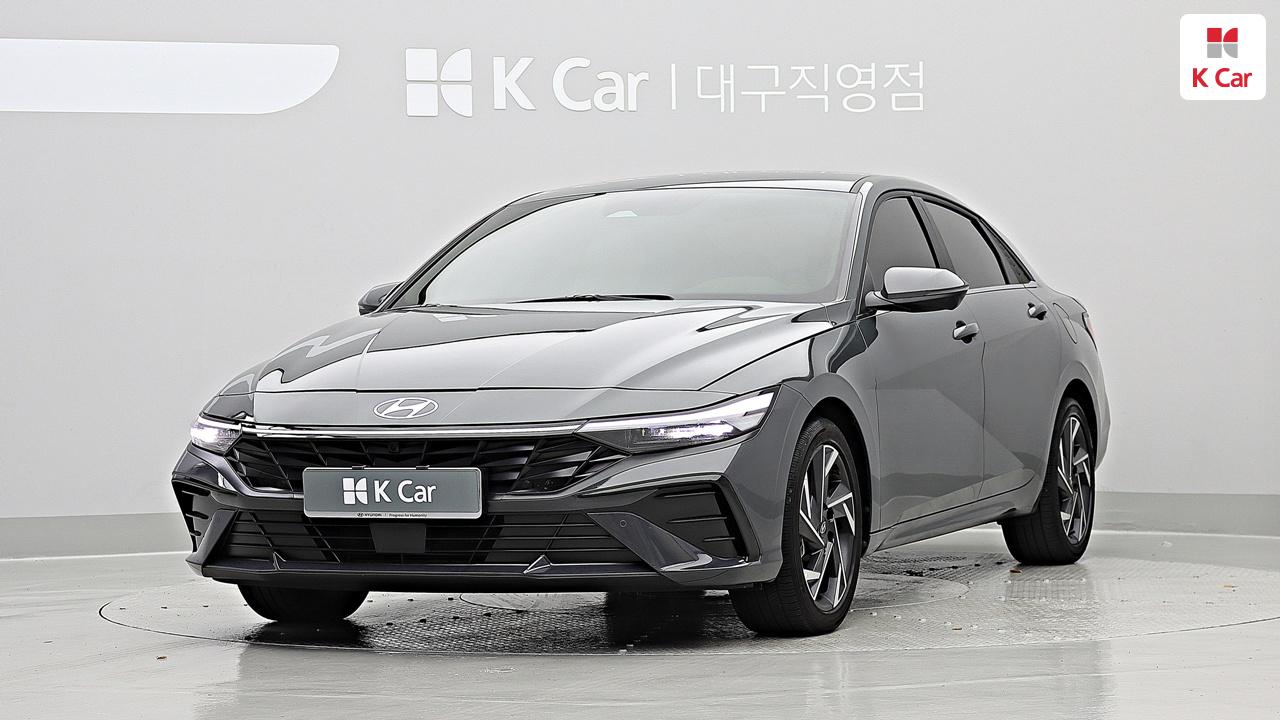
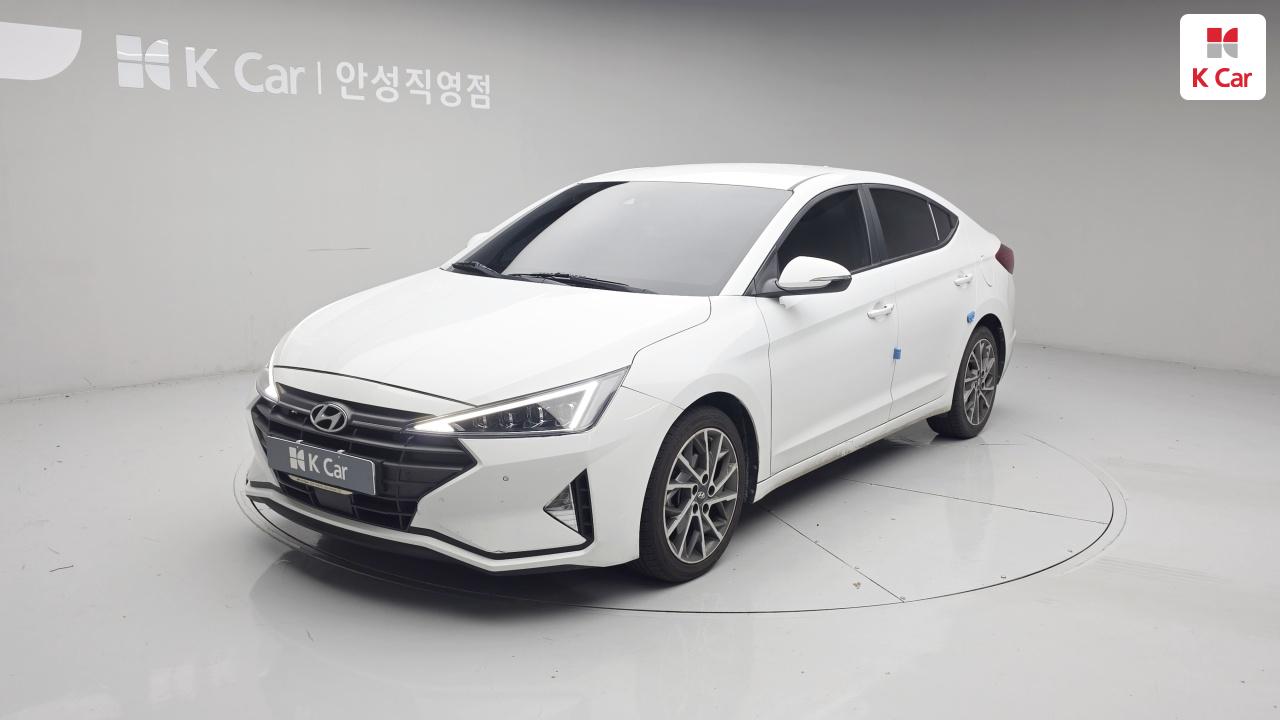
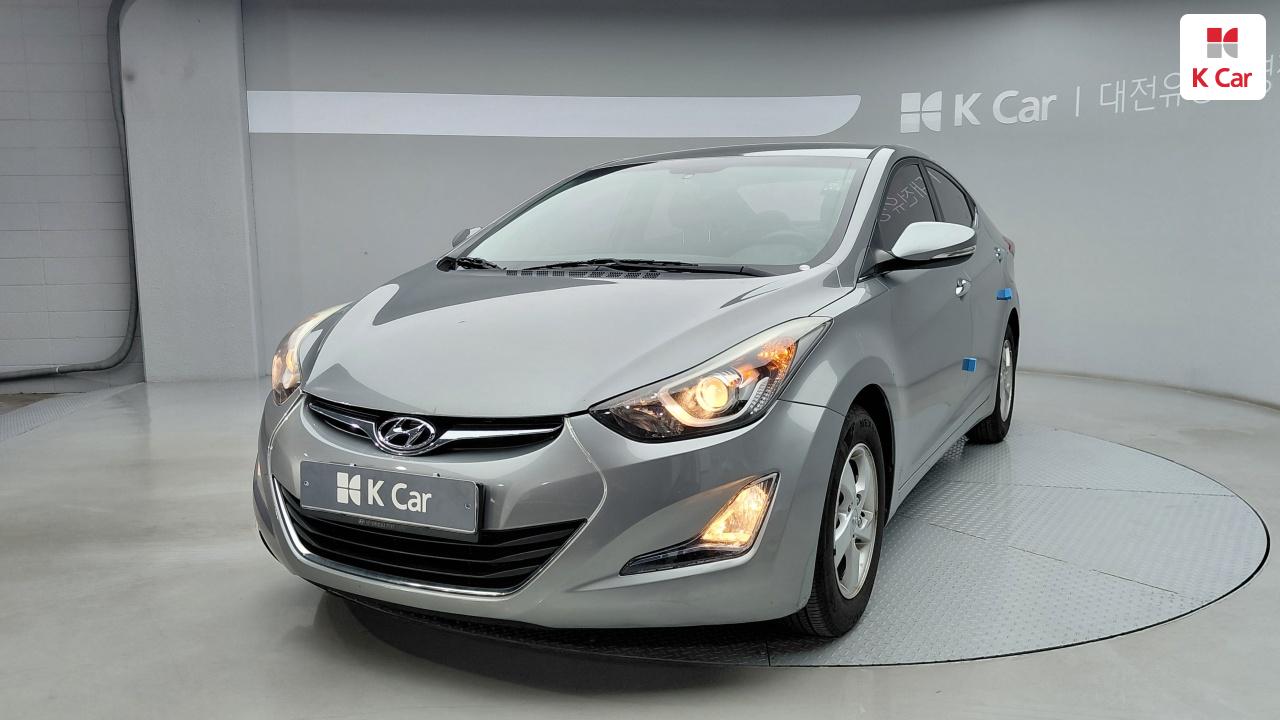
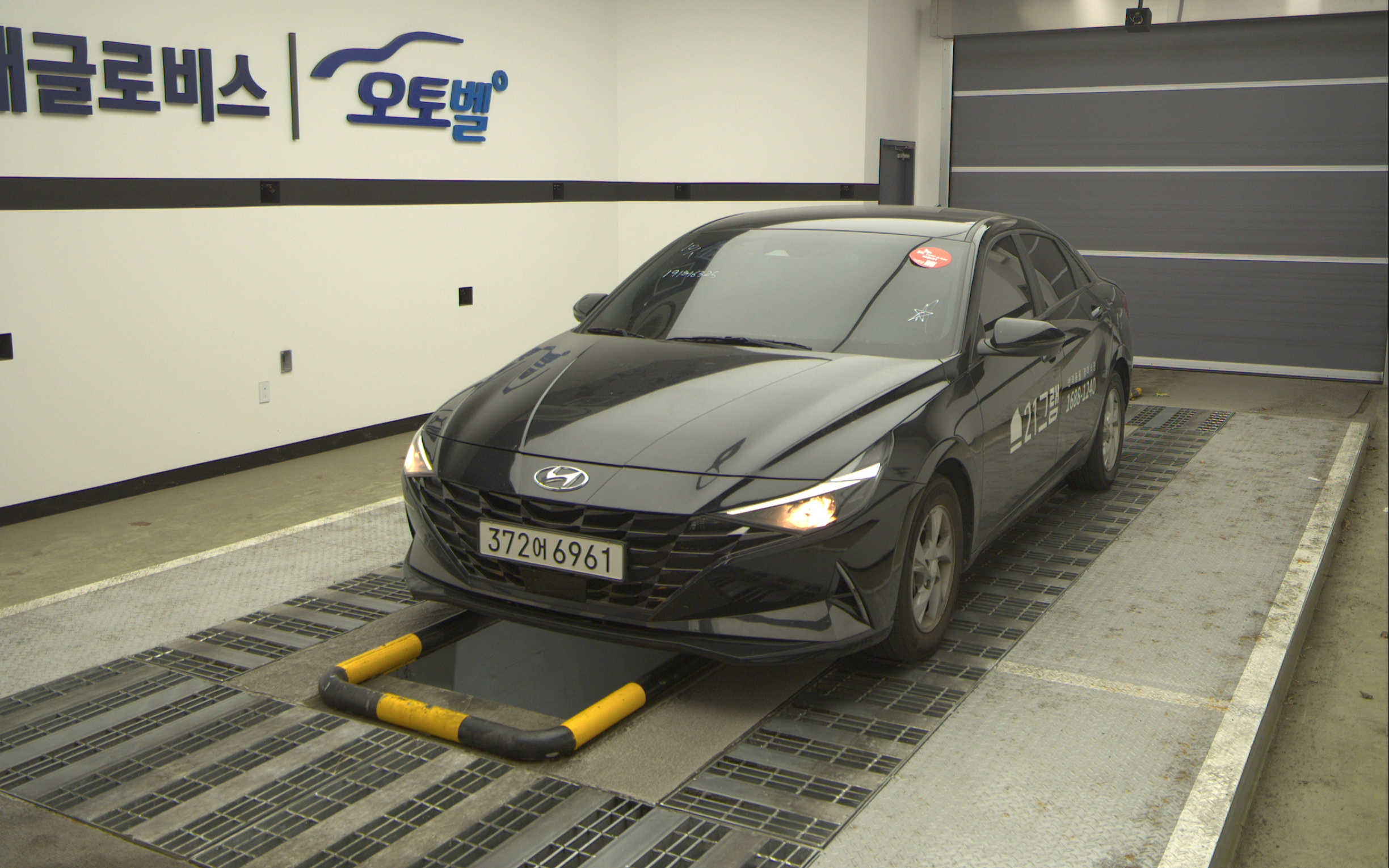
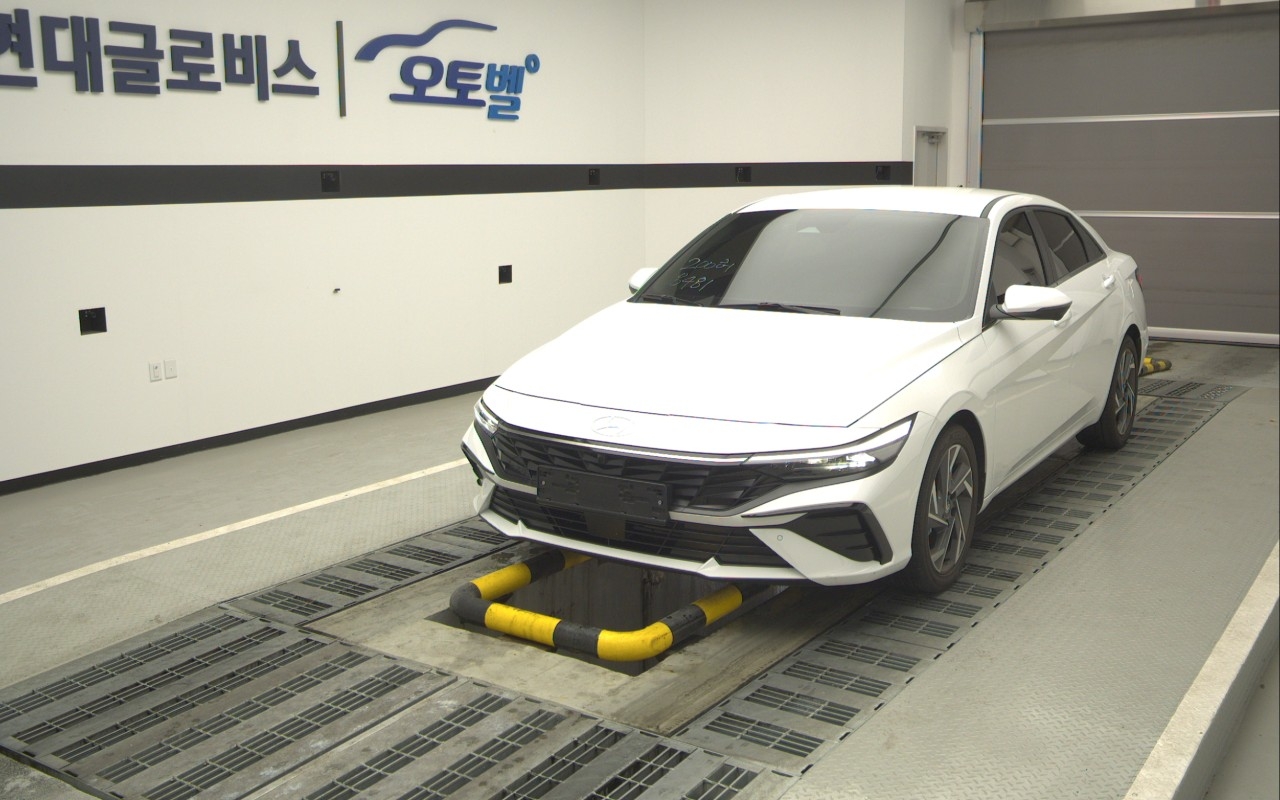
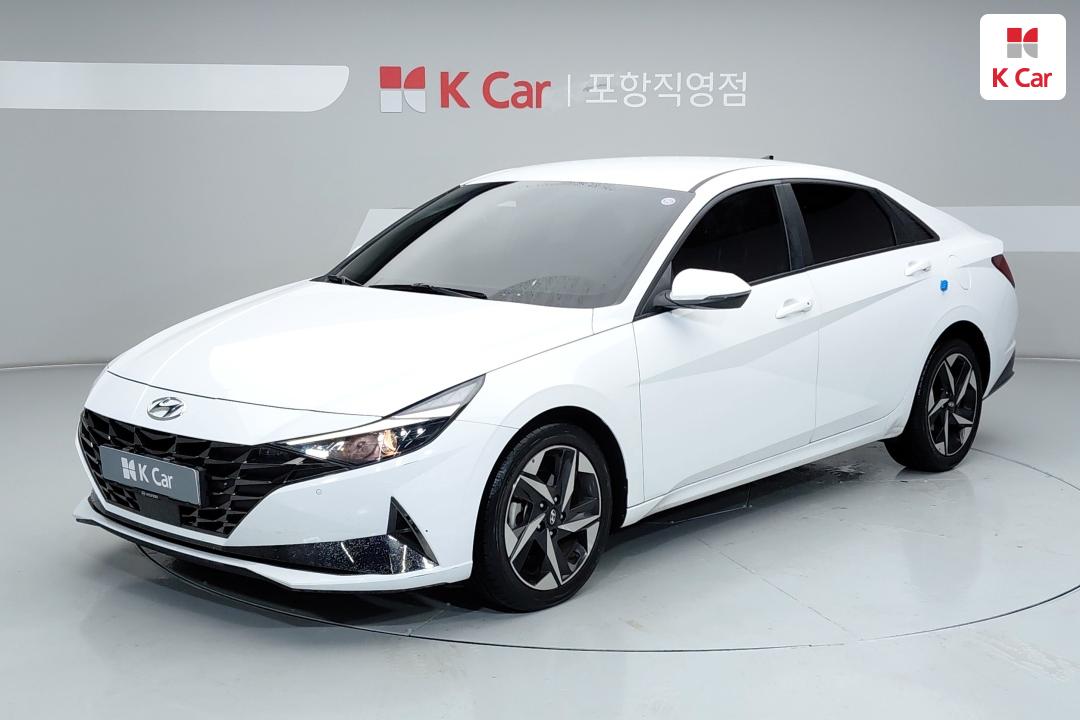
If you’re in the market for a compact hatchback with everyday practicality, the Hyundai Avante offers a compelling package. This guide focuses on buying or selling Hyundai Avante models, with attention to model generations, fuel choices, body styles, and regional considerations that affect price and availability. Whether you’re shopping in a big city or a smaller town, understanding the key details can help you compare options and negotiate confidently.
The Avante nameplate is associated with a compact, versatile hatchback that blends efficiency with a comfortable cabin. In different markets, you’ll find variations in generation, engine options, and trim levels. Typical configurations include sedan-inspired hatchbacks with modern infotainment, safety features, and reliable performance for daily commuting. When evaluating a Hyundai Avante, consider the generation you’re targeting, the year of manufacture, and the mileage recorded on the odometer.
If you’re nearing a decision, gather a few strong candidates, compare their mileage, service history, and current market prices in your city. A thoughtful approach will help you find a Hyundai Avante that meets your needs while ensuring you aren’t overpaying. For sellers, presenting a clear maintenance record and current condition snapshot can help you attract serious buyers and achieve a fair deal.
 Add as preferred sourceSee more from zvelta in Google Search Add as preferred source