 EN
ENDEALER
15.937 US$DEALER
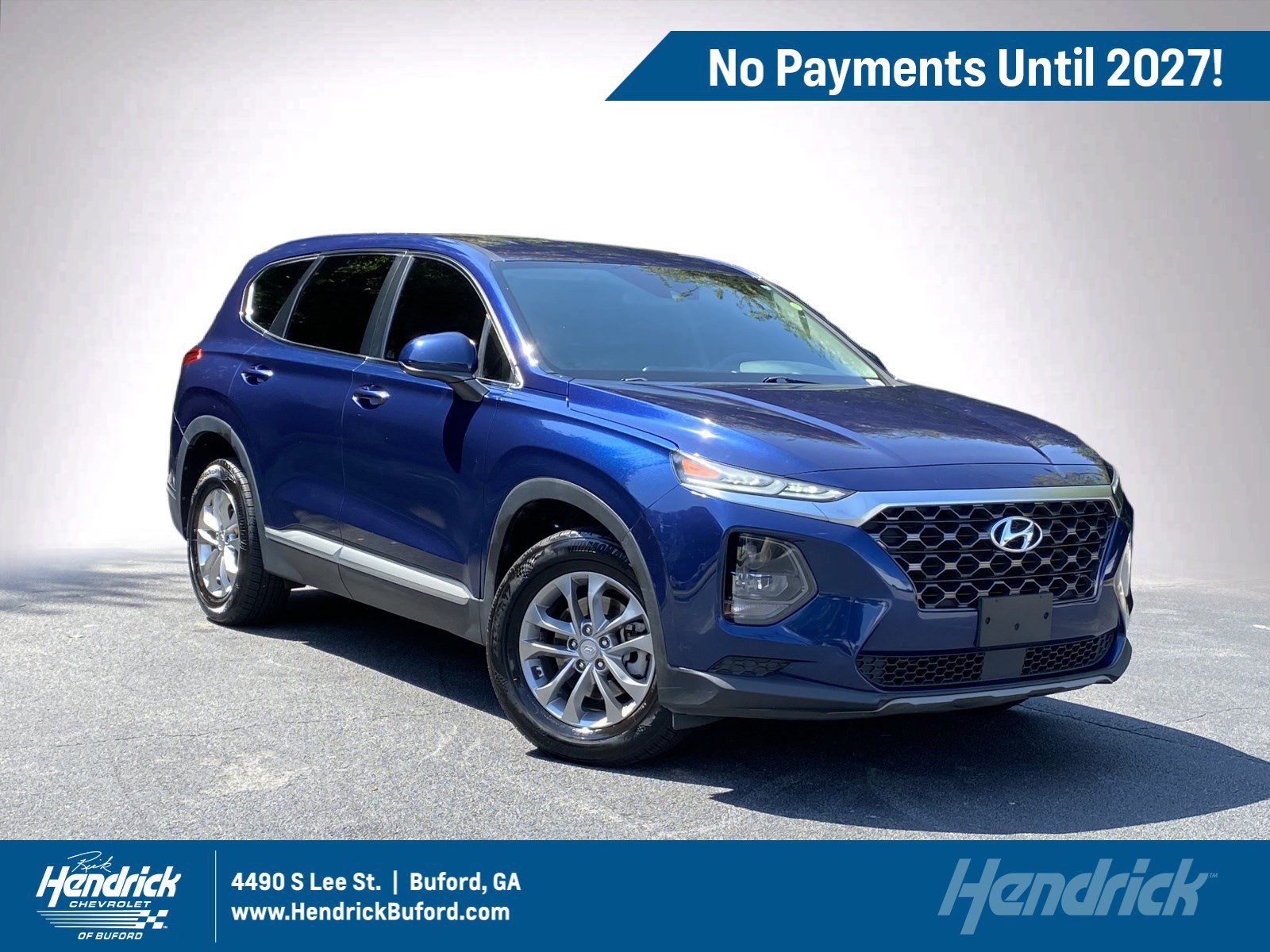
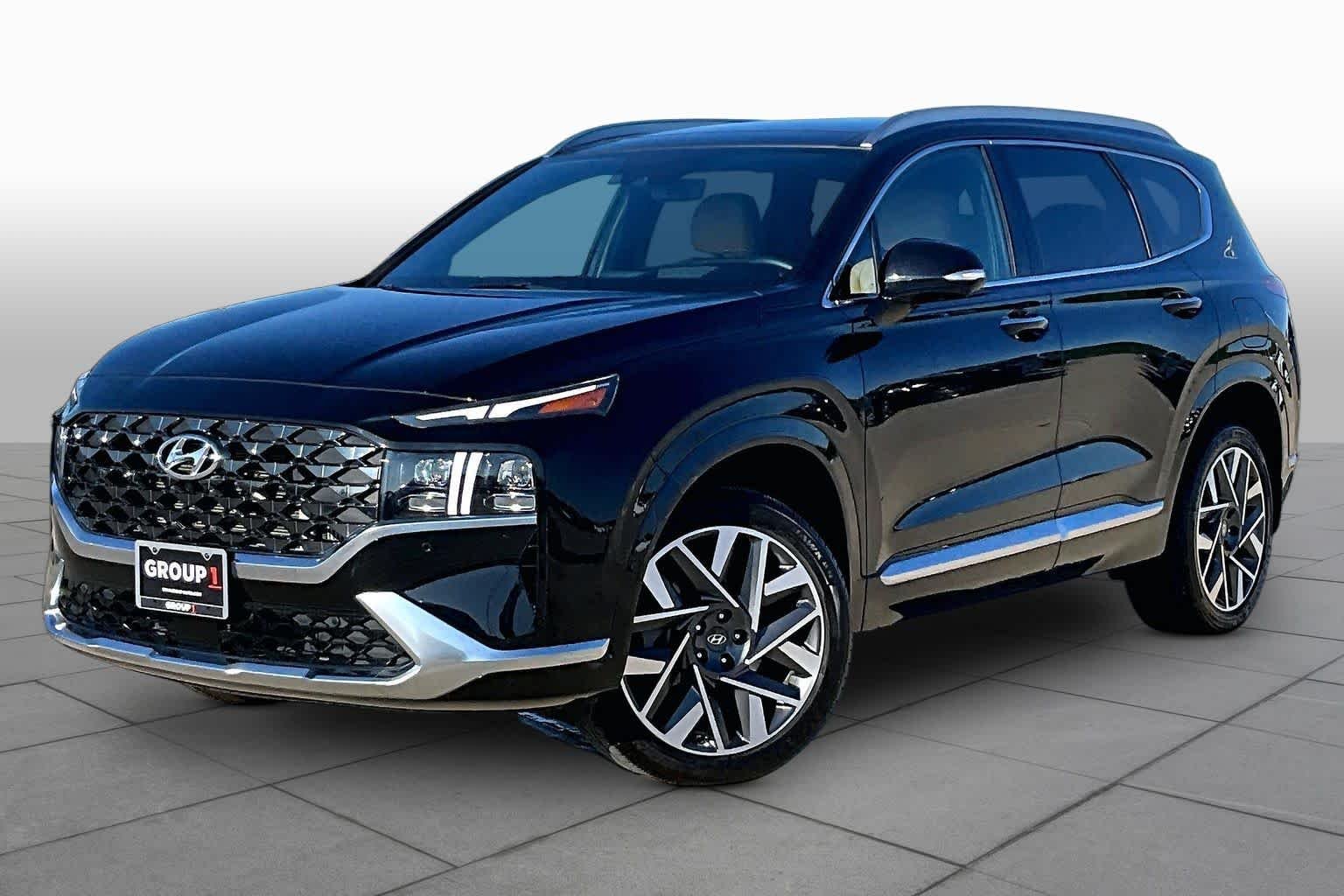
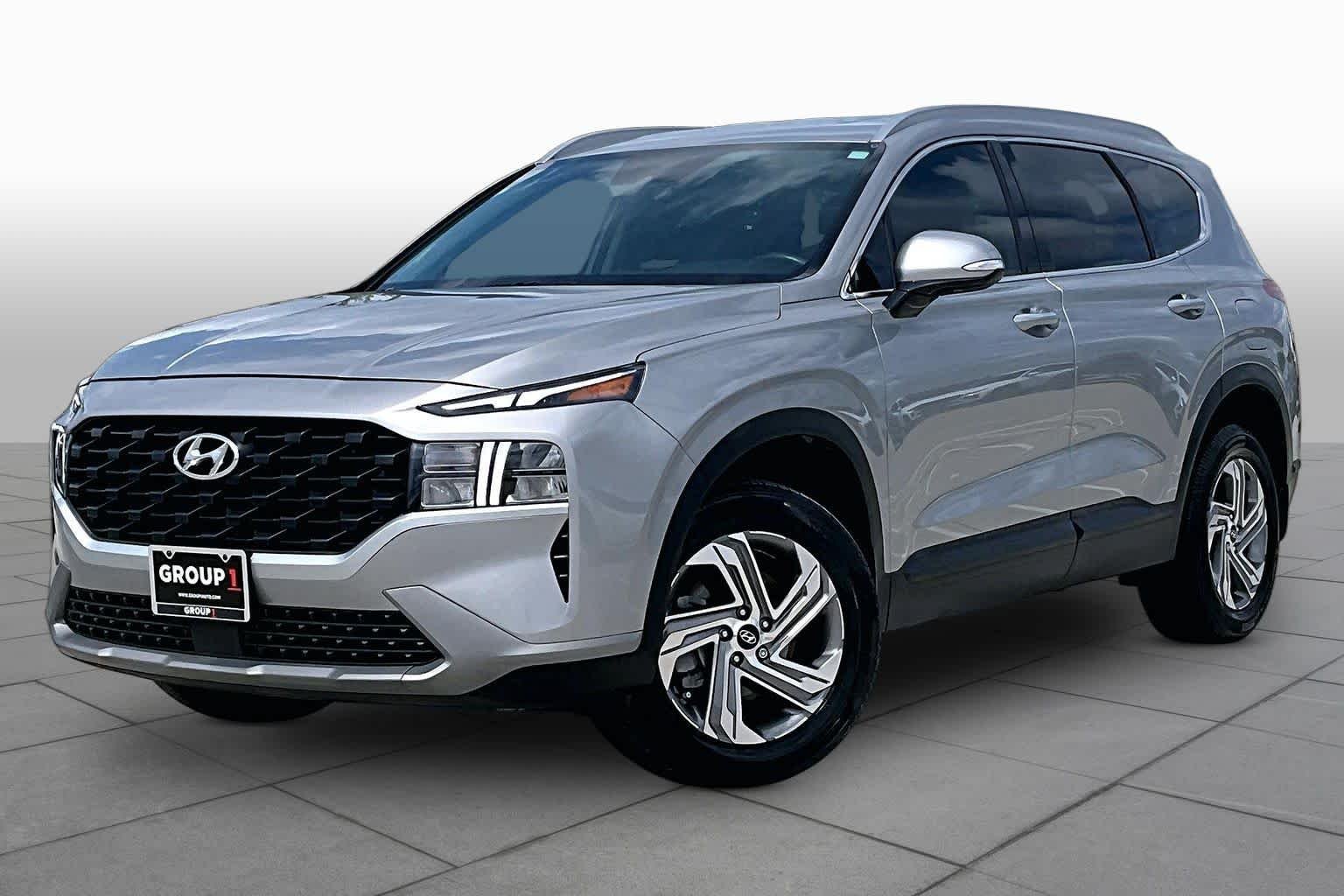
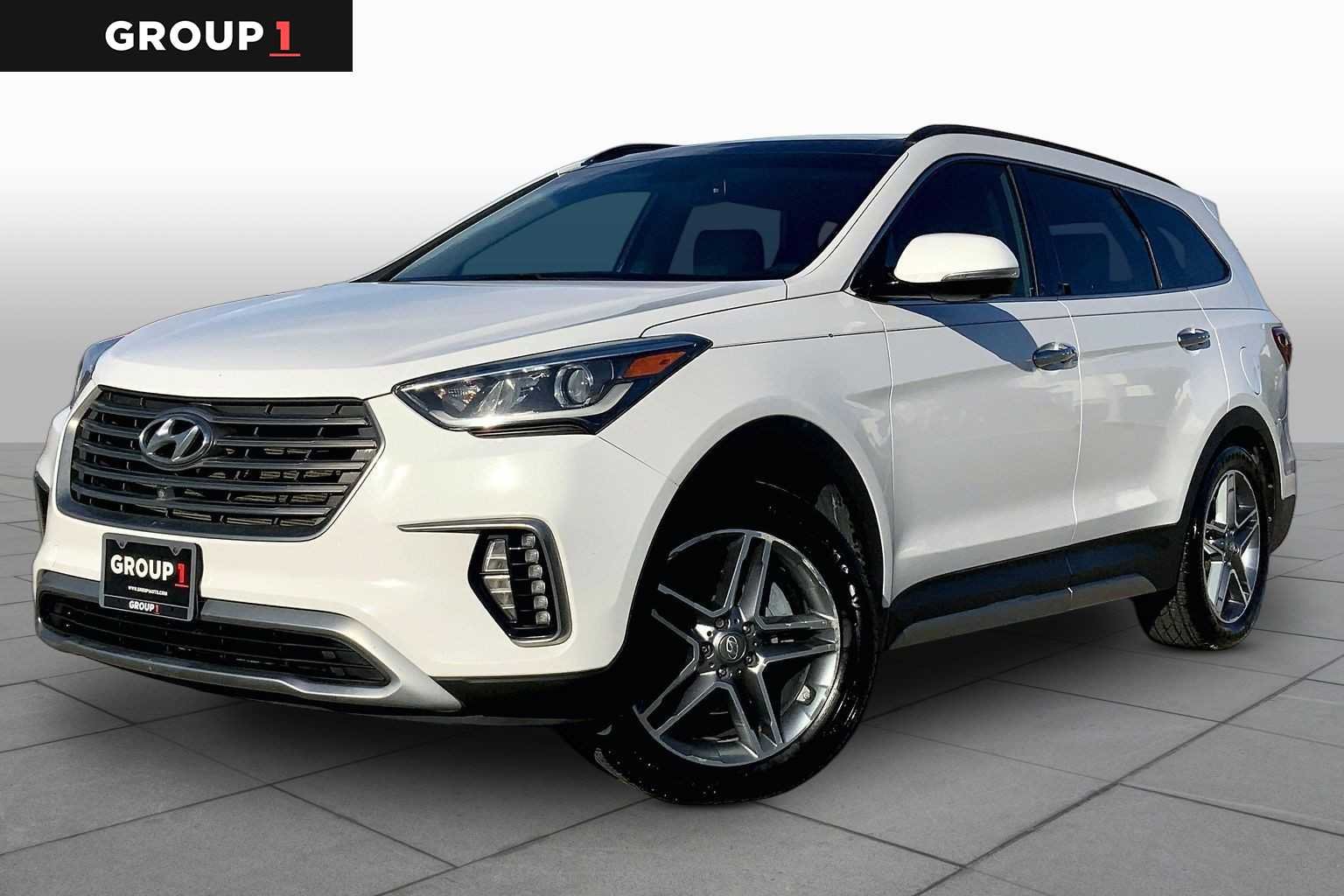
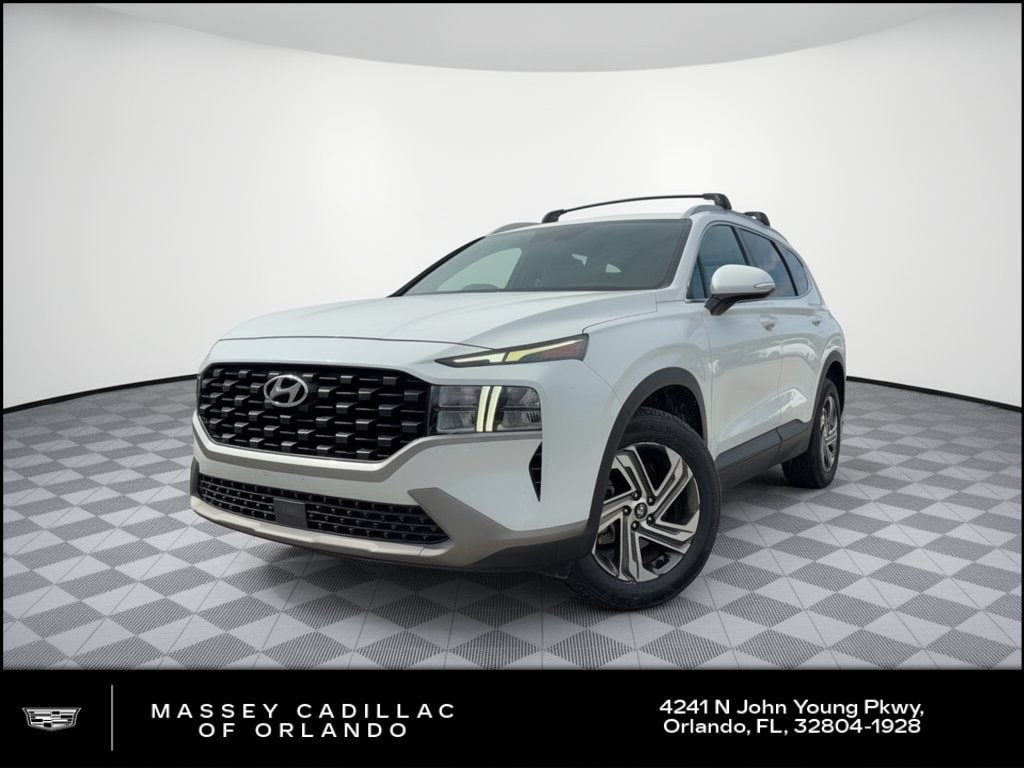
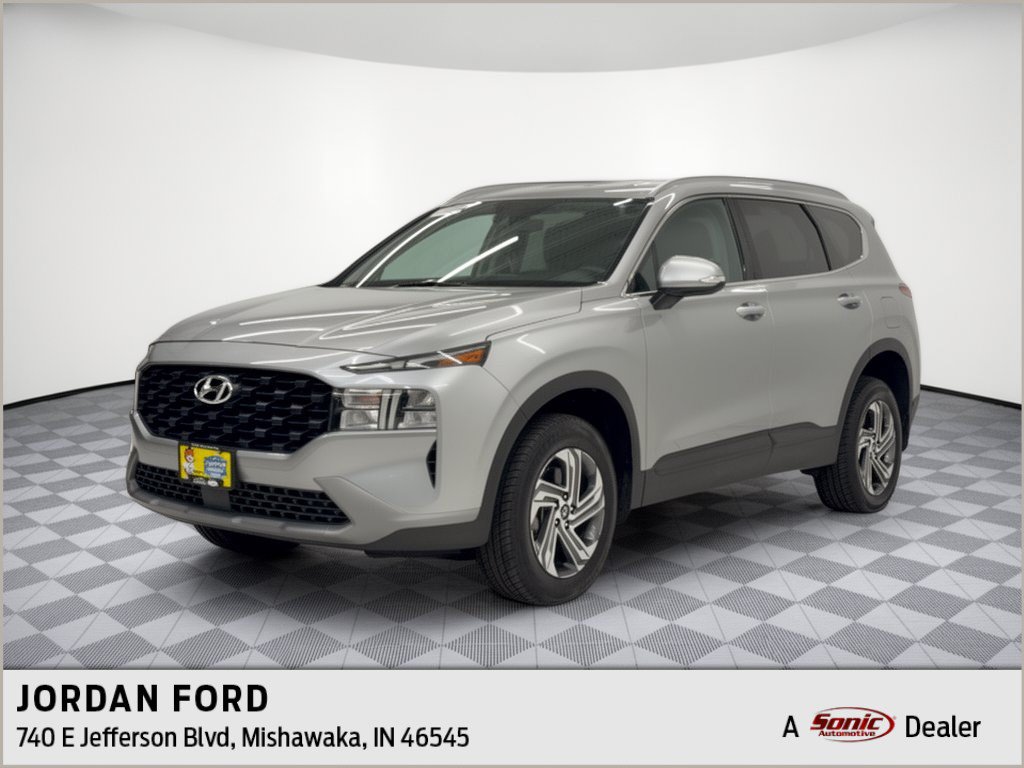
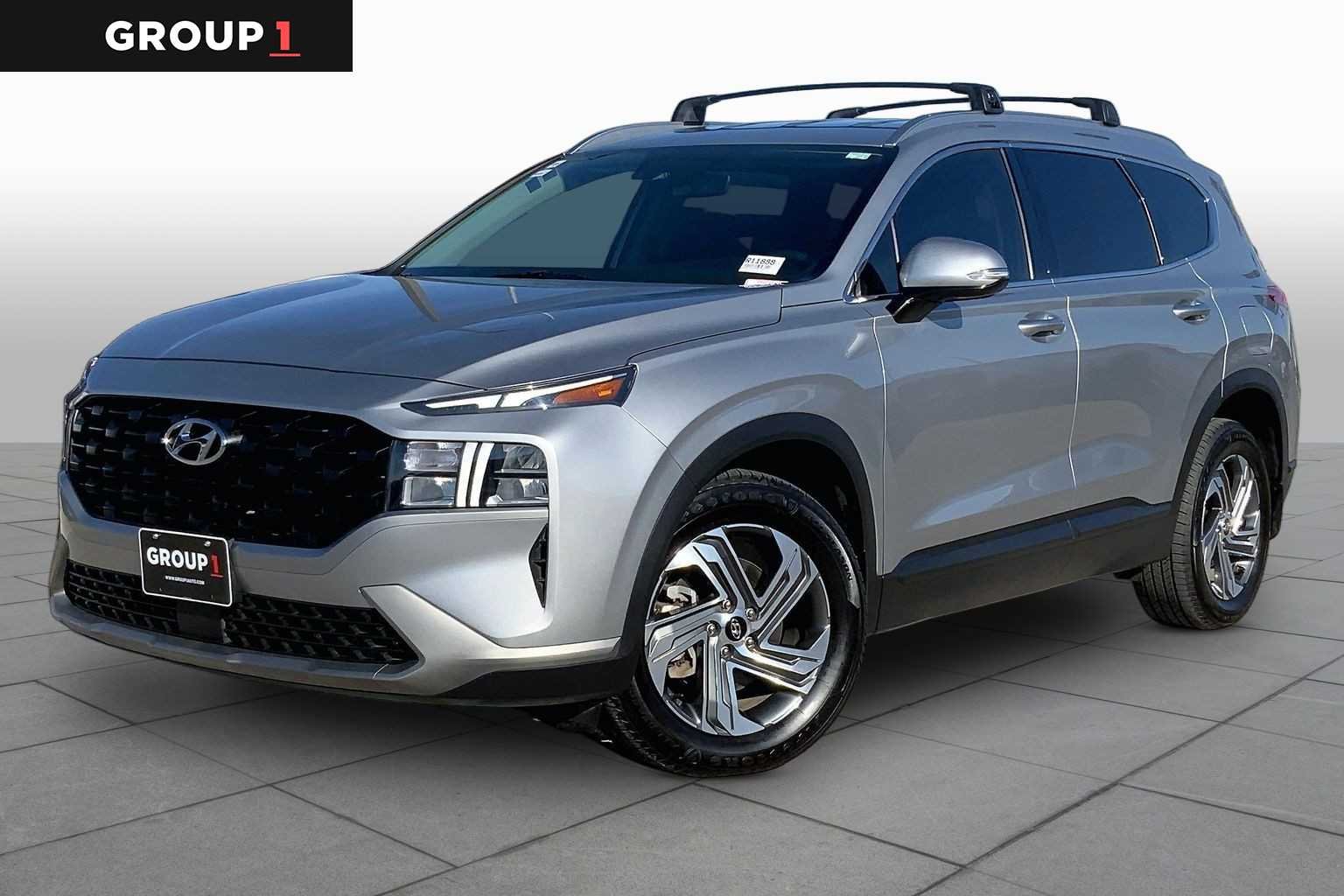
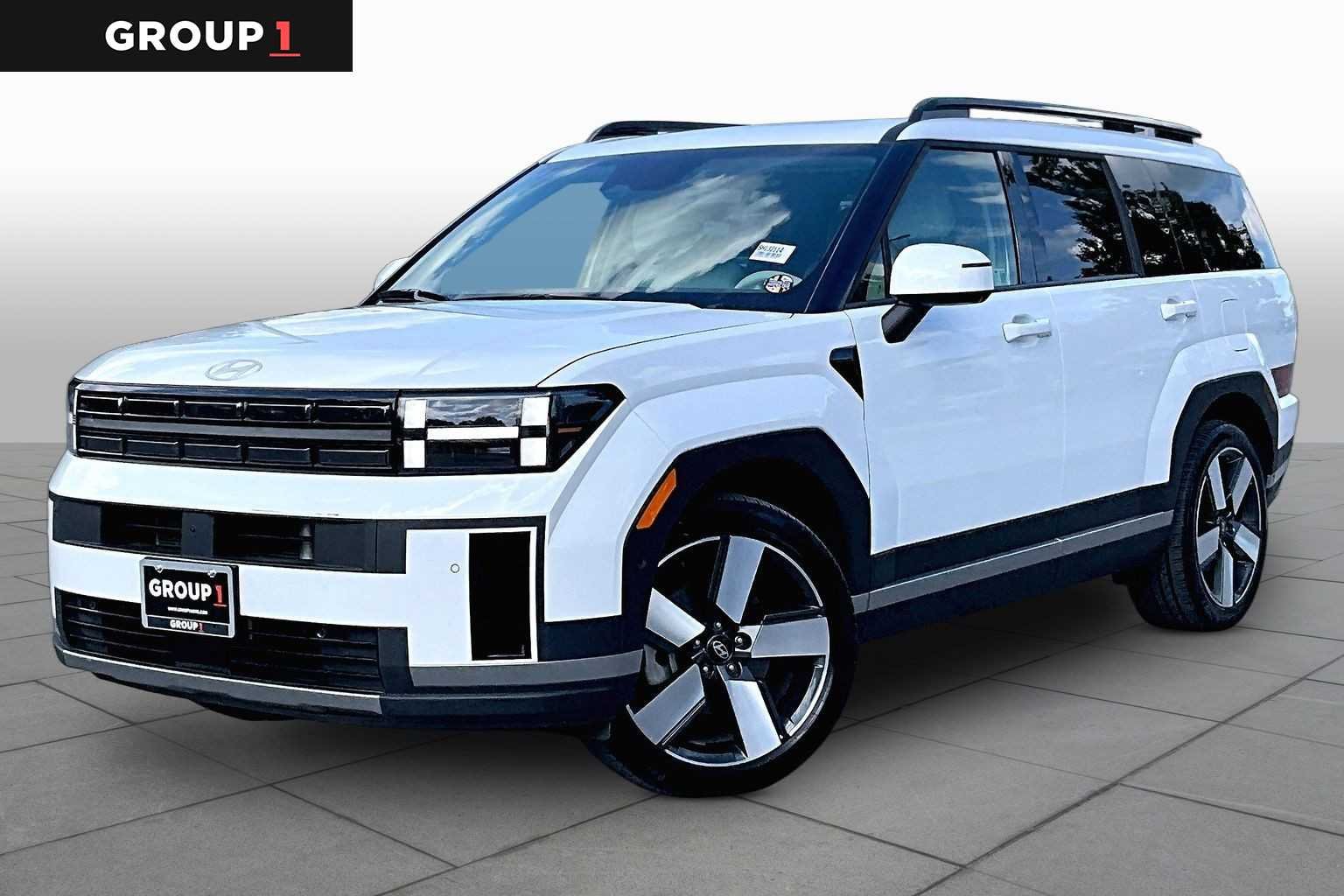
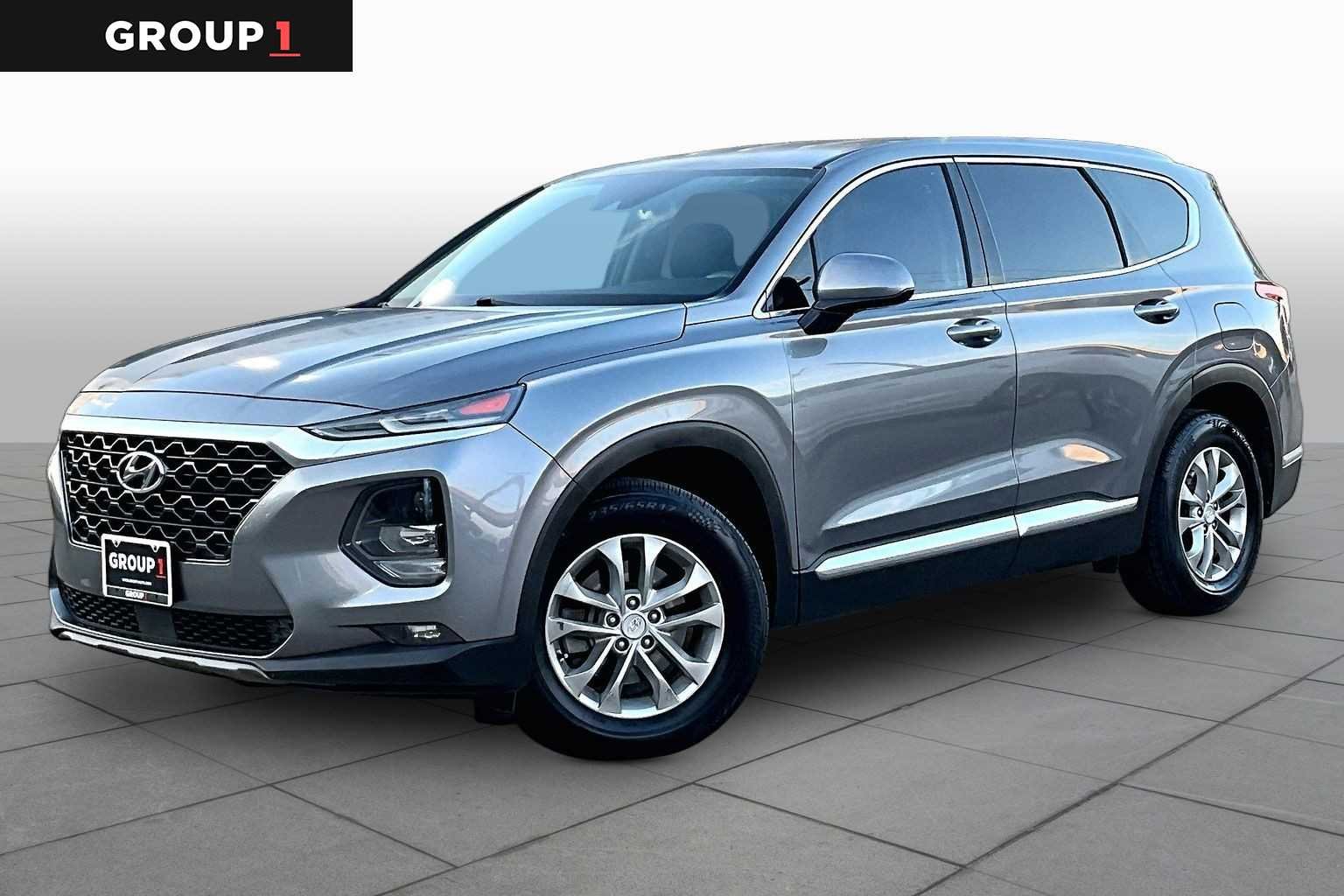
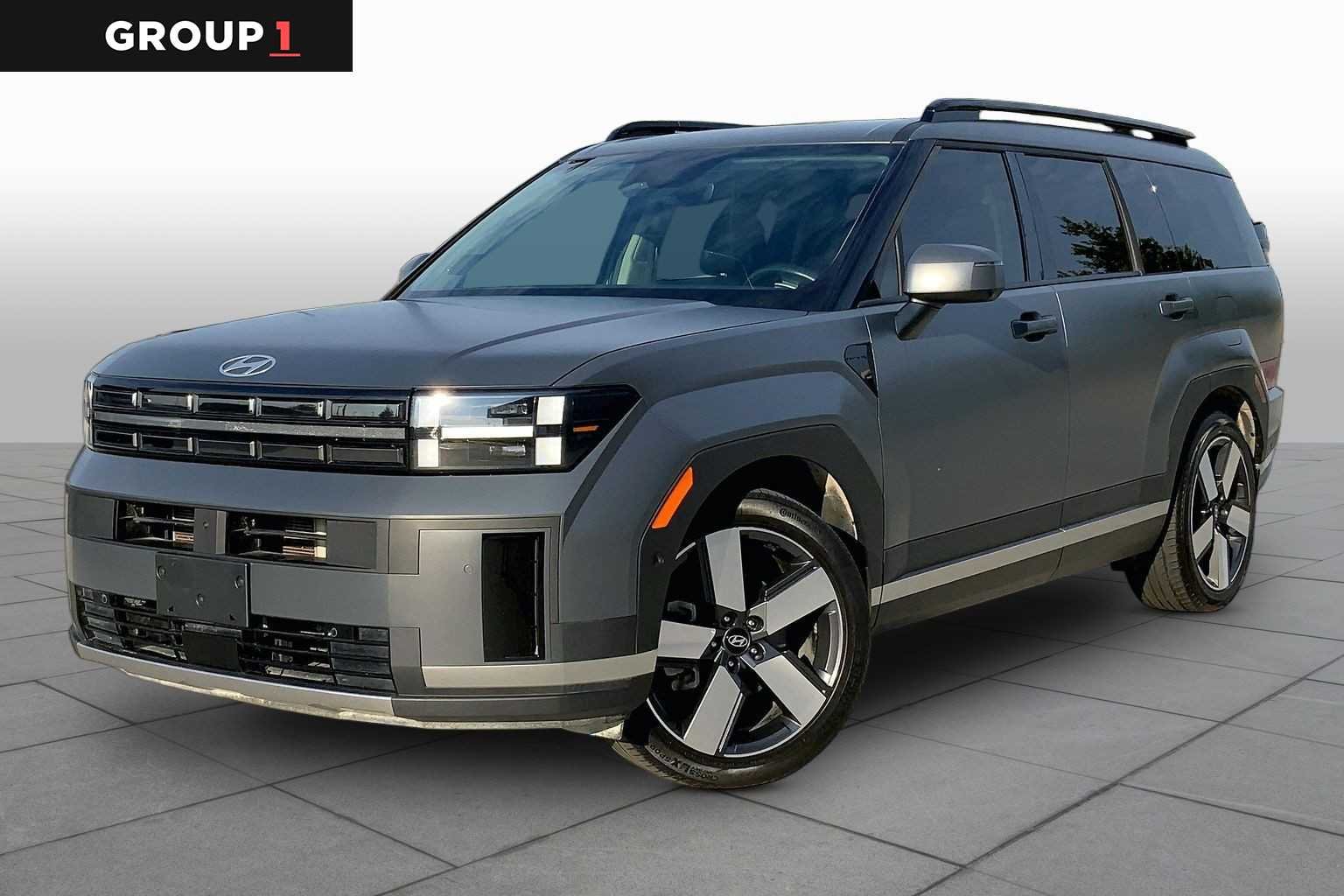
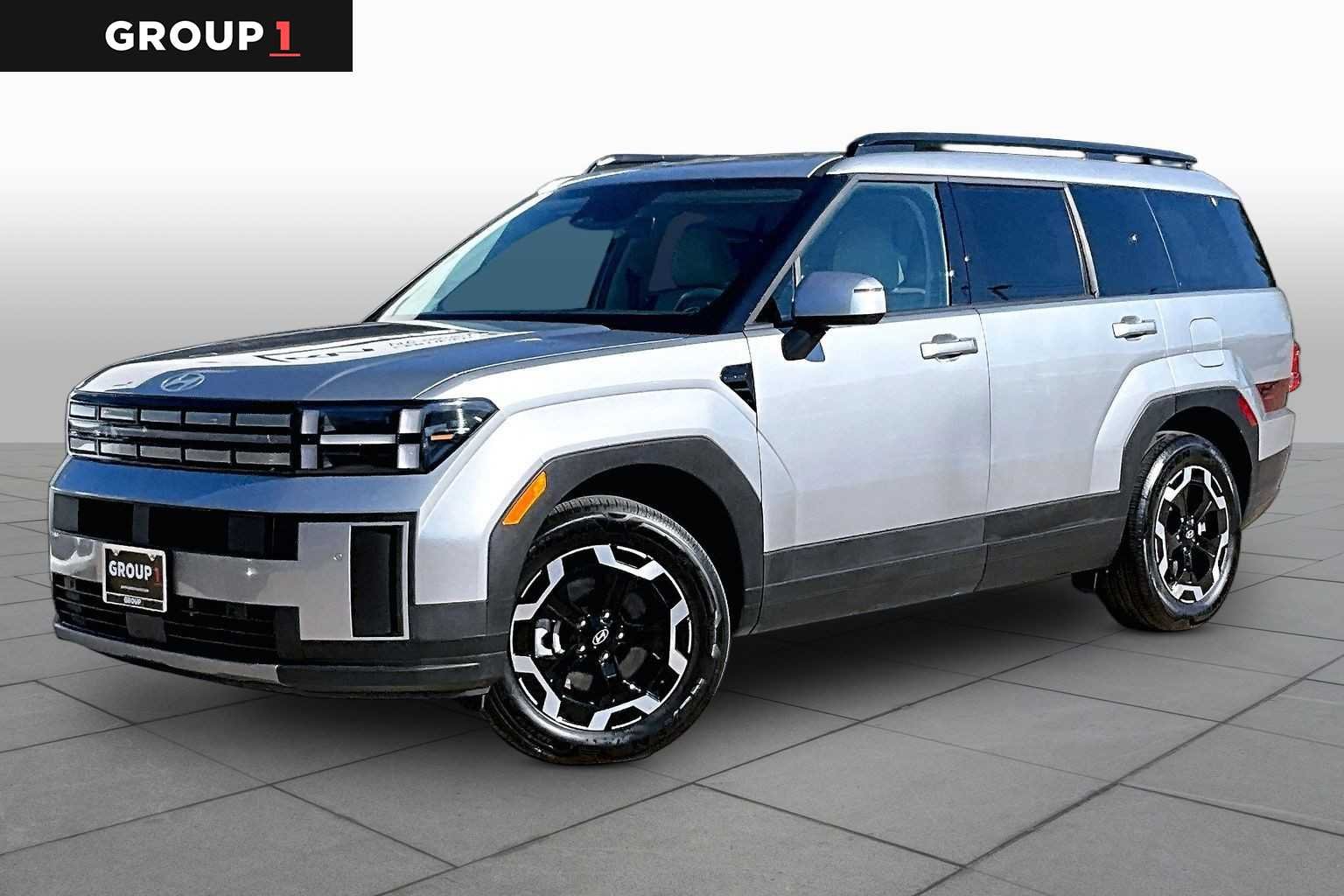
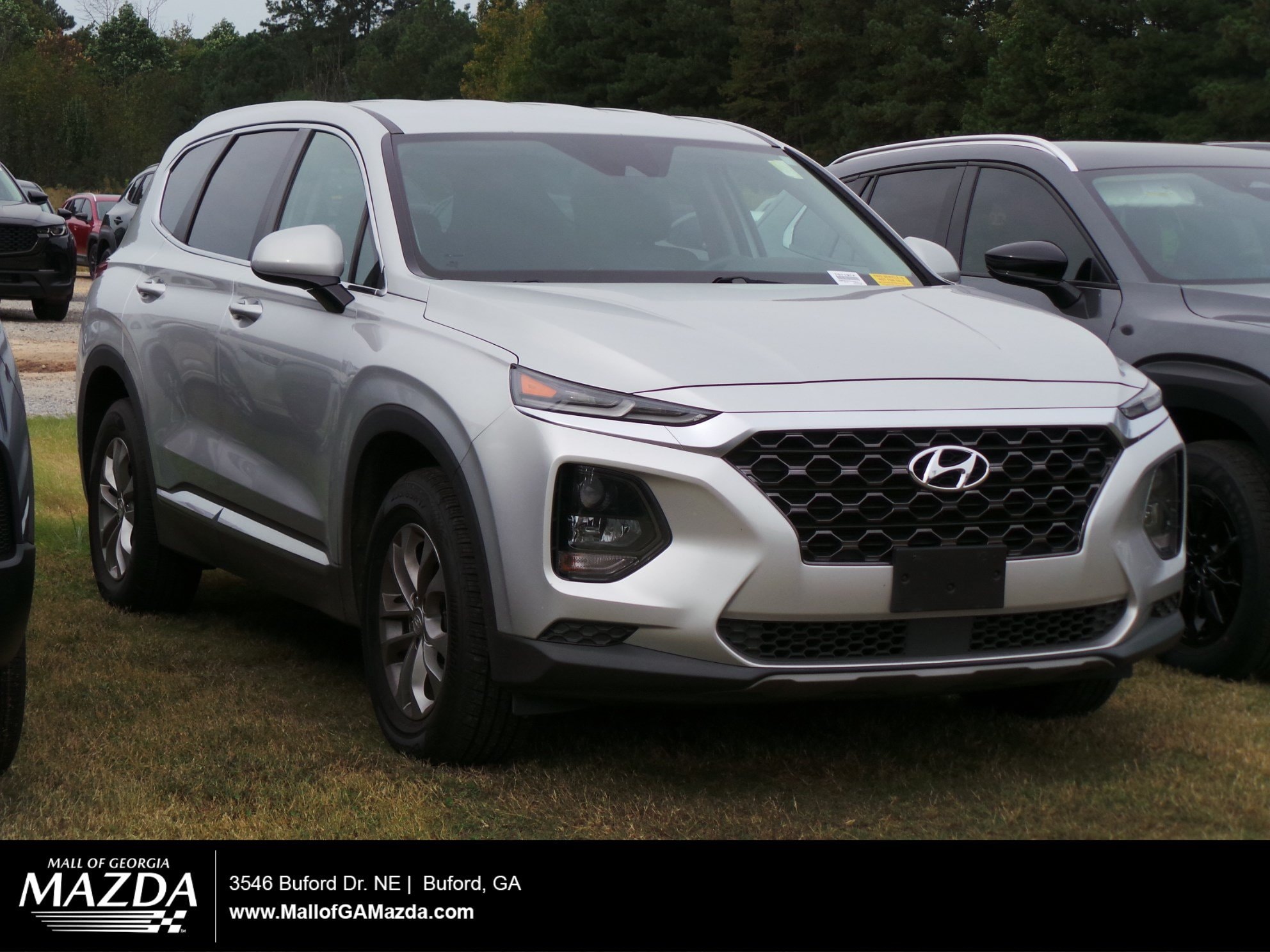
gasoline, automatic, 139K km, SUV, All Wheels Drive, 2,400 cm3, 185 hp, silver, Used condition, USA, In stock

HendrickCars.com
 Buford, United States
 Buford, United StatesBuford, United StatesBuford, United StatesRock Hill, United StatesHickory, United States
 Southwest, United StatesSouthwest, United StatesSouthwest, United StatesSouthwest, United StatesSouthwest, United StatesSouthwest, United StatesOrlando, United StatesOrlando, United StatesMishawaka, United StatesMishawaka, United StatesLot, United StatesLot, United StatesLot, United StatesAustin, United StatesAustin, United StatesAustin, United StatesMain Settlement, United StatesMain Settlement, United StatesMain Settlement, United StatesMain Settlement, United States
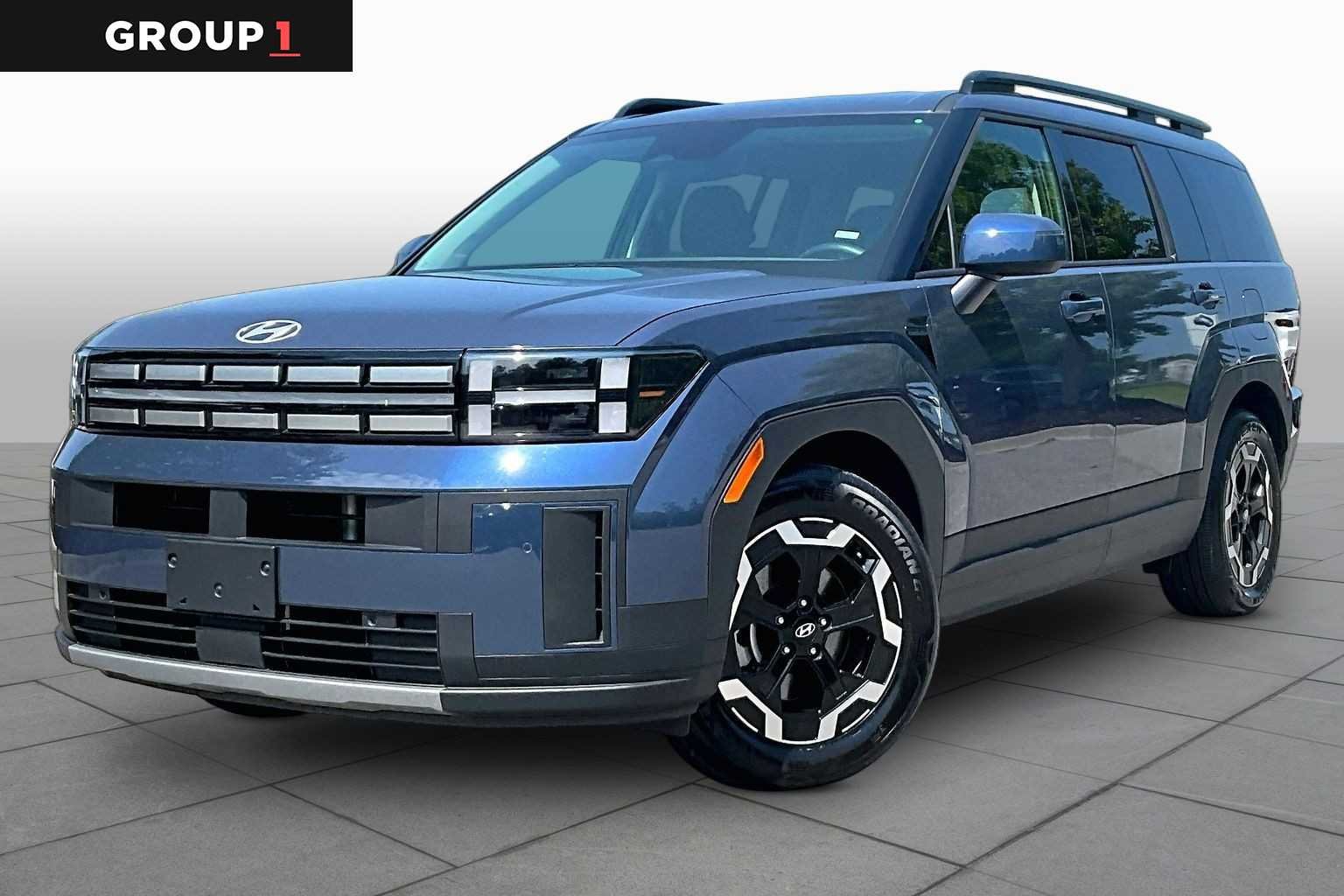
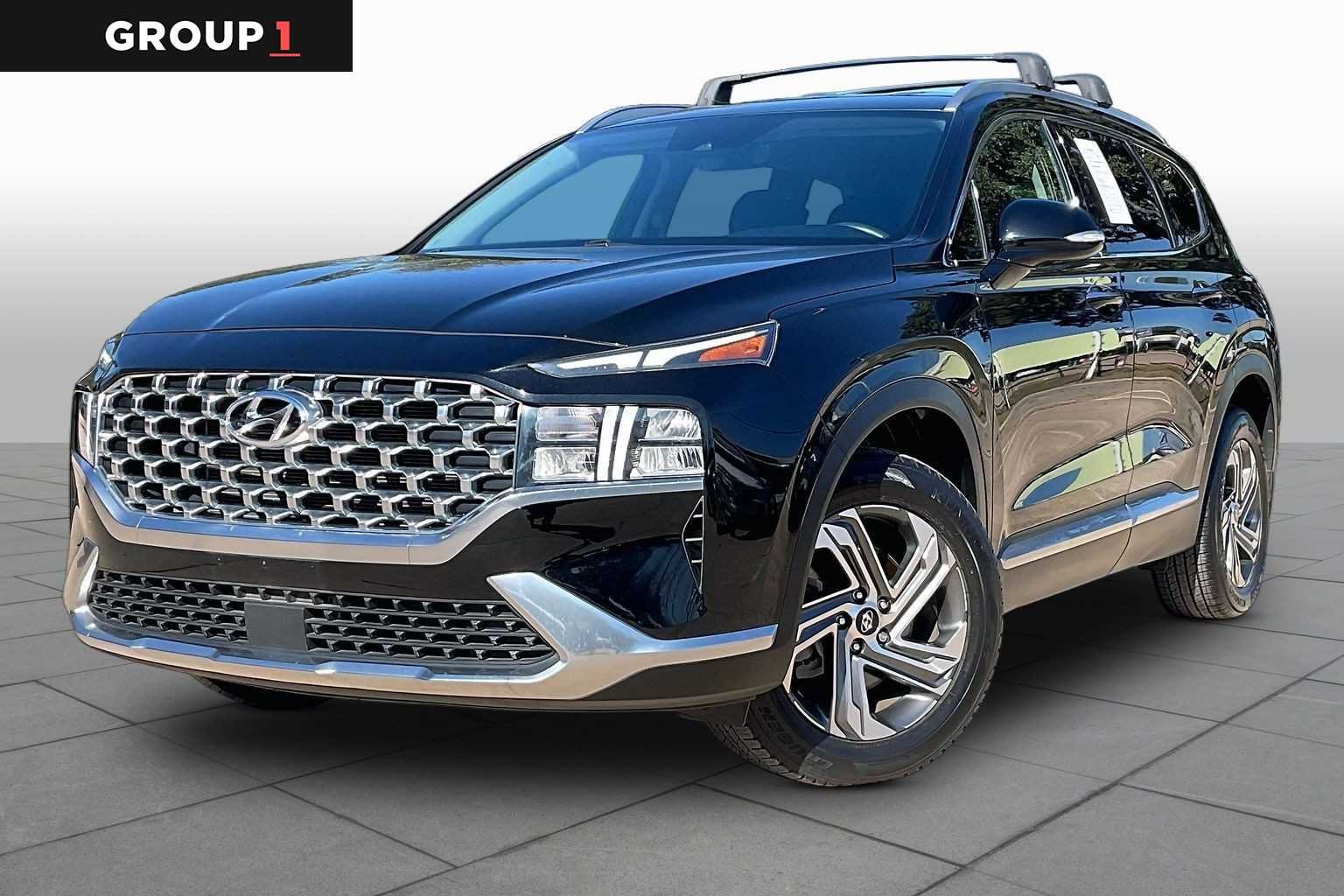
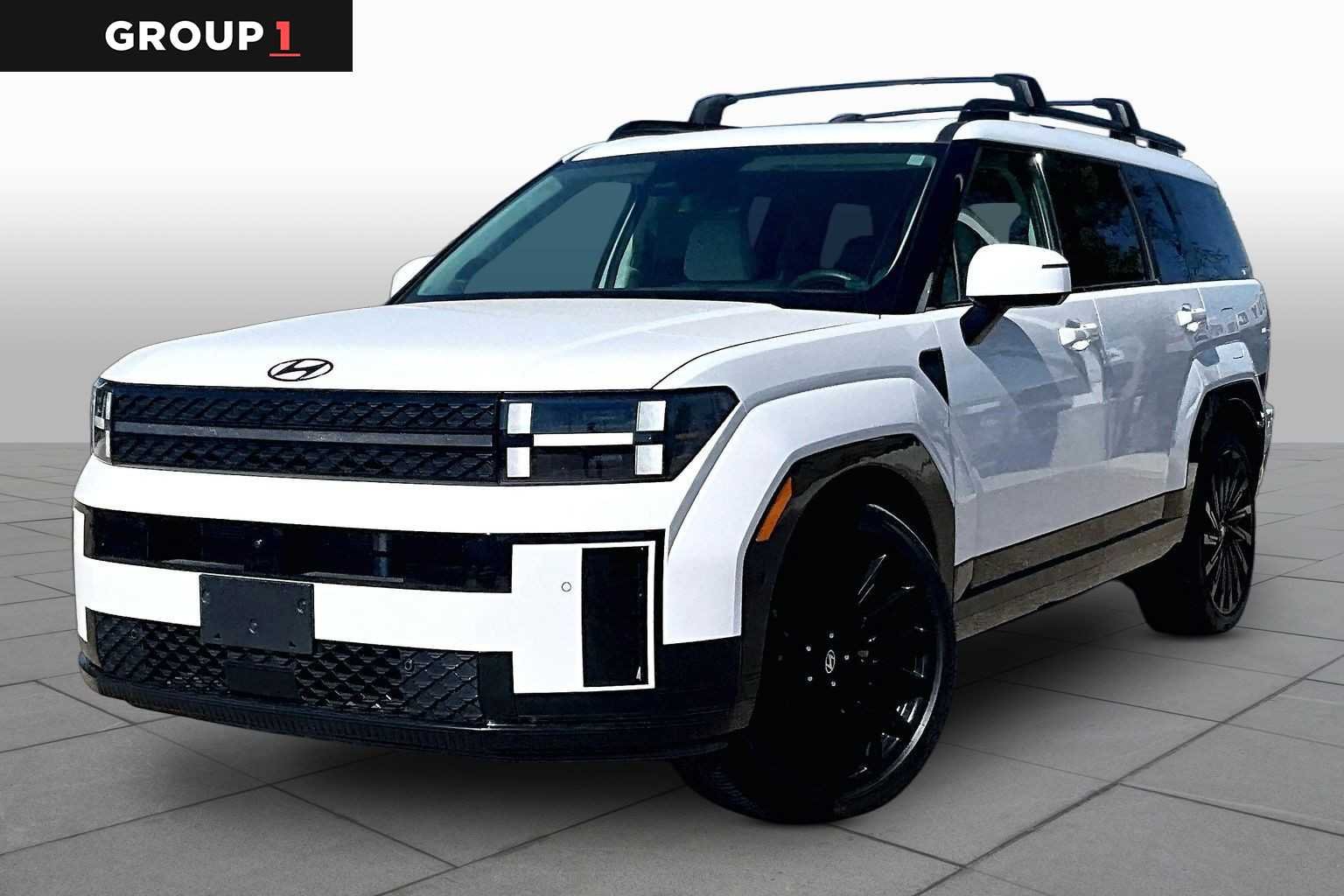
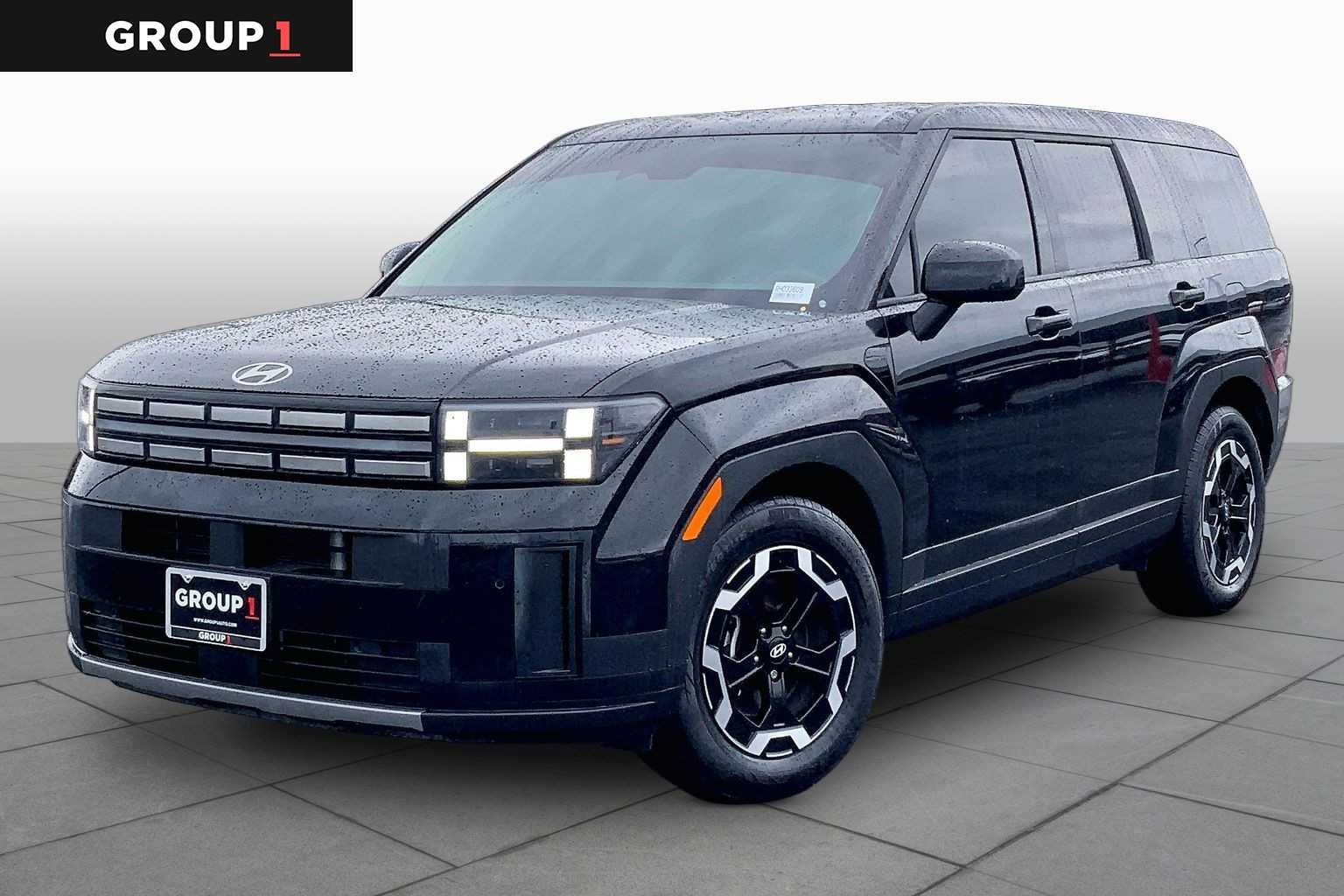
The Hyundai Santa Fe is a popular midsize SUV known for its blend of comfort, versatility, and value. If you’re considering purchasing or selling a Hyundai Santa Fe, understanding the key factors—model year, generation, engine choice, mileage, body style, and regional pricing—can help you make a smarter decision and avoid common pitfalls. This guide walks you through what to look for, how to compare different configurations, and practical steps to ensure you get a fair deal in your city.
When evaluating a Santa Fe, buyers typically consider the generation and trim level that fit their needs. The model has evolved through several generations, each offering distinct features. Important variables include:
In a typical market, you’ll find Santa Fe models priced across segments—from affordable units with higher mileage to newer, well-equipped trims in mid-range brackets. When shopping, compare trims that offer the features you value most, such as advanced driver assistance systems, infotainment options, and all-wheel drive capabilities.
Pricing for the Hyundai Santa Fe is influenced by year, generation, mileage, trim, and regional market conditions. To gauge a fair price:
Negotiating tips:
If you’re listing a Santa Fe for sale, present a clear, honest profile to attract serious buyers:
Set a realistic price by referencing local listings for similar Santa Fe models. A clean, accurate description paired with competitive pricing can speed up the sale and reduce negotiations.
If you’re searching for a Hyundai Santa Fe in your country and city, understanding these factors helps you choose confidently, compare offers, and close a fair deal whether you’re buying or selling.
 Add as preferred sourceSee more from zvelta in Google Search Add as preferred source