 EN
ENDEALER
€19,211DEALER
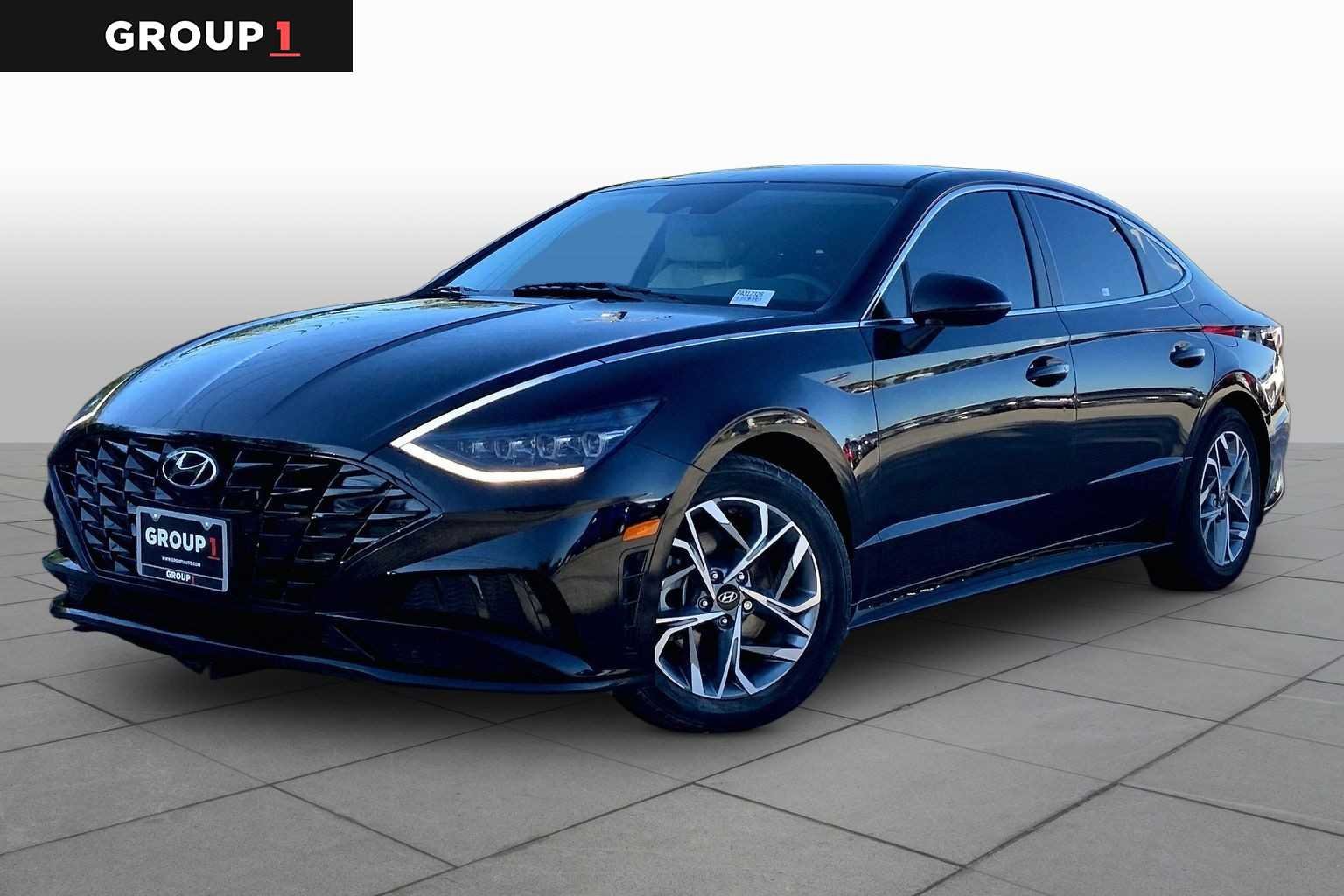
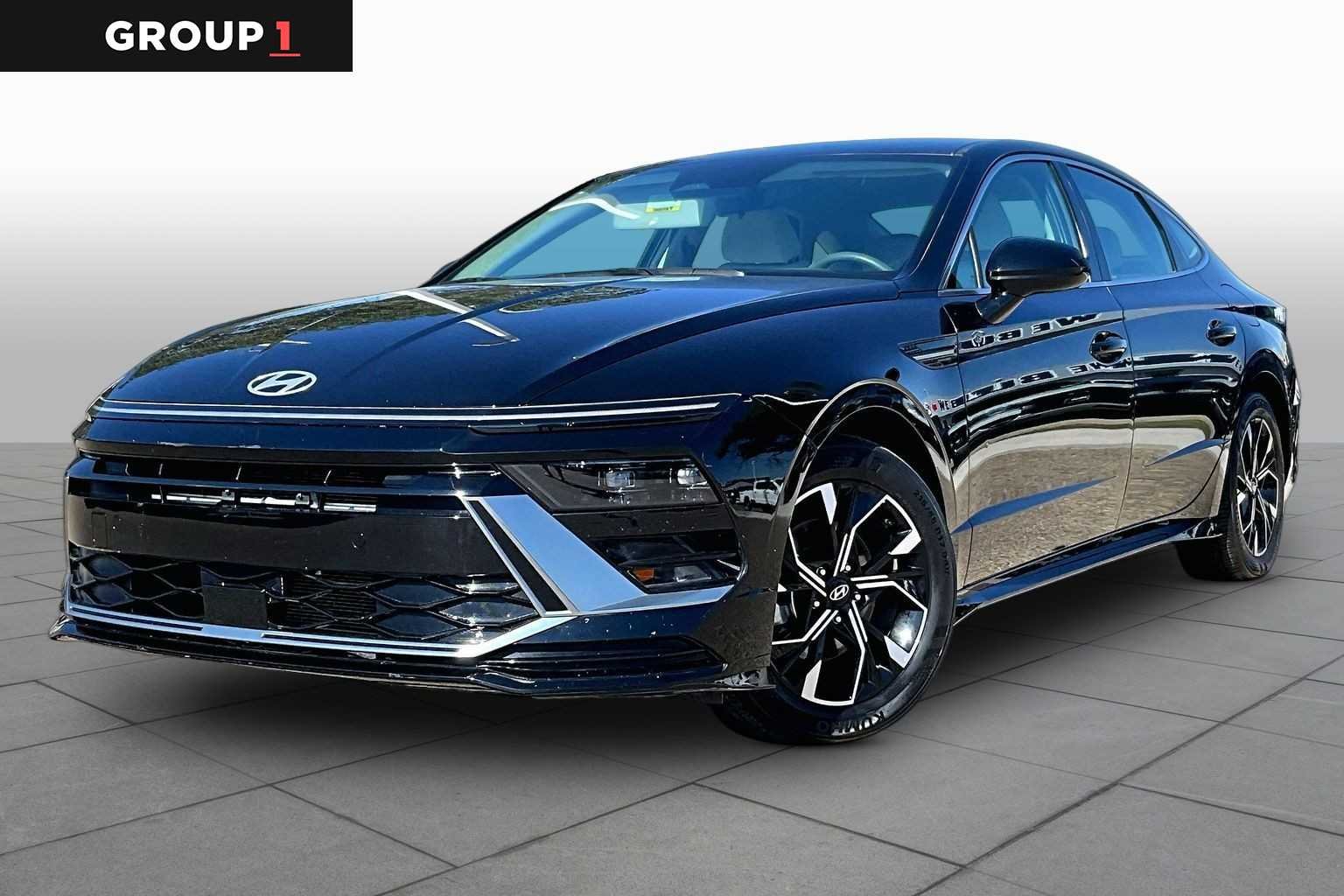
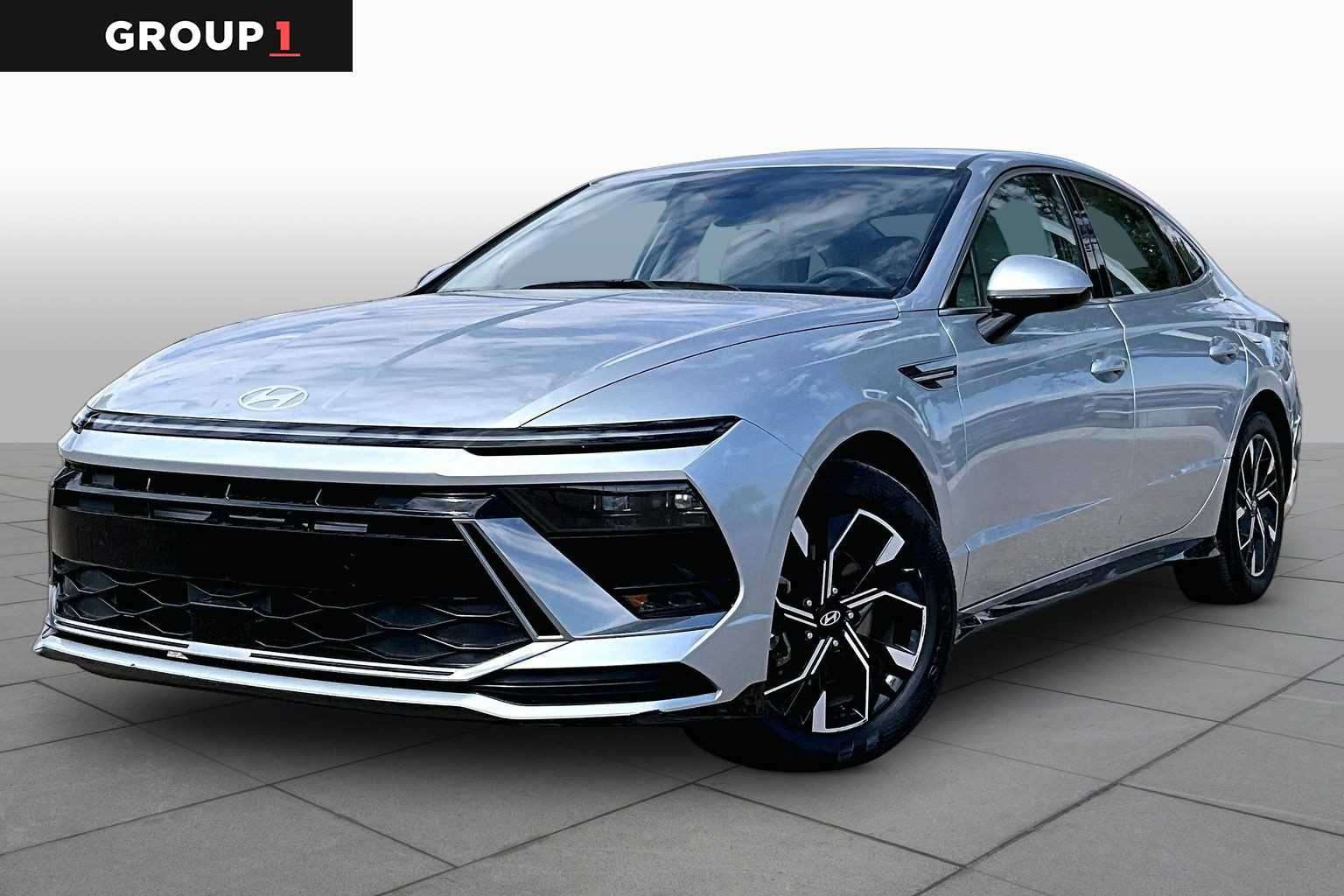
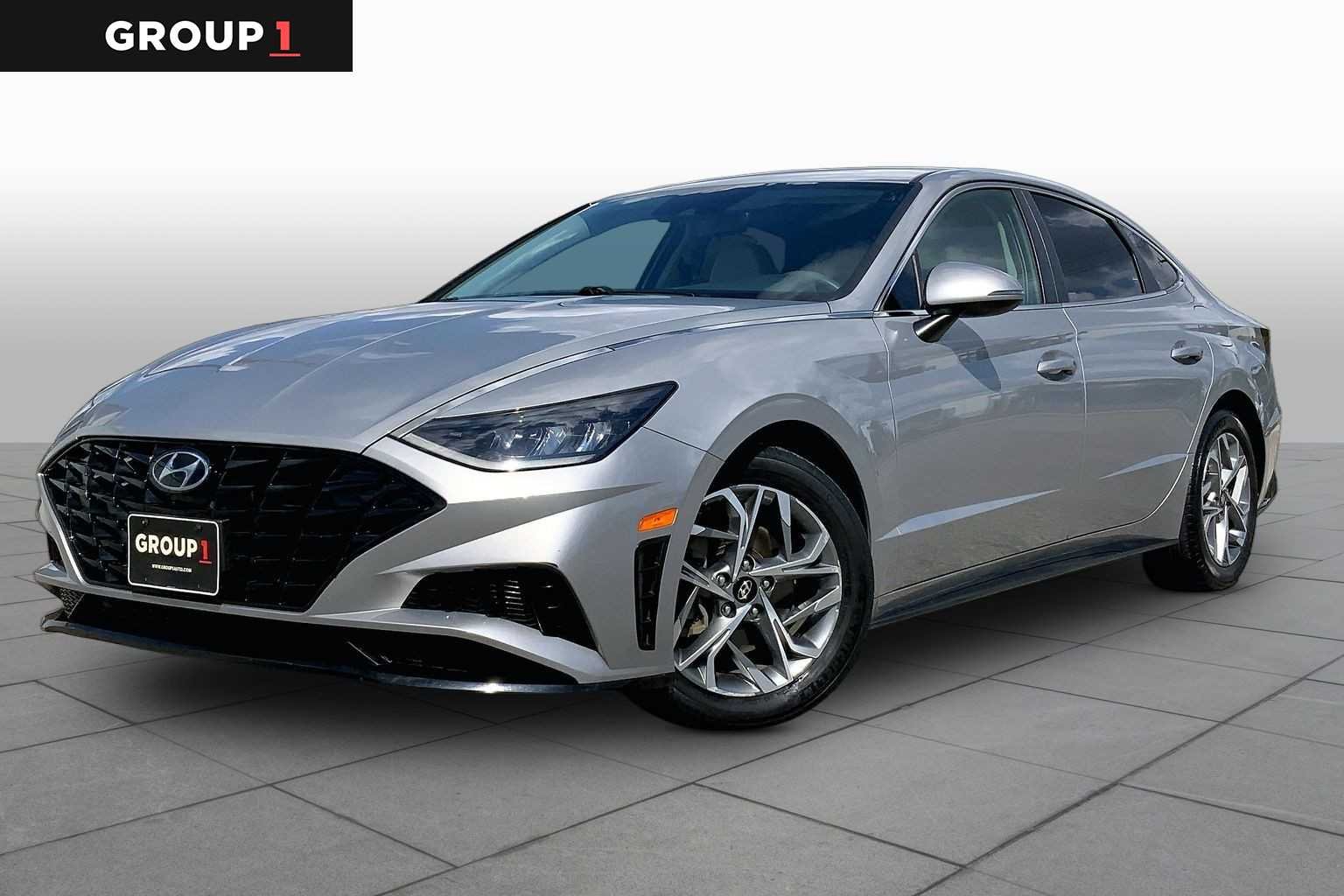
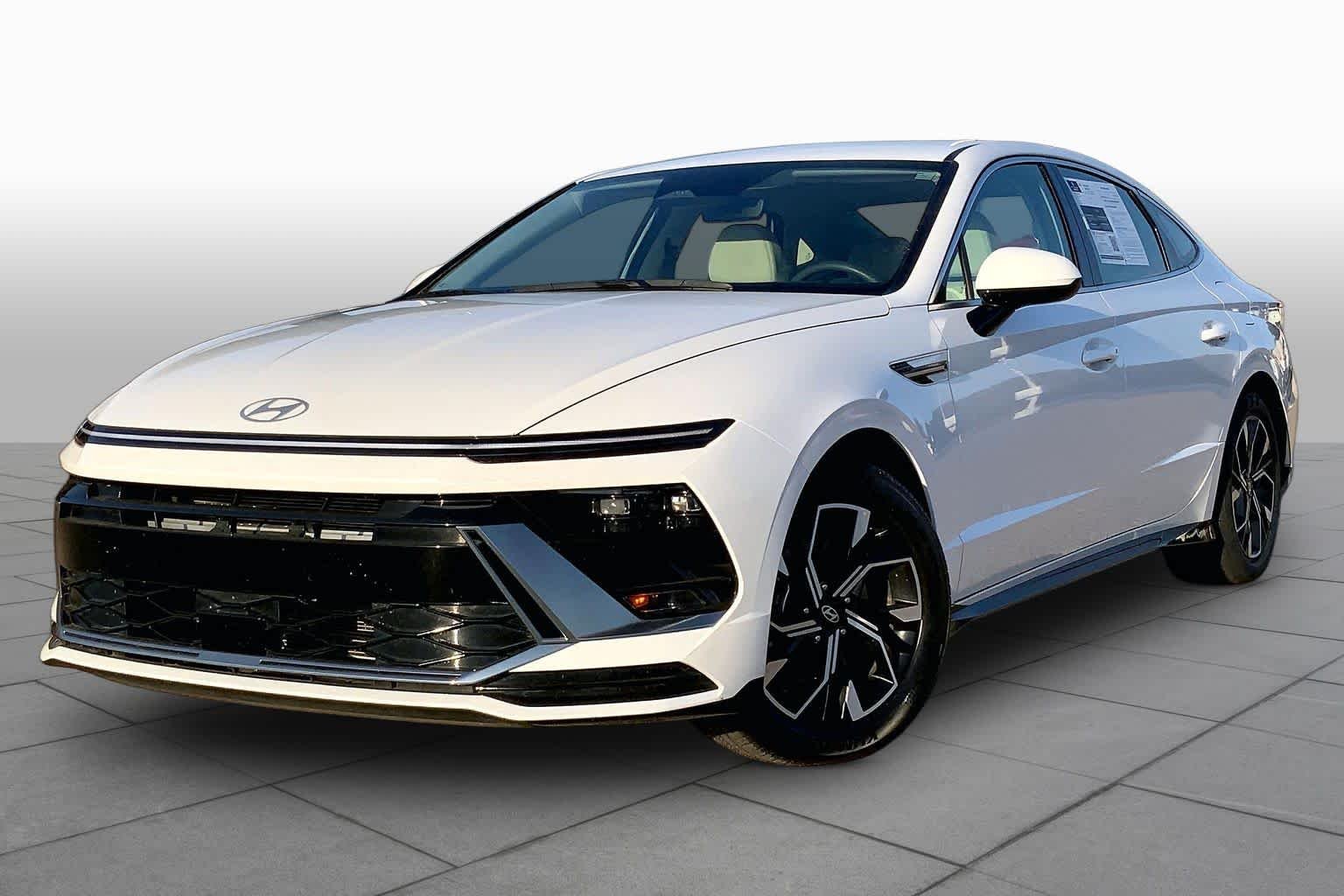
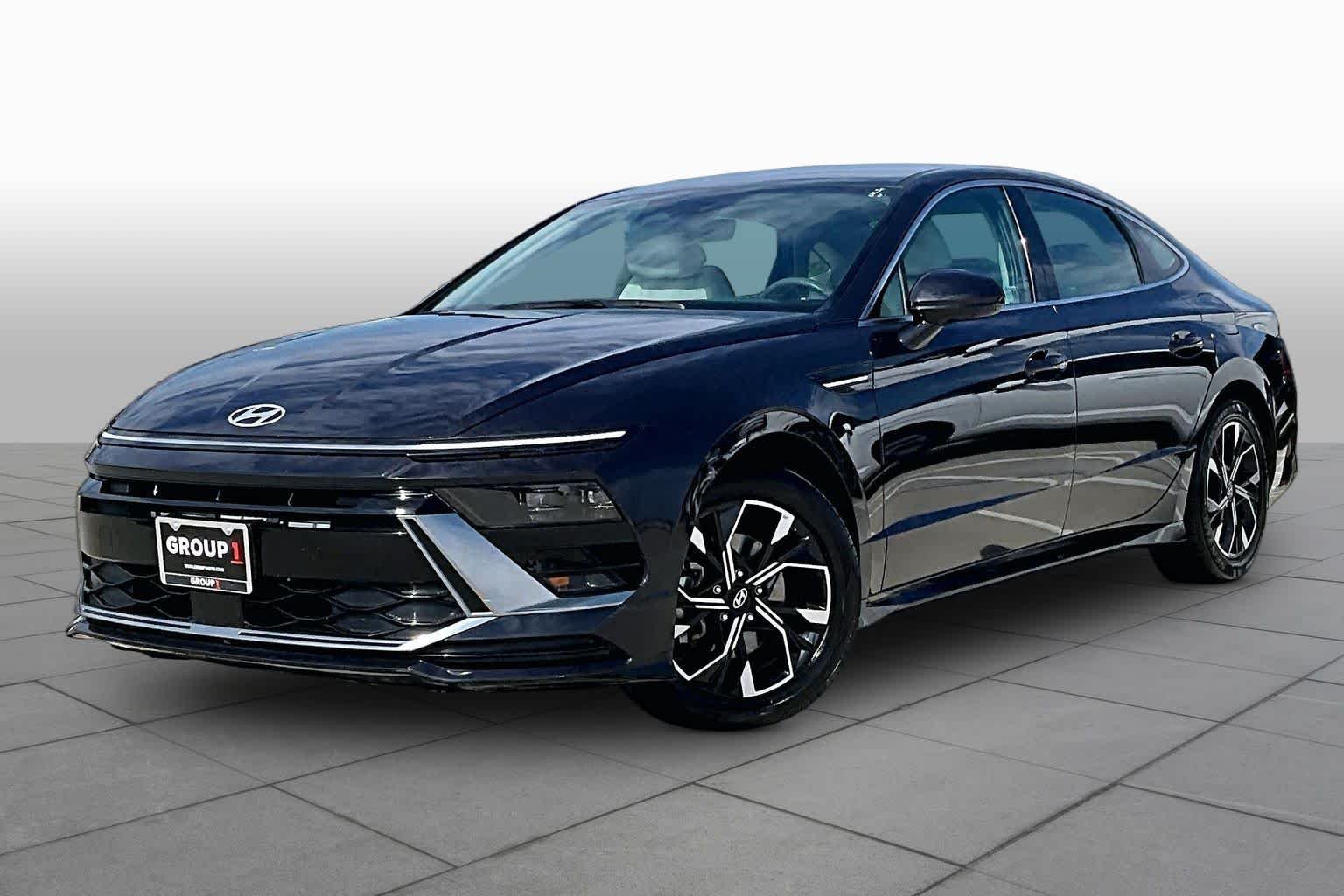
gasoline, automatic, 75K km, sedan, Front Wheels Drive, 2,500 cm3, 191 hp, blue, Used condition, USA, In stock

Group1Auto.com
 Southwest, United States
 Southwest, United StatesSouthwest, United States
 Orlando, United StatesChevrolet, United StatesLot, United StatesLot, United StatesLot, United States
 Austin, United StatesAustin, United StatesAustin, United StatesAustin, United StatesMain Settlement, United StatesMain Settlement, United StatesMain Settlement, United StatesMain Settlement, United StatesMain Settlement, United StatesMain Settlement, United StatesCity of Buffalo, United StatesShawnee, United StatesDistrict 19 (historical), United StatesKingwood, United StatesEl Paso, United StatesEl Paso, United StatesColumbia, United States
 Concord, United States
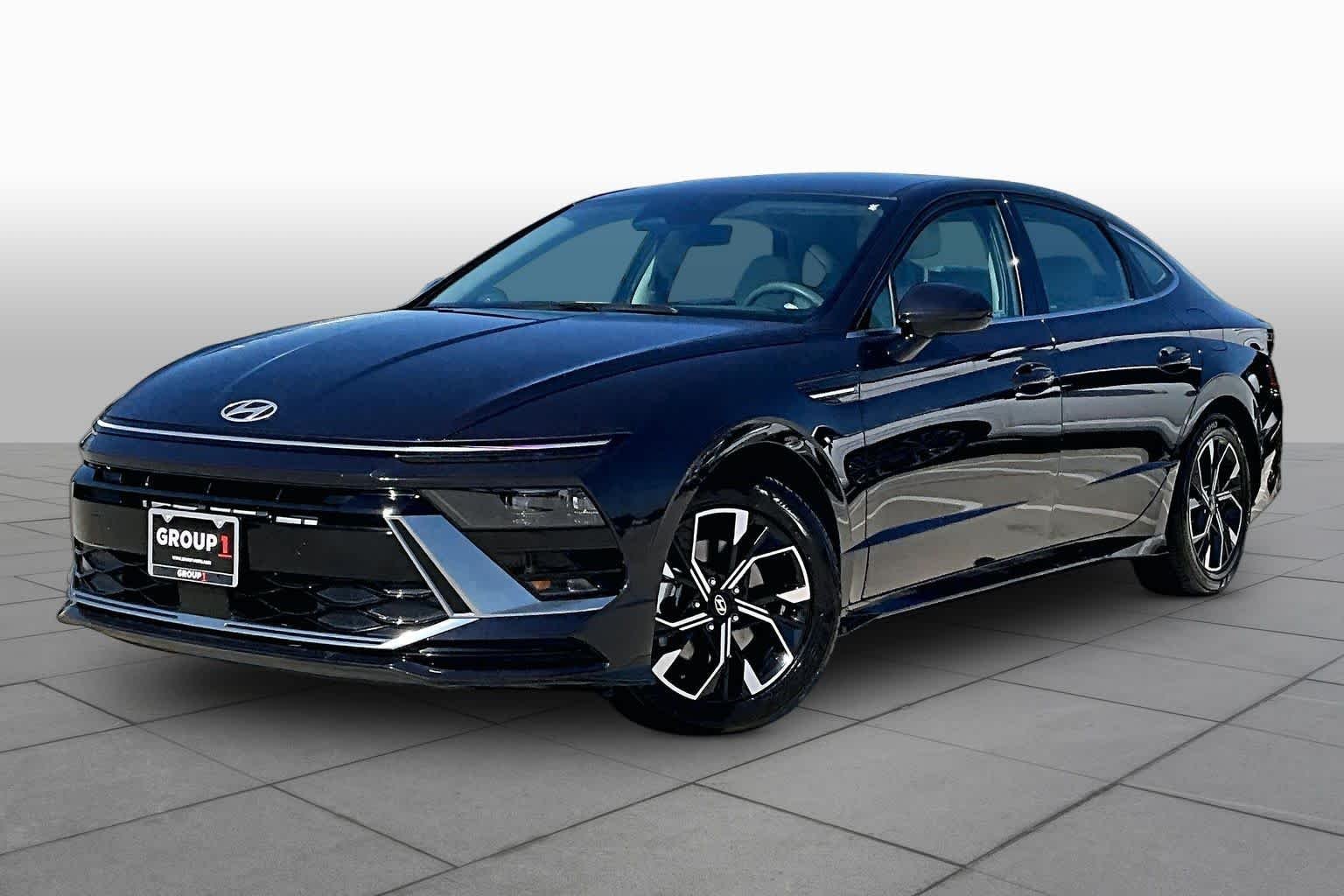
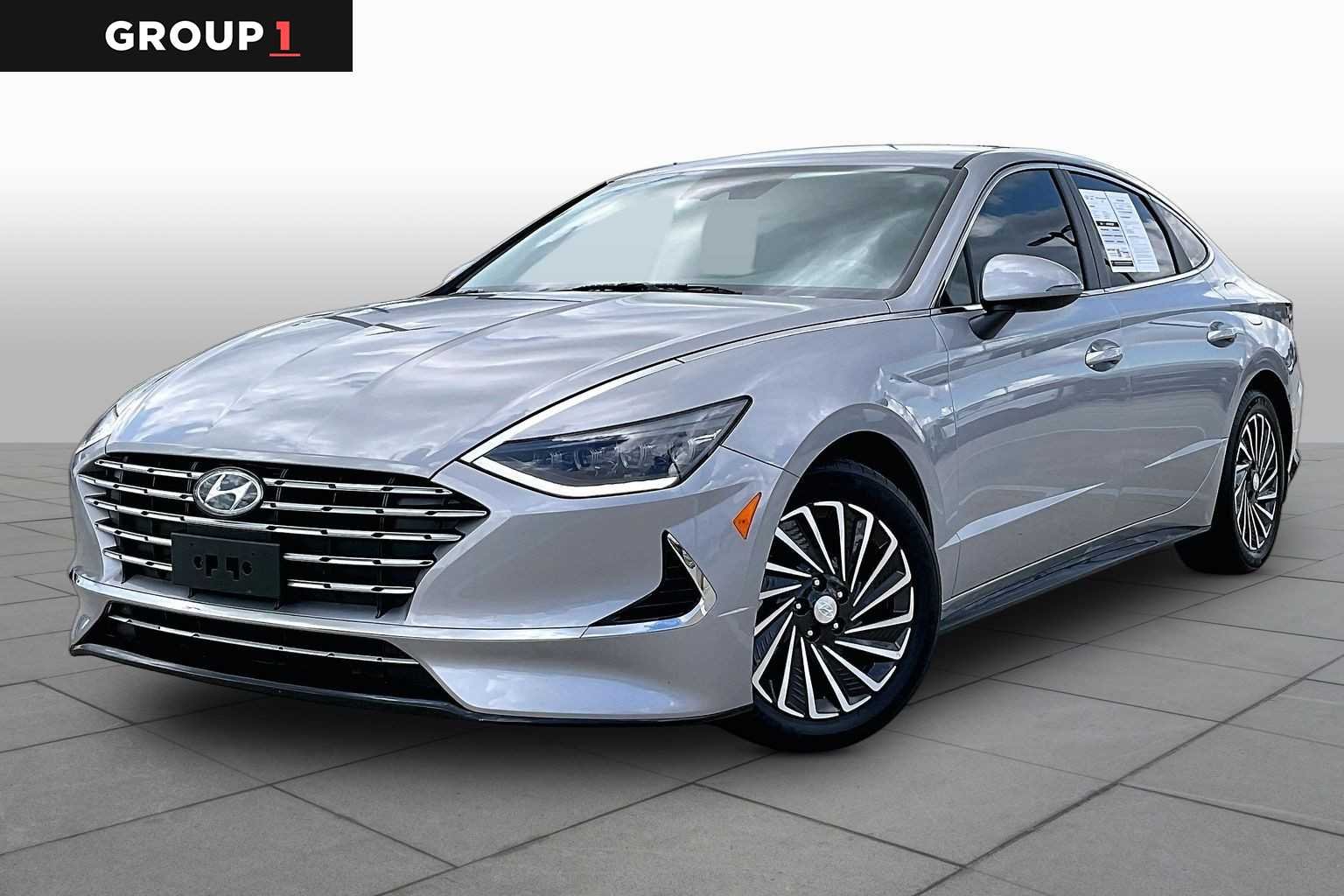
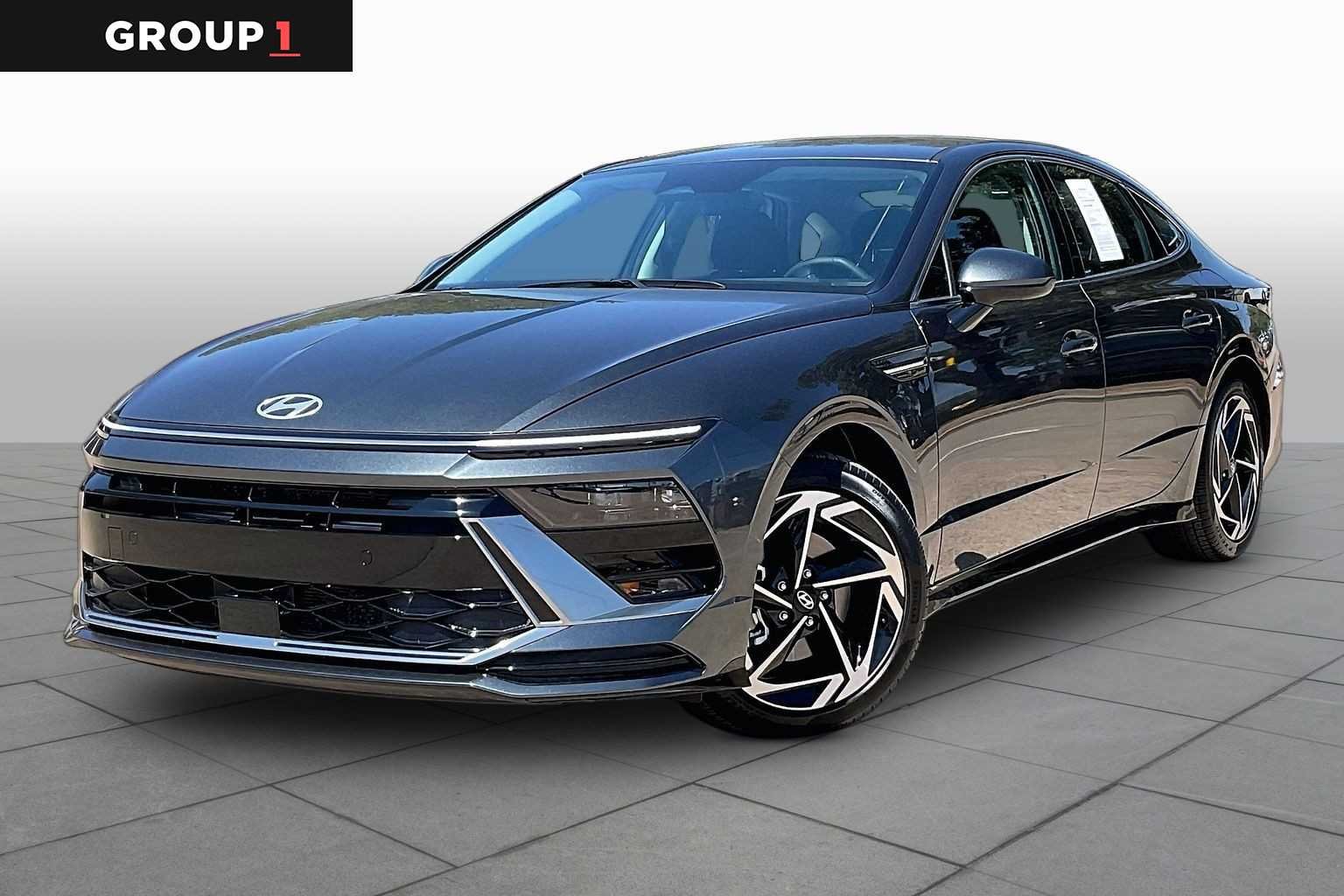
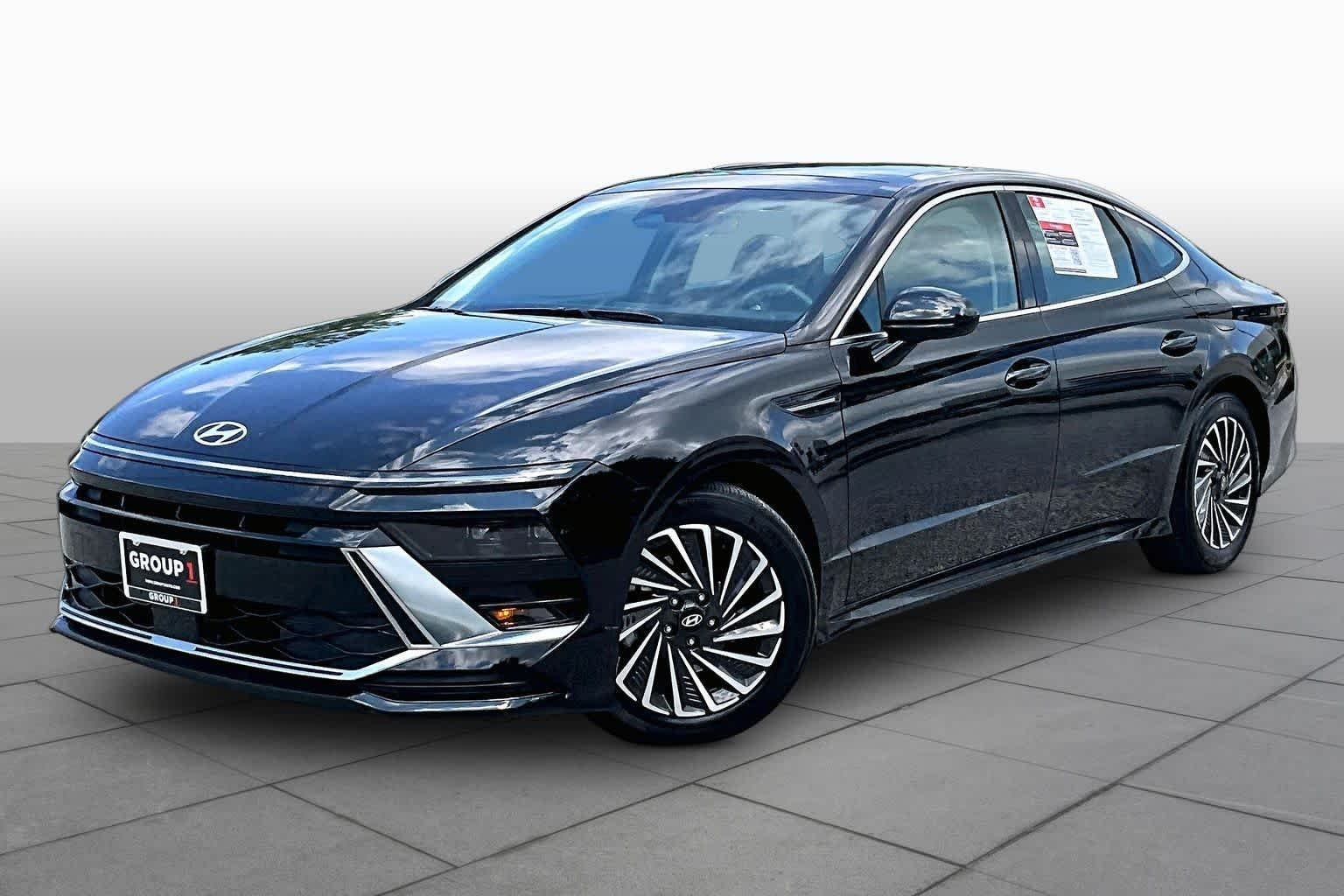
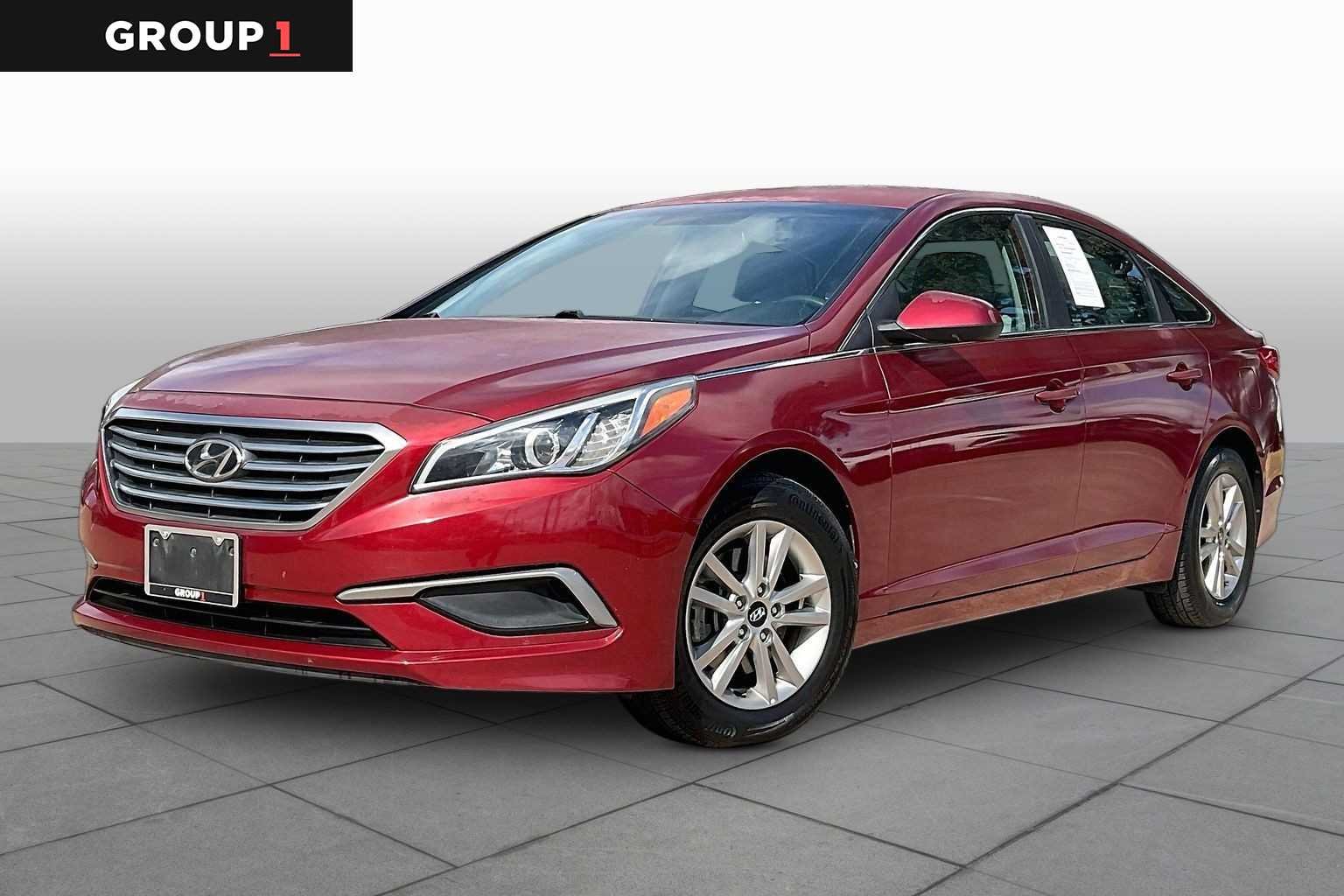
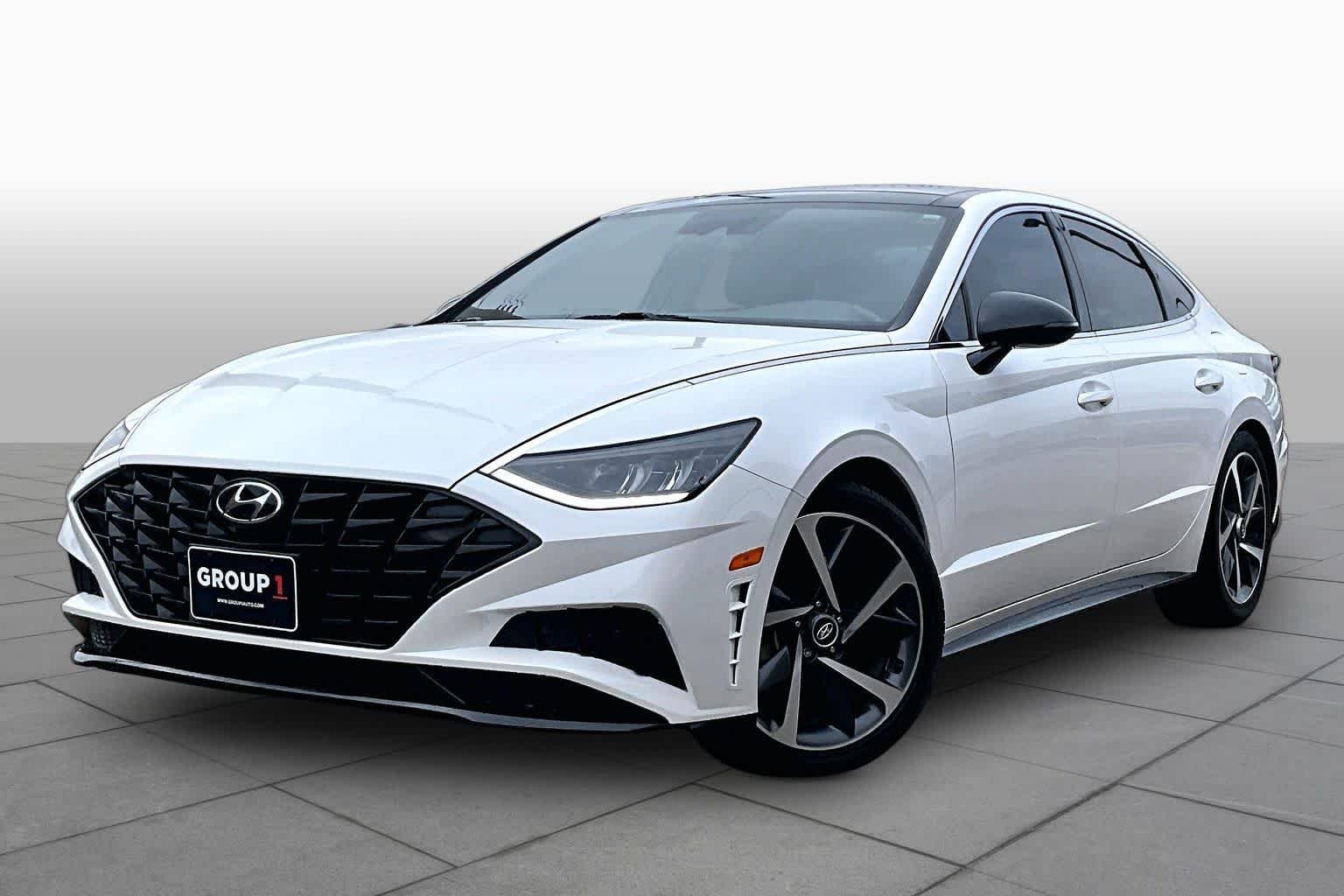
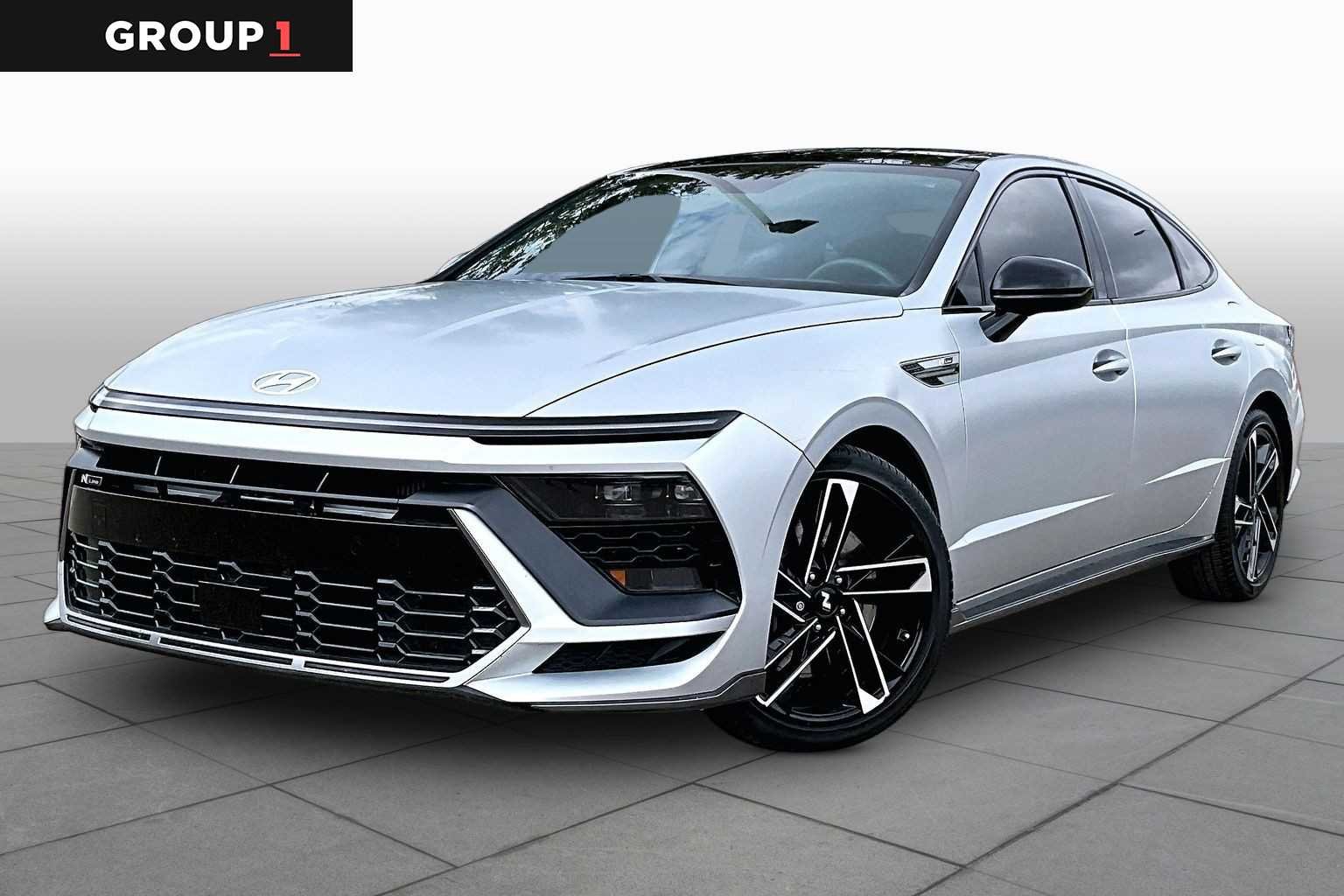
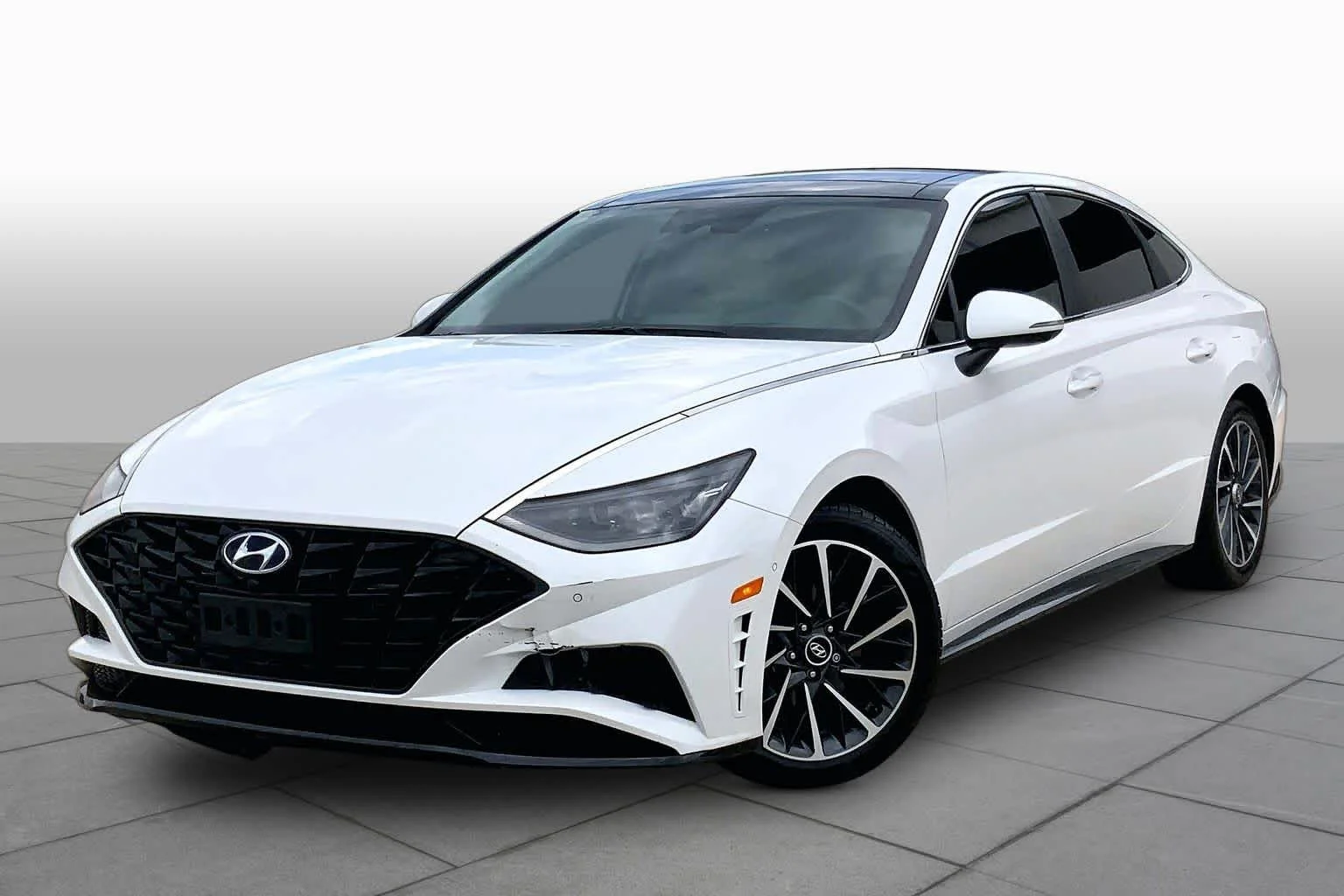
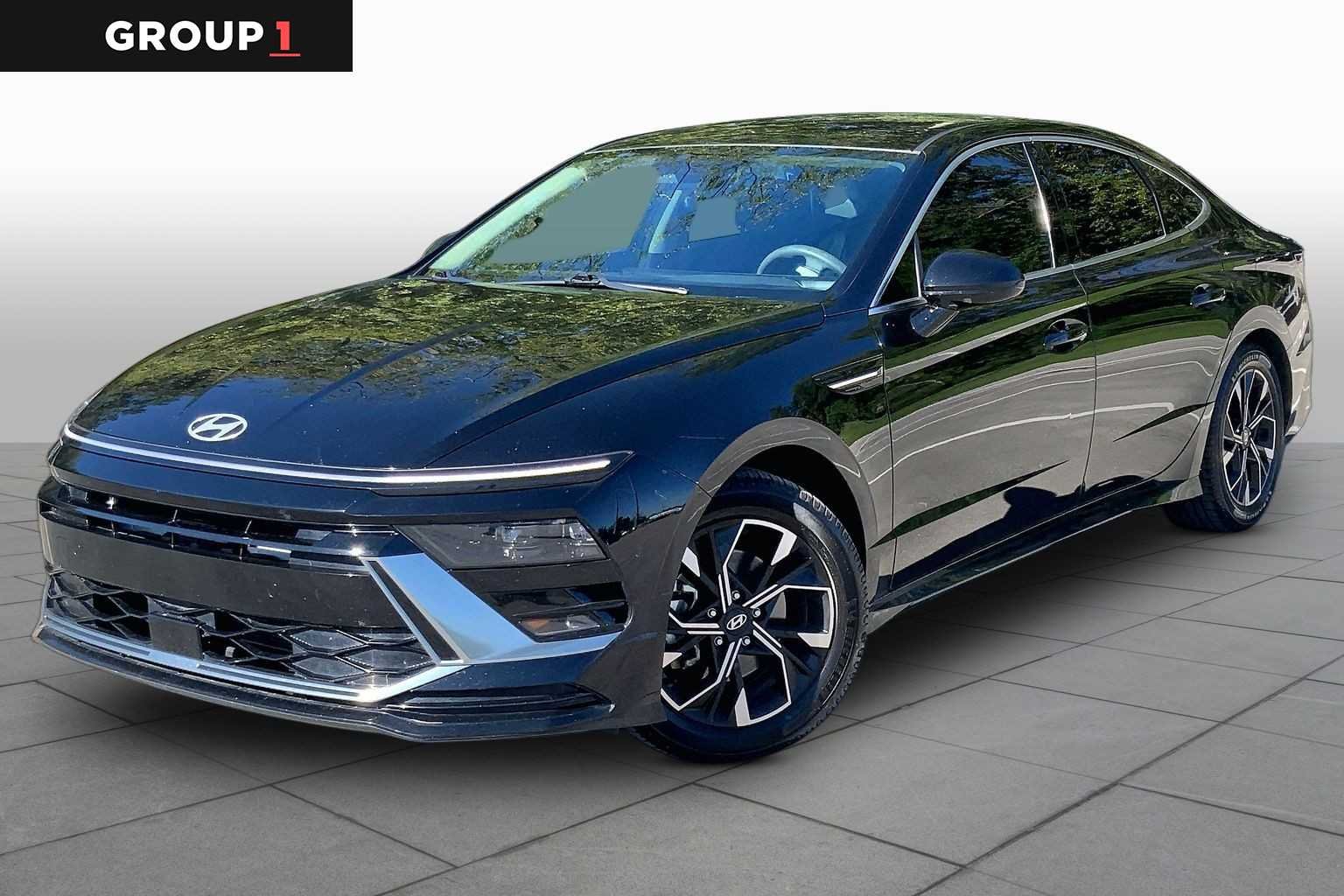
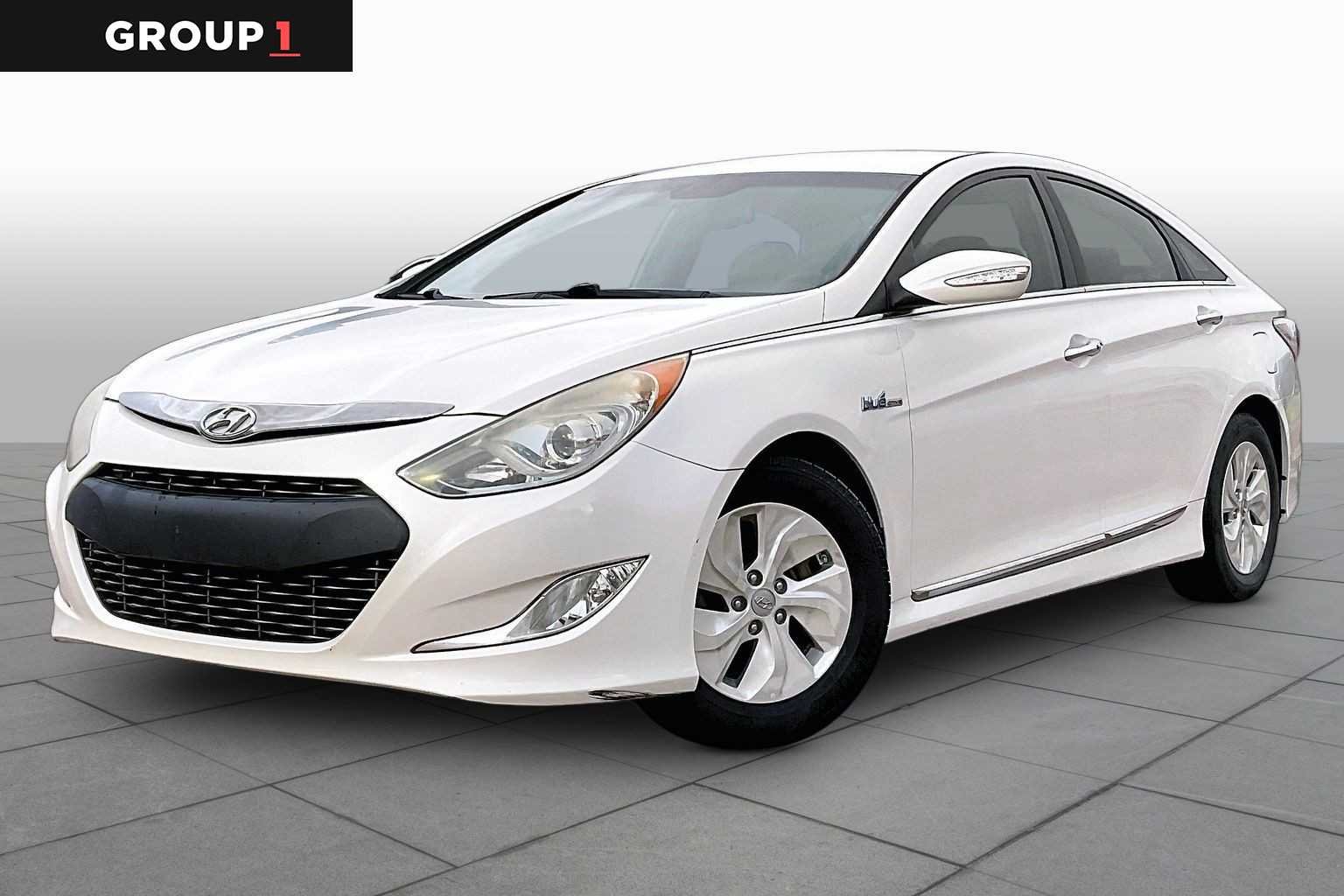
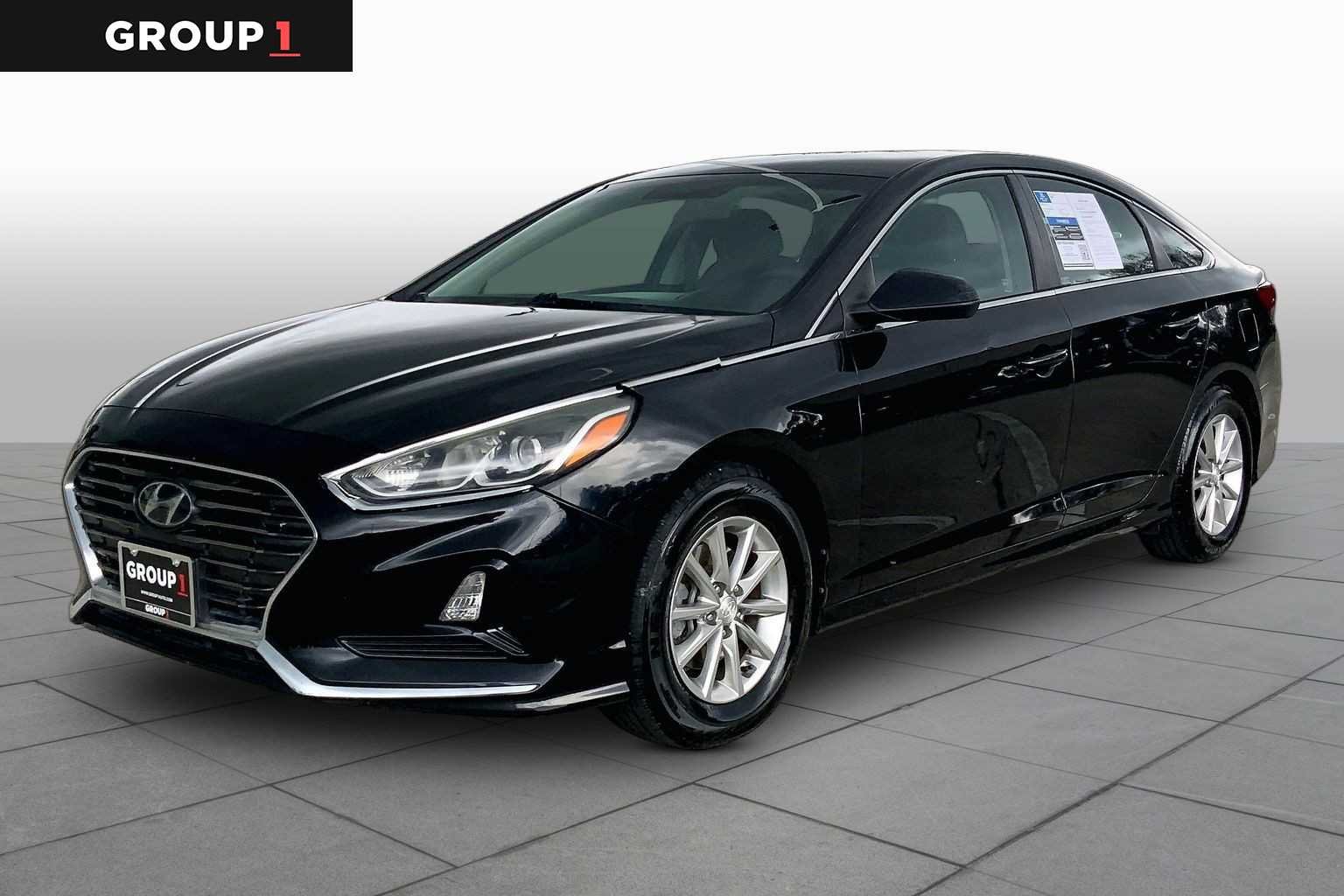
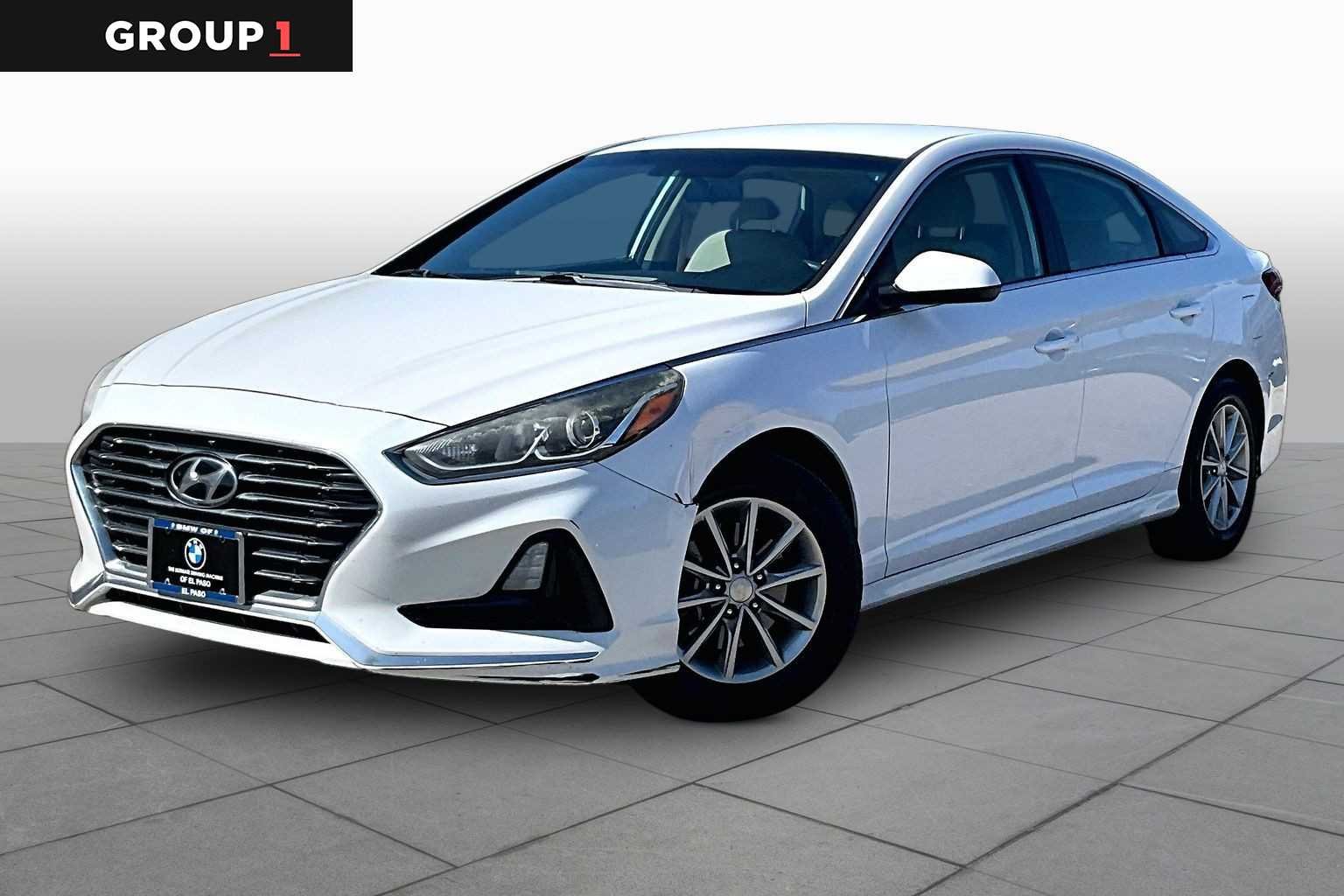
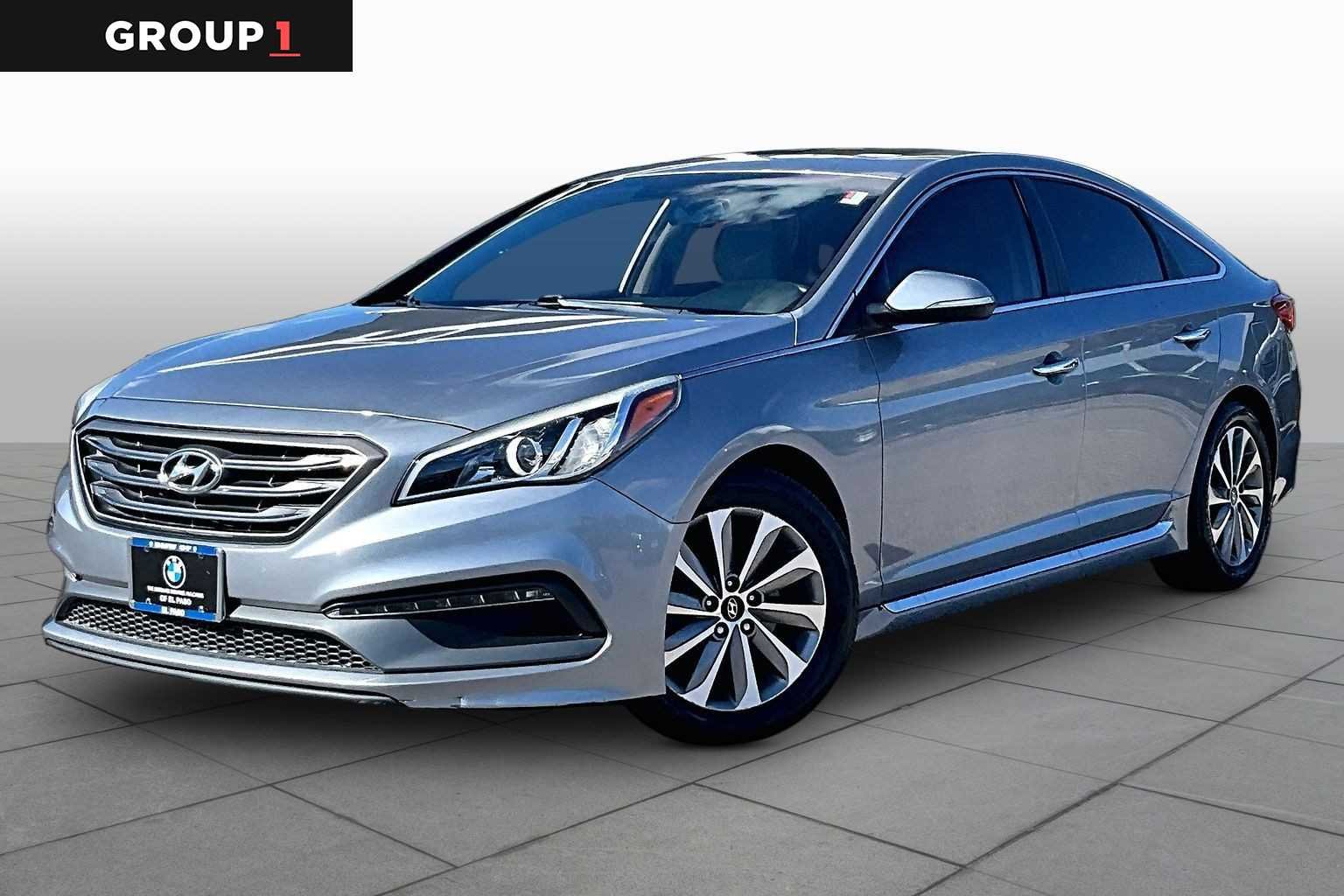
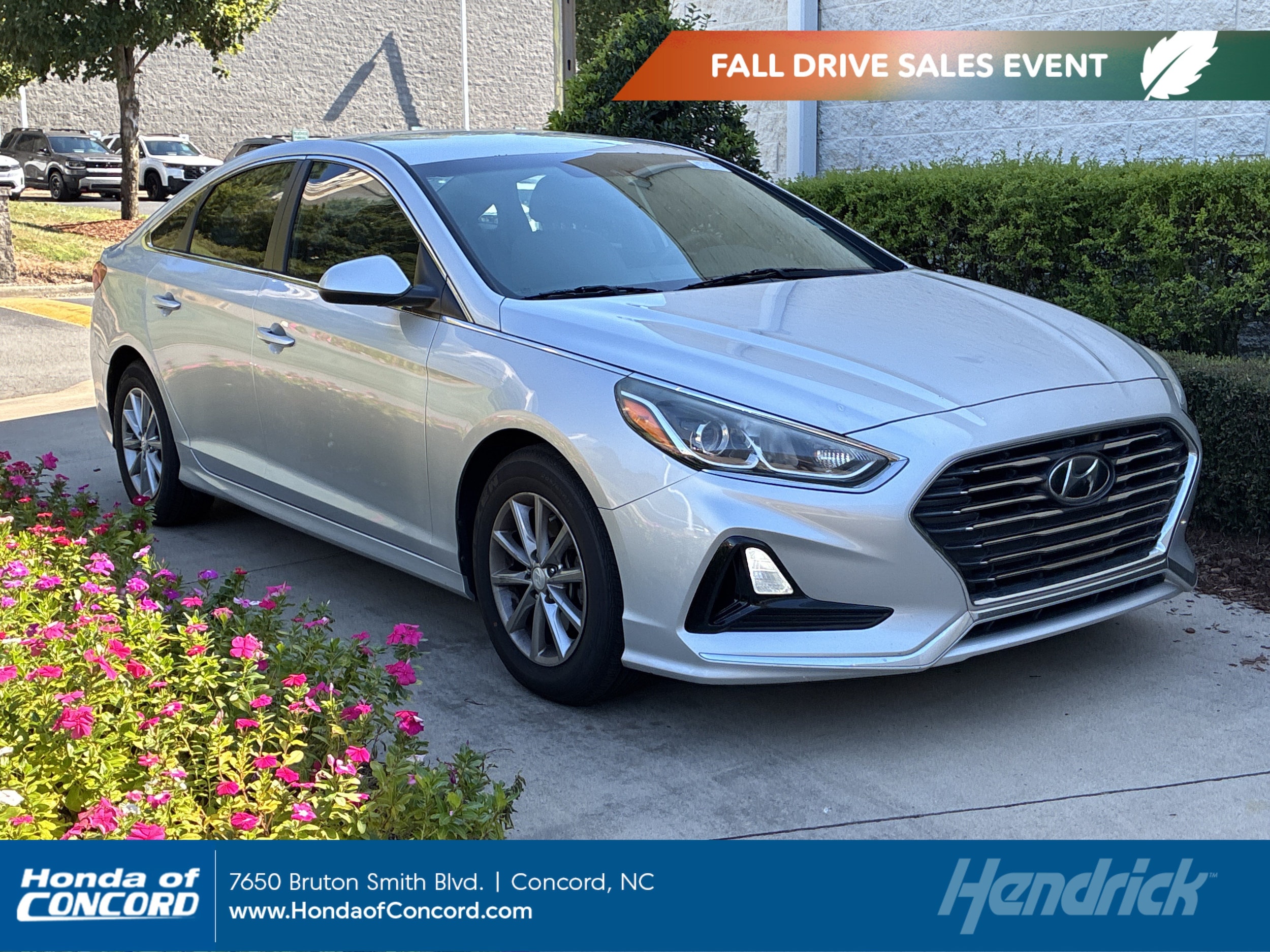
When you start looking for a Hyundai Sonata, you’re stepping into a well-rounded sedan that blends comfort, efficiency, and modern technology. This guide helps you understand what matters most when buying or selling a Hyundai Sonata, focusing on generation options, engine choices, body styles, and typical price ranges in various markets. Whether you’re in a big city or a smaller town, knowing the differences between generations and trim levels will help you make a smarter decision.
The Sonata has evolved through several generations, each with distinct features. Early models emphasized reliability and a smooth ride, while newer generations add advanced safety tech, improved infotainment, and more efficient engines. When comparing options, note the generation year, mileage, and maintenance history. Common body styles include sedans with roomy interiors and comfortable rear seats, suitable for daily commuting and long trips.
Engine options vary by year and market, with many Sonatas offering a balance of performance and efficiency. Front-wheel drive remains standard, with automatic transmissions that enhance daily usability. When you compare trims, consider:
If you plan frequent highway driving or long commutes, a higher trim with more safety features may be worth the added cost, while city driving can be well served by mid-range trims with good fuel economy.
If you’re selling a Hyundai Sonata, gather maintenance records, note any accidents, and confirm the odometer reading. A well-documented service history can raise buyer confidence and potentially improve your price. For buyers, a pre-purchase inspection (PPI) helps uncover issues that aren’t visible on the surface, such as engine wear or transmission concerns.
Prices for Hyundai Sonata vary by year, mileage, and condition, but you can expect a broad range depending on the generation and market. In many urban markets, newer models with advanced safety tech command higher prices, while older, well-maintained examples can offer excellent value.
When negotiating, anchor on recent maintenance, documented service history, and the presence of desired features like Apple CarPlay/Android Auto, rear AC vents, and upgraded audio systems. A clear title and recent emissions test (where required) also help speed up the sale process.
 Add as preferred sourceSee more from zvelta in Google Search Add as preferred source