 EN
ENDEALER
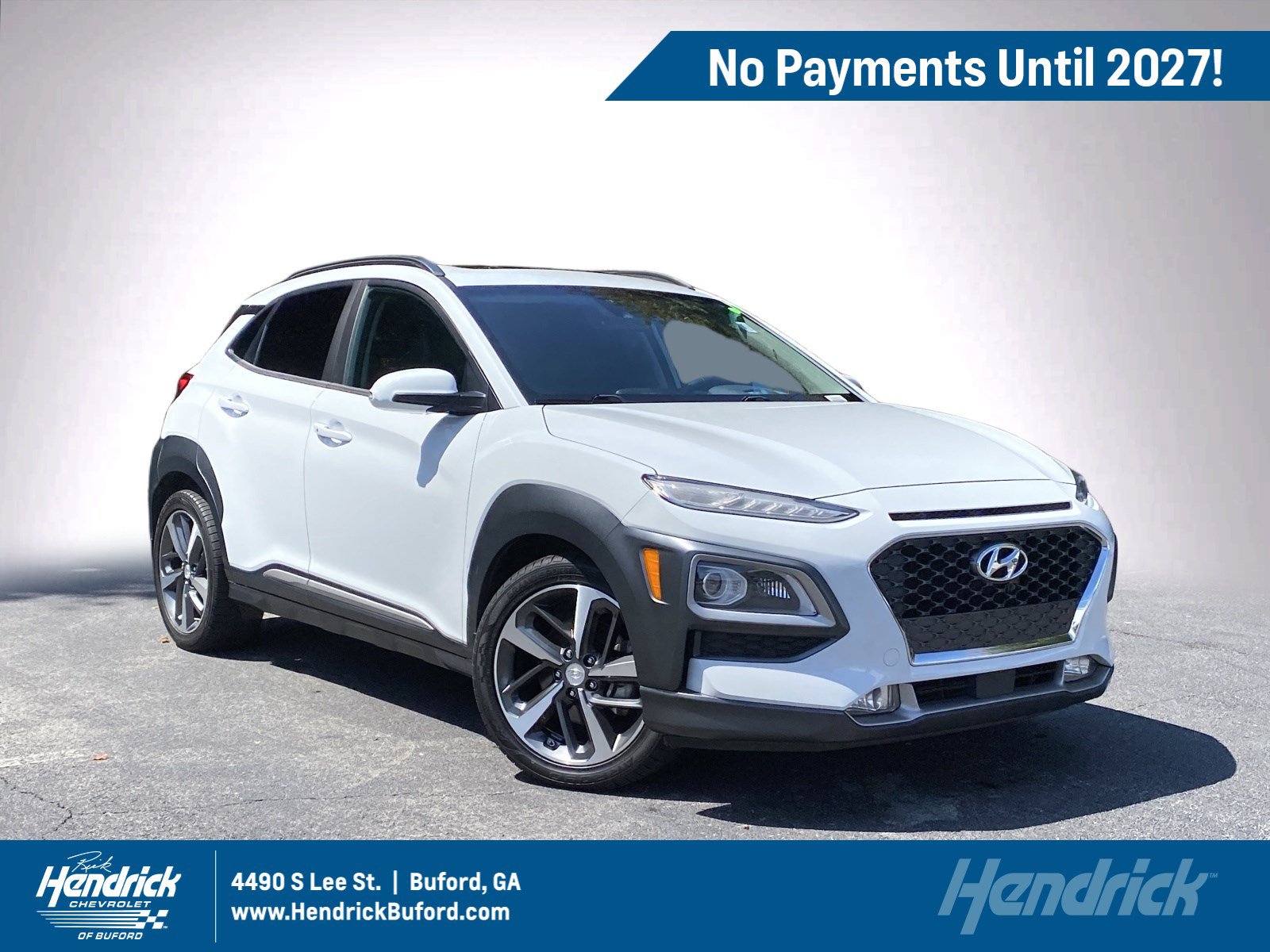
17.728 US$DEALER
17.933 US$
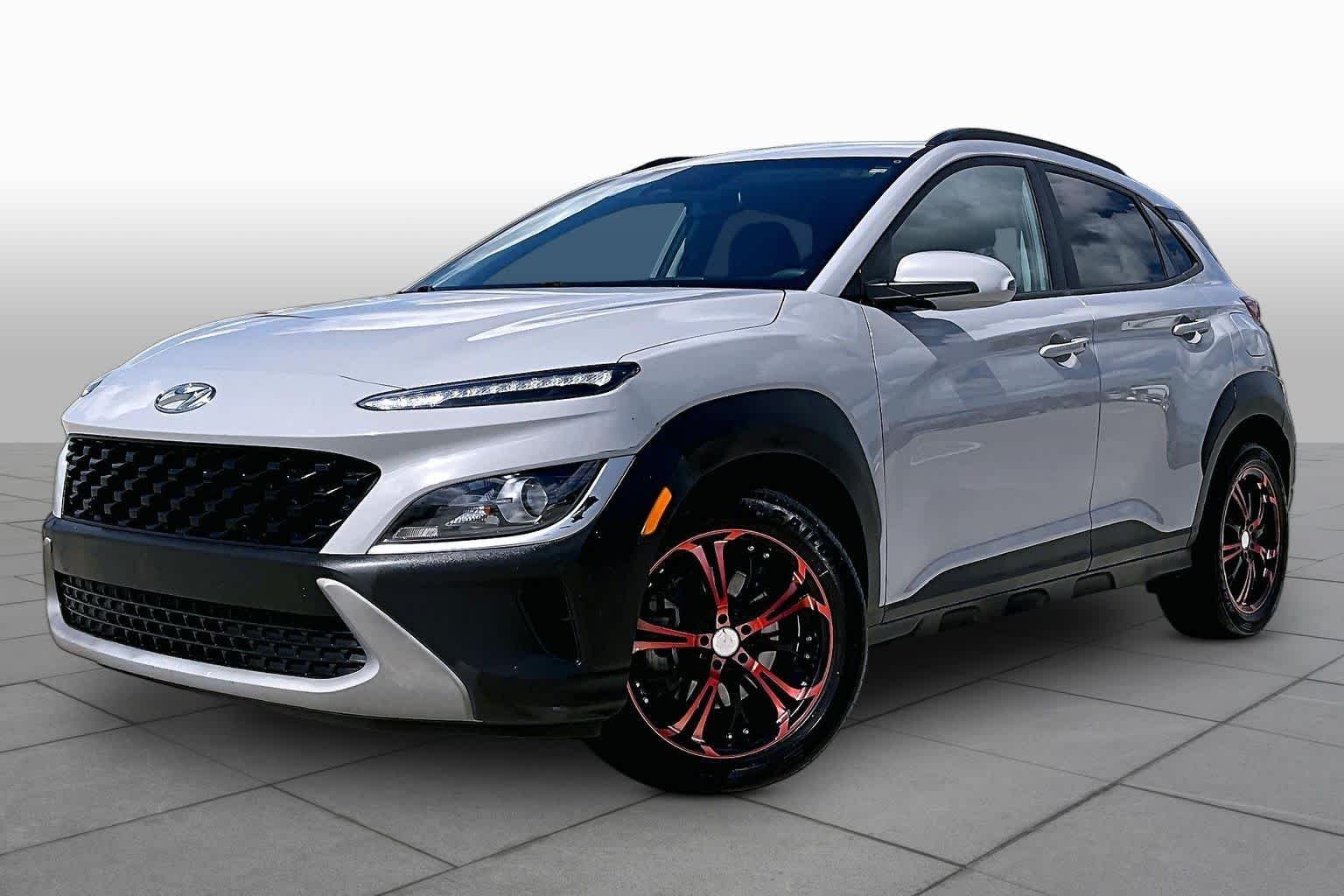
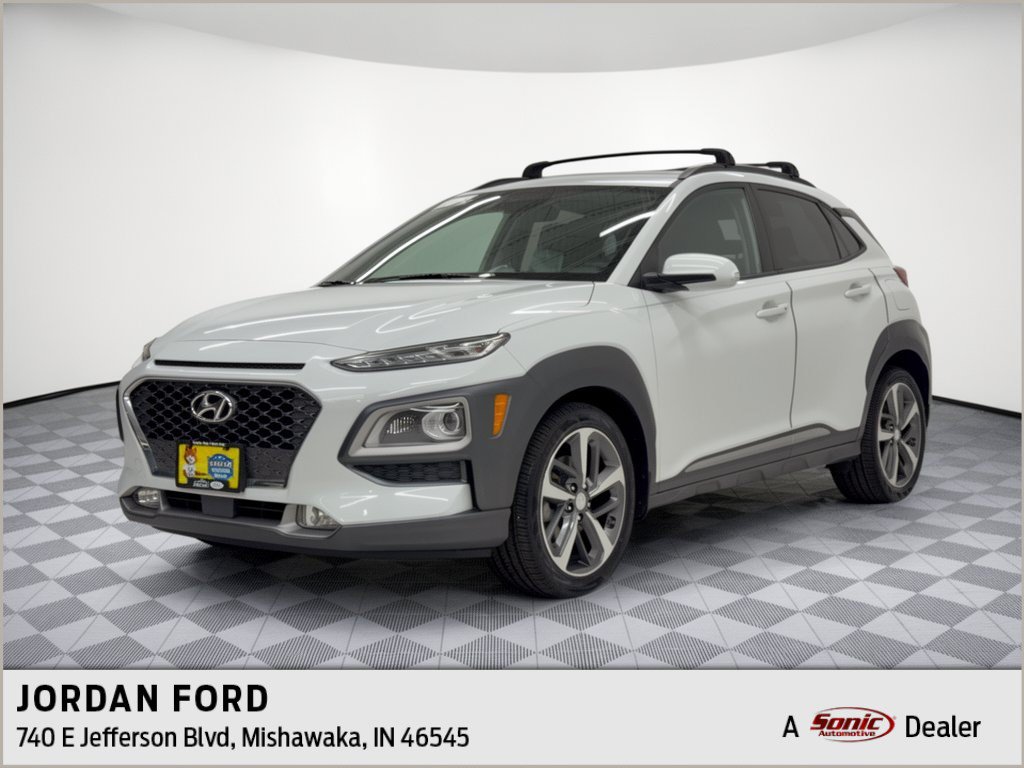
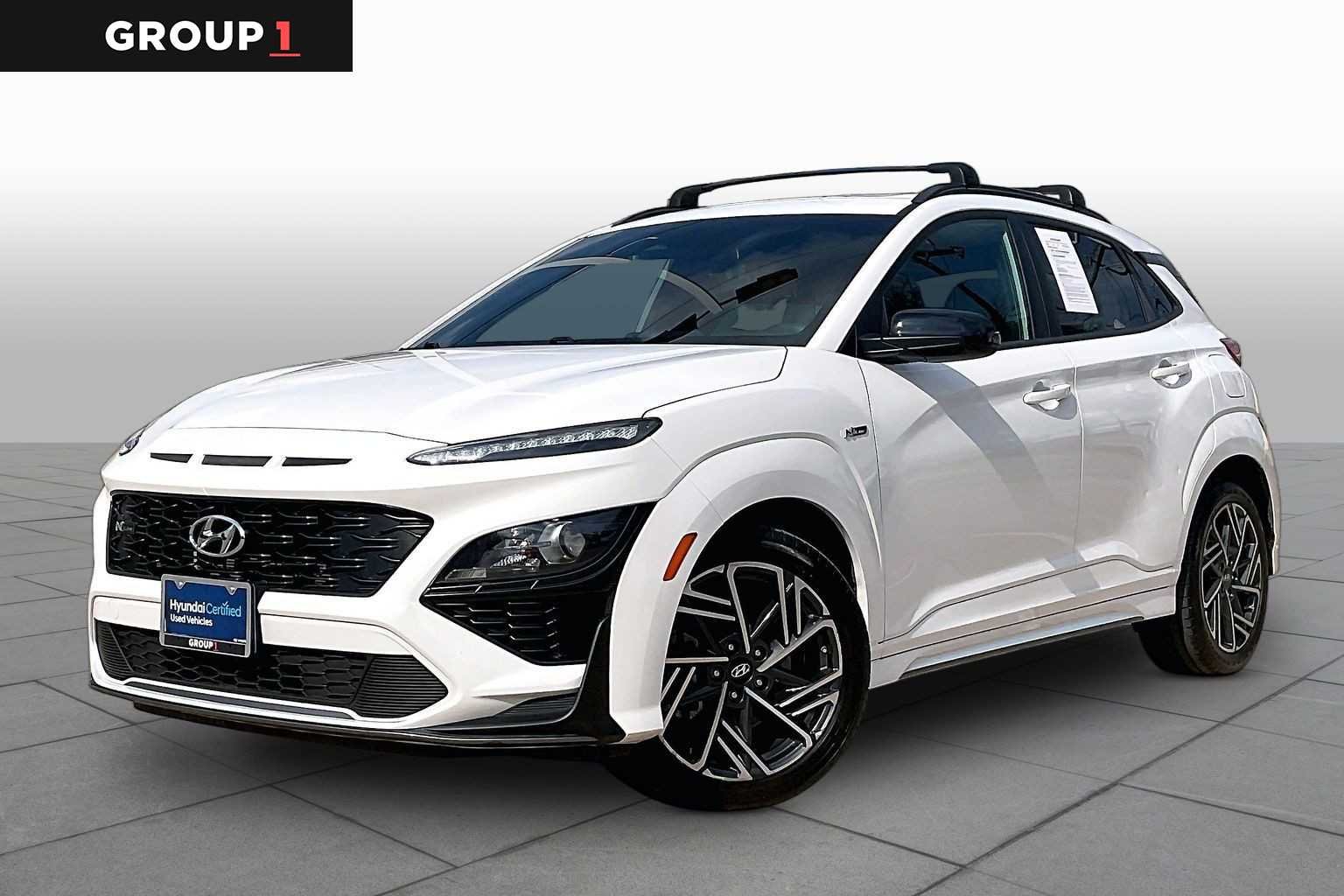
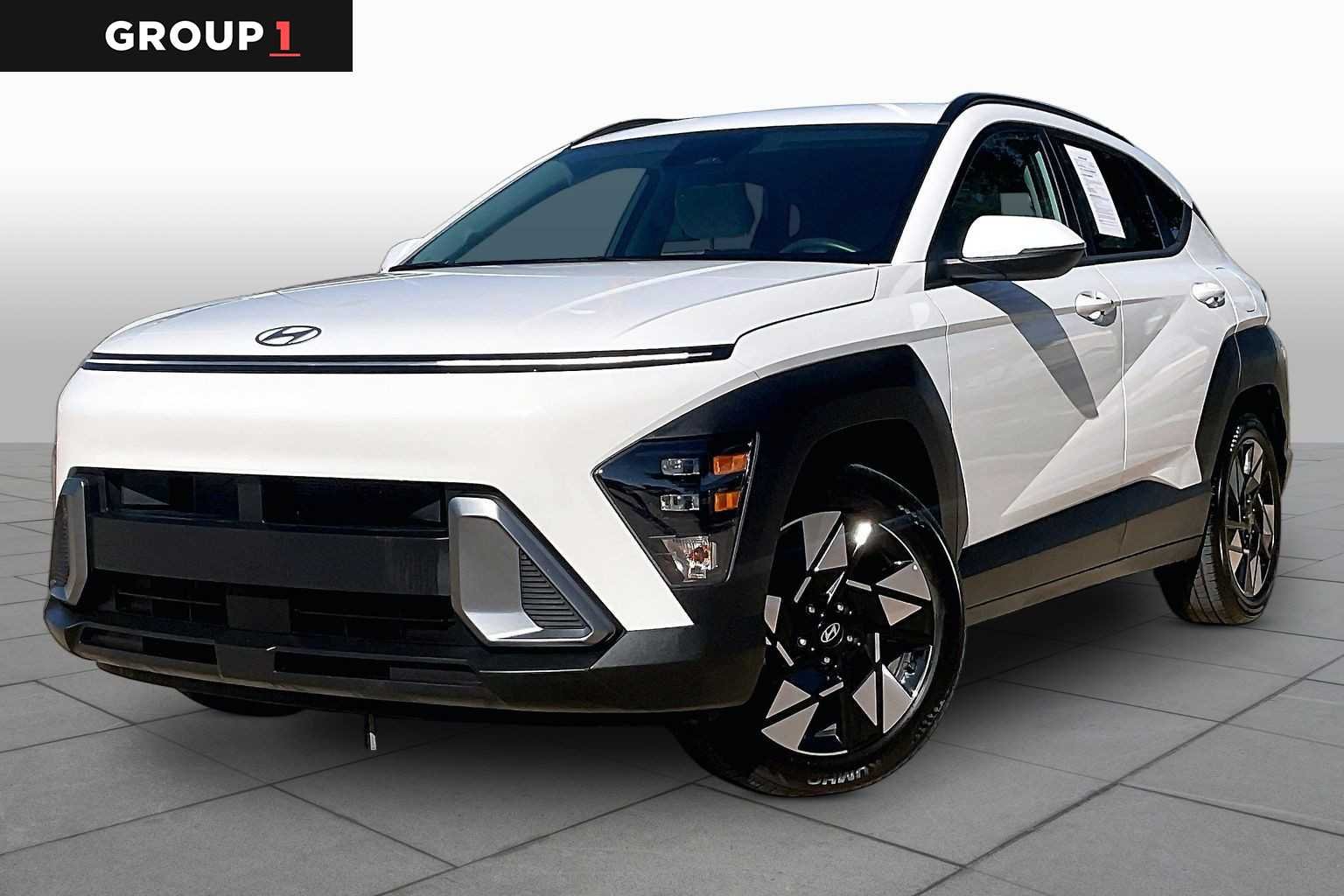
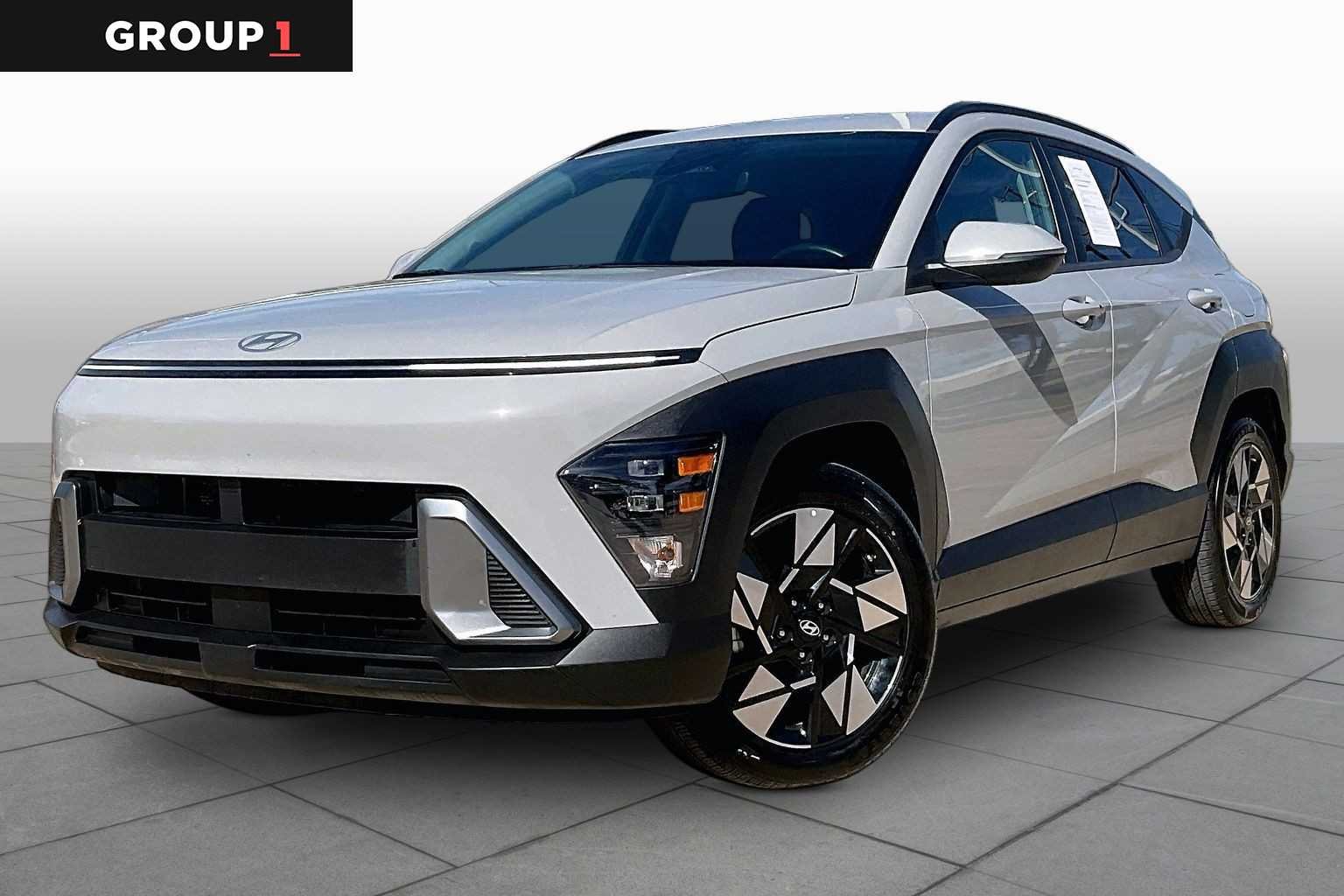
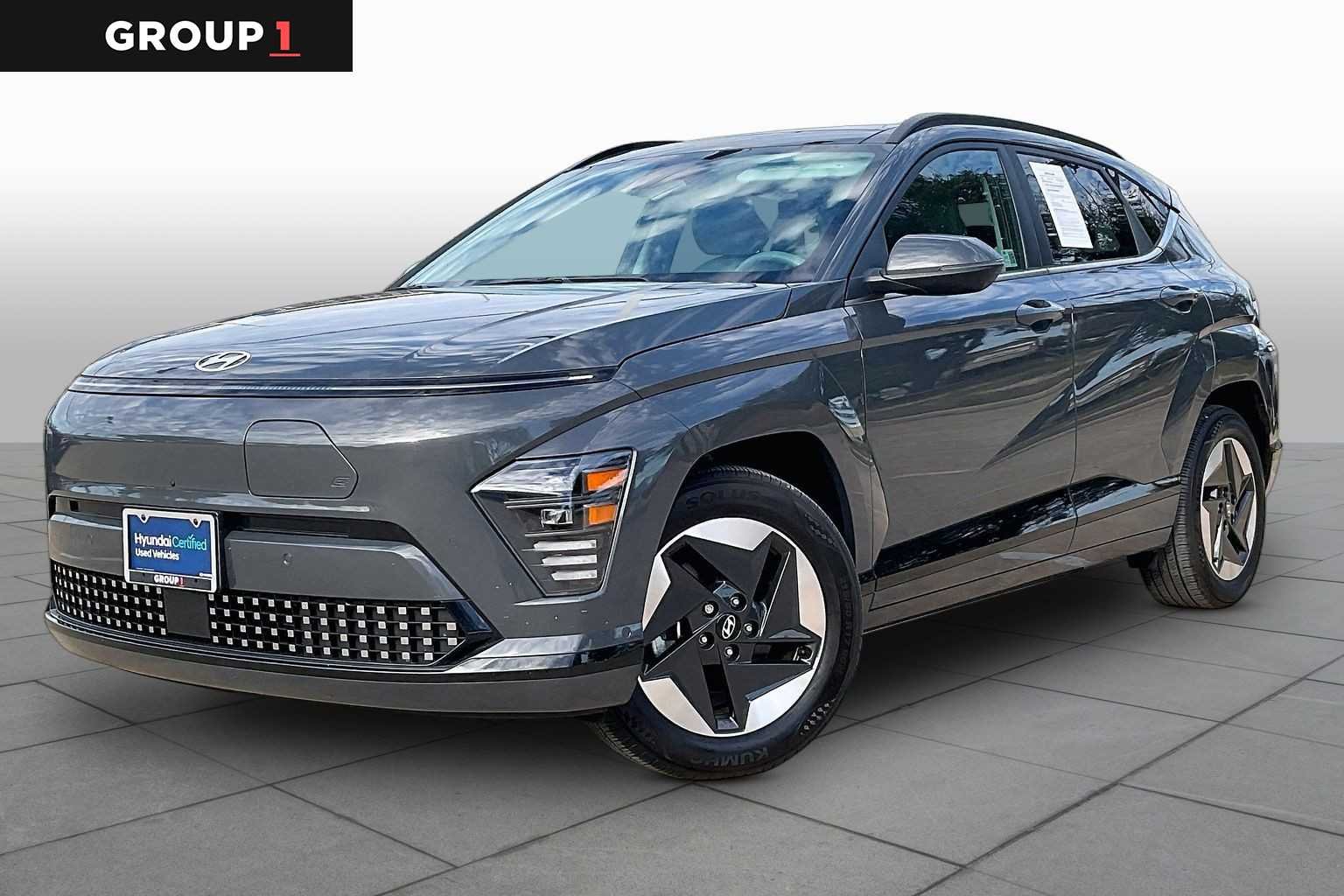
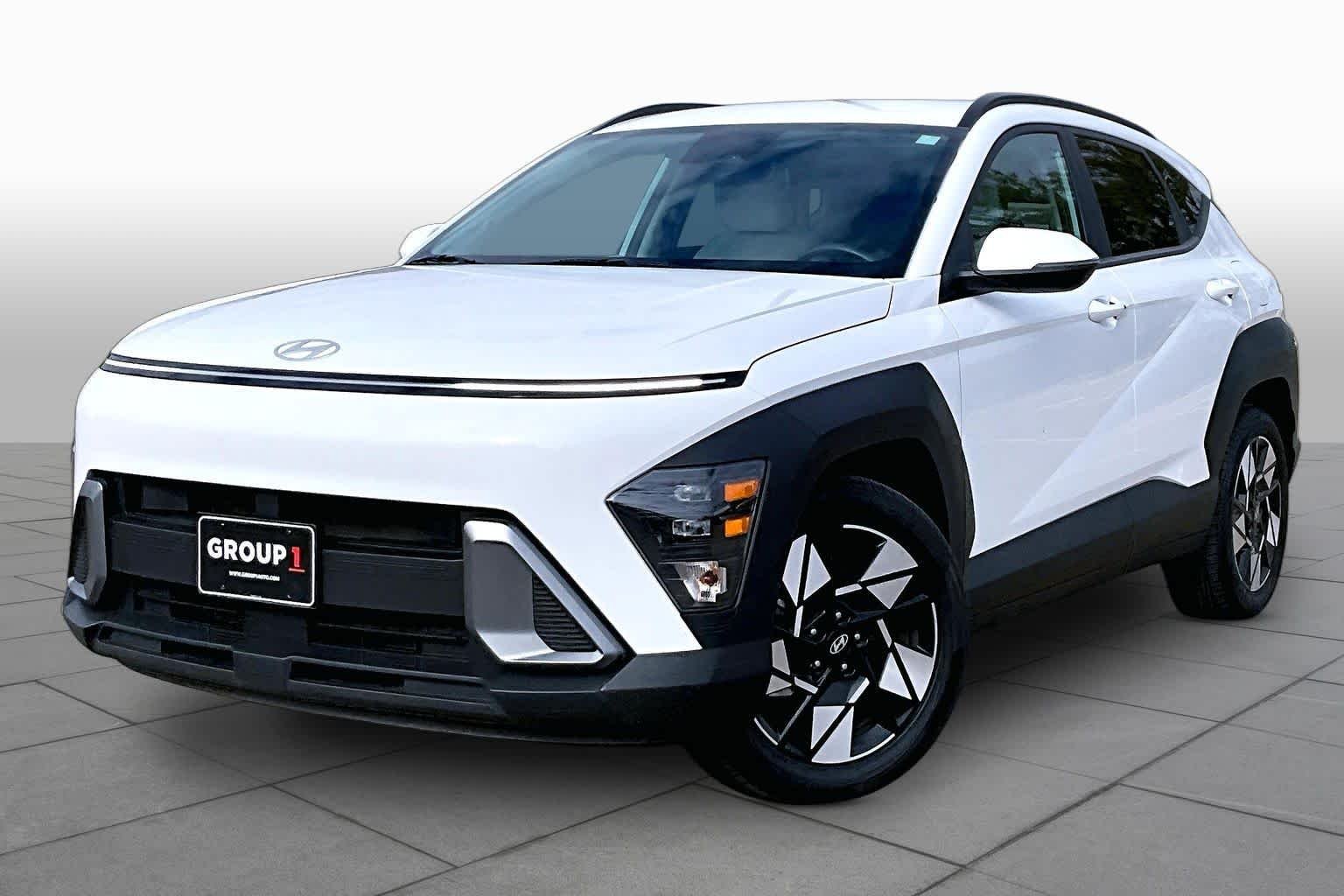
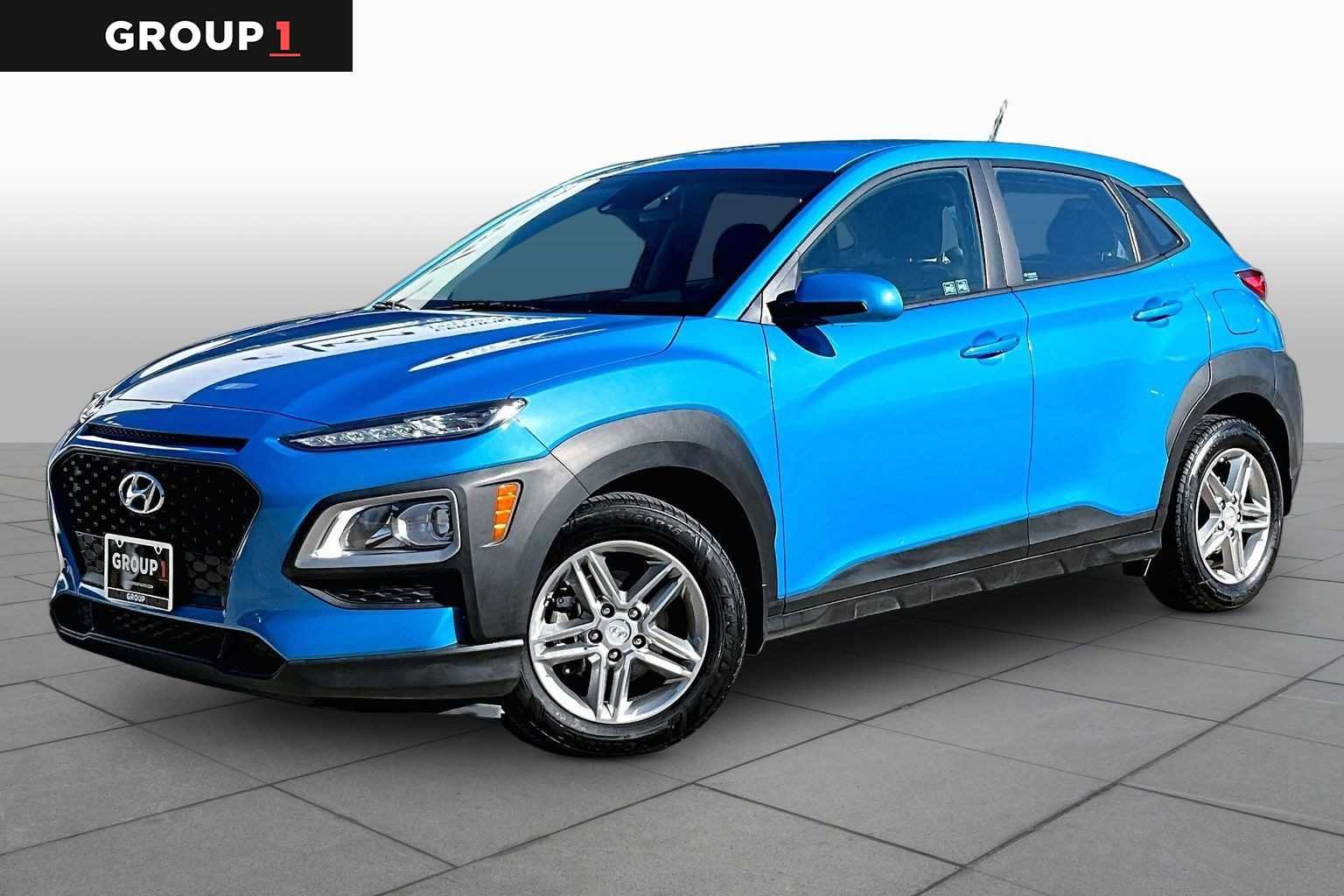
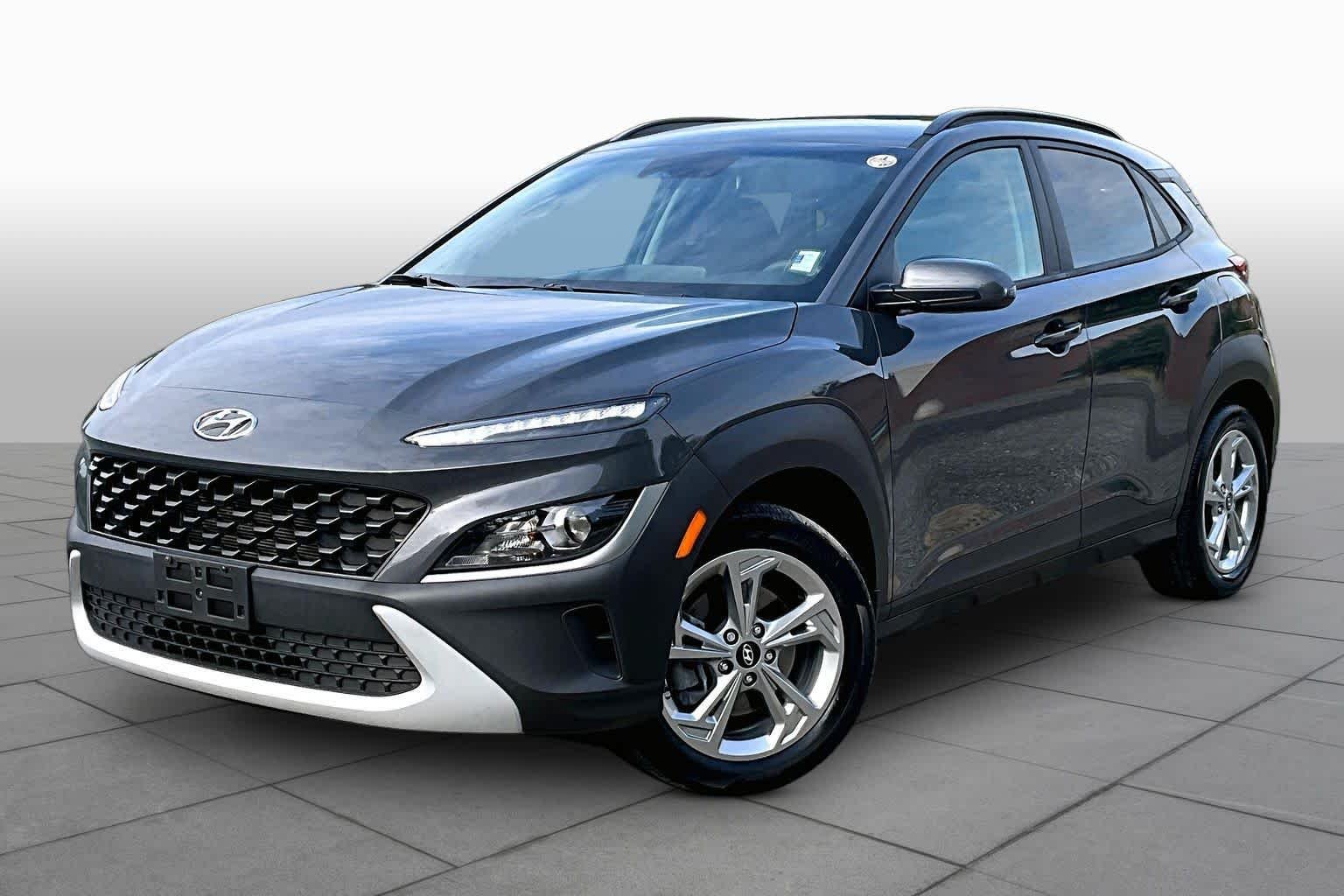
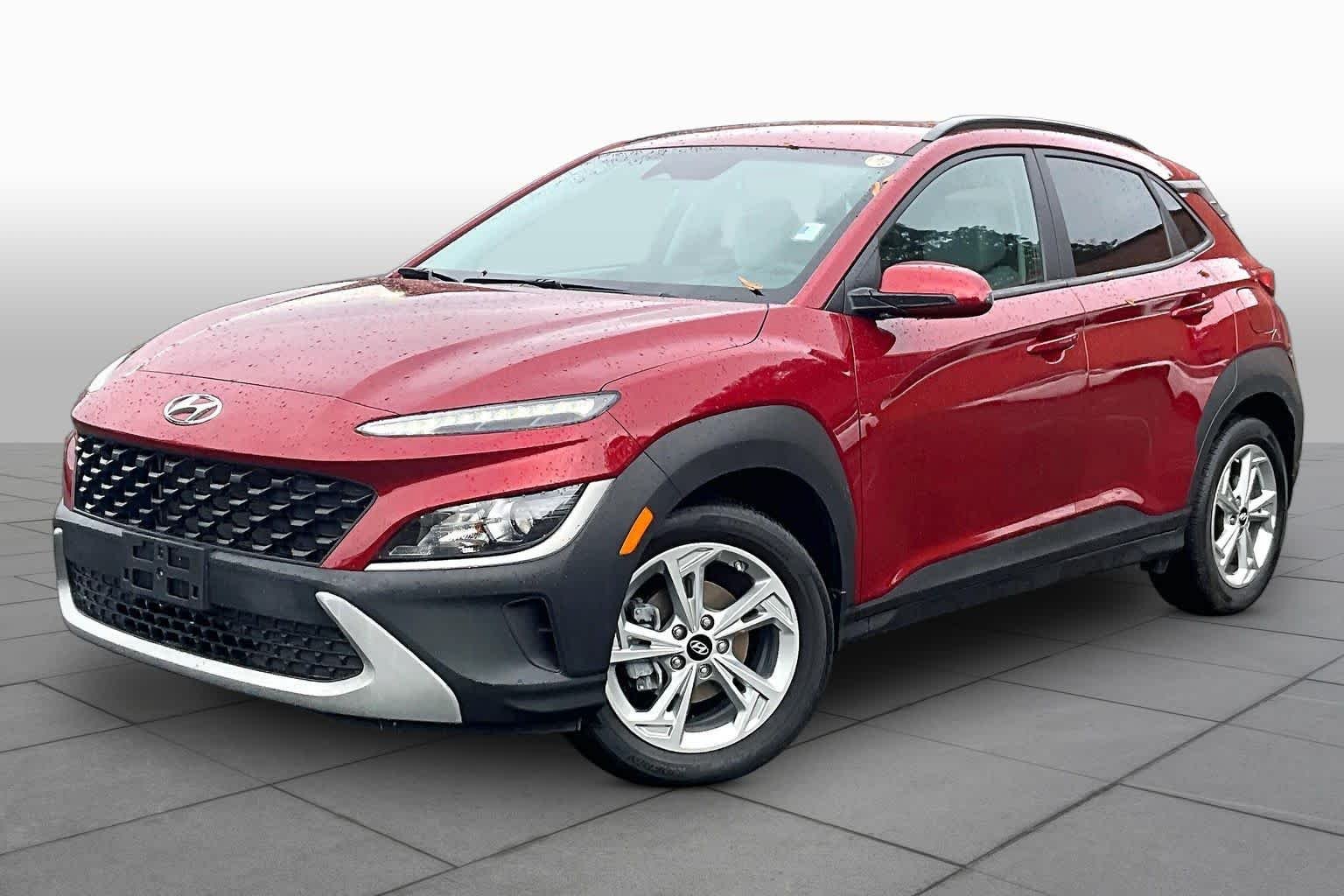
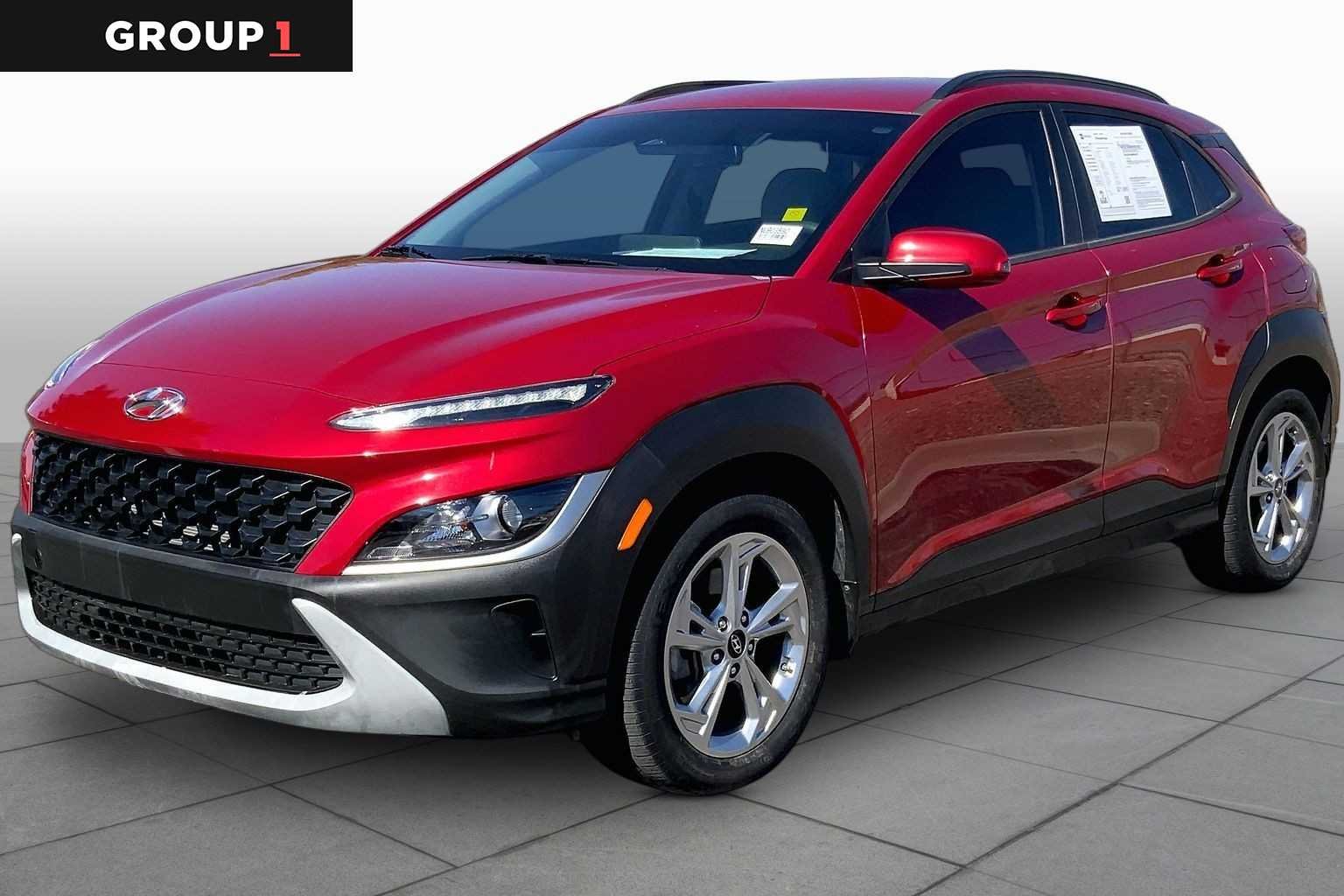
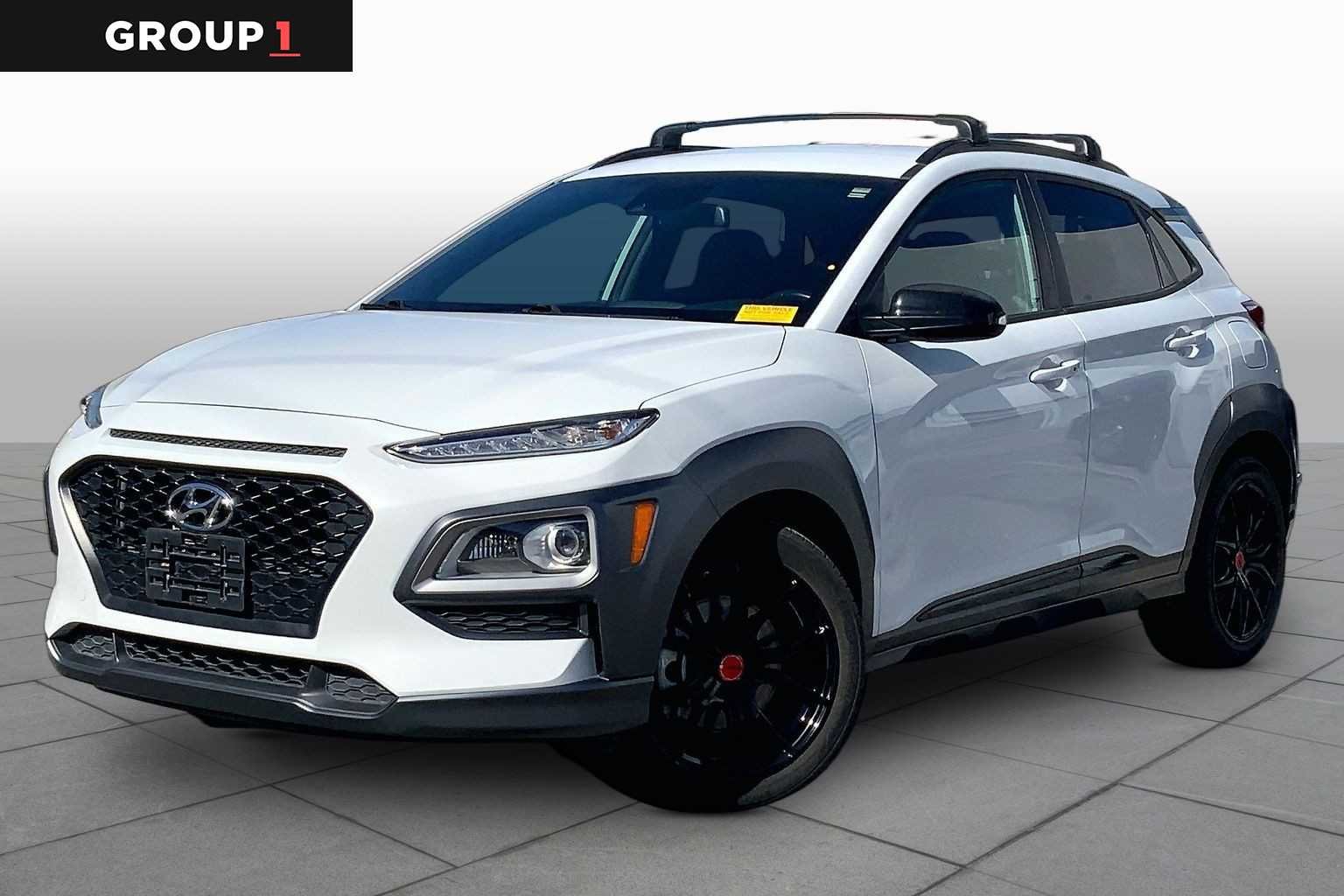
gasoline, automatic, 117K km, SUV, Front Wheels Drive, 1,600 cm3, 175 hp, white, Used condition, South Korea, In stock

HendrickCars.com
 Buford, United States
 Buford, United States
 Rock Hill, United StatesSouthwest, United StatesMishawaka, United StatesLot, United StatesLot, United StatesAustin, United StatesAustin, United StatesAustin, United StatesMain Settlement, United StatesMain Settlement, United StatesMain Settlement, United StatesMain Settlement, United StatesSag Bridge, United StatesOntario, United StatesKingwood, United StatesEl Paso, United States
 Metrocenter / North Roads Park, United StatesMetrocenter / North Roads Park, United StatesMetrocenter / North Roads Park, United StatesMetrocenter / North Roads Park, United StatesConcord, United StatesCharlotte, United States
 Charlotte, United StatesOakhurst, United States
The Hyundai Kona is a popular compact crossover that attracts buyers with its blend of practicality, efficiency, and urban-friendly size. If you’re in the market to buy or consider selling a Hyundai Kona, understanding the key factors—brand reputation, model year, generation updates, fuel type, body style, mileage, and local price ranges—helps you make a smarter decision. This guide covers how to evaluate different Kona configurations in your country and city, what to look for in a used Kona, and practical steps to secure a fair deal.
When shopping for a Hyundai Kona, pay attention to the generation and trim level, as these affect features, suspension tuning, and resale value. Common questions include: Which engine is most reliable for daily driving? What is the fuel economy of the Kona in city and highway use? How does the all-wheel drive option influence performance and price?
Key considerations:
Compare at least three Kona listings to understand the local spectrum. Focus on:
If you’re considering a specific city, you’ll find local listings that reflect how much Kona models cost, what features are most valued, and which configurations hold their value best. Whether you’re aiming for a base petrol Kona or a higher trim with advanced driver aids, understanding the market dynamics in your area will help you make a confident decision.
 Add as preferred sourceSee more from zvelta in Google Search Add as preferred source