 EN
EN

Frequently asked questions
Yes. BMW is developing a separate petrol M3 with an inline six-cylinder engine alongside a fully electric version. The petrol model’s final specifications have not yet been disclosed.
No plug-in hybrid system is planned for the new petrol M3, according to BMW M chief Frank van Meel. A mild-hybrid system has been suggested by specialist publications but has not been officially confirmed.
BMW has not officially announced a launch date. Specialist publications expect the petrol version to arrive later, probably in 2028, but this timing remains unconfirmed.
In mid-July 2026, a camouflaged prototype of the next BMW M3 was spotted at the Nürburgring with four exhaust outlets and the distinctive sound of an inline six-cylinder engine. The first detailed reports about the car appeared on 16–17.07.2026. They confirmed that BMW is preparing not only a fully electric M3, but also a separate version with an internal combustion engine.
The next M3 will not be an exclusively electric car. BMW is developing two models in parallel: an electric version based on Neue Klasse technology and a petrol version with an inline-six engine. However, the production ICE car has not yet been unveiled, so its exact power output, drivetrain, transmission, equipment levels and sales launch date have not been officially disclosed.
What the Nürburgring Prototype Revealed
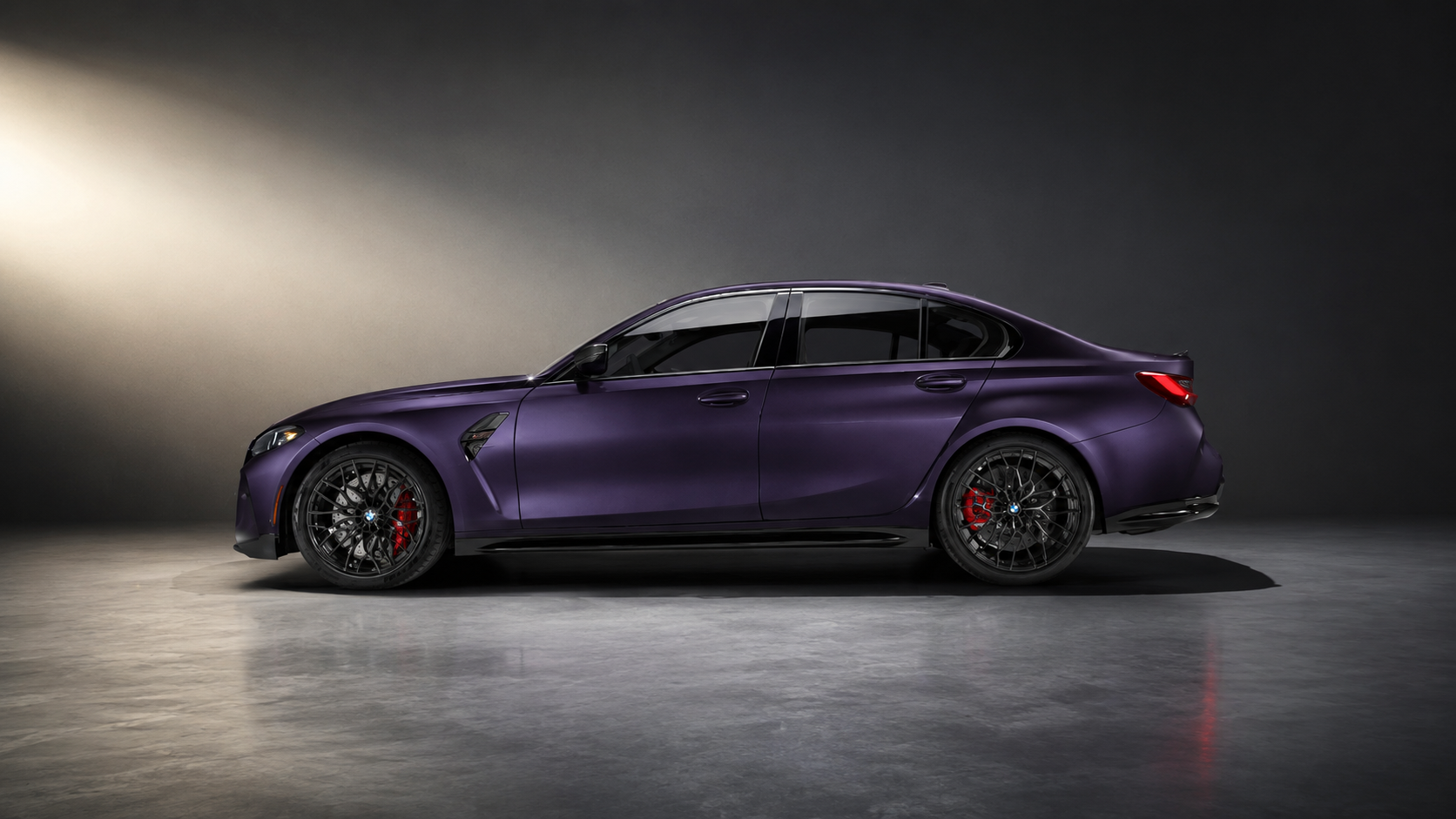
The test car featured flared wheel arches, large brakes, a small boot-lid spoiler and four exhaust outlets. Its bonnet was also noticeably longer than those of the future electric M3 prototypes. This layout is consistent with a longitudinally mounted inline six-cylinder engine.
The body shape already shows a connection with BMW’s new design direction. The headlights and kidney grille appear visually integrated, the front bumper has large air intakes, and the silhouette is cleaner than that of the current G80-generation M3. However, the prototype’s body panels may change before the debut, so its design cannot be taken as a reliable indication of the production car’s appearance.
The videos and photographs also do not reveal the engine’s displacement, whether it uses a 48-volt system or the production exhaust calibration. The recognisable sound confirms the use of an ICE, but does not disclose its final configuration.
BMW Is Preparing Two Different M3s
The official part of the strategy became clear as early as 14.01.2026. On that date, BMW announced that it would begin bringing fully electric next-generation M cars to market from 2027. The official BMW M announcement confirmed four electric motors, an 800-volt architecture, a battery with more than 100 kWh of usable capacity and separate torque control for each wheel.
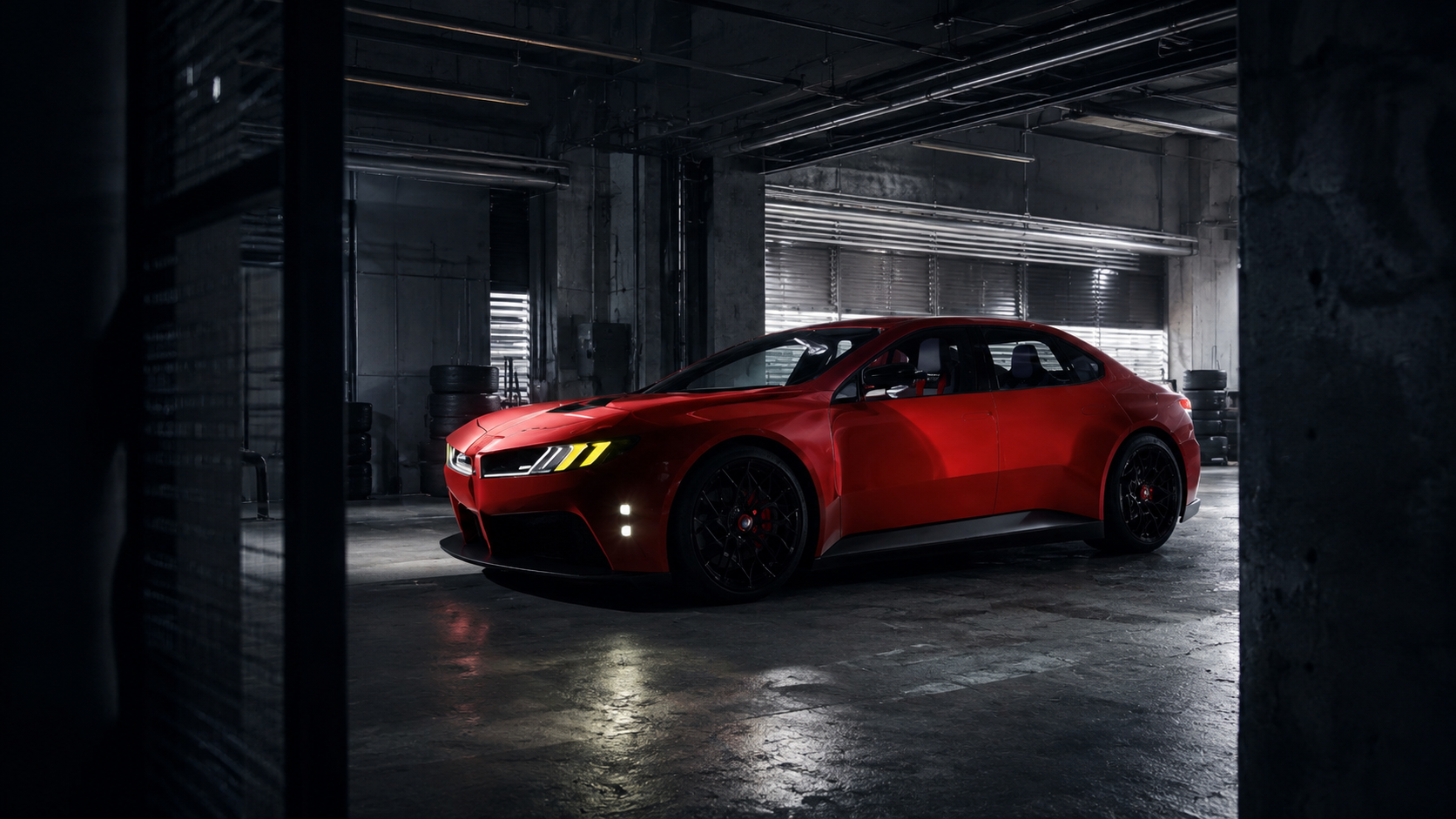
On 12.06.2026, the company presented the BMW M Concept Neue Klasse at the 24 Hours of Le Mans. The concept previewed not only the appearance of the future electric M model, but also features that could carry over to the petrol M3: integrated headlights and grille, wide wheel arches, a prominent rear spoiler and natural-fibre components.
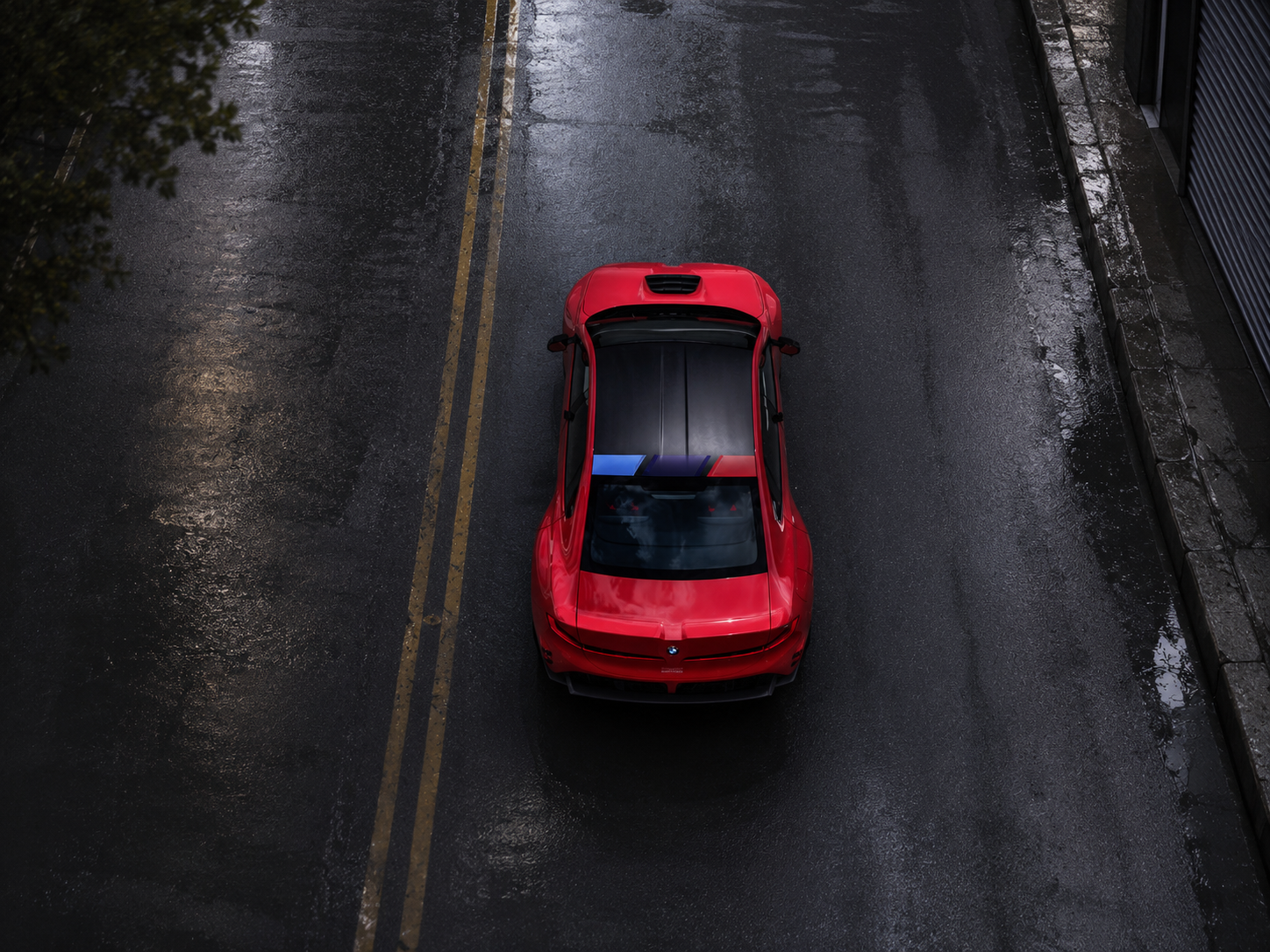
The petrol car will be a separate version rather than an electric-platform variant fitted with an ICE. In an interview published on 15.06.2026, BMW M chief Frank van Meel said the company was committed to the principle of a “pure” powertrain: one M3 will be fully electric, while the other will retain an internal combustion engine. A plug-in hybrid system like the one used in the current M5 is not planned for the new petrol M3.
At the same time, describing the car as petrol-powered does not rule out a compact starter-generator or another mild-hybrid system. Specialist publications have suggested 48-volt electrification, but BMW has not yet disclosed whether such a system will be used or how it would work. It is therefore too early to call the future M3 a confirmed mild hybrid.
How M Ignite Could Keep the Inline Six Alive
The main technical argument for continuing the petrol line is M Ignite technology. BMW introduced it on 07.05.2026 and announced that production of the current M3 and M4 with the new system would begin in July 2026. It is also expected to appear on the M2 from August.
M Ignite uses pre-chamber ignition, with an additional spark plug and coil inside the pre-chamber. Under high load, the air-fuel mixture is ignited at several points within the main combustion chamber. According to the manufacturer, this speeds up combustion, reduces the risk of knock and lowers fuel consumption during intensive driving, especially on a track.
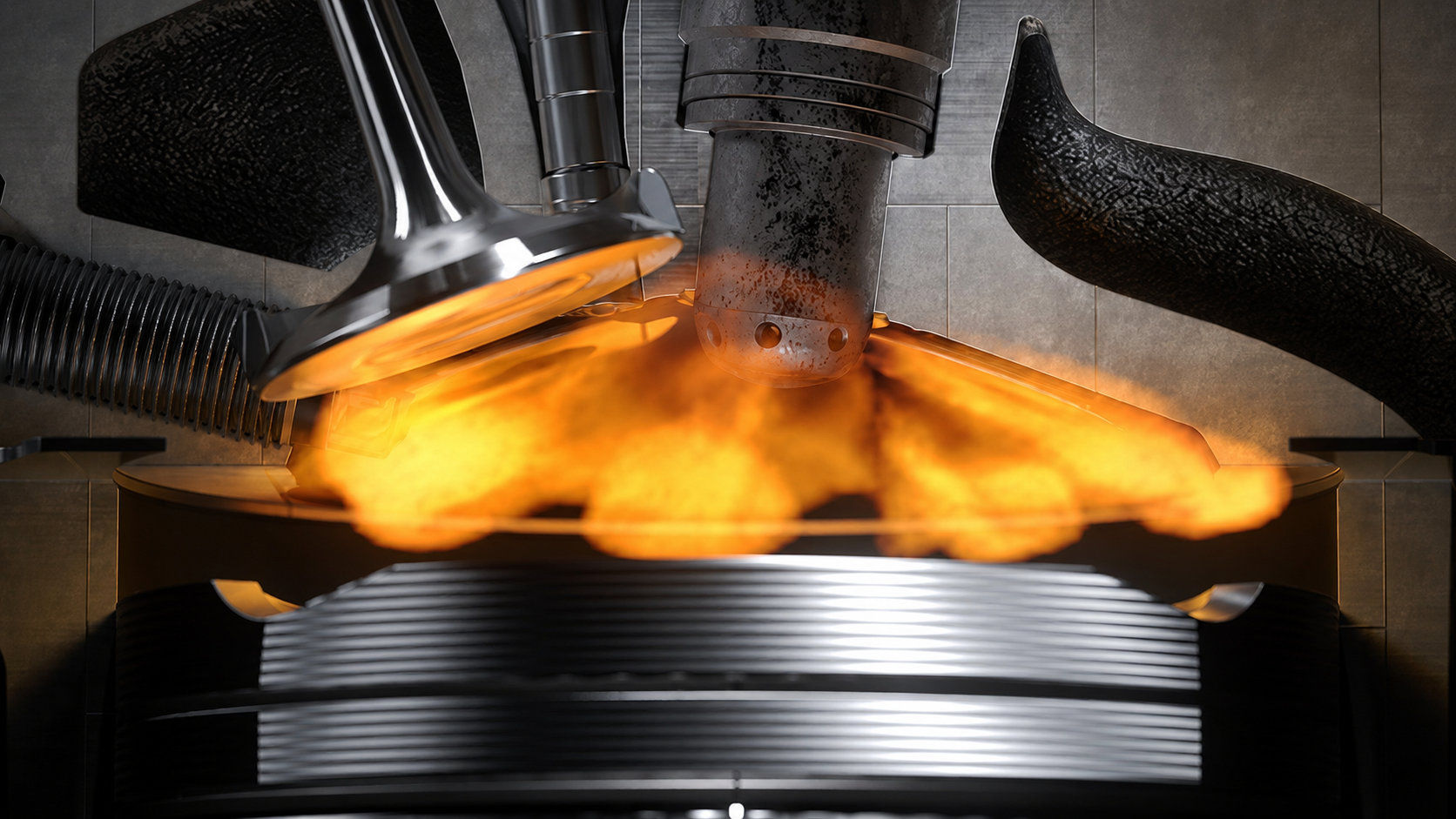
Alongside pre-chamber ignition, BMW has introduced a higher compression ratio and turbochargers with variable turbine geometry. A detailed description of the system is available in the official BMW material on M Ignite.
For the current M3 and M4, engine displacement and power output do not change after the introduction of M Ignite. The new technology is primarily intended to improve efficiency and meet Euro 7 requirements. For new passenger car types in the M1 category, Euro 7 rules begin to apply on 29.11.2026, and to all new vehicles in this category on 29.11.2027.
Frank van Meel confirmed that the updated S58 engine will continue to be used in future M models. This makes it the most likely basis for the next petrol M3. However, BMW has not yet published the new model’s technical specification sheet, so it cannot be claimed that the production engine will retain the current displacement, turbocharging system and power figures in full.
Will the Manual Transmission Survive?
In some countries, the current rear-wheel-drive BMW M3 is still available with a six-speed manual transmission. The Competition version uses an eight-speed automatic, while the M3 Competition M xDrive combines an automatic transmission with all-wheel drive.
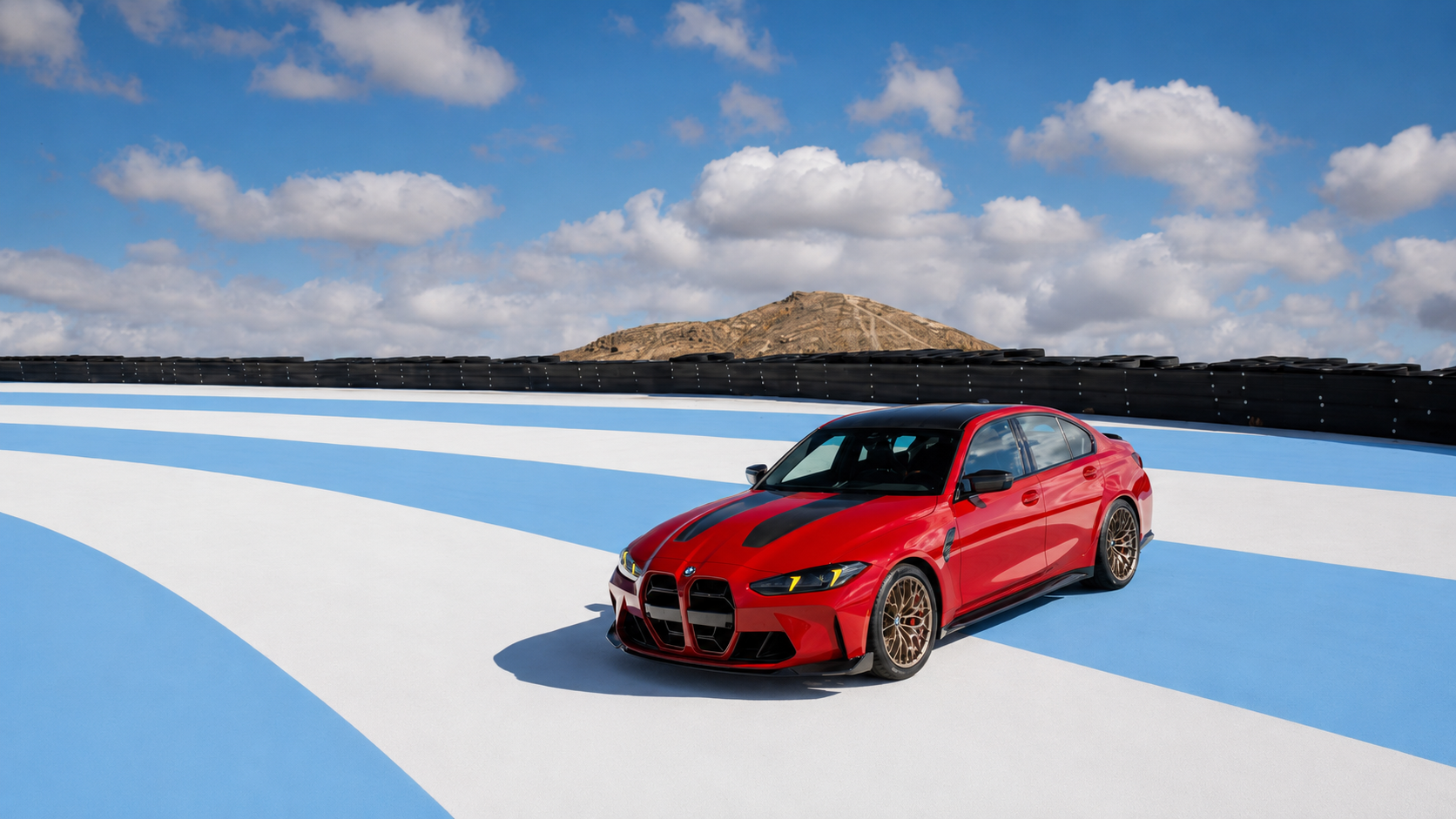
On 17.07.2026, Autocar reported that a manual transmission was still being considered for the next M3. The publication quoted Frank van Meel as saying that BMW intended to preserve the manual in petrol M models for as long as possible. The BMW M chief had previously also explained the interest in a manual by the desire to maintain an emotional connection between the driver and the car.
This does not confirm that a production M3 with three pedals is coming. The decision will depend on the transmission design, demand and component availability. If all versions are based on xDrive, producing a manual variant would be more difficult. Reports that BMW will abandon rear-wheel drive and switch exclusively to automatic transmissions also remain specialist-media speculation.
How the Petrol M3 Will Differ from the Electric Version
Parameter | Petrol M3 | Electric M3 |
Powertrain | Inline six-cylinder engine; exact configuration not disclosed | Four electric motors, one for each wheel |
Hybrid system | Plug-in hybrid ruled out; mild hybrid not officially confirmed | Fully electric BMW M eDrive architecture |
Battery | No PHEV traction battery planned | More than 100 kWh of usable capacity |
Electrical architecture | Data not disclosed | 800 V |
Drivetrain | Not confirmed; media expect xDrive | All-wheel drive with the ability to switch off the front electric motors |
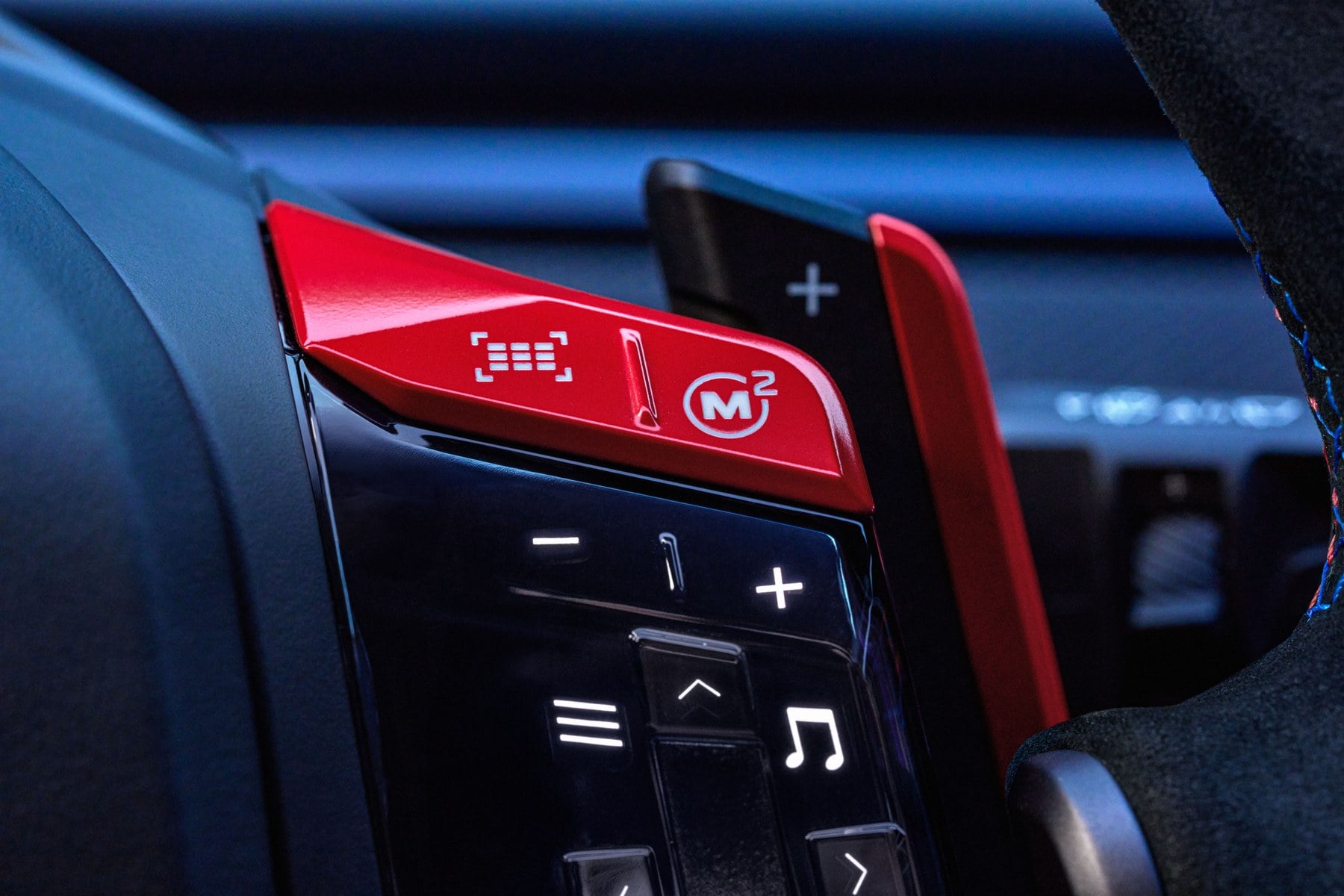
Transmission | Not confirmed; a manual transmission remains possible | No conventional multi-speed gearbox; simulated shifts and steering-wheel paddles have been announced |
Launch timing | Not officially announced; specialist media expect 2028 | BMW M’s new electric line-up starts in 2027 |
Development Timeline for the New BMW M3
Date | Event | Information status |
14.01.2026 | BMW revealed the first technical details of next-generation fully electric M models | Official |
07.05.2026 | M Ignite technology introduced for the M3, M4 and M2 inline six-cylinder engines | Official |
12.06.2026 | BMW M Concept Neue Klasse made its debut at Le Mans | Official |
15.06.2026 | BMW M chief confirmed a separate petrol M3 without a plug-in hybrid system | Statement by the company’s chief in an interview |
16–17.07.2026 | New videos and photographs of the petrol prototype at the Nürburgring emerged | Observations by specialist publications |
When Will the New BMW M3 Be Revealed?
BMW has officially promised to begin a new fully electric era for M in 2027, but it has not yet announced the exact debut date of the electric M3 or its market name. According to estimates from several specialist publications, the petrol version will arrive later, probably in 2028. The company has not confirmed this timing.
Other key parameters have also not been disclosed, including power, torque, weight, acceleration performance, fuel consumption, boot capacity, equipment levels and prices. Any specific figures for these areas should currently be treated as forecasts rather than specifications of the production car.
By July 2026, BMW’s two-track M3 strategy is confirmed: the electric model will not immediately replace the petrol version. For buyers, this means a choice between BMW M eDrive’s new four-motor system and an evolution of the classic M3 with an inline six-cylinder engine. Which version will retain more of the model’s familiar characteristics will become clear after the official debut and publication of the technical data.