 EN
EN

Frequently asked questions
Yes. Specialist publications report that the European range continues to include petrol, diesel and plug-in hybrid versions. Euro 7 is technology-neutral and does not ban diesel passenger cars, but diesel versions must meet the applicable type-approval requirements.
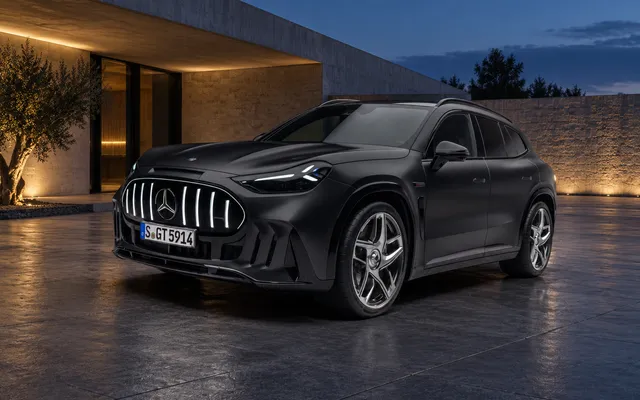
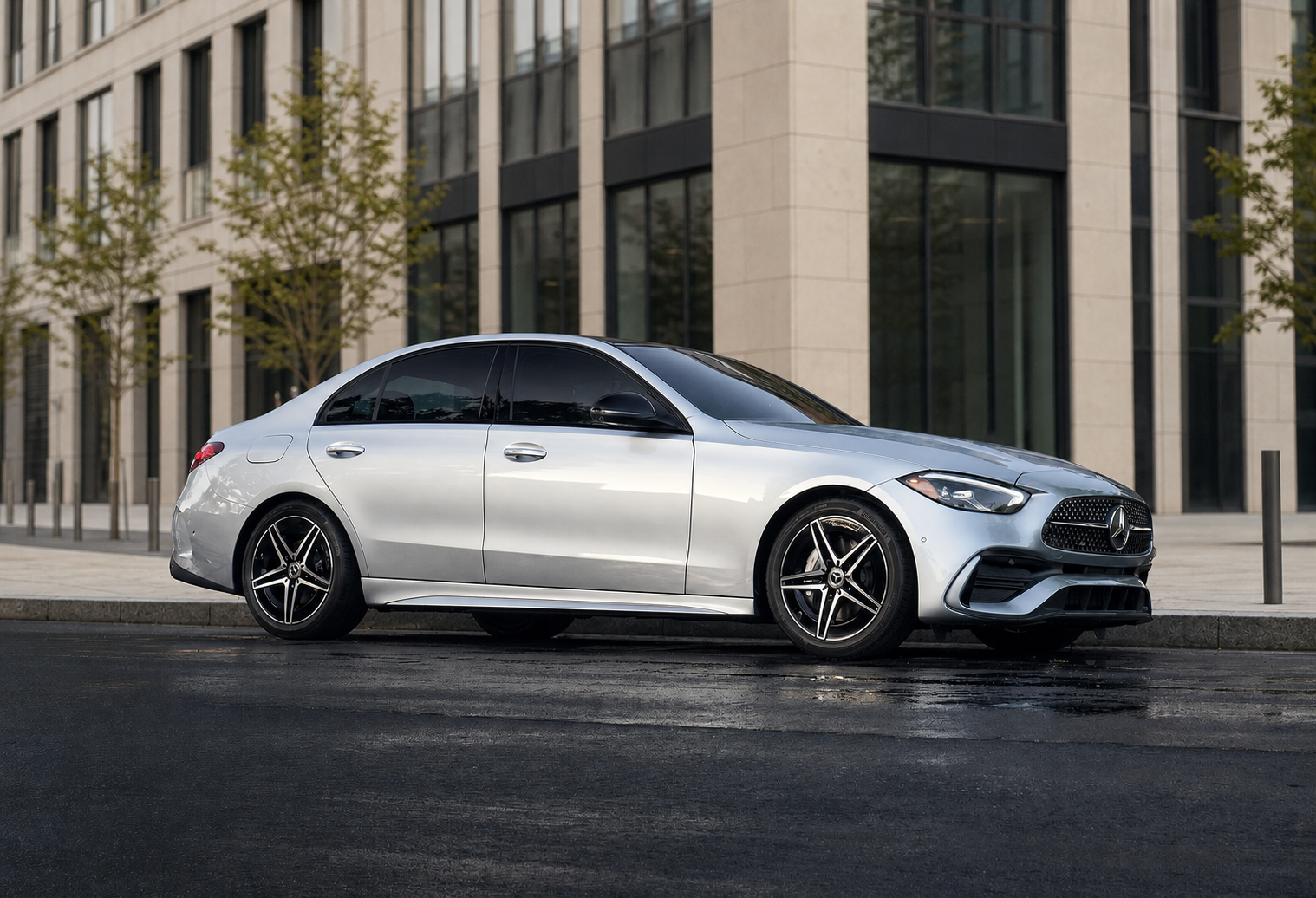
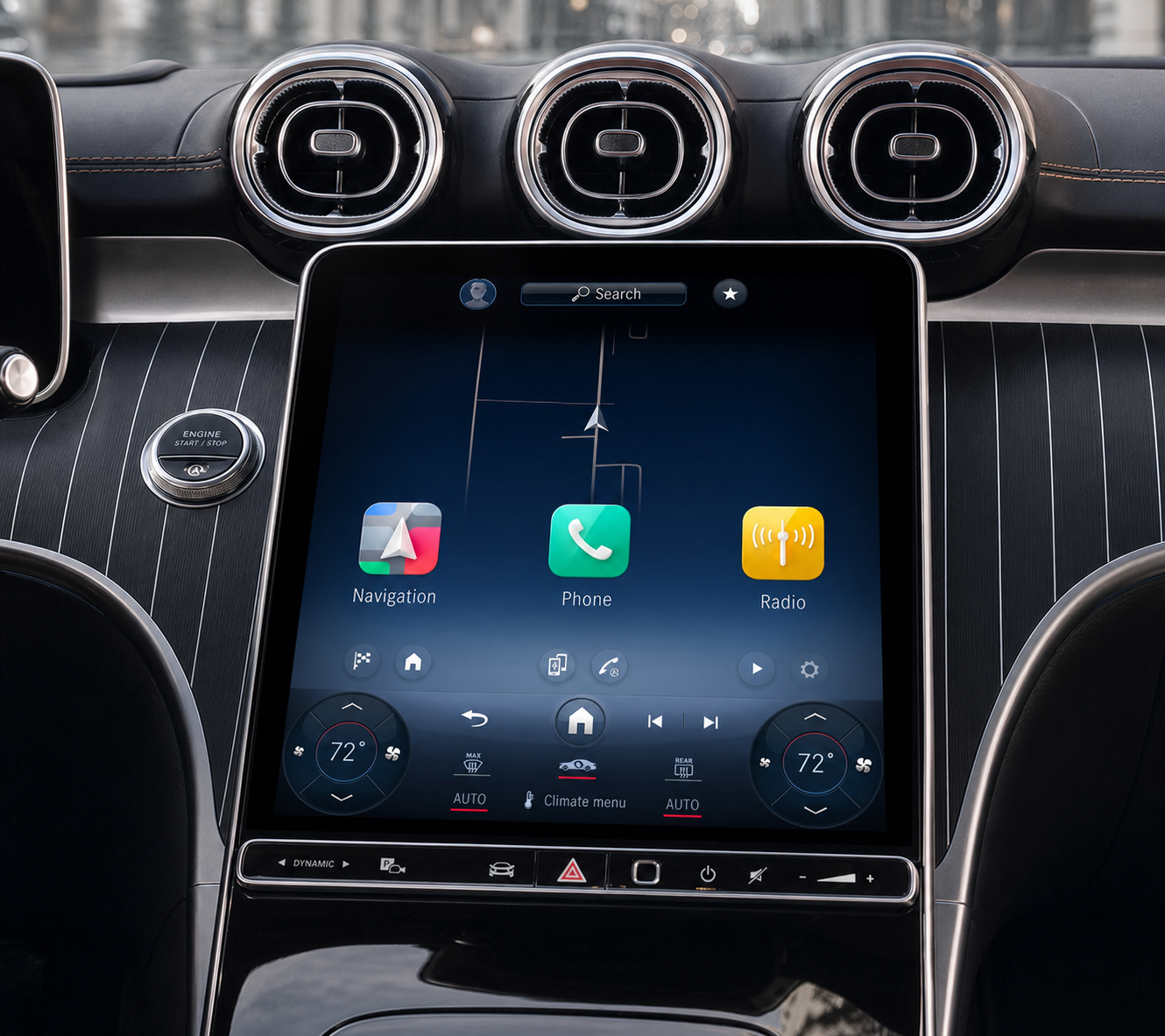
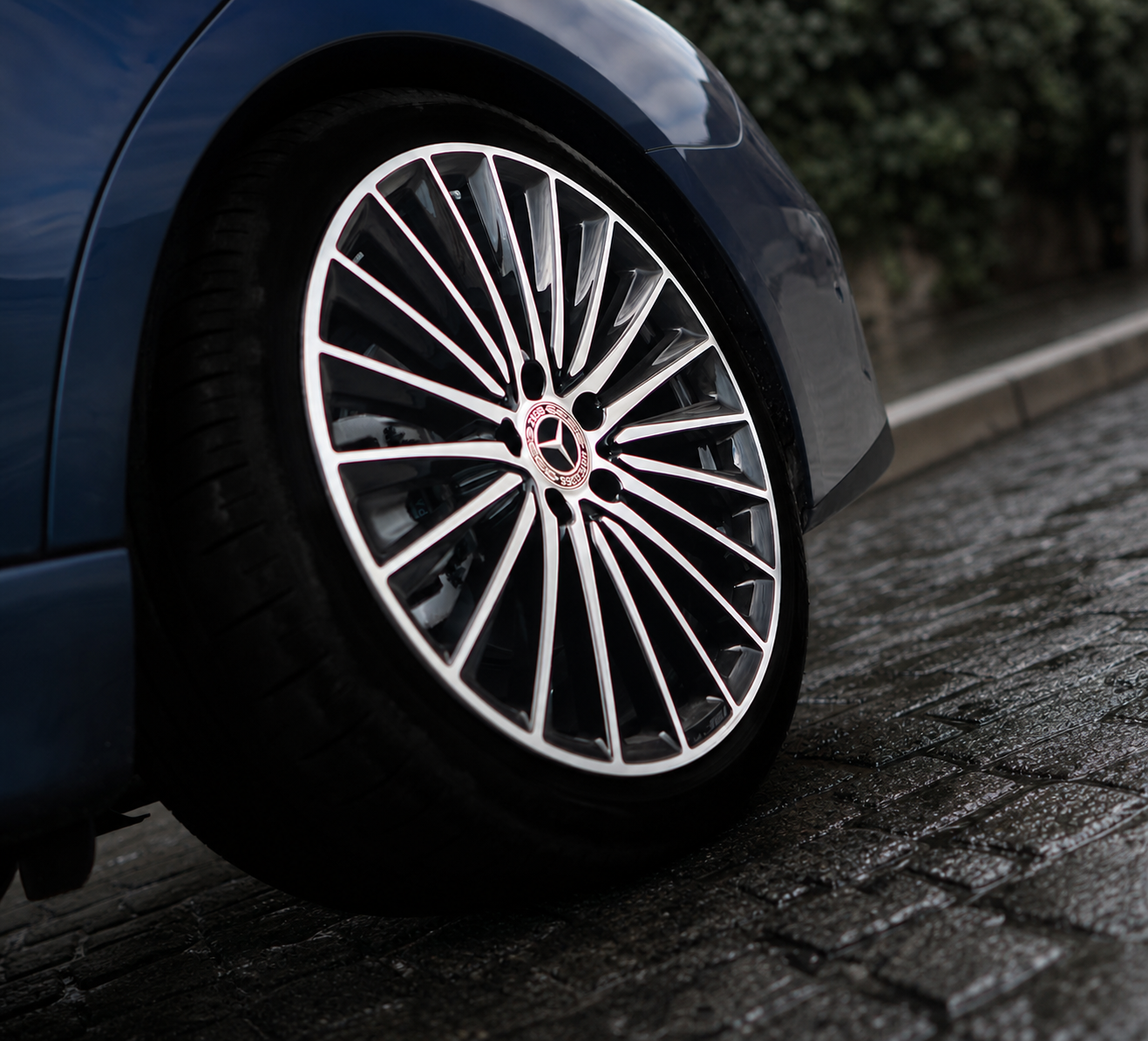
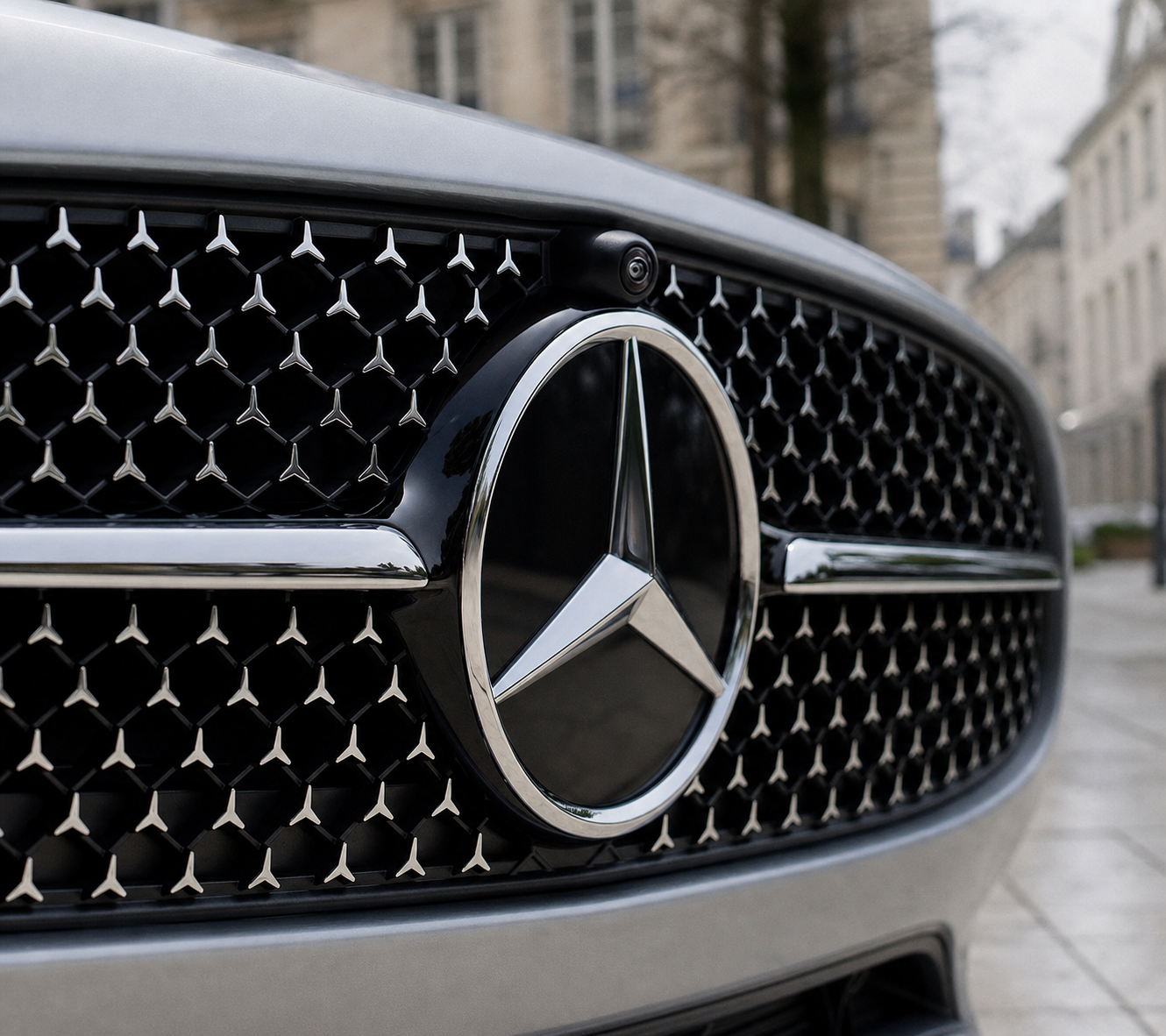
The facelift brings a larger grille, revised lighting graphics, new wheel designs and two new exterior colors. Inside, the 11.9-inch central display and 12.3-inch instrument cluster remain, while the steering wheel gains a physical volume scroll wheel. Mercedes also updated MB.OS and the MBUX voice assistant.
Mercedes-Benz has not fully disclosed prices, delivery dates or the complete engine lineup for specific countries. Deliveries in the United States are expected in the first half of 2027, while launch dates and terms for other countries remain undisclosed.
On August 17, 2026, Mercedes-Benz unveiled the updated C-Class with internal-combustion engines. This is not a new generation but a facelift of the current W206 family: the front end has been revised, new interior details have been added, and the powertrains have been updated. At the same time, Mercedes is developing a separate electric C-Class, so news reports can easily make two different cars with the same name seem like one model.
Diesel versions remain in the European lineup. That does not mean diesel has “escaped” the new emissions requirements: it must meet the same type-approval rules as other passenger cars. However, Euro 7 itself does not ban this type of engine.
The essentials in one minute
The updated C-Class with internal-combustion engines was unveiled on 08/17/2026; the electric C-Class is a separate model based on a different architecture.
The sedan gets a revised grille, updated lighting and several interior changes.
The European range continues to include petrol, diesel and plug-in hybrid versions.
For new types of passenger cars, Euro 7 requirements apply from 11/29/2026.
Mercedes-Benz has not yet fully disclosed prices, delivery dates or the engine lineup for specific countries.
What has changed on the outside
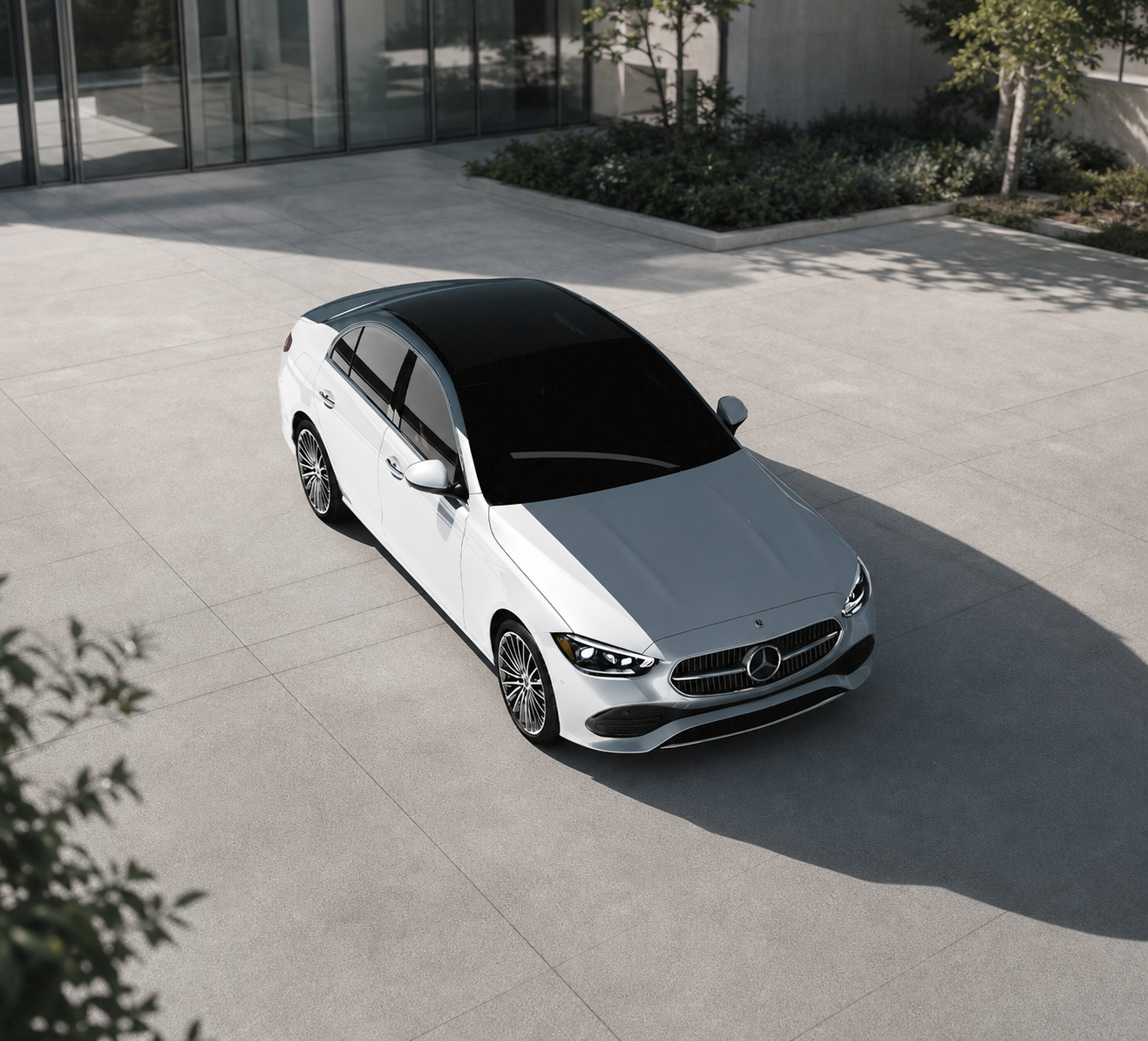
The facelift is recognizable by its larger grille, which sits lower and is framed by a black insert connected to the headlights. The lighting now features a three-pointed-star design that Mercedes is gradually introducing on other models. The list of updates also includes new wheel designs and two new exterior colors.
This is not an attempt to present a facelift as a new model. The wheelbase, overall silhouette and cabin architecture remain unchanged—the practical purpose of the update lies not in a new body size, but in the technology, software and equipment.
Inside: familiar layout, different controls
The 11.9-inch central display and 12.3-inch instrument cluster remain. However, the new steering wheel features a physical volume scroll wheel. It is a small detail, but more useful than many cosmetic changes: the driver no longer has to search for the setting on the screen.
Mercedes has updated the MB.OS software platform and says the vehicle software can receive over-the-air updates. The MBUX voice assistant now includes AI-based functions; the availability of specific services, languages and connectivity features will depend on the country, equipment level and subscription terms. Check them in the official Mercedes-Benz materials for your market rather than relying on a description of a vehicle from another country.
Powertrains: why diesel has not disappeared
Specialist publications report that the C-Class will continue to be offered in Europe with petrol, diesel and plug-in hybrid powertrains. Mercedes-Benz has not publicly given one specific reason for retaining diesel and has not disclosed the full range of versions for every country. It would therefore be speculation to link the decision solely, for example, to demand from corporate fleets or long-distance drivers.
There is a simpler, confirmed answer to the question “why has diesel stayed?” Euro 7 is technology-neutral and does not ban diesel passenger cars. For the M1 and N1 categories, it retains the existing Euro 6 exhaust-emissions limits while expanding the requirements to cover, among other things, particles larger than 10 nm, brake emissions and tyre wear. The details are set out in the Euro 7 regulation.
For buyers, this means that a diesel version is not exempt from the new standards, while the Euro 7 label itself says nothing about fuel consumption, service life or maintenance costs. These factors must be compared for the specific version and market.
Do not confuse the two C-Class models
The updated C-Class with internal-combustion engines is a facelift of the W206. The electric C-Class is a separate model built on a dedicated electric architecture. Their service names and design elements may overlap, but the range, battery or specifications of the electric version cannot automatically be applied to the petrol, diesel or hybrid sedan.
What is confirmed and what is still pending
Topic | Known as of 08/18/2026 | Not yet fully disclosed |
|---|---|---|
Body and lighting | New grille, revised headlight and taillight graphics, plus new wheel and color options. | The equipment and wheel selections for each market. |
Interior and infotainment | A new steering wheel with a physical scroll wheel, MB.OS and updated MBUX. | Which AI functions, languages and subscriptions will be available in each country. |
Powertrains | Petrol, diesel and PHEV versions are confirmed for Europe. | The complete engine table, outputs and certification figures by market. |
Sales | Deliveries of the updated C-Class in the United States are expected in the first half of 2027. | Launch dates, prices and equipment levels for other countries. |
What Euro 7 changes—and what it does not
On November 29, 2026, Euro 7 requirements will begin to apply to new types of passenger cars and vans. The standard covers more than exhaust emissions: it includes requirements for particles from brakes and tyres, as well as traction-battery durability requirements for electric and hybrid vehicles.
Euro 7 should not be confused with active-safety rules. From July 7, 2026, another package of requirements entered into force in the European Union for all new passenger cars and vans, including more advanced automatic emergency braking with pedestrian and cyclist detection, as well as a driver-distraction warning system. This is a Europe-wide rule, not a list of equipment specific to the C-Class; its purpose and implementation stages are explained by the European Commission.
What to check before ordering
The specific engine and market. One set of specifications has been published for the United States, while Europe will have a different range of petrol, diesel and hybrid versions.
The list of standard driver-assistance features and the cost of options: legal requirements do not mean identical equipment across all trim levels.
The availability of MBUX services and over-the-air updates in your language and country.
Delivery time, price and warranty terms from your local dealer: as of August 18, 2026, there are no uniform global terms for the updated C-Class.
Bottom line
The updated Mercedes-Benz C-Class does not change the model's formula: it remains a sedan with several types of powertrain rather than a move exclusively to electric vehicles. The updates most noticeable in everyday use are revised infotainment controls, updated software and a powertrain range adapted to the new rules. Diesel remains not as an exception to those rules, but as one of the technologies that can still be certified under Euro 7.