EN
ENDEALER
€82,050DEALER
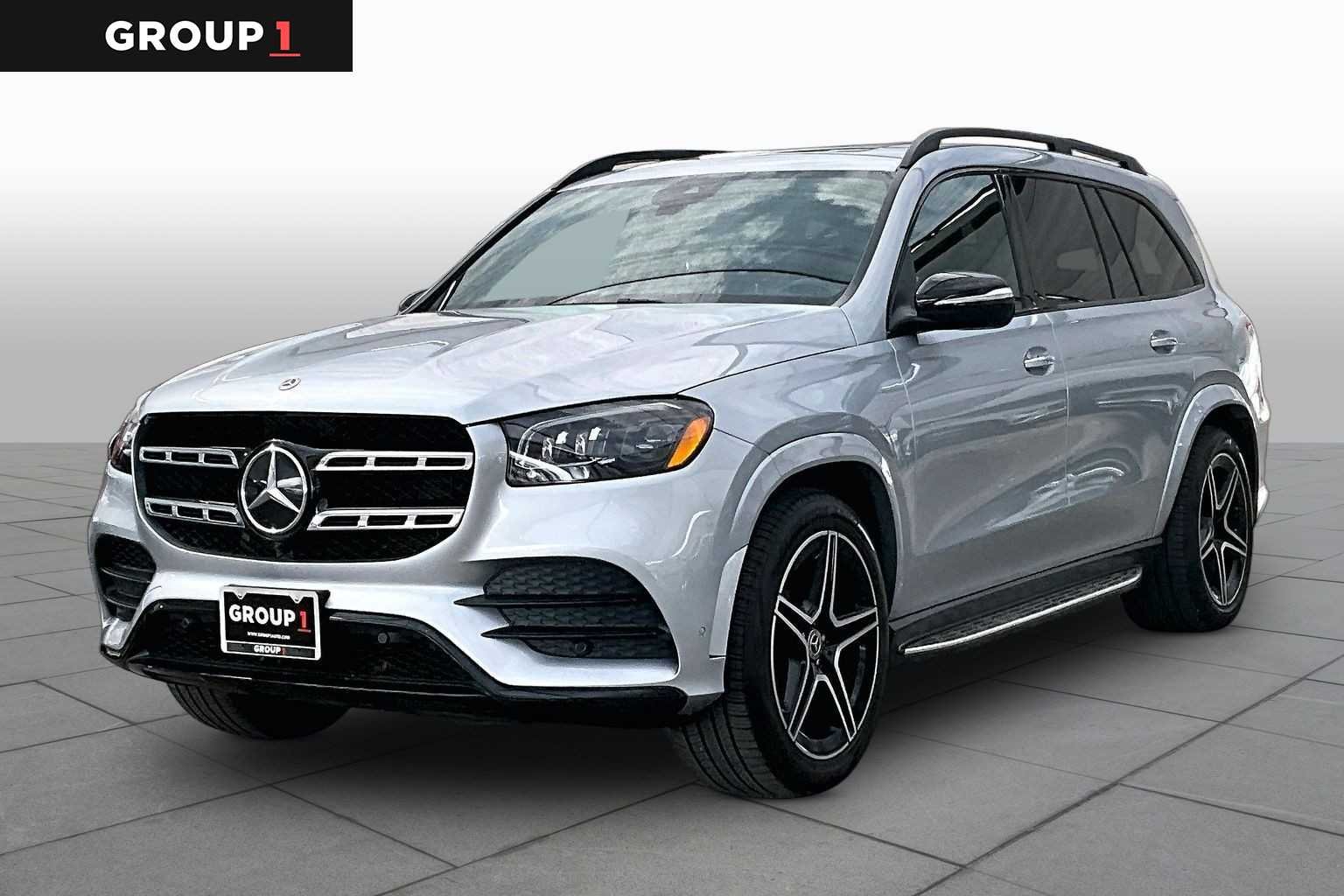
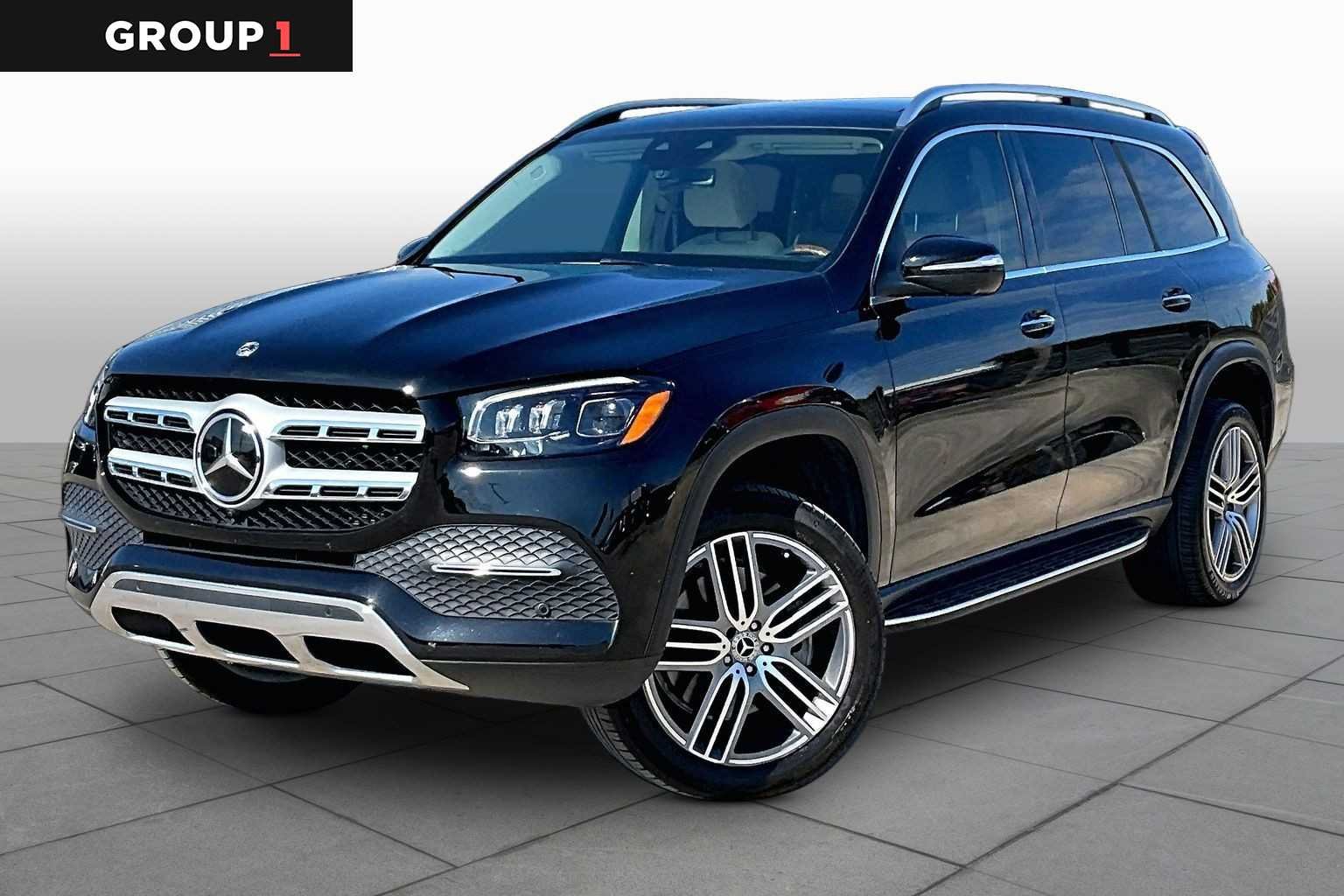
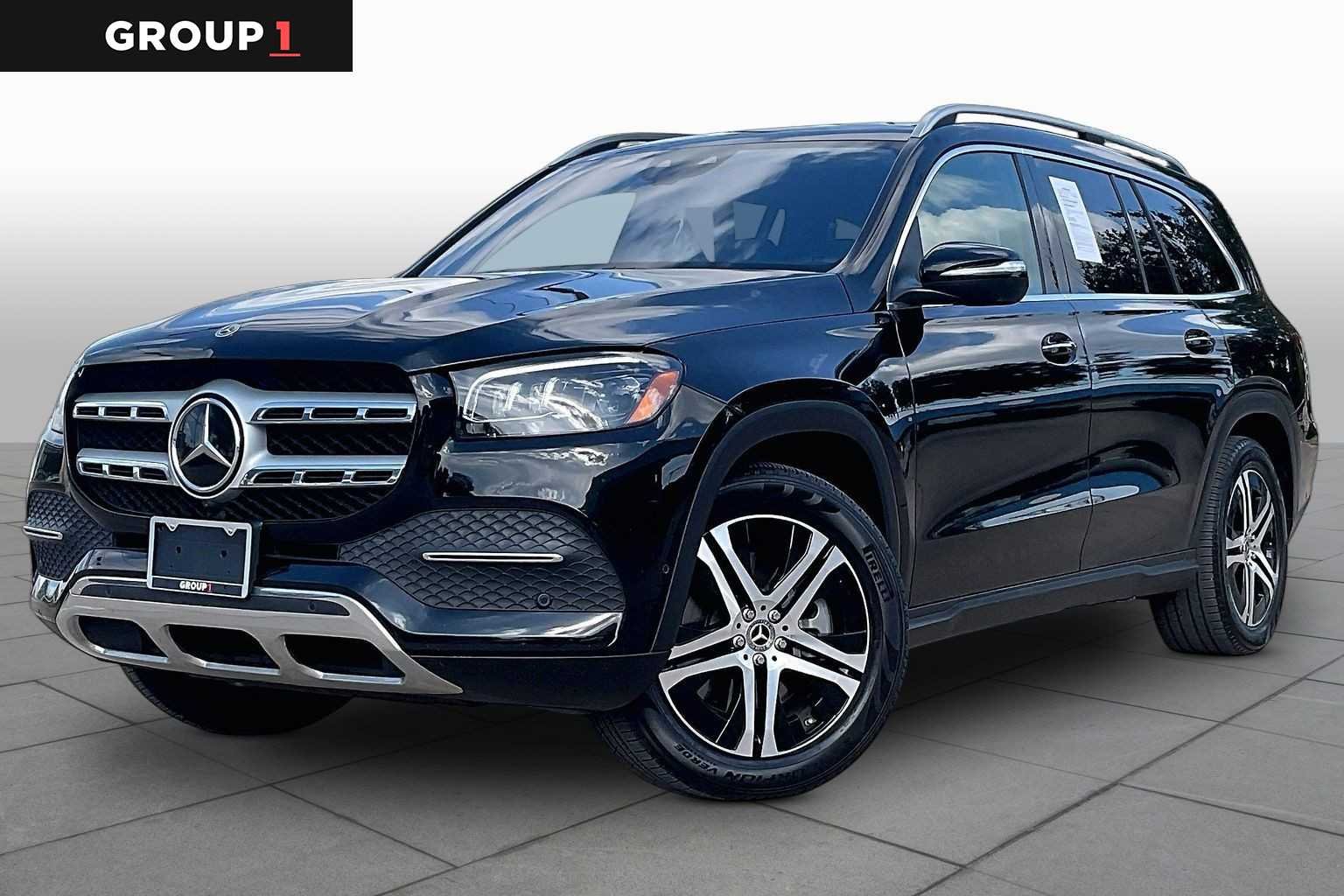
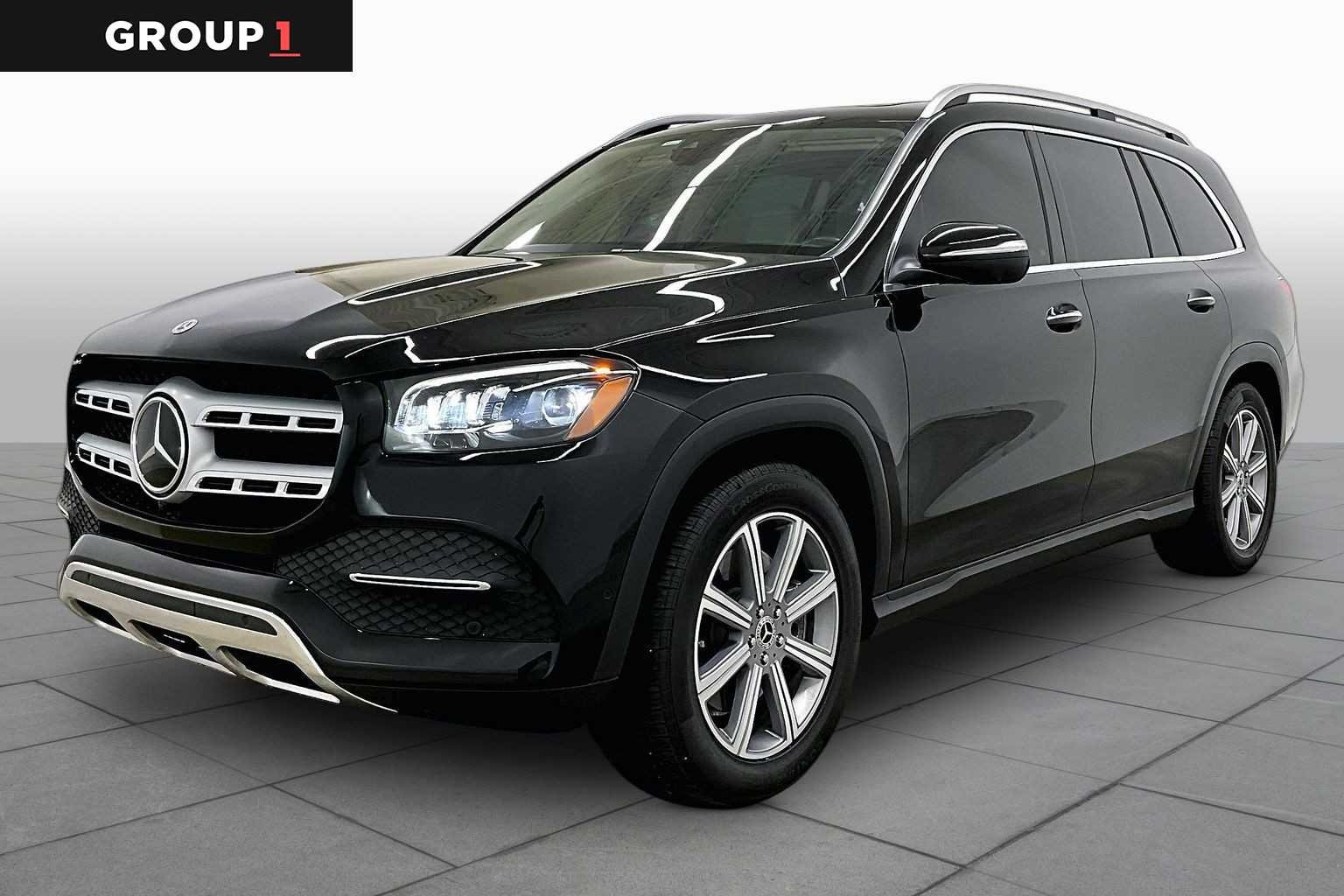
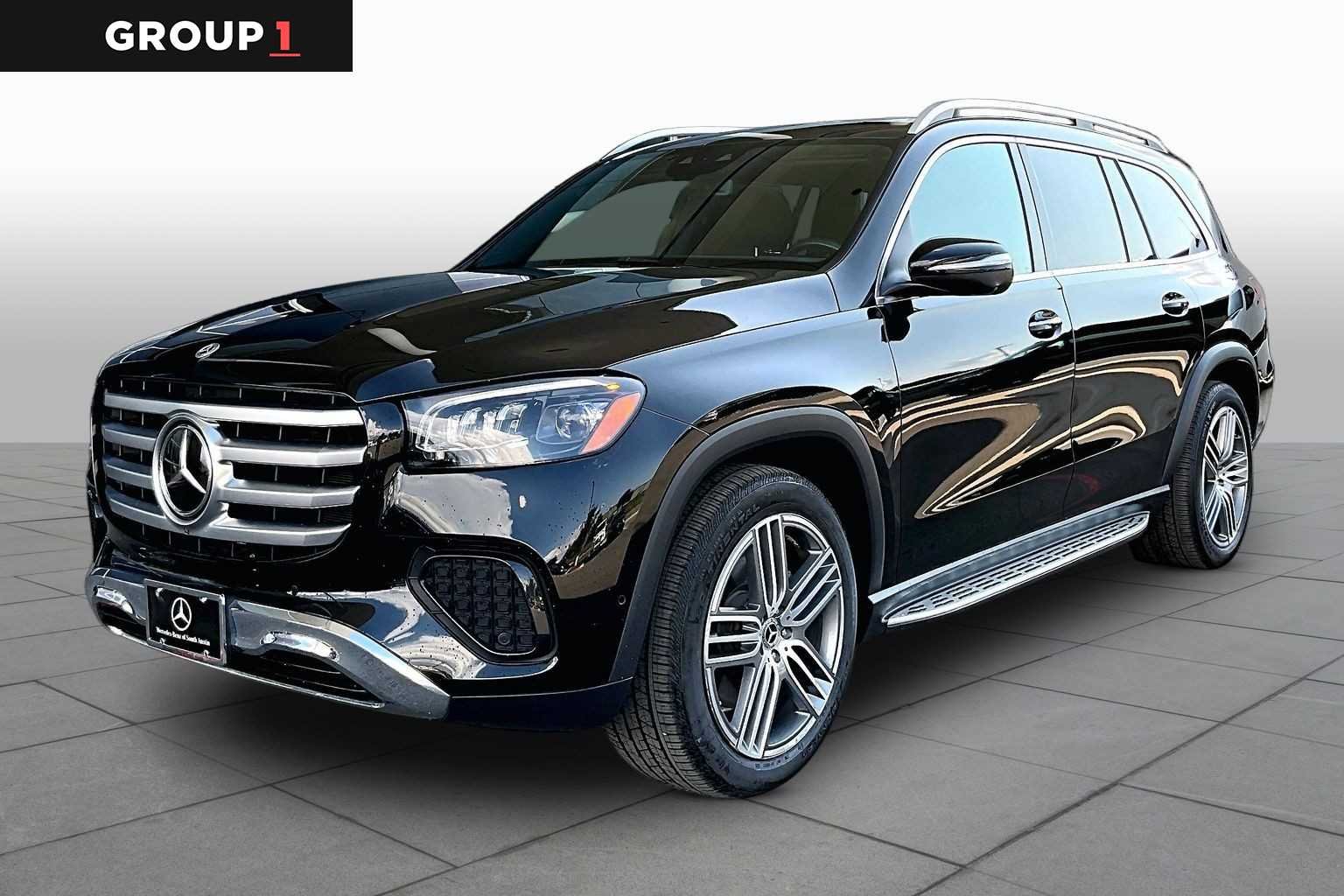
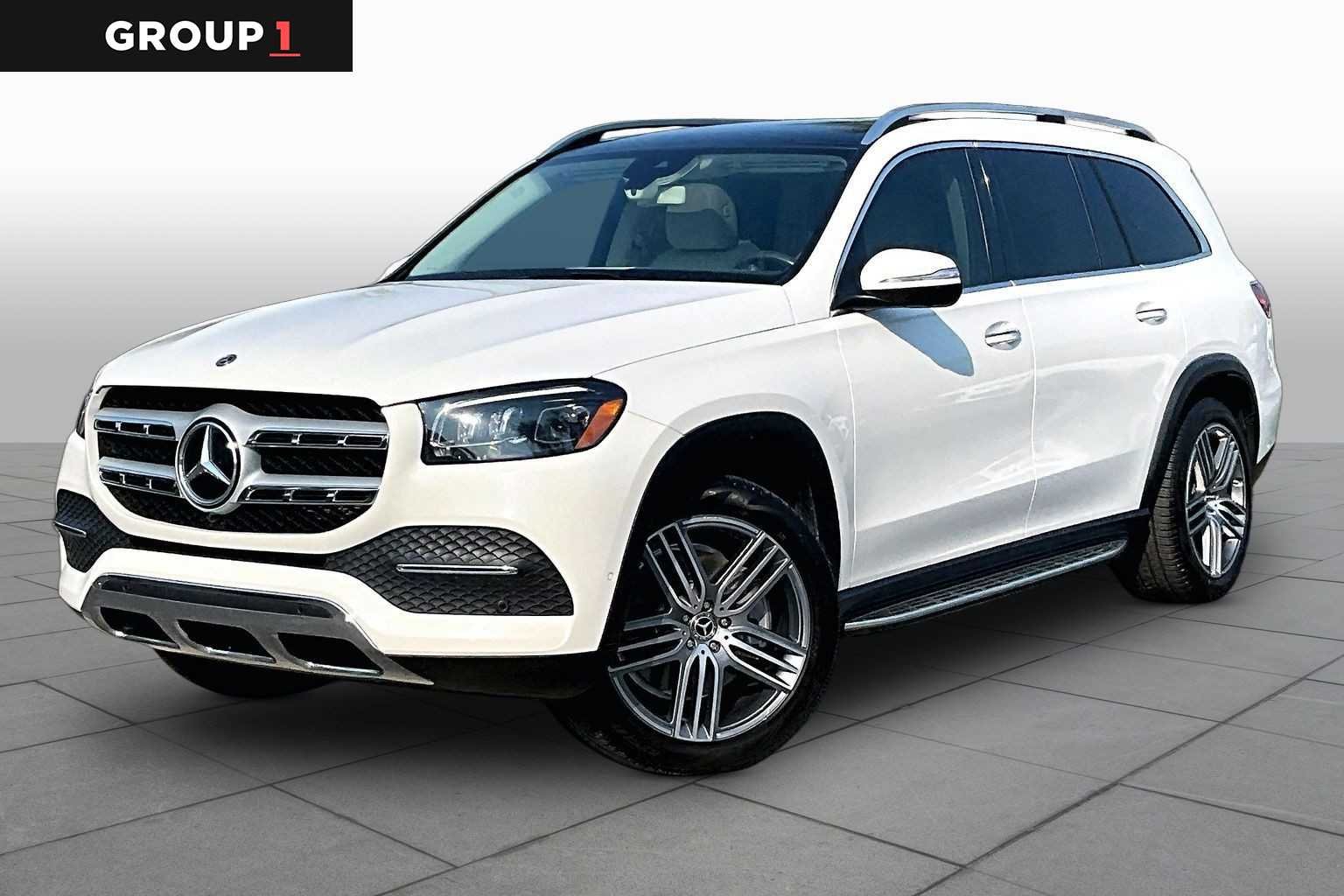
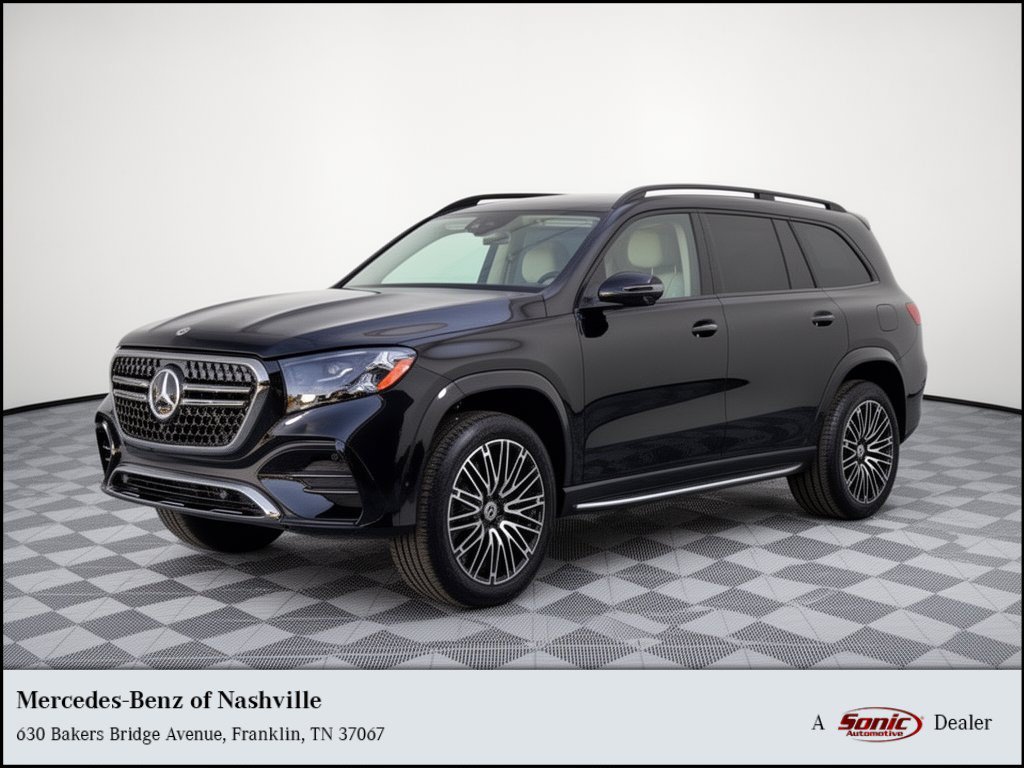
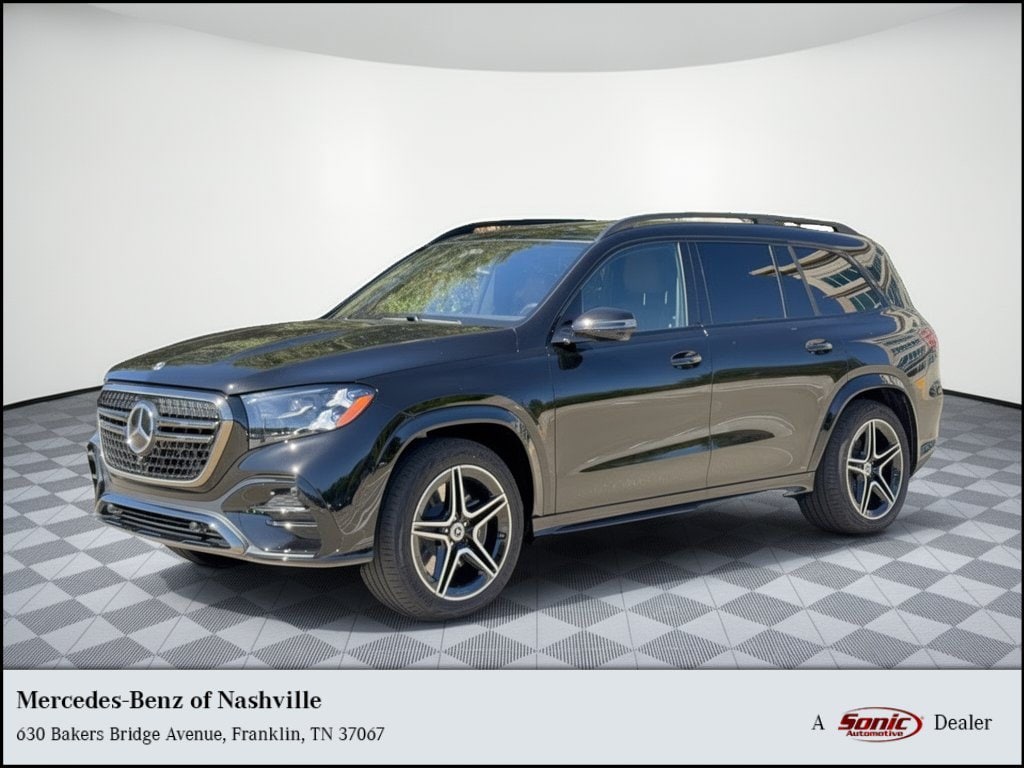
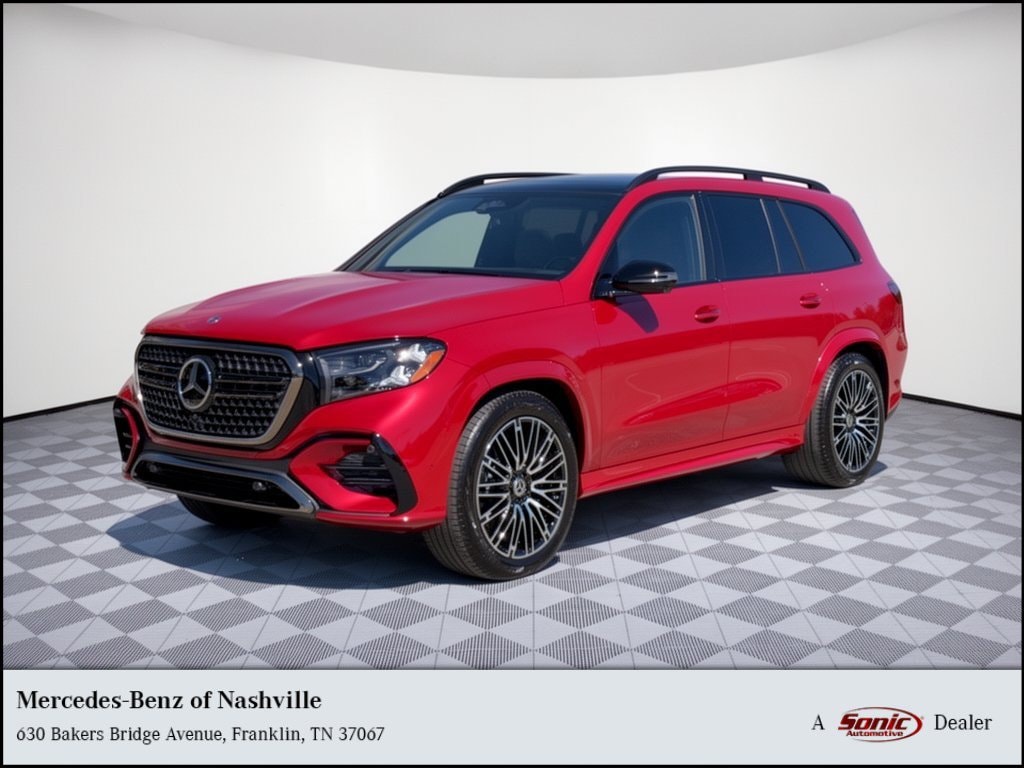
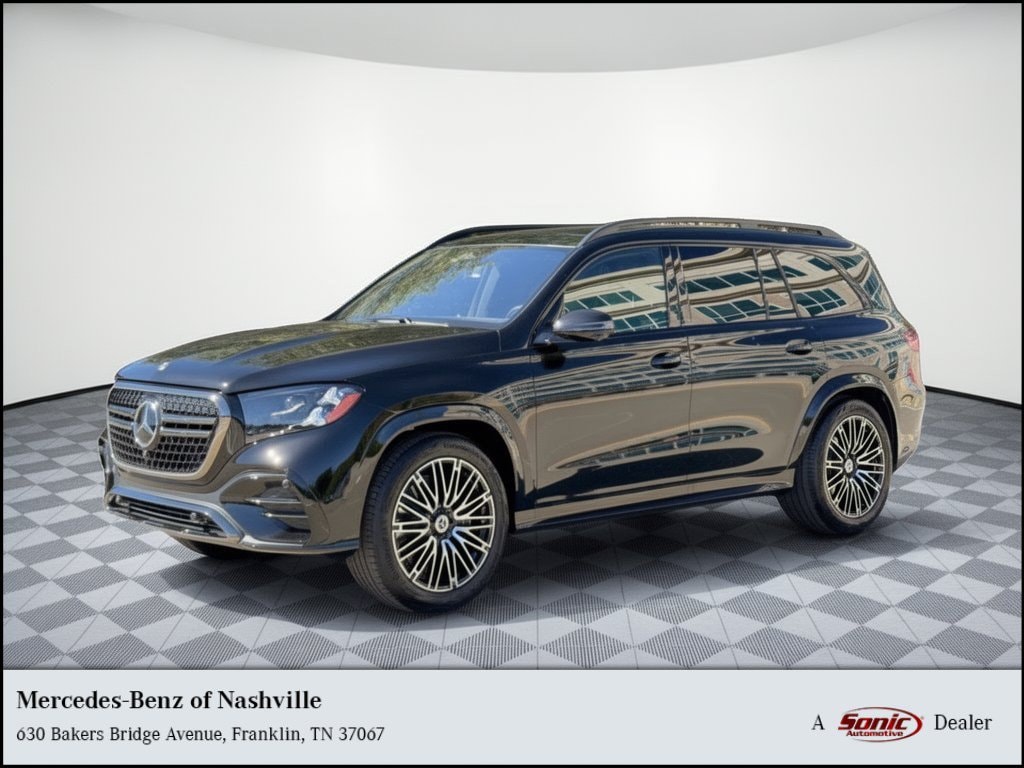
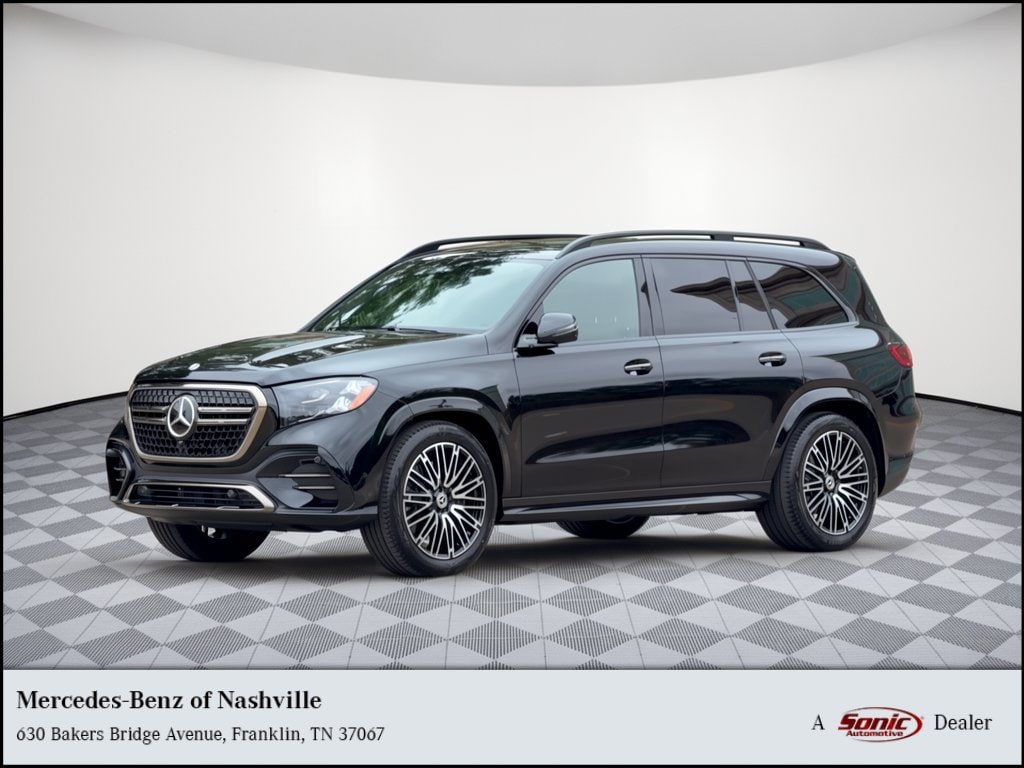
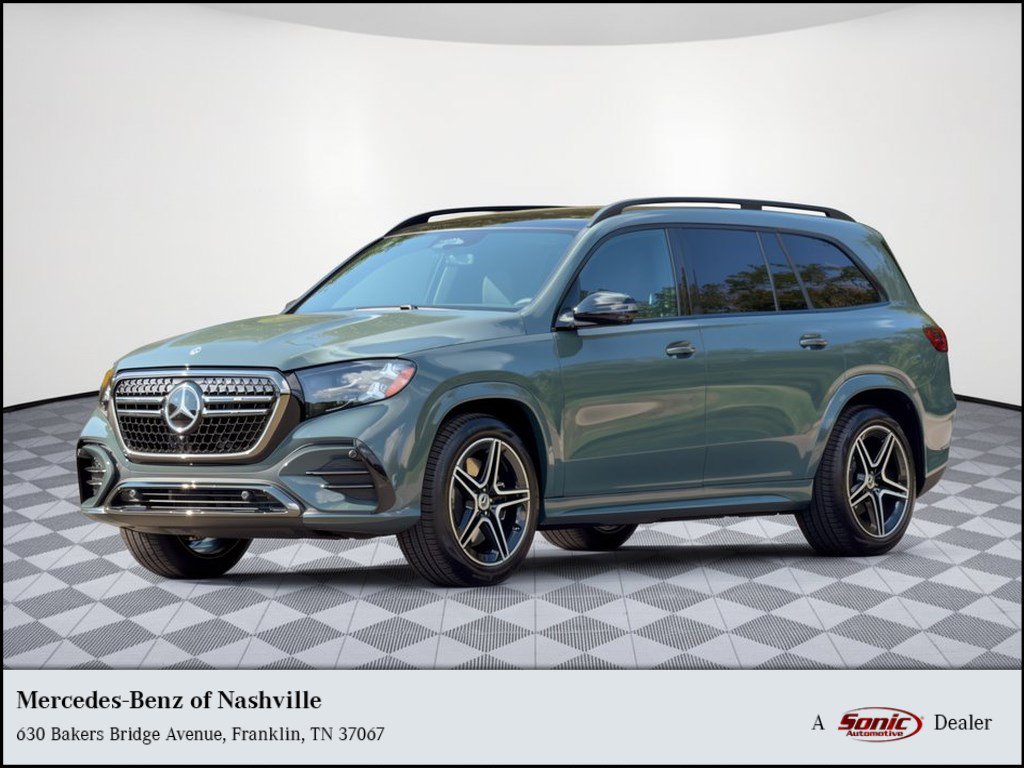
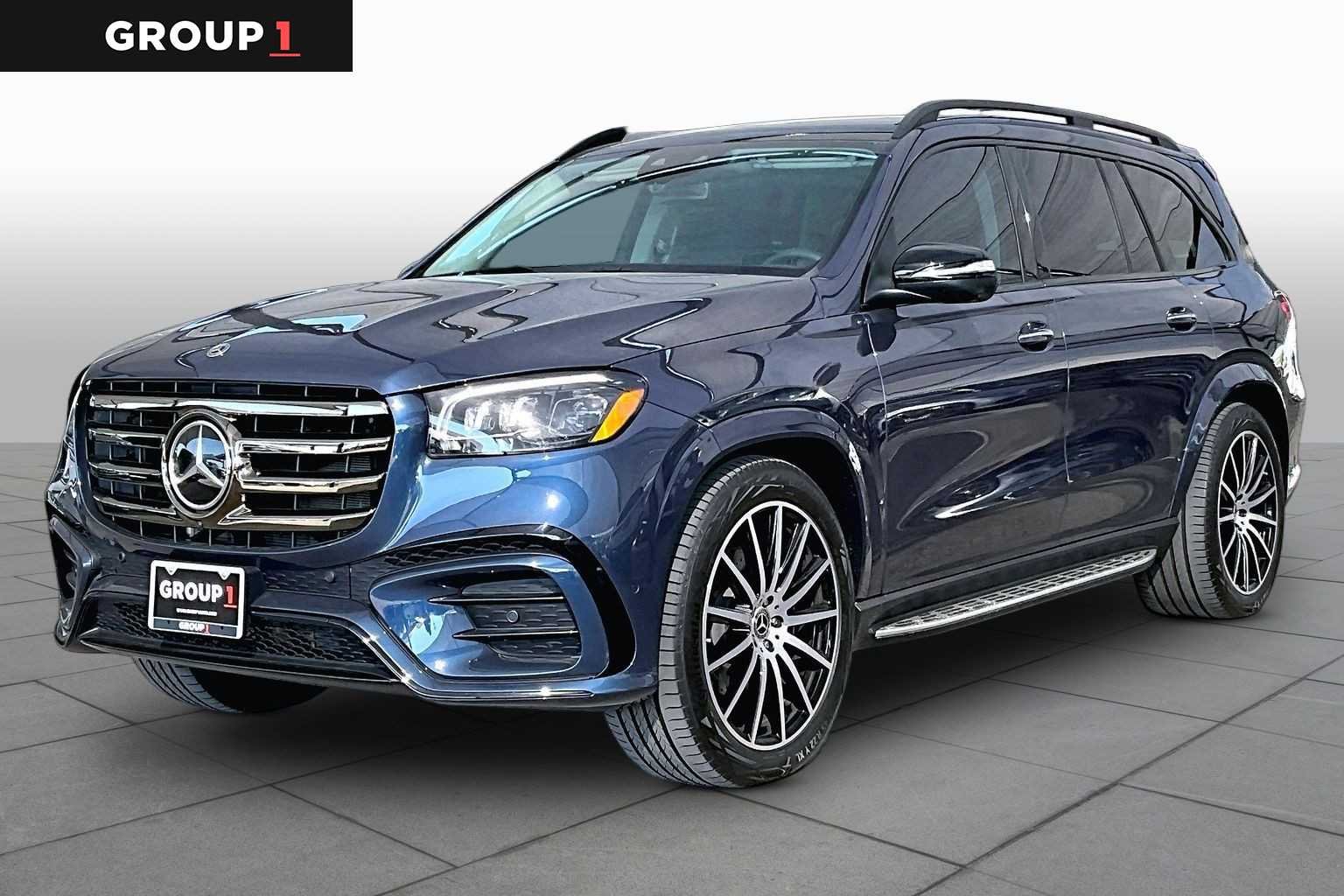
gasoline, automatic, 8K km, SUV, All Wheels Drive, 3,000 cm3, 375 hp, blue, GLS 450, Used condition, USA, In stock

Group1Auto.com
 Georgetown, United States
 Georgetown, United StatesGeorgetown, United States
 Brentwood, United StatesNew Augusta, United StatesSouthwest, United StatesSouthwest, United StatesSouthwest, United StatesLot, United States
 Austin, United StatesMain Settlement, United StatesMain Settlement, United StatesMain Settlement, United StatesMain Settlement, United StatesMain Settlement, United States
 Franklin, United StatesFranklin, United StatesFranklin, United StatesFranklin, United StatesFranklin, United StatesFranklin, United StatesFranklin, United StatesFranklin, United StatesFranklin, United StatesFranklin, United StatesFranklin, United States
The Mercedes-Benz GLS-Class stands as a flagship SUV for families and executives who value space, refinement, and strength. If you’re considering a GLS-Class to buy, you’ll want to know how the different generations compare, what engines and body styles are available, and how mileage and price influence value in your city. This guide focuses on practical steps for selecting, comparing, and purchasing a GLS-Class that fits your goals, whether you’re shopping in a big city or a regional market.
The GLS-Class blends luxury-car comfort with SUV practicality. You’ll find a roomy cabin, advanced safety tech, and options that suit both long trips and daily driving. Key factors buyers ask about include the model year range, engine choices (ranging from efficient turbocharged six to powerful V8 options in higher trims), and the balance between space and agility for a large SUV. If you’re evaluating a used GLS-Class, consider the generation-specific traits, typical maintenance needs, and how many seats you require for family or business use.
When you compare listings, group them by year, mileage, and trim. Create a checklist to verify:
Look for common phrases buyers use in your language about prices, reliability, and resale value. For example: “GLS-Class price under [city],” “GLS-Class reliability by year,” or “best GLS-Class engine for daily driving.” These search terms guide you to models that fit your needs and budget.
If you’re selling a GLS-Class, highlight recent maintenance, low miles for the year, and any luxury upgrades to appeal to buyers who value comfort and prestige. High-quality photos and complete service documentation also help achieve a quicker sale and a favorable price.
 Add as preferred sourceSee more from zvelta in Google Search Add as preferred source