EN
ENDEALER
€30,198DEALER
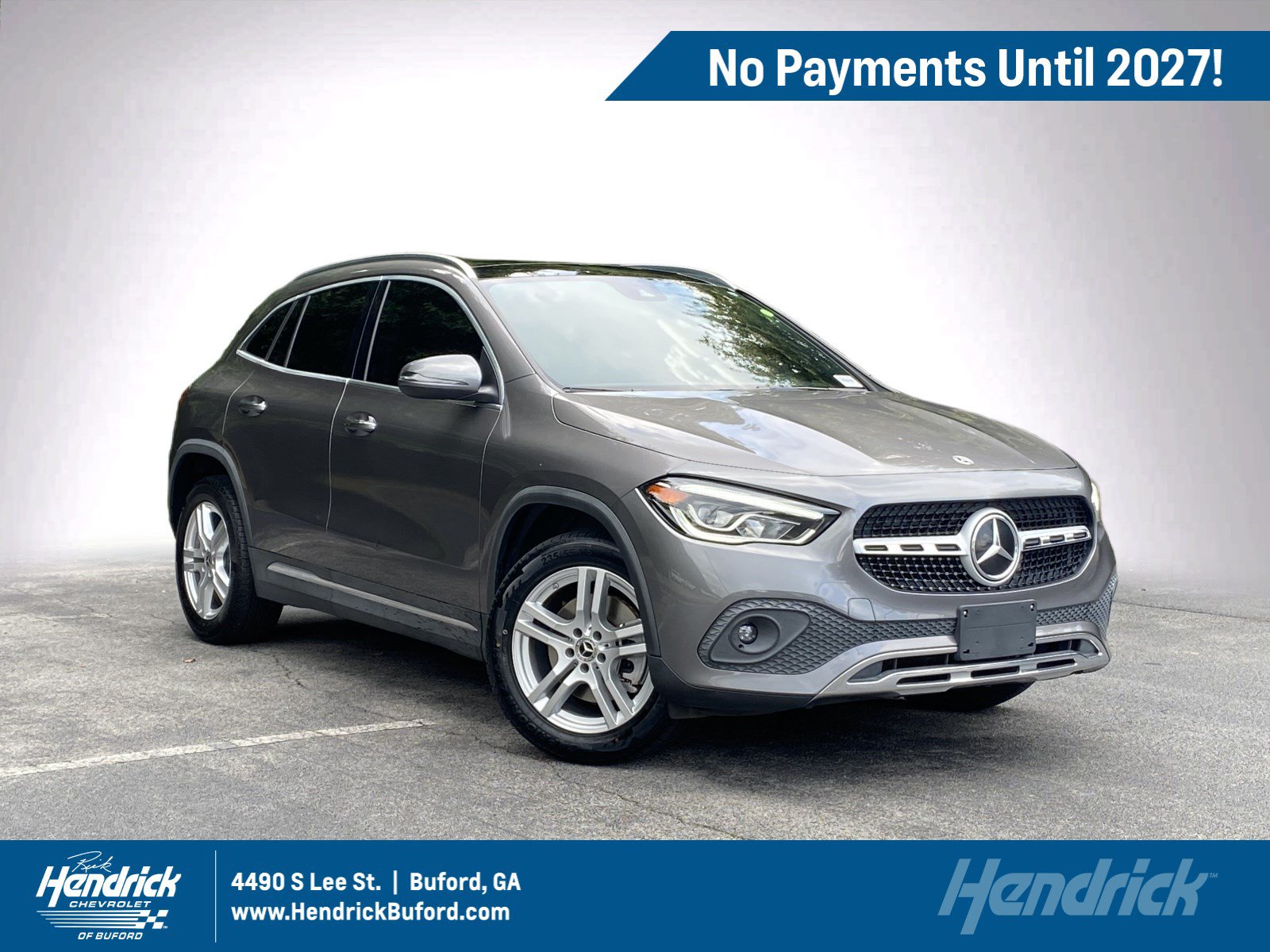
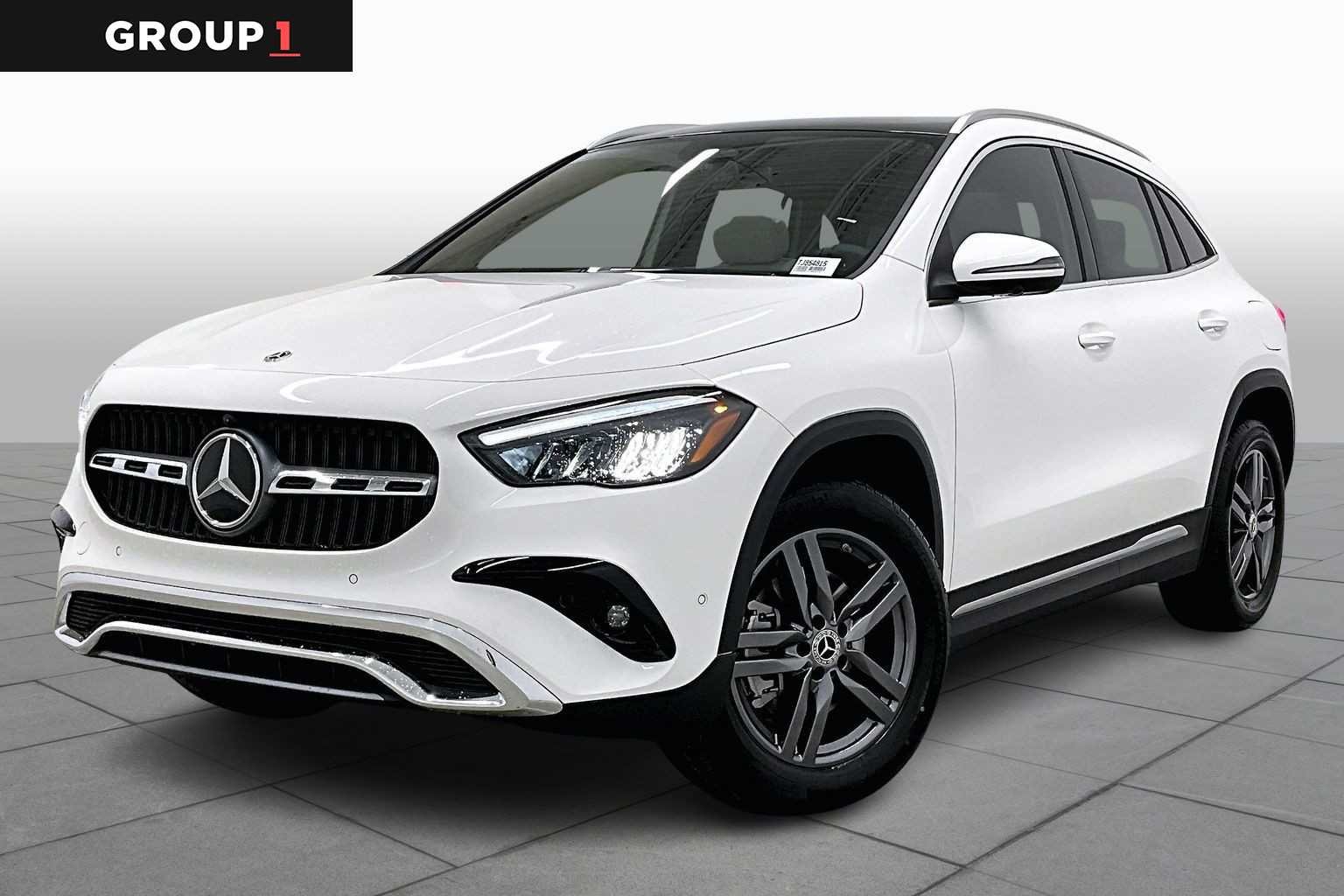
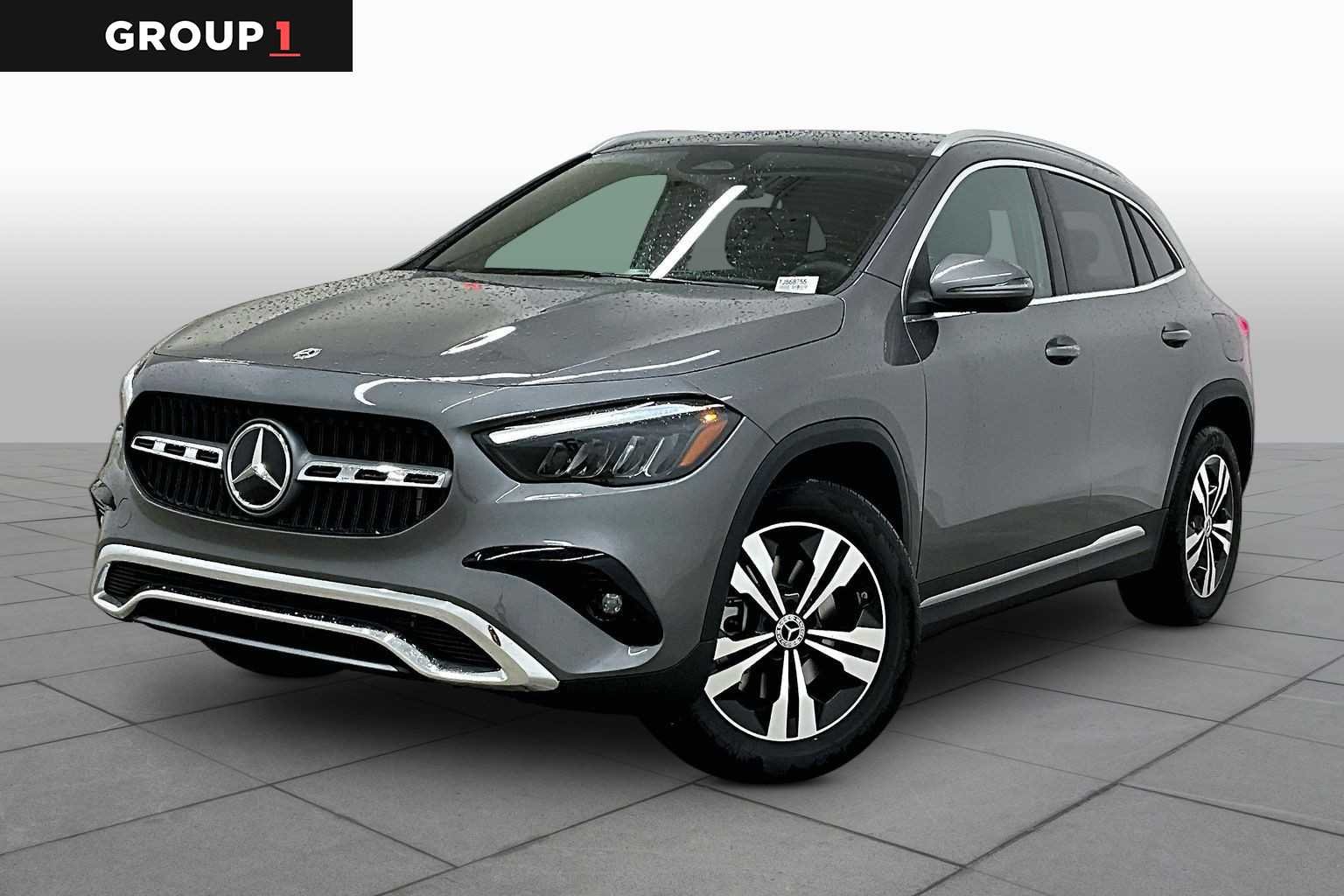
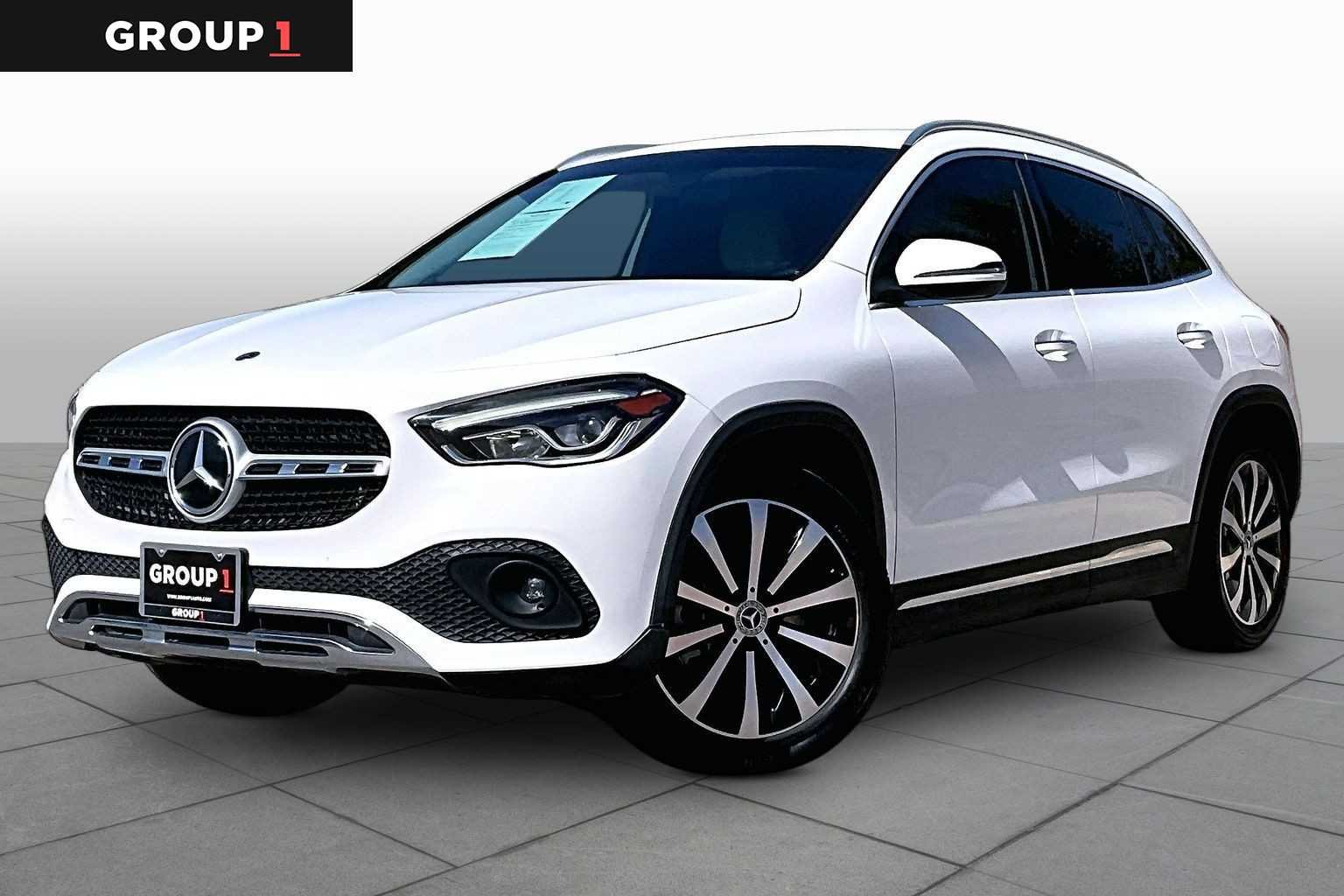
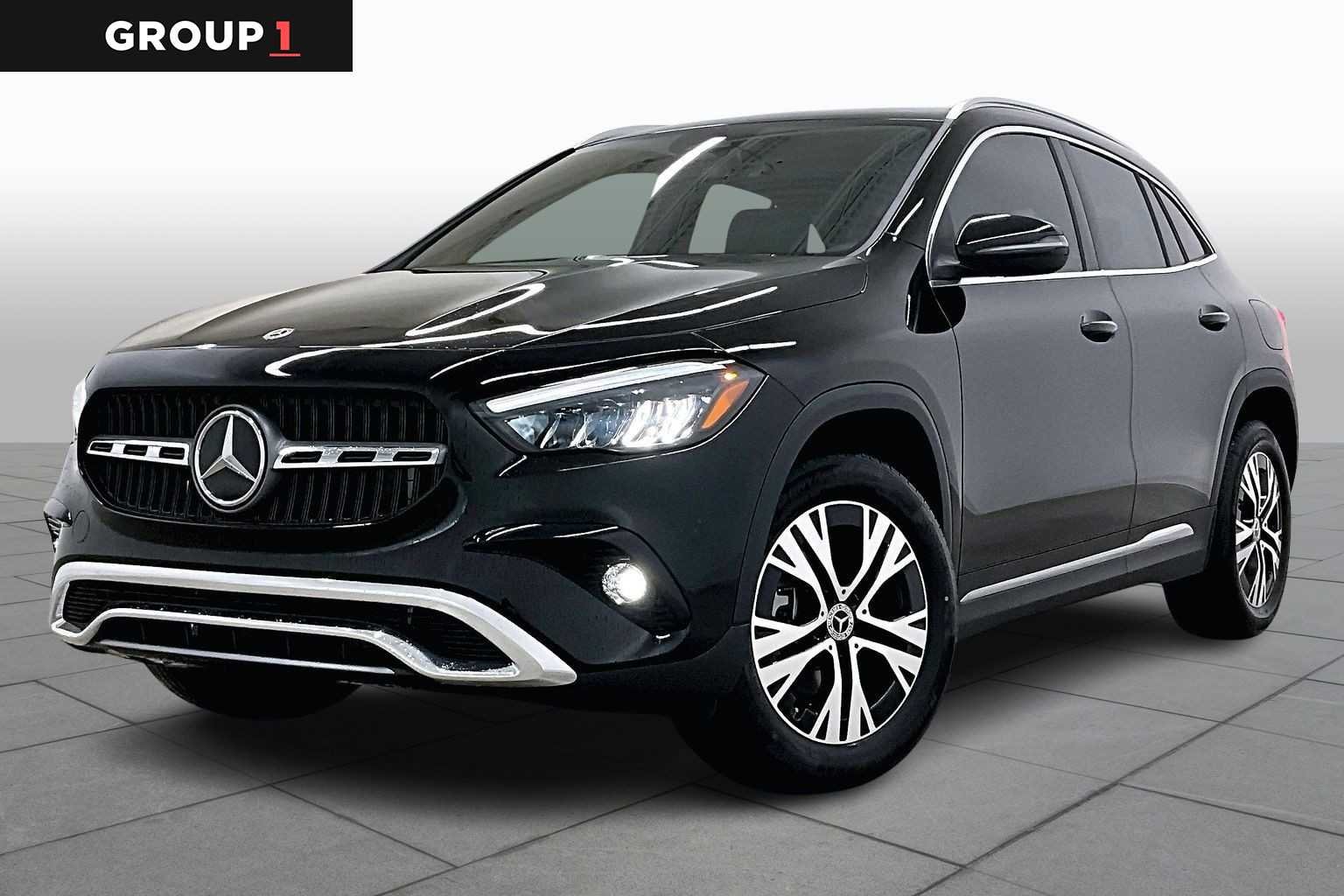
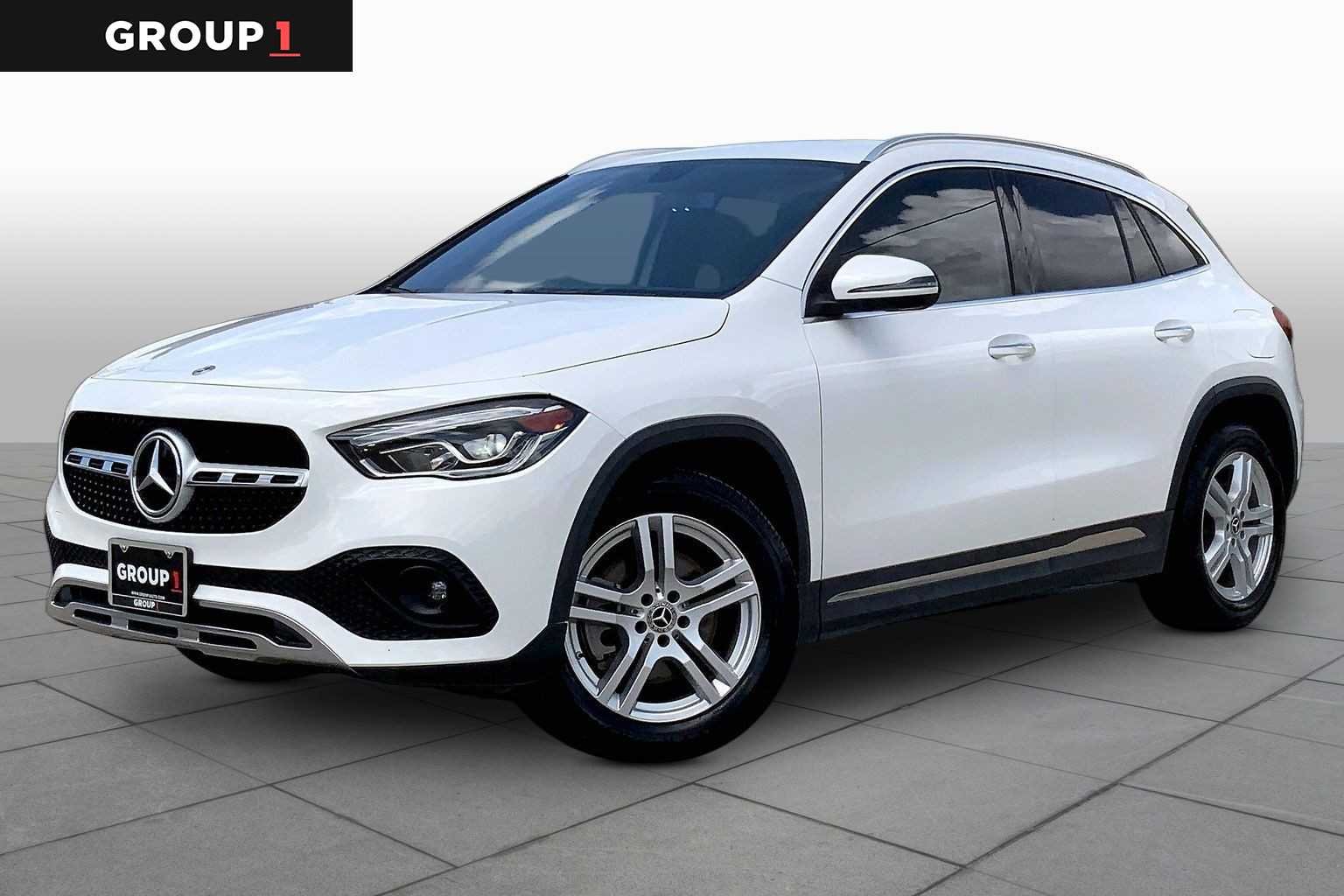
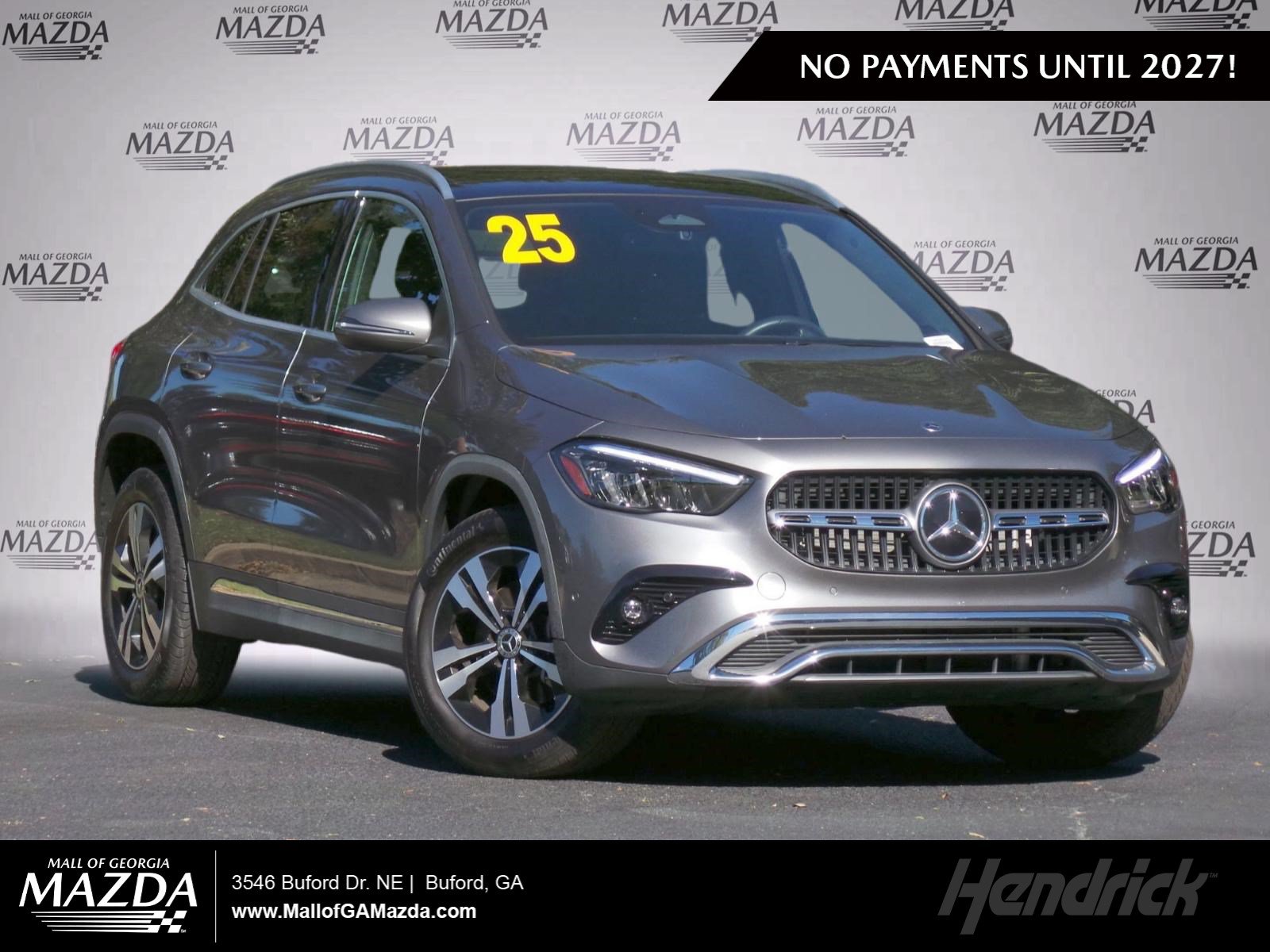
hybrid, automatic, 19K km, SUV, Front Wheels Drive, 2,000 cm3, 221 hp, grey, 250, Used condition, In stock

HendrickCars.com
 Buford, United States
 Buford, United StatesBuford, United States
 New Augusta, United States
 Austin, United StatesAustin, United StatesAustin, United StatesAustin, United StatesAustin, United StatesAustin, United StatesAustin, United StatesAustin, United StatesAustin, United StatesMain Settlement, United StatesMain Settlement, United StatesMain Settlement, United StatesMain Settlement, United StatesMain Settlement, United StatesMain Settlement, United StatesMain Settlement, United StatesMain Settlement, United StatesMain Settlement, United StatesMain Settlement, United StatesMain Settlement, United StatesMain Settlement, United StatesMain Settlement, United States
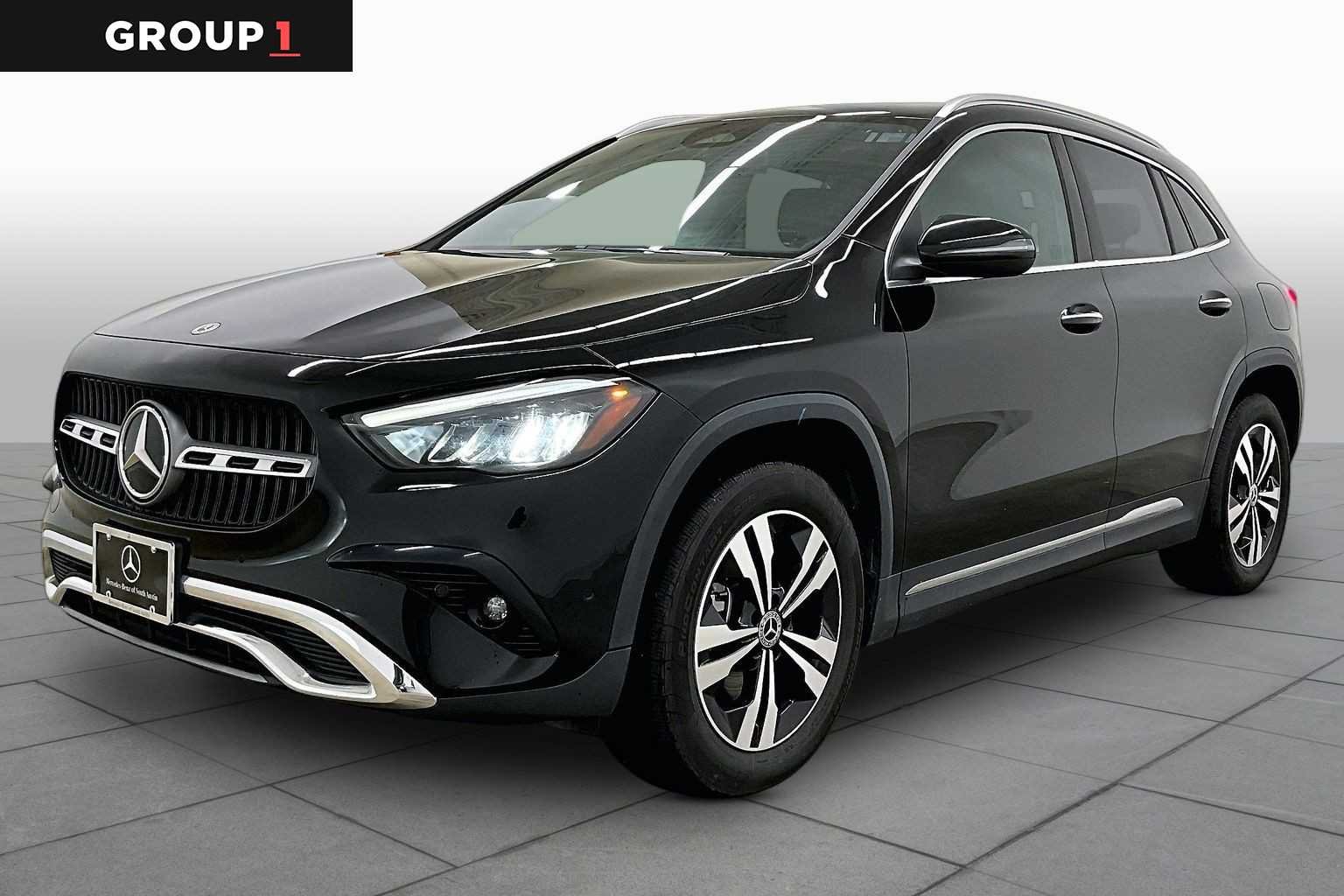
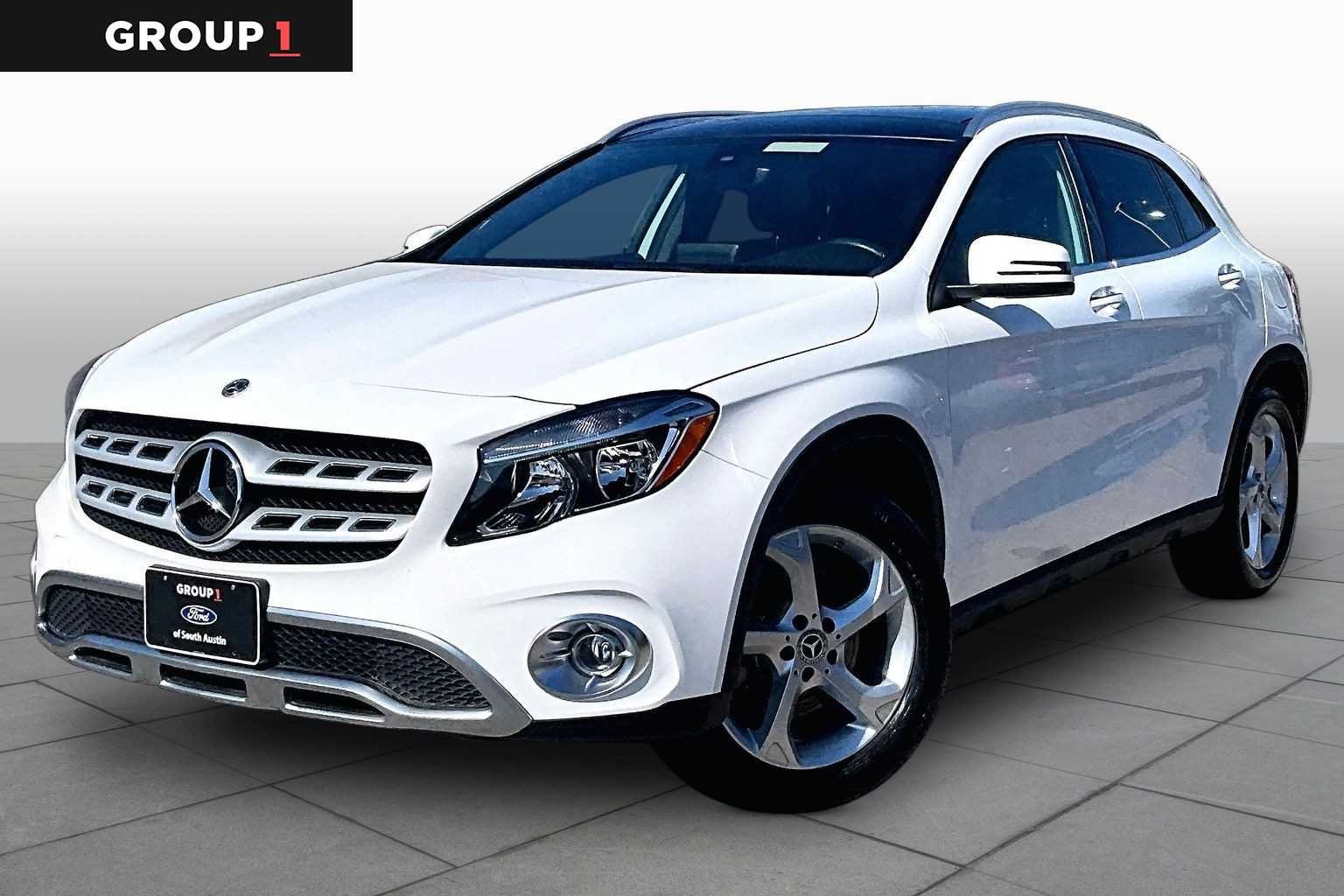
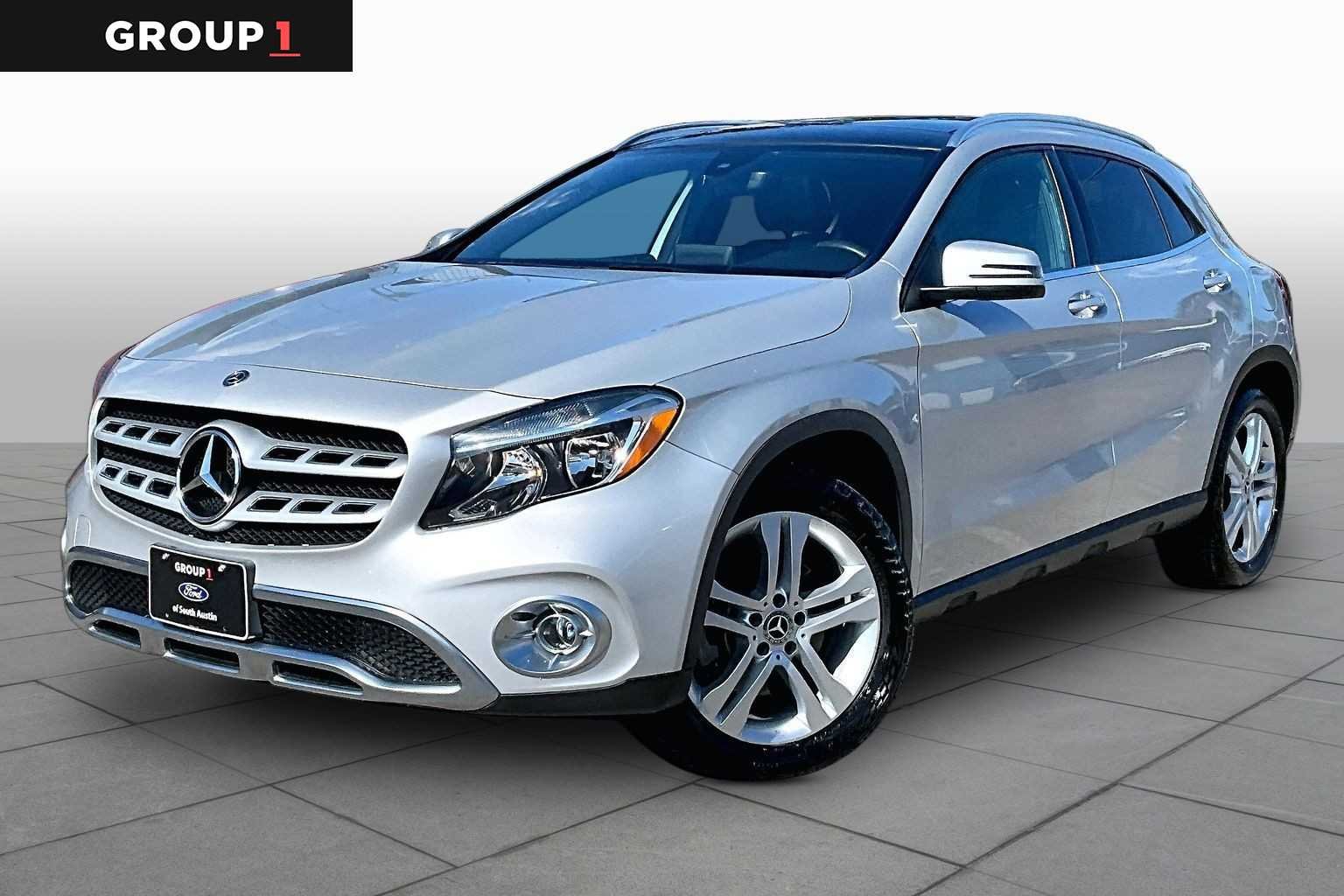
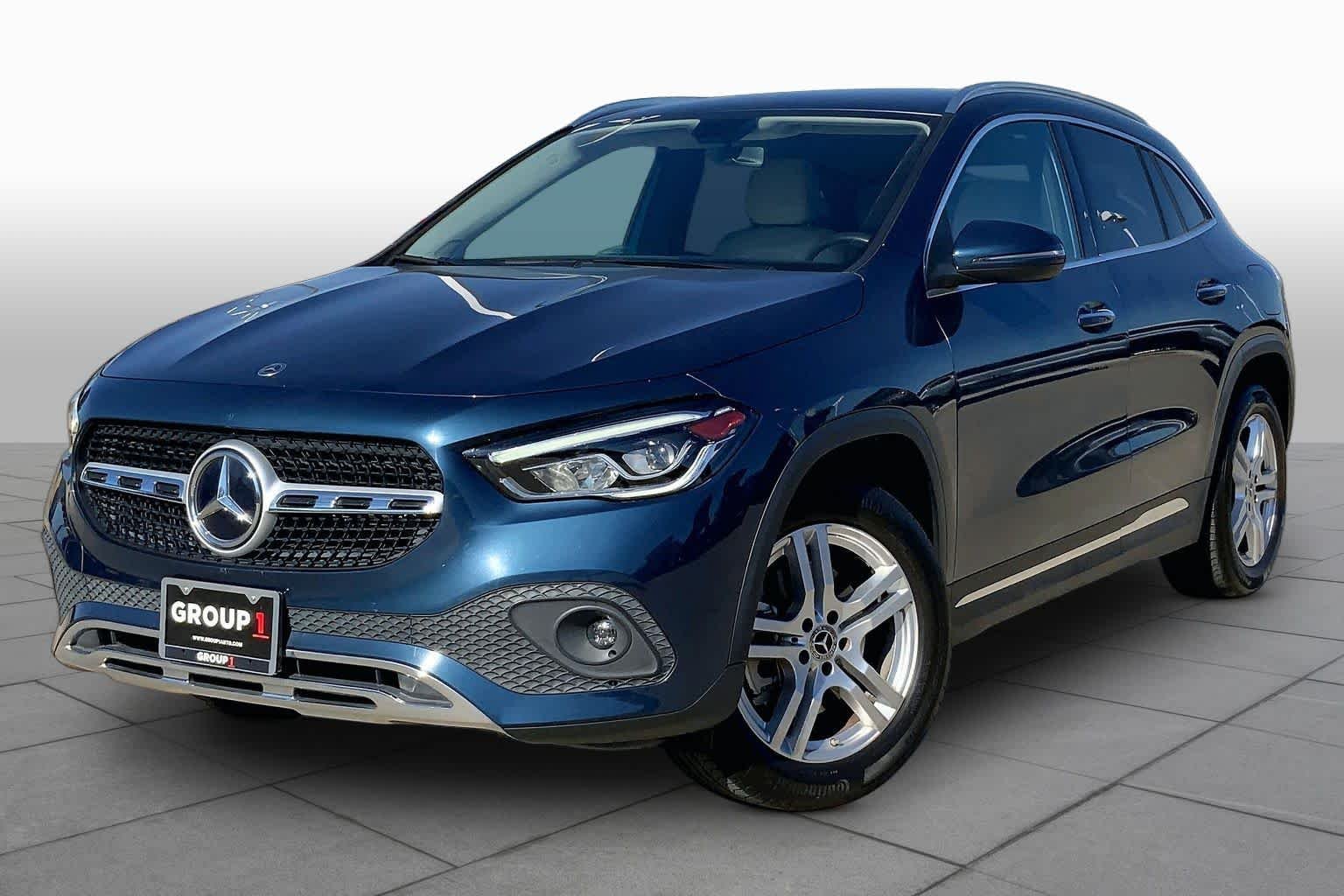
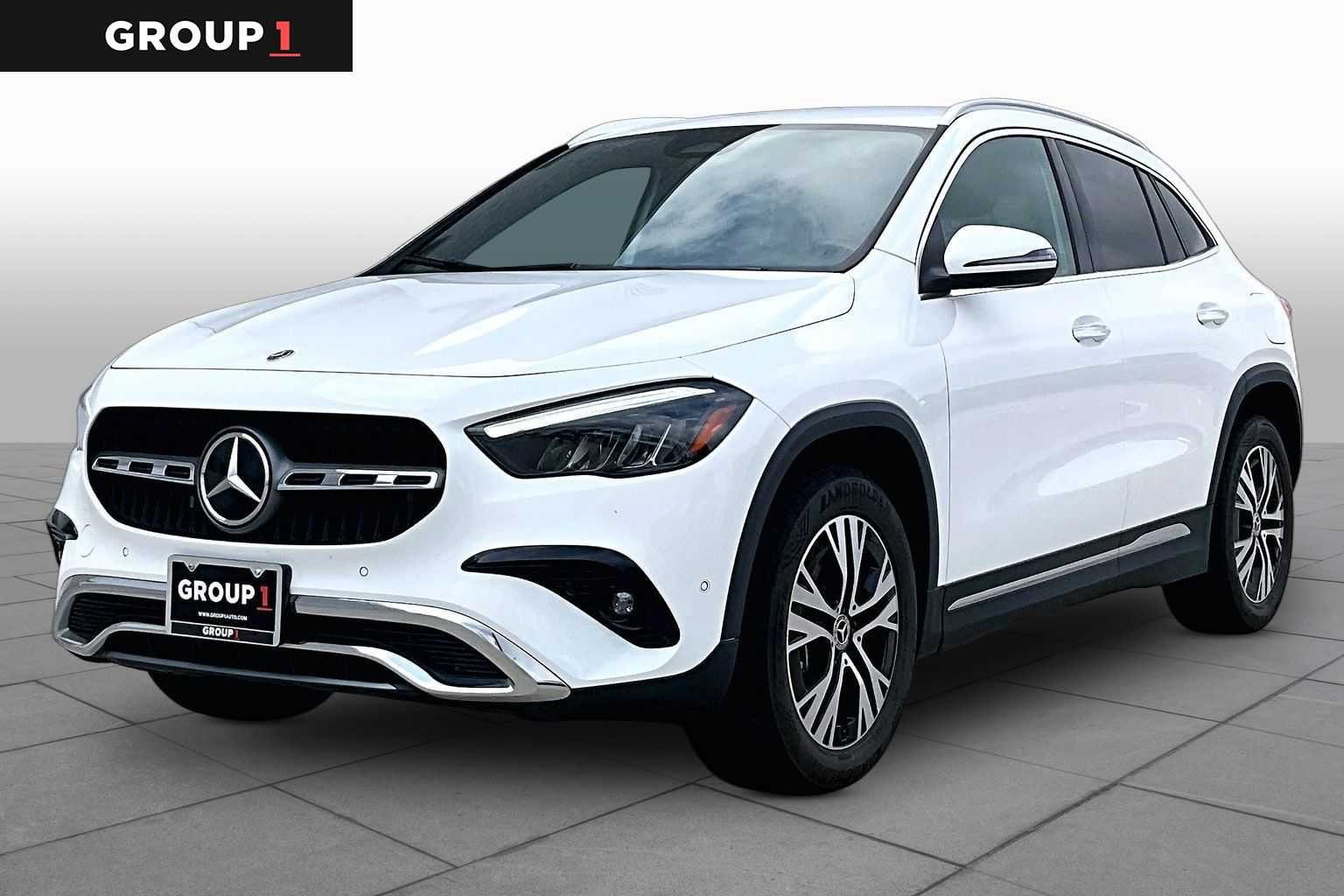
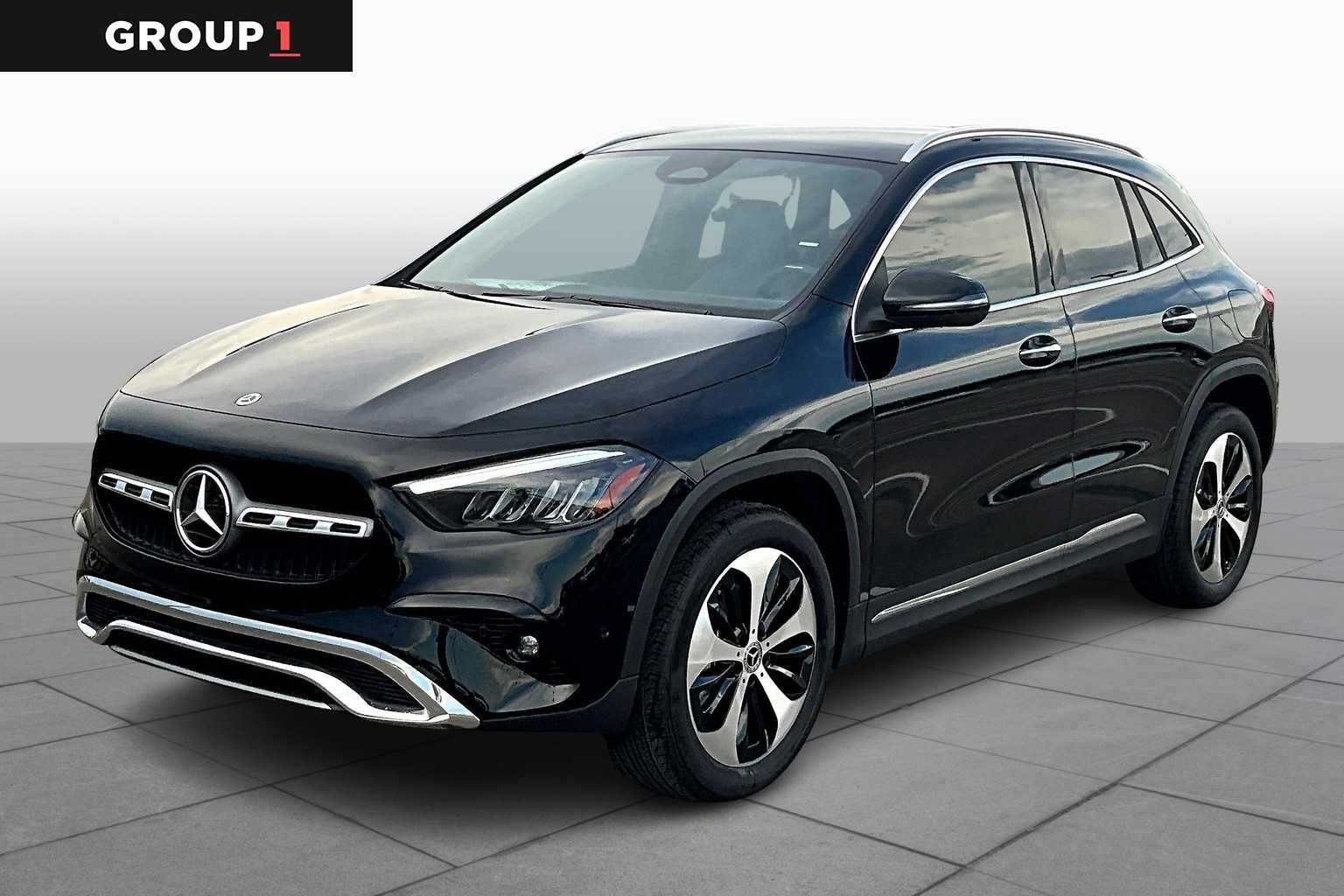
The Mercedes-Benz GLA-Class stands out as a compact luxury SUV that blends urban agility with long‑distance comfort. If you’re considering a purchase or planning to sell a GLA, you’ll want to understand the key variables that influence price and value: model generation, fuel type, body configuration, year, mileage, and the local market dynamics of your country and city. This guide focuses on practical steps you can take to evaluate a GLA‑class car, whether you’re in a major city or a quieter locale, and how to navigate typical questions buyers and sellers ask.
When evaluating a GLA, the main considerations are generation (first through current), engine options, and features that define trim levels. Common questions include: which engine offers a balance of performance and fuel economy, is all‑wheel drive worth it for your climate, and how does mileage affect price in your area?
Prices for the Mercedes‑Benz GLA‑Class vary by country, city, and year. In a busy market, a well‑equipped unit with reasonable mileage may command a premium, while base trim cars see more price variation. To gauge value, compare multiple listings in your area, considering:
If you’re deciding whether a Mercedes‑Benz GLA‑Class fits your needs, weigh the generation, engine choice, and how mileage aligns with your budget. Whether buying for daily city commutes or weekend trips, a well‑specified GLA can offer a balanced blend of comfort, efficiency, and prestige in many markets.
 Add as preferred sourceSee more from zvelta in Google Search Add as preferred source