 EN
ENDEALER
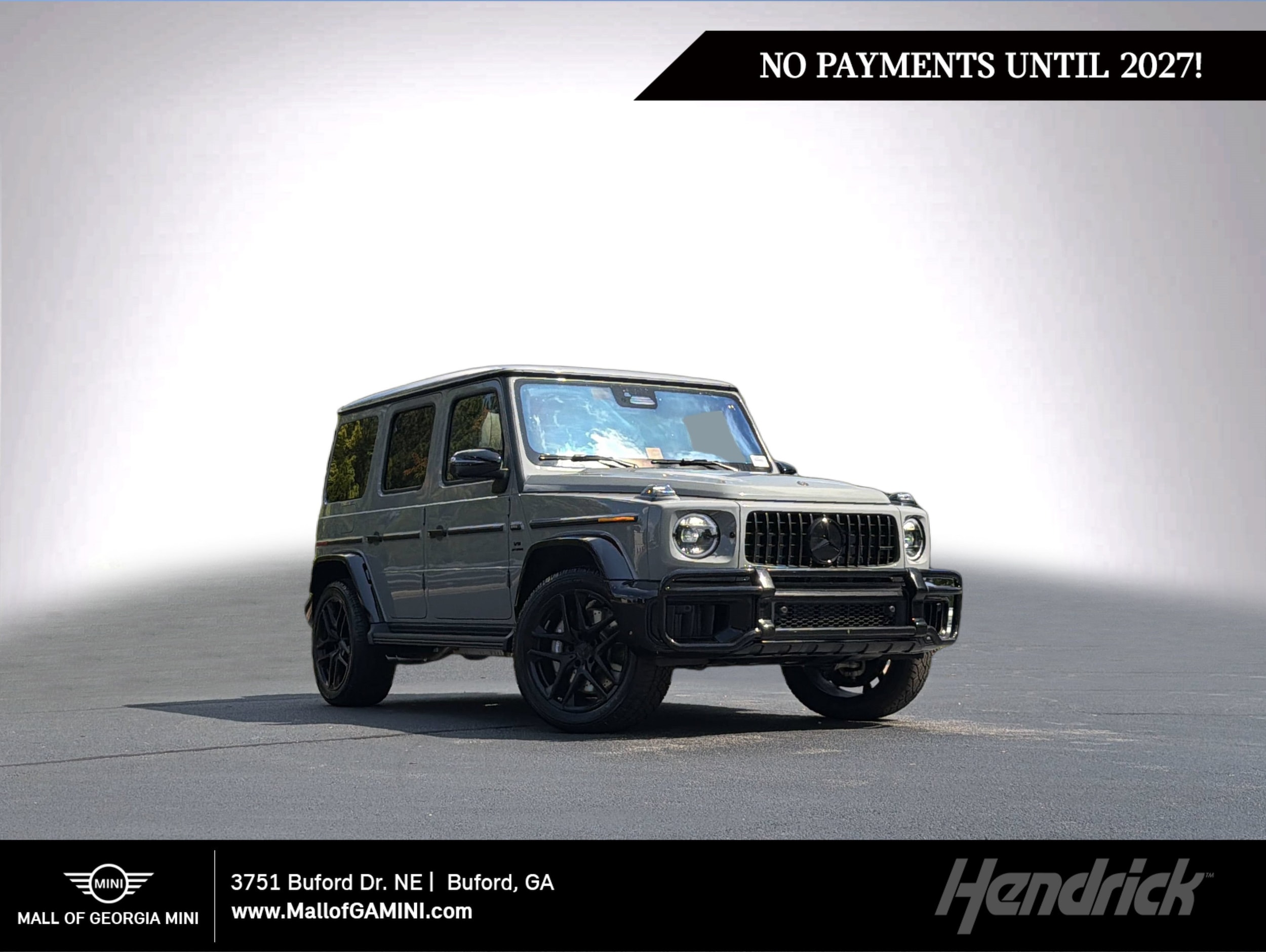
€227,753DEALER
€232,980
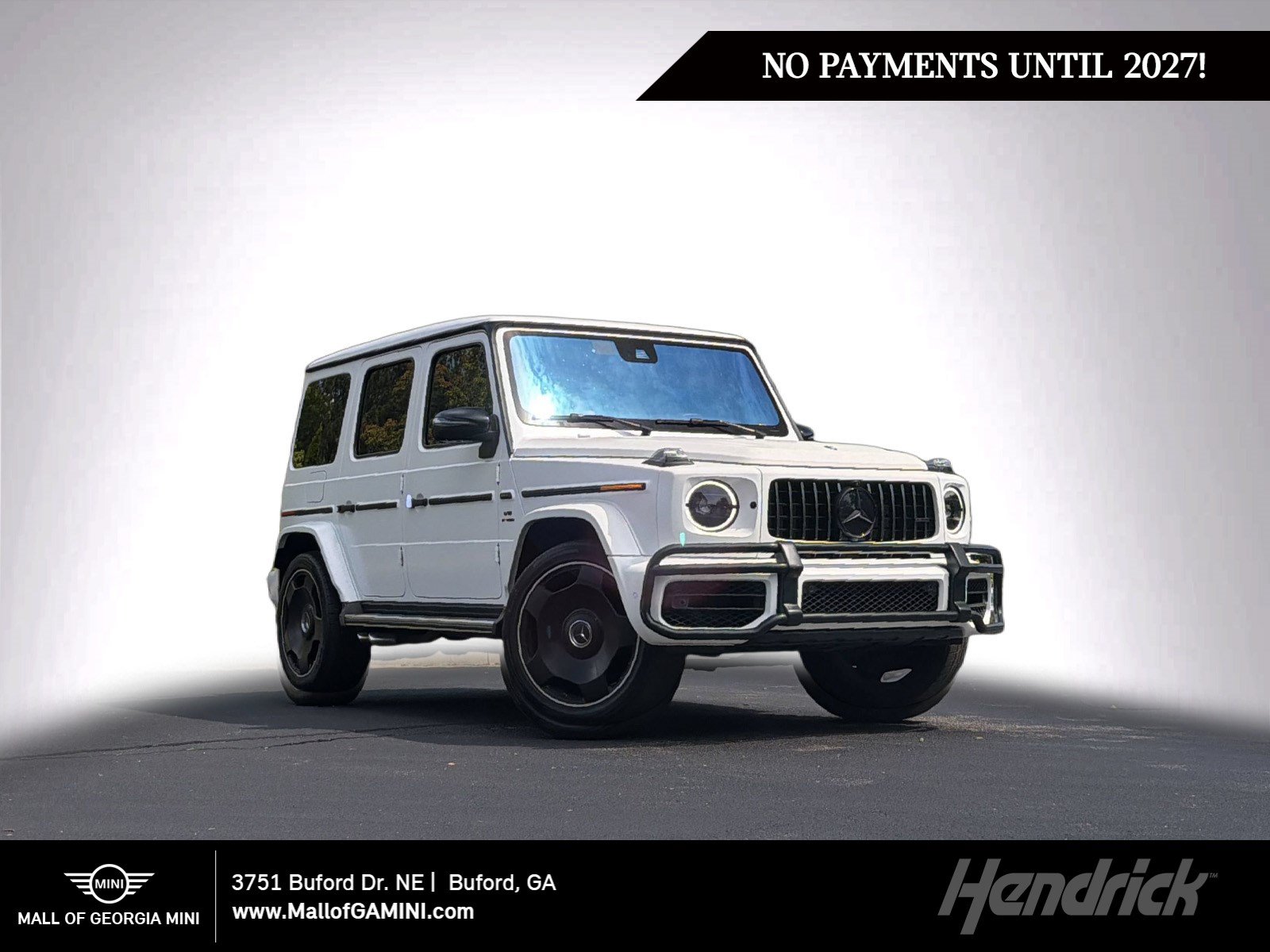
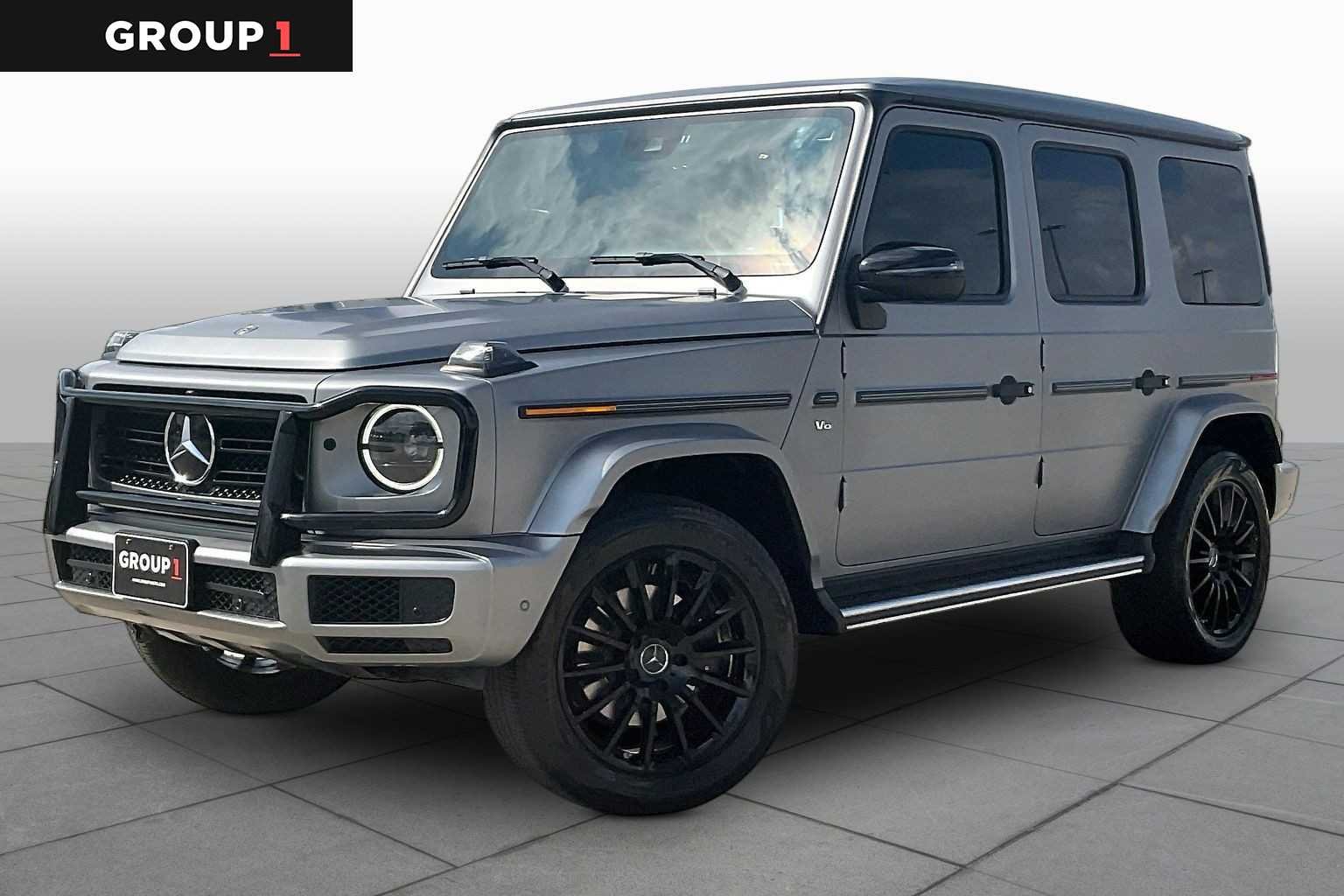
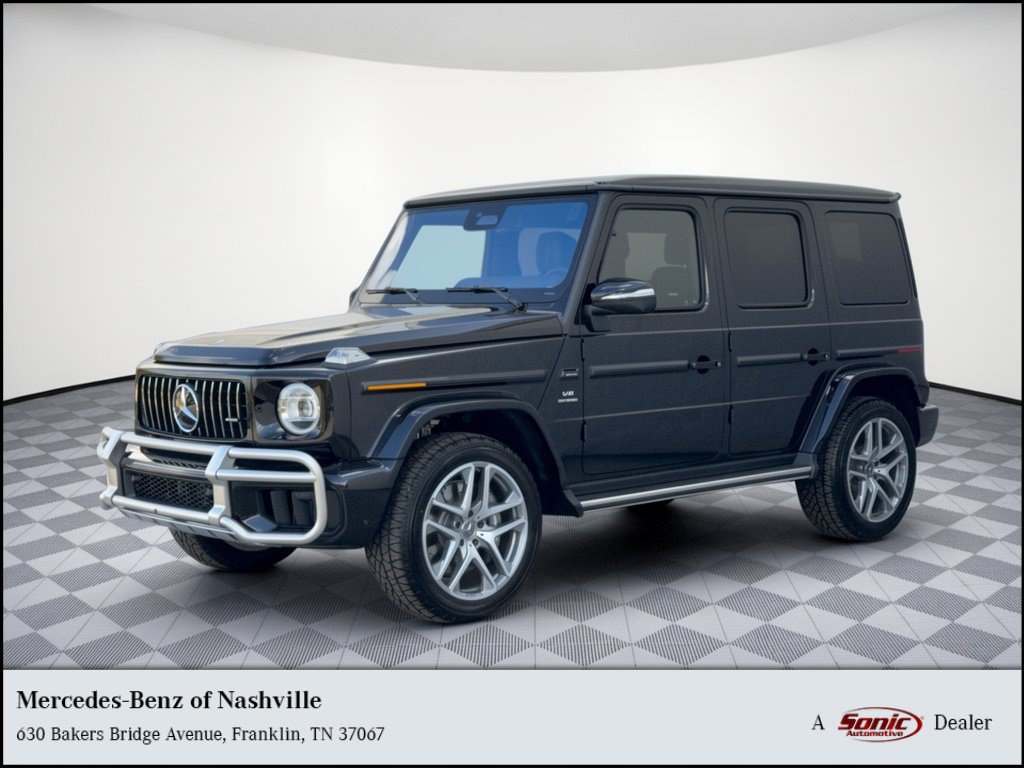
hybrid, automatic, 40 km, SUV, All Wheels Drive, 4,000 cm3, 577 hp, grey, AMG G 63, Used condition, Europa, In stock

HendrickCars.com
 Buford, United States
 Buford, United StatesBuford, United States
 Georgetown, United StatesBrentwood, United StatesBrentwood, United StatesNew Augusta, United StatesChevrolet, United States
 Austin, United StatesAustin, United StatesMain Settlement, United States
 Franklin, United StatesFranklin, United StatesFranklin, United StatesFranklin, United StatesFranklin, United States
 Belmont, United StatesBelmont, United States
 Belmont, United StatesBelmont, United StatesBelmont, United StatesBelmont, United States
 Belmont, United States
 Belmont, United StatesBelmont, United States
 Belmont, United States
The Mercedes-Benz G-Klasse remains a symbol of off-road excellence and enduring luxury. If you’re shopping for a used G-Klasse or aiming to sell one, understanding the generations, engine options, body configurations and regional market trends will help you make a smart move in today’s market. This guide covers practical considerations for buyers and sellers in key markets, with a focus on common questions, pricing ranges, and what to look for in a well-maintained unit.
When considering a G-Klasse, most buyers start with the generation and the purpose of use. The early models emphasized classic, boxy styling and rugged off-road capability, while the latest generations blend refinement with modern technology. Important factors include:
For buyers, defining your primary needs—off-road capability, daily driving comfort, luxury features, or resale value—will help you narrow down the model year and trim. Sellers should be prepared to highlight mileage, service history, and any aftermarket work, which commonly affects price negotiations.
Pricing for a used G-Klasse depends on generation, mileage, overall condition and market demand in your city. Typical considerations include:
When buying, compare similar listings in your city and surrounding areas to gauge a realistic price range. When selling, consider professional detailing and a transparent maintenance record to maximize buyer confidence and negotiate confidently.
If you’re in a city with a robust luxury market, you’ll find buyers who value pedigree and condition. For sellers, pricing strategically and presenting a clean, well-documented vehicle can shorten the time on the market and improve offers.
 Add as preferred sourceSee more from zvelta in Google Search Add as preferred source