EN
ENDEALER
51.208 US$DEALER
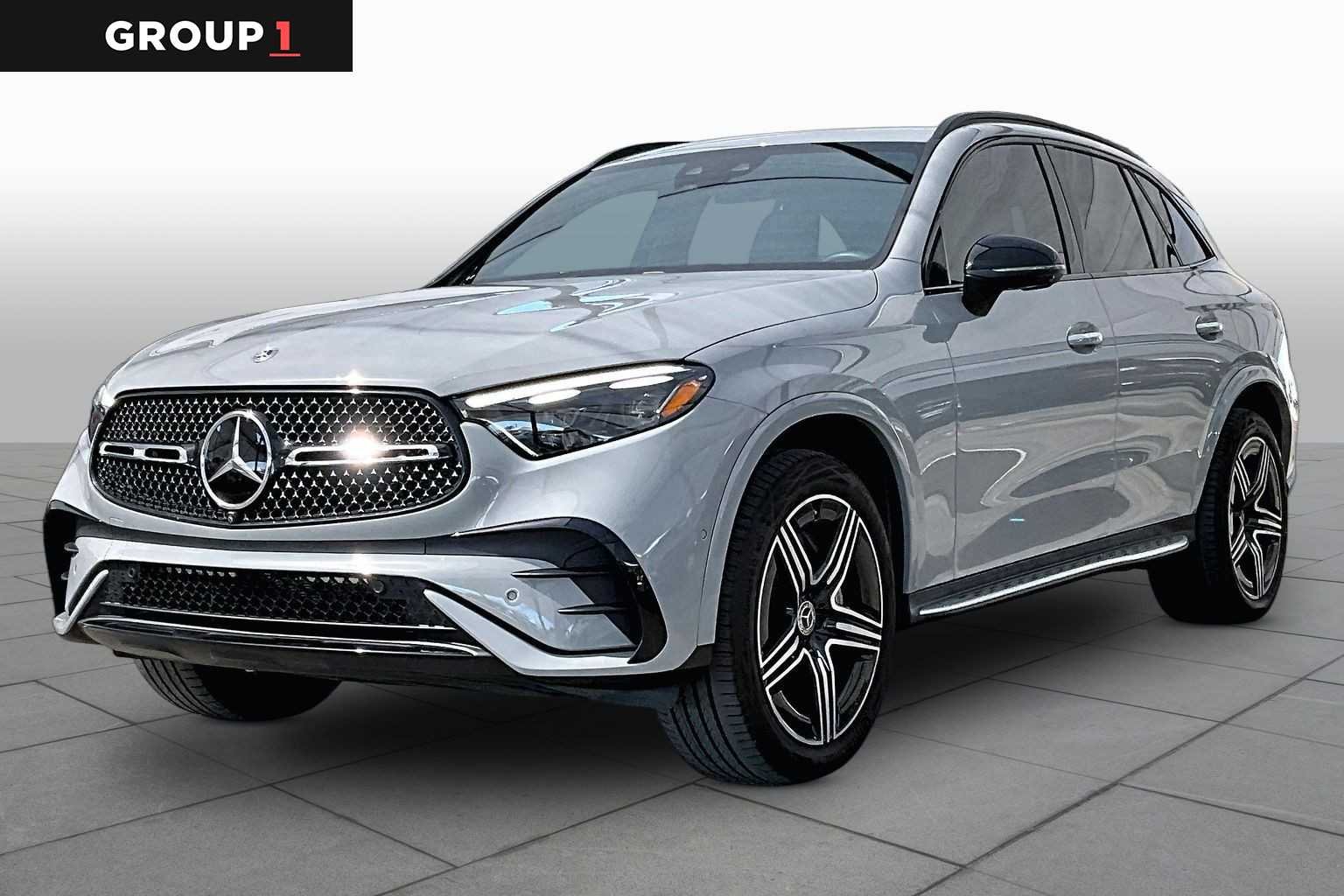
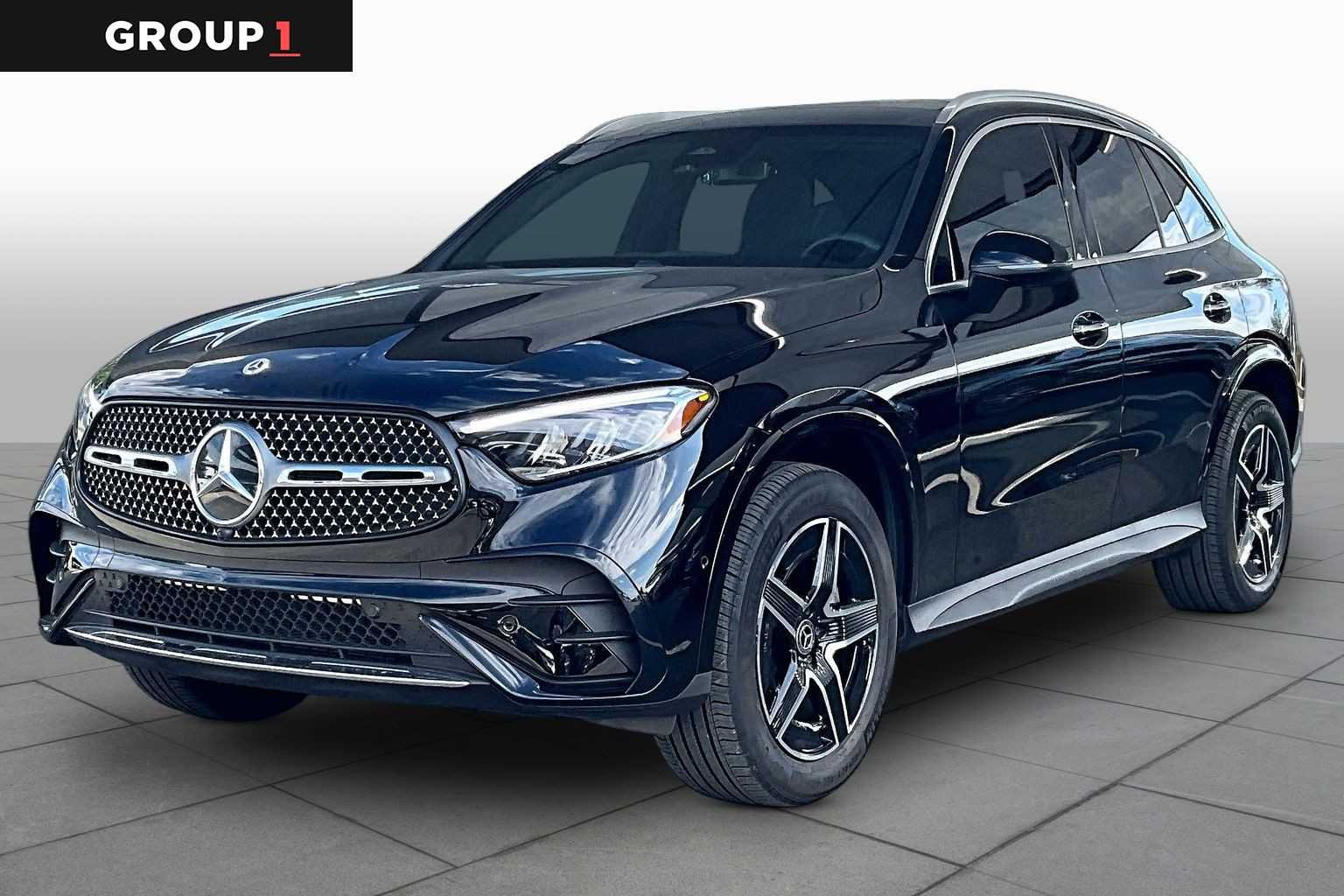
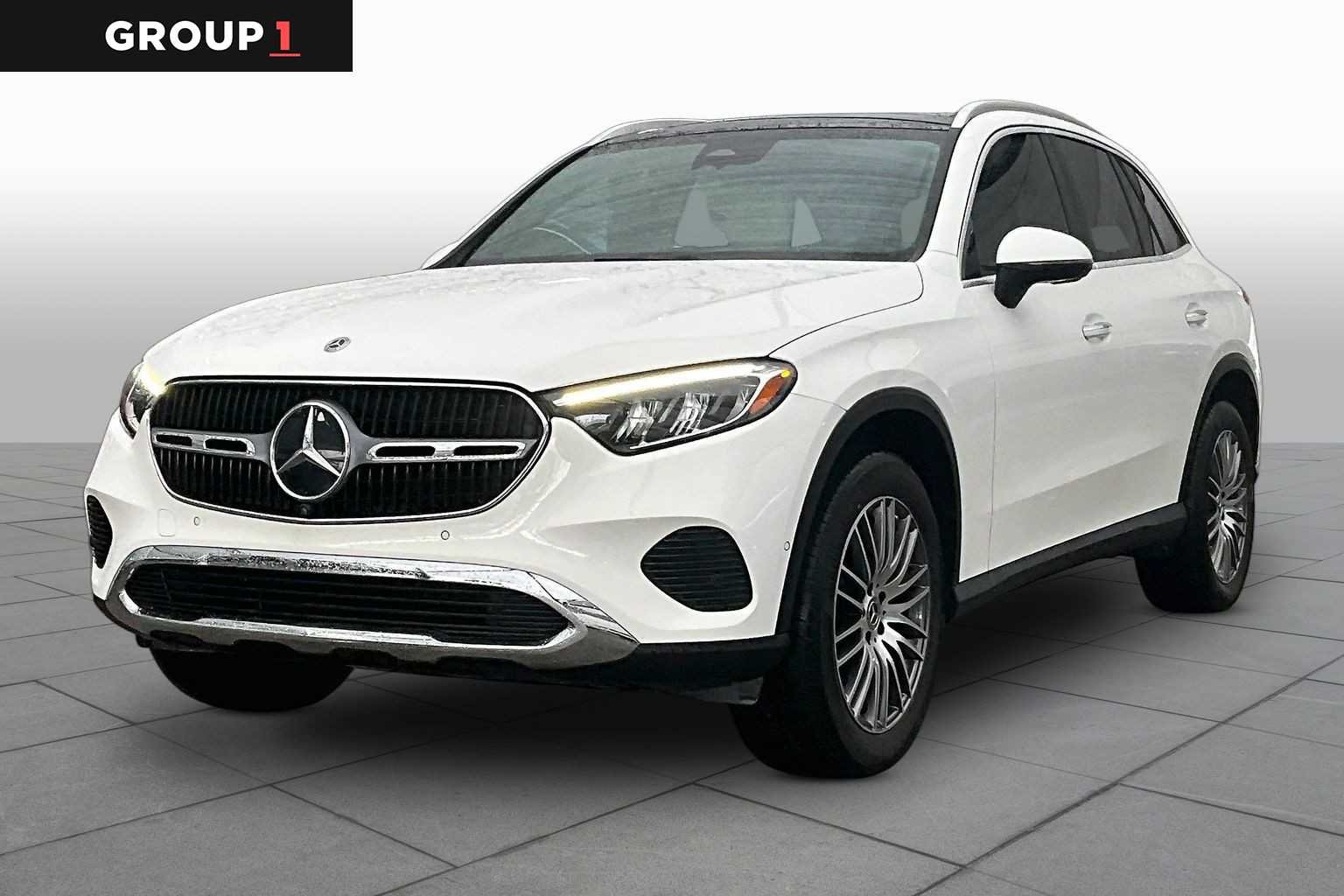
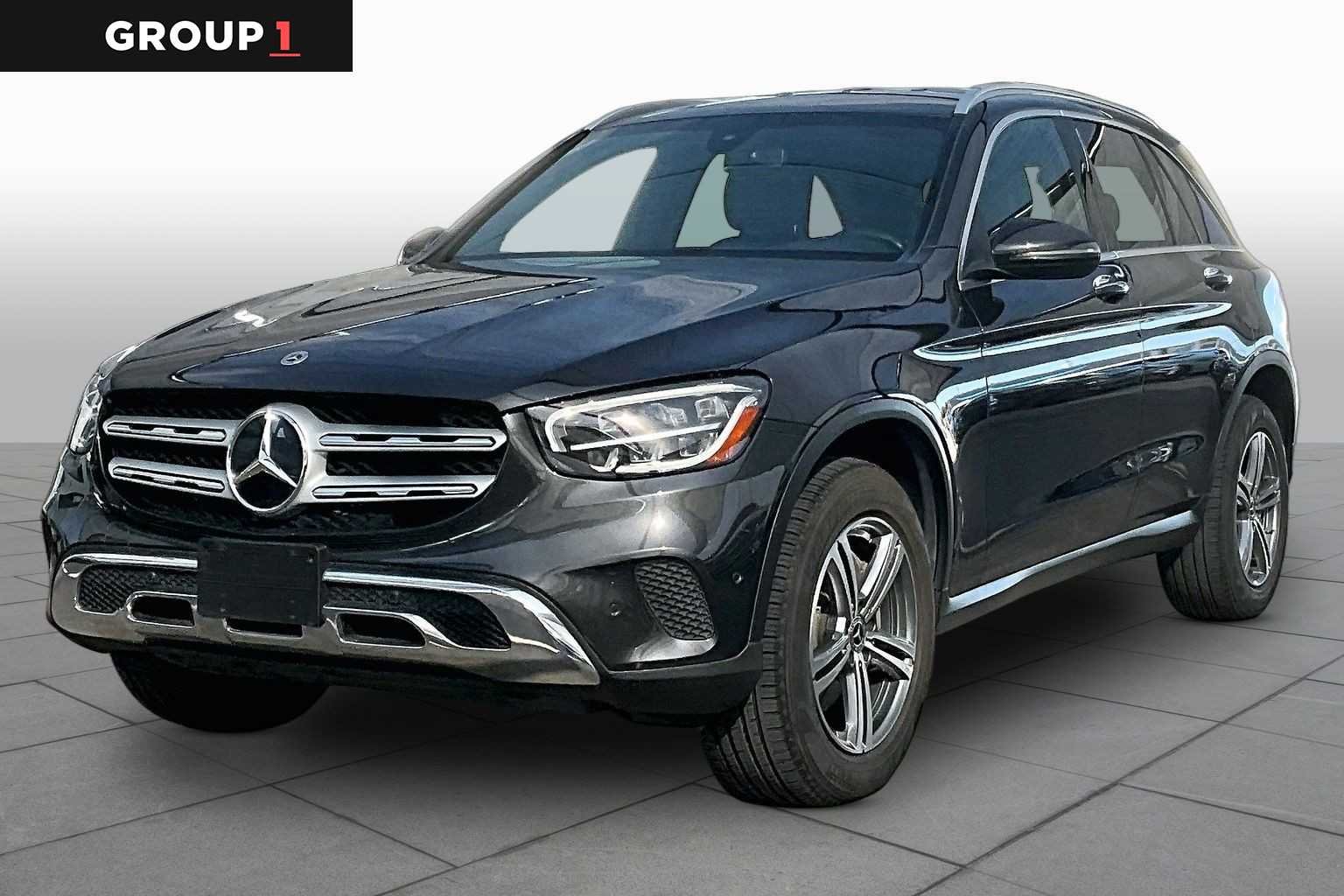
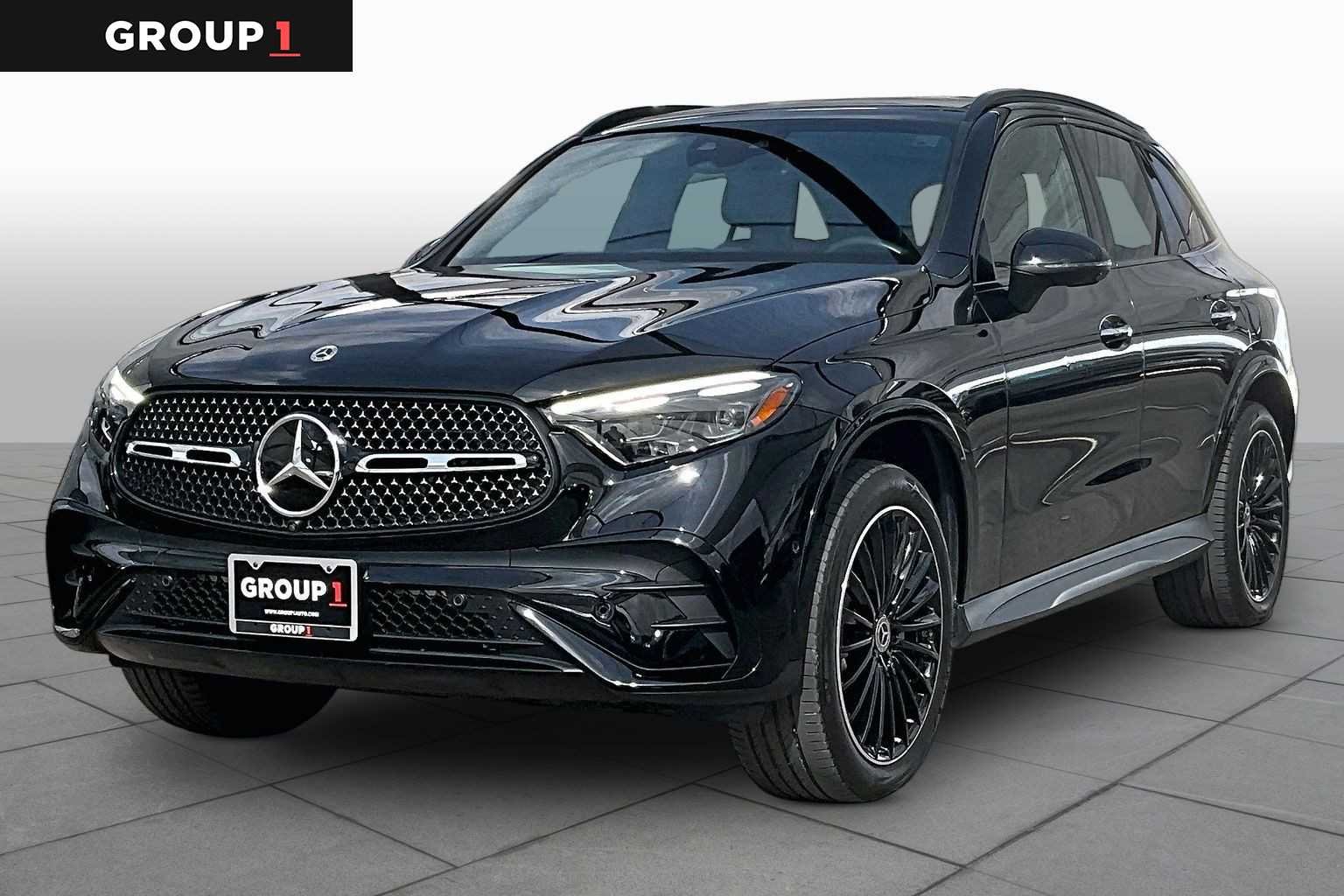
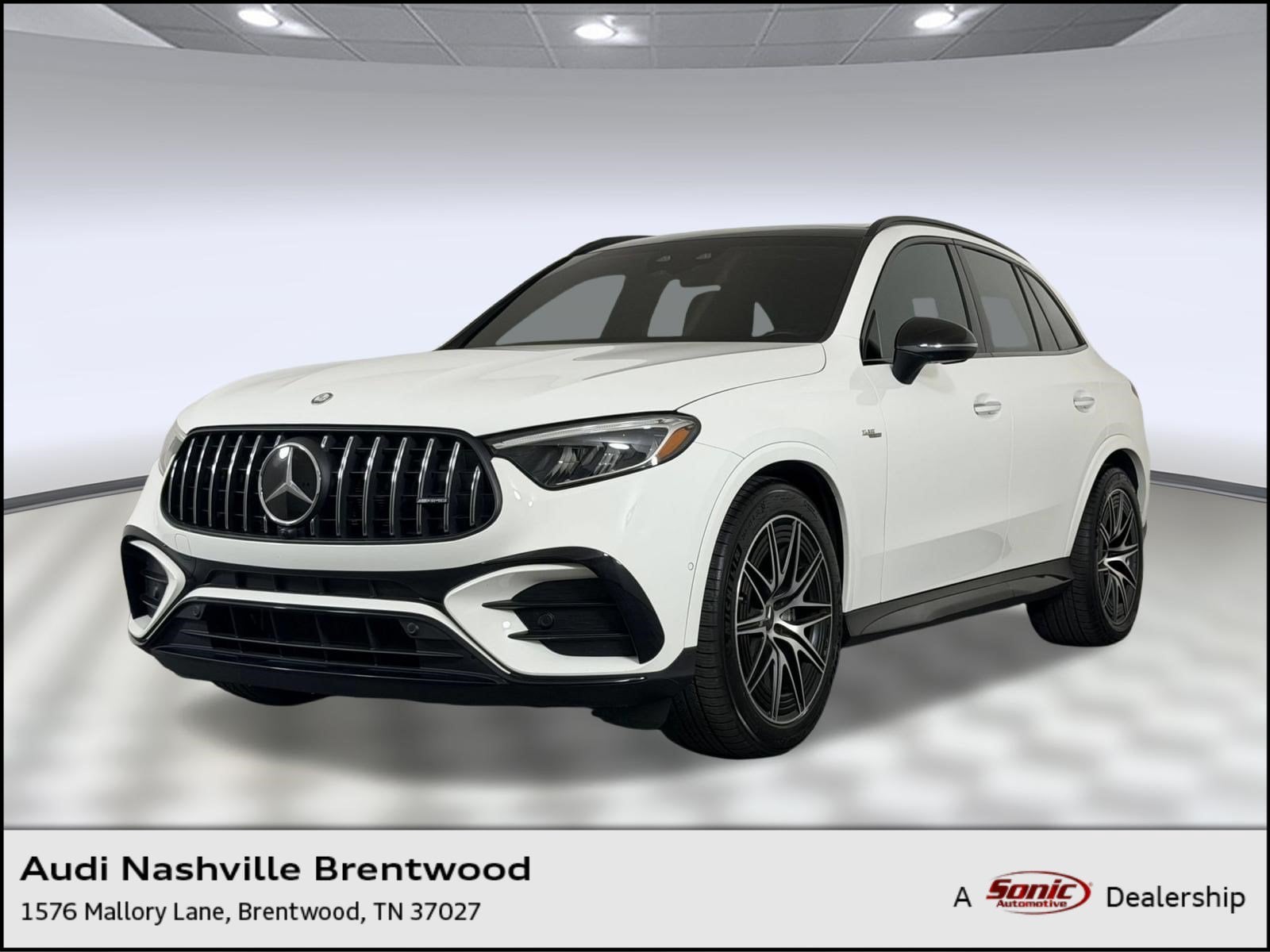
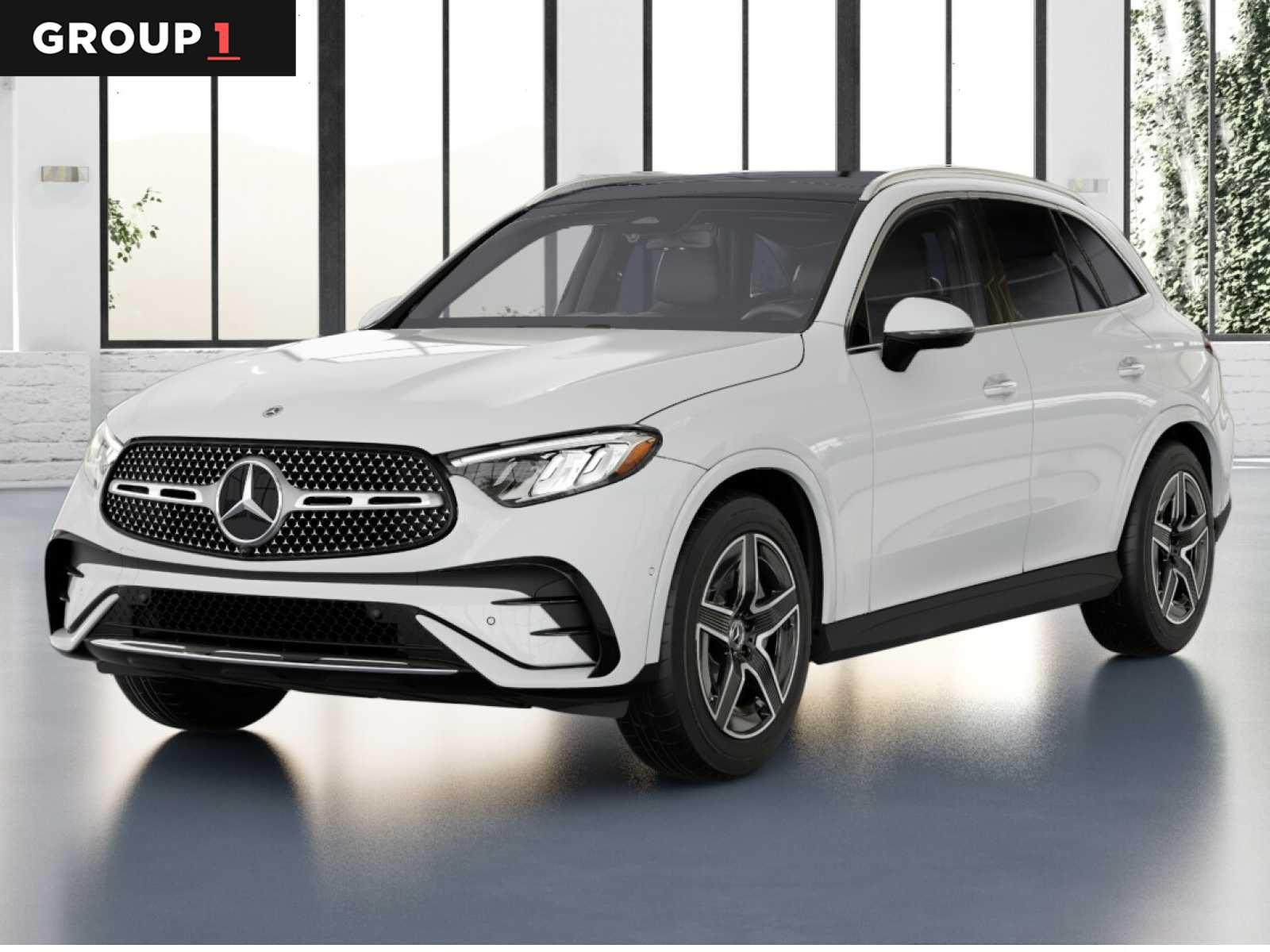
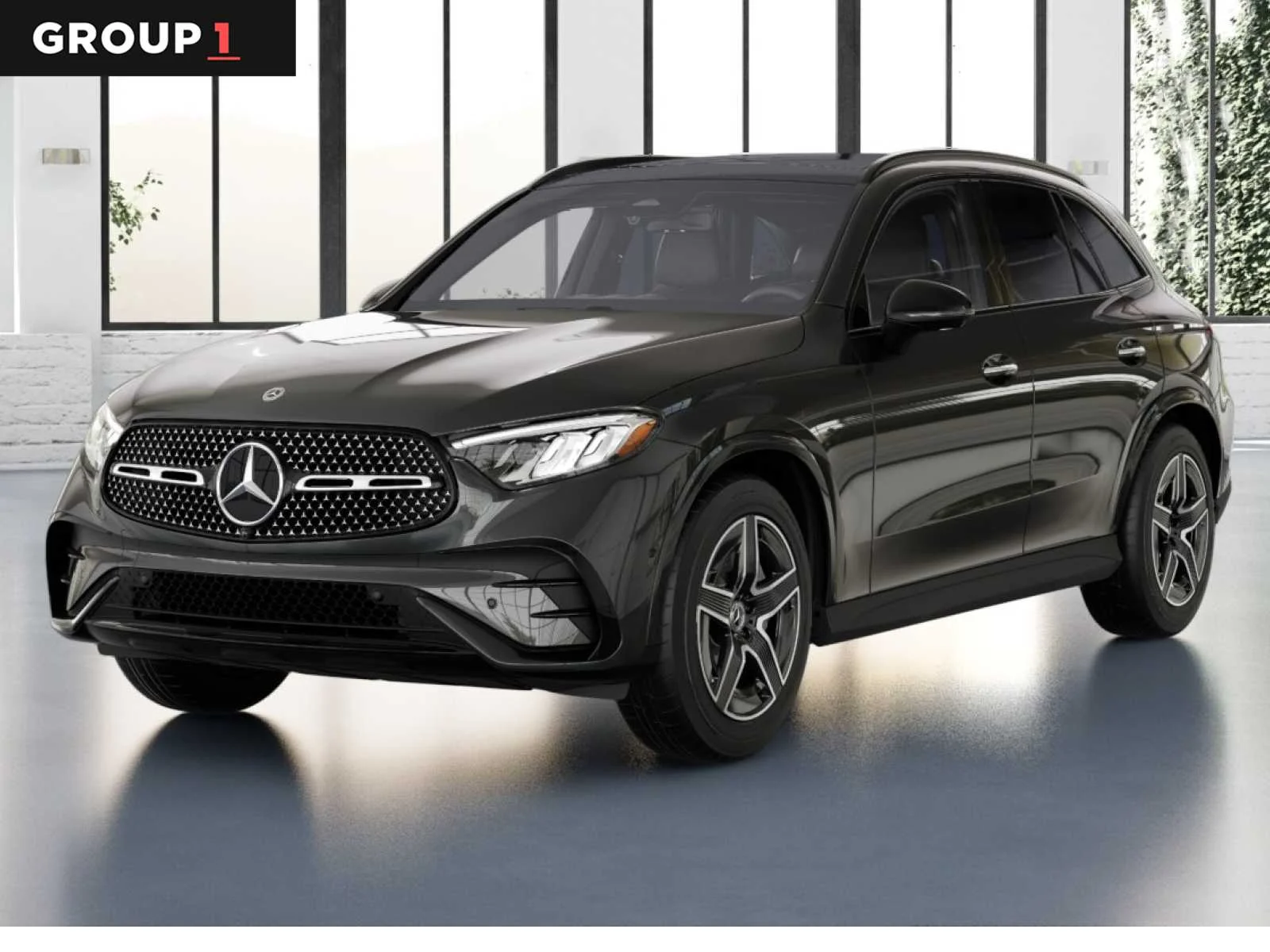
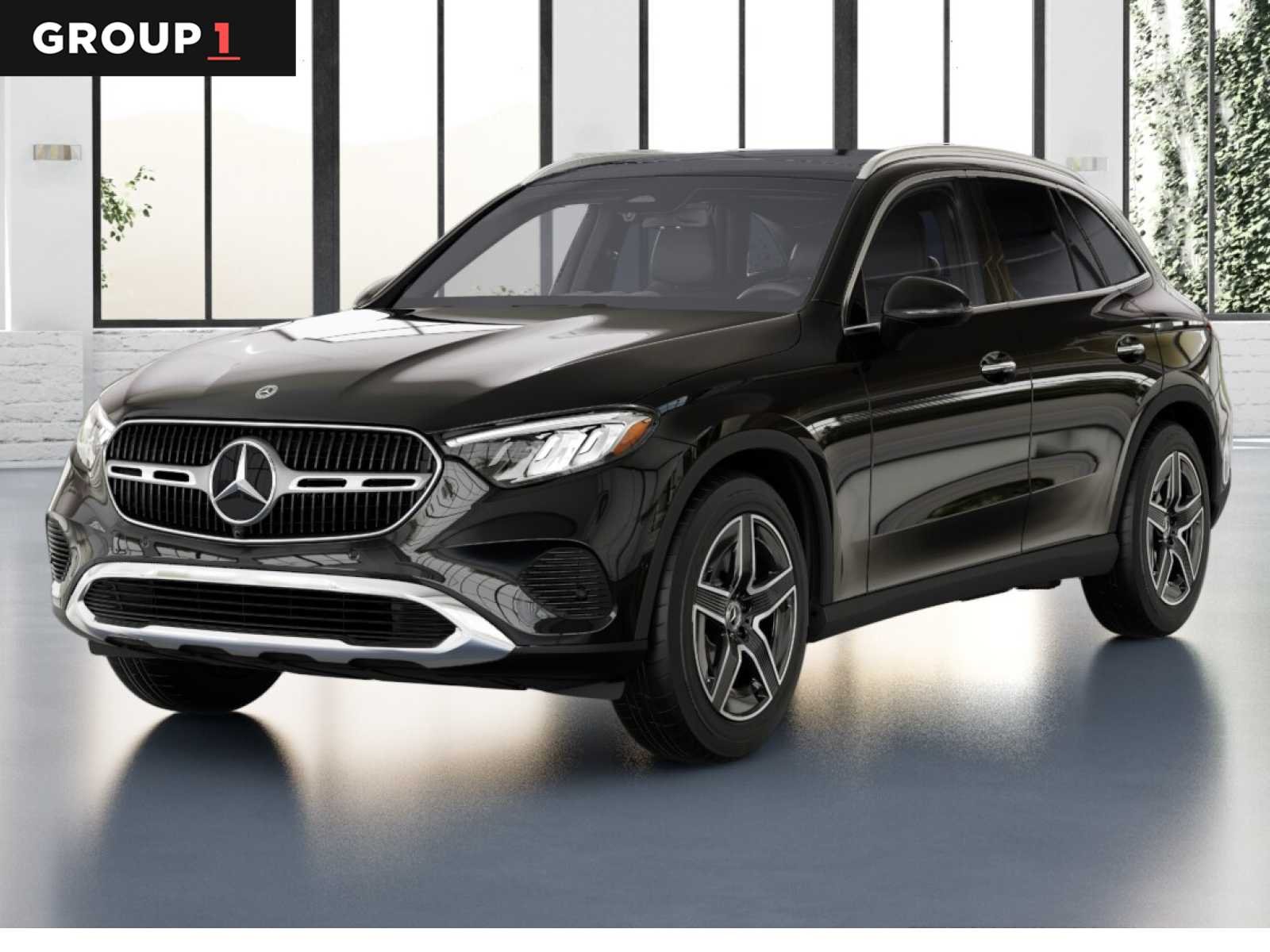
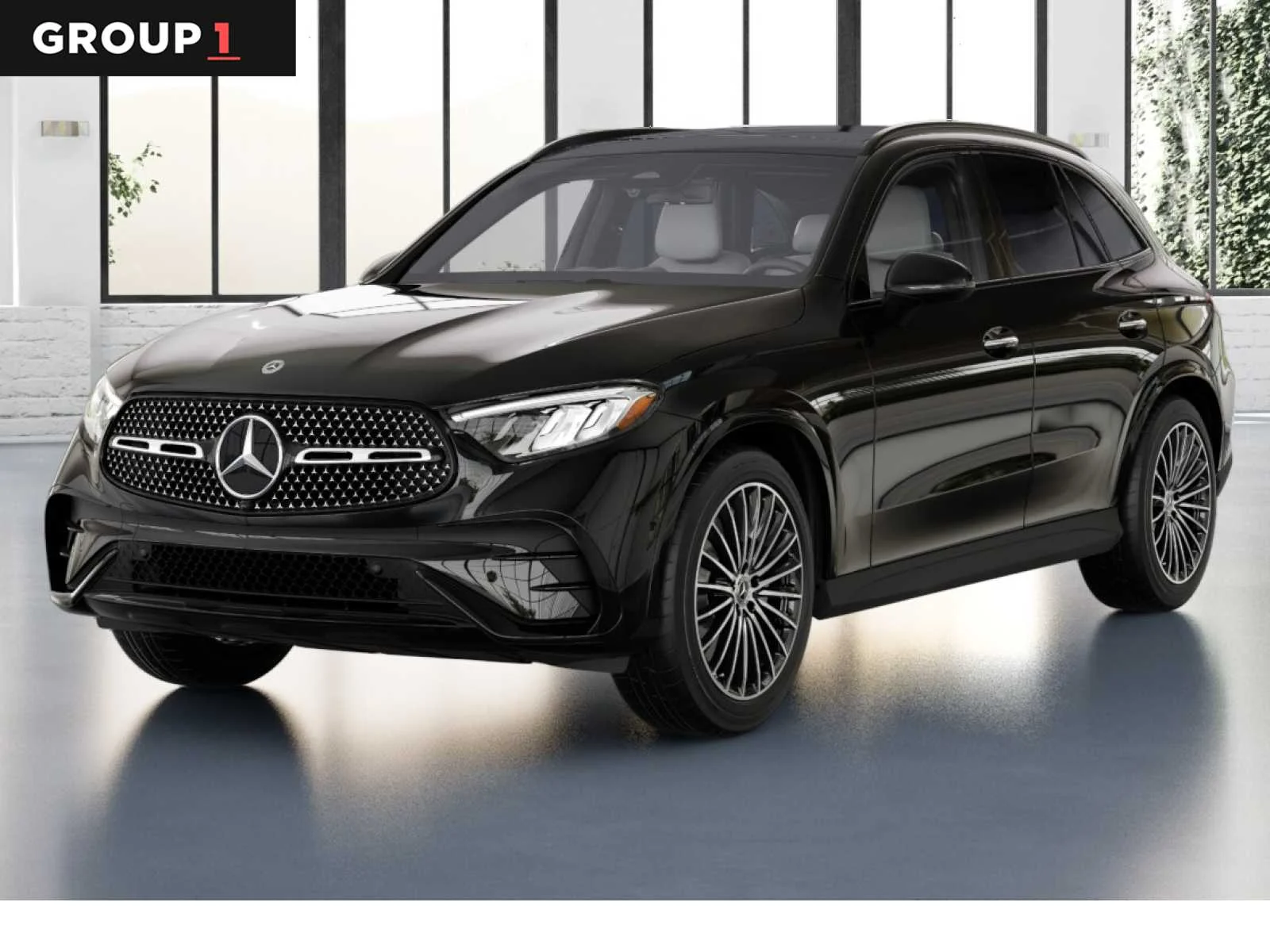
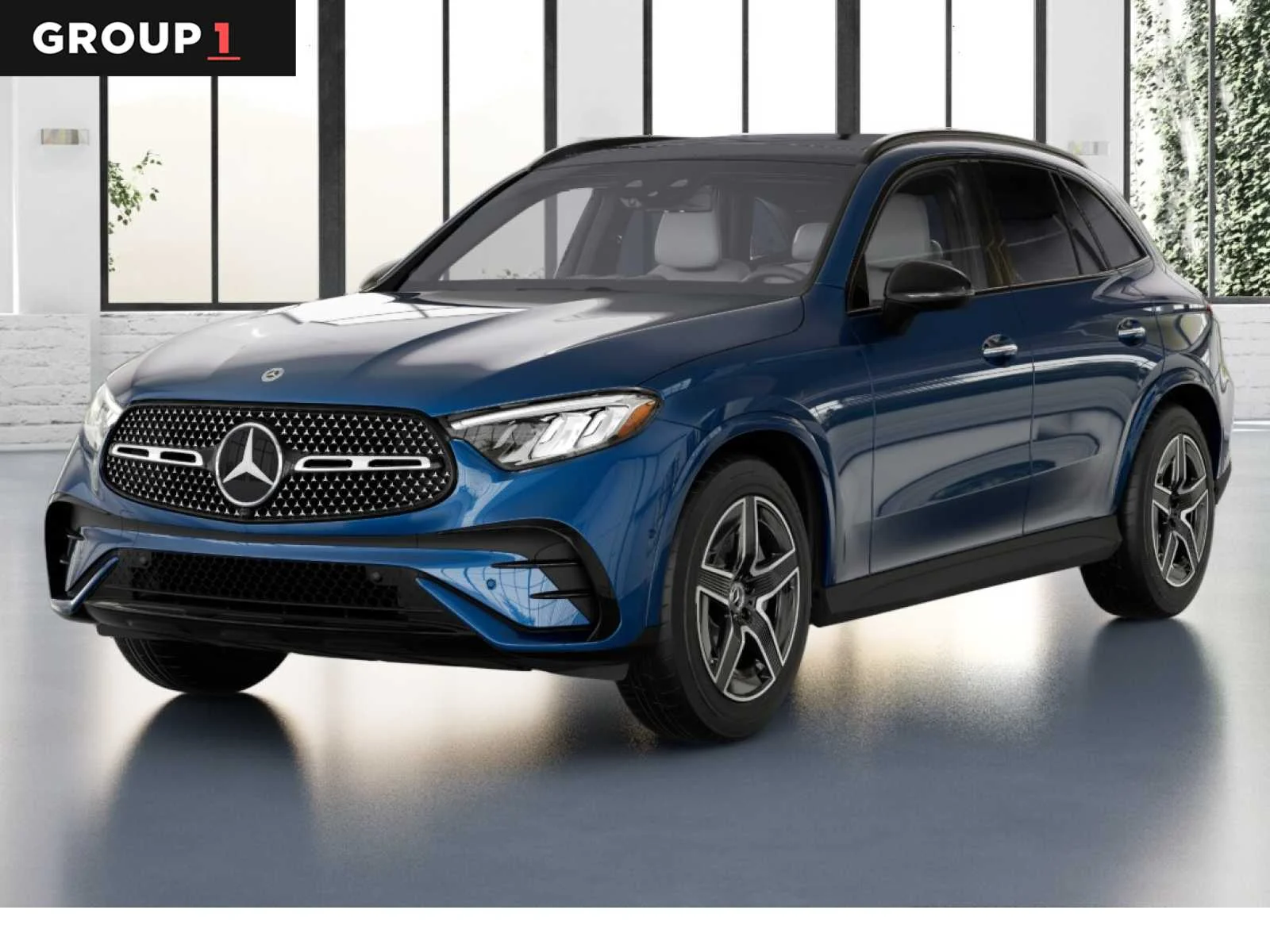
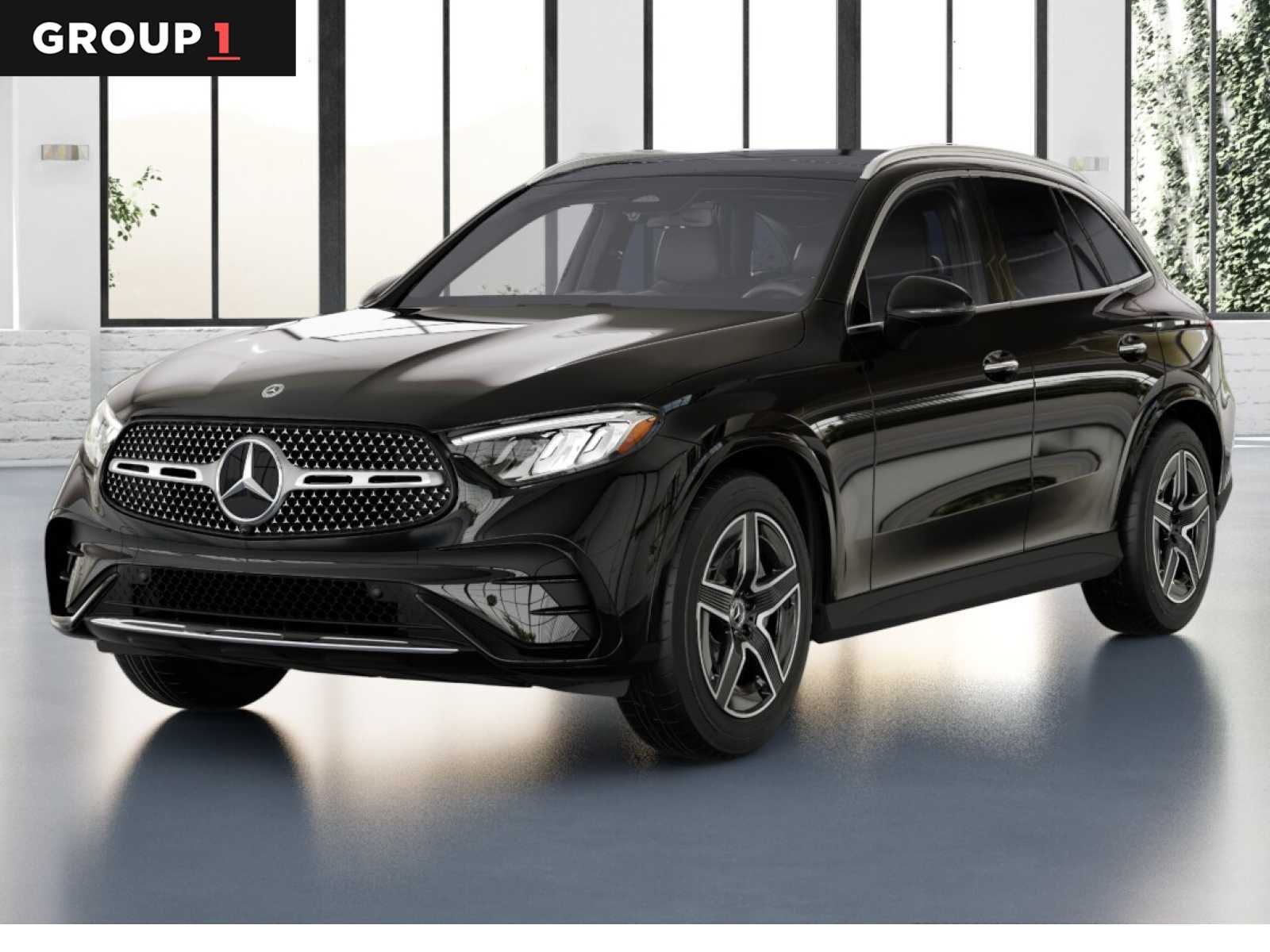
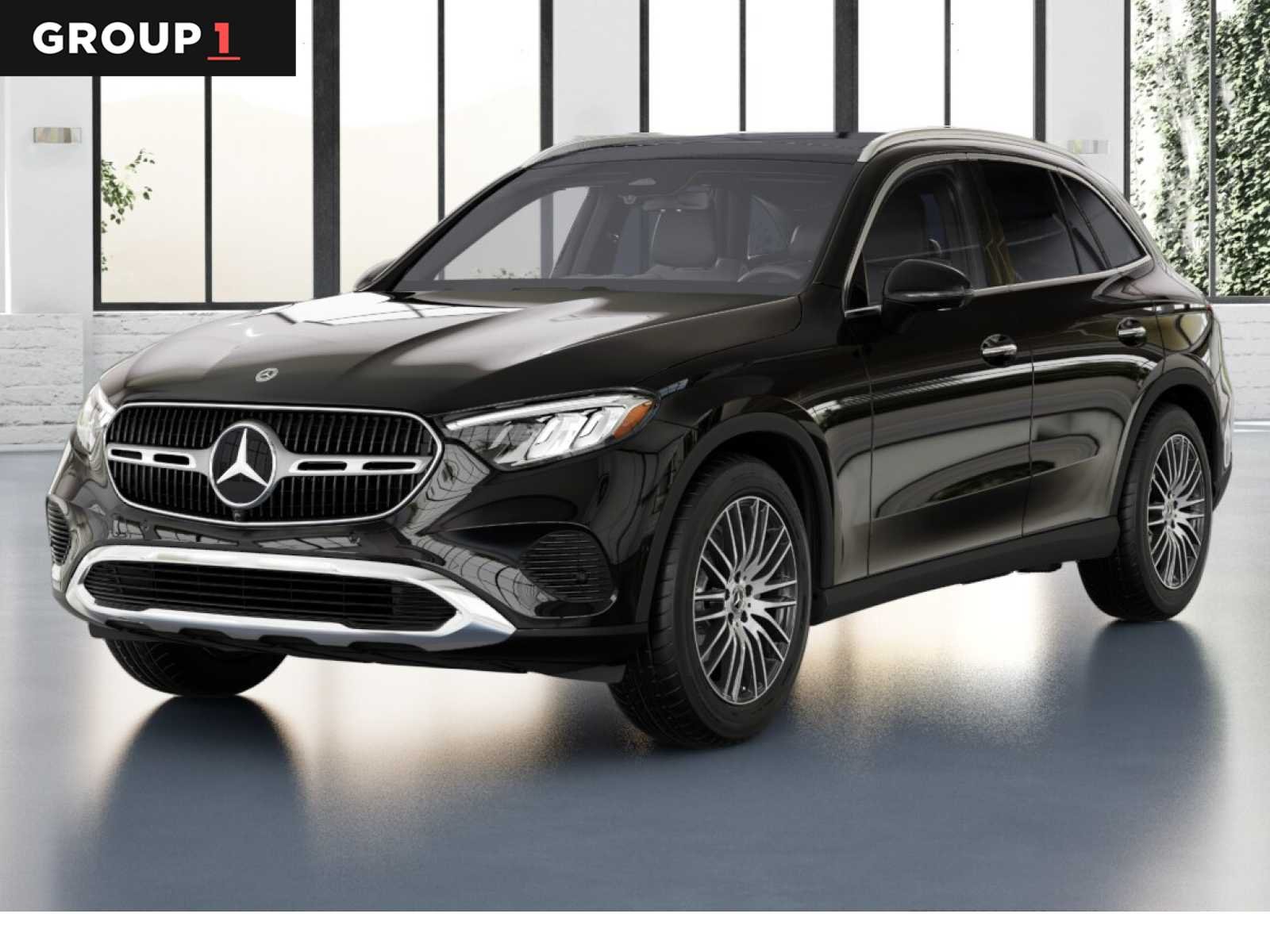
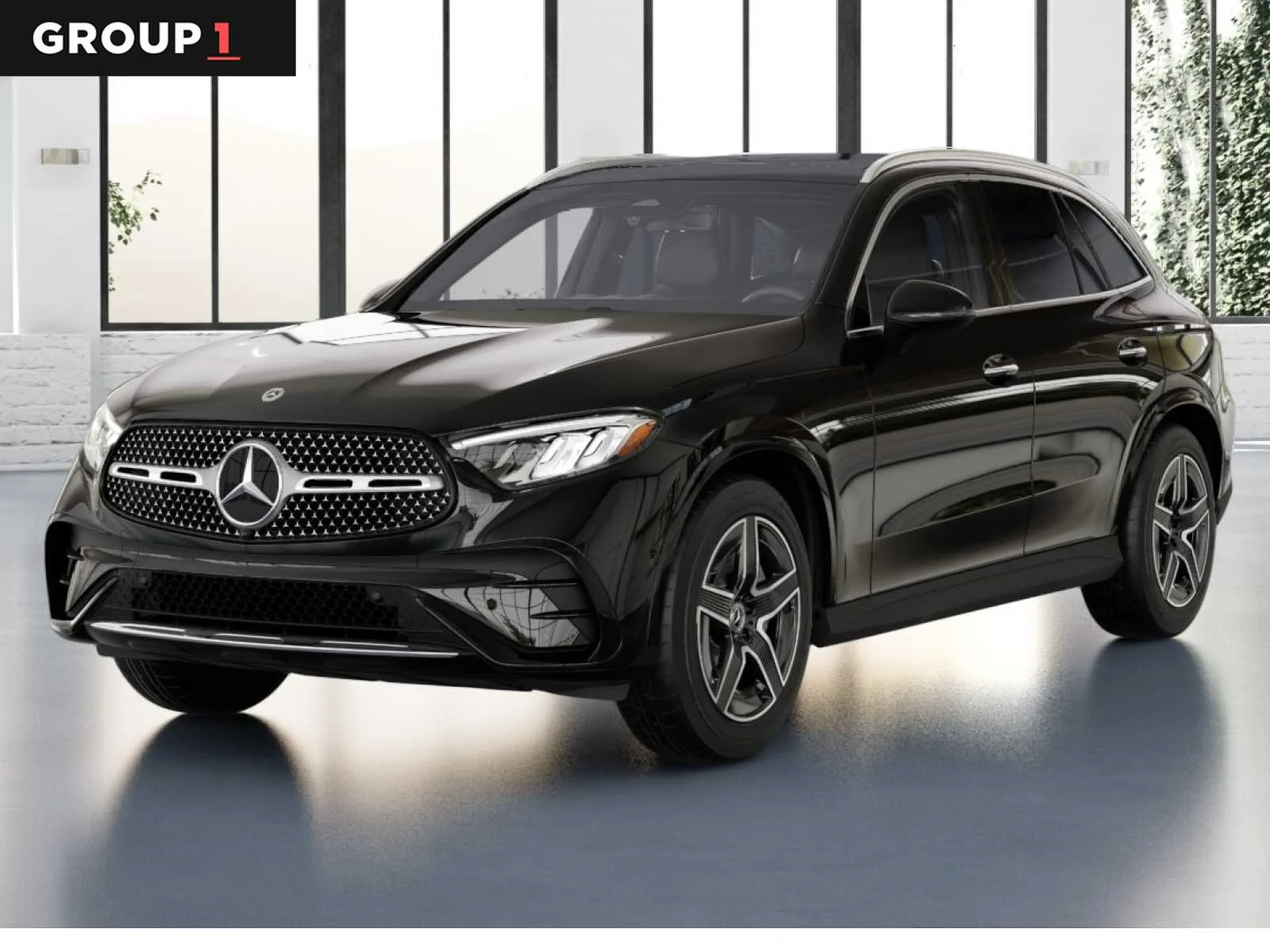
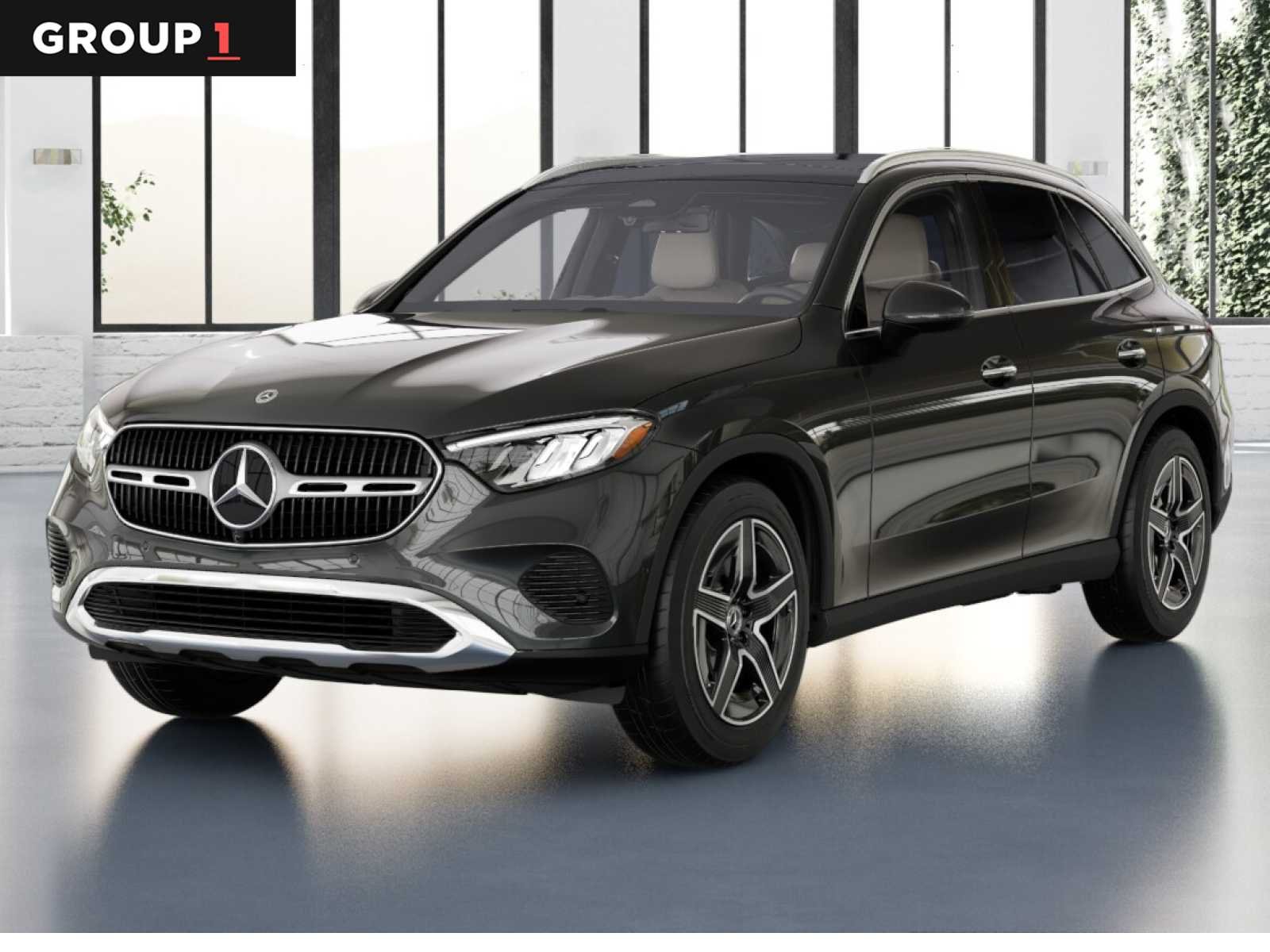
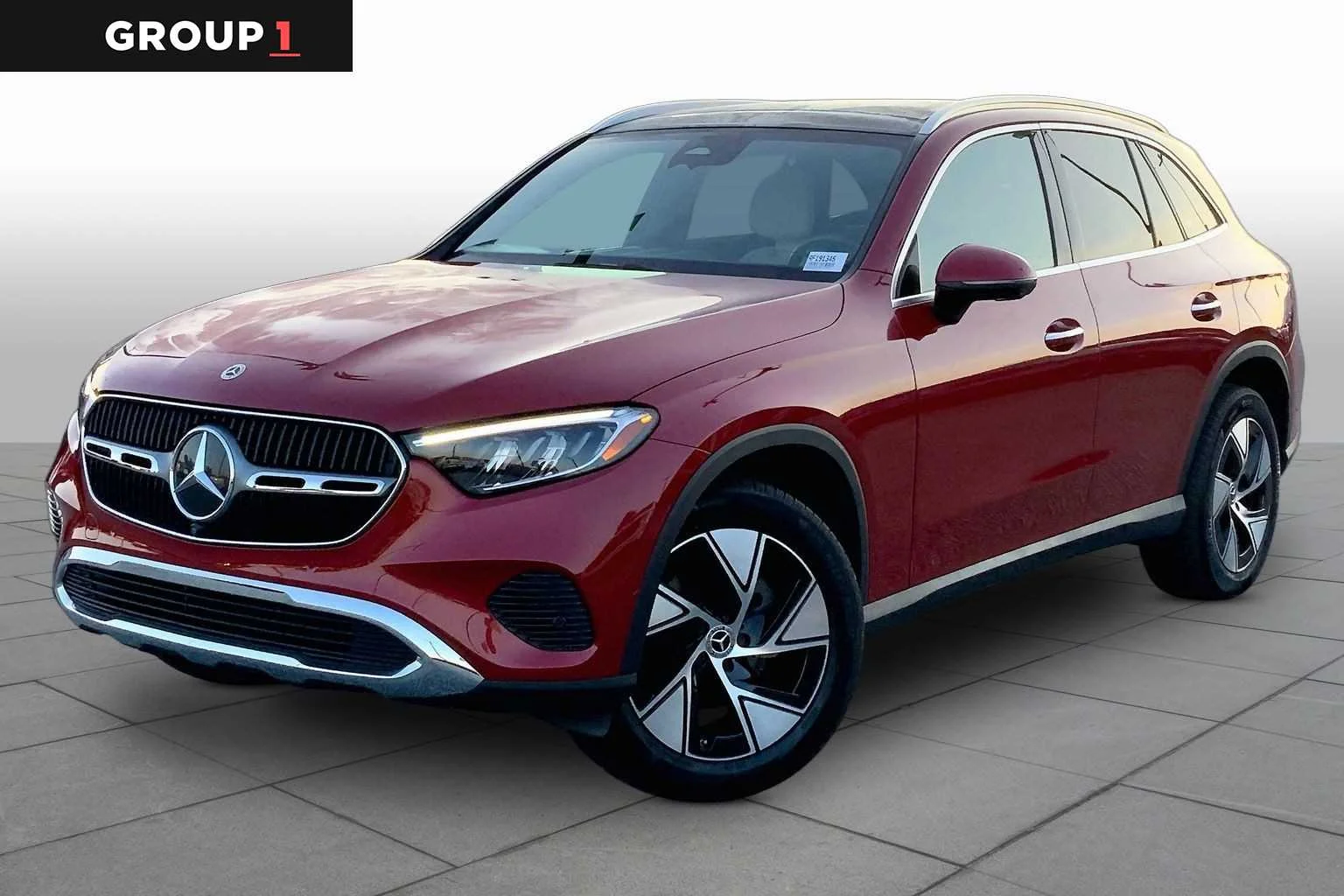
gasoline, automatic, 15K km, SUV, All Wheels Drive, 2,000 cm3, 255 hp, white, GLC 300, Used condition, USA, In stock

Group1Auto.com
 Georgetown, United States
 Georgetown, United StatesGeorgetown, United StatesGeorgetown, United StatesGeorgetown, United StatesGeorgetown, United StatesGeorgetown, United States
 Georgetown, United States
 Georgetown, United StatesBrentwood, United States
 New Augusta, United StatesNew Augusta, United StatesNew Augusta, United StatesNew Augusta, United StatesNew Augusta, United StatesNew Augusta, United States
 New Augusta, United StatesNew Augusta, United StatesNew Augusta, United StatesNew Augusta, United StatesNew Augusta, United StatesNew Augusta, United StatesMishawaka, United StatesLot, United States
 Austin, United States
 Austin, United States
When you start looking for a Mercedes-Benz GLC, you’re aiming for a compact luxury SUV that blends comfort with performance. This guide helps buyers and sellers in key markets understand what to expect from different generations, engines, and trims, and how to compare options in terms of price, mileage, and reliability. Whether you’re eyeing a GLC from a recent year or a well-kept predecessor, knowing the essentials makes negotiations easier and decisions clearer.
For many, the GLC is an ideal balance between daily usability and premium feel. Depending on the year and generation, the vehicle can feature a turbocharged four-cylinder, efficient hybrid setup, or even a potent V6 in some sportier configurations. Common considerations include body type flexibility (SUV with a comfortable cabin), fuel type (gasoline, mild-hybrid), and regional variations in engines and trim lines. Buyers often ask: which engine best fits daily commuting and highway cruising, what is the expected maintenance cost, and how do we compare mileage across similar units in the same city?
A logical approach helps ensure you don’t miss critical details. Start with a thorough inspection focusing on engine condition, transmission feel, brake wear, and suspension integrity. A test drive can reveal NVH (noise, vibration, harshness) characteristics and steering precision. For sellers, presenting clear maintenance records, confirming any Daignose or service campaigns, and providing a detailed mileage log can boost buyer confidence.
By understanding these elements—brand, model, generation, fuel type, body style, year, mileage, and price range—you’ll be better positioned to buy or sell a Mercedes-Benz GLC with confidence in your market.
 Add as preferred sourceSee more from zvelta in Google Search Add as preferred source