EN
EN

Frequently asked questions
Xiaomi Auto announced preparations to enter Europe in 2027, including Germany. The exact sales launch date has not been officially disclosed.
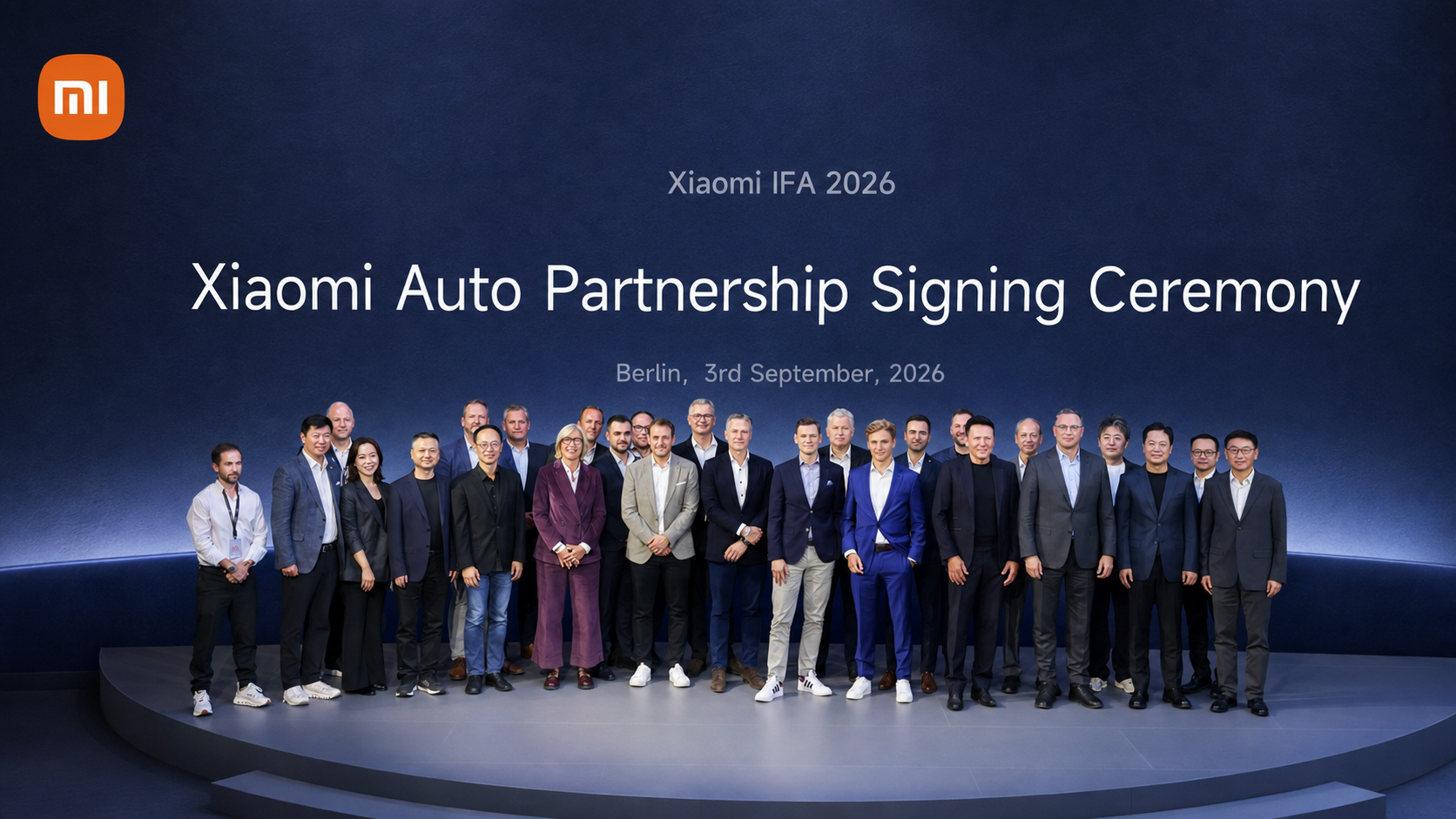
At IFA in Berlin, Xiaomi signed memorandums of understanding with eight German dealer groups: Ernst Dello, Autohaus Dinnebier, Emil Frey Germany, Fett & Wirtz Automobile, Hahn Automobile, LUEG Mobility, Penske-Jacobs Innovation and SPT Avior. The agreements are described as the first stage of building a European sales and after-sales service network, not as the start of vehicle sales.
This has not been confirmed. Xiaomi states that the Xiaomi SU7 and Xiaomi SU7 Ultra are not currently sold outside China, while the first European model—whether the SU7, the YU7 or another model—has not been reliably identified. European prices and specifications have also not been published.
On September 3, 2026, Xiaomi Auto announced preparations to enter the European market in 2027 and signed memorandums of understanding with eight German dealer groups. This is not the start of sales, nor is it a list of future models. It is, however, the first concrete step toward giving the brand points of contact with customers — from consultations to servicing.
The key point for future Xiaomi buyers in Europe is that the company has chosen to work through local partners rather than relying solely on a website and one-off vehicle imports. At the same time, prices, the model range, locations and the exact sales launch date have not yet been officially disclosed.
What exactly did Xiaomi sign in Berlin?
The ceremony took place at IFA in Berlin. Xiaomi signed MoUs — memorandums of understanding. Such a document records the parties’ willingness to cooperate and work out the terms, but it does not by itself mean that dealer centres are already selling Xiaomi vehicles.
Xiaomi’s official announcement names eight partners: Ernst Dello, Autohaus Dinnebier, Emil Frey Germany, Fett & Wirtz Automobile, Hahn Automobile, LUEG Mobility, Penske-Jacobs Innovation and SPT Avior. The company describes these agreements as the first stage in building a European sales and after-sales service network. The full list was published in Xiaomi’s announcement of September 3.
Already confirmed | Not yet announced |
|---|---|
Xiaomi Auto’s entry into Europe in 2027, including Germany | The exact sales launch date |
Memorandums with eight German dealer groups | Dealer showroom and service centre addresses |
Plans to create a sales and service network | Models, specifications and European prices |
An MoU is not a supply contract. Xiaomi and its dealers still need to establish the commercial and service terms before showrooms open.
Why a dealer network matters more than a high-profile debut
For a new brand in Europe, an electric vehicle’s specifications are only part of the picture. Buyers need to know where they can take a test drive, who will handle diagnostics, how warranty claims will work and where accident repairs will be carried out. The signed memorandums do not yet answer every one of these questions, but they show that Xiaomi is preparing the infrastructure together with companies already active in the German automotive market.
This also reduces the risk of a situation in which a vehicle is technically available to order, while servicing has to be arranged separately. However, Xiaomi has not disclosed each partner’s obligations, the number of locations or their launch schedules. It is therefore too early to describe this as a complete nationwide network.
Which Xiaomi models could come to Europe?
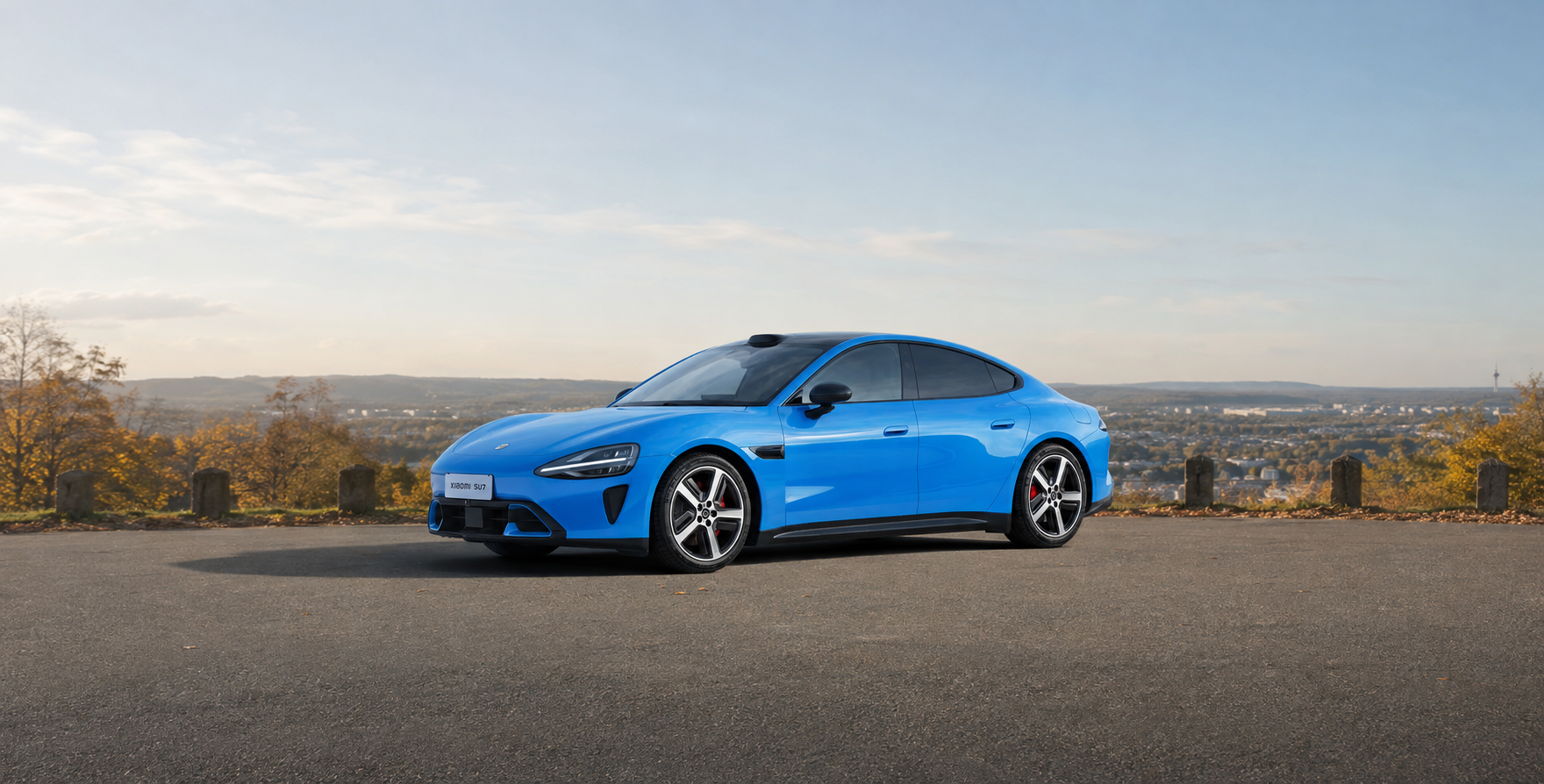
The Xiaomi Auto global website confirms only the broad target: “in Europe in 2027.” The company also states separately that the Xiaomi SU7 and Xiaomi SU7 Ultra are not currently sold outside China and are shown on the international page for promotional purposes. This is an important distinction: a vehicle appearing on the website does not confirm a European version or the start of sales.

As a result, as of September 4, 2026, it is not possible to reliably identify the first Xiaomi model for Europe — whether the SU7, the YU7 or another model. Prices, battery versions, power output, WLTP range and specification levels have also not been published. The latest statements on the brand’s plans can be followed on the Xiaomi Auto global website, which has opened a channel for enquiries from prospective dealers and distributors.
What needs to happen before the first deliveries?
Dealer agreements are only one part of the preparation. For a new model to be sold in EU countries, it needs type approval: a national authority confirms that the vehicle meets requirements for safety, environmental performance and production consistency. Once approved, the vehicle gains access to the EU market under common rules; the European Commission explains the principle behind this procedure.
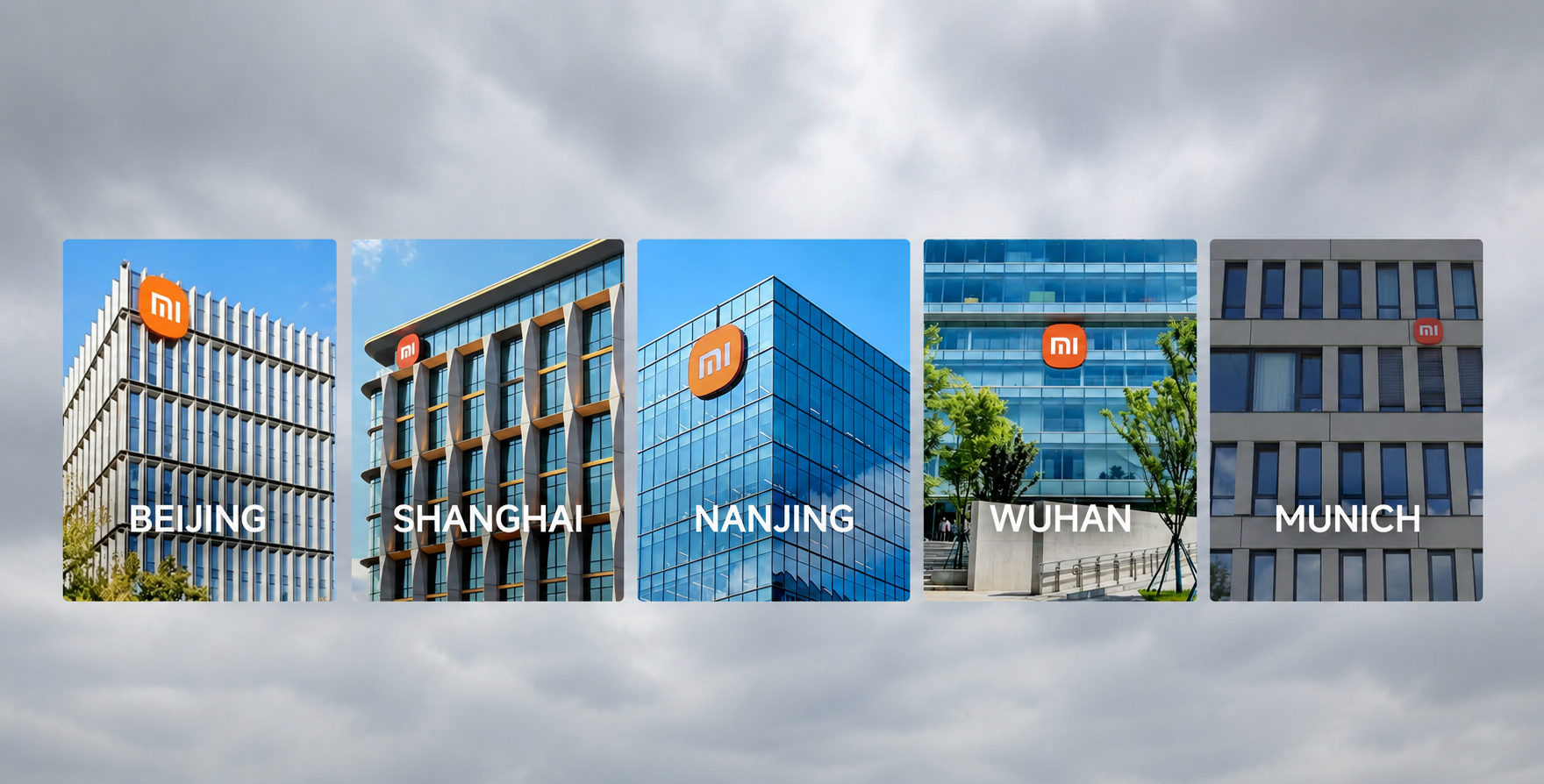
For Xiaomi, this means adapting not only logistics and servicing but also the vehicles themselves to European requirements. The company has already mentioned a research and development centre in Munich, but it has not said what specific changes production cars for Europe will receive.
What does this news change for buyers right now?
For now, it changes the level of certainty rather than creating an opportunity to order a vehicle. Before September 3, Xiaomi’s European plans were mainly backed by the “2027” target and the international website. They now include eight named partners in Germany and a stated goal of creating a sales and service network.
Buyers following the Xiaomi SU7 or YU7 should wait for the next set of details: the European model range, certified specifications, prices, warranty terms and service location addresses. These details will show what the brand’s actual market entry looks like — and whether its offerings can be compared with electric vehicles already available on equal terms.