EN
EN

Frequently asked questions
They use different architectures: the i3 has a dedicated Neue Klasse electric architecture, while the gasoline 3 Series uses an architecture for internal-combustion versions. They also differ in dimensions, dynamic control settings and powertrains.
The gasoline 3 Series has four- and six-cylinder gasoline engines with a 48-volt mild-hybrid system. The announced i3 40 xDrive and i3 50 xDrive use two electric motors and all-wheel drive.
The i3 40 xDrive produces 374 metric hp, uses an 82.8 kWh battery and has a claimed WLTP range of up to 710 km. The i3 50 xDrive produces 469 metric hp, uses a 108.7 kWh battery and has a claimed WLTP range of up to 912 km; BMW quotes 4.7 seconds for 0–100 km/h.
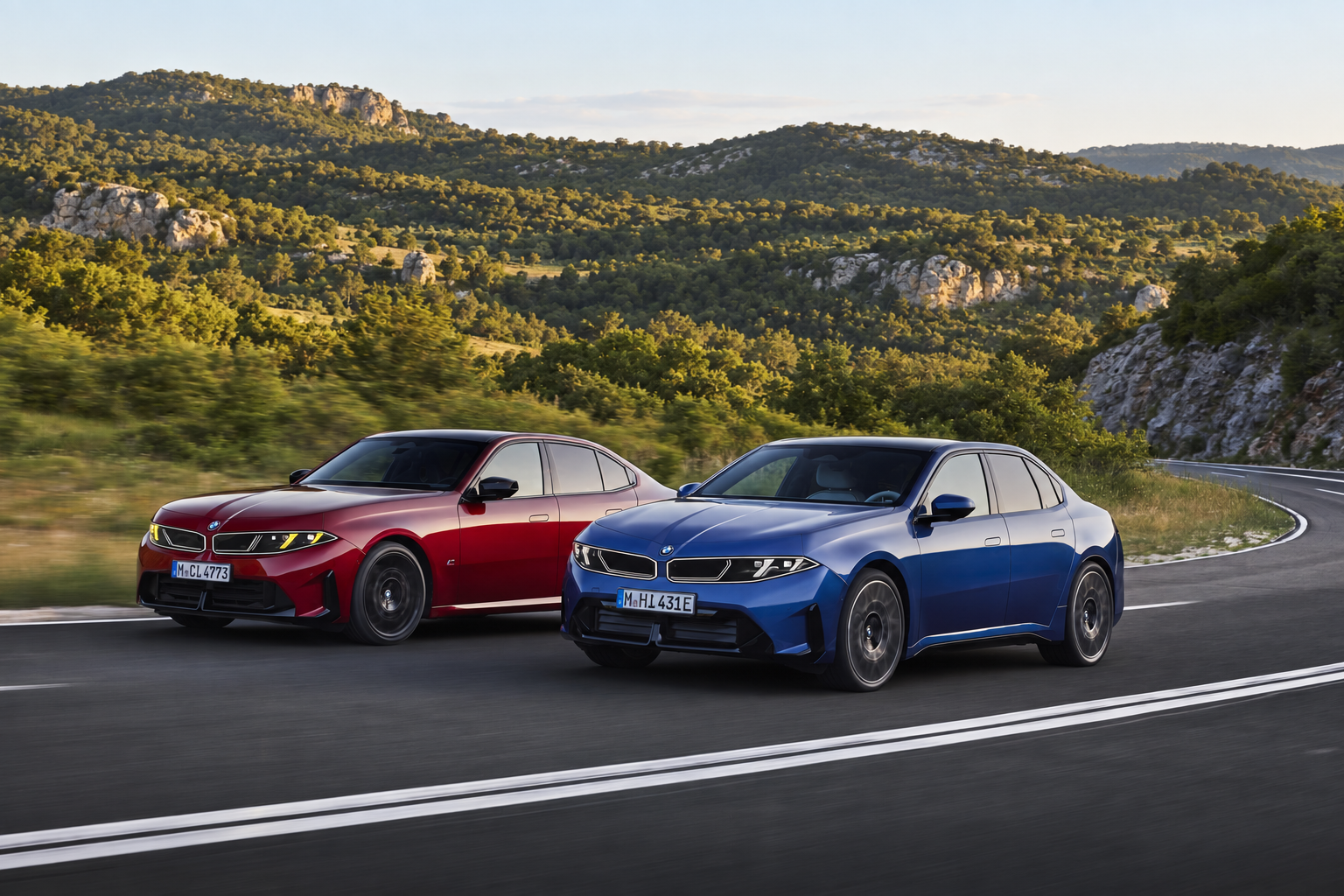
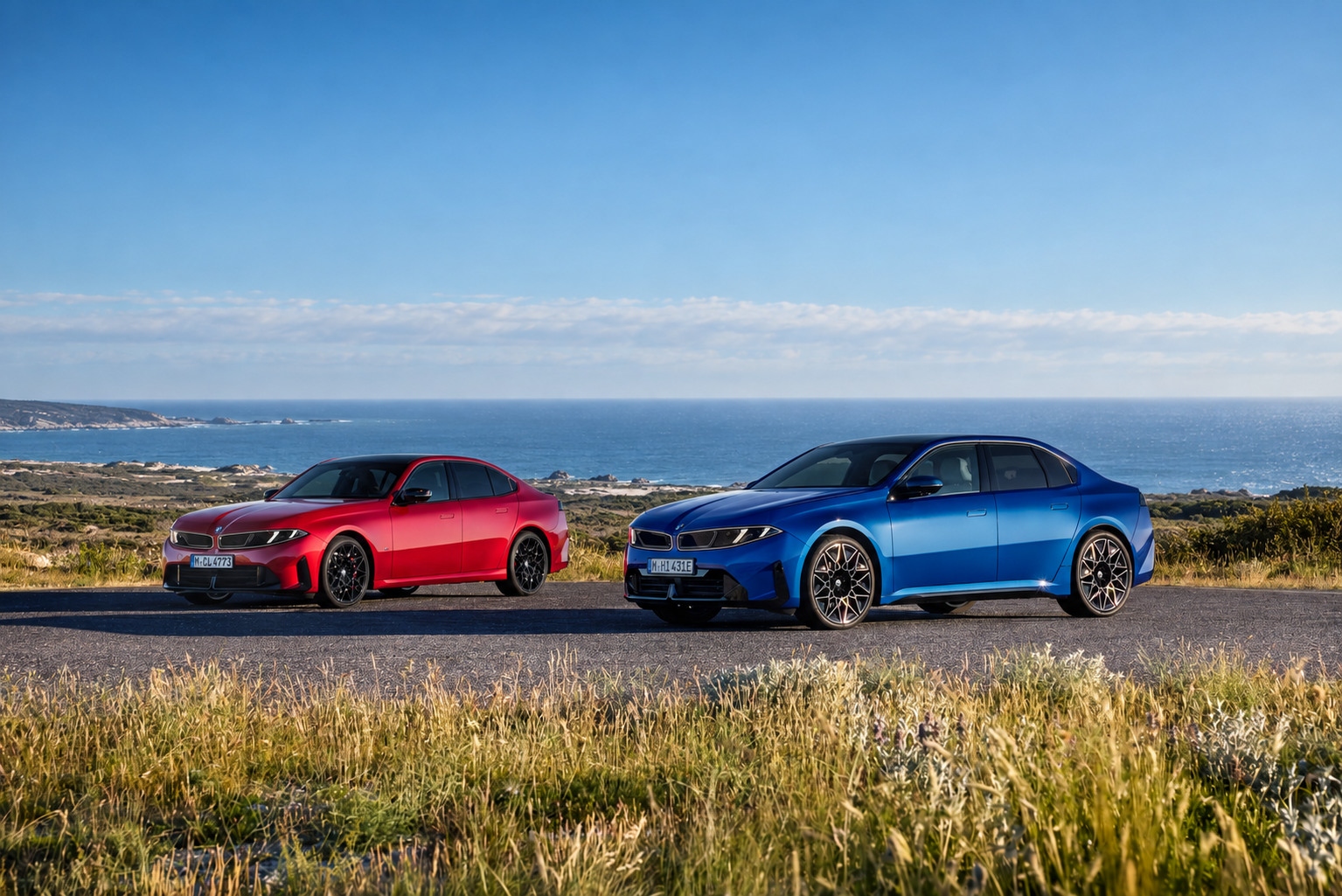
On September 30, 2026, BMW unveiled the new 3 Series family with both gasoline-powered versions and the electric i3. The sedans look similar from the outside, while the interior is built around the same control system. However, the i3 and gasoline 3 Series use different vehicle architectures. That makes it misleading to compare them based only on design or power. BMW’s global premiere announcement lists the launch versions and their main specifications.
How the premiere unfolded
On March 18, 2026, BMW showed the design of the electric i3; some technical figures were still described as preliminary at the time. Series production of the i3 began in Munich in August. On September 30, the company provided more details about the new 3 Series family. Production of the gasoline sedans in Dingolfing is scheduled to start in November 2026.
What they have in common
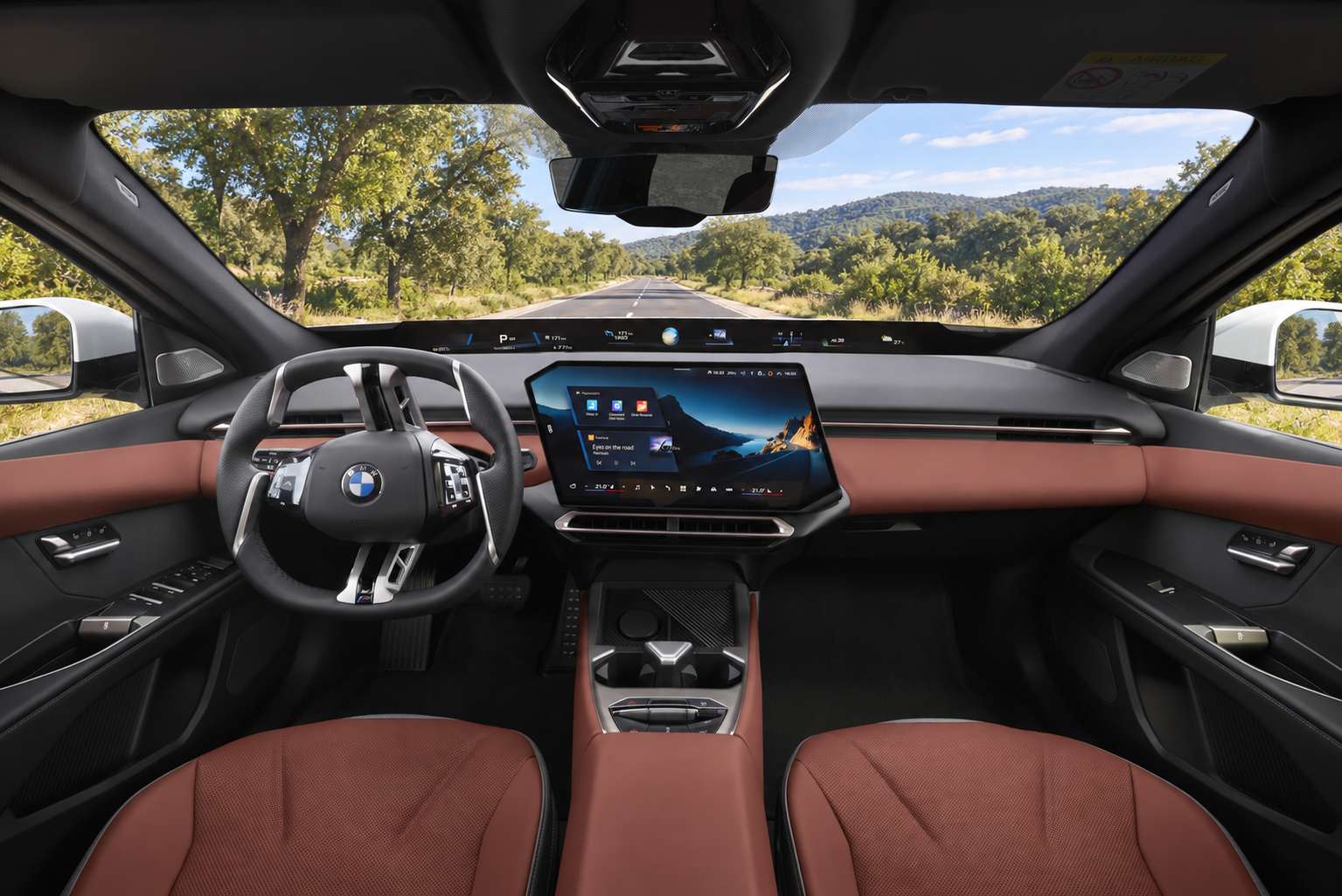
BMW has given both cars the same Neue Klasse design language, including similar front lighting, proportions and interior styling. In both cases, the driver gets BMW Panoramic iDrive, with information displayed at the base of the windshield, a 17.9-inch central display and BMW Operating System X. The BMW 3D Head-Up Display is listed as an option. Exact equipment depends on the market and trim level.
Similar styling does not mean identical body dimensions. BMW states that the i3 and gasoline models have slightly different wheelbases, overhangs and exterior dimensions because of their different architectures. For buyers, that means checking the dimensions and cabin space of the specific version rather than applying the figures from one 3 Series model to another.
What changes beneath the body
Parameter | Gasoline 3 Series | Electric i3 |
|---|---|---|
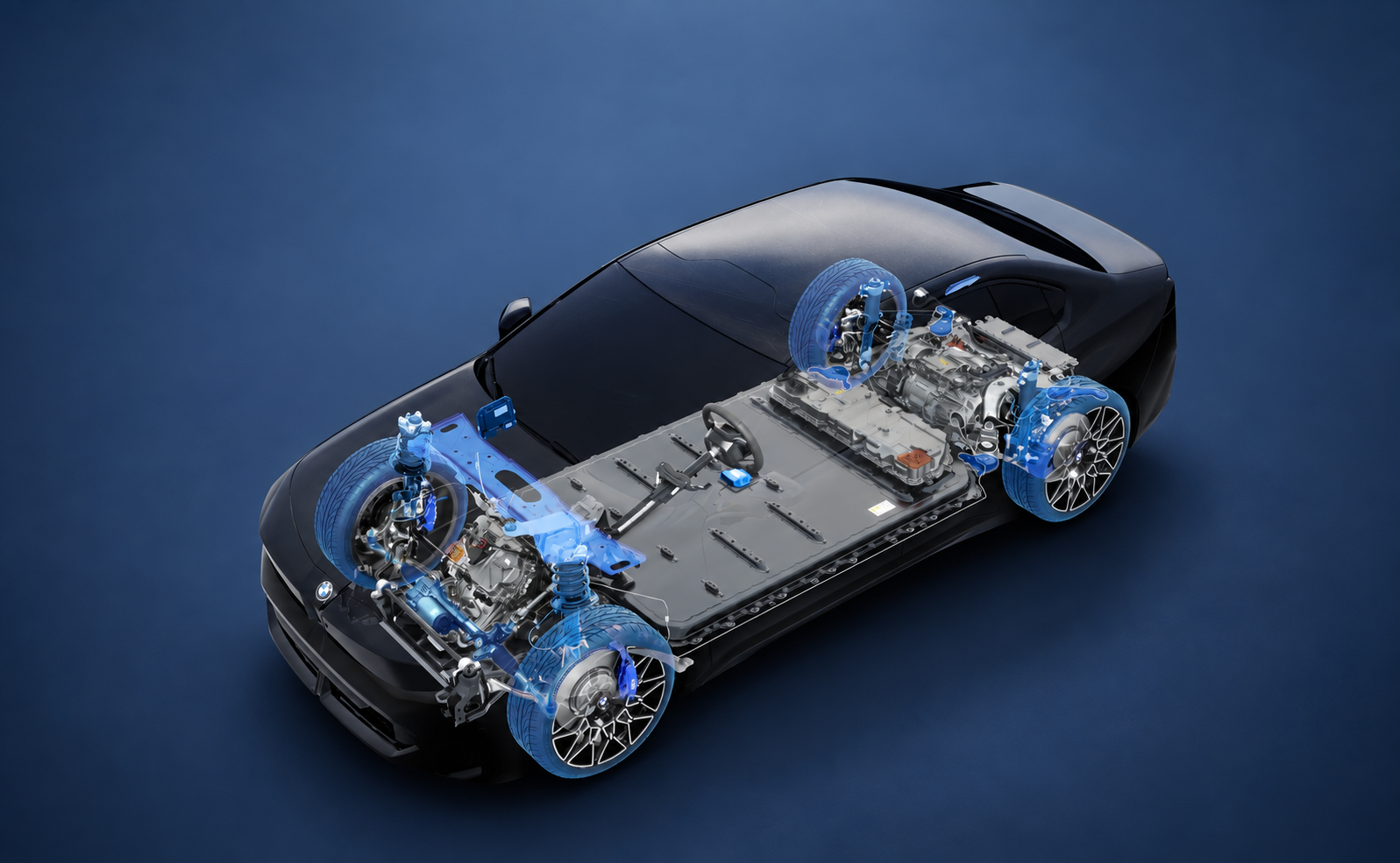
Vehicle platform | Architecture for internal-combustion versions | Dedicated Neue Klasse electric architecture |
Launch powertrain | Four- and six-cylinder gasoline engines with a 48-volt mild-hybrid system | Two electric motors; all-wheel drive on the announced i3 40 xDrive and i3 50 xDrive |
Refueling or charging | Gasoline; the 48-volt system is not connected to a charging station | Battery charging from the grid; the i3 50 xDrive is rated for up to 400 kW of DC charging power |
German production plant | Dingolfing | Munich |
The Neue Klasse name needs some clarification here. It describes both the new styling of the wider lineup and the separate electric architecture used by the i3. The gasoline 3 Series adopts Neue Klasse styling, but it is not an i3 electric vehicle with its engine replaced. BMW also uses different dynamic control system settings for the electric and gasoline cars.
What we know about the electric i3
BMW has announced two all-wheel-drive versions. The i3 40 xDrive produces 374 metric hp, has an 82.8 kWh battery and offers a claimed range of up to 710 km under WLTP. The i3 50 xDrive develops 469 metric hp, uses a 108.7 kWh battery and has a claimed range of up to 912 km under WLTP. BMW quotes a 0–100 km/h time of 4.7 seconds for the higher-powered version.
The 400 kW quoted for the i3 50 xDrive is the peak fast-charging power, not a constant rate throughout the entire session. BMW’s estimate of “up to 423 km in ten minutes” is based on the WLTP cycle under suitable conditions and with a charging station capable of delivering the required power. The 912 km WLTP figure should not be read as a promise of that distance on every journey: weather, speed, tires and climate-control use all affect the result. At the i3’s first presentation on March 18, BMW specifically marked the early figures as preliminary; the figures used here come from the September release.
What we know about the gasoline 3 Series
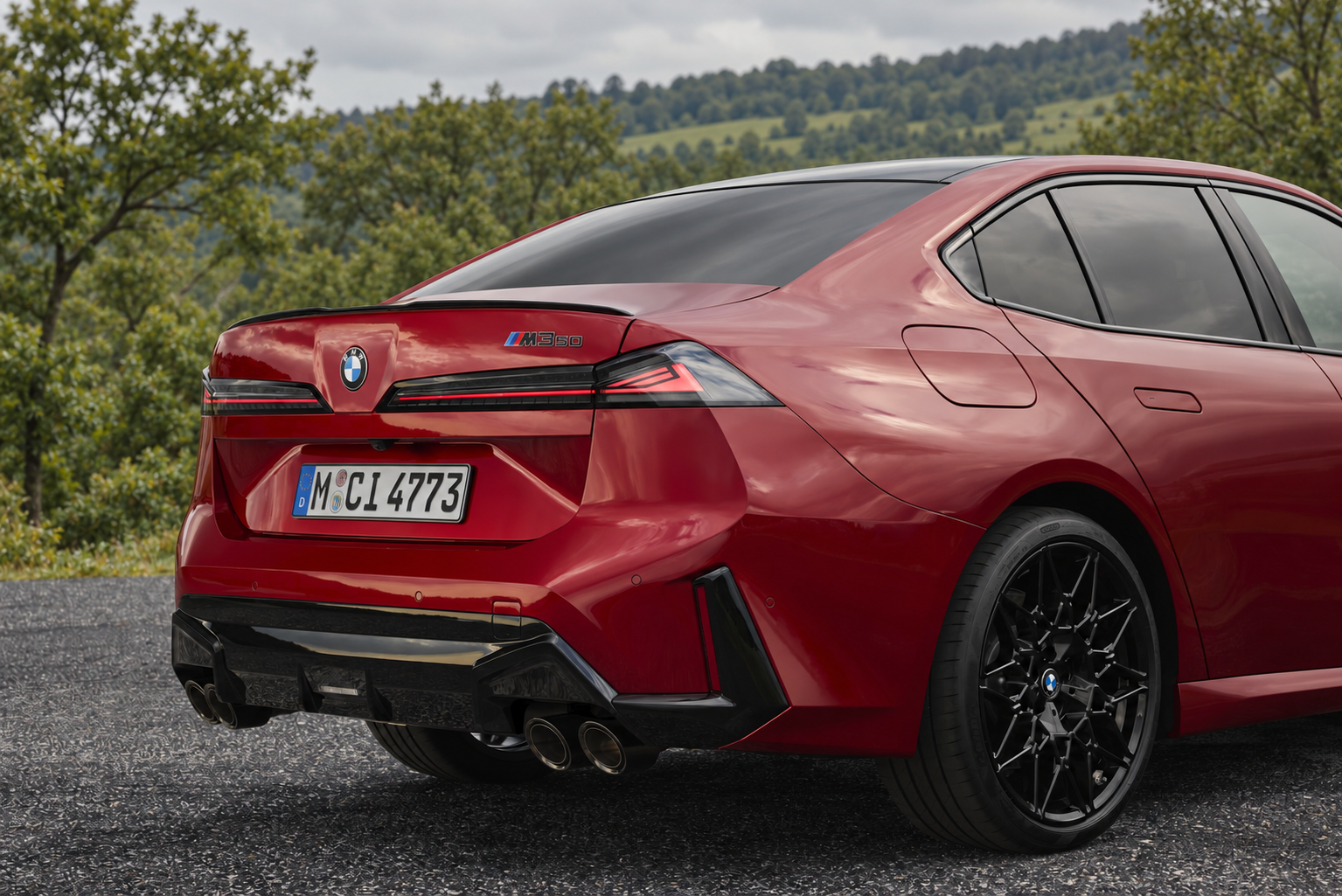
The announced lineup includes four-cylinder versions and the M350 xDrive with an inline-six gasoline engine. For the M350 xDrive, BMW quotes 326 kW, or 443 metric hp, and a 0–100 km/h time of 4.1 seconds. The mild-hybrid system works with 48-volt equipment; it is not a plug-in hybrid. BMW plans to add a PHEV version in 2027. Diesels are not listed among the launch versions, but that does not mean the company has definitively abandoned them in every market.
Why do news reports mention 443 and 437 hp?
In BMW’s global release, the M350 xDrive’s output is listed as 326 kW / 443 metric hp, while the US release gives 437 hp. These are different unit conversions of the same power figure in kilowatts. The discrepancy alone does not indicate a different engine or a different tune for the US market.
How to compare versions before buying
The first question is where the car will be used. The i3’s claimed range is meaningful only when considered alongside the charging available on your regular routes. For the gasoline 3 Series, the specific engine, drivetrain and availability of the desired trim in your market matter more. It is also worth checking the interior equipment separately: a shared design does not make every feature standard.
Three checks on the vehicle listing
Confirm the full version name: i3 40 xDrive, i3 50 xDrive, gasoline 3 Series or M350 xDrive.
Check the supply market: available engines, prices and equipment vary by country.
For the i3, look beyond the WLTP range and check the charging conditions; for the gasoline version, do not confuse the mild hybrid with the upcoming PHEV.
Sales timing also depends on the country. In BMW’s US press release, the i3 50 xDrive, 330, 330 xDrive and M350 xDrive are scheduled to launch in the first quarter of 2027. The release also lists US pricing; those figures should not be applied to other markets without checking local price lists. As of September 30, 2026, the most reliable way to compare the cars is to choose a market and specific versions, then check their official specifications.