 EN
EN

Frequently asked questions
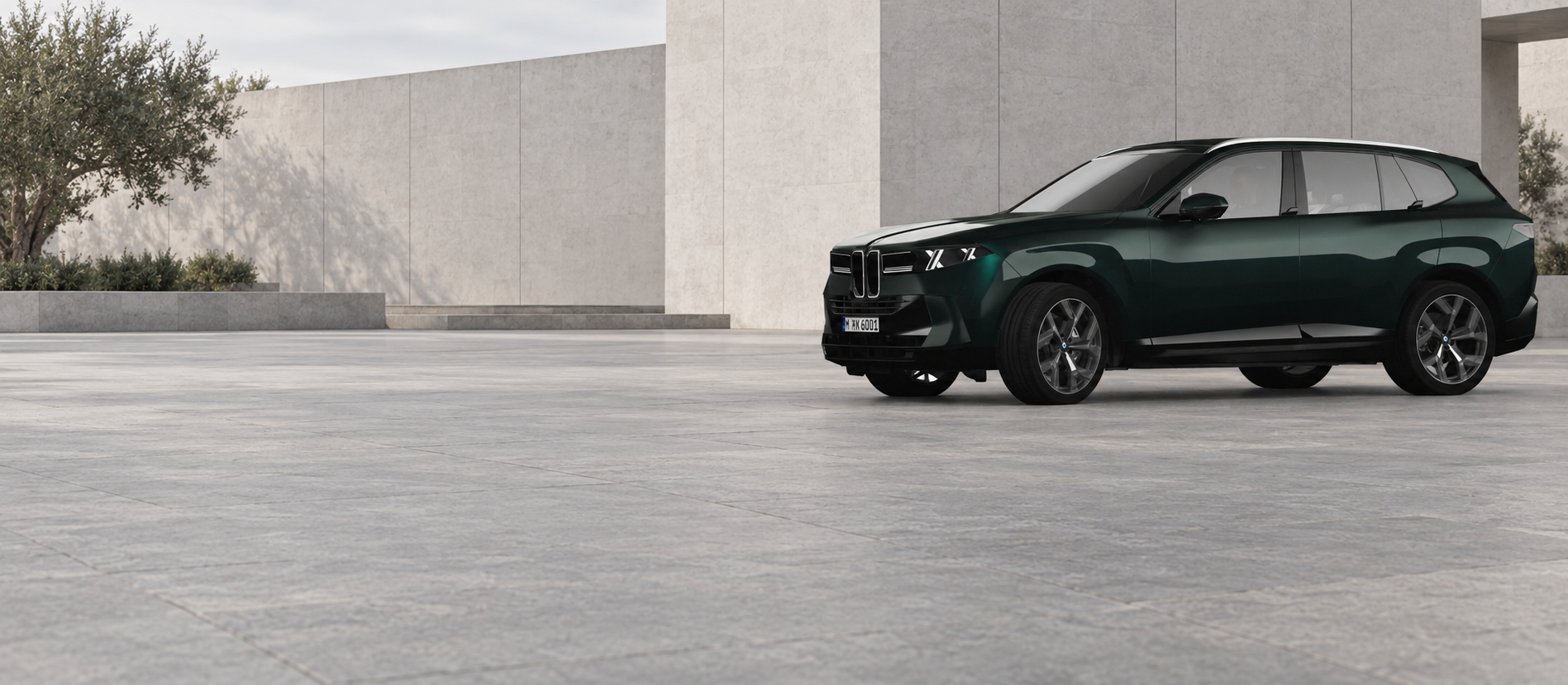
The X5 50e and M60e are plug-in hybrids with petrol engines, while the iX5 60 is fully electric. The M60e is the quickest, the iX5 offers the longest electric range and largest luggage compartment, and the hybrids can tow more.
The X5 50e and M60e can charge from 0 to 100% in at least 2 hours 45 minutes using AC power of up to 11 kW. The iX5 60 can charge from 10 to 80% in at least 23 minutes using DC charging, although the actual time depends on the station, temperature and battery state of charge.
The 50e or M60e may be more suitable if you need petrol as a backup and regularly tow a heavy trailer. The iX5 60 may be preferable if charging is available at home, work and along your travel routes, and you value its longer electric range and larger luggage compartment.
The new BMW X5 presents an unusual choice: in Germany, the plug-in hybrid 50e and fully electric iX5 60 start at the same price of 102,800 euros. The more powerful M60e starts at 125,000 euros. But the decision involves more than acceleration: charging, luggage space and permitted trailer weight also differ.
BMW presented the fifth-generation X5, designated G65, on June 30, 2026, at its plant in Spartanburg. In its official premiere materials, the company included a production battery-electric iX5 in the X5 family for the first time. On September 30, BMW clarified the autumn expansion of the range, and on October 8 it issued the first German price list for the December program. Production of the 50e, M60e and iX5 60 was scheduled for December 2026 in the autumn announcement: the order date and the vehicle production date are not the same.
Three versions: the main differences
The figures below apply to the German market and were checked on October 11, 2026, against BMW's current technical data table. Hybrid power is given for the complete powertrain. Electric range is measured on the combined WLTP cycle; for the hybrids, it does not include the subsequent journey using petrol.
Parameter | X5 50e xDrive | X5 M60e xDrive | iX5 60 xDrive |
|---|---|---|---|
Powertrain type | Plug-in hybrid, all-wheel drive | Plug-in hybrid, all-wheel drive | Electric vehicle, all-wheel drive |
Petrol engine | 3.0 L, inline-six | 3.0 L, inline-six | None |
Maximum power | 360 kW / 489 hp | 450 kW / 612 hp | 425 kW / 578 hp |
Torque | 700 Nm | 800 Nm | 805 Nm |
0–100 km/h | 4.8 s | 4.2 s | 4.6 s |
WLTP electric range | 93–106 km | 90–99 km | 724–850 km |
AC charging, up to | 11 kW | 11 kW | 22 kW |
Luggage capacity, seats up / folded | 525 / 1,680 L | 525 / 1,680 L | 655 / 1,850 L |
Braked trailer, up to | 3,300 kg | 3,300 kg | 2,700 kg |
Permitted trailer weight depends on the equipment fitted. The WLTP ranges reflect differences between configurations, while real-world range also depends on speed, temperature, load and heating. Acceleration figures are given without subtracting the first foot of movement—the rollout method that reduces the published time.
X5 50e: electric trips with petrol as a backup
The 50e combines a petrol engine with an electric motor and an eight-speed automatic transmission. Its purpose is to use electricity on familiar routes while preserving the ability to refuel and continue a long journey. This requires regular charging: the official 93–106 km range alone does not make the vehicle economical in every use case.
Usable battery capacity is 25.7 kWh. BMW gives a minimum charging time of 2 hours 45 minutes from 0 to 100% at up to 11 kW. This is a home or workplace charging scenario, not a brief stop at a motorway charger. Connecting to a 22 kW AC station will not double the speed: the vehicle's onboard charger remains the limiting factor.
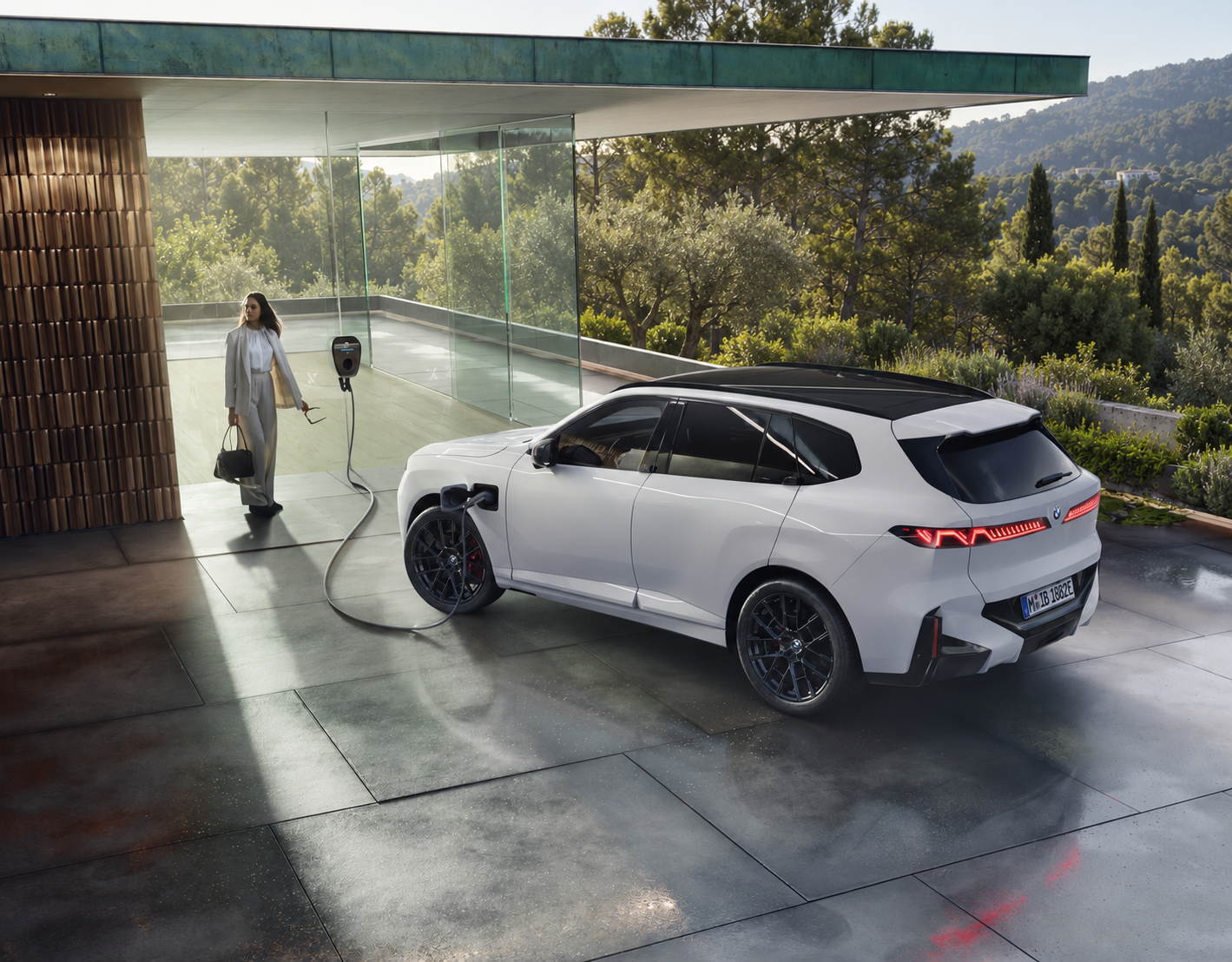
What happens if the hybrid is not charged?
BMW's autumn release gives two different figures for the 50e: a weighted consumption of 5.5–5.8 L/100 km including electricity use, and 9.3–9.7 L/100 km with a depleted battery. These are laboratory figures, but the difference highlights the key point: a plug-in hybrid's fuel consumption must be assessed together with its charging pattern. Calculating running costs requires both petrol and paid kilowatt-hours.
X5 M60e: more power with the same battery capacity
Here, the M60e designation refers to a hybrid with an inline six-cylinder engine. Its system output reaches 612 hp, and it takes 4.2 seconds to reach 100 km/h. Based on BMW's stated figures, it is the fastest of the three versions compared.
However, the M60e and 50e have the same usable battery capacity of 25.7 kWh and the same electric motor's rated output of 145 kW. The petrol engines differ more significantly: 313 kW in the M60e versus 230 kW in the 50e. Therefore, 612 hp is the output of the complete hybrid system, not of the electric mode. The available output from the electric part depends on the battery's state of charge.
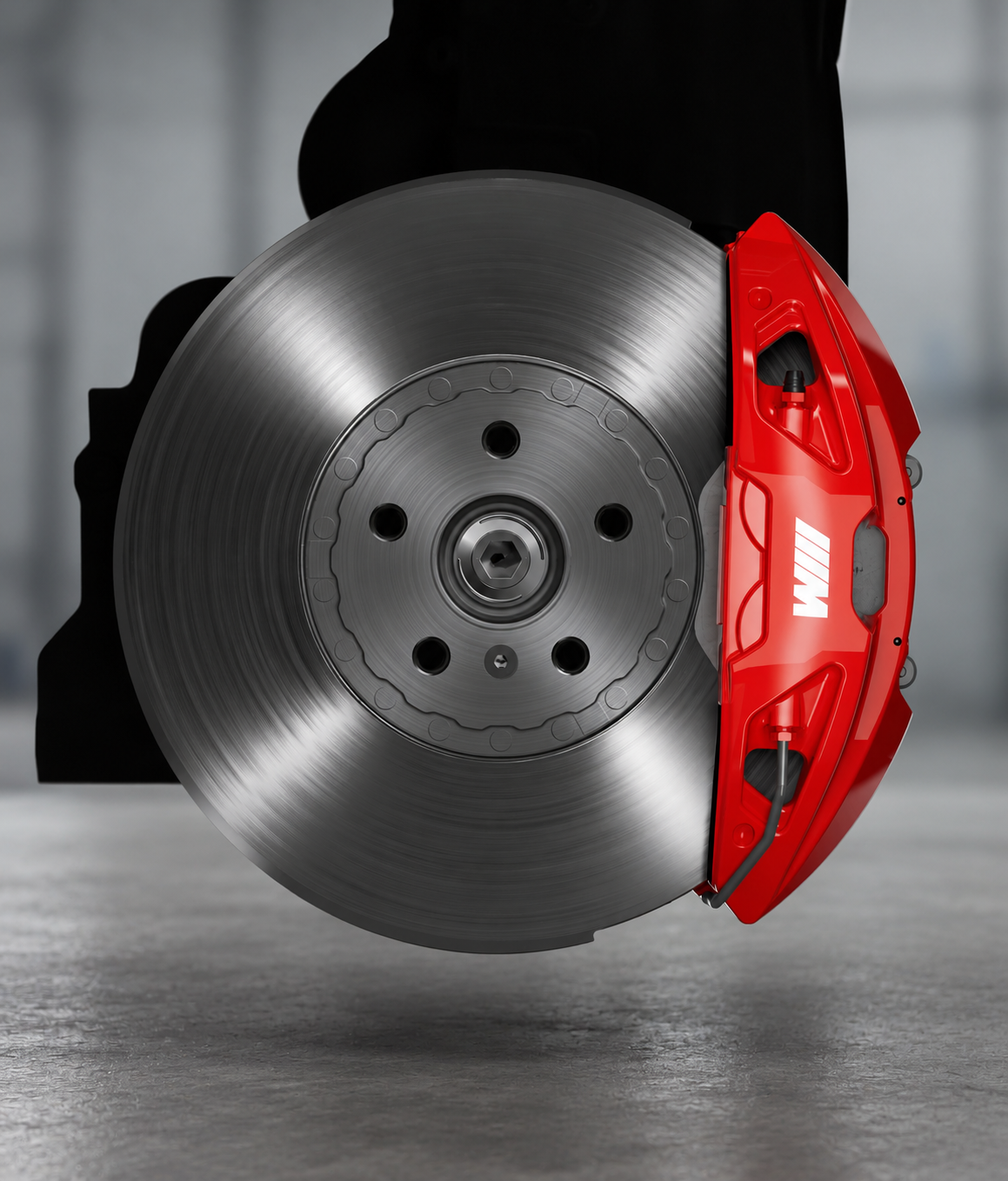
The premium for the M60e does not increase electric range, which is 90–99 km WLTP. Luggage capacity and permitted trailer weight do not increase either. The main reasons to choose this version are performance and M Performance equipment, not the ability to drive farther without petrol.
iX5 60: a larger battery and a different approach to long trips
The electric iX5 uses sixth-generation BMW eDrive technology and an 800-volt system. Unlike the hybrids, it cannot continue on petrol once its battery is depleted. In return, BMW quotes up to 850 km of WLTP range and DC charging at up to 460 kW.
The minimum stated time to charge the battery from 10 to 80% is 23 minutes. When navigating to a fast-charging station, the vehicle can prepare the battery temperature in advance. The result depends on the station's capability, temperature and initial state of charge: maximum power is not maintained throughout the entire session.
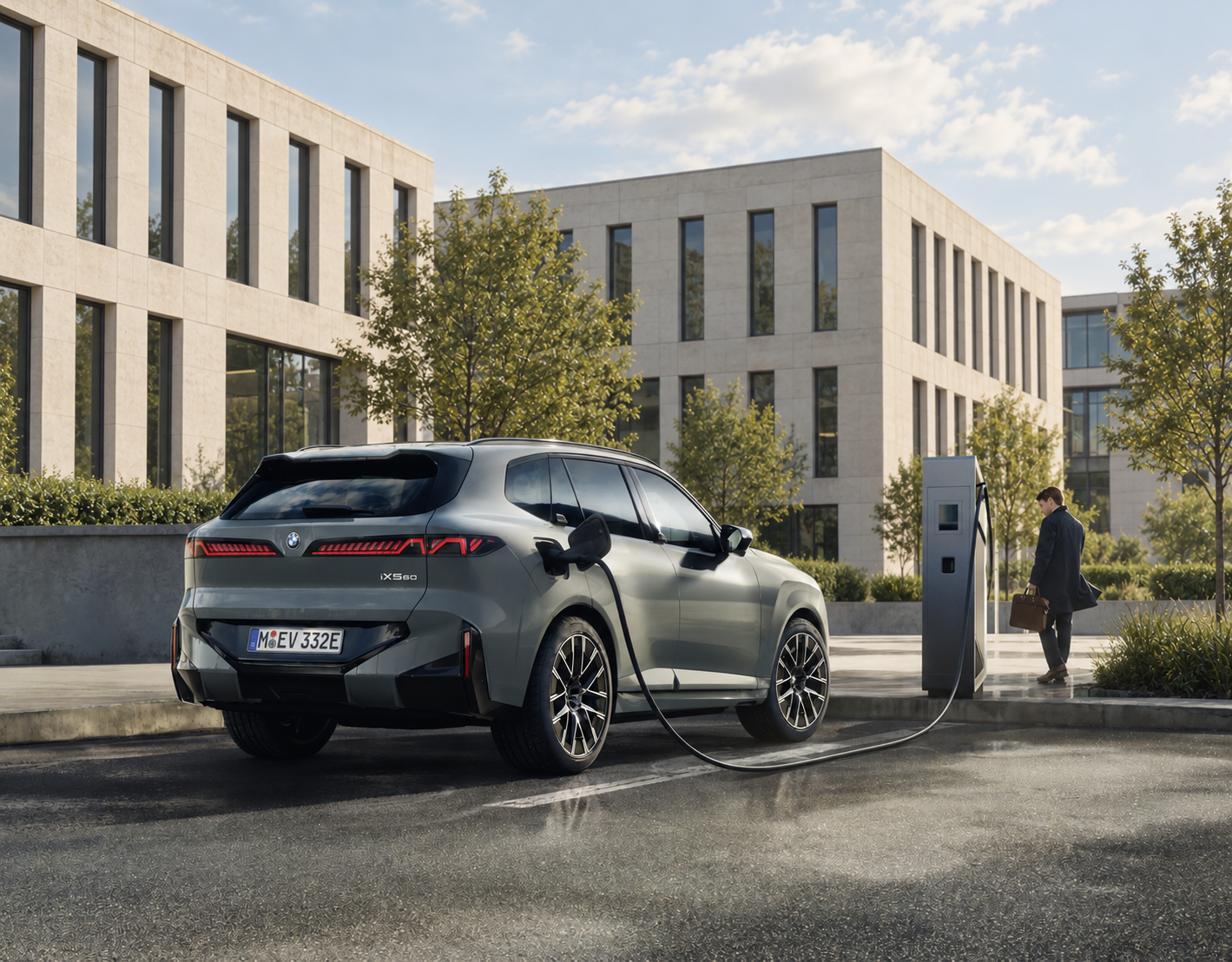
Why 23 minutes and 2 hours 45 minutes cannot be compared directly
For the iX5, the figure refers to fast DC charging from 10 to 80%; for the hybrids, it refers to AC charging from 0 to 100%. These are different conditions and involve different amounts of energy delivered. It is more useful to compare the kilometres added during the time you have available to park, taking the specific charging point into account.
Luggage space and towing capacity can change the decision
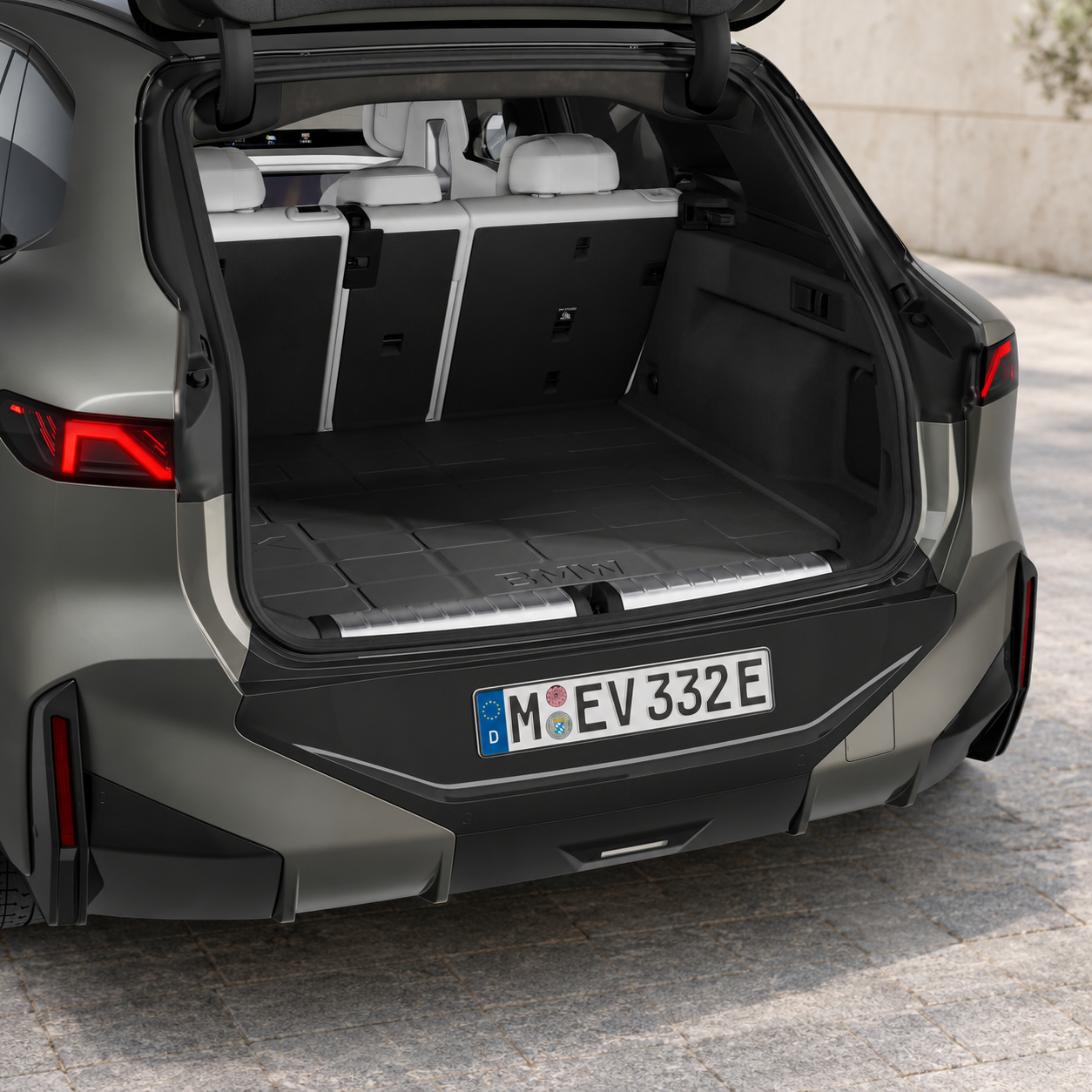
With the rear seats upright, the iX5 has 130 litres more main luggage space. There is also a 53-litre compartment under the front hood, for example for the charging cable. For a family trip, this is a more noticeable difference than a few tenths of a second in acceleration.
The hybrids have the advantage for heavy trailers: their stated limit is 3.3 tonnes versus 2.7 tonnes for the iX5. Before ordering, check the approval for the exact configuration selected. The electric vehicle's higher output compared with the 50e does not mean greater towing capacity.
The same starting price does not mean the same running costs
According to the BMW German price list, dated October 8, 2026, the 50e and iX5 60 are priced at 102,800 euros, while the M60e costs 125,000 euros. These are recommended base prices including German VAT at 19%, excluding vehicle delivery costs. They do not determine the purchase price in another country.
The starting price difference between the M60e and the other two versions is 22,200 euros. From there, the comparison depends on options, local charging rates, petrol prices and your mileage. The factory price alone cannot determine which vehicle will be cheaper to own.
How to choose for your driving pattern
Consider the 50e if you have regular access to charging, your daily trips fit within its available electric range, and you need the option of using petrol stations on long journeys.
The M60e suits the same scenario when extra performance matters more than the additional cost. There is no reason to buy it for greater electric range.
The iX5 is worth comparing with the hybrids if charging at home, at work and during trips is already straightforward for you. Its larger luggage compartment and lack of a petrol engine are additional advantages.
Before choosing, write down three figures: your daily mileage, the charging time available to you and the trailer weight, if required. These will show the differences between the three X5 versions faster than a comparison of maximum power.