EN
EN

Frequently asked questions
In Norway, owners have been reported as receiving 18,000 Norwegian kroner per vehicle. Compensation has also been reported in Sweden, but Volvo has not publicly announced one global procedure, and eligibility and terms may differ by country and vehicle.
Volvo states that eligible 2025 model-year EX90 vehicles receive a free central computer replacement with two NVIDIA DRIVE AGX Orin processors and compatible software. The work requires a dealer workshop visit of approximately one day and is separate from LiDAR compensation.
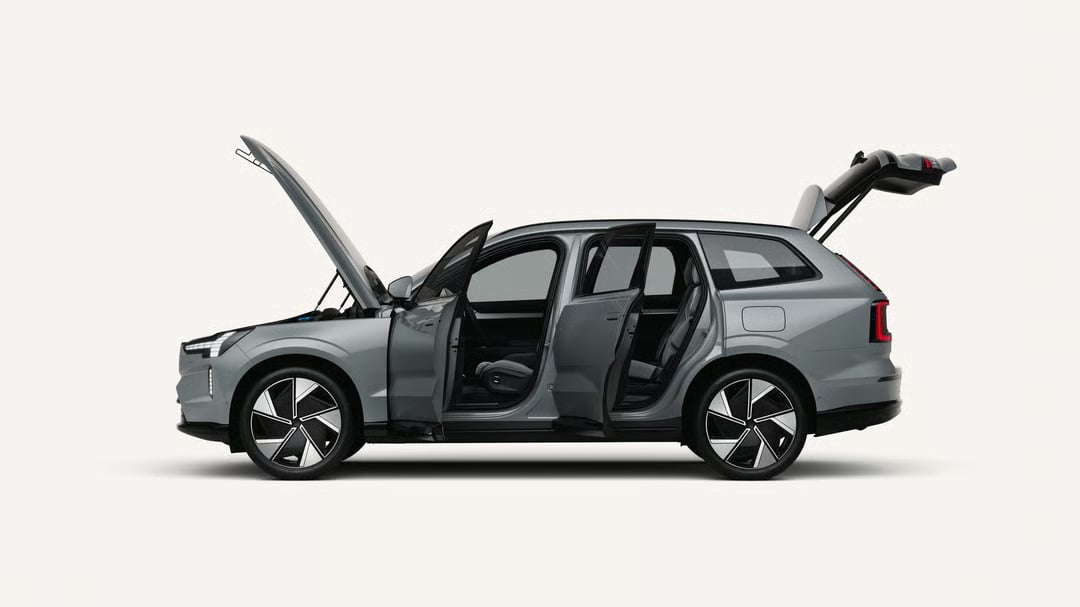
The 2026 EX90 began production without LiDAR and uses cameras, radar, and ultrasonic sensors. It also has an 800-volt electrical system, two Orin processors, and additional driver-assistance functions. The 800-volt system is not retrofitted to 2025 EX90 vehicles.
On 29.07.2026, specialist publications reported compensation for Volvo EX90 owners who bought vehicles fitted with roof-mounted LiDAR, but never received the promised functions. In Norway, a specific amount was reported: 18,000 Norwegian kroner per vehicle, approximately 1,800 euros according to sources at the time of publication.
The issue affects two groups of vehicles. Early 2025 model-year EX90 cars have the LiDAR hardware physically installed, but its expected capabilities remained unavailable. The 2026 model-year EX90 began production without the sensor, while gaining an 800-volt electrical system, a more powerful central computer, and new driver-assistance functions.
The short answer
Owners of LiDAR-equipped vehicles in Norway are being paid 18,000 kroner. Compensation has also been reported in Sweden, but there is no single publicly announced procedure for every country. Separately, Volvo is replacing the central computer free of charge on 2025 model-year EX90 vehicles. New EX90 cars are produced without LiDAR and use cameras, radar, and ultrasonic sensors.
How the EX90 went from a key sensor to abandoning it
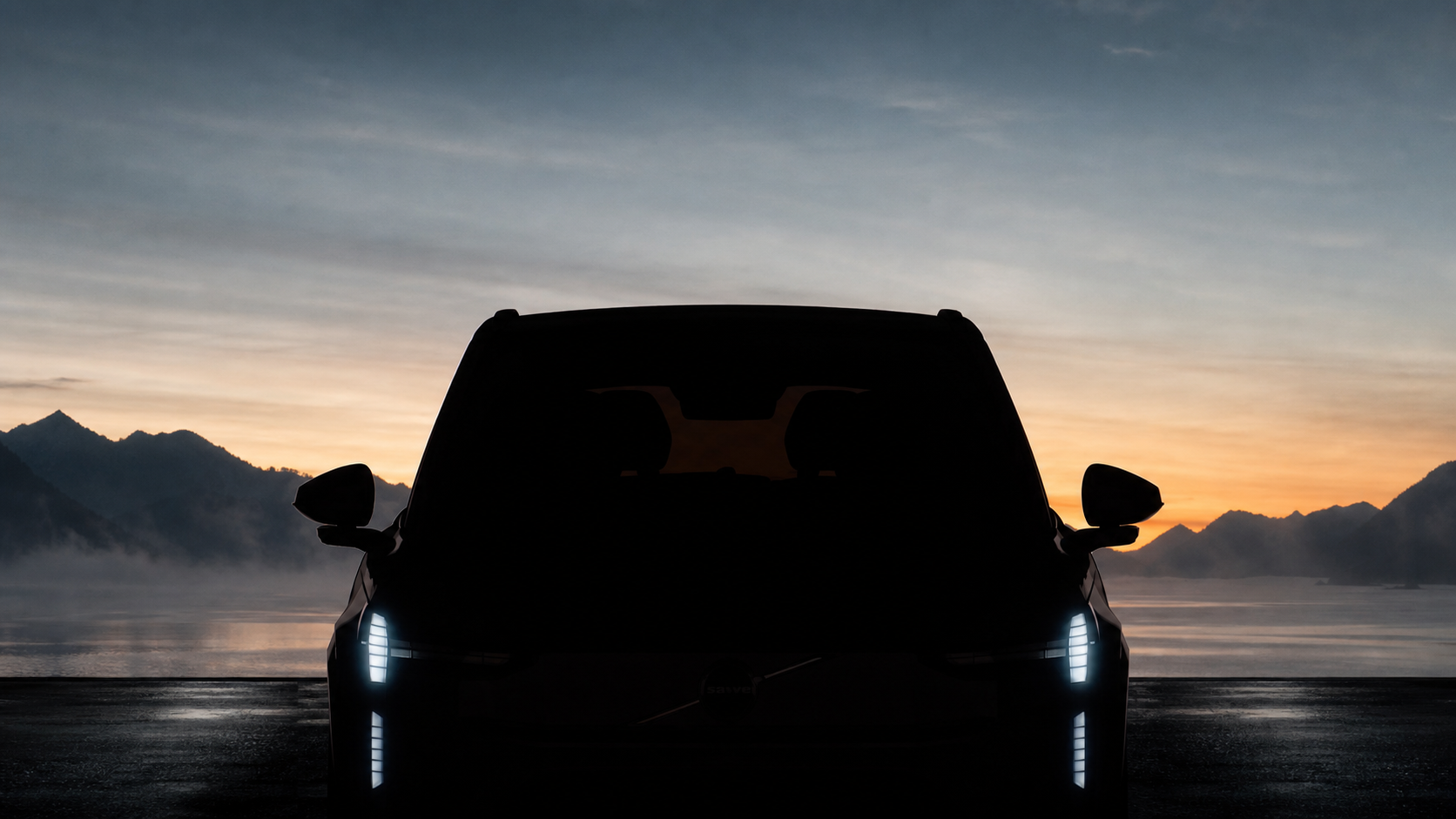
When the EX90 was first presented, the large LiDAR unit above the windshield was one of the model's main features. The sensor was intended to create a three-dimensional view of the vehicle's surroundings and serve as the foundation for future safety and driver-assistance functions. The first vehicles reached customers with the hardware itself, but without the full set of promised capabilities.
On 11.11.2025, Volvo updated its official support page and announced that the EX90 and ES90 would be produced without LiDAR. At the time, the decision was attributed to limited equipment availability. The company said affected customers would be contacted directly, and that the vehicles met Volvo's internal safety standards and retained a high level of driver assistance with or without LiDAR.
Date | What happened | What it means for owners |
|---|---|---|
23.09.2025 | Volvo opened orders for the 2026 EX90 with an 800-volt system and two Orin processors | The new hardware platform entered series production |
11.11.2025 | Volvo officially announced production of the EX90 without LiDAR | Some existing orders were changed, and customers were promised direct notification |
13.03.2026 | The terms of the free central computer upgrade for the 2025 EX90 were published | A workshop visit of approximately one day is required |
29.07.2026 | Reports emerged about compensation for the non-functioning LiDAR | The amount reported for Norway is 18,000 kroner; terms vary by country |
Who receives compensation and how much
According to Norwegian and Moldovan automotive publications, owners of LiDAR-equipped EX90 and ES90 vehicles in Norway are entitled to a payment of 18,000 Norwegian kroner. PiataAuto also reports confirmed compensation in Sweden and estimates it at approximately 1,800 euros, although Volvo has not published the exact Swedish terms in an open announcement.
This is not a globally announced payment for every EX90 in every country. The amount, form of compensation, and eligible owners may differ. Owners should request the written terms from their national Volvo representative or dealer using the VIN, especially if the vehicle is leased, used as a demonstrator, or has been resold.
According to PiataAuto, the sensor will remain in the roof of vehicles already produced because there is no ready-made program for removing it and replacing the roof panel. At the same time, Volvo does not plan to launch the functions it intended to build around LiDAR data. No public Volvo technical bulletin describing the future operating mode of the installed sensor could be found at the time of publication.
Do not confuse the two separate programs
LiDAR compensation relates to payment for hardware and functions that were not delivered. It depends on the country and the specific vehicle.
Free central computer replacement is intended for 2025 model-year EX90 vehicles. It is a hardware and software upgrade, not a cash payment.
One vehicle could potentially qualify for both programs, but eligibility for the computer upgrade does not by itself confirm eligibility for financial compensation.
What 2025 EX90 owners receive free of charge
The Volvo support page for Moldova, updated on 13.03.2026, states that 2025 model-year EX90 vehicles qualify for a free central computer replacement. The vehicle receives a configuration with two NVIDIA DRIVE AGX Orin processors and compatible software.
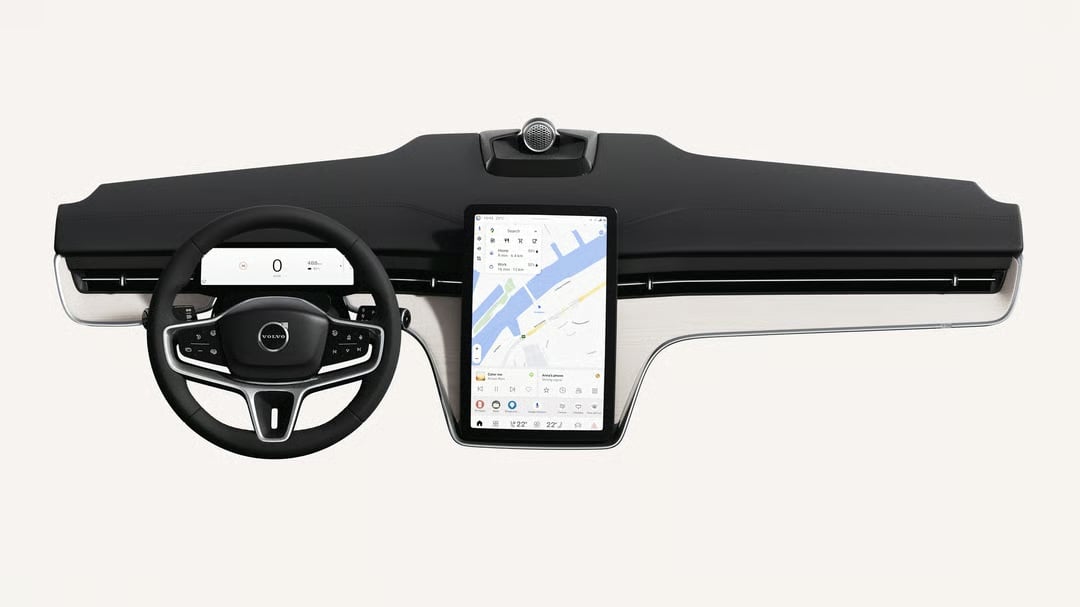
The upgrade cannot be installed solely over the air: the old unit is incompatible with the new software package. The dealer must invite the owner to a workshop, and installing the hardware and software takes approximately one day. Afterward, the vehicle will be able to receive subsequent compatible OTA updates.
Volvo's list of functions includes Park Pilot Assist for parallel parking, Pilot Assist following-distance adjustment, Connected Safety cloud warnings, Emergency Stop Assist with automatic assistance calls in selected markets, voice communication with rear passengers, and manual battery preconditioning before fast charging. Availability of each function depends on the country and equipment level.
How the 2026 EX90 differs technically
On 23.09.2025, Volvo opened the order books for the updated EX90 and listed the changes in its official 2026 model-year press release.
An 800-volt architecture replaces the previous 400-volt system and reduces heat losses during charging;
At a 350 kW charging station, the vehicle can add up to 250 km of calculated range in 10 minutes when the battery is preconditioned;
Two NVIDIA DRIVE AGX Orin processors provide combined performance of 500 TOPS;
New features include slippery-road, hazard, and forward-collision warnings, enhanced automatic evasive maneuvering in the dark, and a parallel-parking assistant;
The equipment list now includes a panoramic electrochromic roof with adjustable transparency.
The 800-volt power system is not being retrofitted to 2025 EX90 vehicles. The free service campaign covers the central computer and software, not the traction battery, power electronics, or charging architecture.
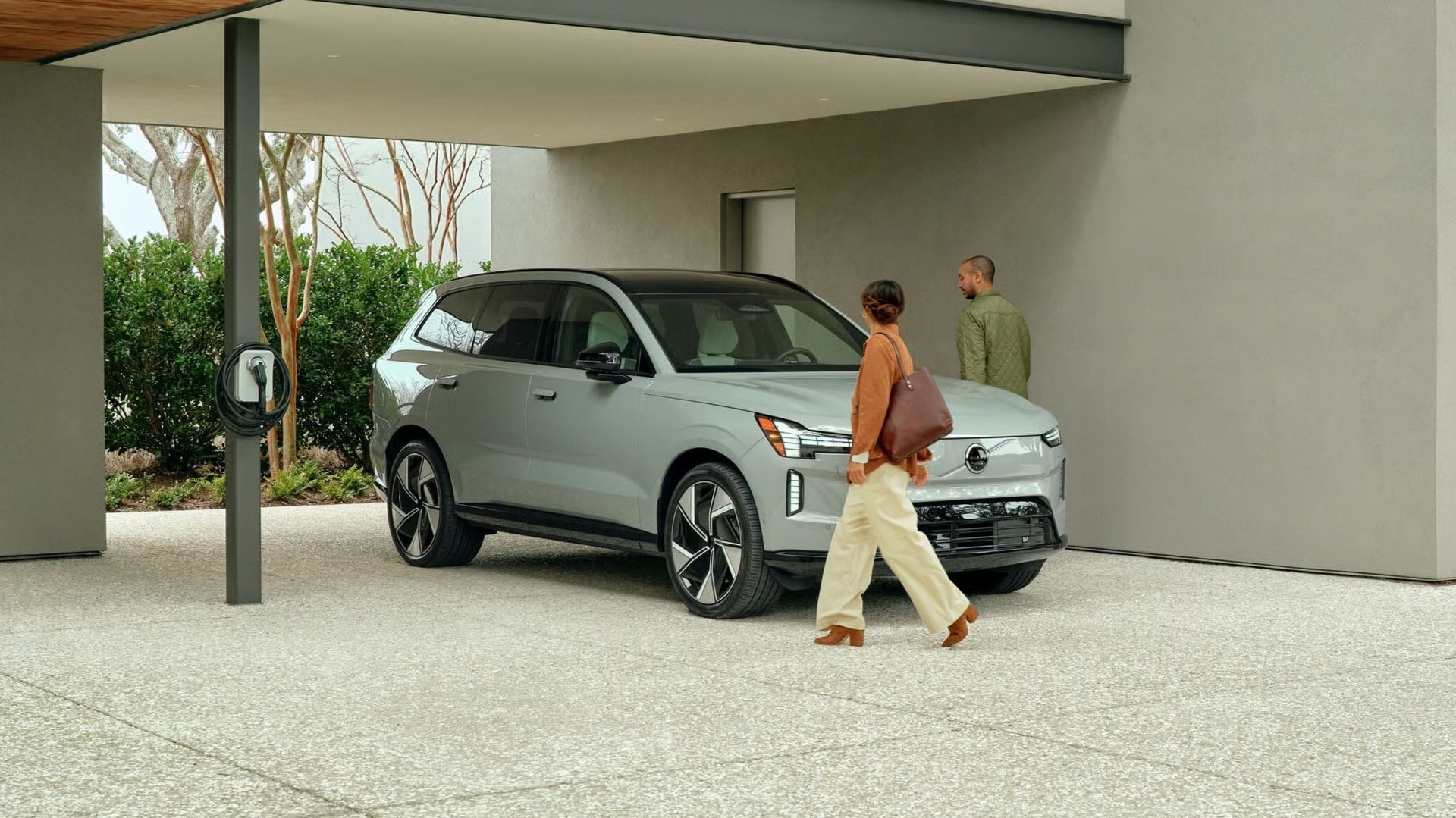
On the European market, the 2026 range includes the rear-wheel-drive Single Motor and two all-wheel-drive versions. The German specification lists 92 and 106 kWh batteries, outputs from 245 to 500 kW, a range of up to 622 km under WLTP, and DC charging of up to 350 kW. The stated charging time from 10% to 80% is 22 minutes under suitable conditions. Specifications in other markets may differ.
Is the EX90 less safe without LiDAR?
Volvo states that versions with and without the sensor meet the brand's safety standards. The vehicle still has cameras, radar, ultrasonic sensors, a driver-monitoring system, and a powerful computing unit. However, this manufacturer's statement does not mean that the sensor suite is fully equivalent to the system originally promised or that the vehicle has autonomous driving capability.
The EX90 remains a vehicle with driver assistance, not a self-driving car. The driver must monitor the road and remain responsible for driving. Independent testing of the specific version without LiDAR is more important than general conclusions based on early vehicles because the hardware configuration has changed.
What owners and buyers should check
Confirm the model year, production date, and presence of a roof-mounted LiDAR unit using the VIN.
Ask the dealer to provide a written list of the active and deferred functions for that specific vehicle and country.
For a 2025 EX90, check eligibility for the free installation of two Orin processors and confirm the service appointment date.
Request the separate LiDAR compensation terms, including the amount, payment method, claims deadline, and rules for leased vehicles.
When choosing a 2026 EX90, do not assume that its charging specifications match those of the 2025 version: the vehicles use different electrical architectures.
Bottom line
Volvo addressed the issue in two ways. New EX90 vehicles are produced without LiDAR and receive a more powerful electronic platform, while owners of earlier vehicles are offered a free central computer replacement. Financial compensation for the sensor is a separate regional measure: 18,000 kroner has been confirmed for Norway, but universal terms for all markets have not yet been announced.
The key takeaway for buyers is simple: the EX90 name does not guarantee identical equipment. Before making a deal, check the model year, VIN, charging architecture, presence of LiDAR, central computer version, and the list of driver-assistance functions that actually work.