 EN
EN

Frequently asked questions
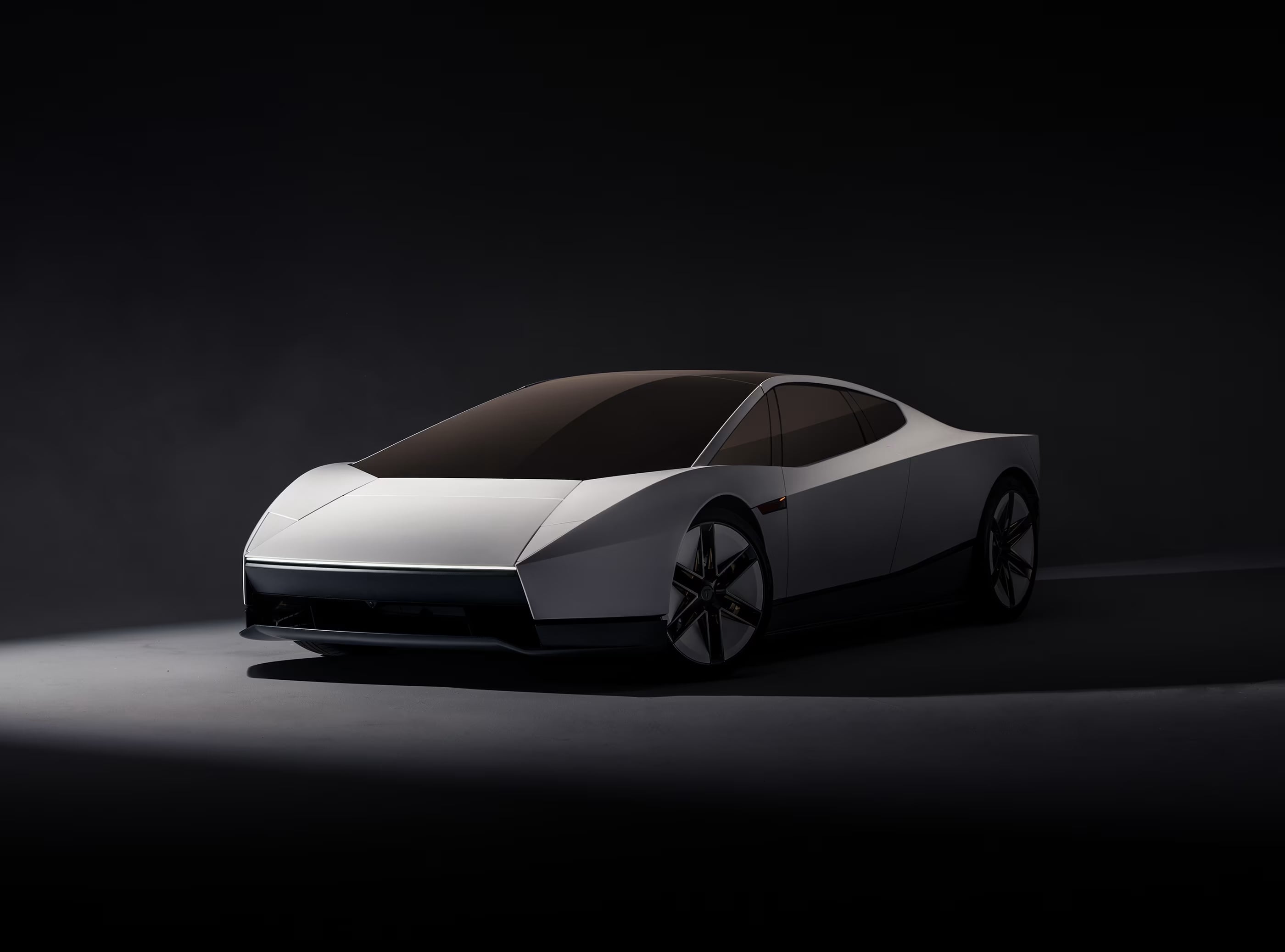
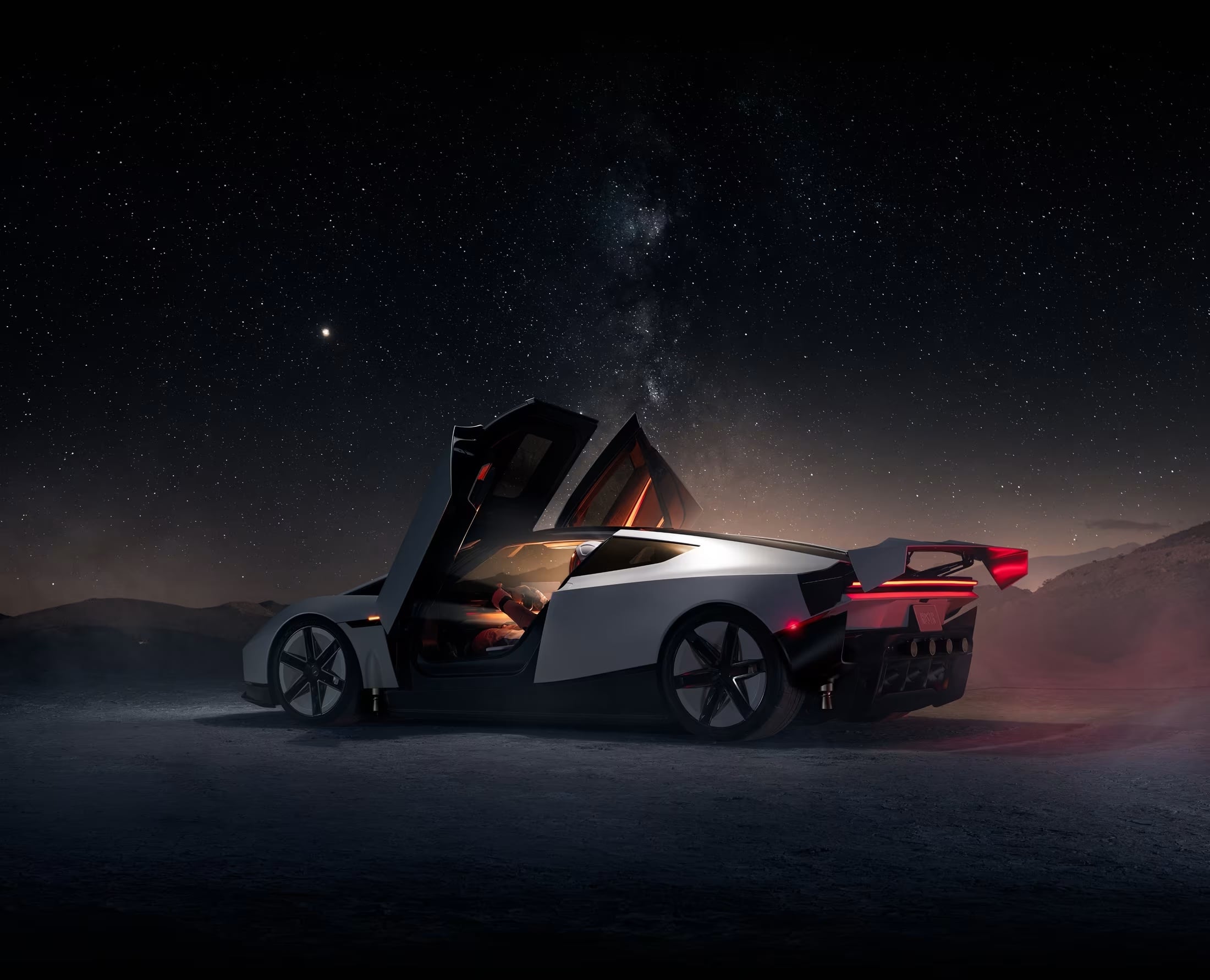
The new Roadster is planned in two-seat Performance and Thrust versions, plus the single-seat Rocket. The Performance has active aerodynamics and a fan-based downforce system, the Thrust adds rear gas thrusters, and the Rocket is designed for aerial maneuvers and is not approved for public roads.
Tesla claimed 0.81 seconds to 60 mph, or approximately 96.6 km/h. This is not a 0–100 km/h figure; it was recorded using a special method with a 30.48 cm rollout and was not an independent test of a production vehicle.
No. $250,000 is the total Thrust reservation deposit: $5,000 at reservation and another $245,000 within ten days. Tesla has not yet announced the vehicle’s retail price.
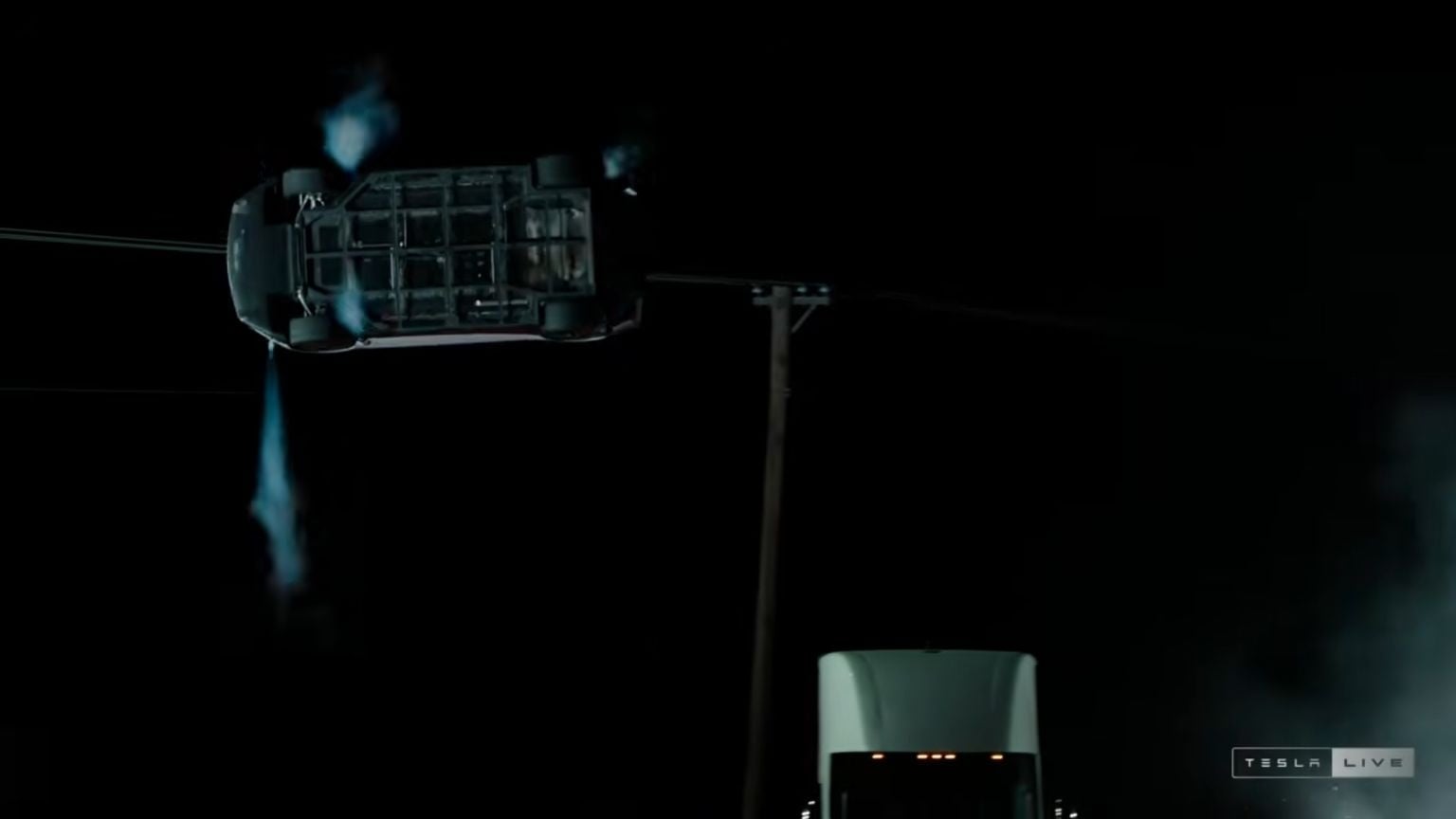
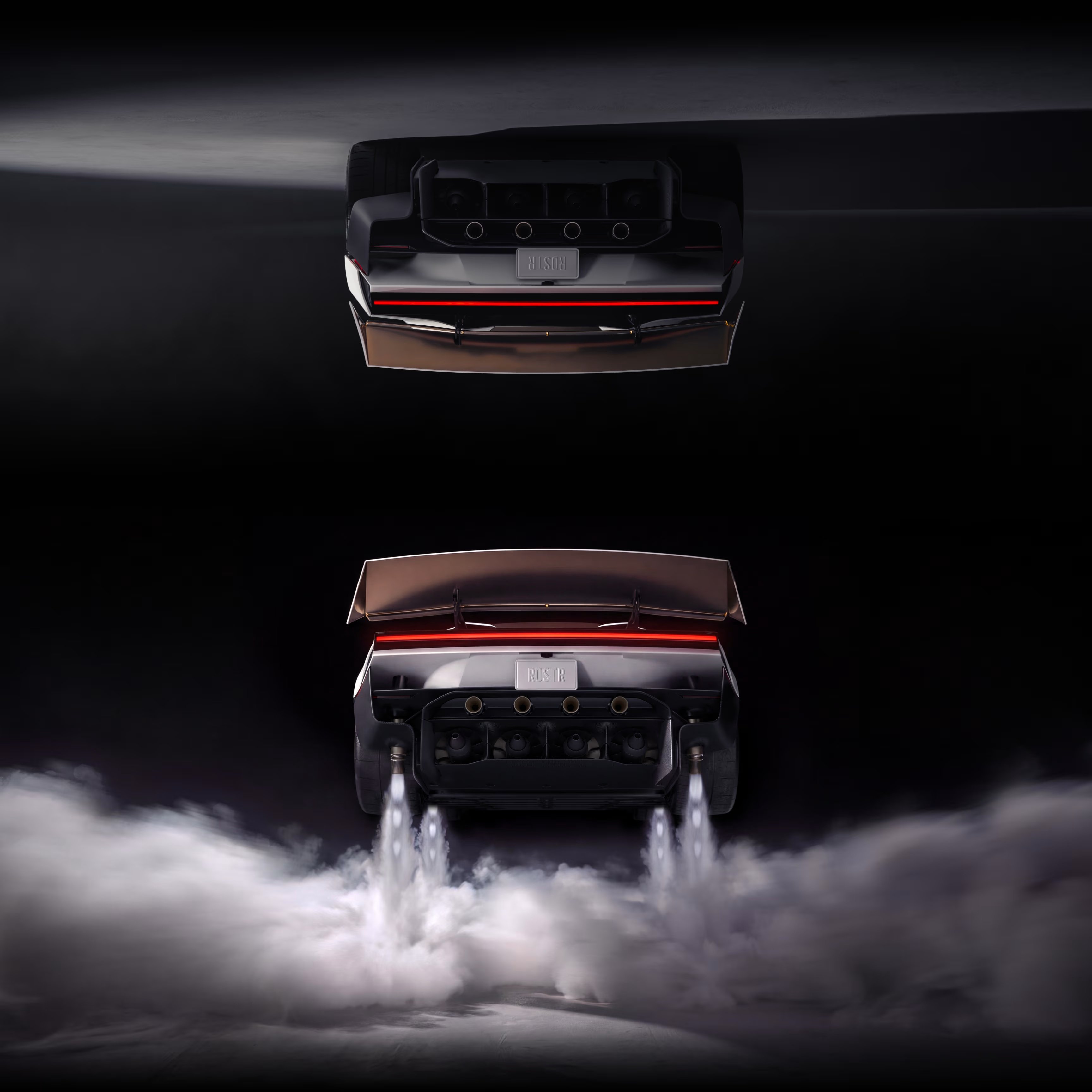
On October 15, 2026, at SpaceX’s test facility in McGregor, Texas, Tesla unveiled the new Roadster. The prototype climbed a curved ramp, flipped upside down, lifted off the surface, and landed back on its wheels. It then jumped and rotated over other Tesla vehicles. In Moscow time, the presentation took place on October 16. Two separate systems are behind the aerial stunts: underbody fans and compressed-gas thrusters.
However, aerial maneuvers are intended only for the single-seat Rocket version. Tesla’s website identifies it as not approved for use on public roads. The new Roadster will also be available in two-seat Performance and Thrust versions. They differ not only in capability, but also in reservation terms.
What Tesla actually showed
The demonstration consisted of several sequences: driving up a ramp and flipping over, an aerial maneuver above a row of cars, and acceleration assisted by thrusters. These clips can be seen in the official recording of the Roadster presentation. On stage, Musk separately explained that the car was driven autonomously during the demonstration to protect those nearby.
The car shown is not yet a production-ready vehicle. In an interview with MotorTrend, Tesla chief designer Franz von Holzhausen described it as a prototype engineered with production in mind. That gives an indication of the technical solutions that work, but it does not mean buyers will receive every detail of the demonstration version unchanged.
Flying over cars does not mean flying across a city
At the presentation, the Roadster performed short aerial maneuvers in a closed facility. Tesla has not disclosed the duration or range of sustained flight. What was shown therefore does not mean the car will be able to fly over traffic jams or travel by air to a neighboring city.
Why the Roadster needs fans and gas nozzles
The fan system extracts air from beneath the floor, while a seal around its perimeter helps create a low-pressure area. According to Tesla, the resulting downforce is sufficient to hold the car on an inverted surface even while stationary. On a track, the system’s purpose is to increase tire grip.
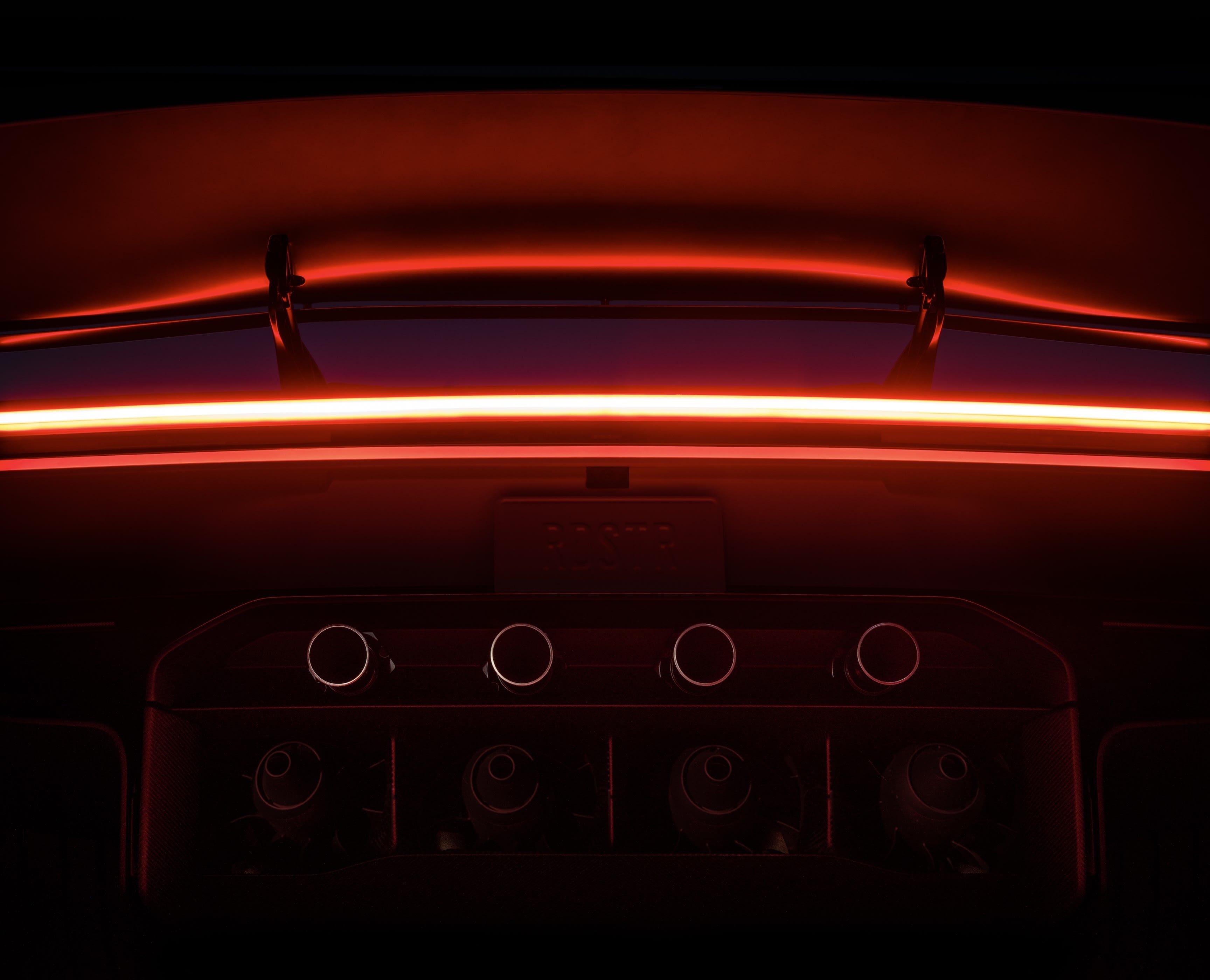
The thrusters serve a different purpose: they expel compressed gas through nozzles to generate thrust. In the Thrust version, rear thrusters aid acceleration. On the Rocket, nozzles are also positioned around the vehicle’s perimeter to provide lift and alter its attitude in the air. Tesla explains these differences on the official Roadster page.
600 liters is the combined capacity, not the size of each tank
At the presentation, a Tesla representative cited two tanks with a combined capacity of 600 liters and ten nozzles for the vehicle shown. The tanks store gas under high pressure, while the nozzles direct its release for acceleration, lift, and vehicle rotation. These figures apply to the flying configuration shown, not to every Roadster version.
What the 0.81-second acceleration time means
After the demonstration run, Tesla announced a 0.81-second time to 60 mph—approximately 96.6 km/h. On its website, the company lists acceleration to that speed in under one second for the Thrust. This is not a 0–100 km/h time, nor is it a figure that can automatically be applied to every Roadster version.
Autocar notes that the 0.81-second figure was achieved with a one-foot, or 30.48 cm, rollout: the initial part of the car’s movement was excluded from the timing. It can therefore only be fairly compared with other cars measured by the same method. The demonstration run was not an independent test of a production vehicle.
Performance, Thrust and Rocket: three distinct versions
Version | Seats | Key features | Reservation |
|---|---|---|---|
Performance | 2 | Active aerodynamics and a fan-based downforce system | $50,000 deposit |
Thrust | 2 | Performance equipment plus rear gas thrusters | $250,000 deposit; limited production |
Rocket | 1 | Additional thrusters for aerial maneuvers; not approved for public roads | Invitation only |
Tesla positions the Performance as the road-going option and the Thrust as a version with additional track-focused capabilities. Rear thrusters do not turn the Thrust into a Rocket: lift and in-air attitude control require a different system configuration.
What a reservation costs—and why it is not the vehicle price
On Tesla’s US Roadster reservation page, the Performance requires $5,000 at the time of reservation and a further $45,000 within ten days. For the Thrust, the initial payment is the same, while the second payment is $245,000. The total amounts of $50,000 and $250,000 are deposits, not announced retail prices.
Tesla has also set a limit of one Thrust reservation per buyer. The Rocket cannot simply be selected and paid for through the same form; it is listed as invitation-only. The stated dollar amounts apply to the US offering, and terms for other markets must be checked separately.
When the production Roadster will arrive
At the October 15 presentation, Elon Musk named 2028 as the start of production. That is the company’s stated plan. As of October 17, 2026, the exact date when the first cars will be delivered to buyers, final prices, and production battery capacity have not yet been announced.
For a prospective owner, the practical choice begins with the intended role of the car: the two-seat Performance sports car, the Thrust version with acceleration thrusters, or the single-seat Rocket for aerial maneuvers. The presentation’s most striking stunt belongs to the latter version, and its capabilities should not be assumed for every new Roadster.