 EN
ENDEALER
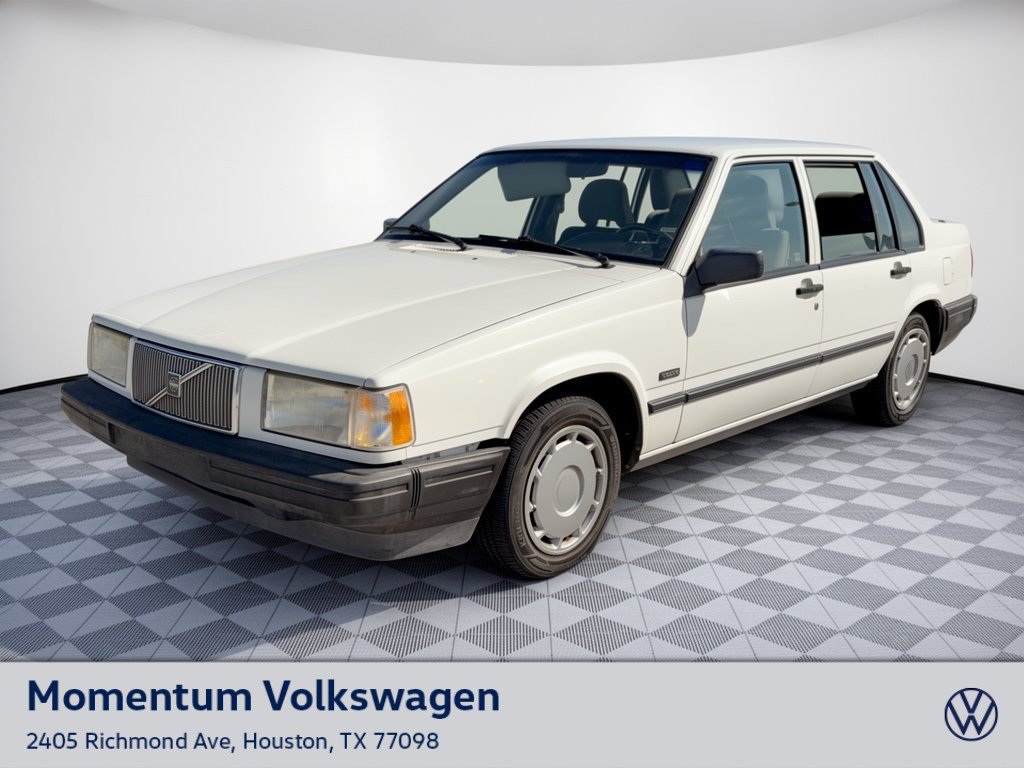
6.218 US$DEALER
8.219 US$
gasoline, automatic, 80K km, 2,300 cm3, white, Used condition, Europa, In stock
SonicAutomotive.com

EchoPark.com
 Houston, United States
 Houston, United States
When you’re considering a Volvo 940, you’re looking at a classic sedan known for solid build quality, comfortable ride, and practicality. Whether you’re buying for daily use, restoration, or as a project car, understanding the key details helps you compare options across generations and trim levels. This article covers what to expect from the Volvo 940 in terms of year ranges, body styles, mileage, fuel choices, and price segments, plus practical tips for buyers and sellers in major markets.
The Volvo 940 is a sedan with a traditional, understated design and a reputation for reliability. Common configurations include the two-door and four-door variants, with the estate variant offering extra cargo space. Model generations evolved with incremental updates, but the core drivetrain and handling usually emphasized durability. Buyers often consider factors like transmission type, engine choice, and interior condition when assessing value. Typical engines include inline-sixes in older chassis and four-cylinders in later options, with turbocharged variants appearing in some markets. Mileage ranges widely depending on usage, with well-maintained examples offering many more years of service.
Prices vary by country, year, and condition. A Volvo 940 in good shape from the late generation can sit in a mid-to-upper budget segment for classic sedans, while well-preserved examples with low mileage or desirable options may demand higher prices. When evaluating price, consider the following:
If you’re selling, highlight maintenance history, recent parts replacement, and documentation of any restorations. High-quality photos of the interior, engine bay, and undercarriage help buyers evaluate condition. Be transparent about issues and provide a reasonable price range based on comparable listings in your city. In many markets, well-maintained Volvo 940s with lower mileage and clean titles command better attention from enthusiasts and practical buyers alike.
 Add as preferred sourceSee more from zvelta in Google Search Add as preferred source