EN
ENDEALER
3.693 US$DEALER
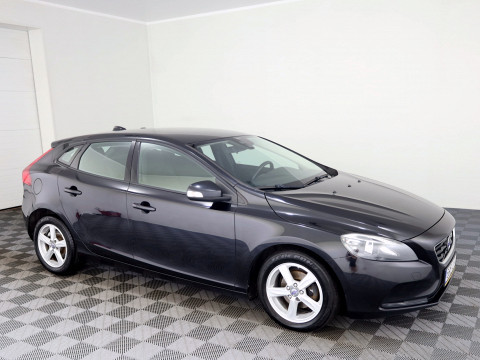
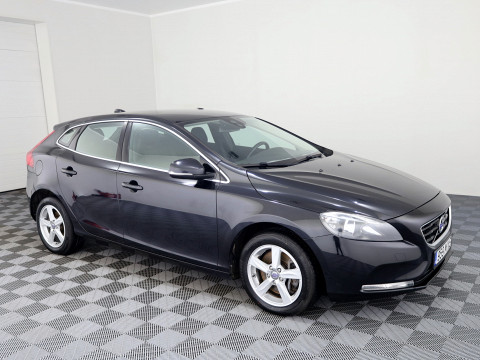
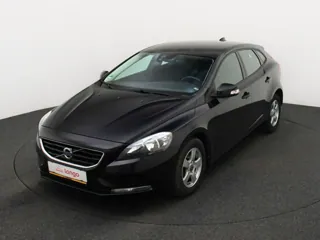
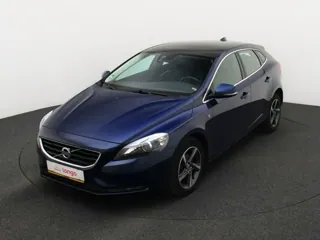
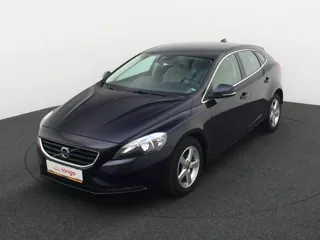
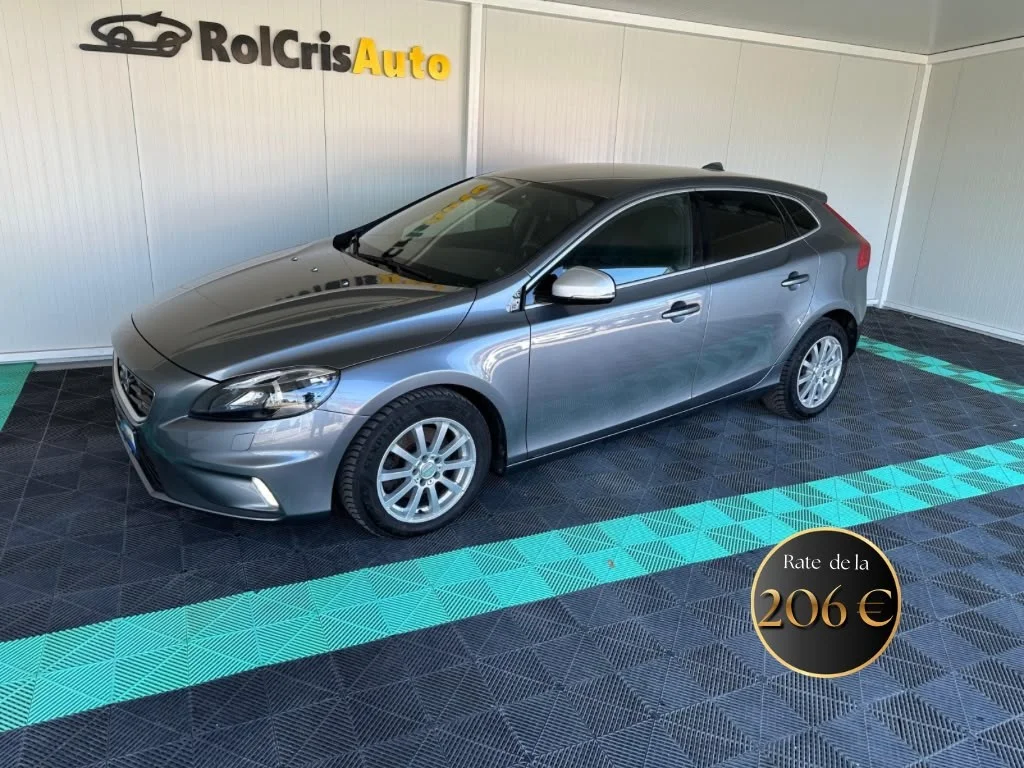
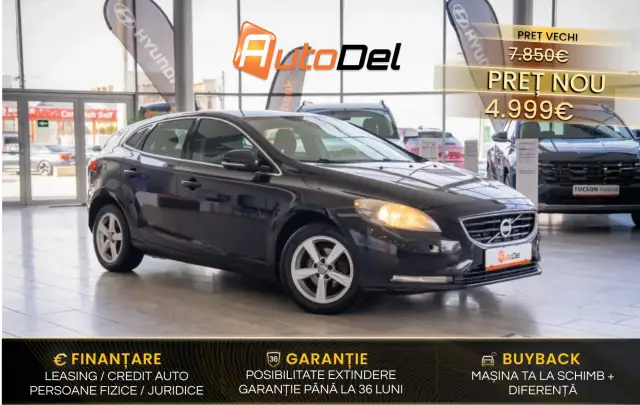
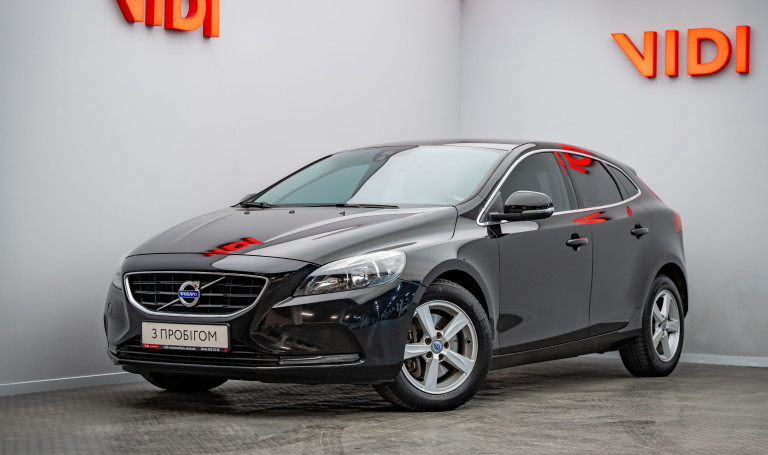
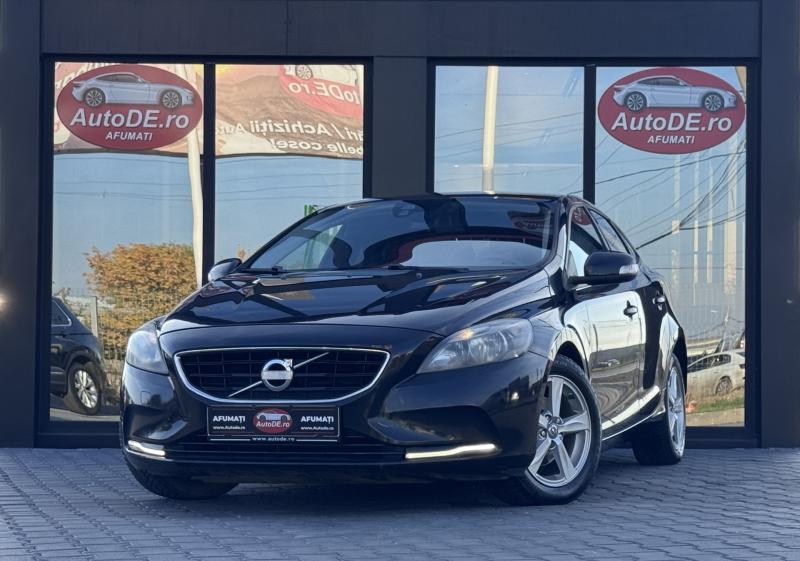
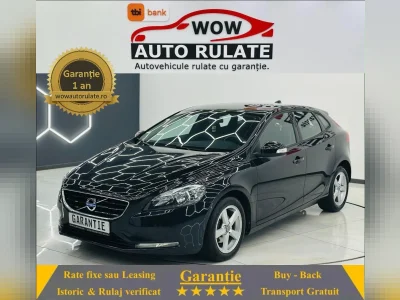
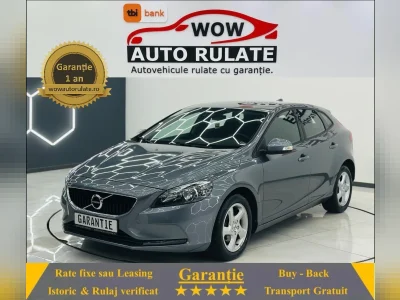
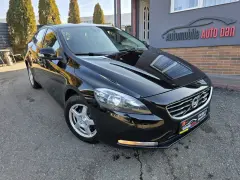
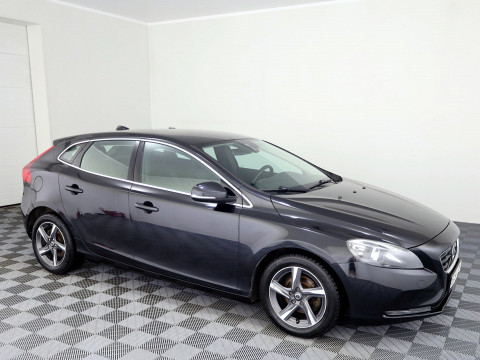
2013, diesel, manual, 316K km, hatchback, Front Wheels Drive, 1,600 cm3, black, Used condition, Europa, In stock

BaltiCar.com
 Estonia, Harjumaa
 Estonia, HarjumaaEstonia, HarjumaaEstonia, Harjumaa
 Torņakalns, EstoniaMiškiniai, EstoniaPanevėžys City, EstoniaTorņakalns, EstoniaPieczurki, EstoniaSendvaris, EstoniaMiškiniai, EstoniaPanevėžys City, Estonia
 Poland, Lesser Poland
 Romania, Bihor County
 Arad, RomaniaRomania, Timiș County
 Romania, Suceava
 Sofiyivska Borschagivka, Ukraine
 Albania, Tirana
 Afumaţi, Romania
 RomaniaBacau, RomaniaRomania, Bacău CountyRomania, Bacău County
 Zalău, Romania
 Romania, Bacău County
The Volvo V40 stands as a compact premium hatchback that blends Scandinavian design with practical performance. If you’re considering buying or selling a Volvo V40, understanding its generations, engines, body styles, and typical price ranges can help you make a smart choice in today’s market. This guide covers key factors to evaluate when shopping in your city, including model history, fuel options, and mileage considerations.
The V40 has evolved through several generations, with changes in engine lineups and features. When shopping, you’ll commonly encounter:
Fuel choices span petrol and diesel options, and some markets offer efficient turbocharged engines designed to balance performance with fuel economy. Transmission options typically include manual andAutomatic variants, depending on model year and market.
Buying a Volvo V40 involves weighing model year, mileage, and overall condition. Practical steps:
Consider mileage ranges and price segments to gauge value:
When you’re evaluating offers, compare these aspects side by side:
If you’re selling, highlight:
By understanding the Volvo V40’s generations, engines, and price ranges in your city, you’ll be better positioned to negotiate confidently whether you’re buying or selling. Whether you’re targeting a compact urban hatchback with premium touches or seeking a balance of efficiency and practicality, a well-documented V40 can be a strong choice.
 Add as preferred sourceSee more from zvelta in Google Search Add as preferred source