 EN
ENDEALER
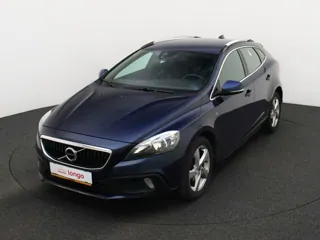
9.859 US$DEALER
diesel, automatic, 223K km, hatchback, Front Wheels Drive, 2 cm3, 120 hp, blue, Ocean Race, Used condition, Europa, In stock

longo.ee
 Torņakalns, Estonia
 Torņakalns, Estonia
The Volvo V40 Cross Country blends the comfort of a premium compact car with SUV practicality, making it a solid choice for urban driving and light off-road adventures. If you’re considering a Volvo V40 Cross Country, you’re likely weighing factors such as generation, year, mileage, fuel type, and price range before deciding where to buy or sell. Below is a practical guide to help you compare variants, understand common concerns, and find the right fit for your needs in your city.
The V40 Cross Country sits between a traditional hatchback and a small SUV, offering higher ride height, protective body styling, and solid cargo space without the bulk of a larger SUV. It appeals to buyers who want confident winter performance, urban maneuverability, and a refined ride. When shopping, consider the most common configurations of the model line, including engine choices and transmission types, along with the year of manufacture and overall mileage.
When you search for a Volvo V40 Cross Country in your city, focus on a few practical checks:
Pros:
Cons:
If you’re looking to sell, gather service records, repair receipts, and clear ownership history. A well-documented history helps buyers feel confident about the vehicle’s condition and potential future maintenance. Set a realistic price by comparing similar listings in your city, accounting for year, mileage, and edition of the Cross Country.
For buyers, test drives remain essential. Take a short route to test acceleration, braking, cornering, and safety features in real-world conditions. Check the cargo area with seats folded to ensure it meets your weekly load needs, and confirm that climate control and seating adjustability meet your comfort expectations.
In summary, the Volvo V40 Cross Country can be a strong match for buyers who want a refined, practical vehicle with added versatility. By focusing on generation, year, mileage, fuel type, and price in your city, you can identify a well-maintained example at a fair price.
 Add as preferred sourceSee more from zvelta in Google Search Add as preferred source